After admiring the street art on the doors of Rua de Santa Maria we didn’t have any firm plans about where to head next although we knew of a place selling craft ale on the way back to port. We decided to amble roughly in that direction and see if anything caught our eyes on the way.
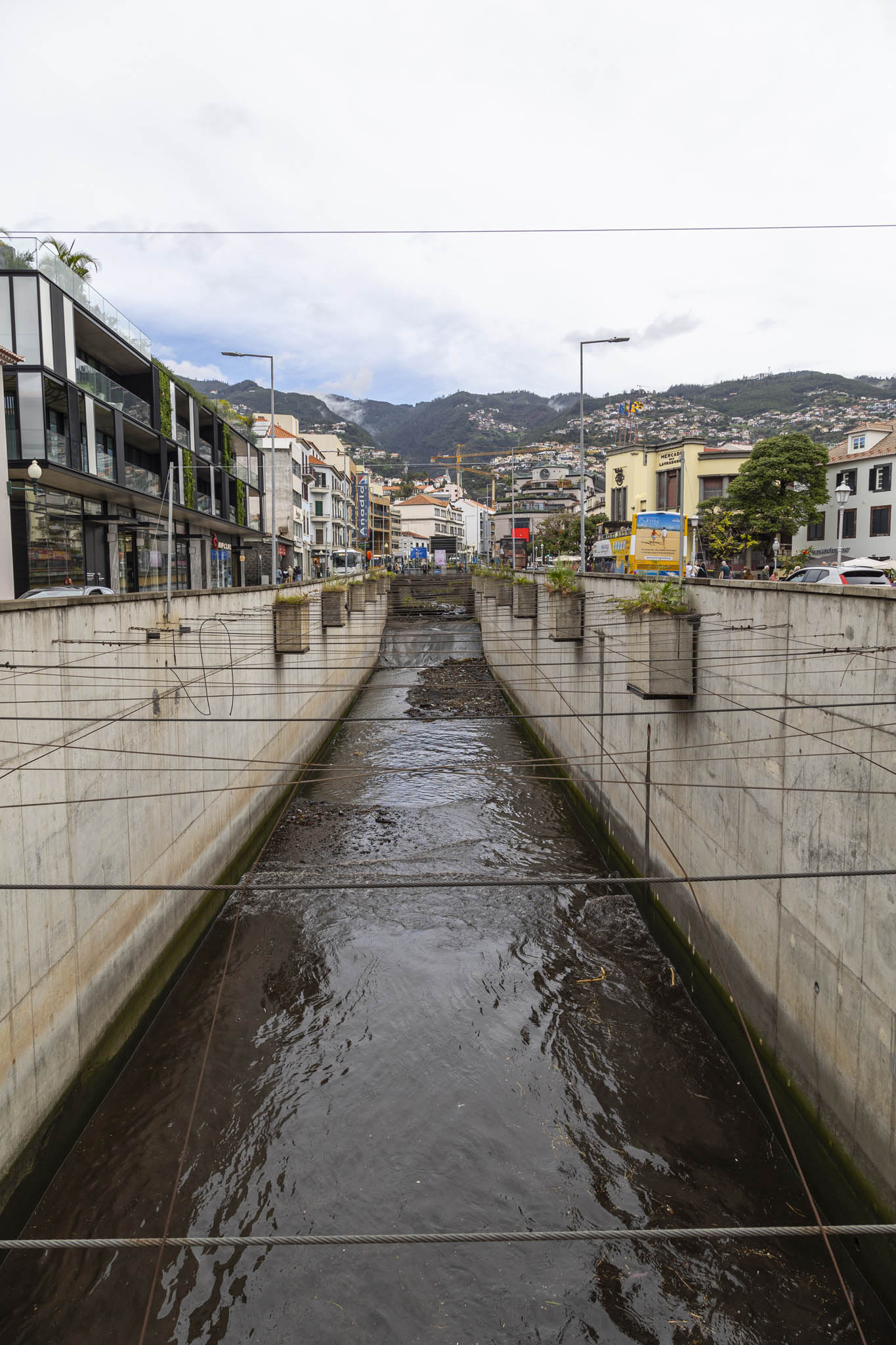
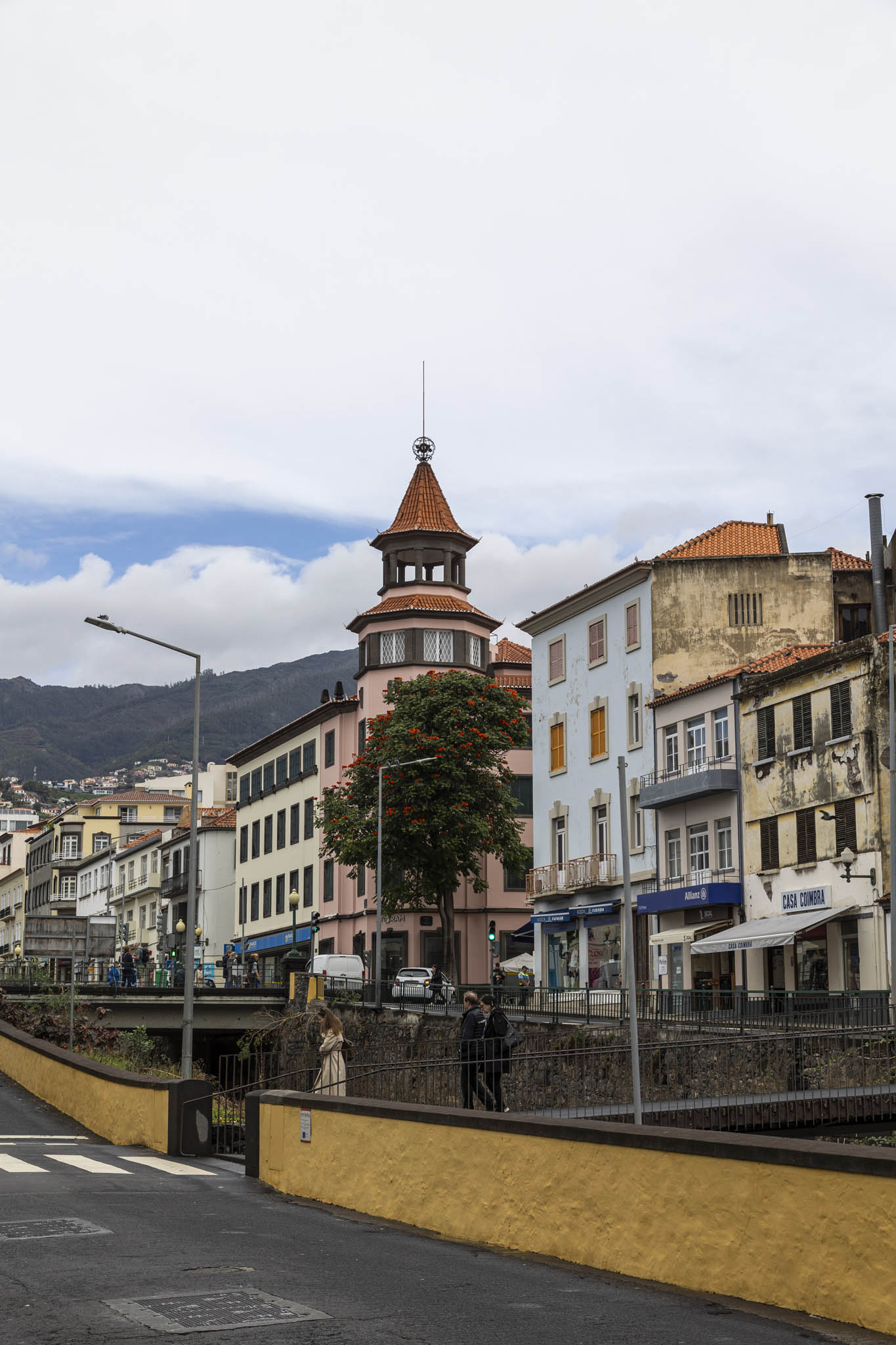
We started by passing over a couple of watercourses that run from the ravines higher up in the mountain areas around Funchal down to the Atlantic Ocean.
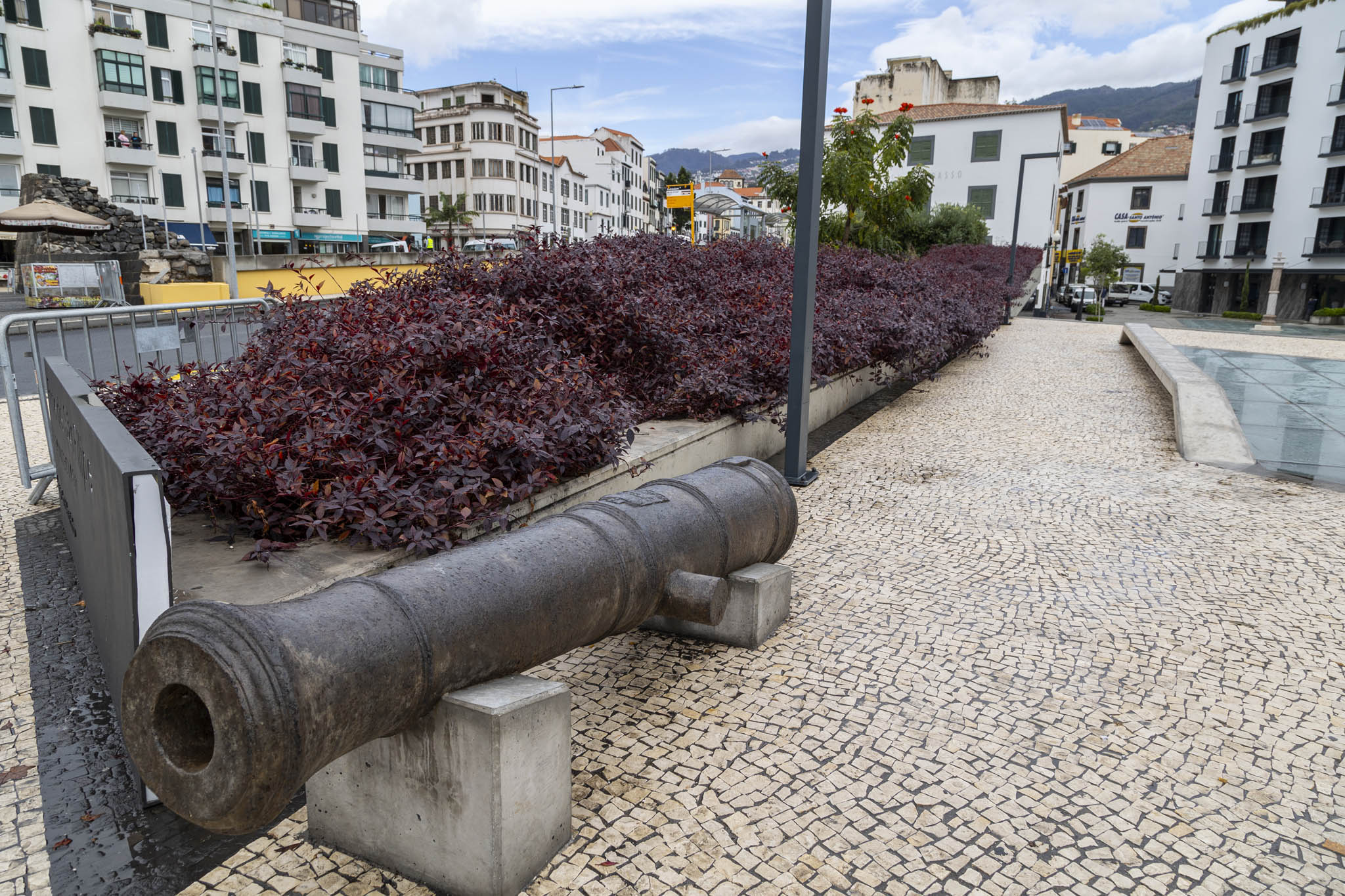
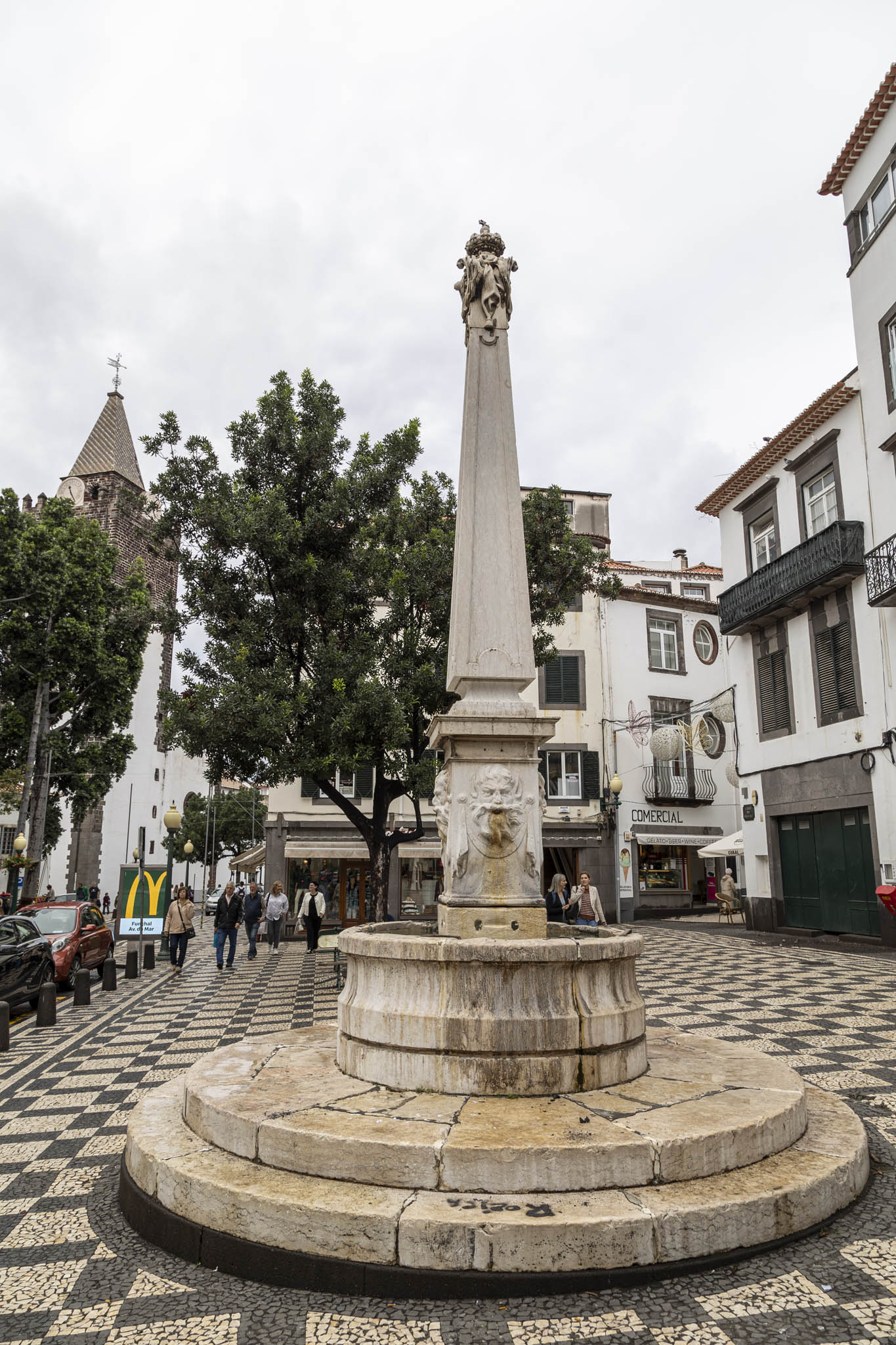
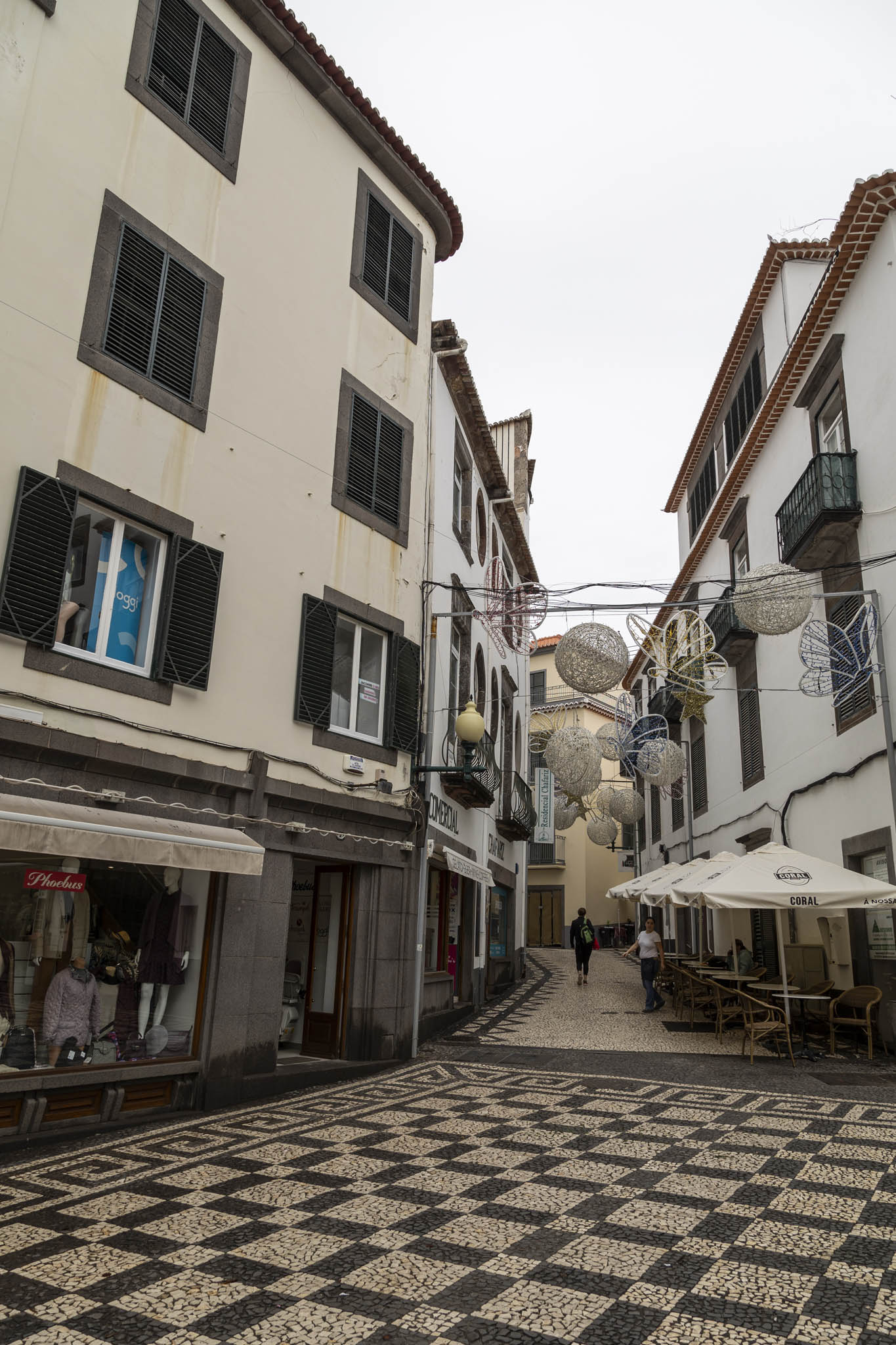
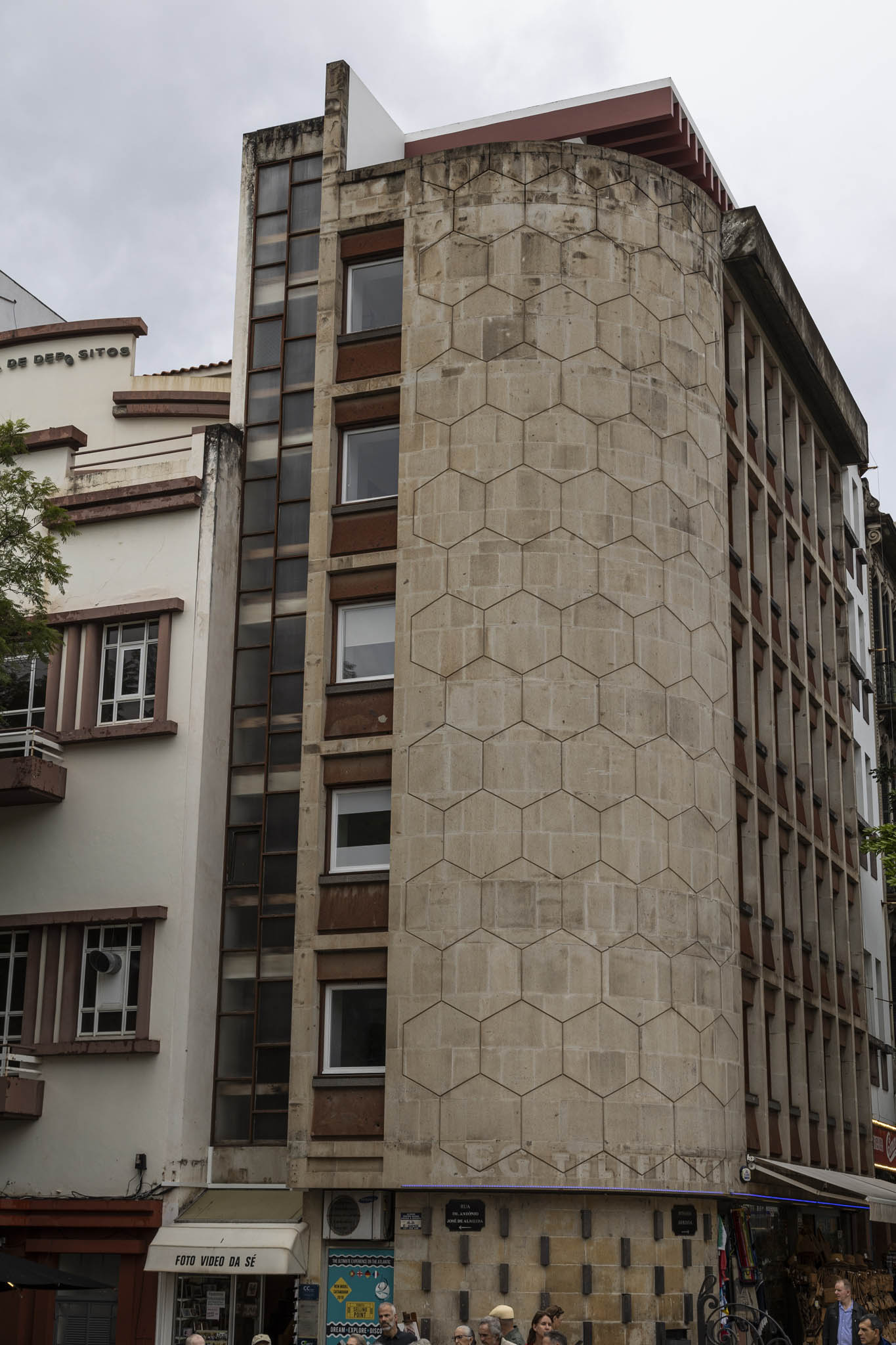
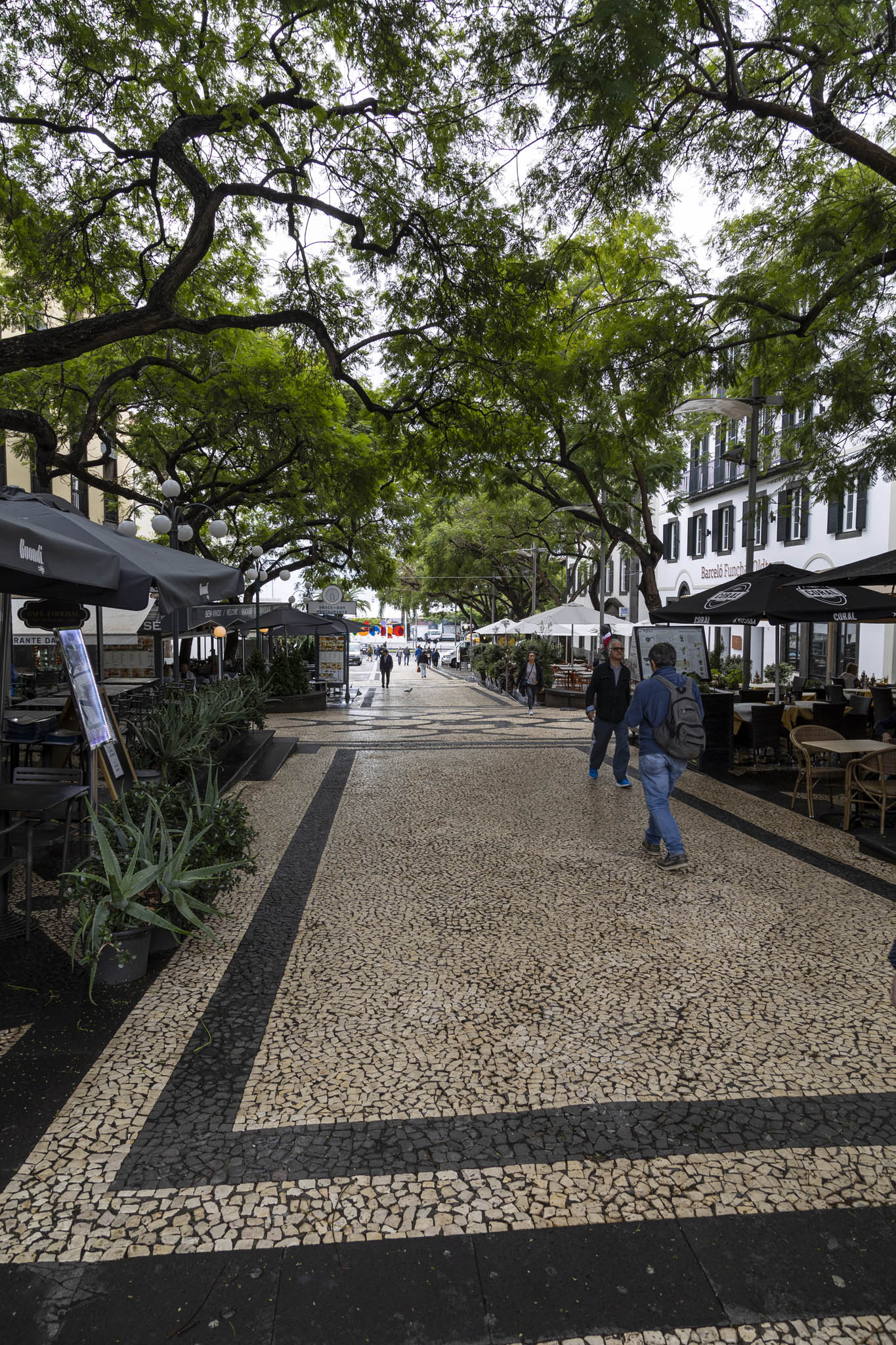
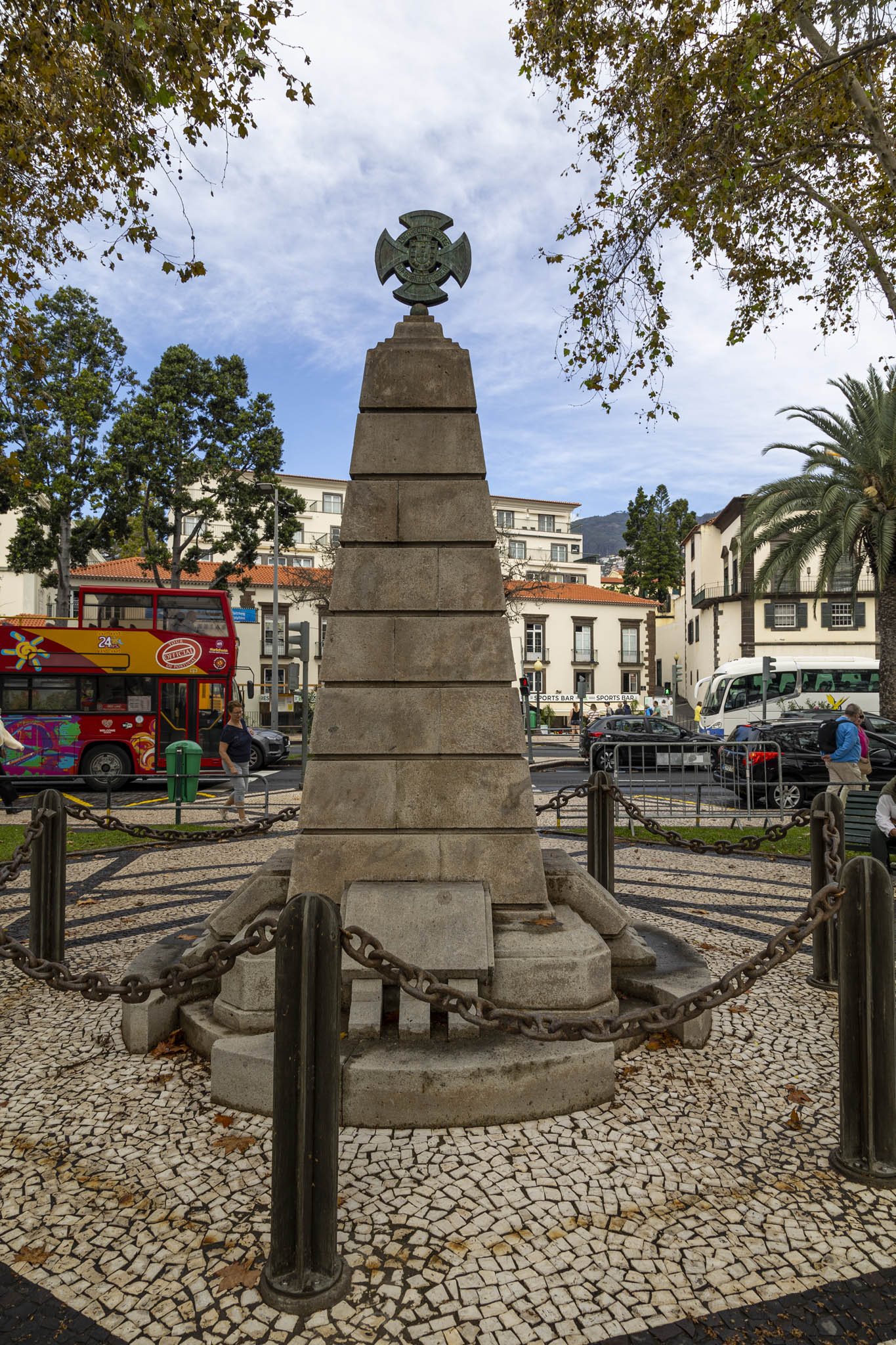
Chafariz Square had that black and white tiled surface that Portugal seems to love. The obelisk structure may have been part of a fountain, but whether it worked we couldn’t tell for sure. There was a fountain erected here in 1827, apparently, and this may actually have been it. That’ll teach us for not getting closer to take a look.
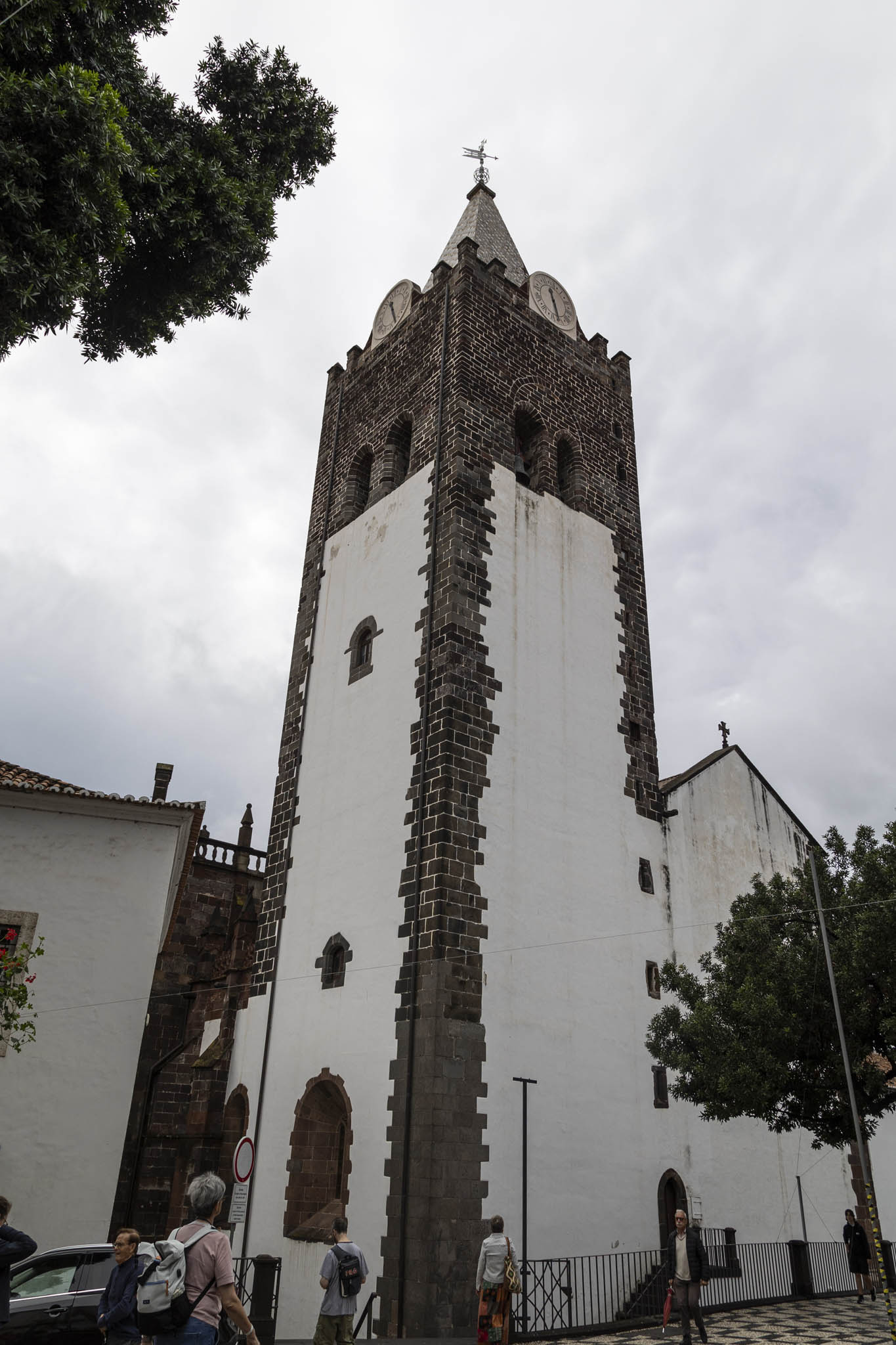
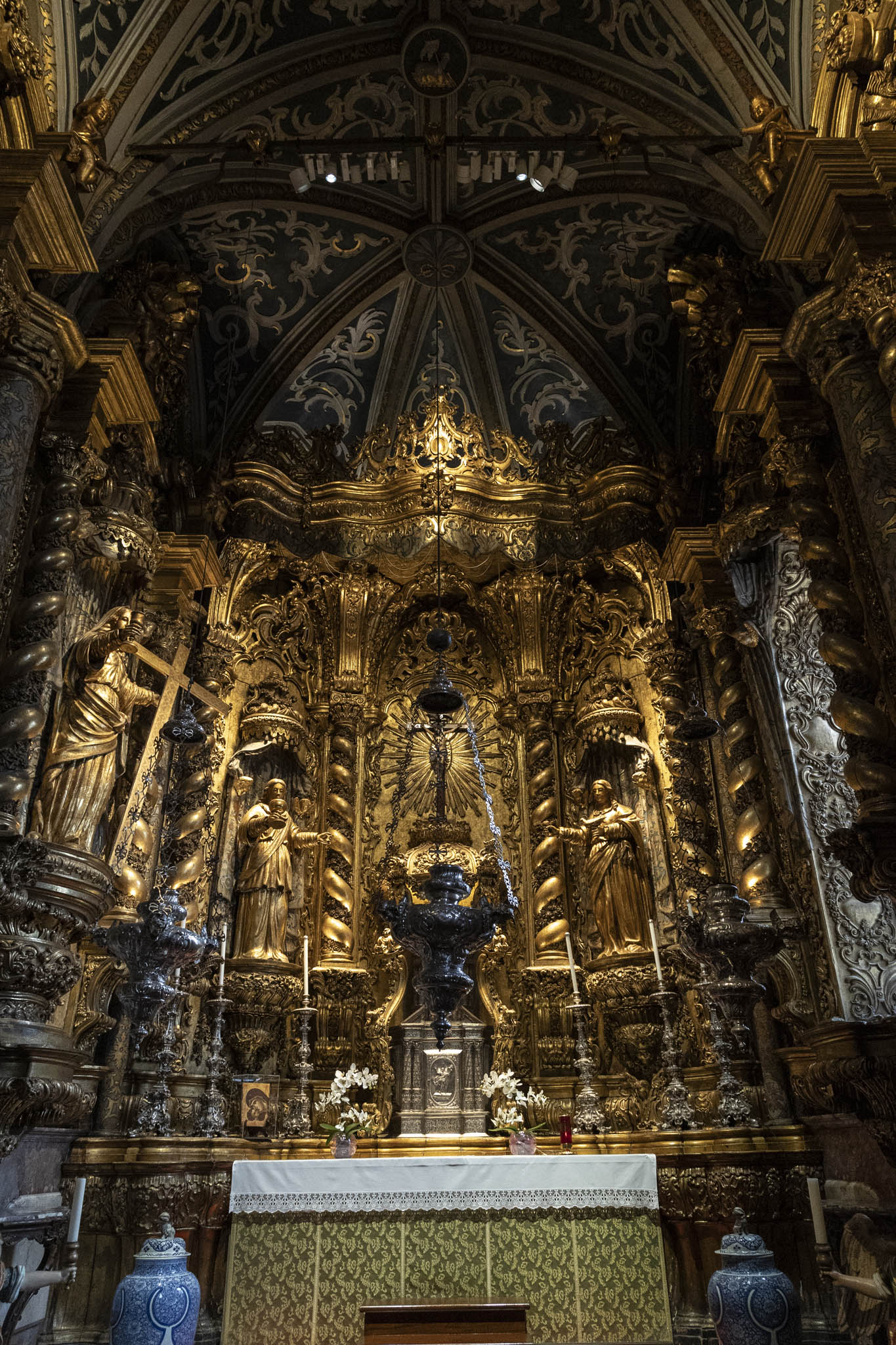
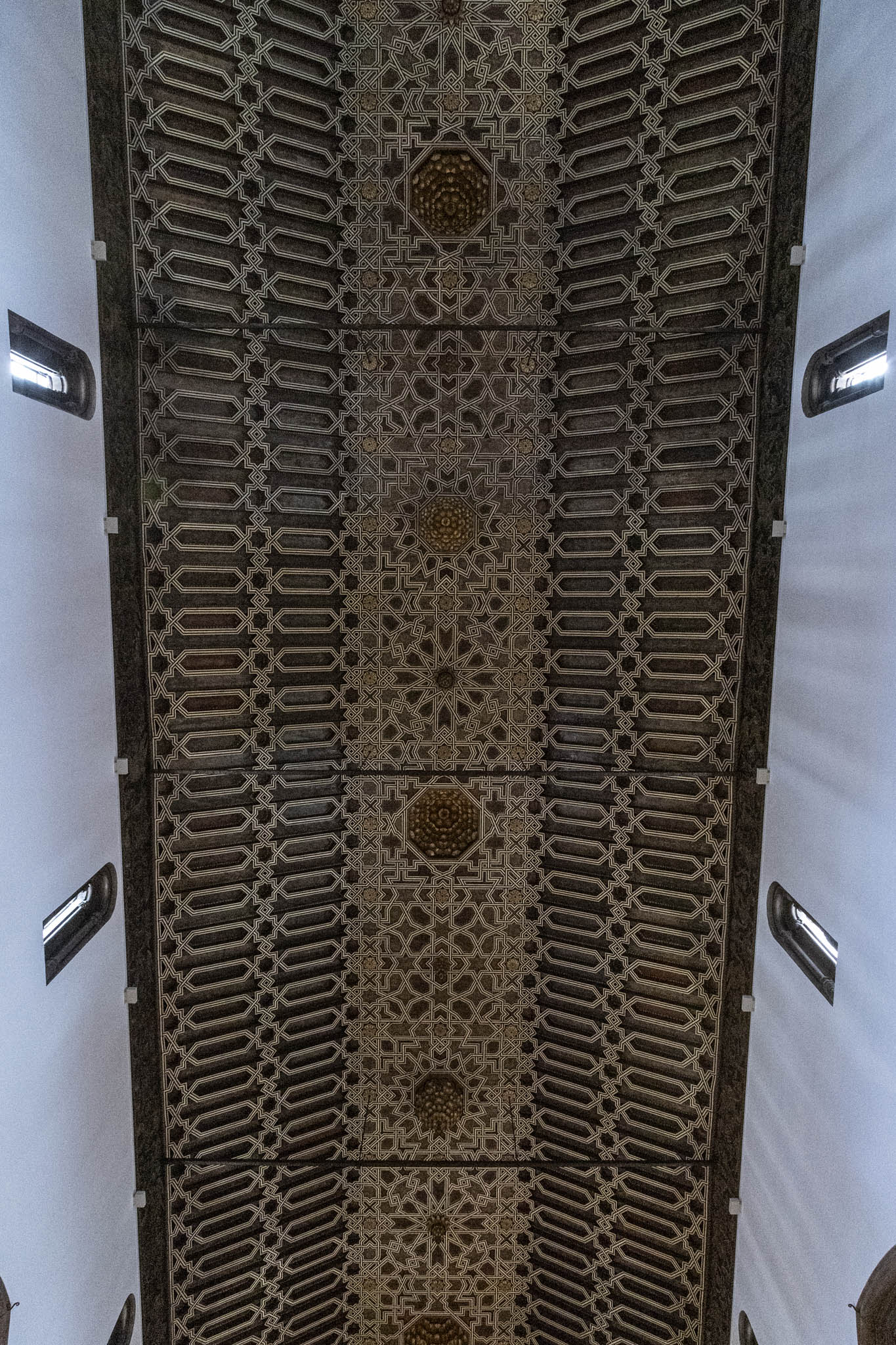
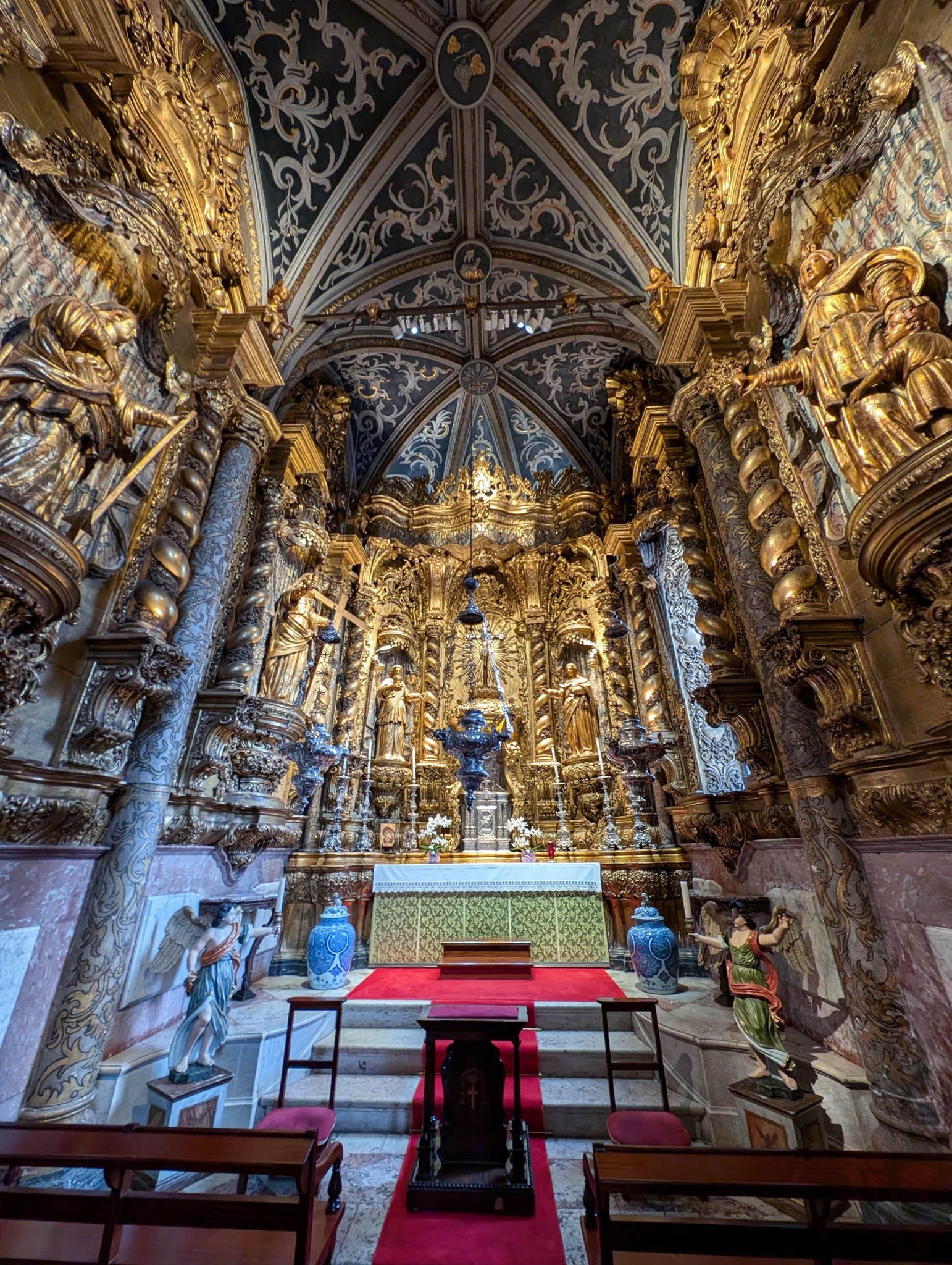
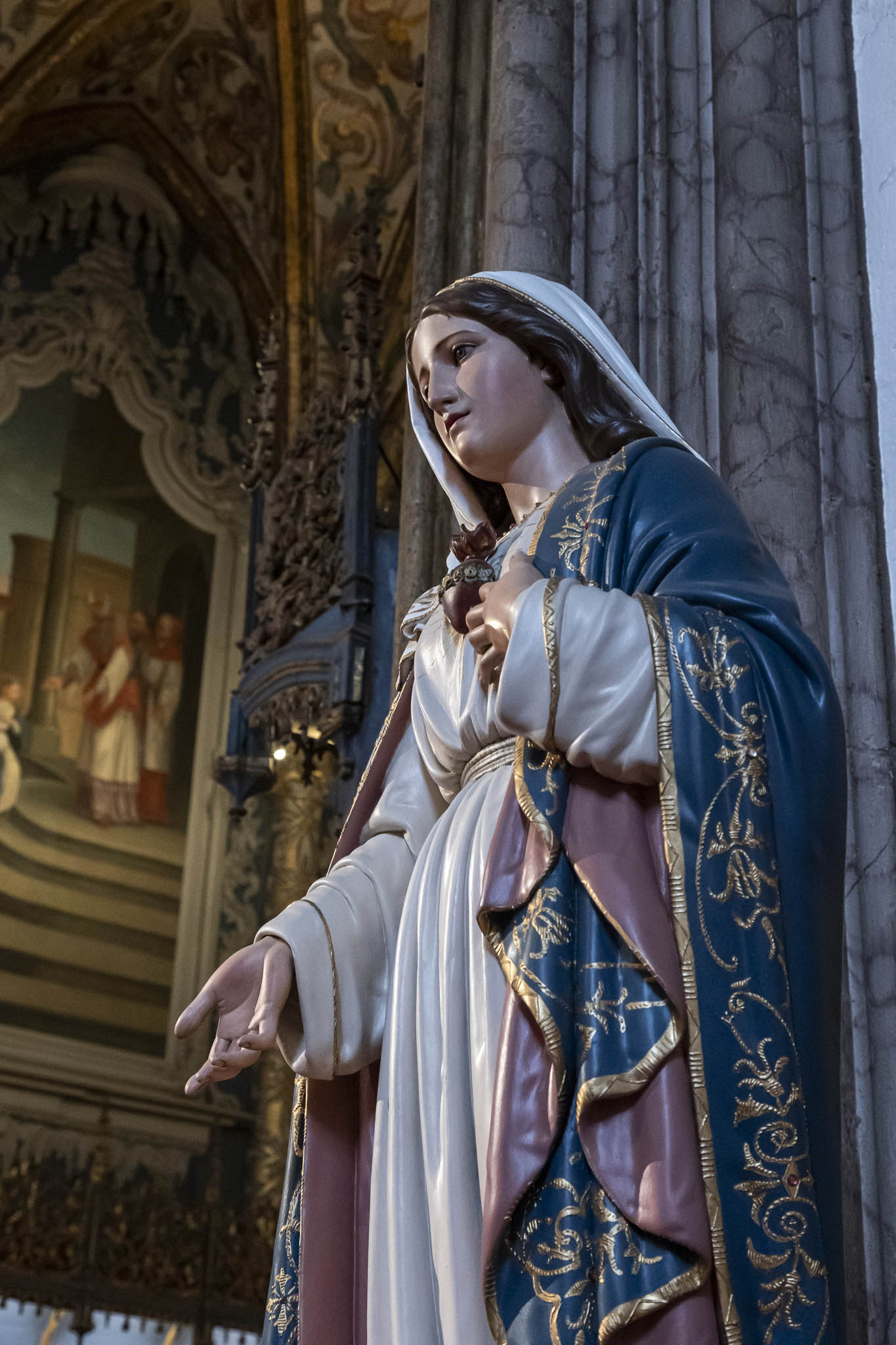
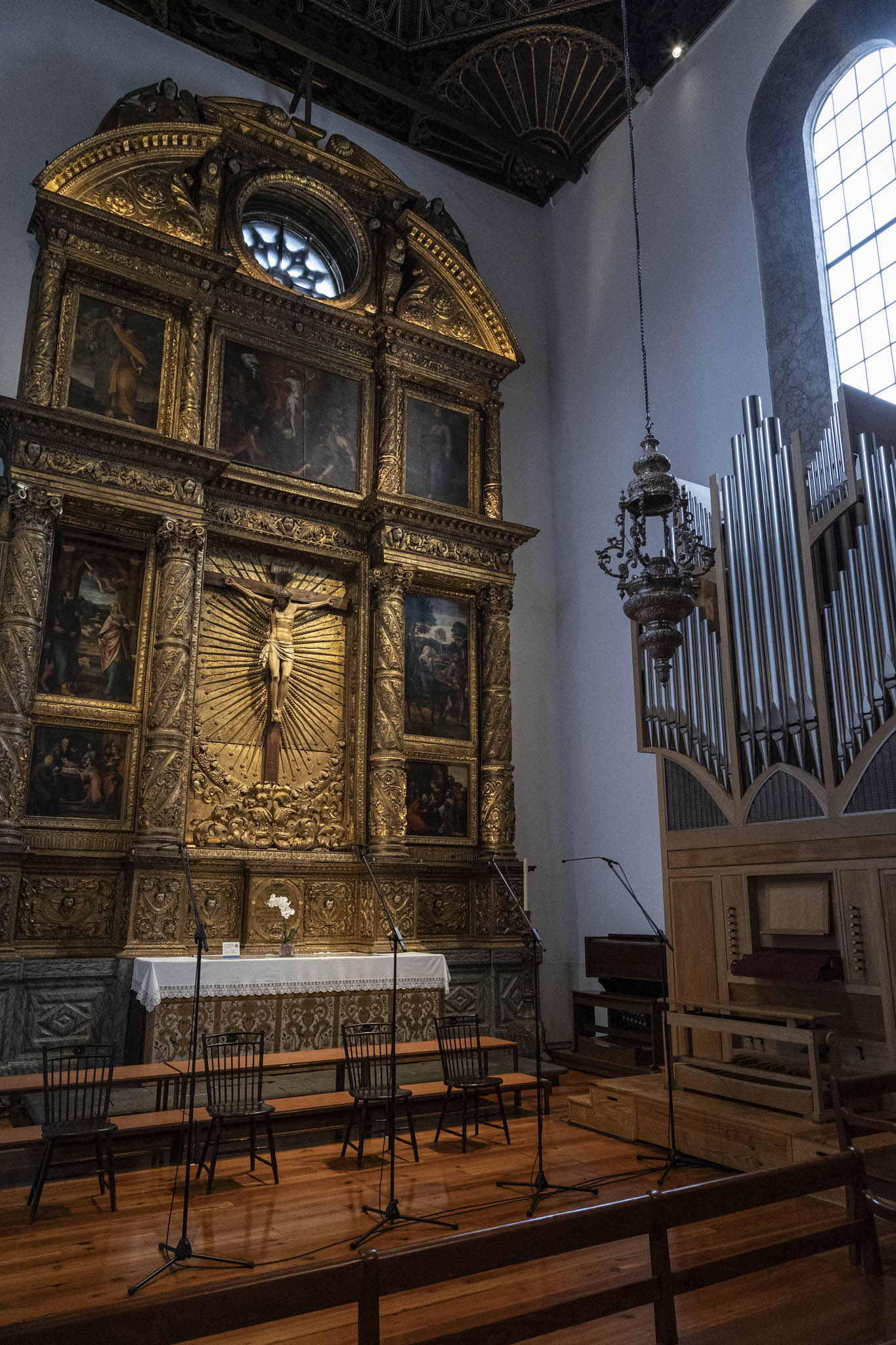
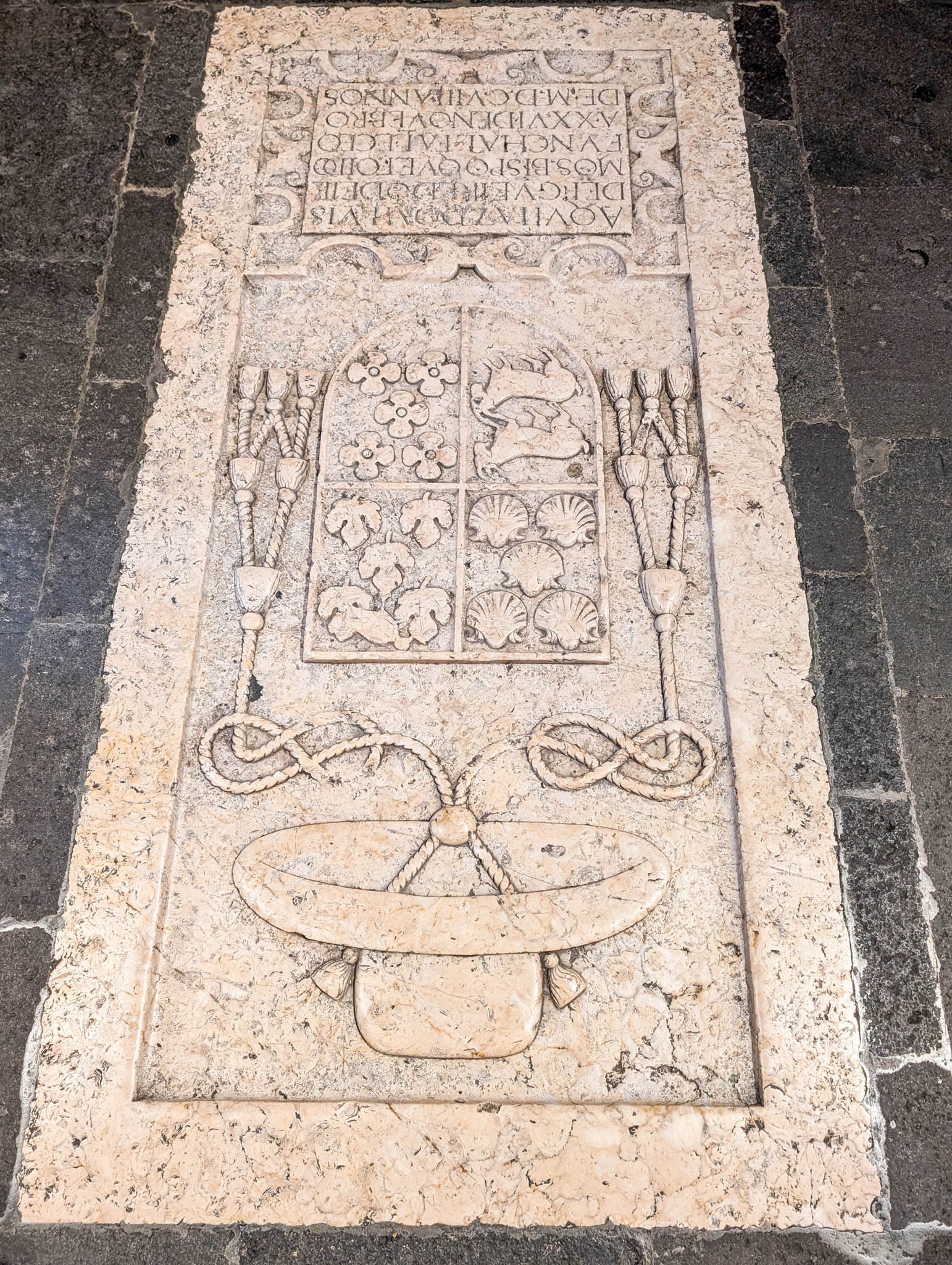
It was hard to miss the church tower so we headed there next. While neither large nor particularly impressive from the outside this was actually Funchal Cathedral, completed in 1514 and largely unchanged since building was completed.
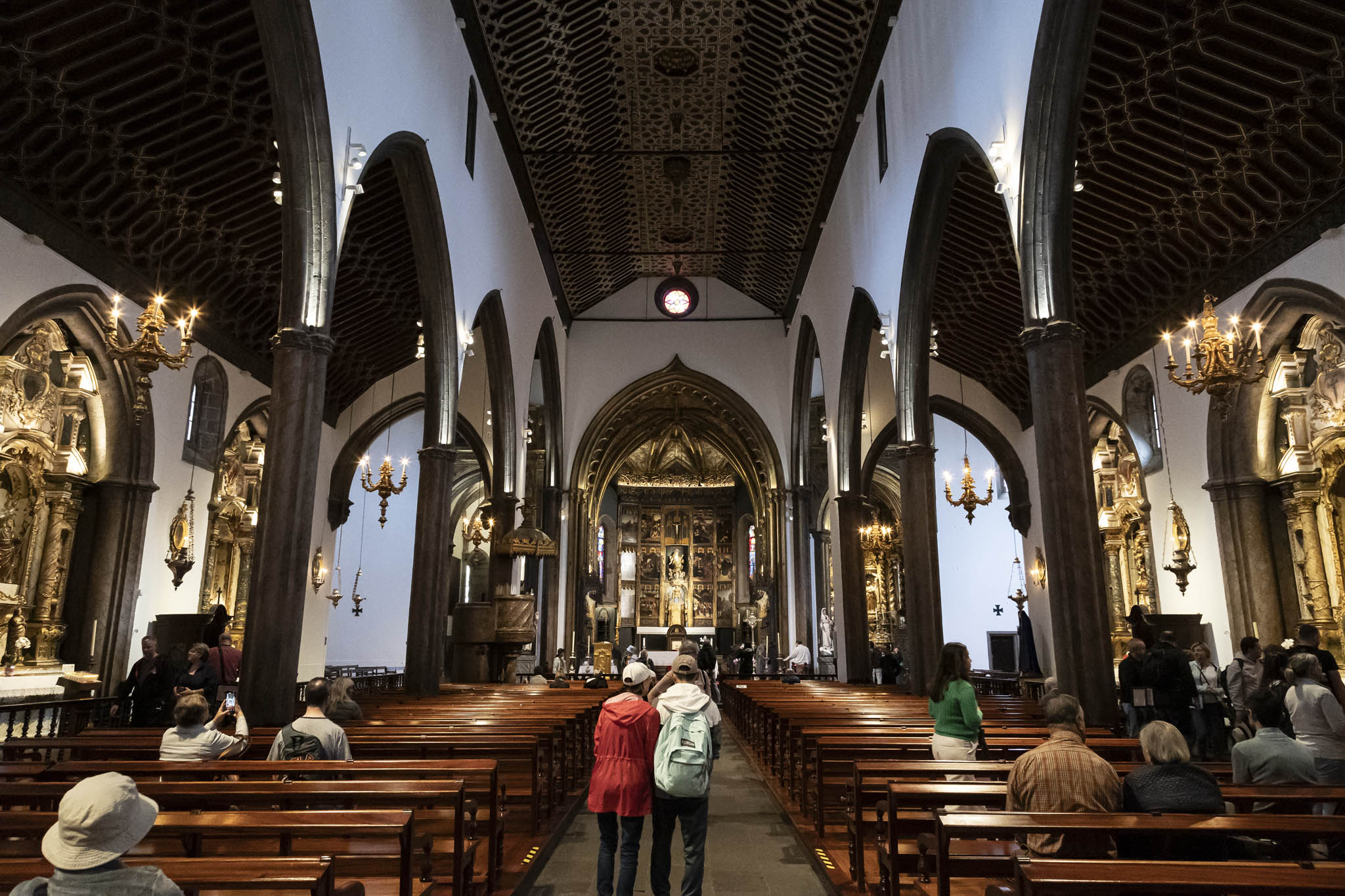
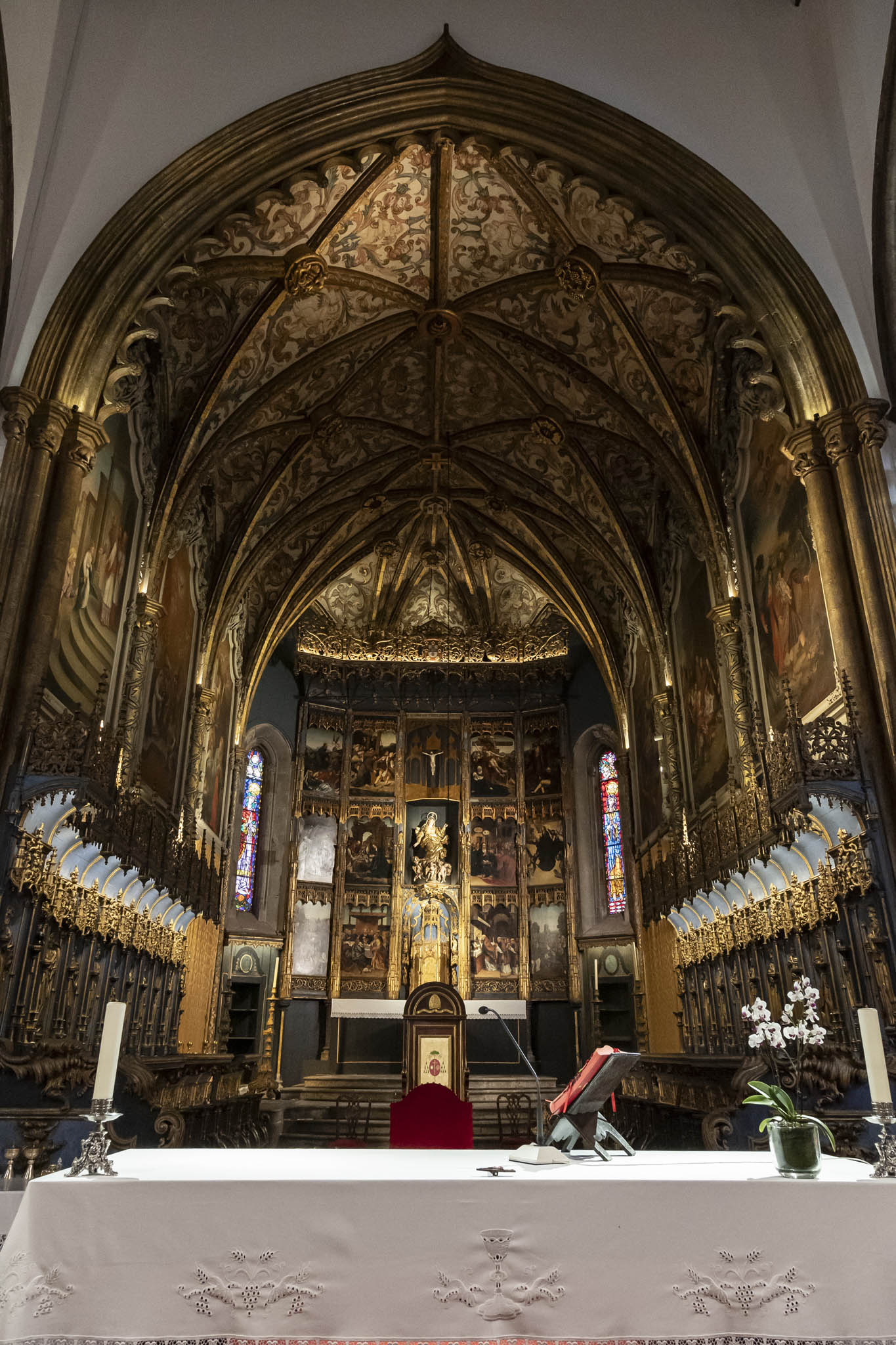
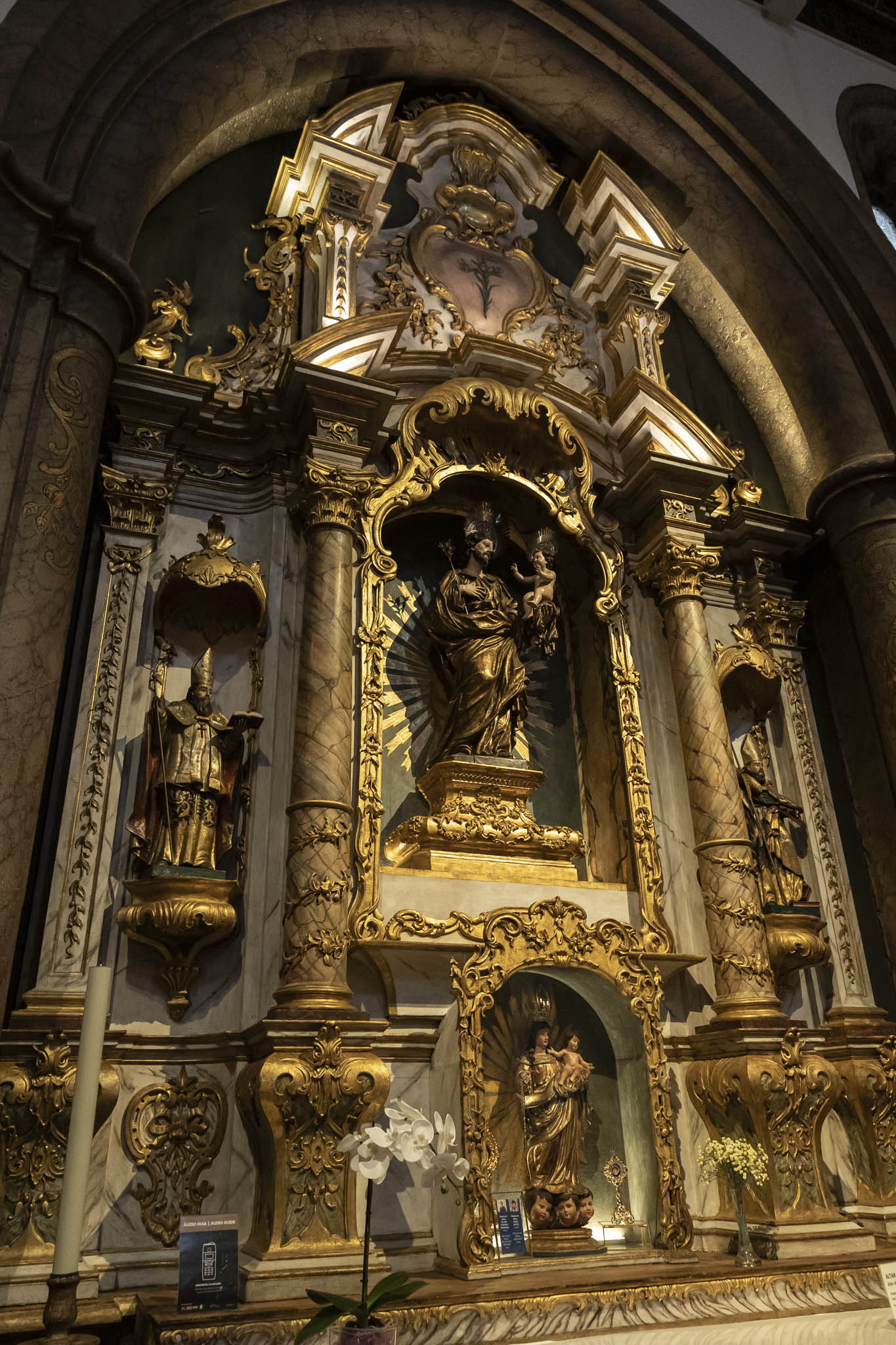
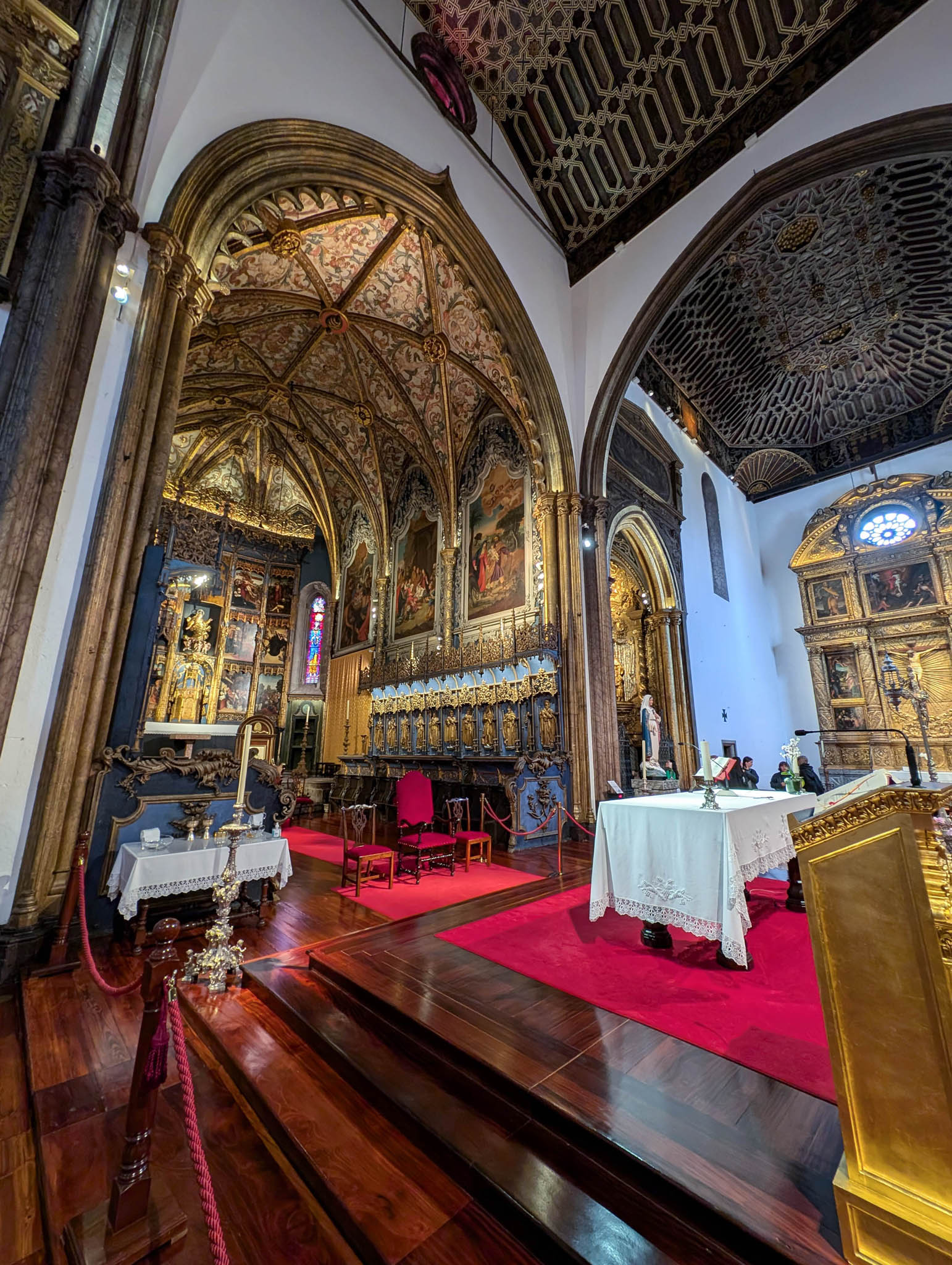
Generally Gothic architecturally, and obviously Catholic, it was impossible not to miss some Islamic elements with some of the interior arches and the roof in particular sporting geometric art typical of the Mudéjar.
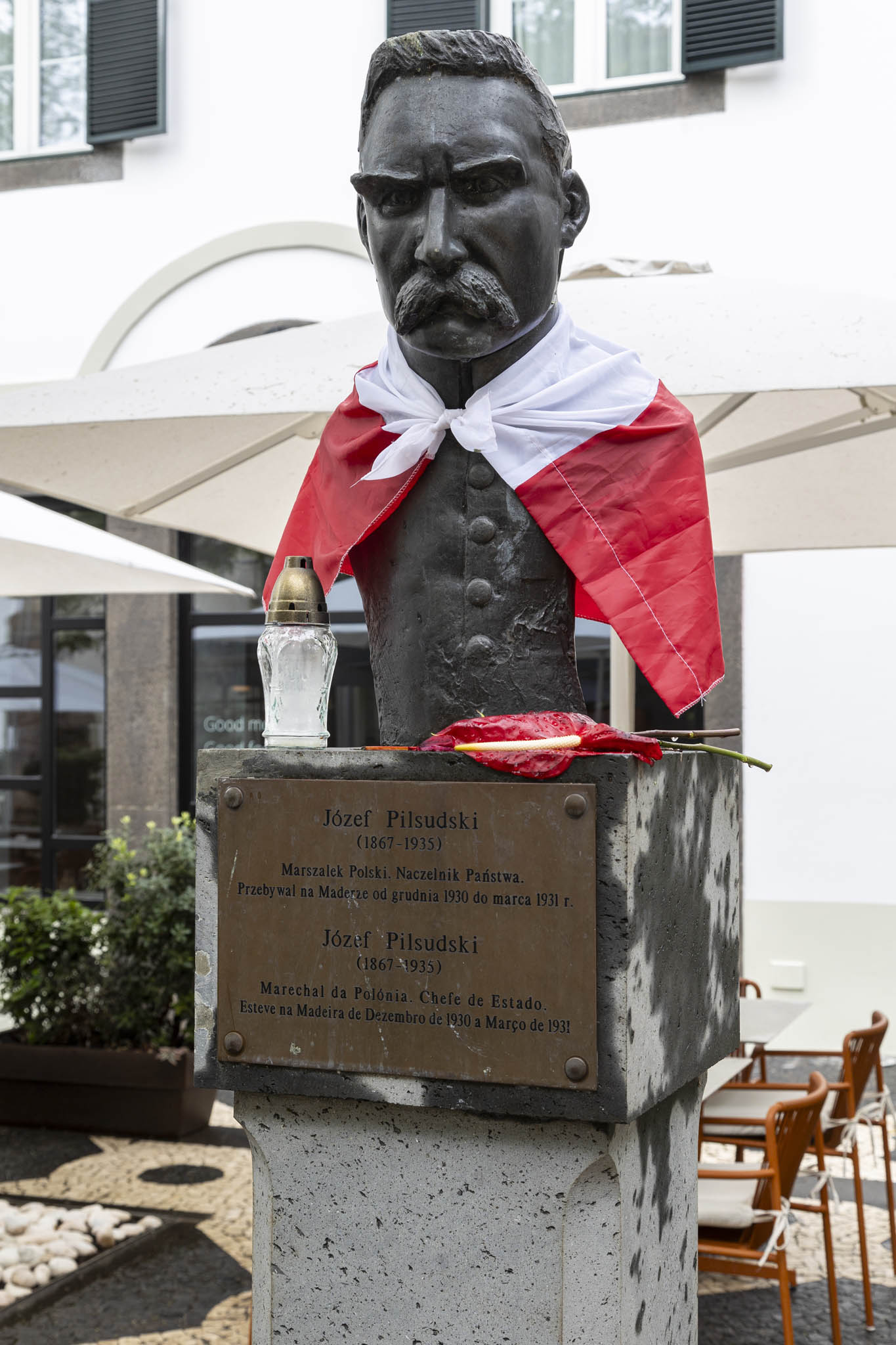
Leaving the cathedral we headed towards the sea, passing a couple of interesting sights along the way.
The sculpture of Józef Pilsudski was erected in 1999. Madeira has a large contingent of Polish expatriates and the Polish pope, Pope John Paul II, is the only pope to have visited the island. Pilsudski is considered a hero in Poland and founder of the Second Polish Republic, and in late 1931 he stayed on Madeira for three months. During this time a young boy who would become Pope John Paul II wrote a letter to Pilsudski as part of a school writing exercise expressing a wish to also visit the island.
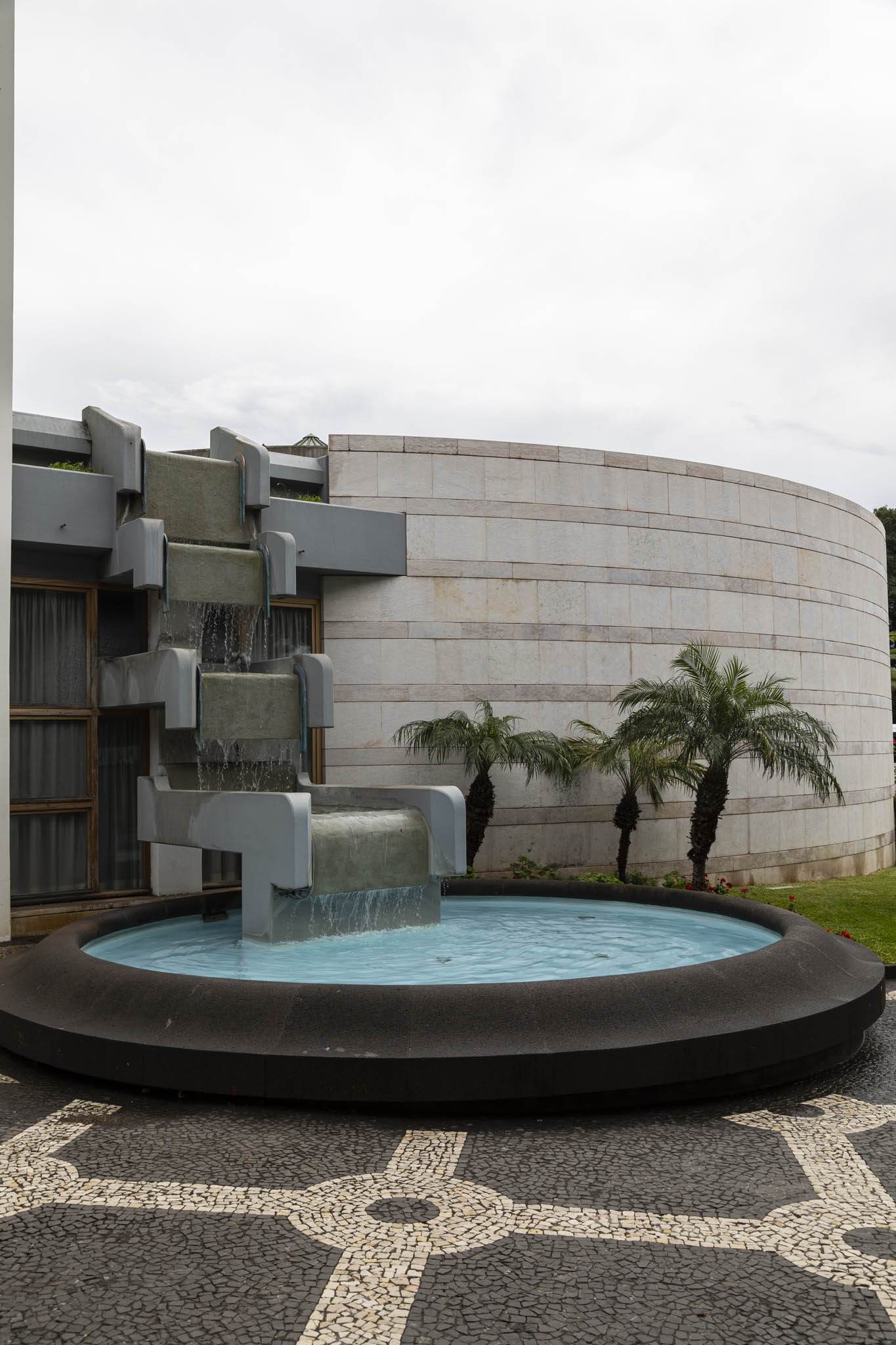
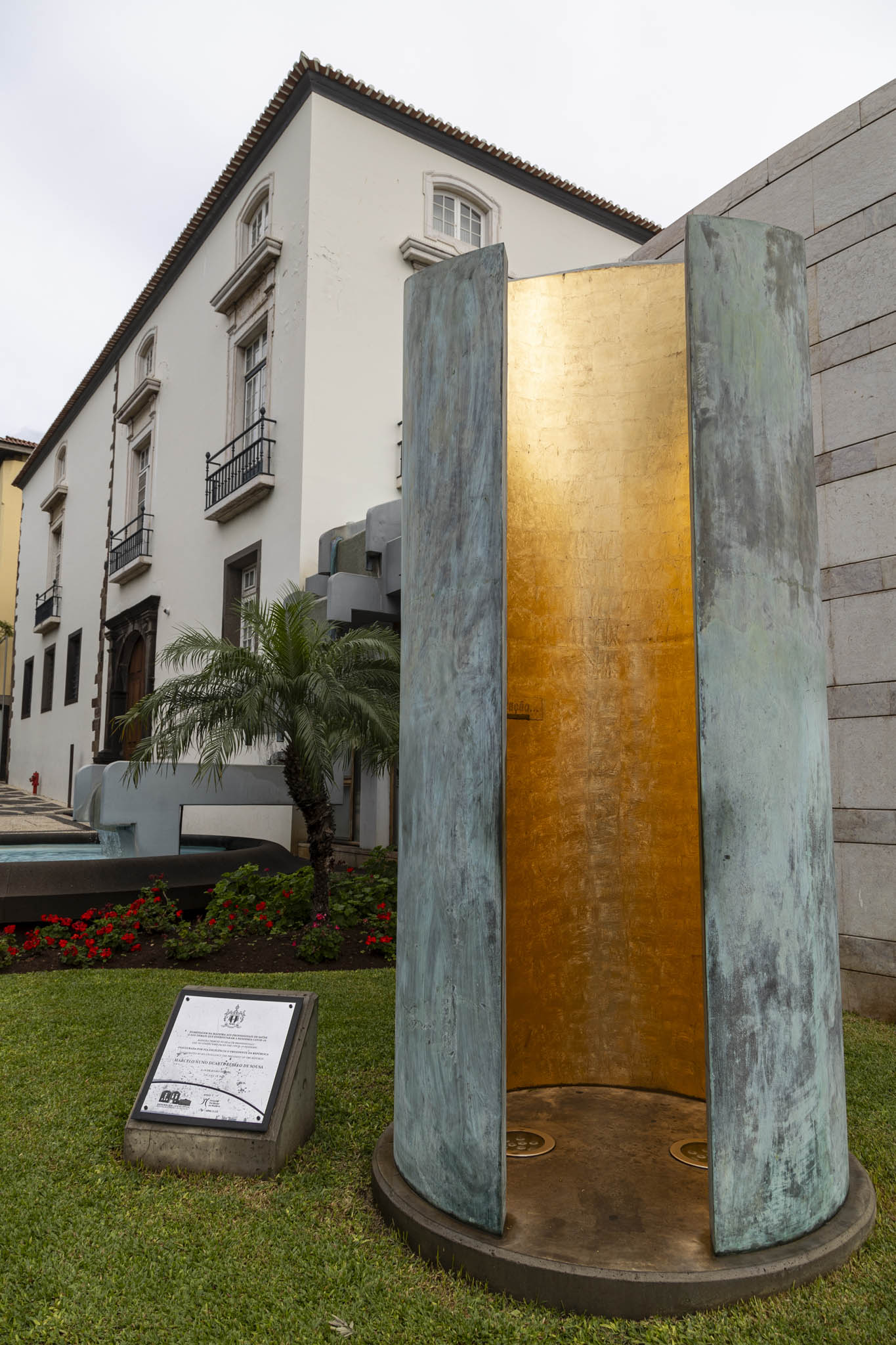
A very short distance further on were two very modern items in the form of a fancy fountain, part of the parliamentary library, and a cylindrical sculpture to honour the health workers during the COVID pandemic period.
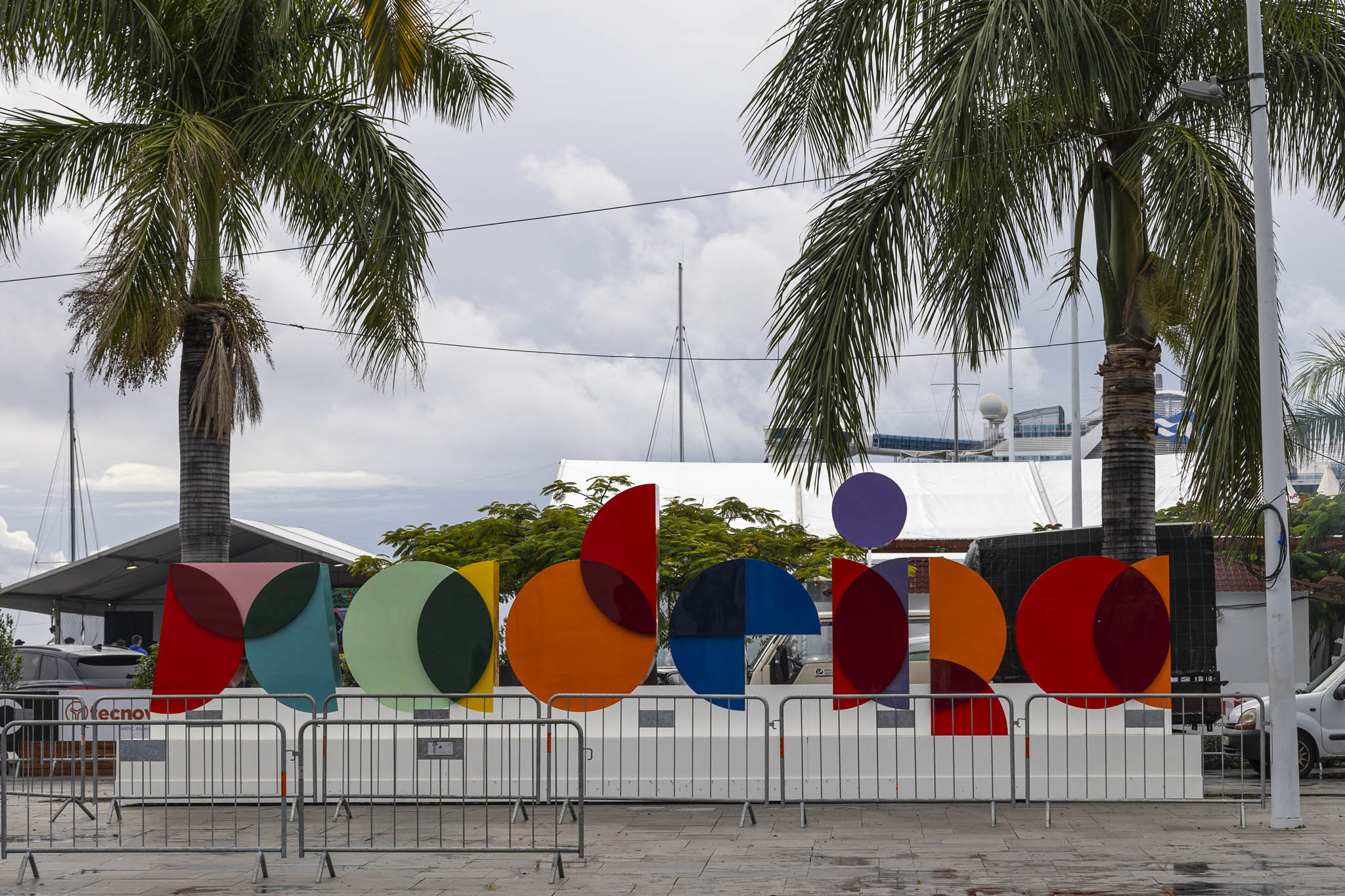
I liked the colours and the style of the Madeira lettering that tourists do like to photograph – I’m a tourist and I did – but it’s a shame that the backdrop to it was so busy and that there were railings in front of it.
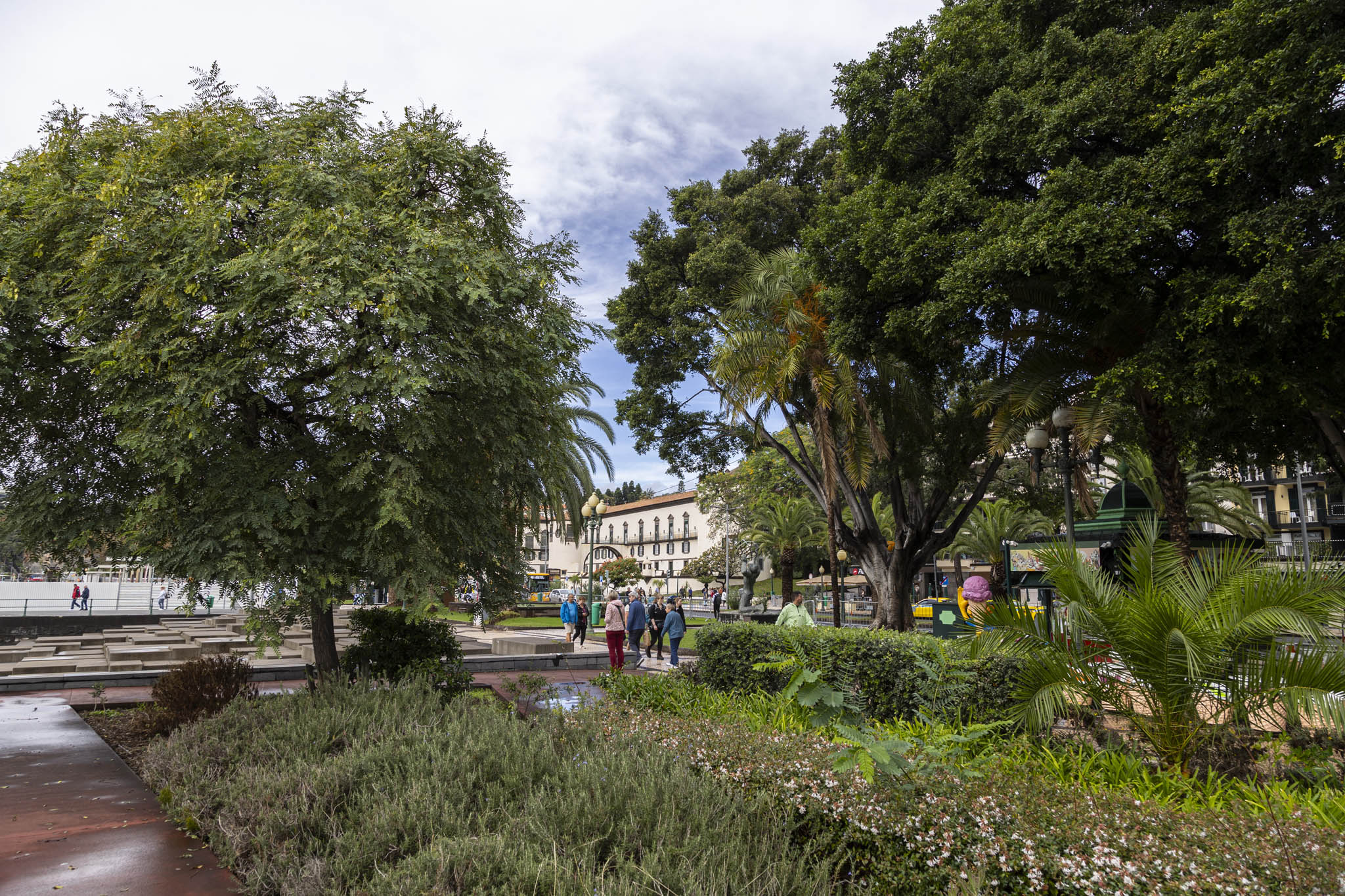
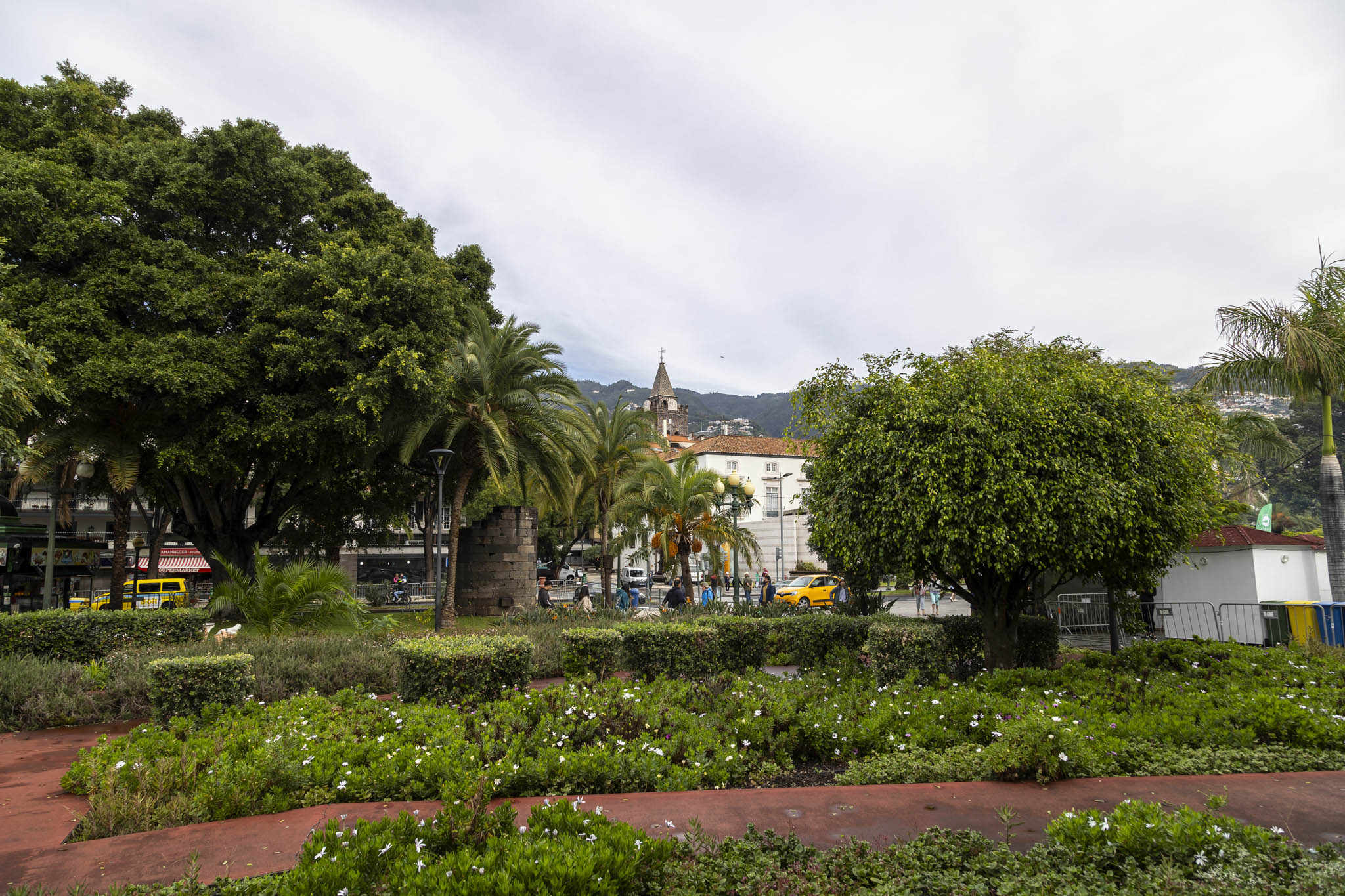
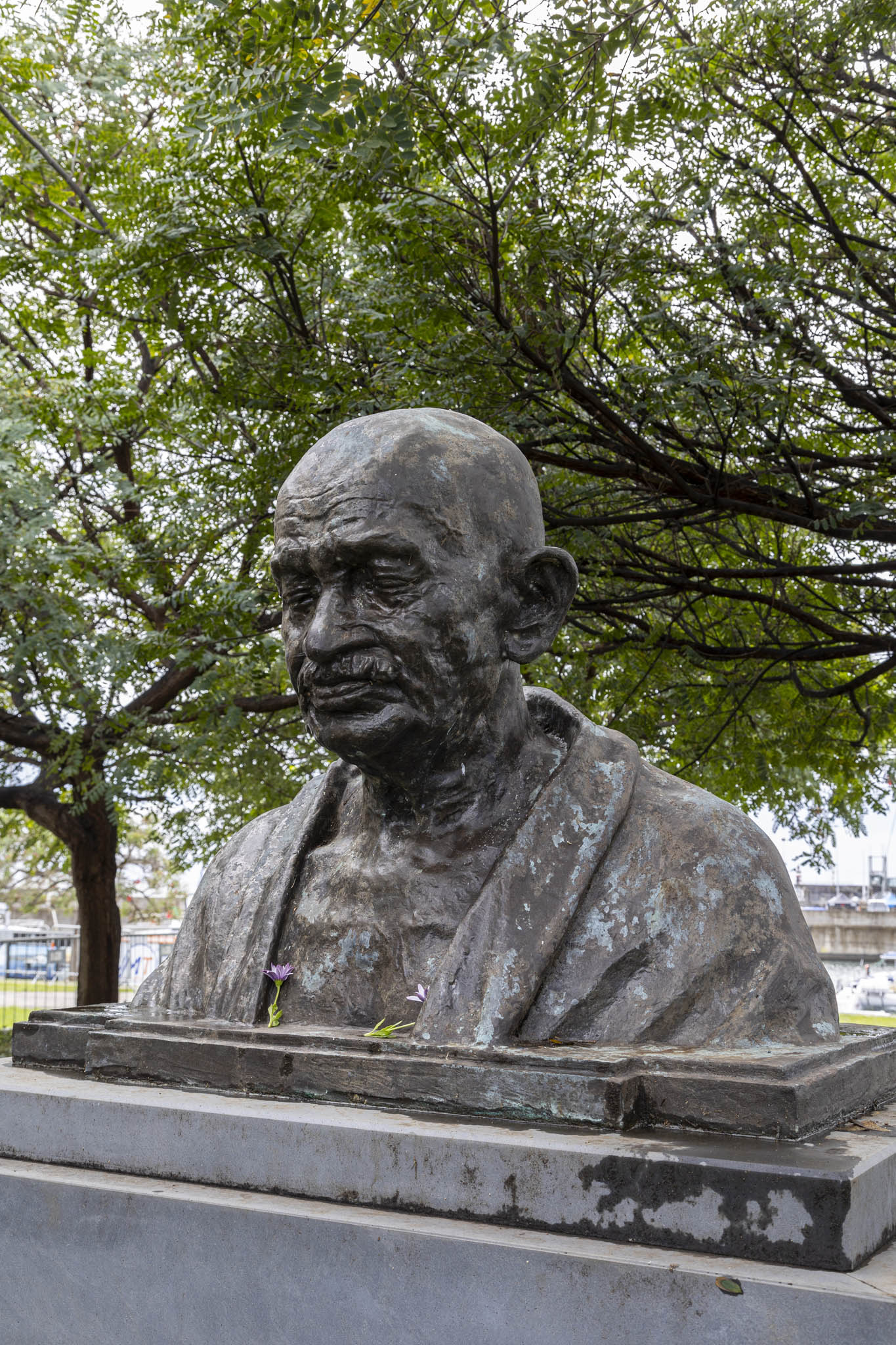
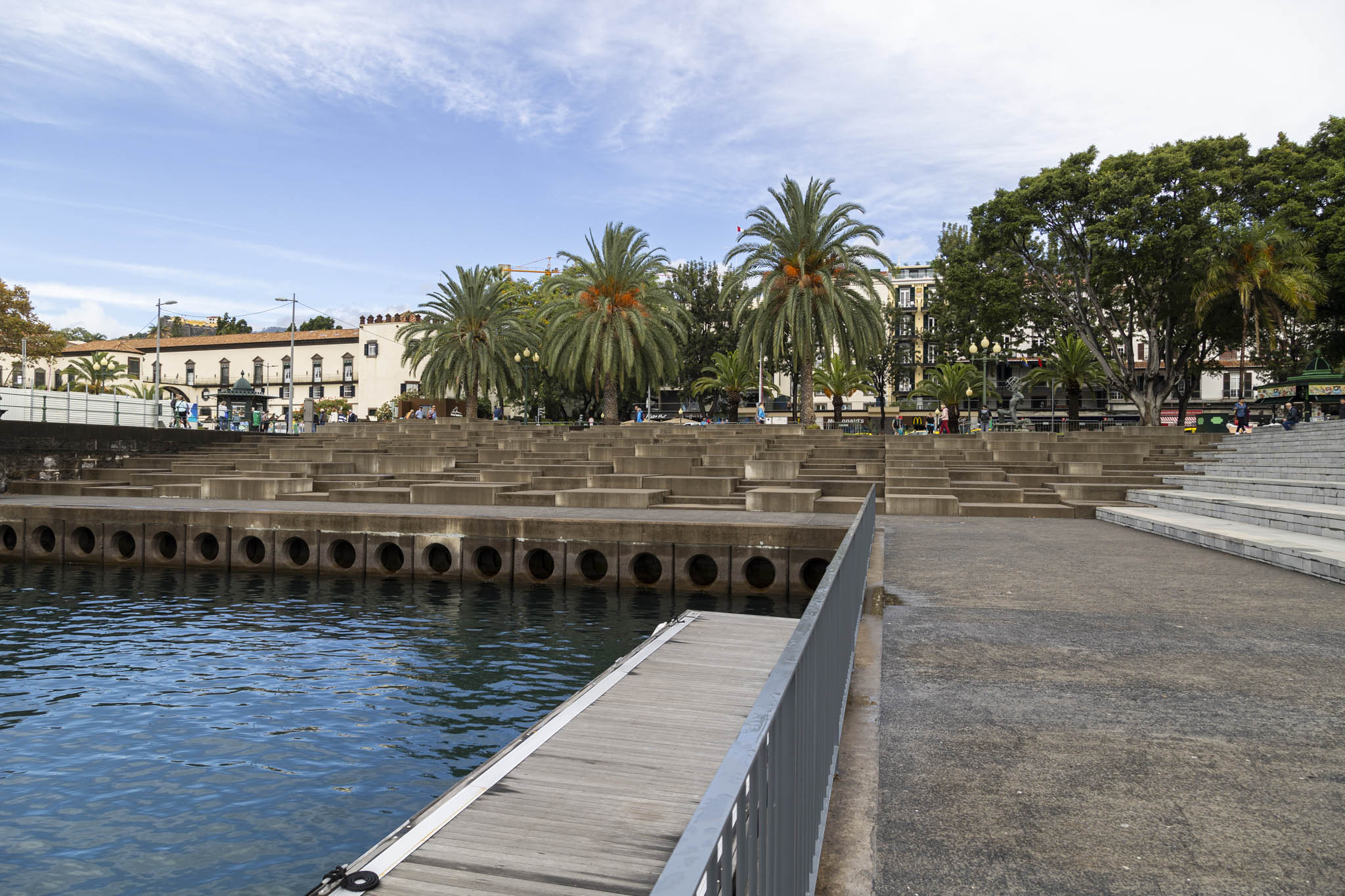
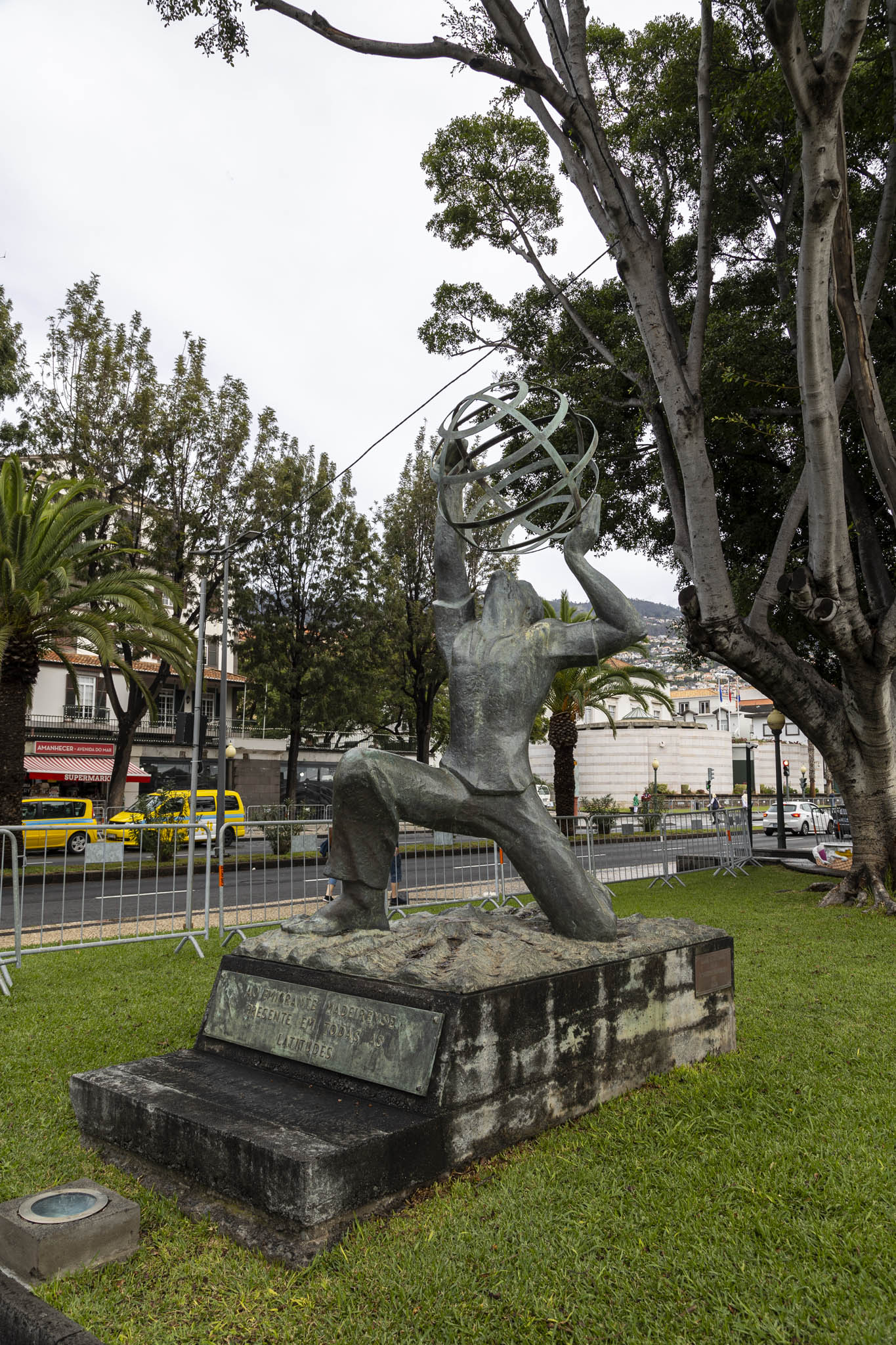
Along the waterfront just in front of the Madeira sign there was a pleasant public space – the Praça do Povo (People’s Square) – comprising a few parkland areas and some tiered spots where I imagine lovely views of the sea and sun could be had on perhaps less overcast days. Commemorating a brief stopover on the island in 1906 during a trip from London to South Africa there was a bust of Gandhi on display and we also encountered a monument to Nelson Mandela. Closer to the main road there was a monument to Madeiran emigrants.
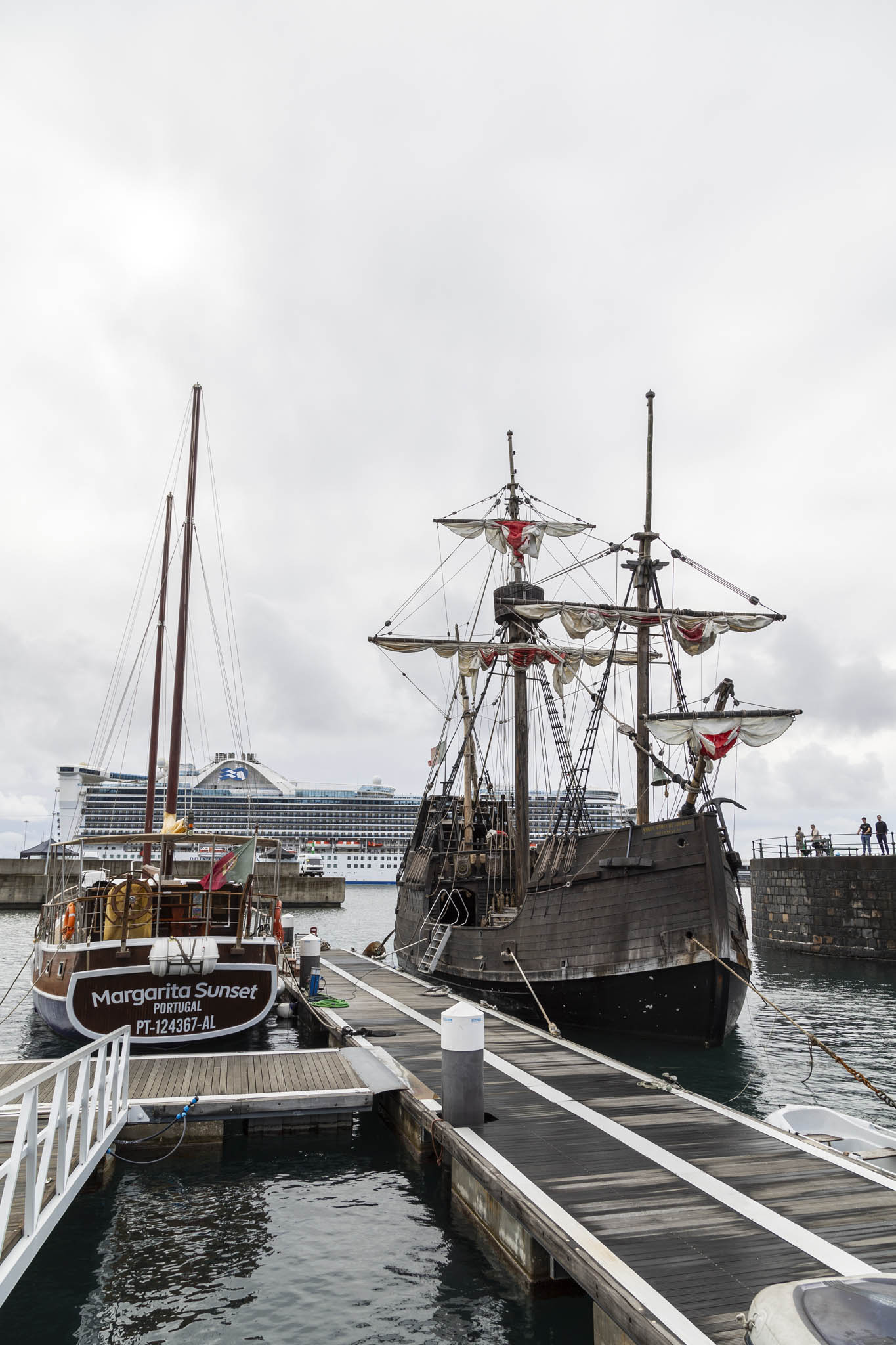
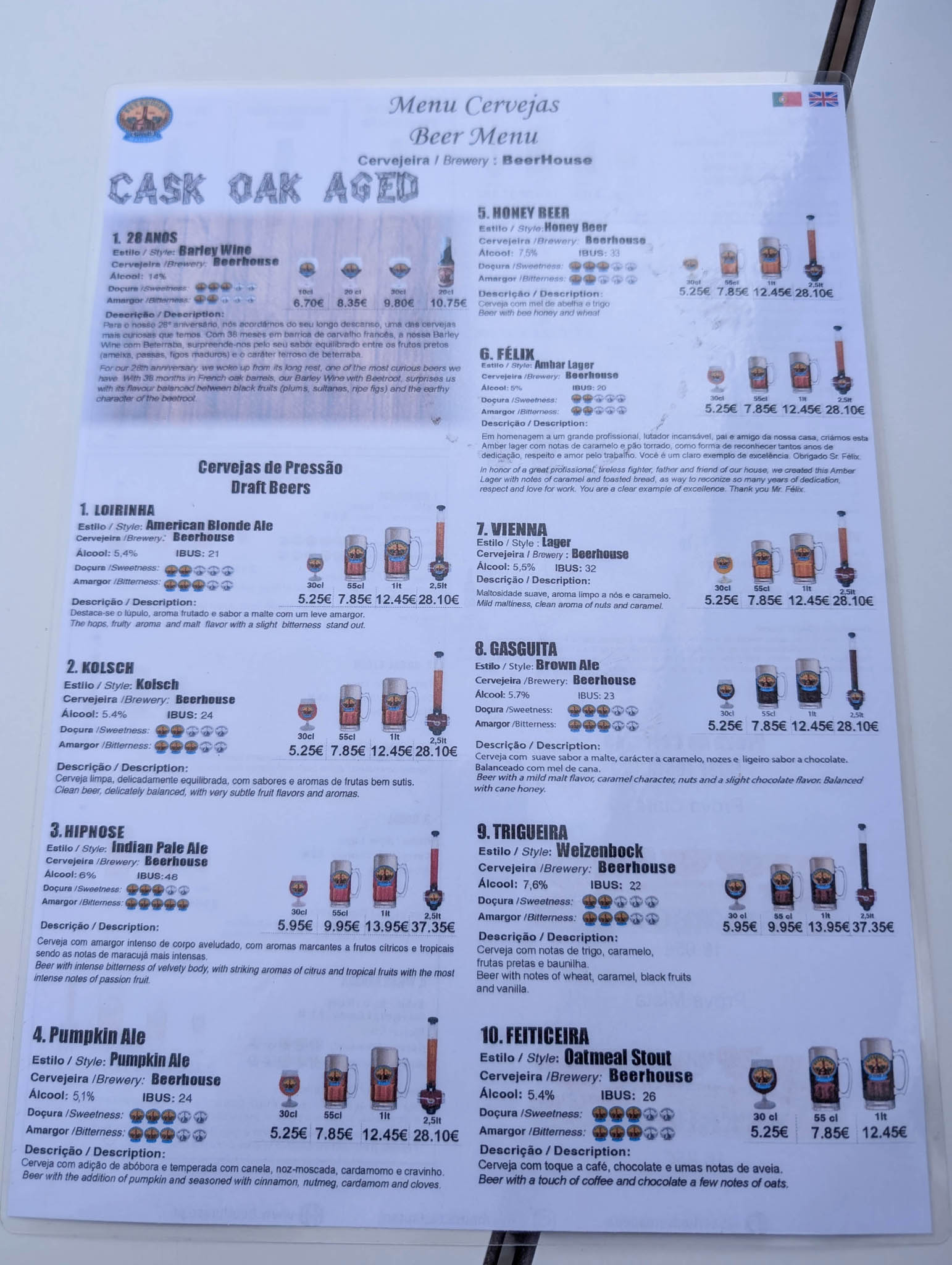
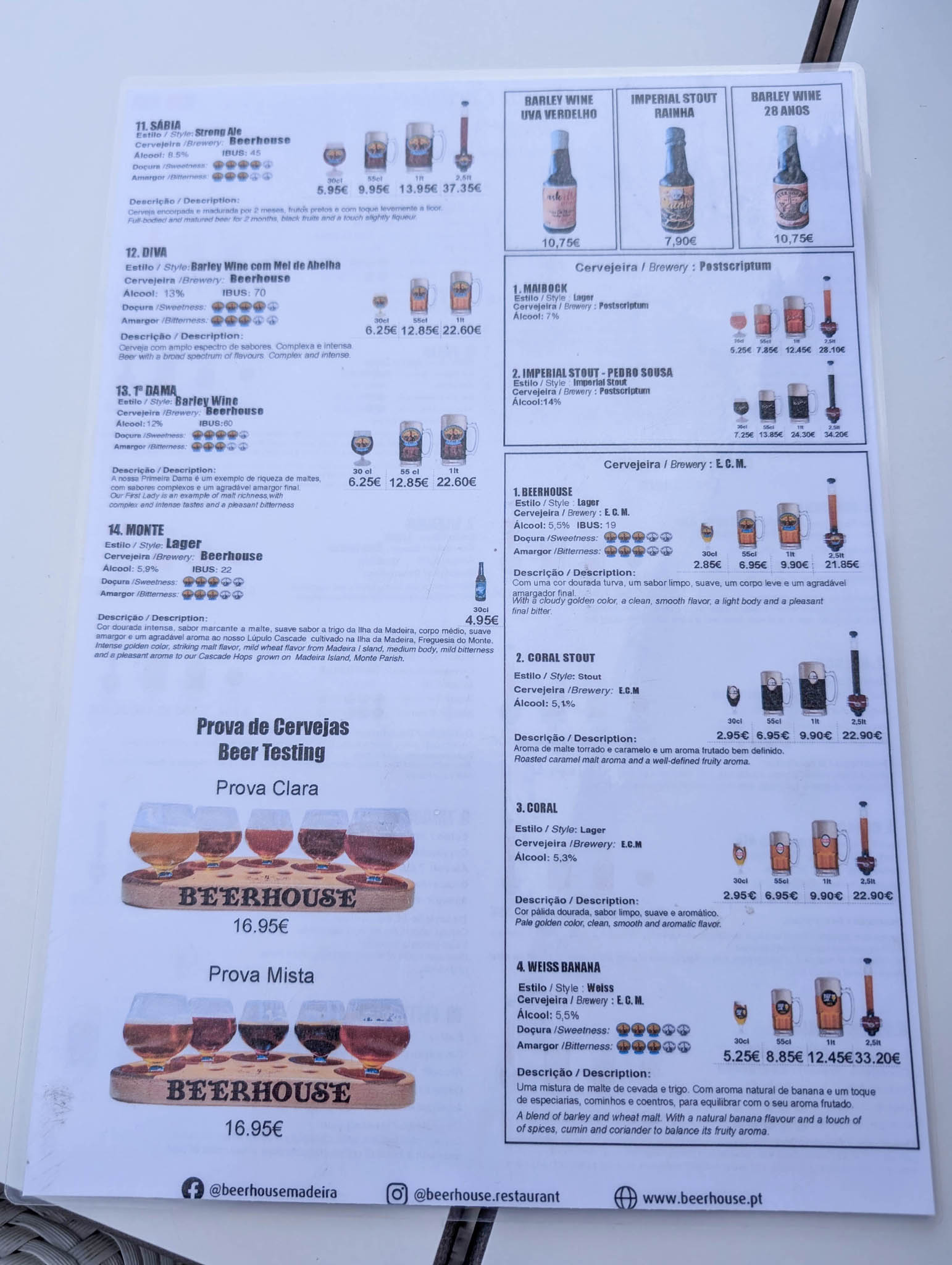
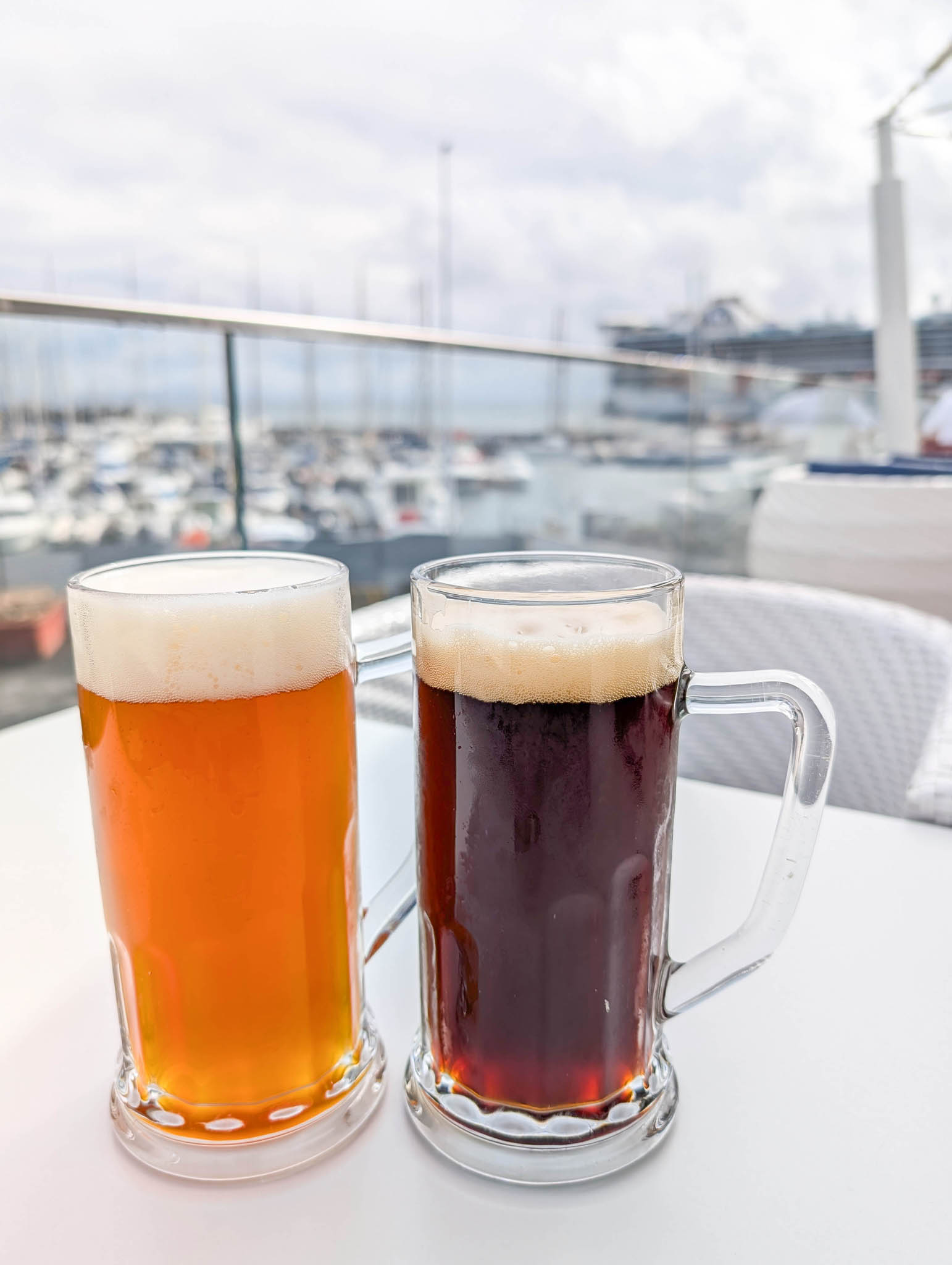
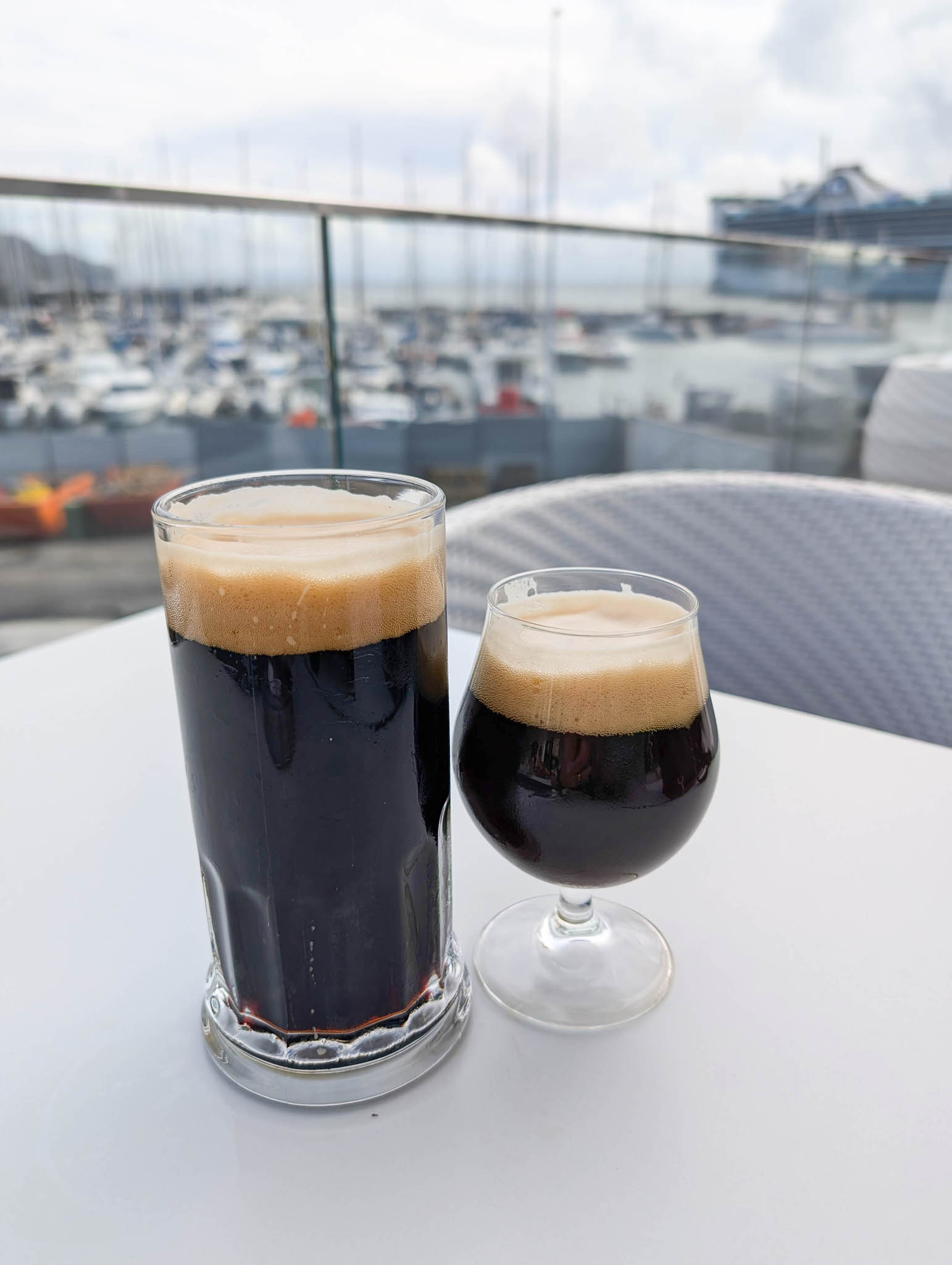
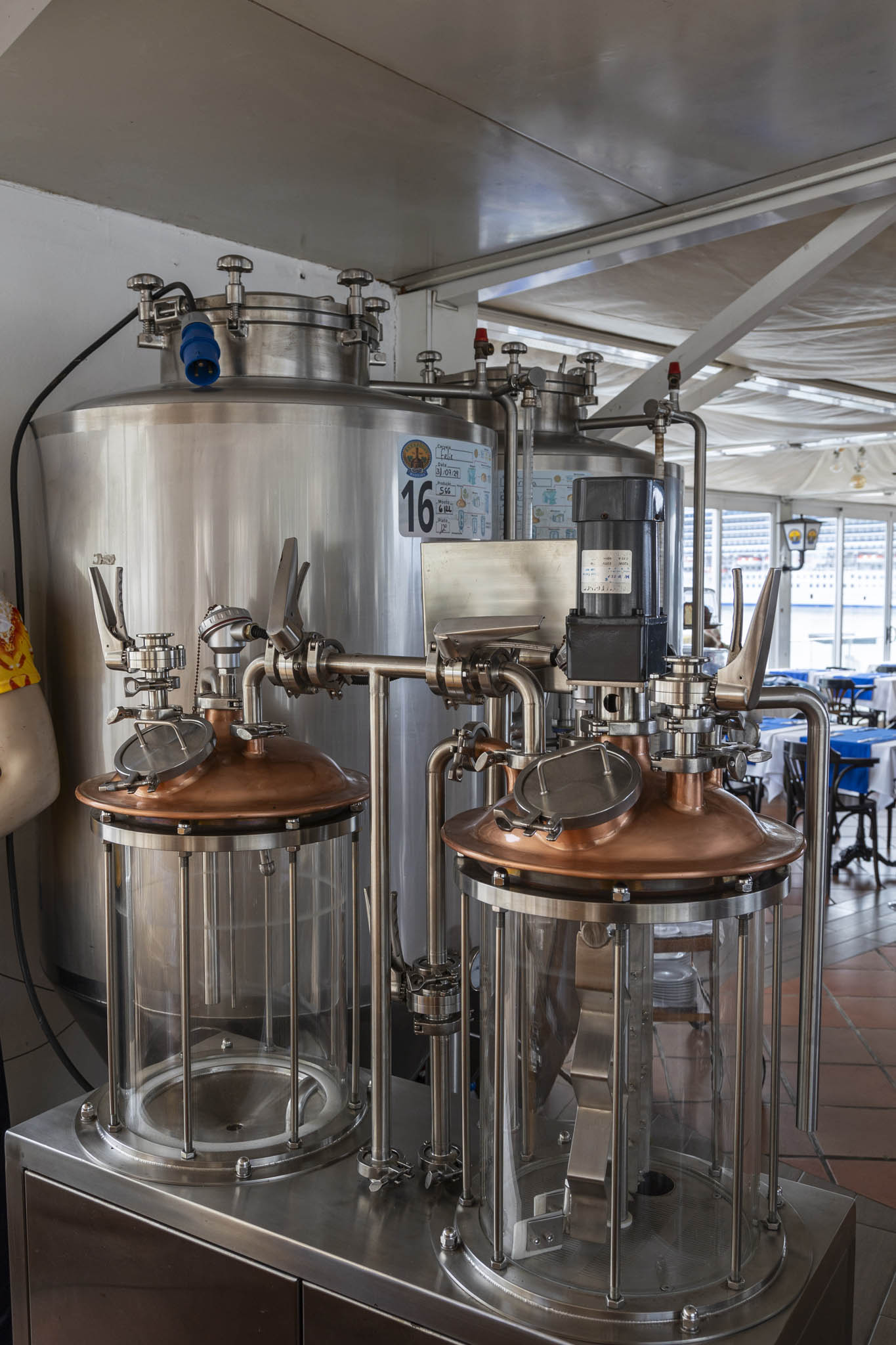
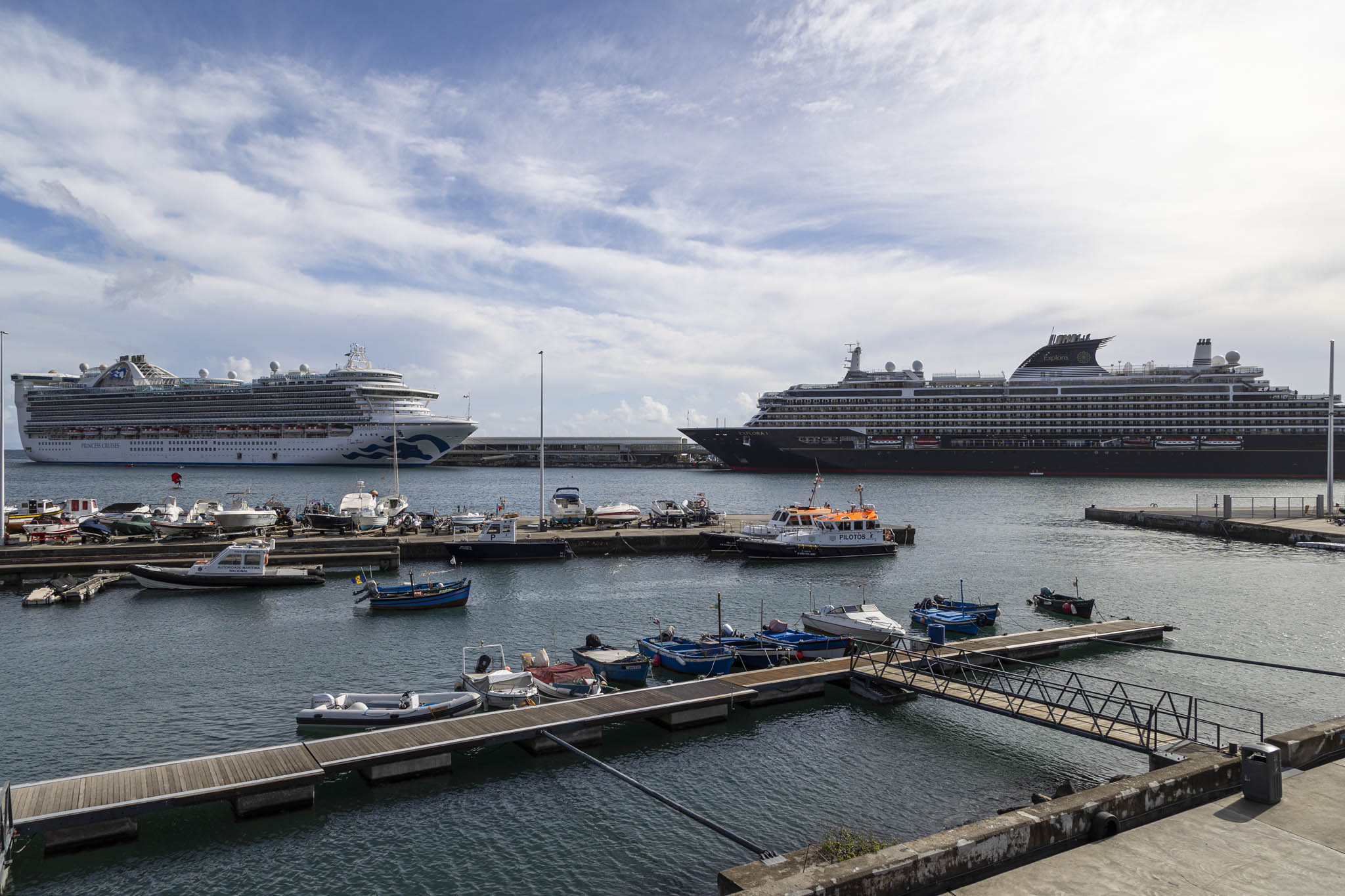
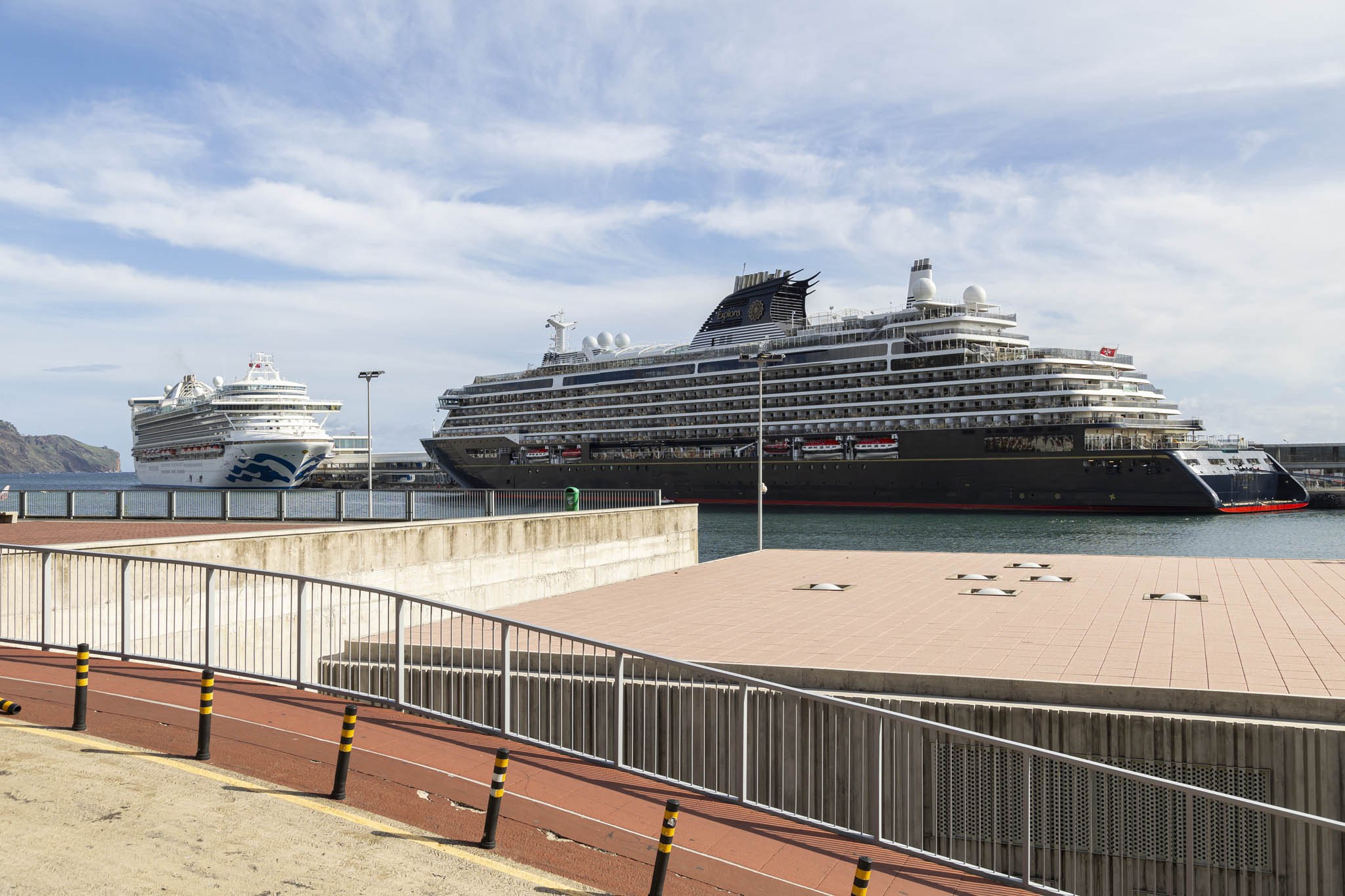
The place we’d been heading towards was BeerHouse, a microbrewery which had lovely views out over the marina and towards the cruise ships docked in the port, plus, of course, beer. They also did food but we were only really there for the craft ales and ended up staying for three each. In truth, the ales weren’t quite to our taste and you can’t say we didn’t try to find something we really liked, but we always appreciate local breweries and we’re glad we went. With it being on the way back to the ship it’s highly likely we’d stop there again on a repeat visit to Madeira.
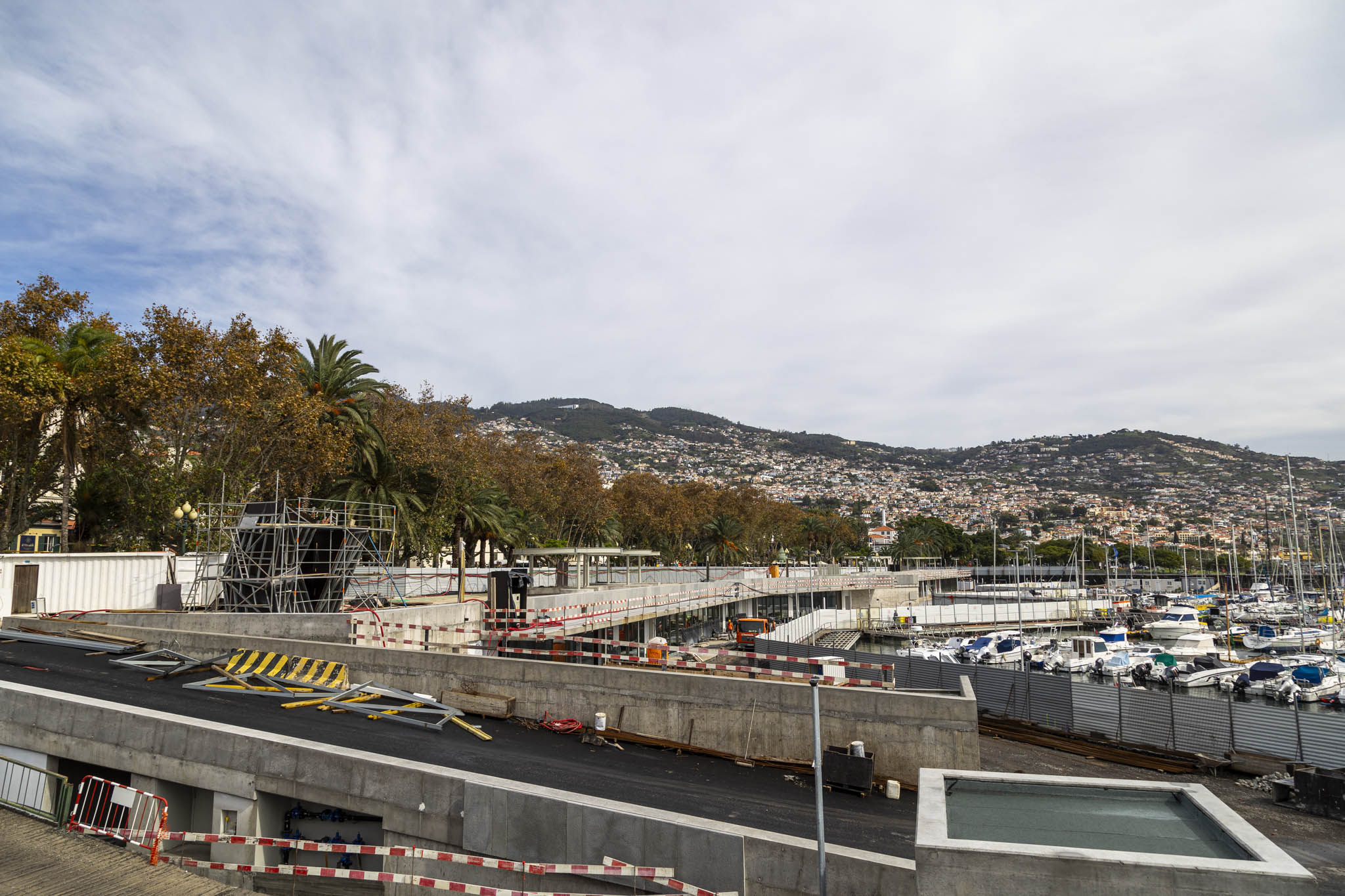
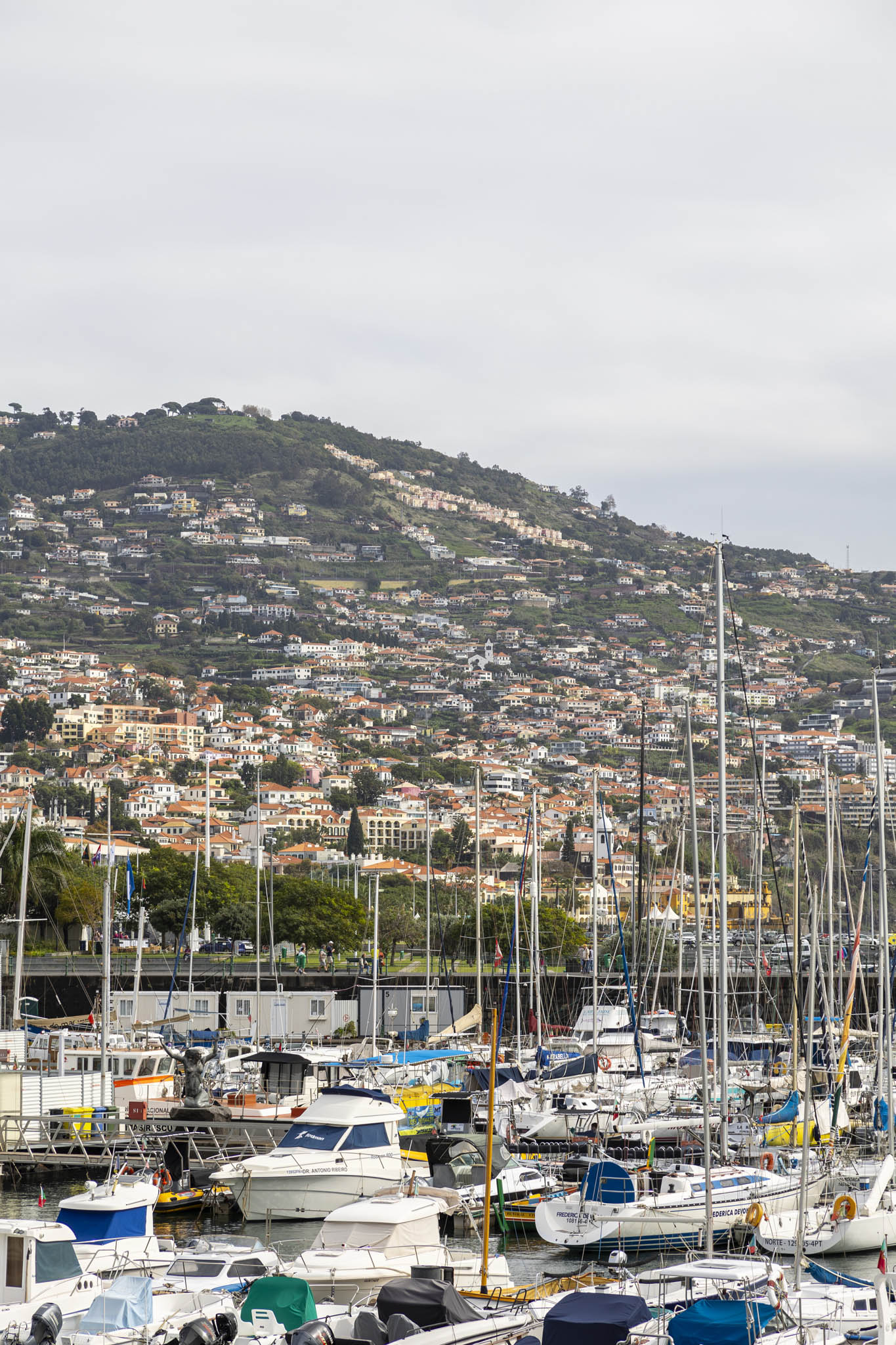
All that remained of our day in Funchal was to then take a slow stroll back to the ship.
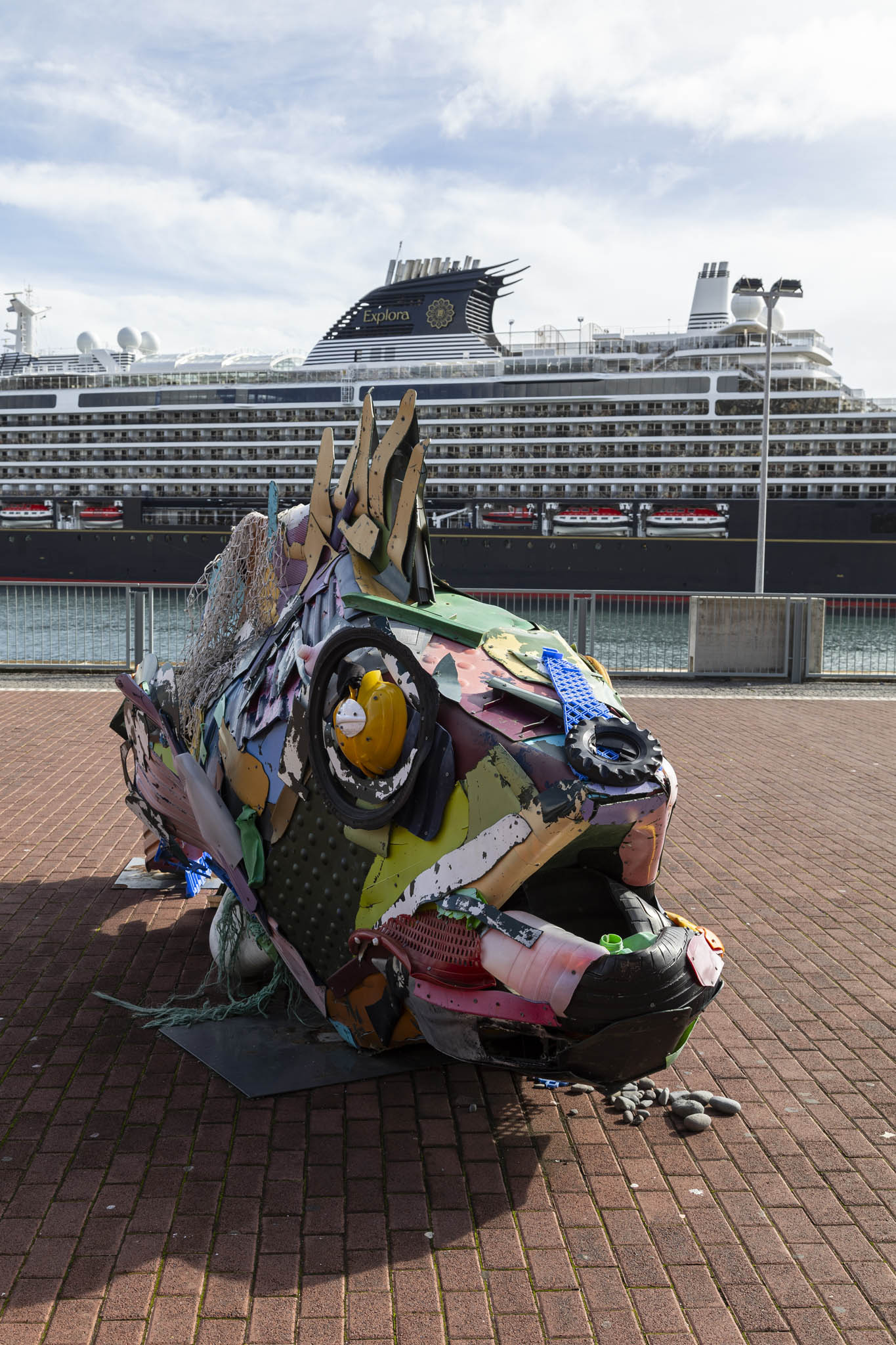
An artist whose work you’ll quite likely have seen if you’ve spent any time in Lisbon (and we have) is Bordalo II. His colourful trash animals have an unmistakeable style and it was a nice surprise to come across a piece of his on Funchal highlighting ocean pollution.
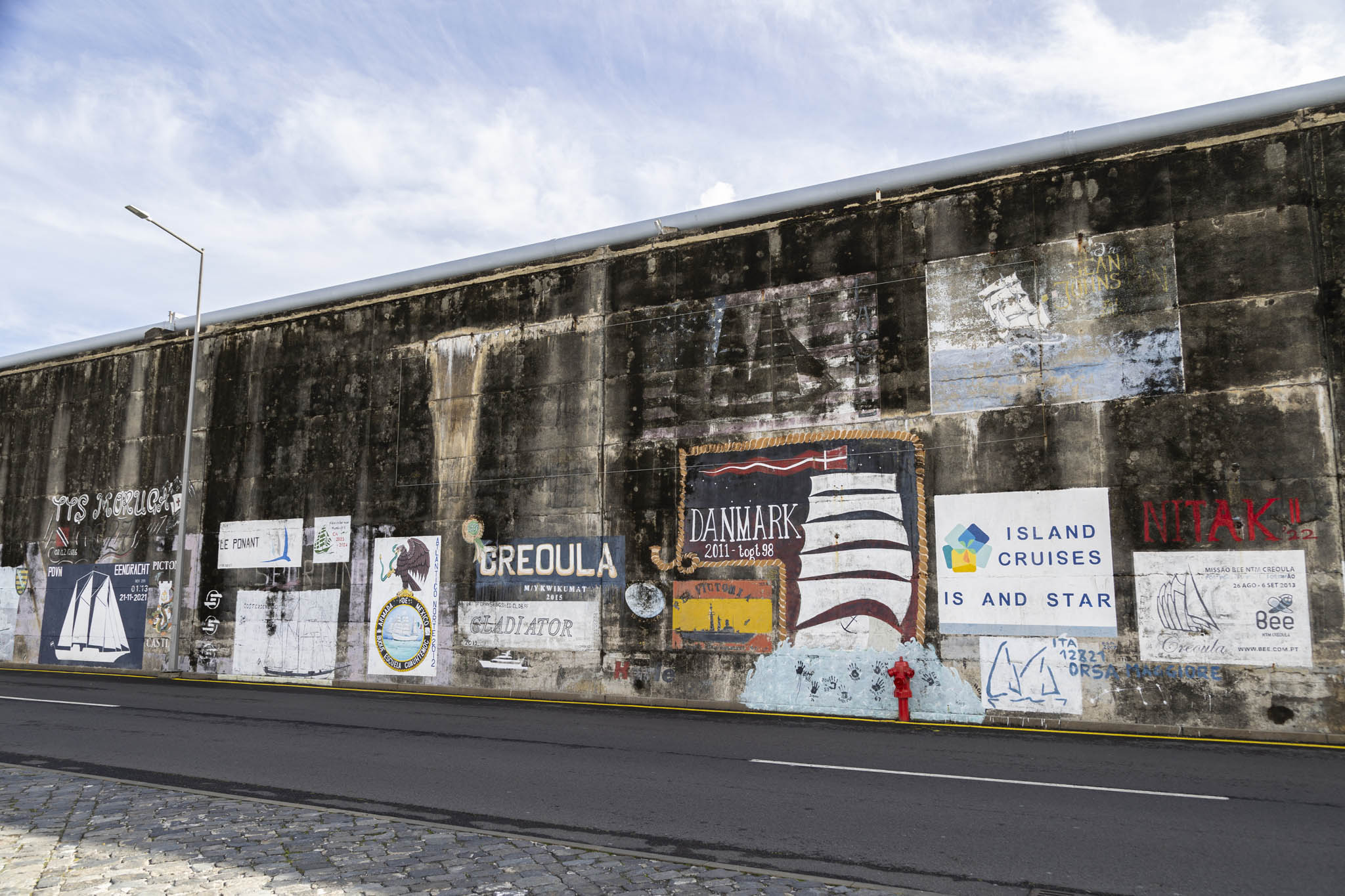
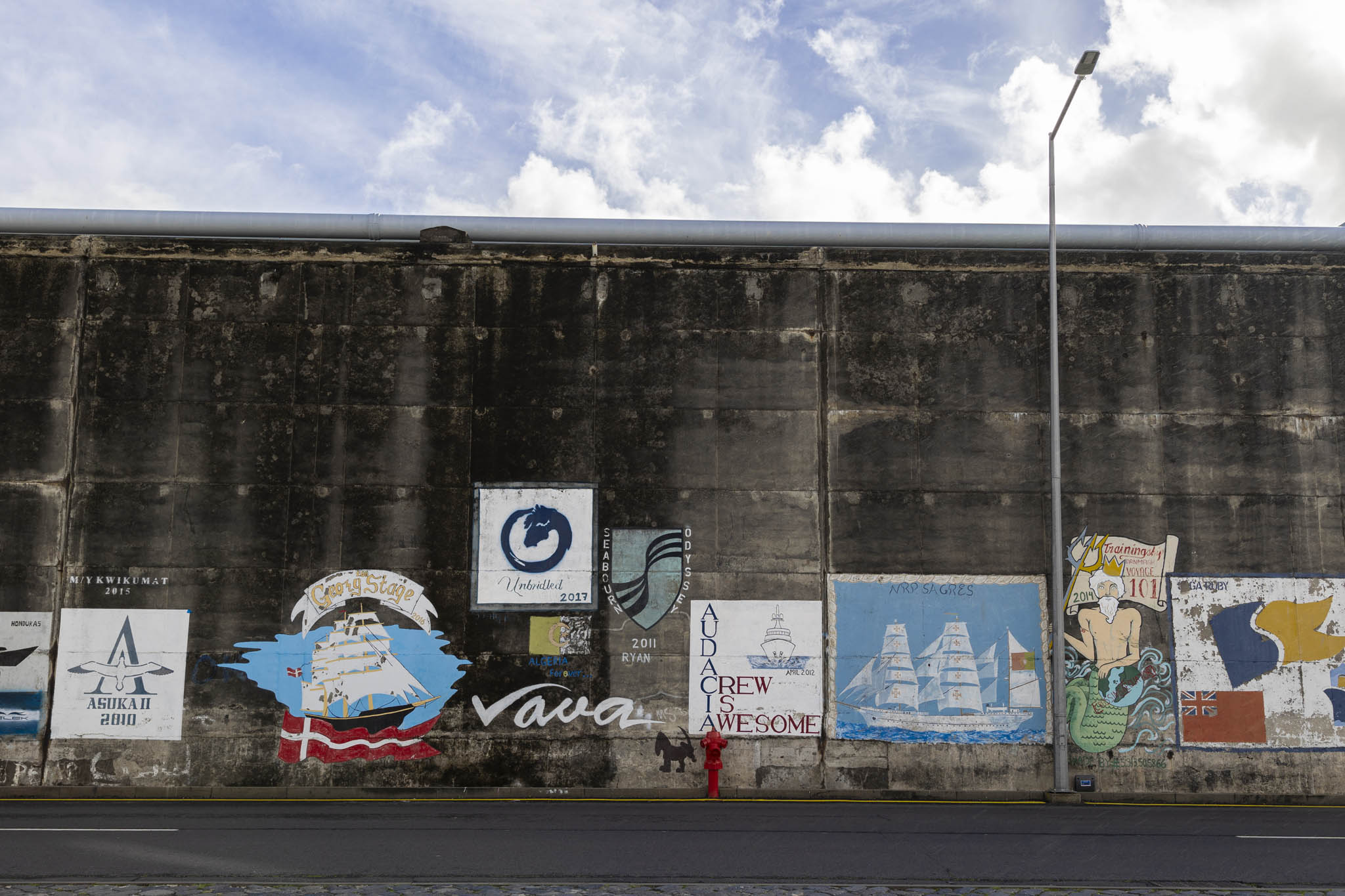
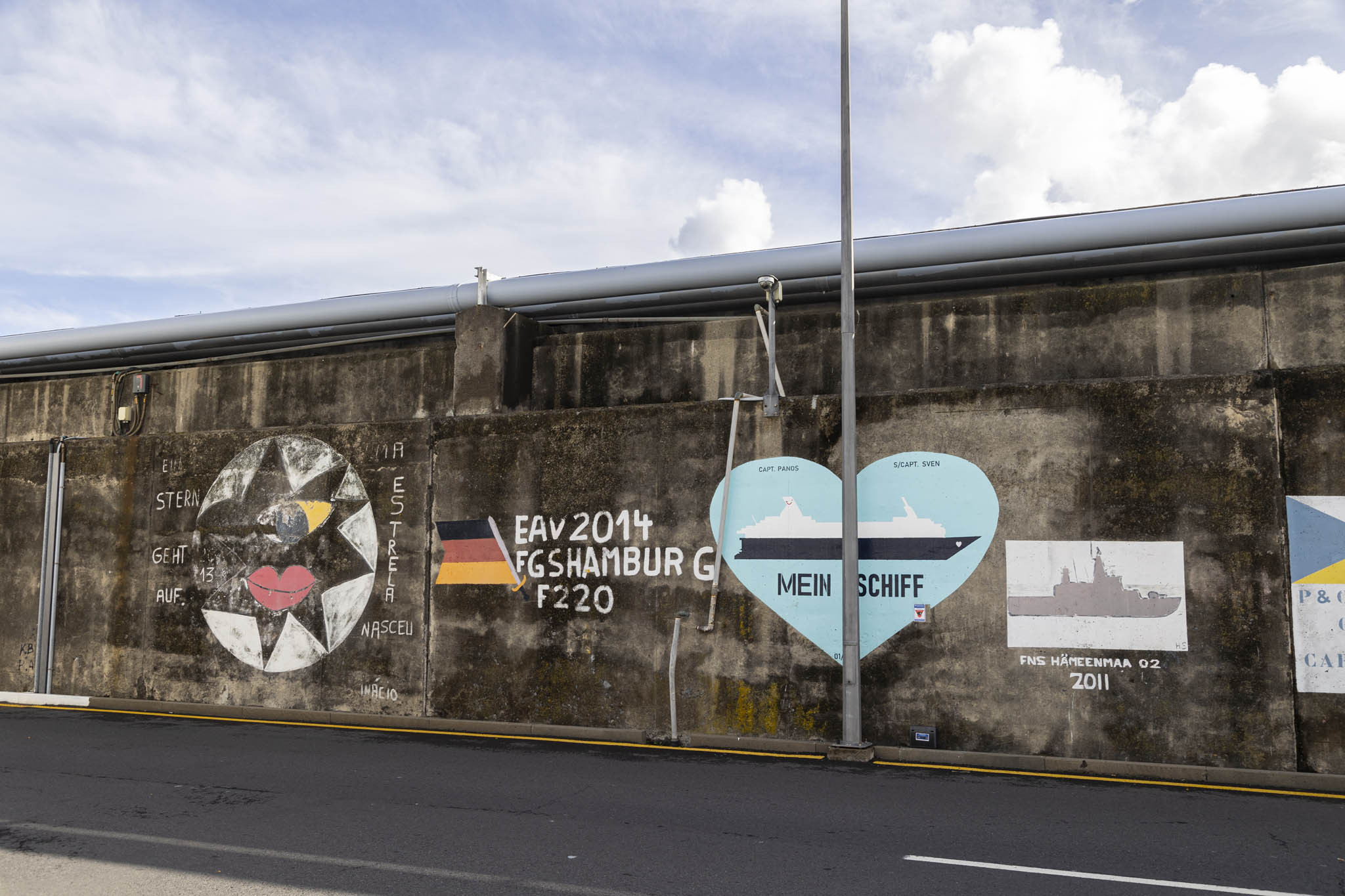
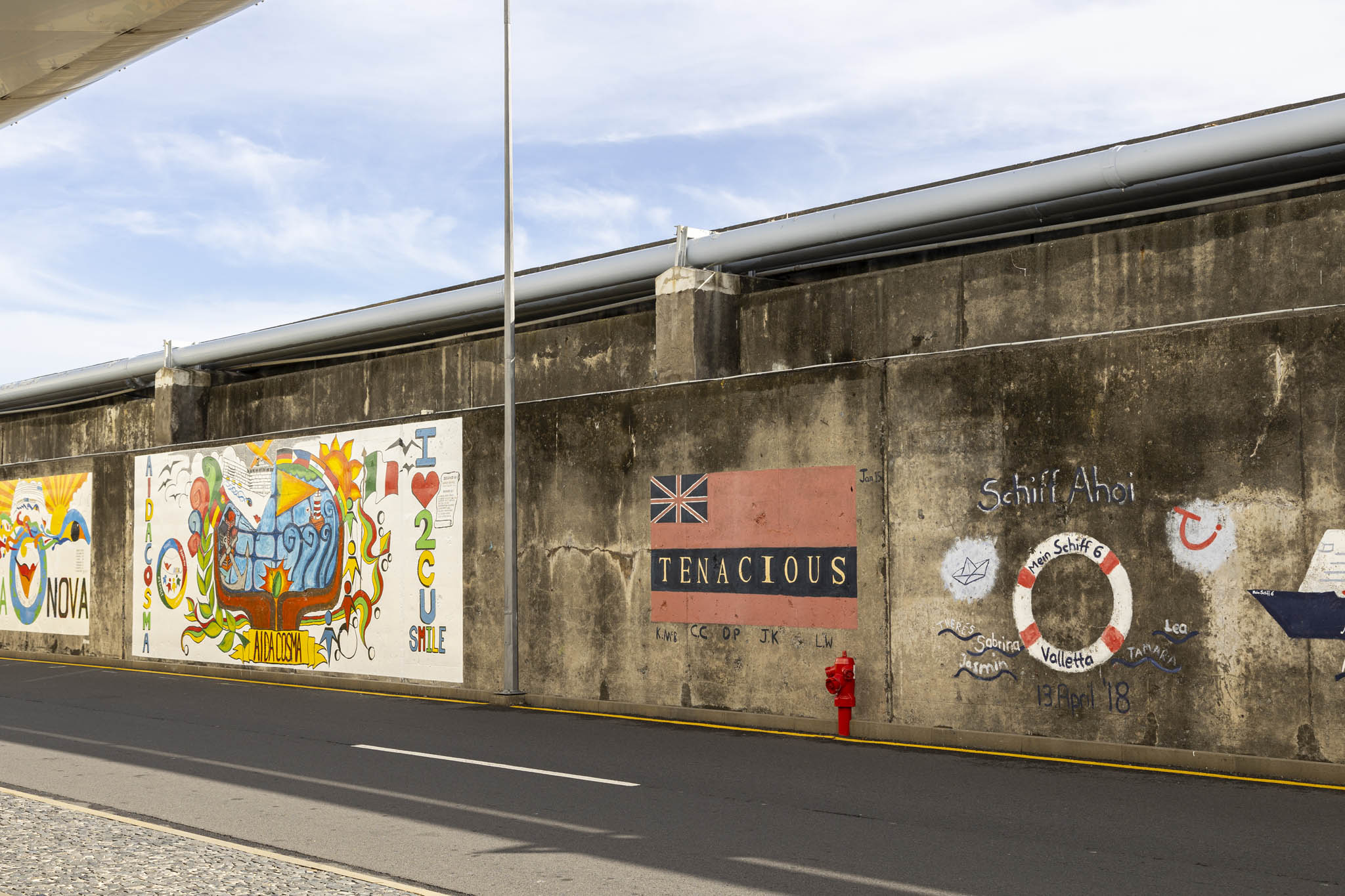
I took advantage of drier weather to take more photos of the harbour murals we’d noticed (well, it would be hard to miss them) when we’d disembarked the ship earlier in the day.
In the next post in this transatlantic cruise series we sail away from Madeira and towards the final port of call before our relaxing week crossing the Atlantic Ocean.