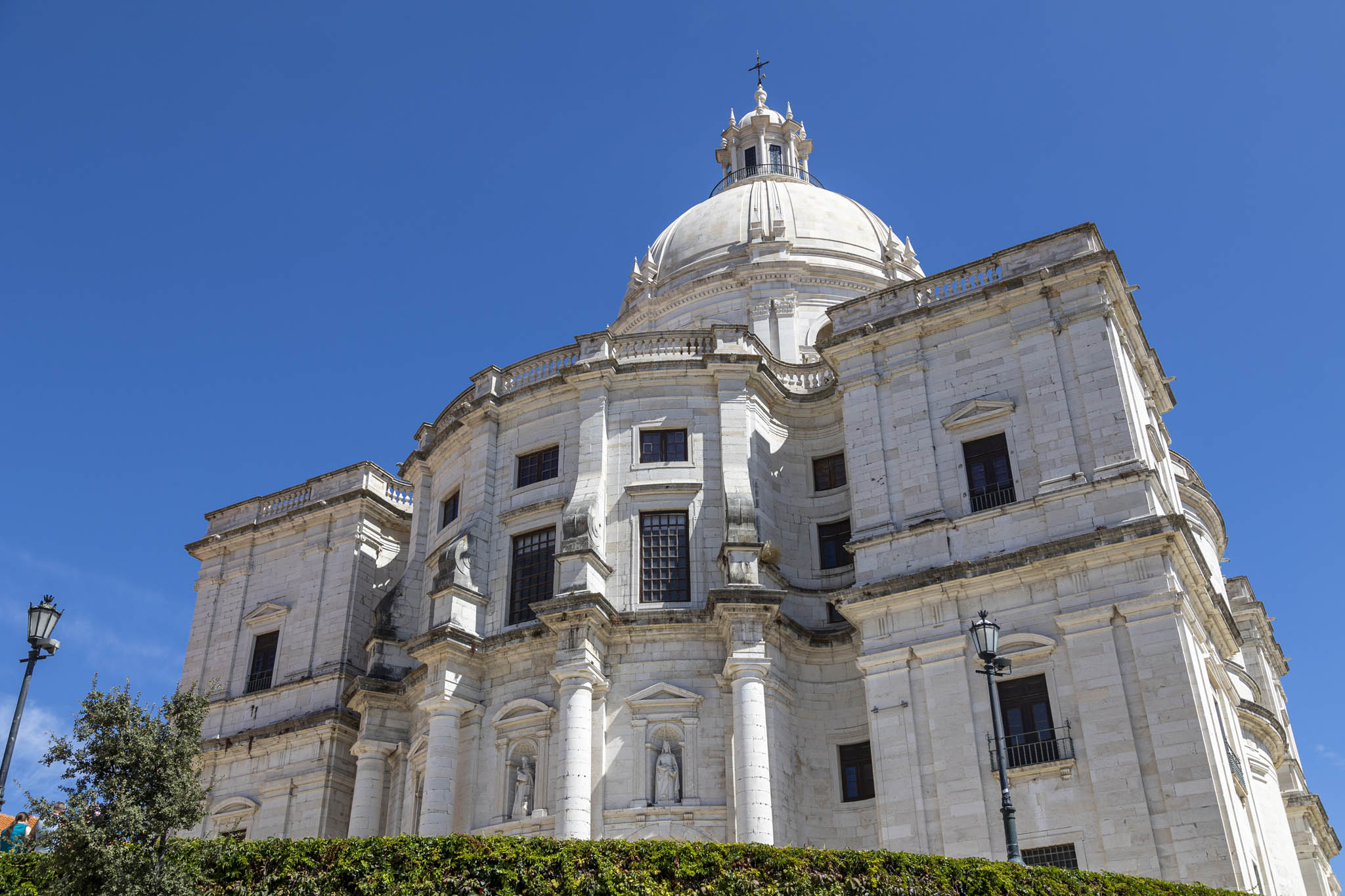
Cruise visitors to Portugal’s capital city will find it difficult to miss the sight of Lisbon’s National Pantheon. The tall white building stands on the hill overlooking the cruise port and we’d seen it from Ventura on our first visit to Lisbon three years earlier but not had the opportunity to take a closer look on that occasion. This time around, following our aborted walk to the castle we made sure to head towards this impressive structure and see what it was like close up and inside too.
We had two issues getting into the National Pantheon. The first was that the road sloped down a little towards it and that road was paved with the shiny, slippery, deadly tiles that Lisbon really likes to torment its visitors with. The second was the woman guarding the door and taking money to visit. We entered and were sharply told to get out and wait with a flick-of-the-wrist gesture. Okay, we thought, we’ll stand outside and wait. At this point some other tourists turned up and we tried to explain that nobody was allowed in at the moment but they either didn’t understand or didn’t believe us so we watched as they were treated abruptly in the same way as us. We assumed there was a maximum number of visitors allowed so we might need to wait until someone left but this wasn’t the case as a few minutes later we were told to enter. A little customer service training felt like it was in order.
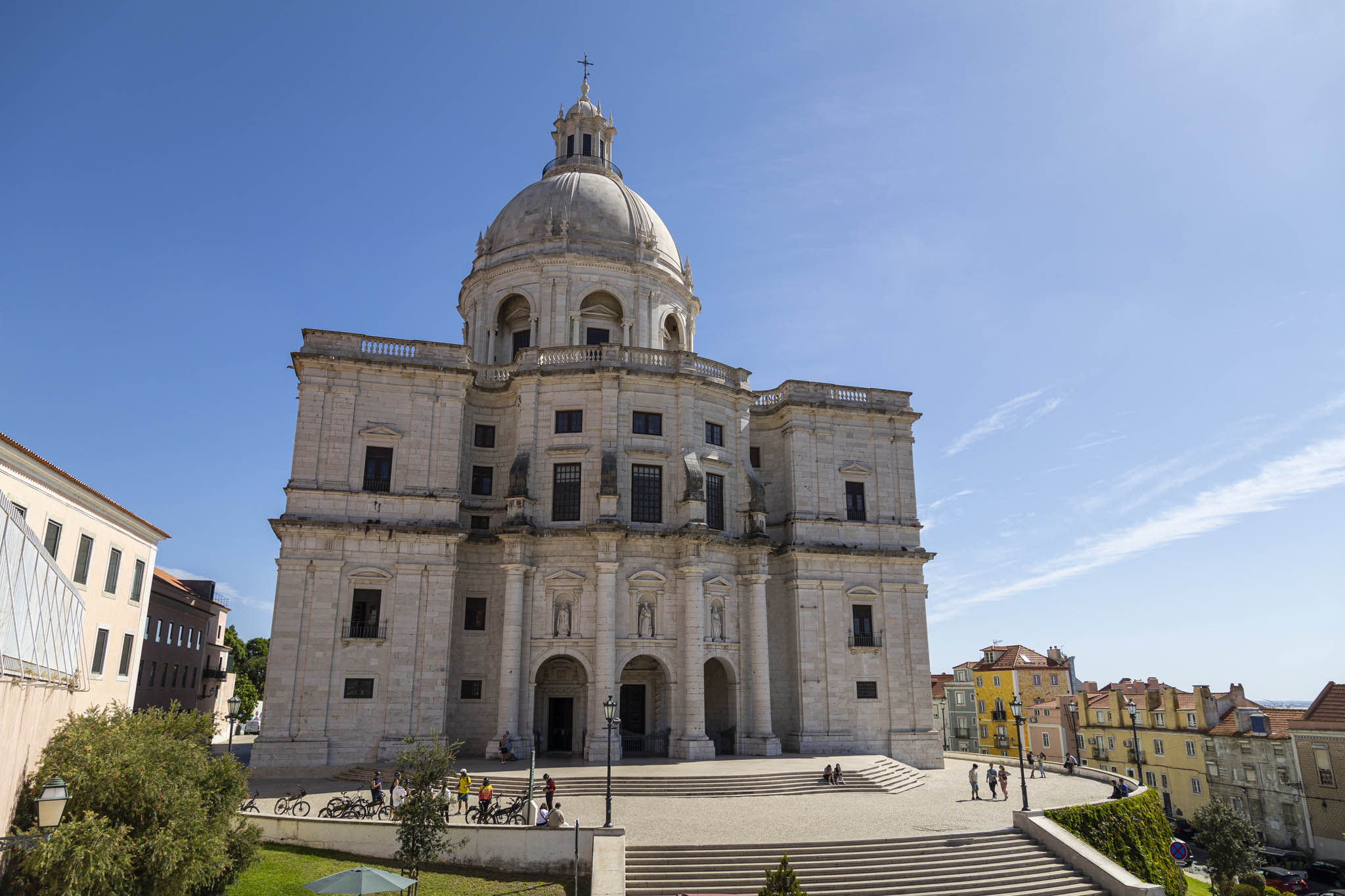
The National Pantheon of Lisbon has a long-enough history of construction that its name has become synonymous with unending tasks in Portugal. The building started life as the Church of Santa Engrácia, and the current form was started in the late seventeenth century following the collapse of previous buildings on the site. The architect João Antunes is considered to be one of the most important Baroque artists, responsible for several cathedrals and tombs, some of which were sadly destroyed in the devastating earthquake of 1755.
The floor plan of the building is that of a Greek Cross – that’s a cross with equal lengths of arms, or a plus sign – with square towers situated at each corner. It was the first church of its design built in Portugal. The interior was incredibly spacious and wonderfully understated in its decor which extended to huge niches and vast curving spaces and marble flooring.
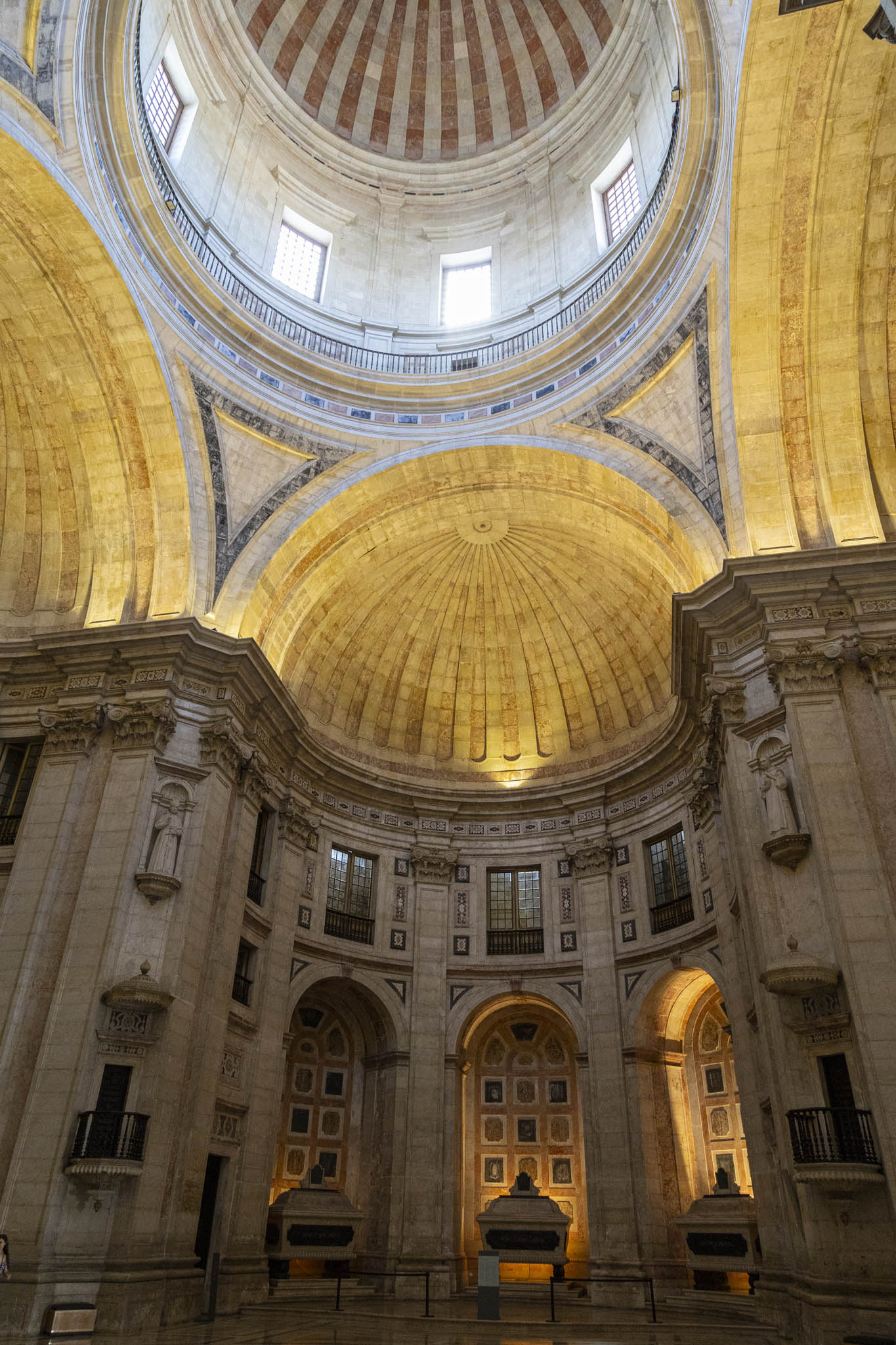
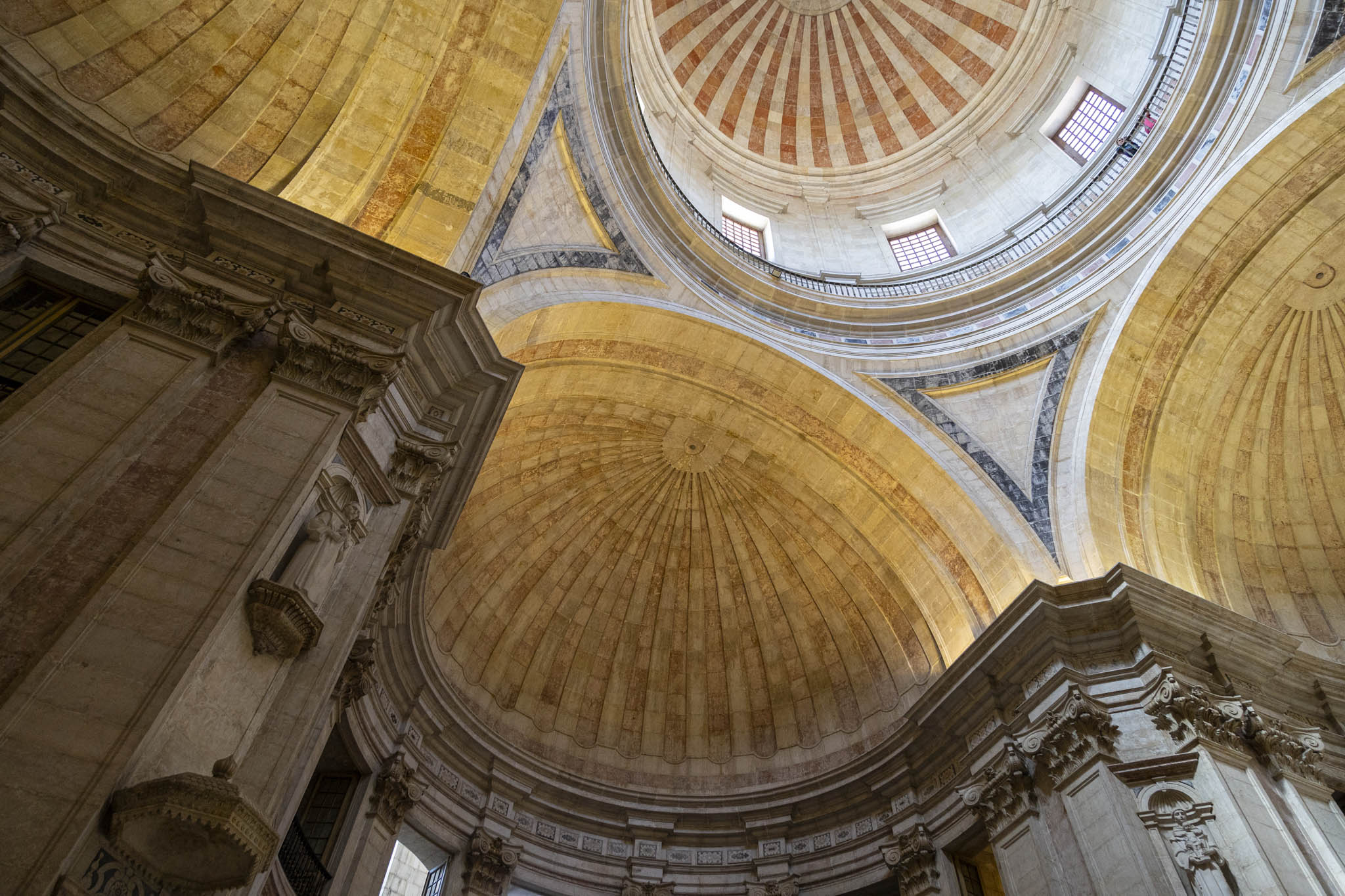
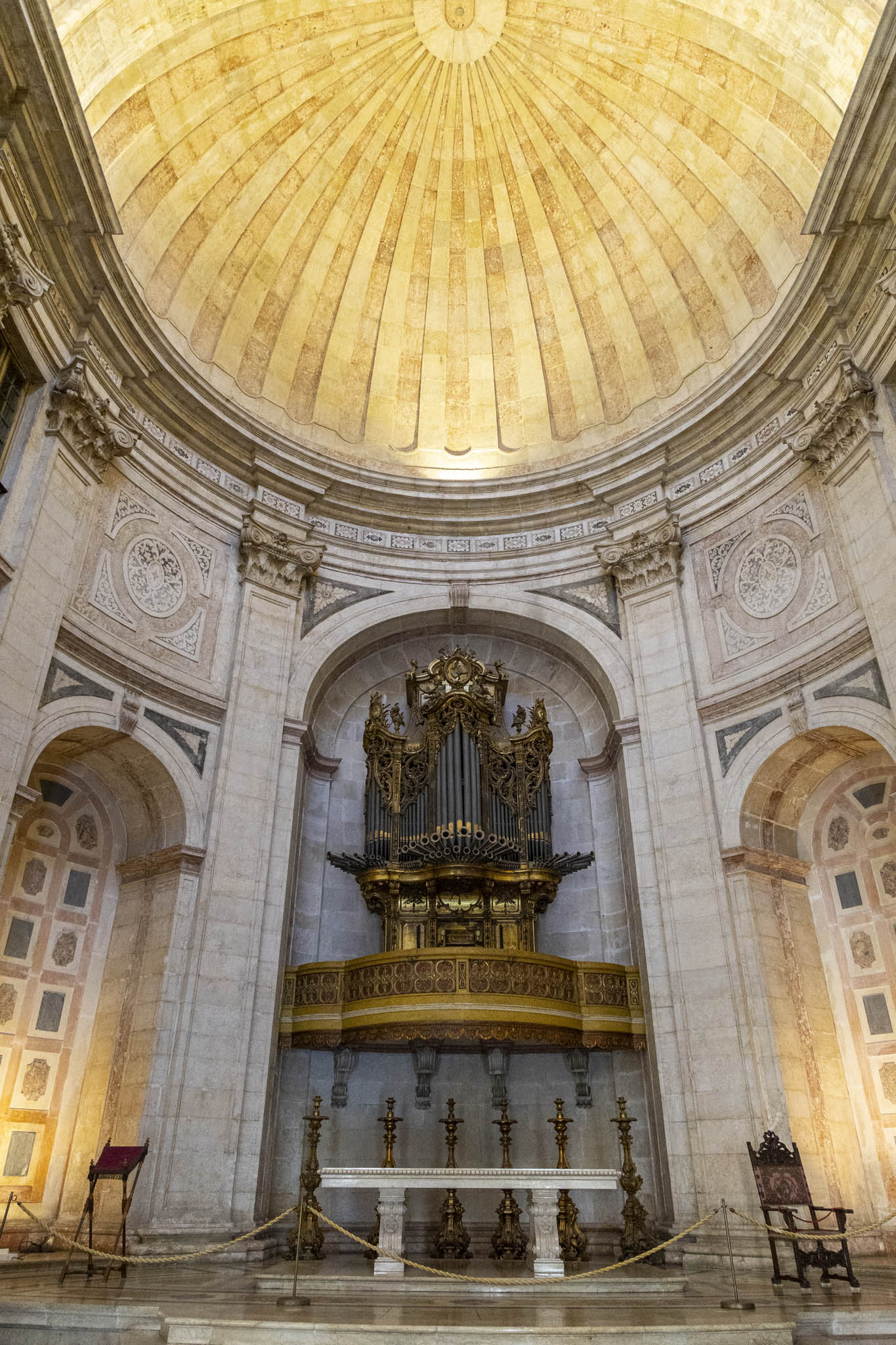
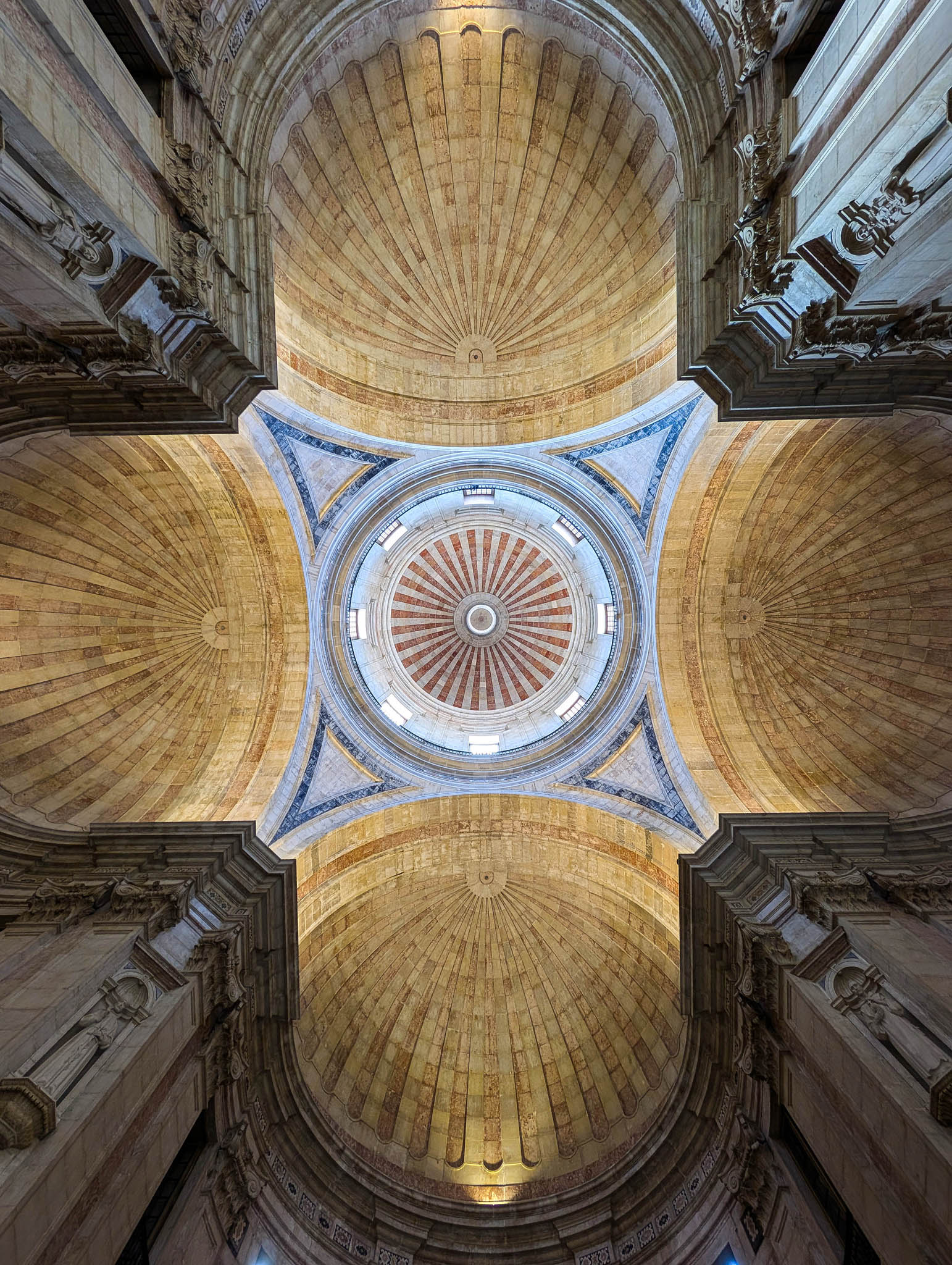
The building’s construction phased out in the early eighteenth century following the death of Antunes and more interest in the building of the Convent of Mafra by the king. In 1916 the still uncompleted church was decreed to be the National Pantheon and work continued, only finishing in the 1960s when the dome was added. A Pantheon is a building housing the entombed remains or cenotaphs of notable figures and Lisbon’s National Pantheon hosts the bodies of politicians, poets, writers, and even the footballer Eusébio. The cenotaphs include ones for explorers Vasco da Gama and Henry the Navigator.
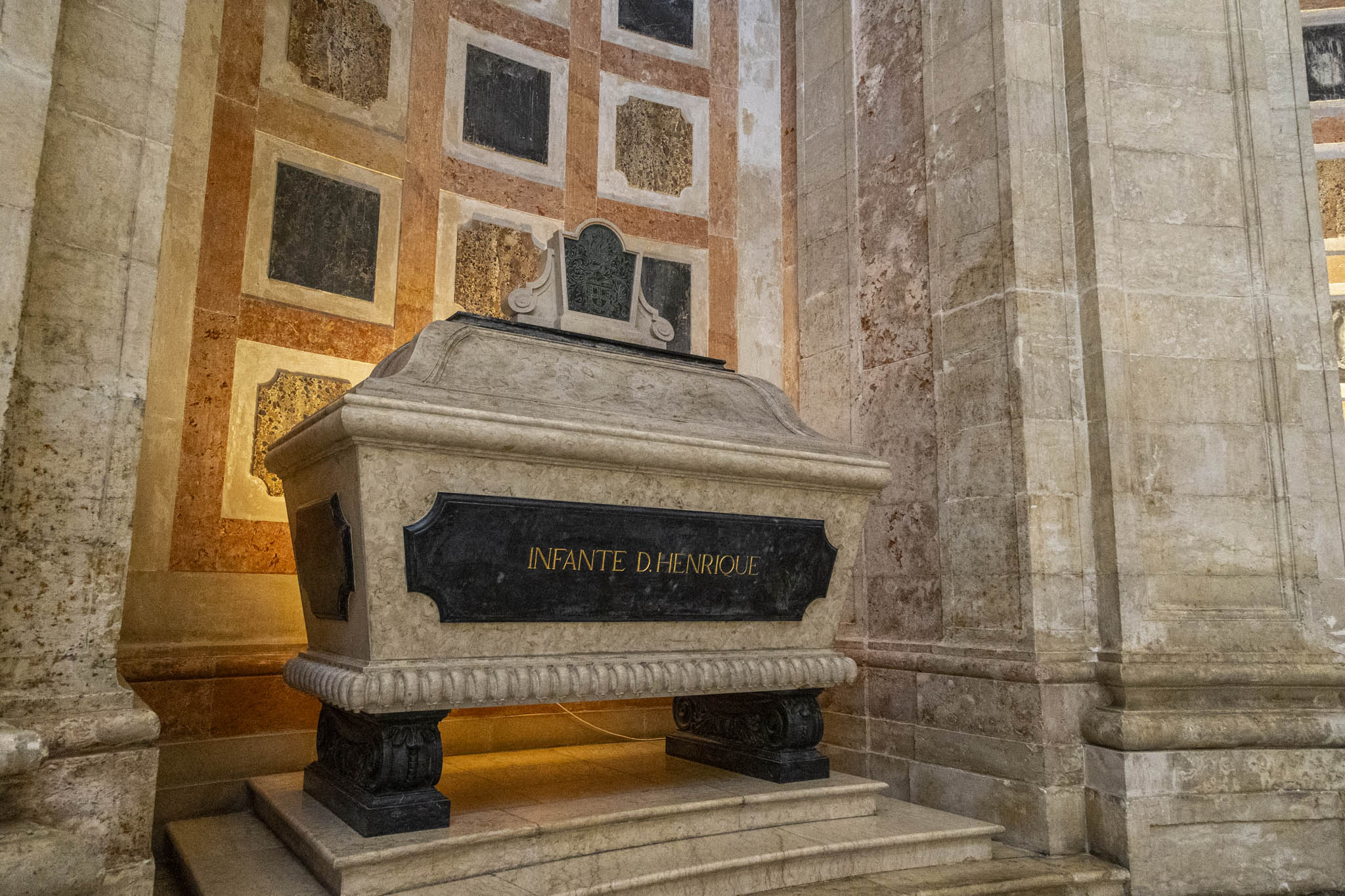
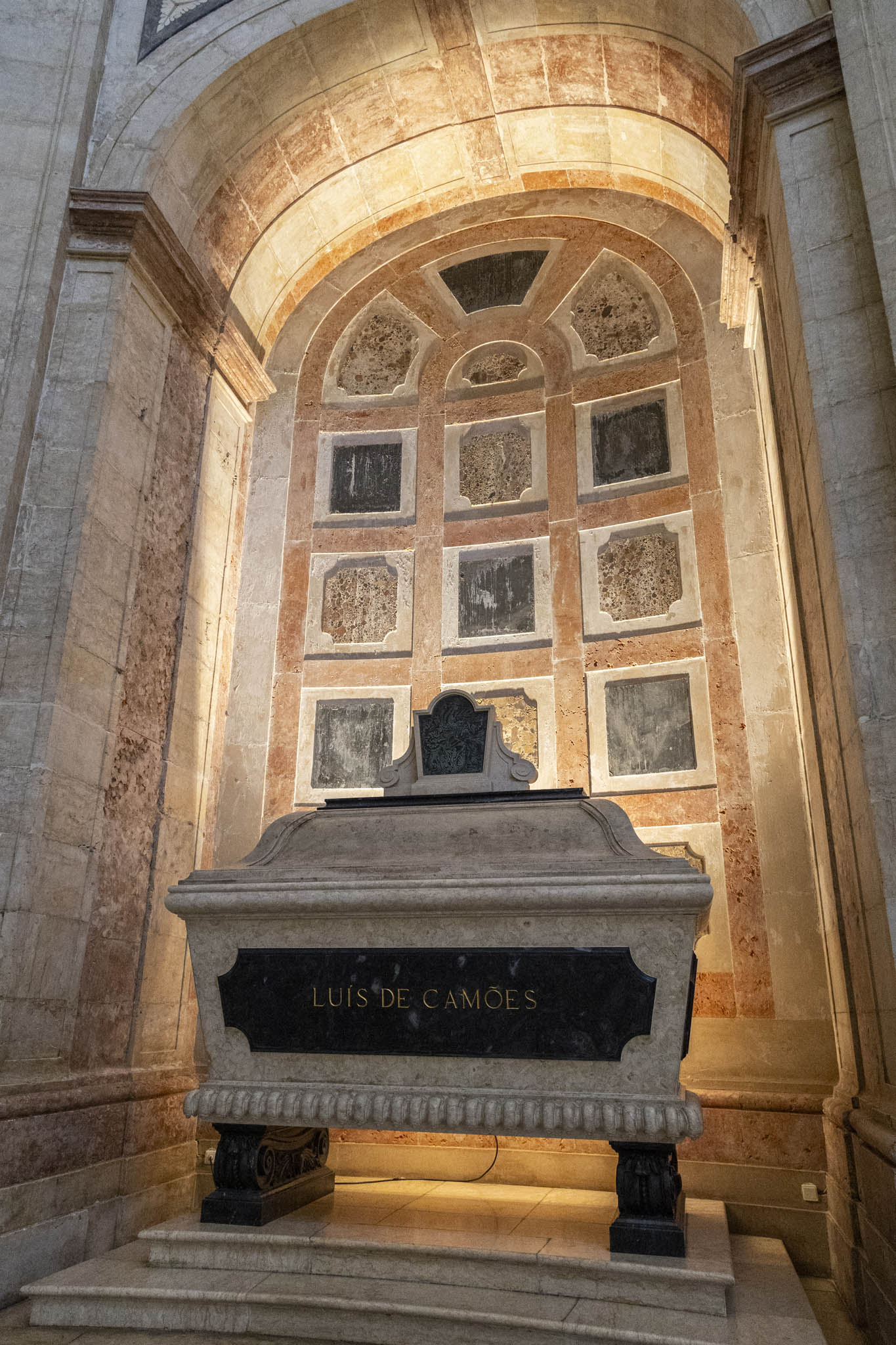
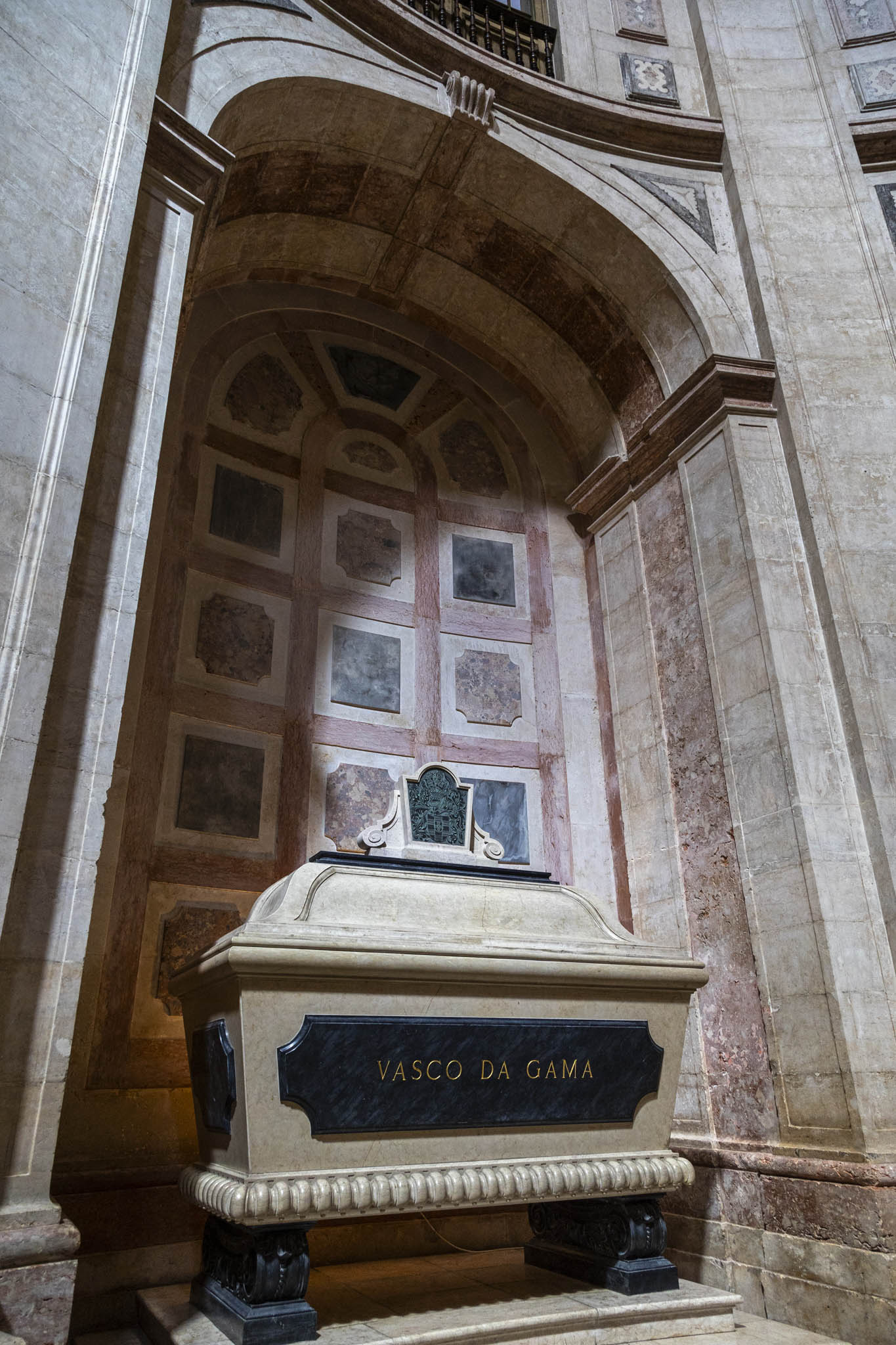
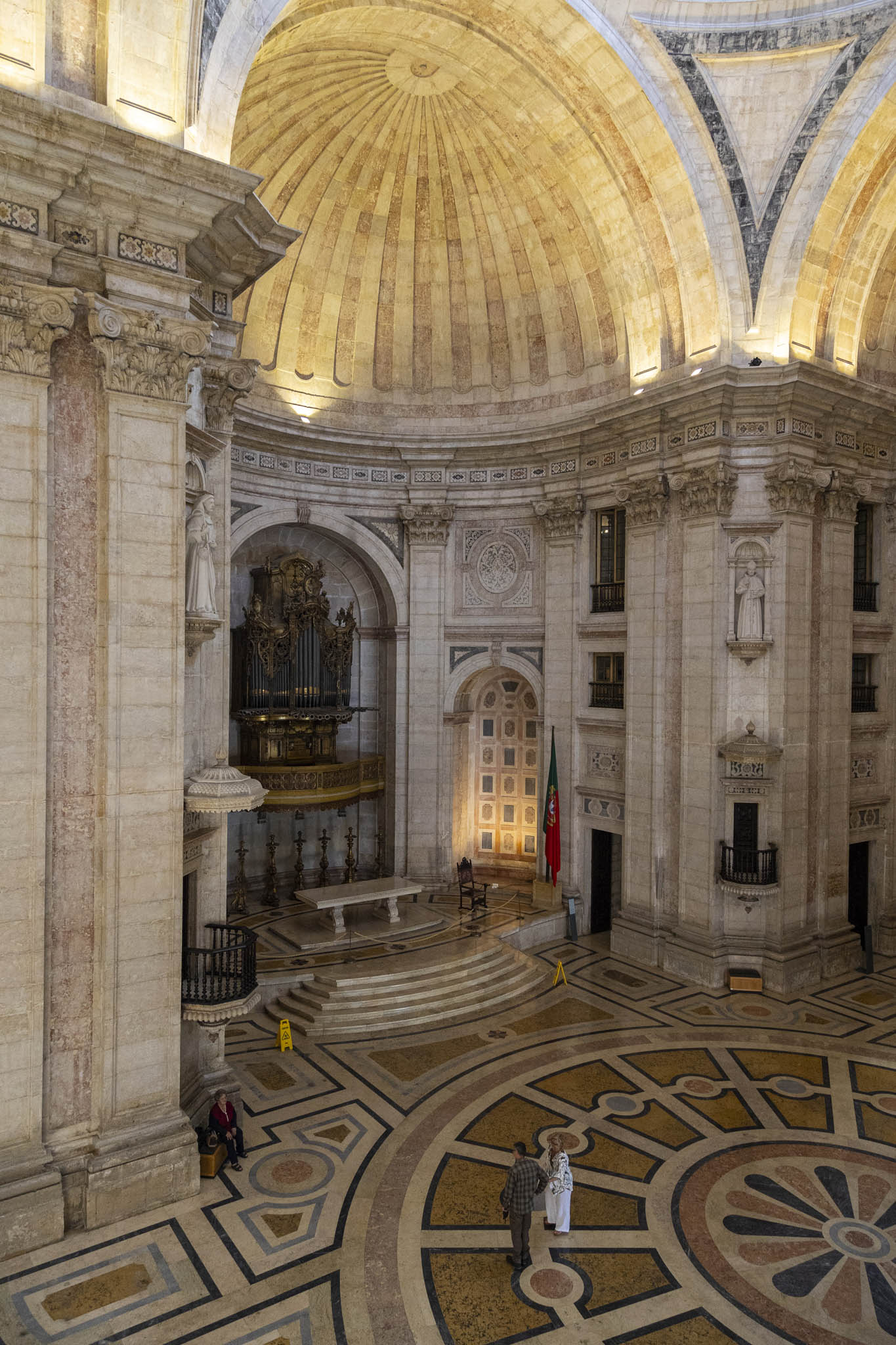
Exploring the interior of the National Pantheon doesn’t take long as it’s effectively one large open space, but there’s more to the building than just that and it’s possible to climb up, get views from inside the dome looking down, and also step out onto the roof where wide-ranging views of Lisbon can be had. They’re definitely worth the effort.
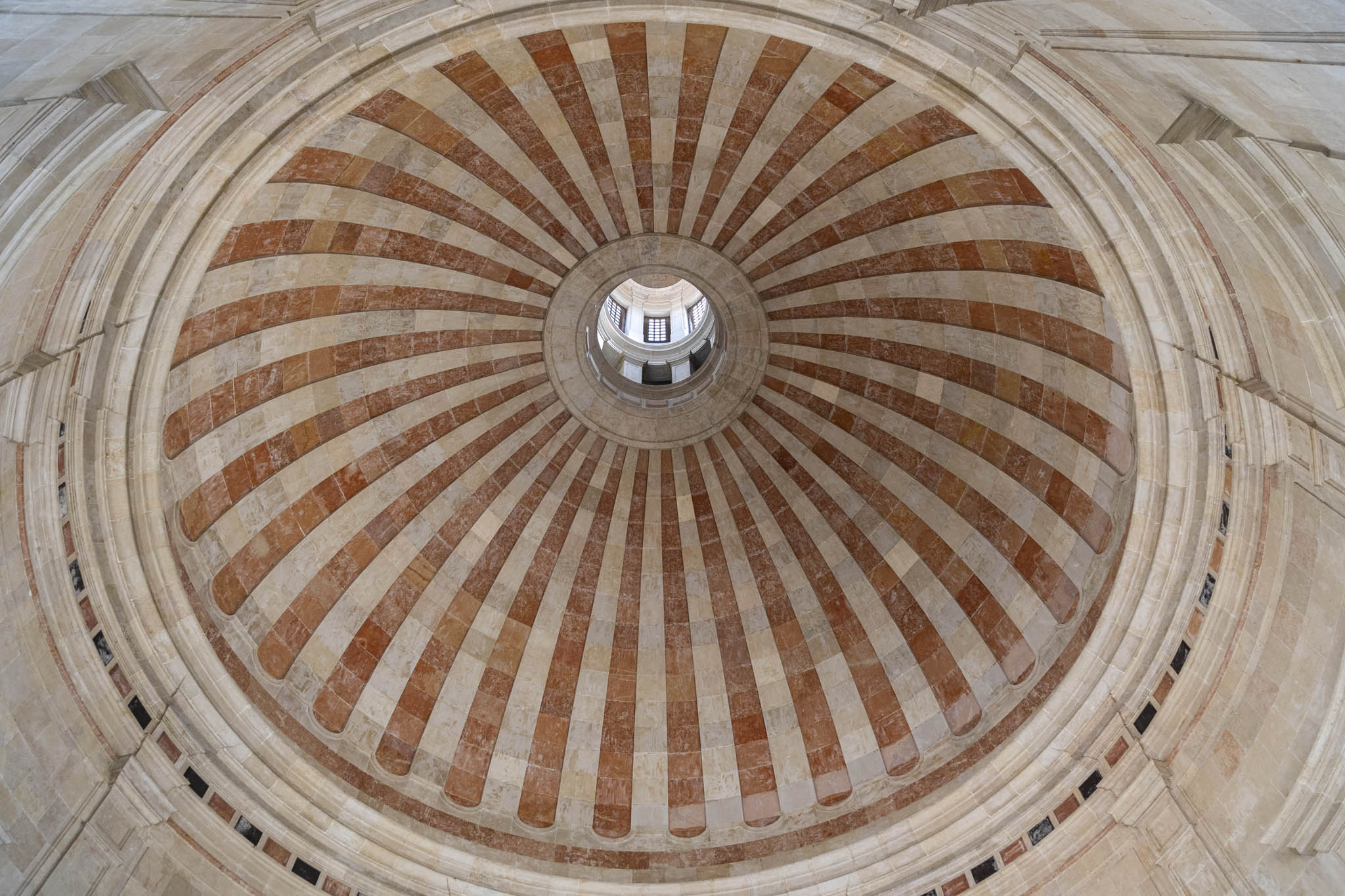
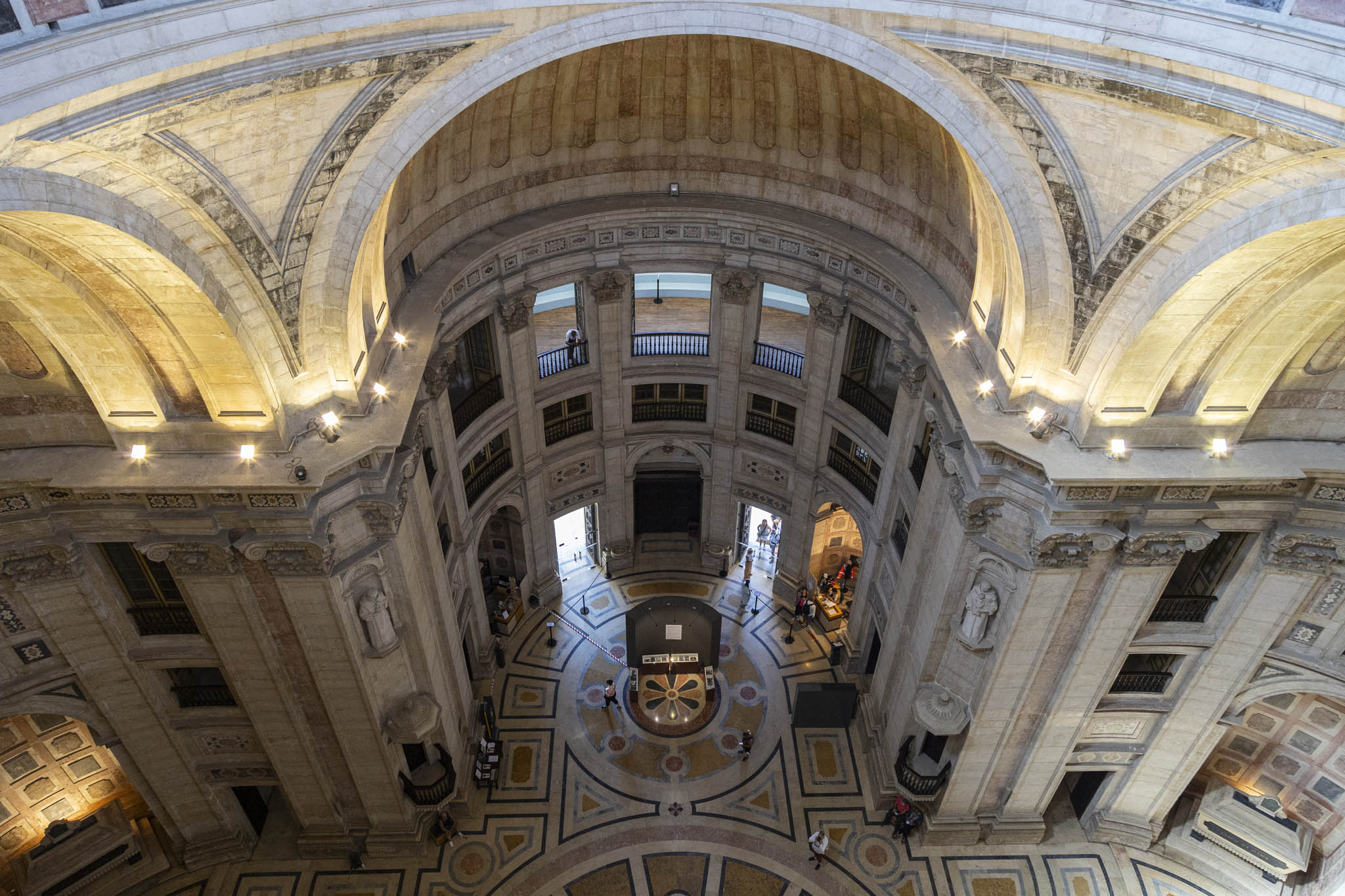
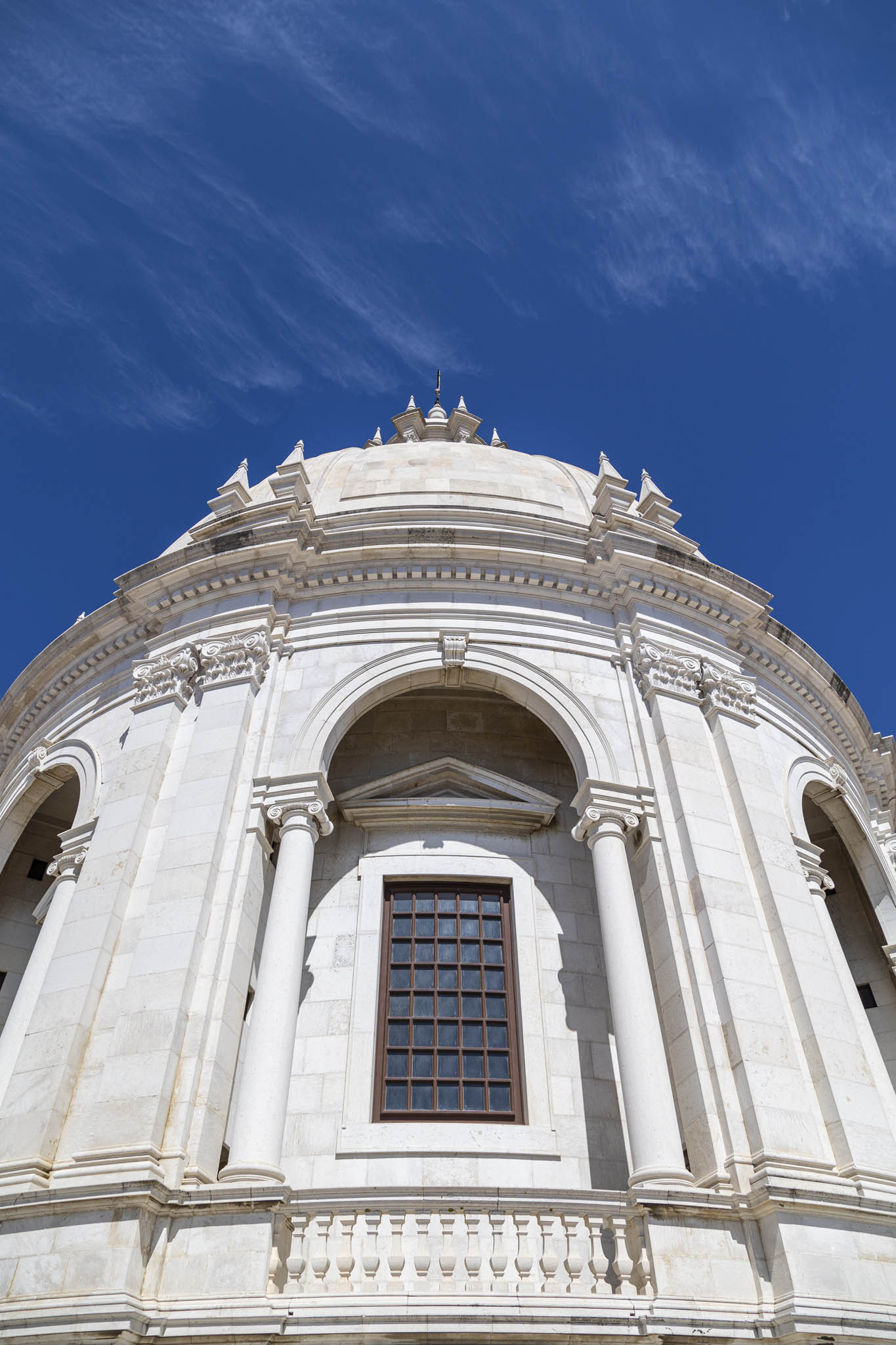
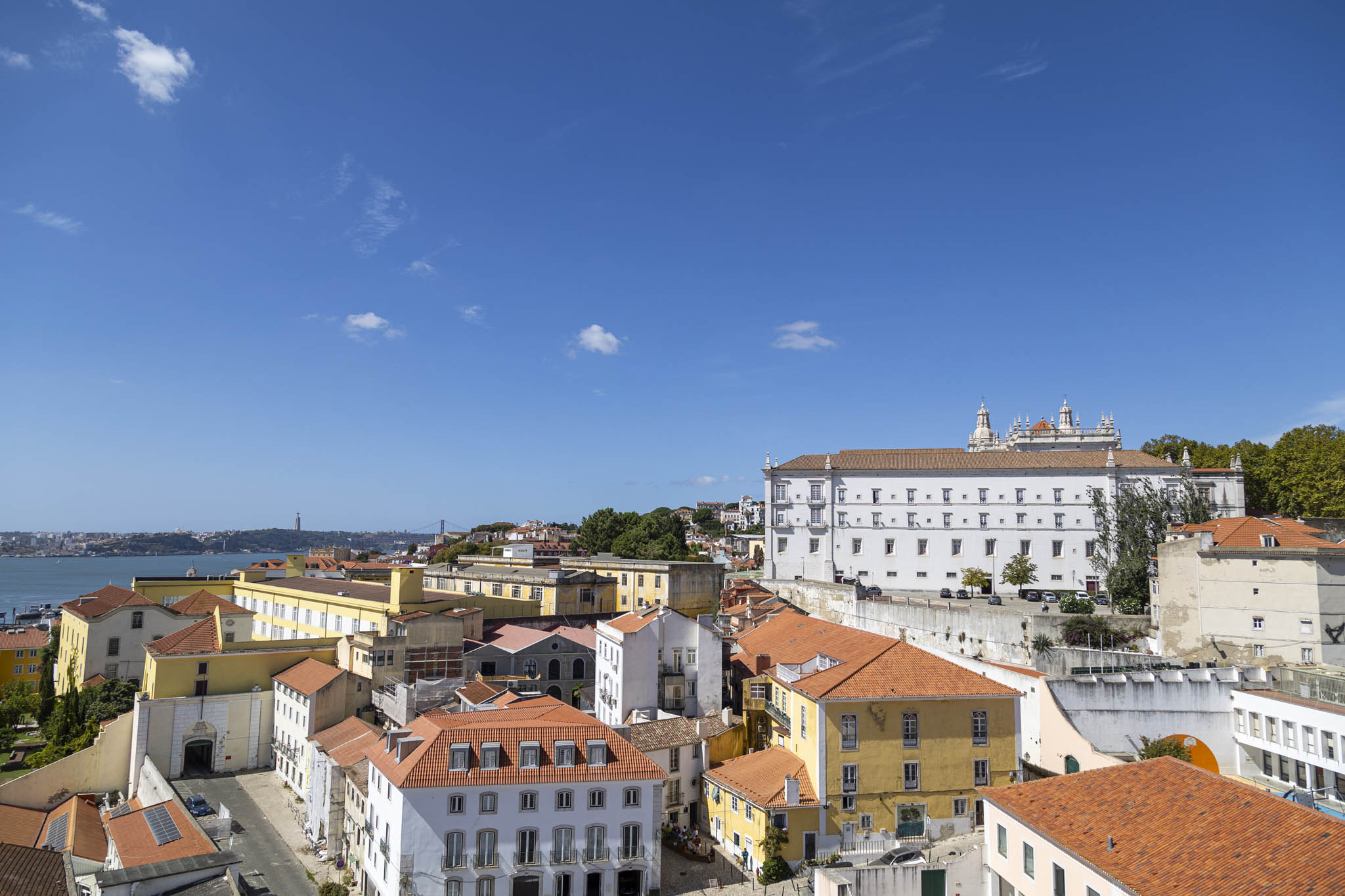
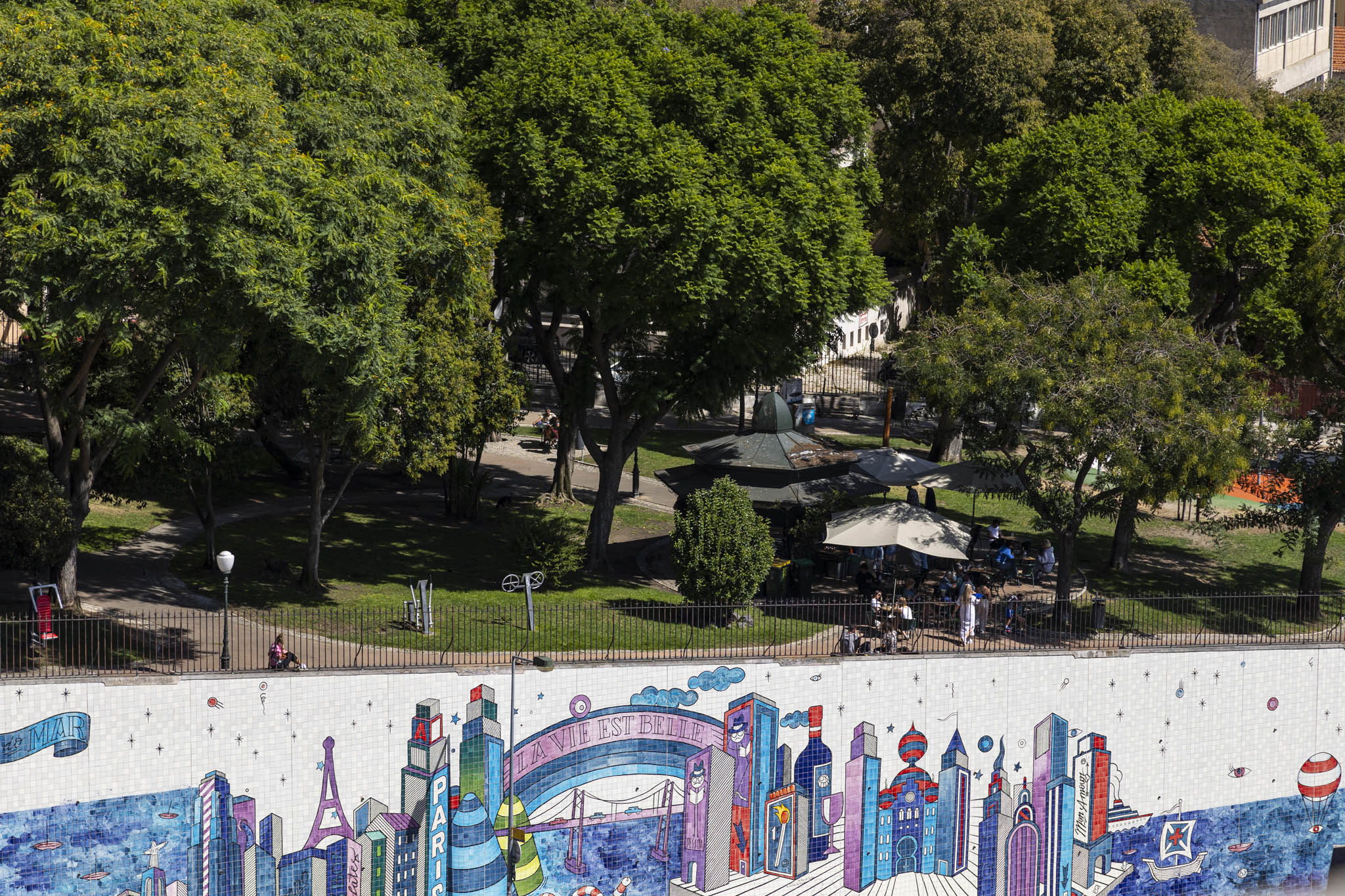
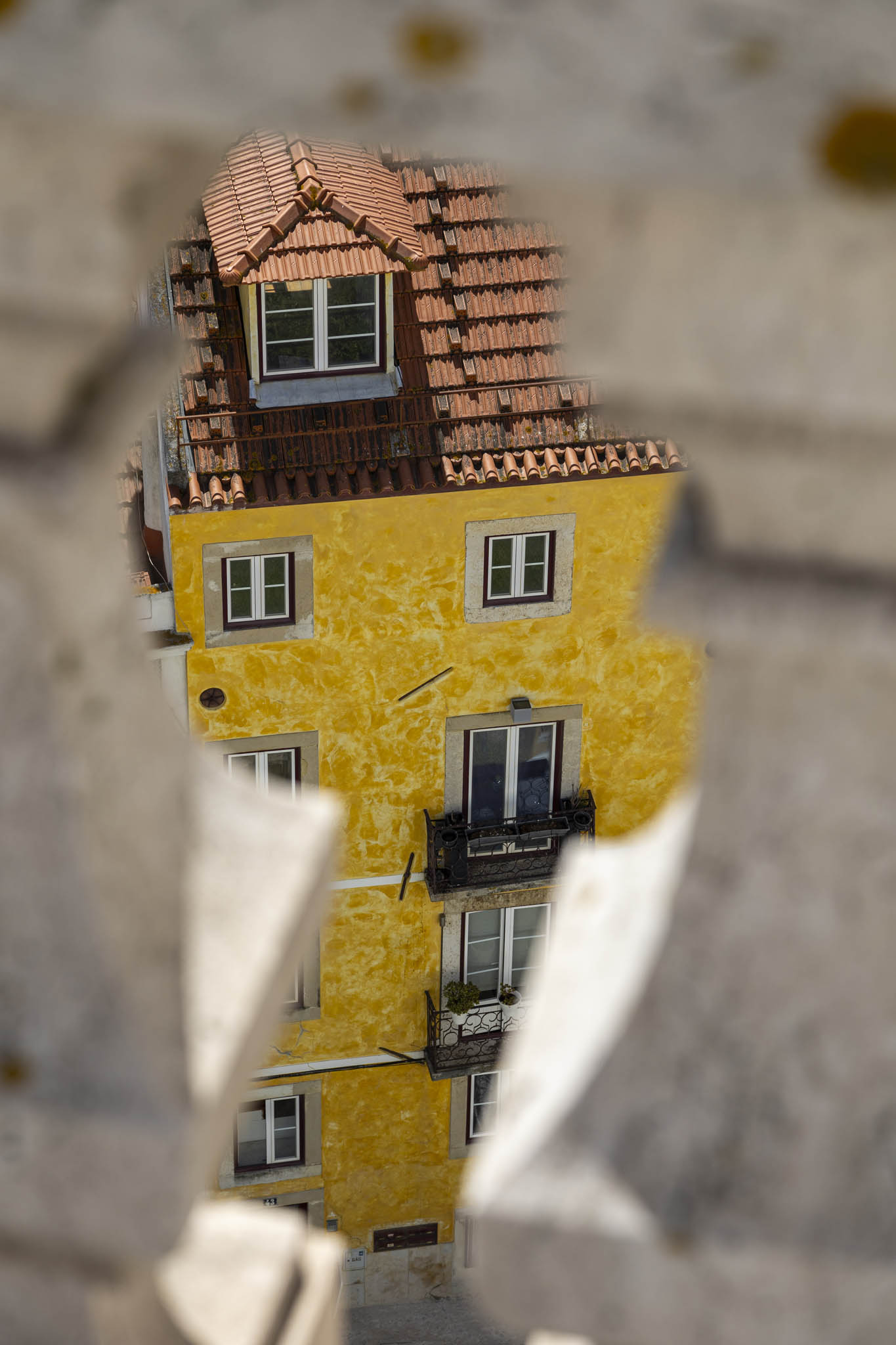
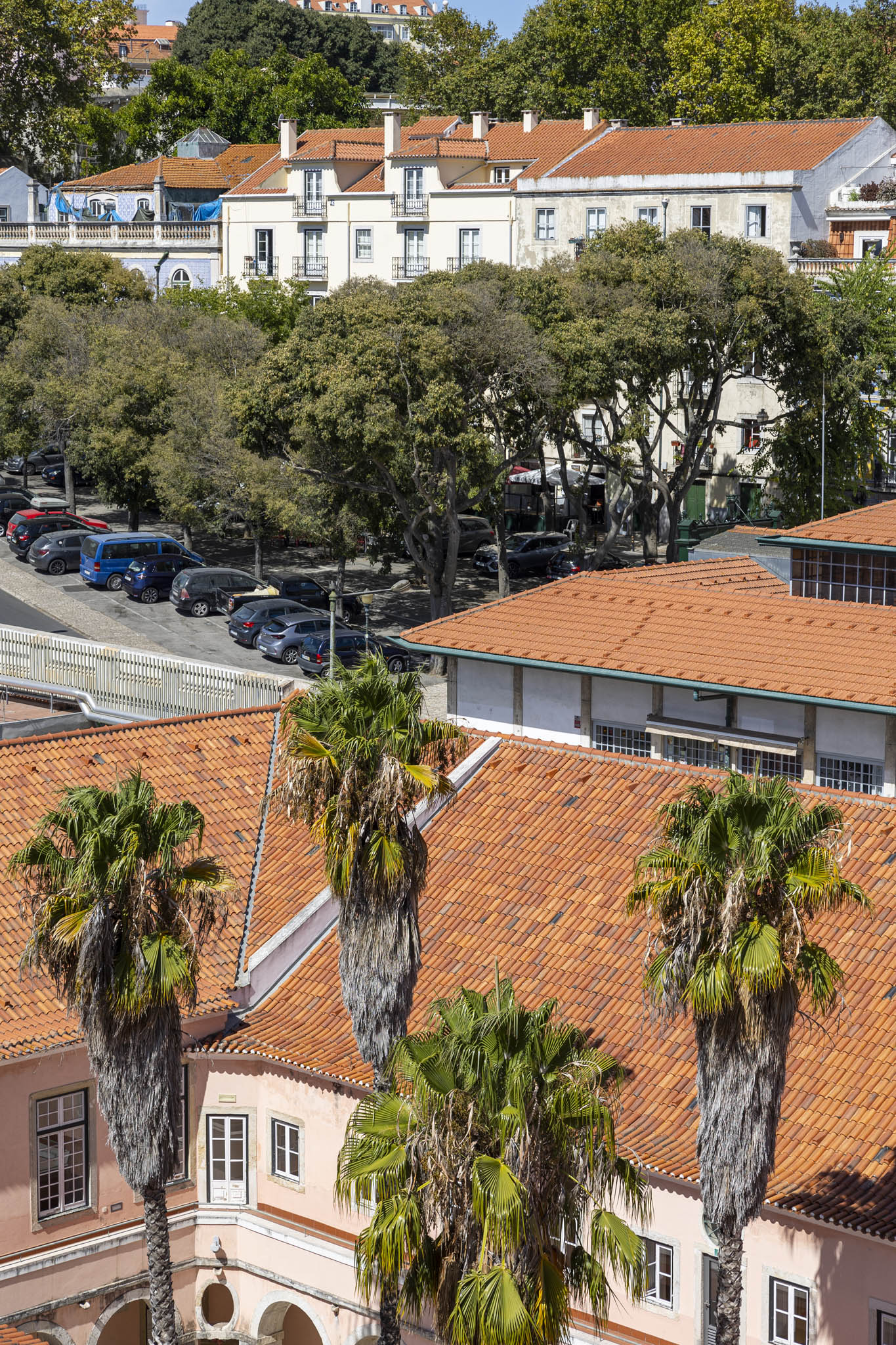
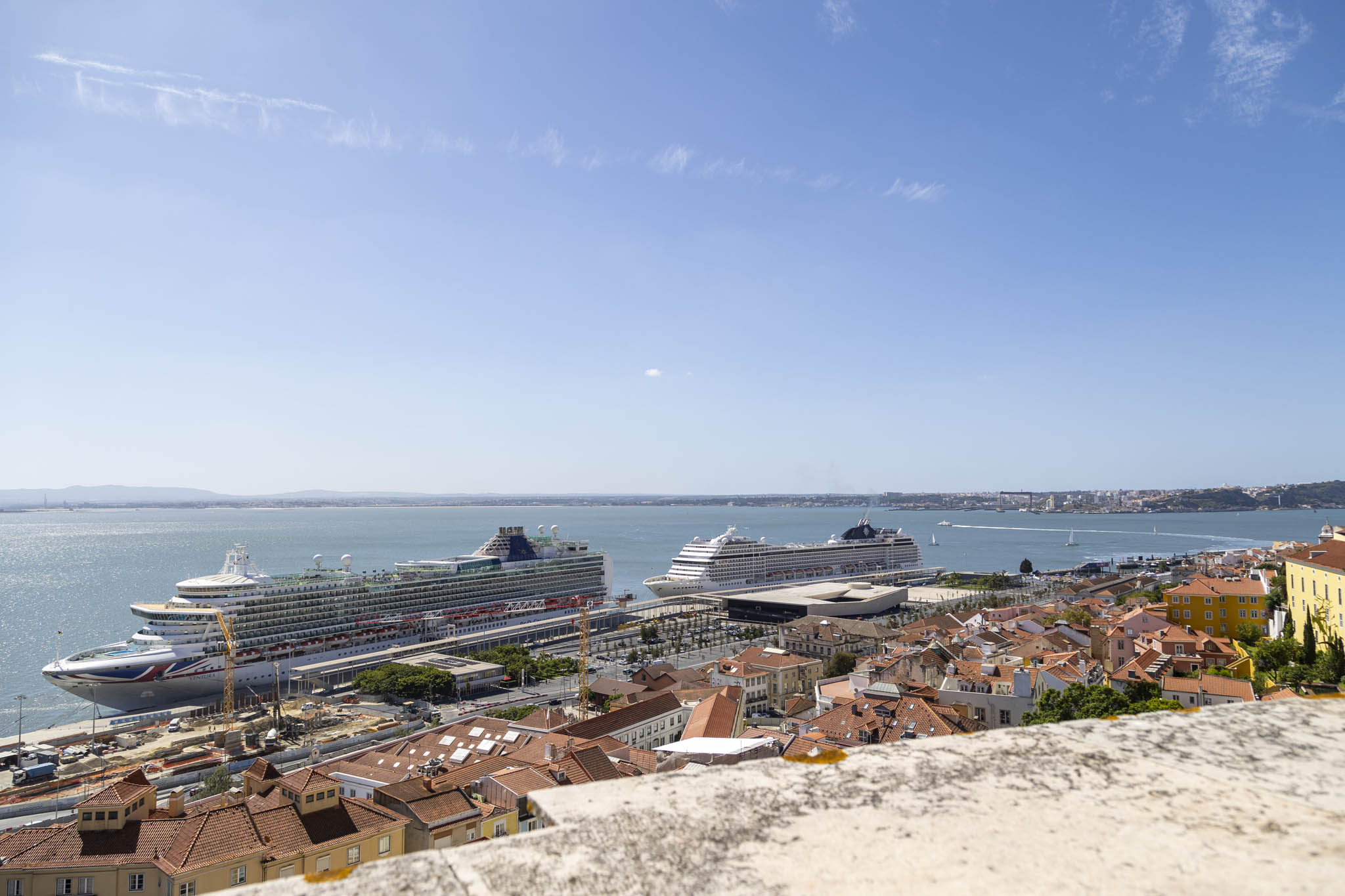
And since it’s possible to see the National Pantheon from your cruise ship it follows that it’s possible to see your cruise ship from the National Pantheon too. In this case Ventura was joined by MSC Orchestra in port.
The next post in this cruise travelogue series will see us say farewell to Lisbon with a short walk along the waterfront and a break for some drinks ashore ahead of the sail away from the capital.