We had a decent amount of time to explore ashore again on the second day in Lisbon and our Hop-On Hop-Off bus ticket was still valid so we made plans to take the bus into the city centre then make our way on foot to the Moorish castle of St George. If you’re that rarest of types of people who’ve actually read the previous posts in this series covering our P&O Ventura cruise then you will already be aware that, as with the day before’s plans getting torn up and reworked on the spot several times, the same process of changing our minds at a moment’s notice would be continuing on this day. If you haven’t read the previous posts then now’s the time to let you know that there would be no castle visit on this day in Portugal’s capital.
It would be nice to say here that the bus ride out to Praça dos Restauradores (where we were going to disembark) was uneventful and a duplicate of the prior day’s journey (see: Lisbon By Hop-On Hop-Off Bus) and, for most of it, that is the case. And then the bus driver decided to take a different side road for some reason which involved driving under low-hanging tree branches that normally saw no open top buses anywhere near them. Did I get whipped in the face by a branch? Yes, I did. My fault for sitting upstairs near the front. Those in the seats behind us had just enough warning to duck for cover but I was sporting a nice red mark on my cheek for a little while.
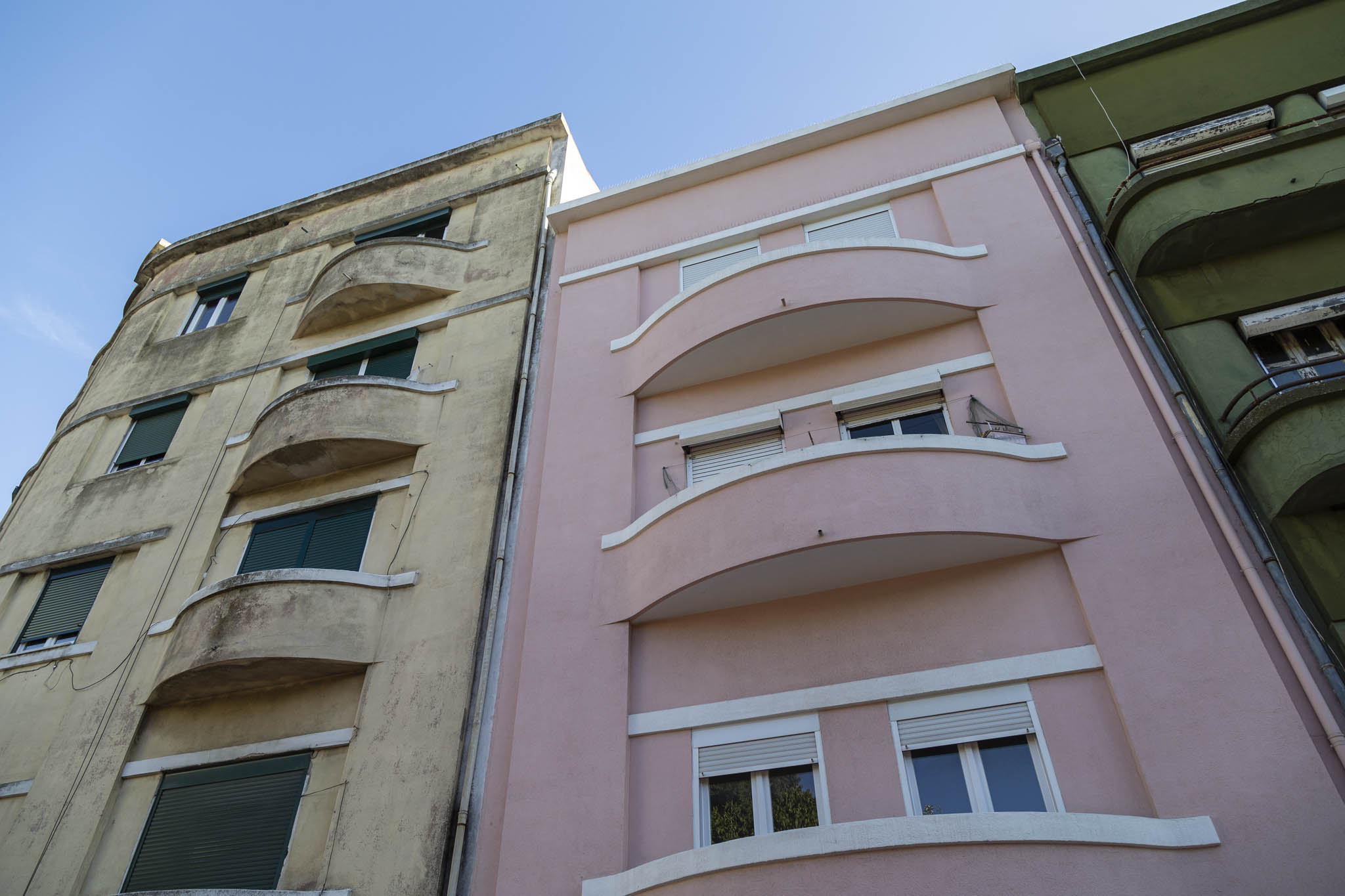
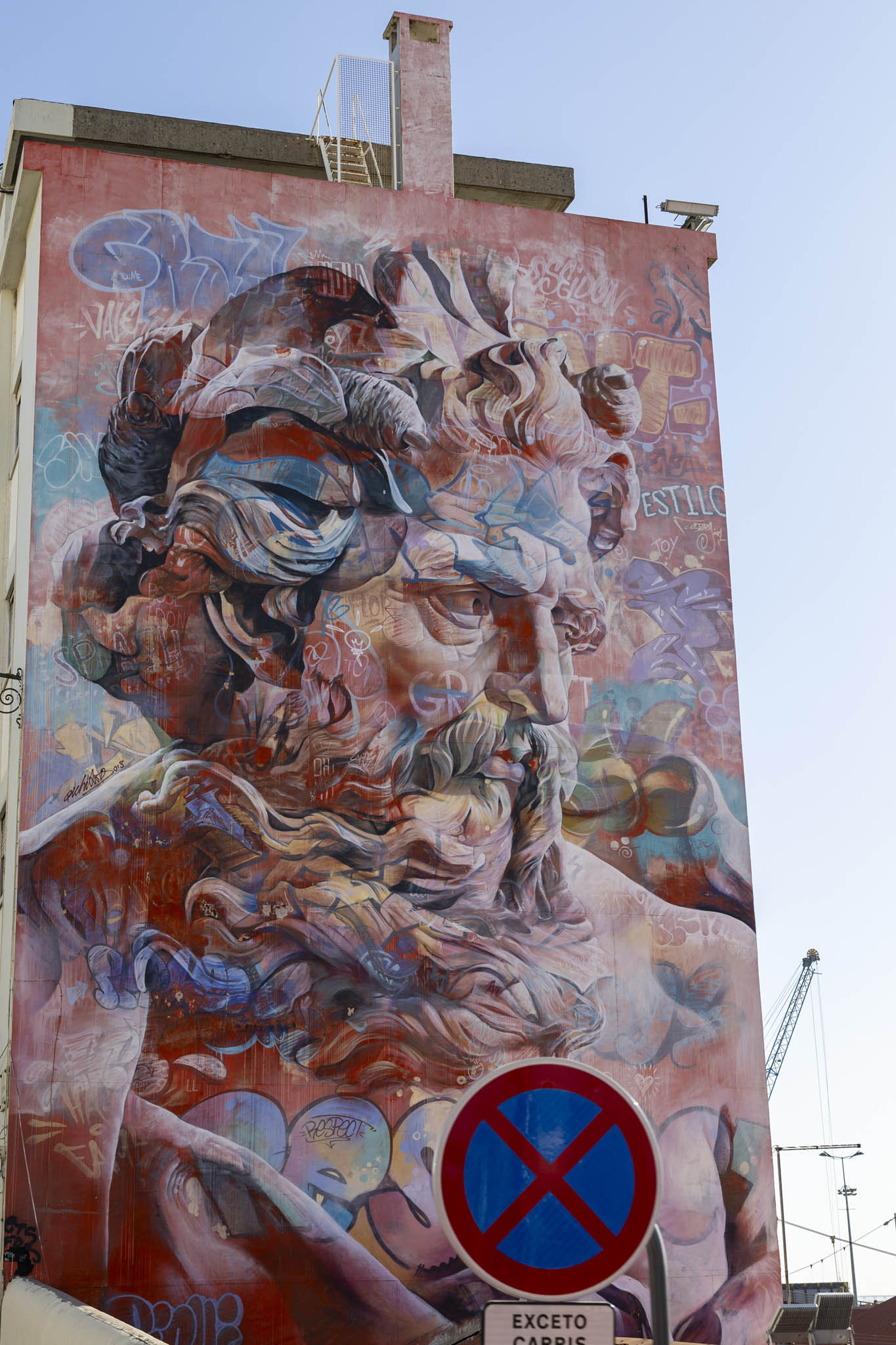
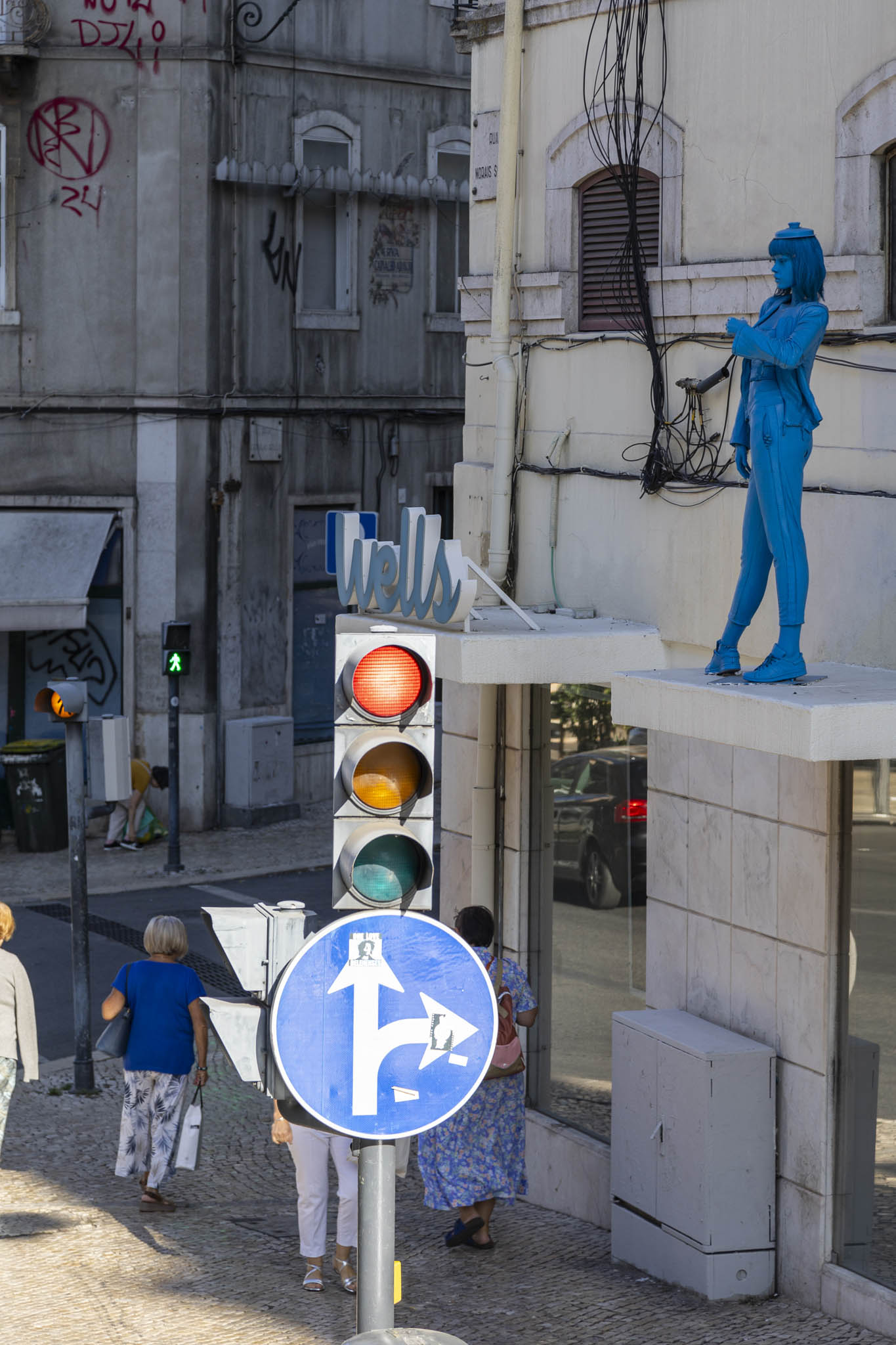
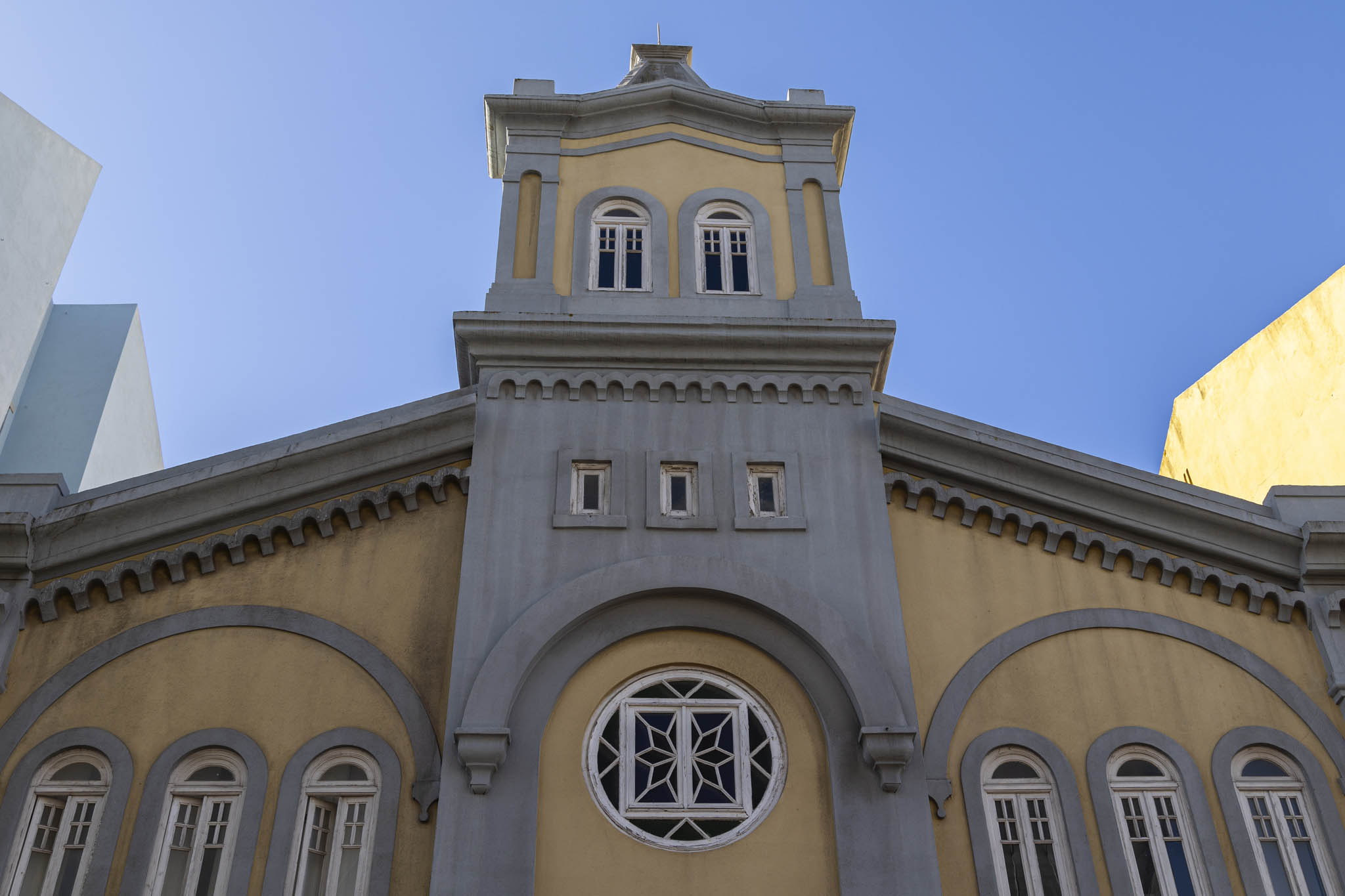
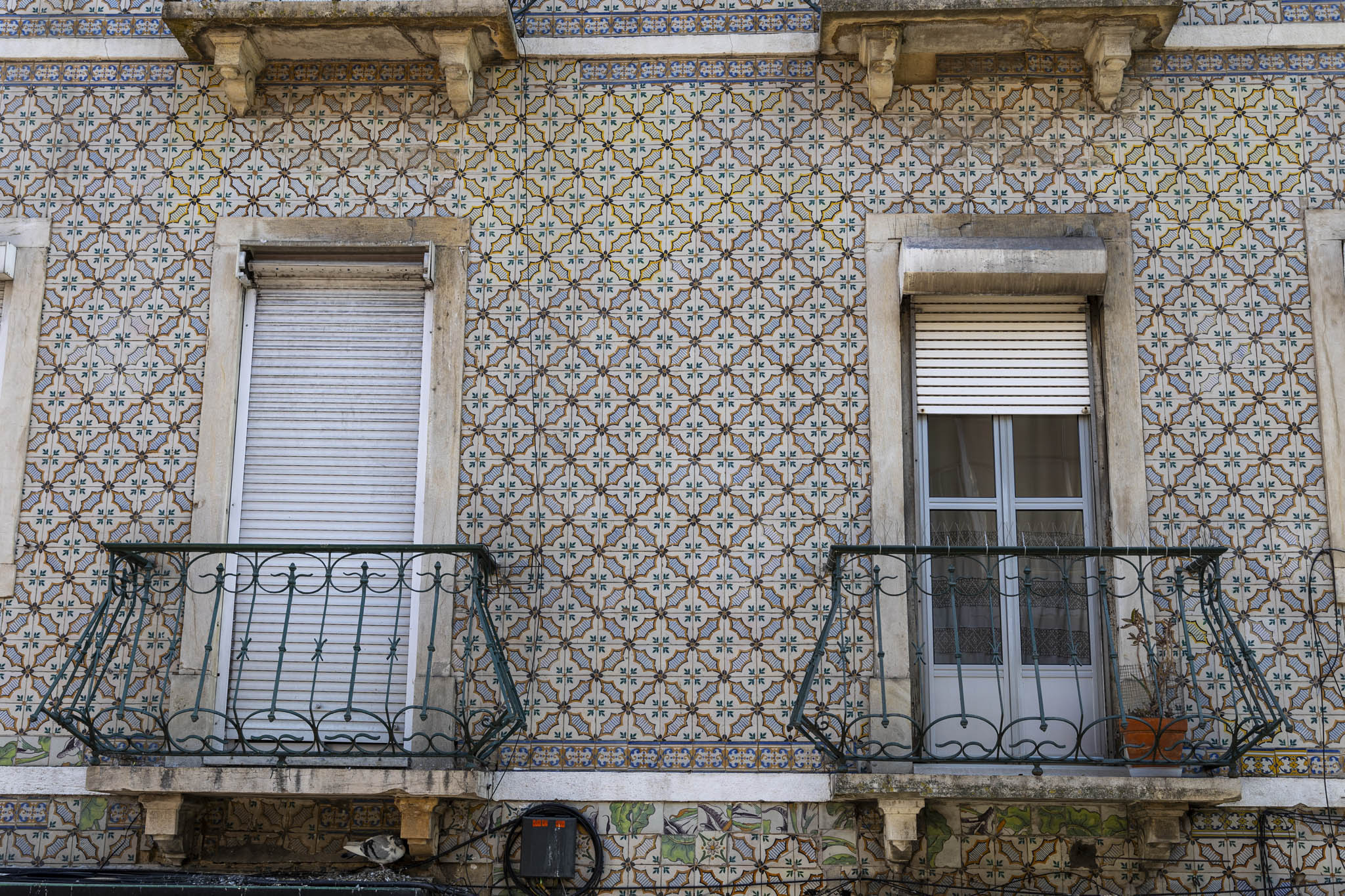
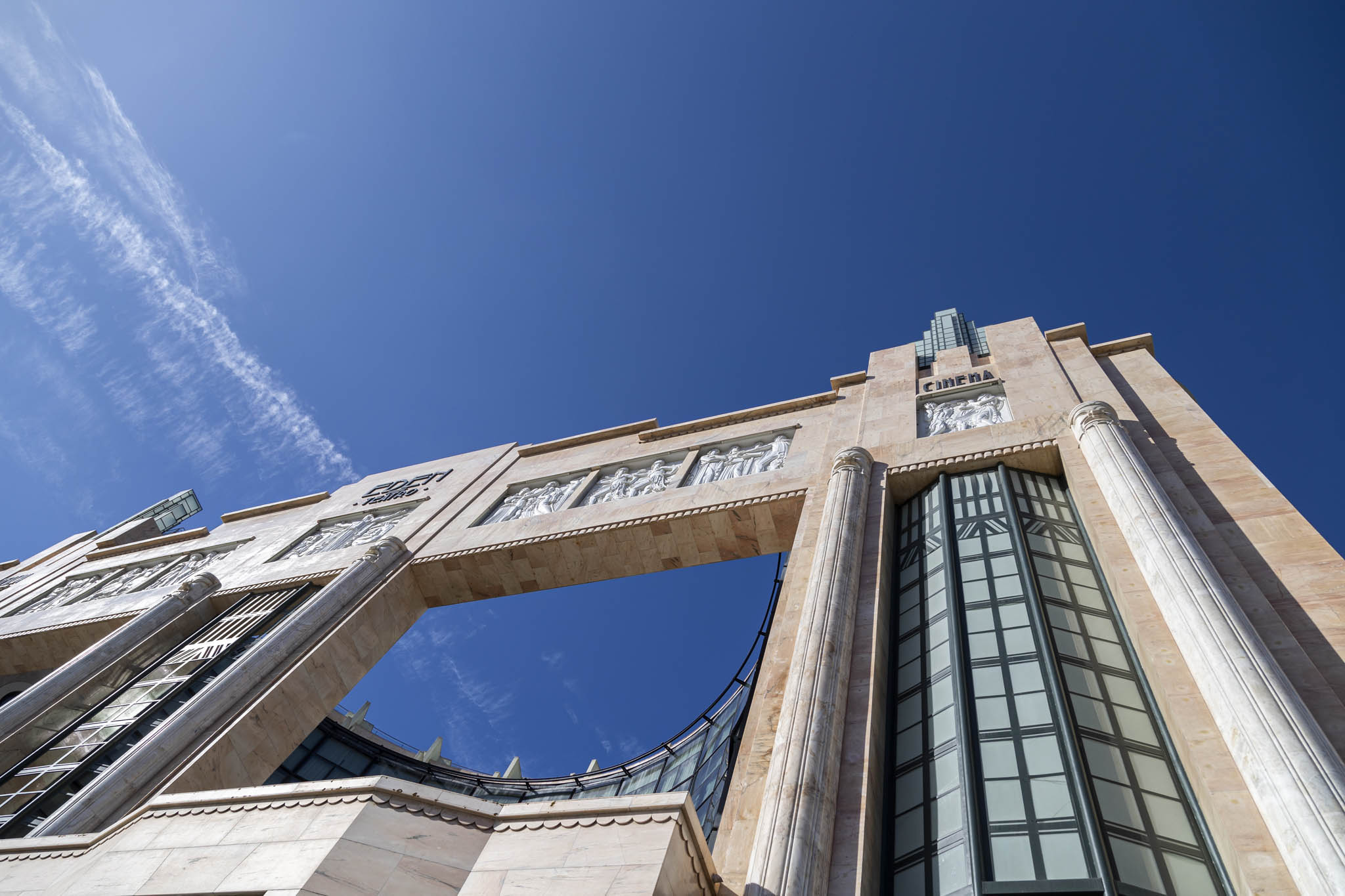
We reached the square, admired the art deco of the Teatro Eden once again (it is an absolute beauty), then headed in the rough direction of the castle. That you already know we wouldn’t be reaching.
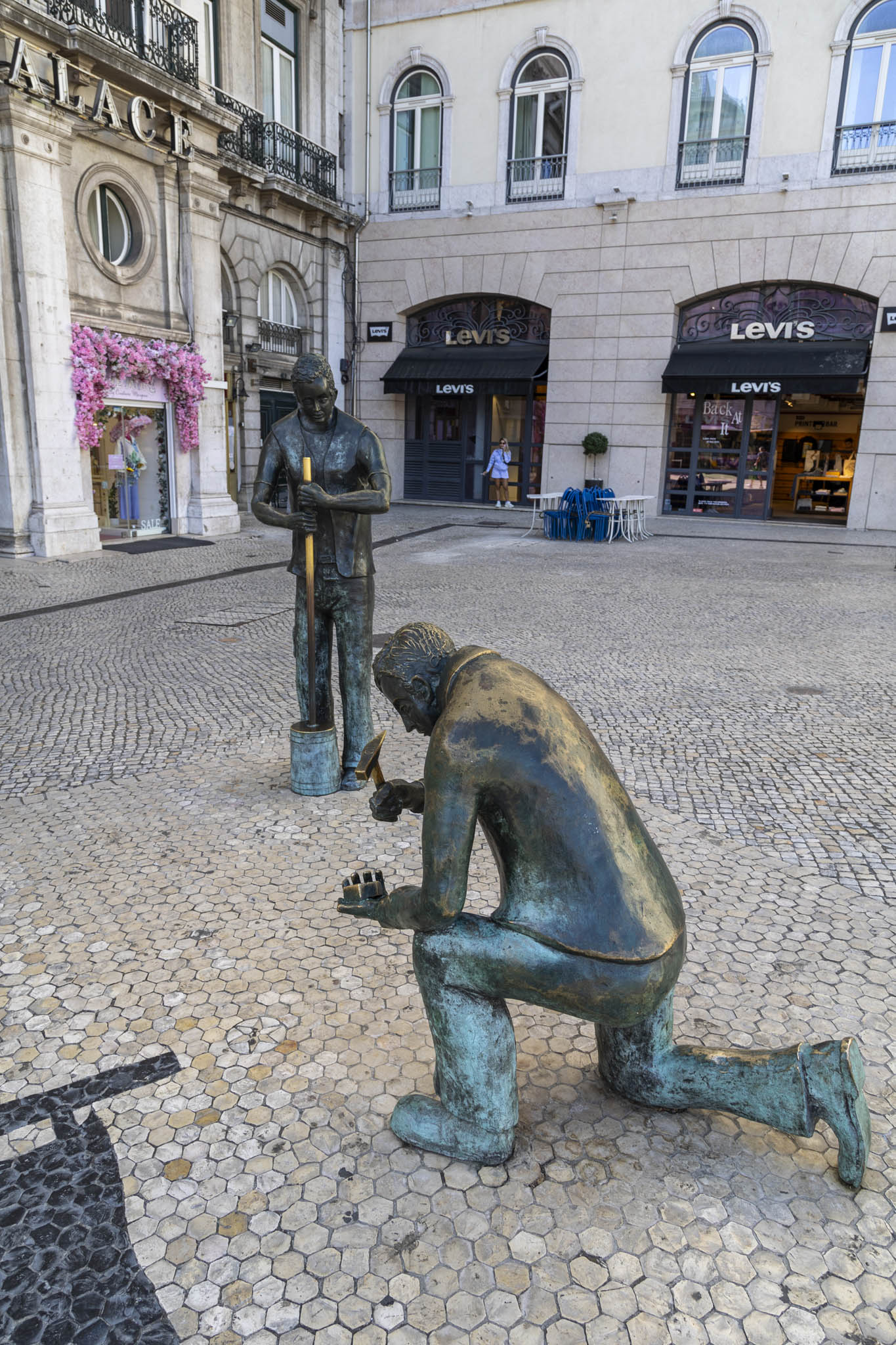
We passed by a sculpture dedicated to the Calceteiros. These are the craftspeople responsible for Lisbon’s cobbled and tiled pavements that are a common sight throughout the city. There’s no disputing that the walkways of Lisbon are very attractive to look at but there’s also no disputing that they’re bloody deathtraps just waiting to send people onto their backsides or turn an ankle or two. Difficult enough to walk on in good conditions we can only imagine what the pile of bodies at the bottom of hilly roads would look like following a winter freeze.
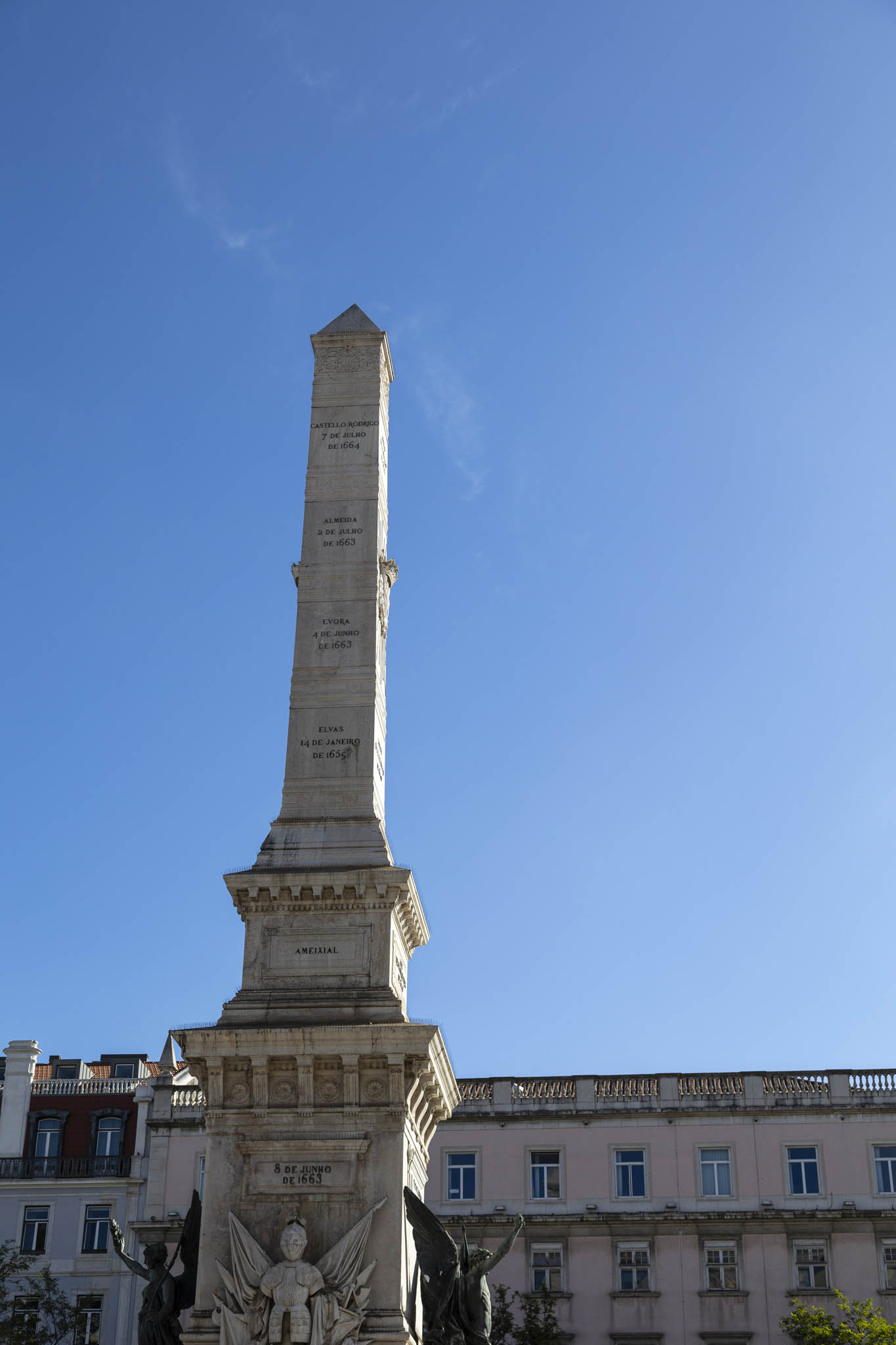
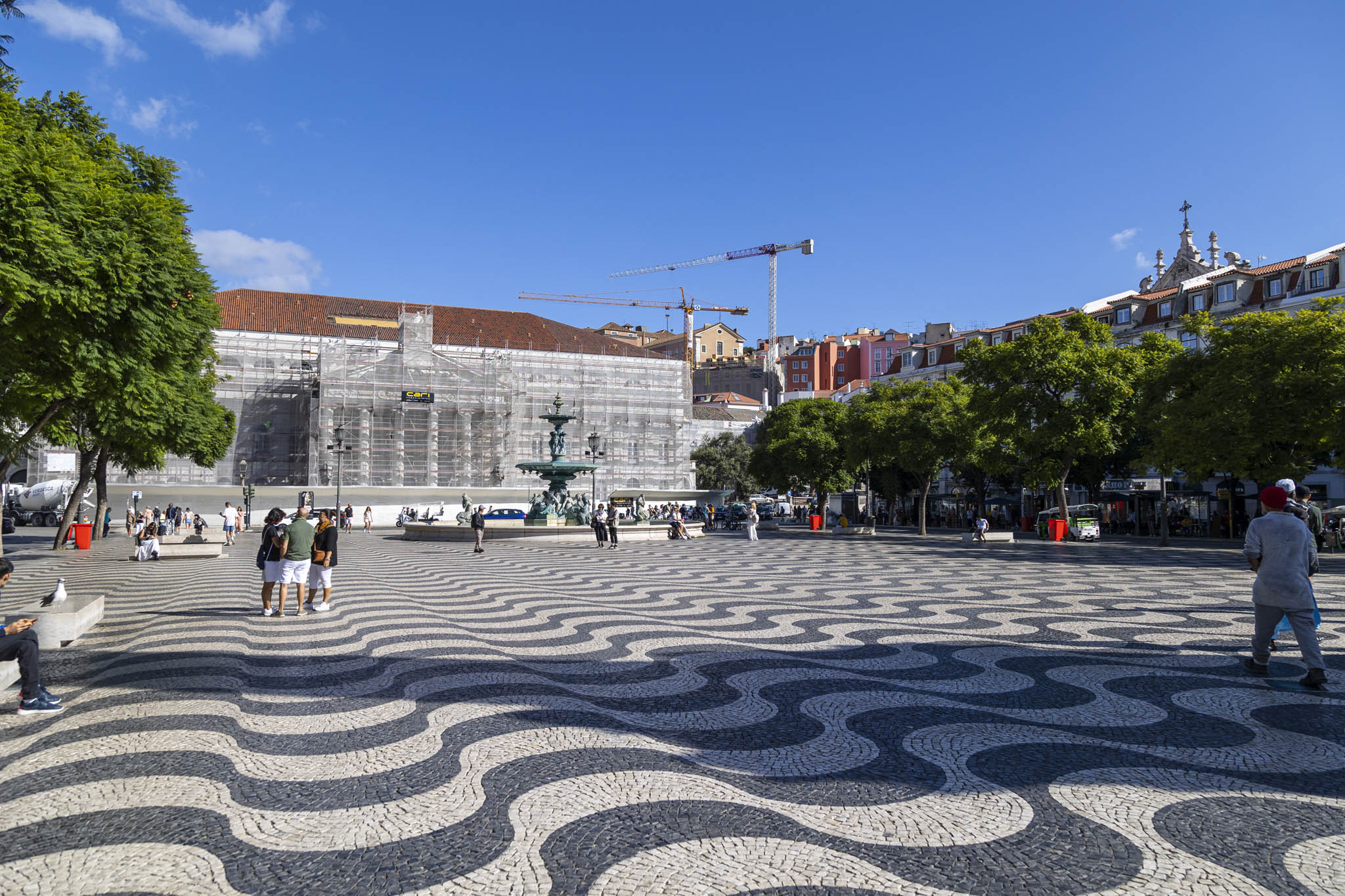
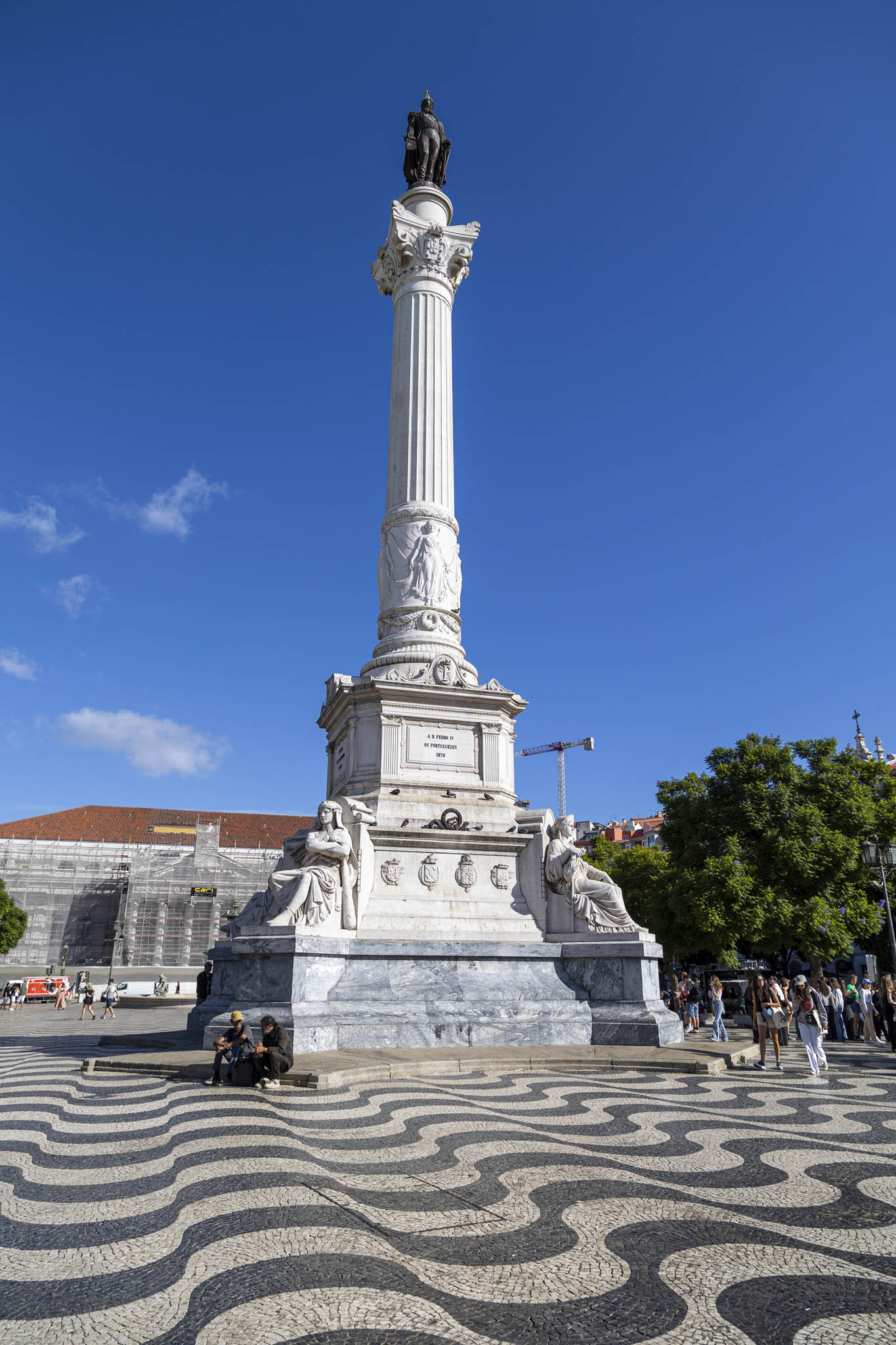
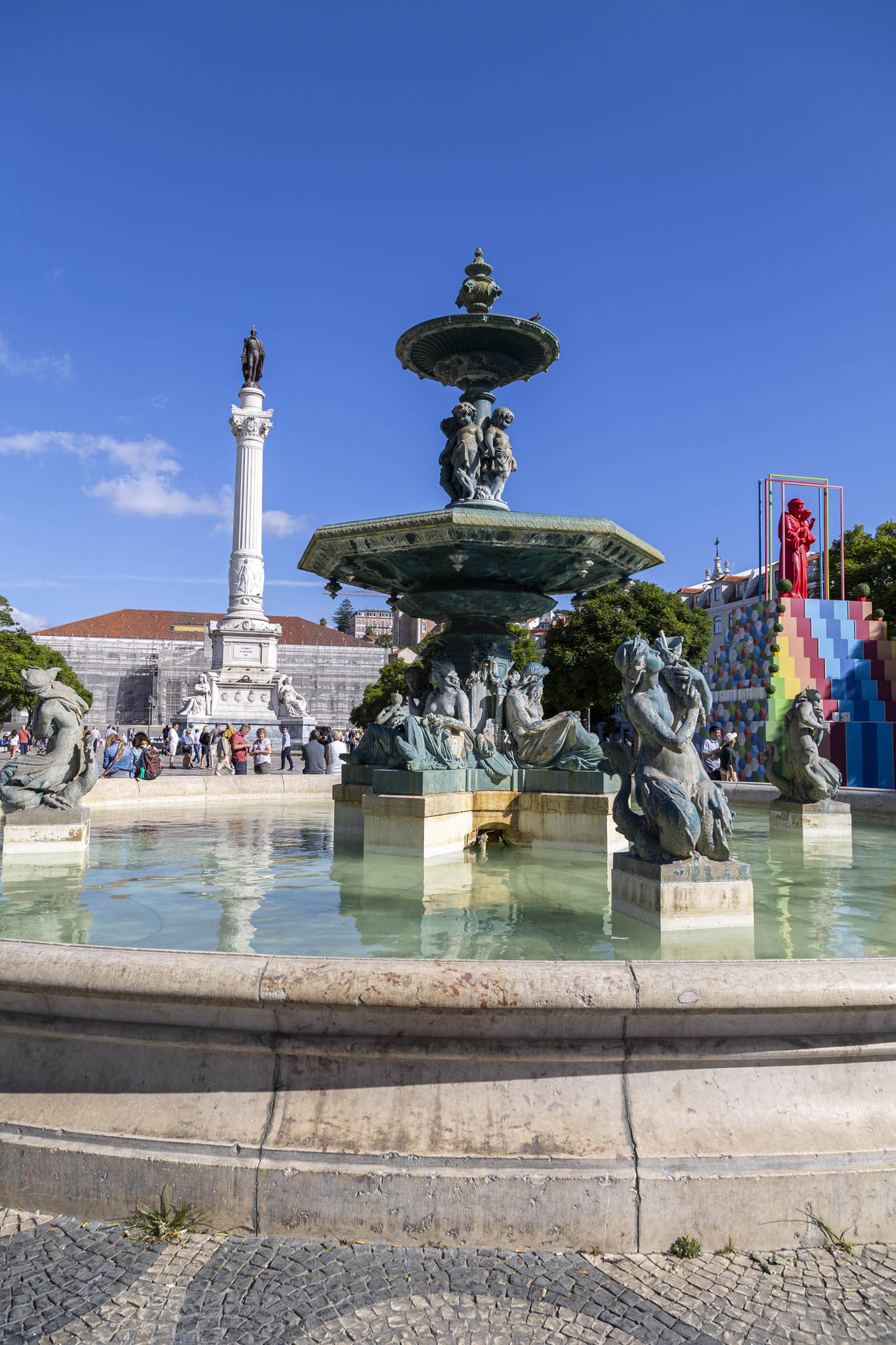
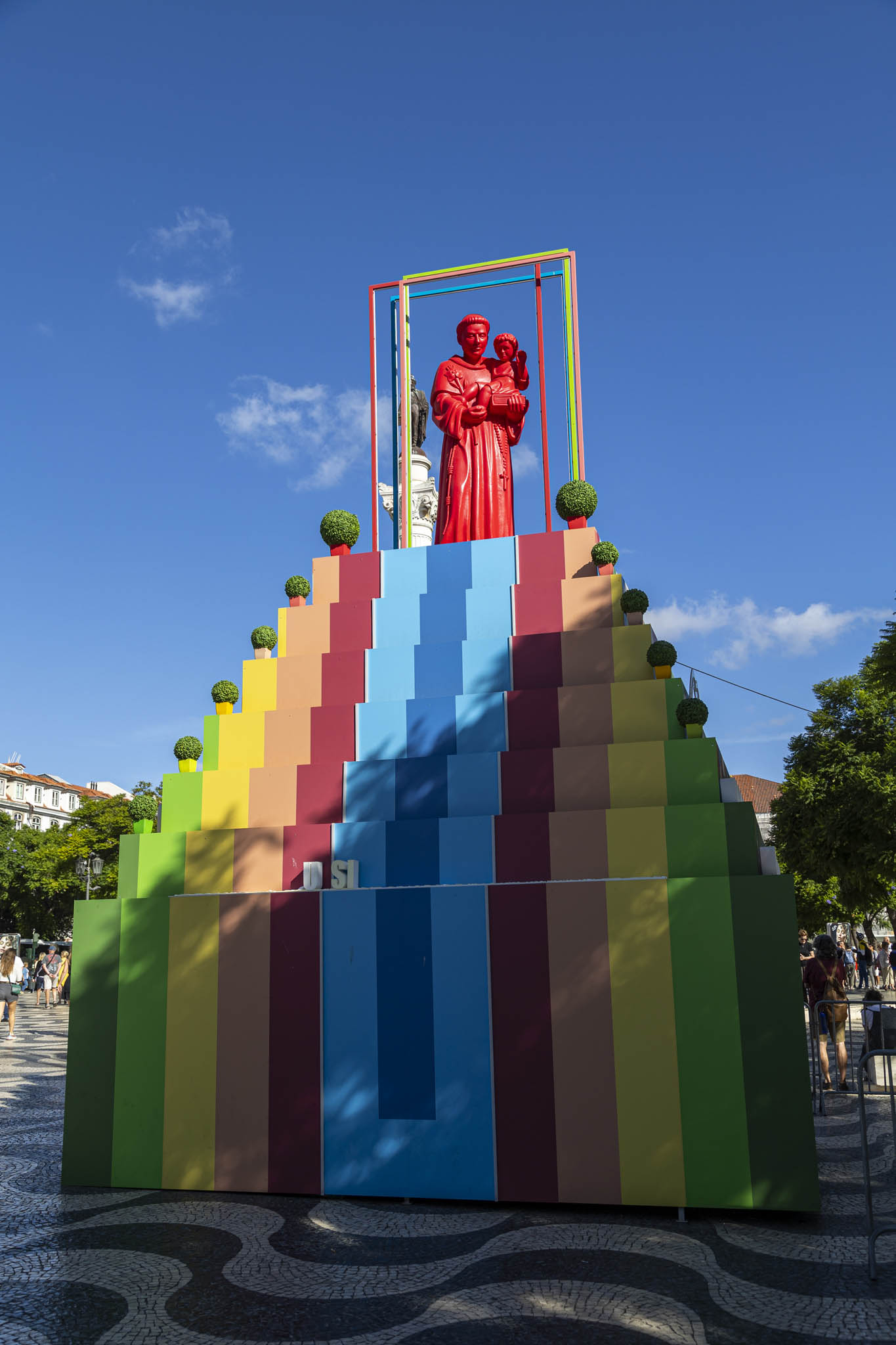
Praça Dom Pedro IV (or Rossio) was just a short walk from where we’d got off the bus and it had a lovely example of that tiled ground that Lisbon loves. I quite liked it too although my wife said that staring at the wavy black and white pattern made her feel ill. You wouldn’t think that would be the case for someone used to cruising but there you go. The square’s column, paving, and two bronze Baroque fountains from France all date to the nineteenth century although the square was in use long before that and had undergone significant rebuilding a century earlier following the 1755 earthquake that had such an impact on Lisbon.
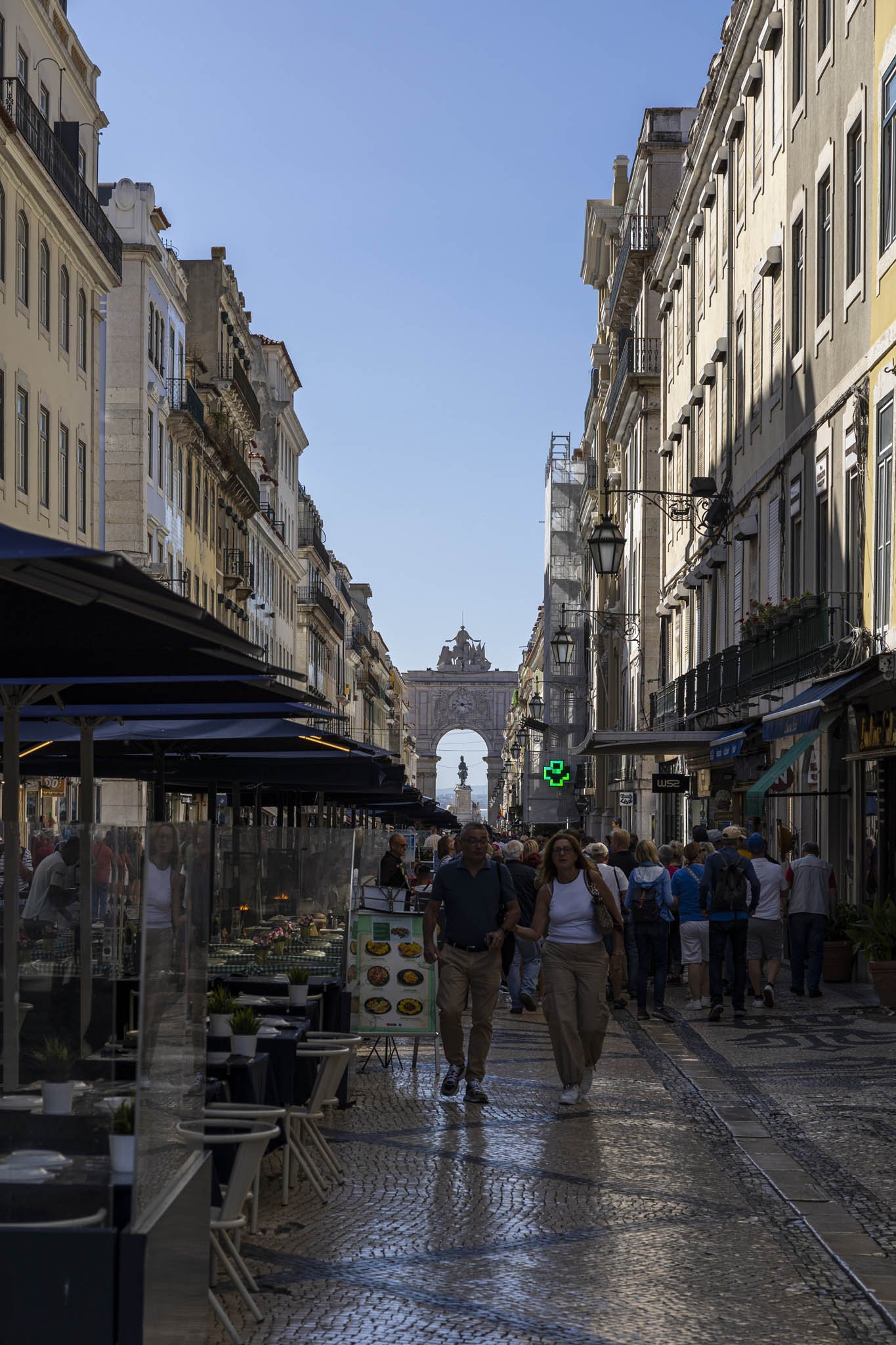
At the top of Rua Augusta we could see all the way to the bottom of the long road and the huge arch that separates it from the Praça do Comércio that we’d passed by the previous night on our walk back along Lisbon’s coastline.
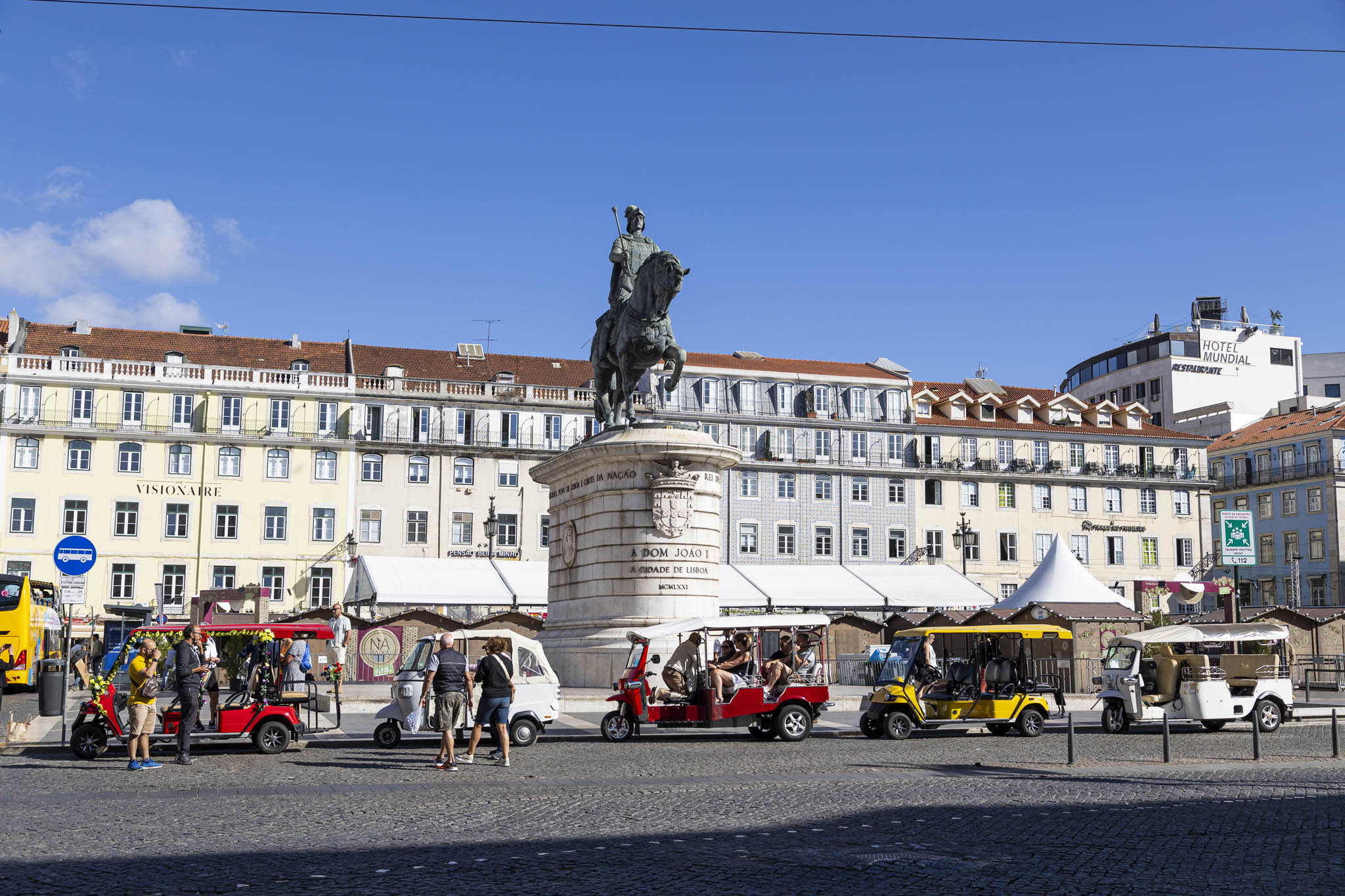
Lisbon likes its public squares and there was one more to pass by as we continued heading towards the hill on which the castle stood. This was Praça da Figueira and it was host to a statue of John I atop a horse and very popular with tuk tuks. Tuk tuks would feature again on our walk.
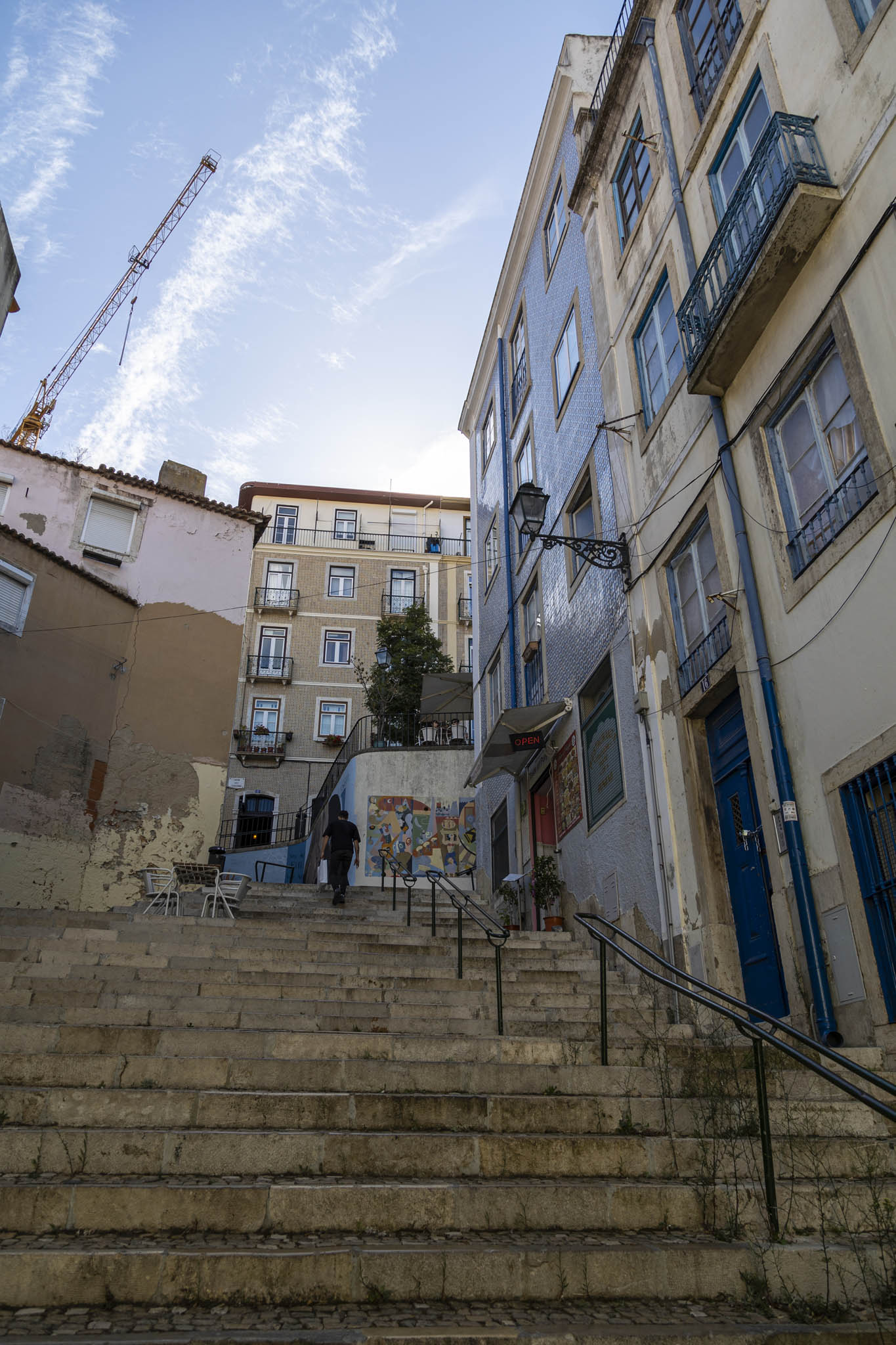
At this point we were still intent on visiting the castle but the flat walking had come to an end and we needed to start ascending stairs and making our way up winding, narrow alleys on the most direct route to our planned destination. Tiles, street art, and signs of local festivities were in plentiful supply but I could tell very quickly that my wife’s enjoyment levels of exploring Lisbon were plummeting as the upward progress and additional need to be careful on the paved surfaces was causing her pain in her ankles and knees (old injuries).
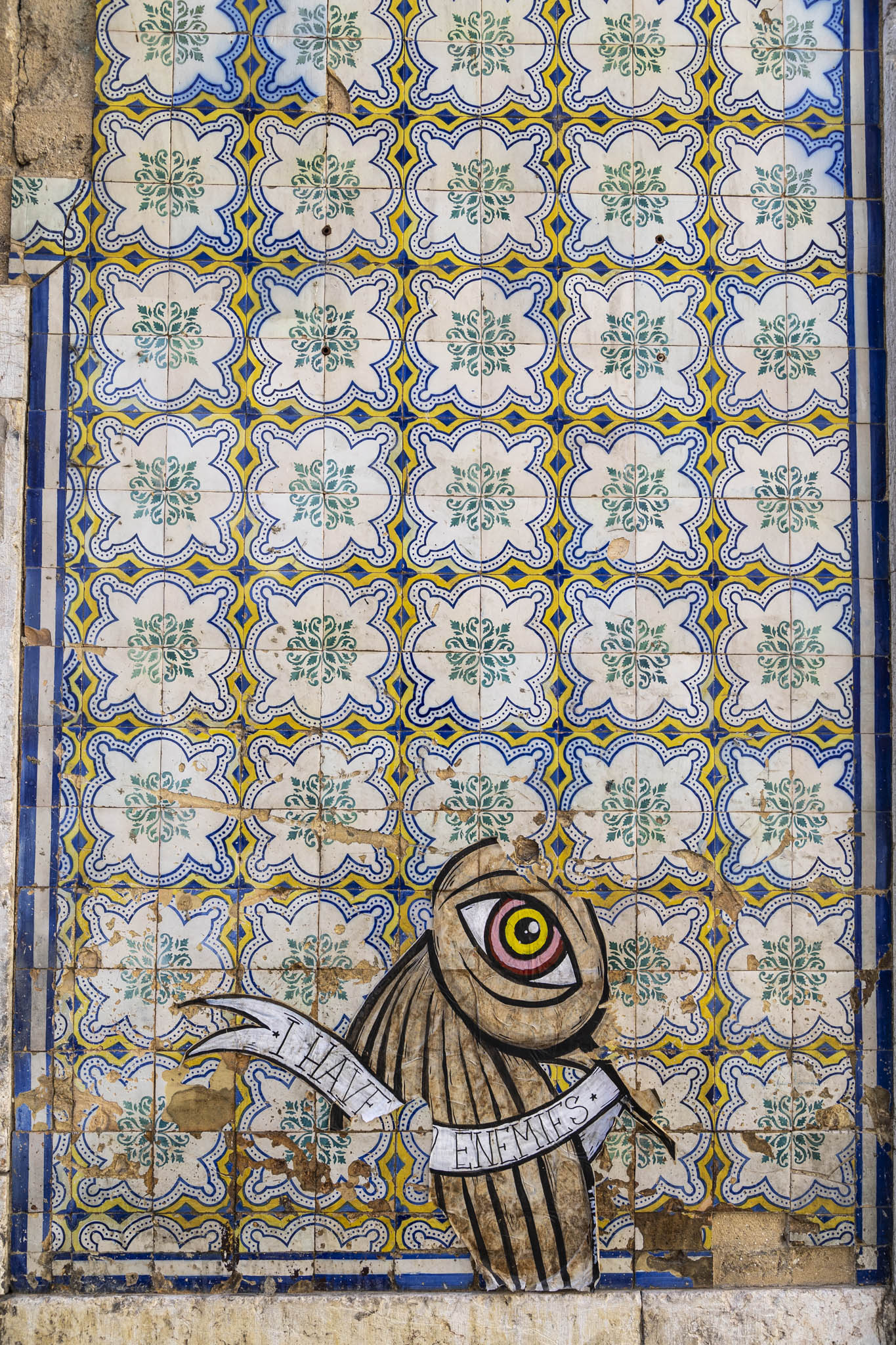
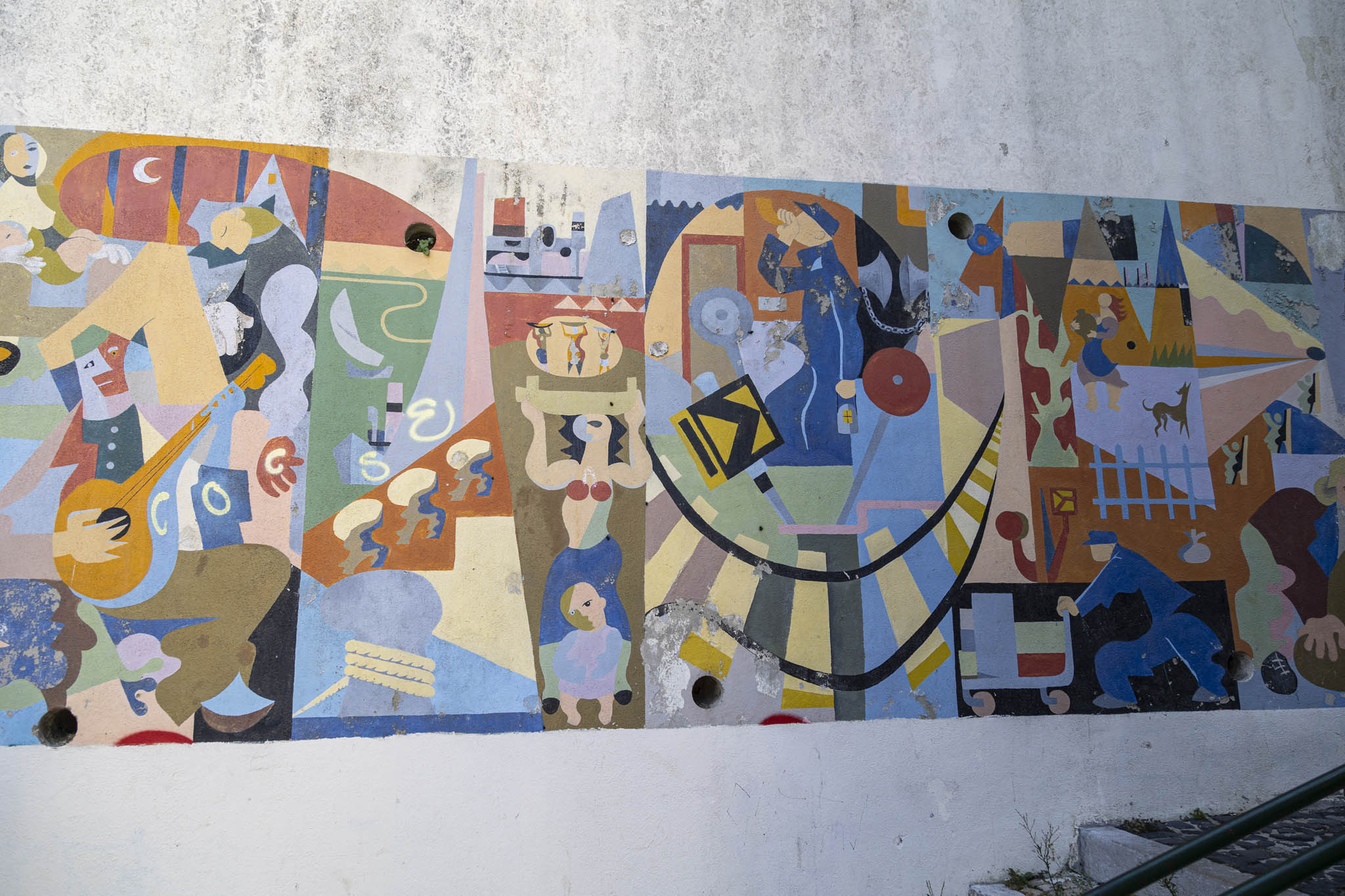
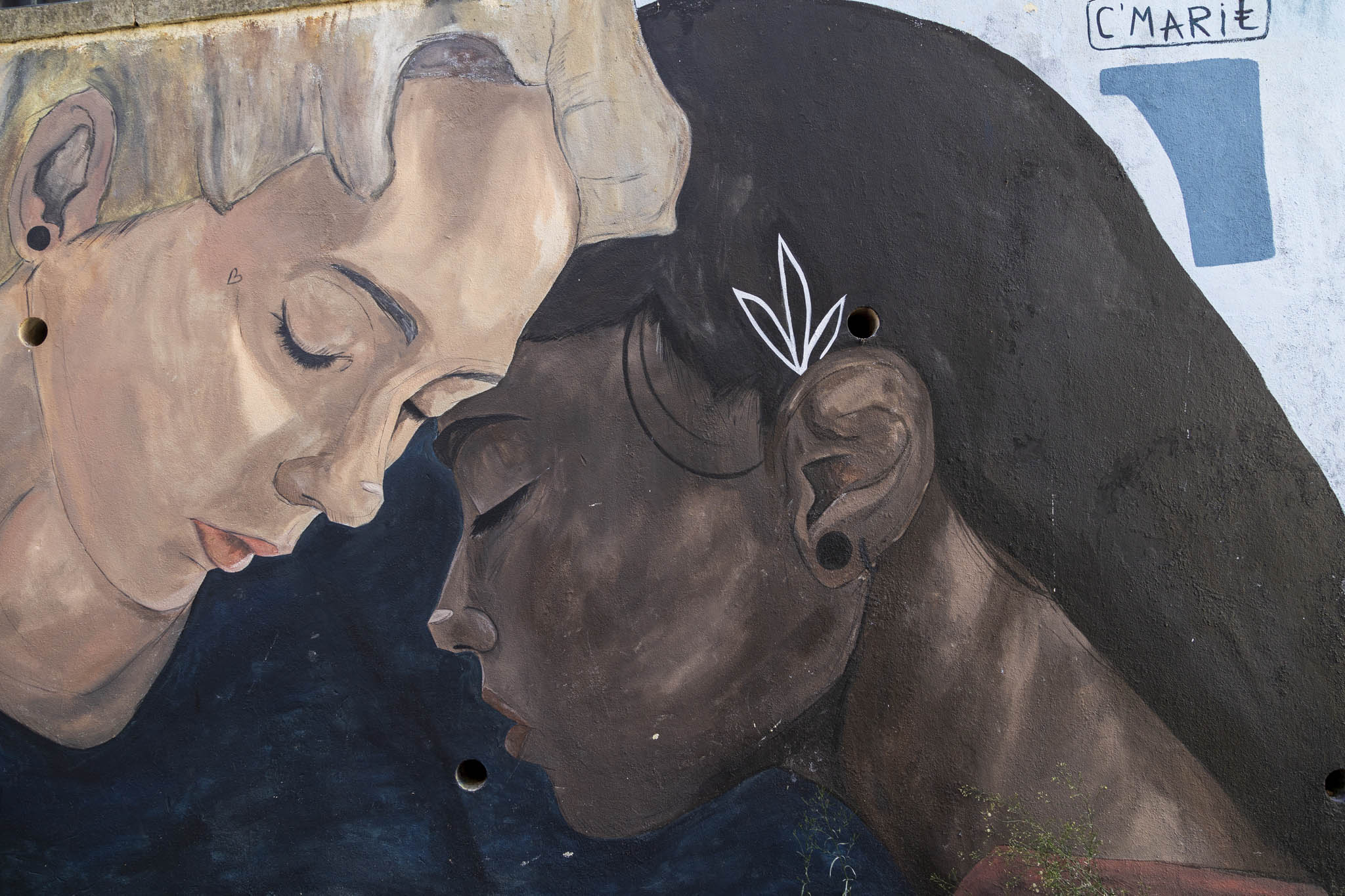
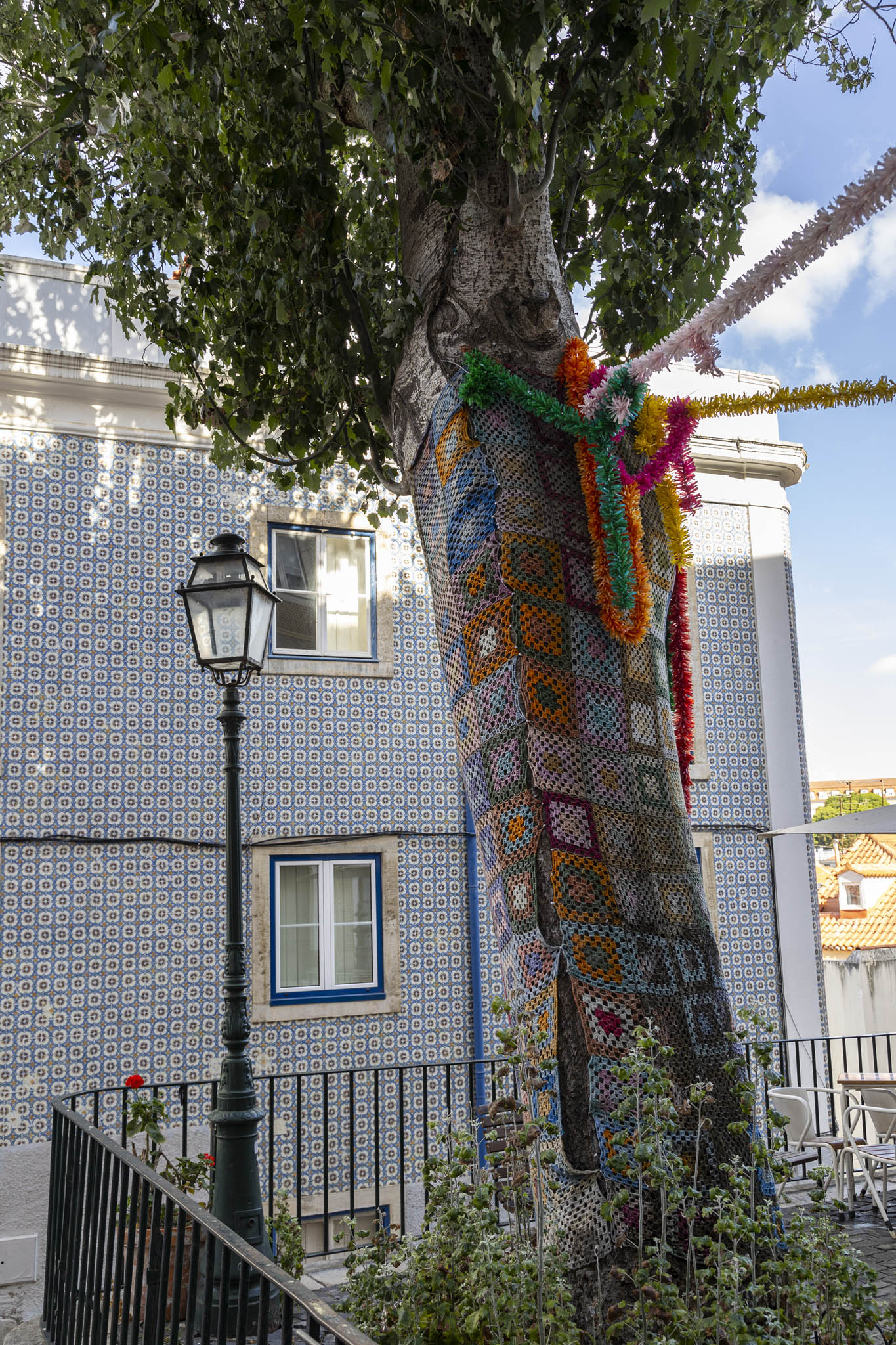
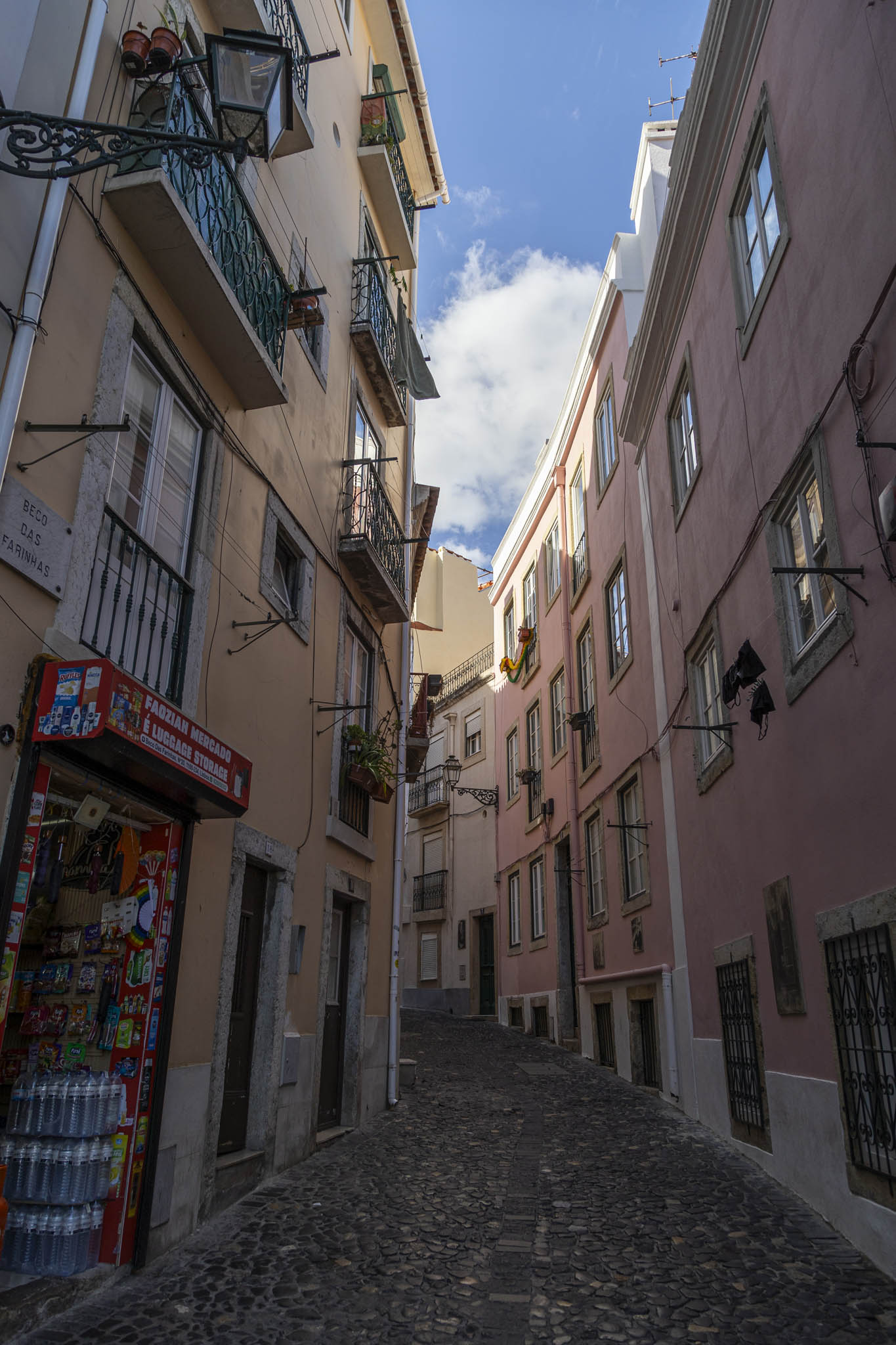
Taking a short break I checked the map and made an executive decision to abort our castle plans ()I’m considerate like that, figuring we could try to keep to around the level we had reached, skirt around the hill, then make our way towards the National Pantheon instead. We’d had that as a possible place to visit in the backs of our minds anyway.
We were in Mouraria, the Moorish Quarter of Lisbon, at this point, and we stumbled upon a narrow, winding alley between houses lined with photos printed on boards. At first this looked like a nice tribute to locals but a note explaining the images painted a slightly different picture. Yes, they were tributes, but they were also memorials in a way to those who had left in the wake of, apparently, tourism, and the erosion of community as a result.
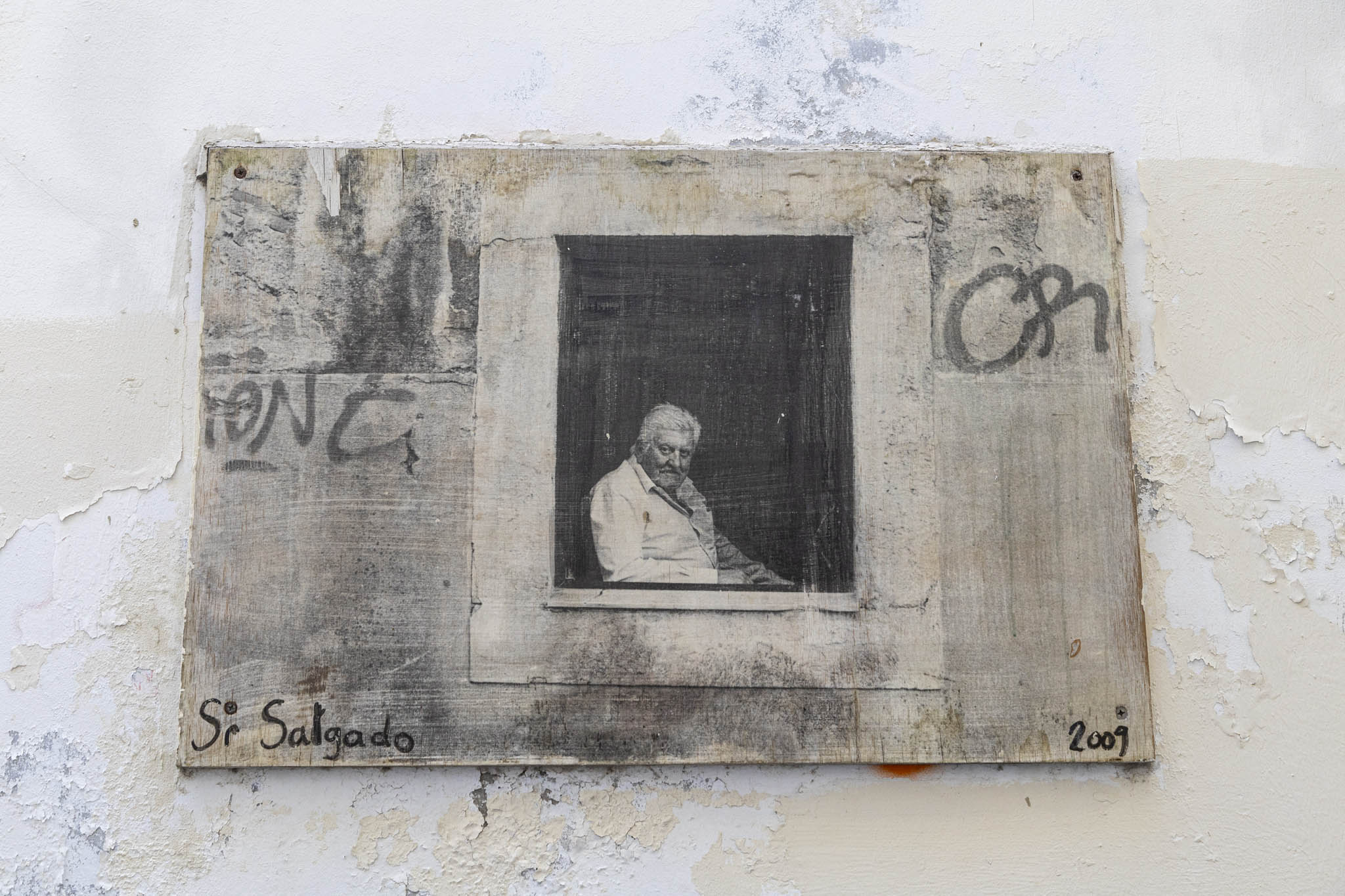
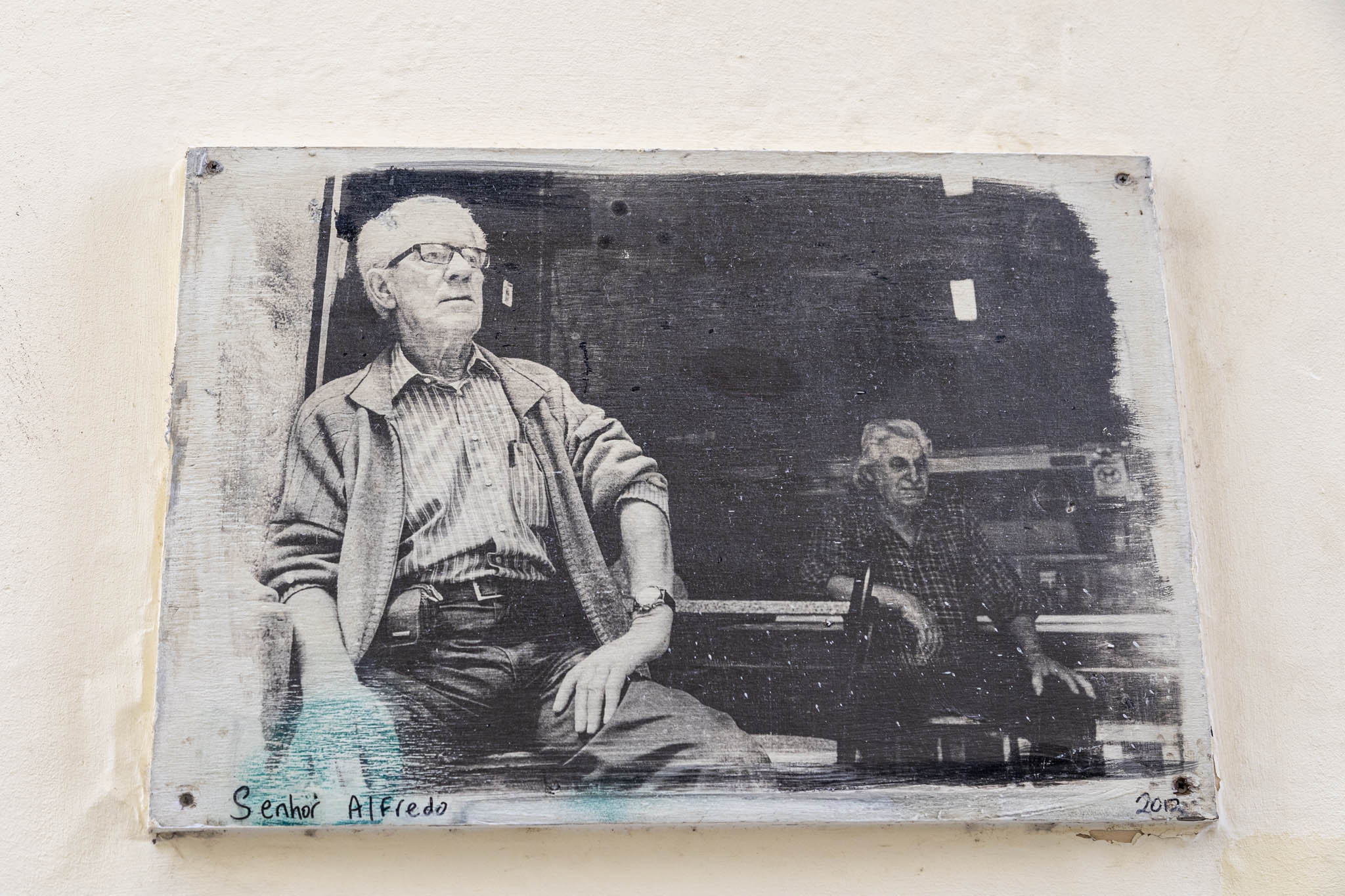
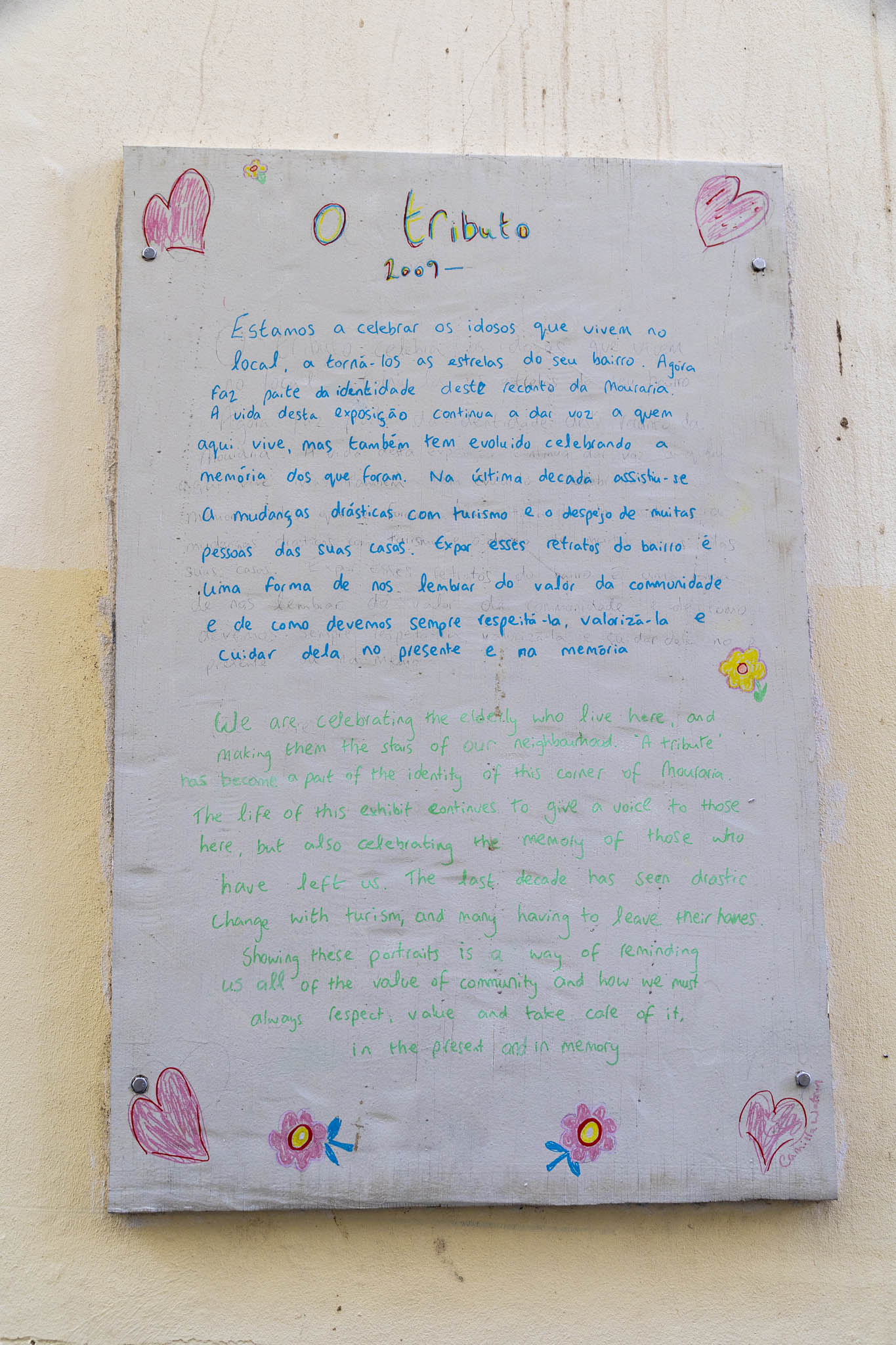
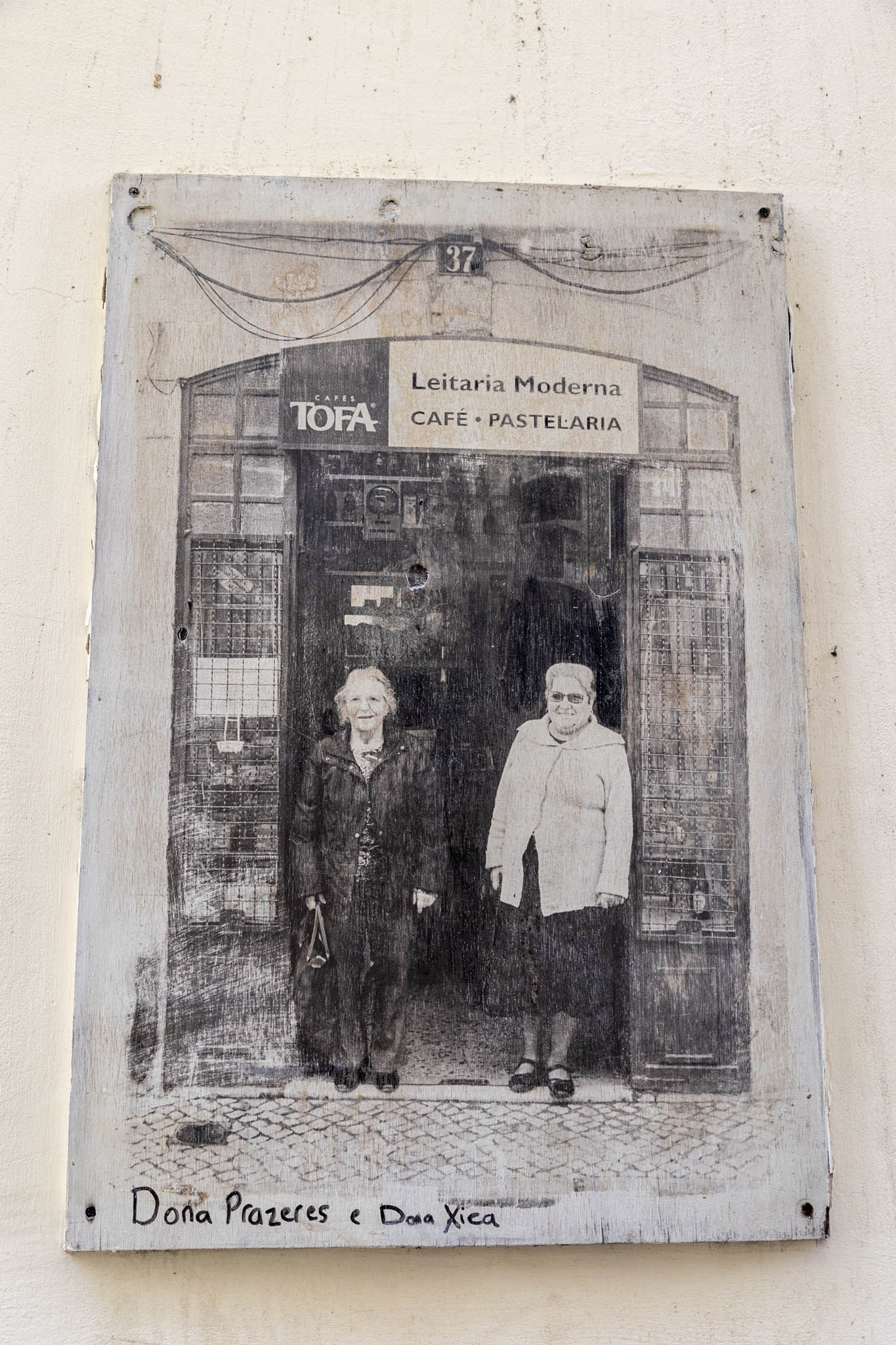
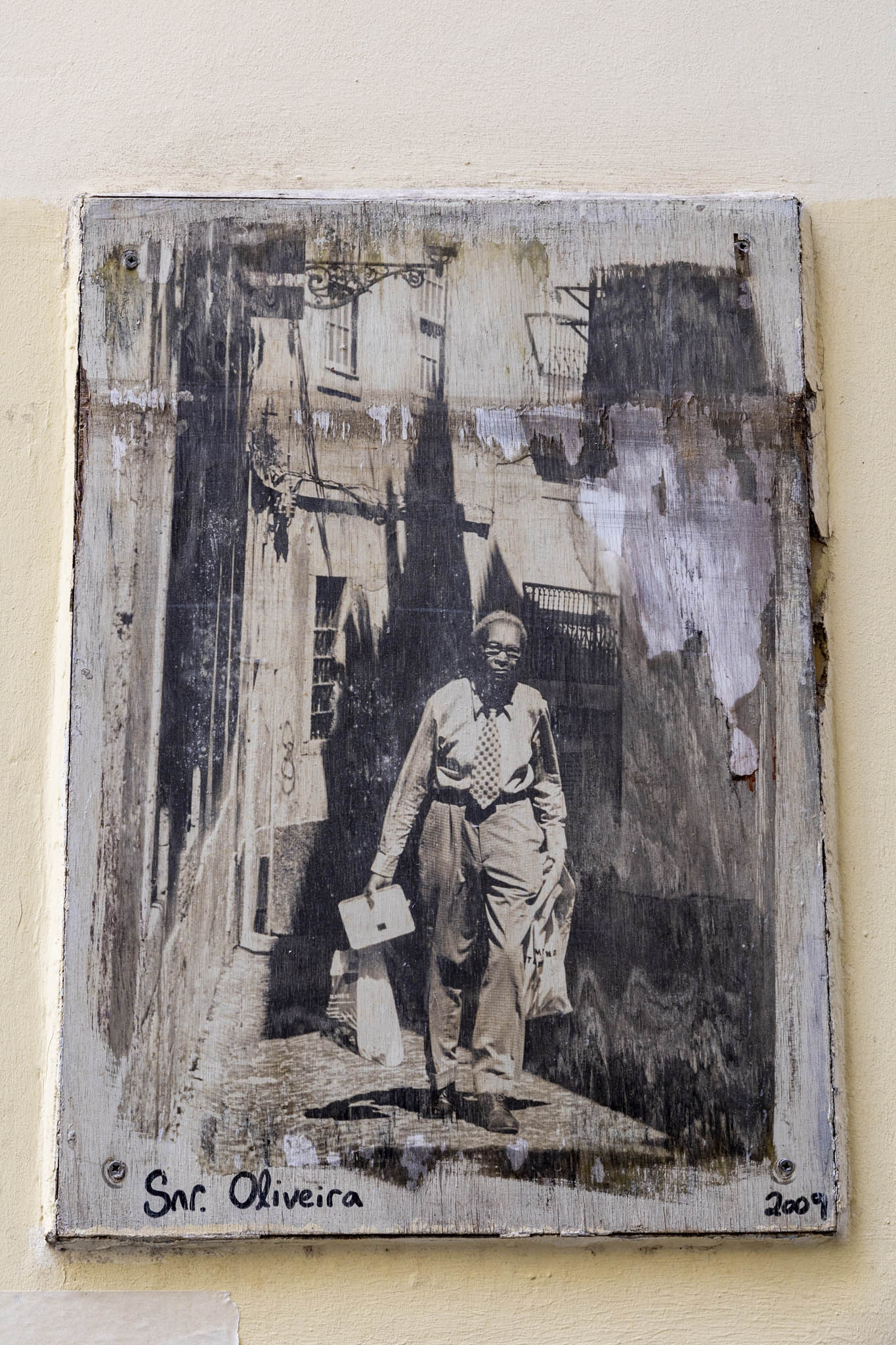
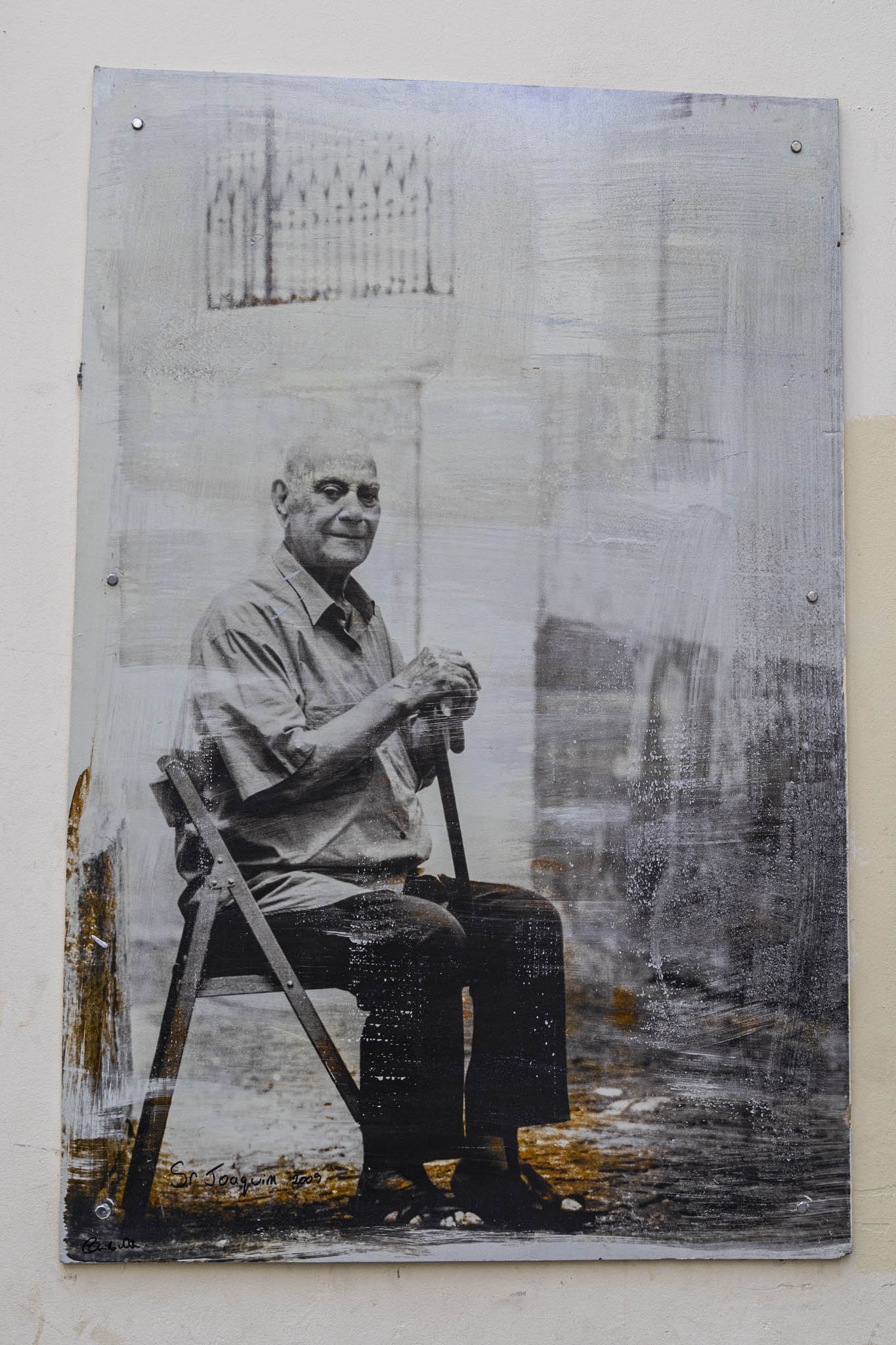
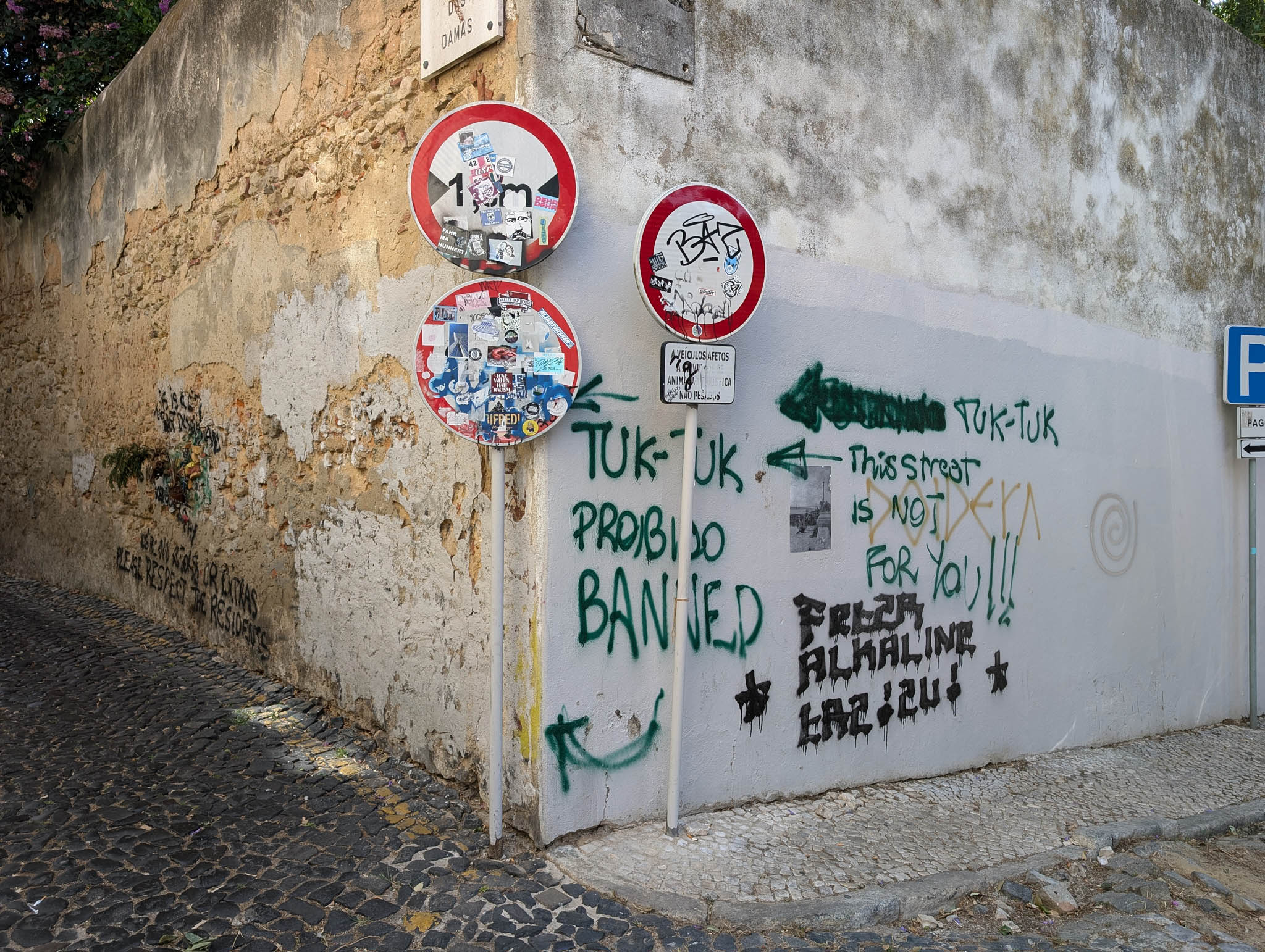
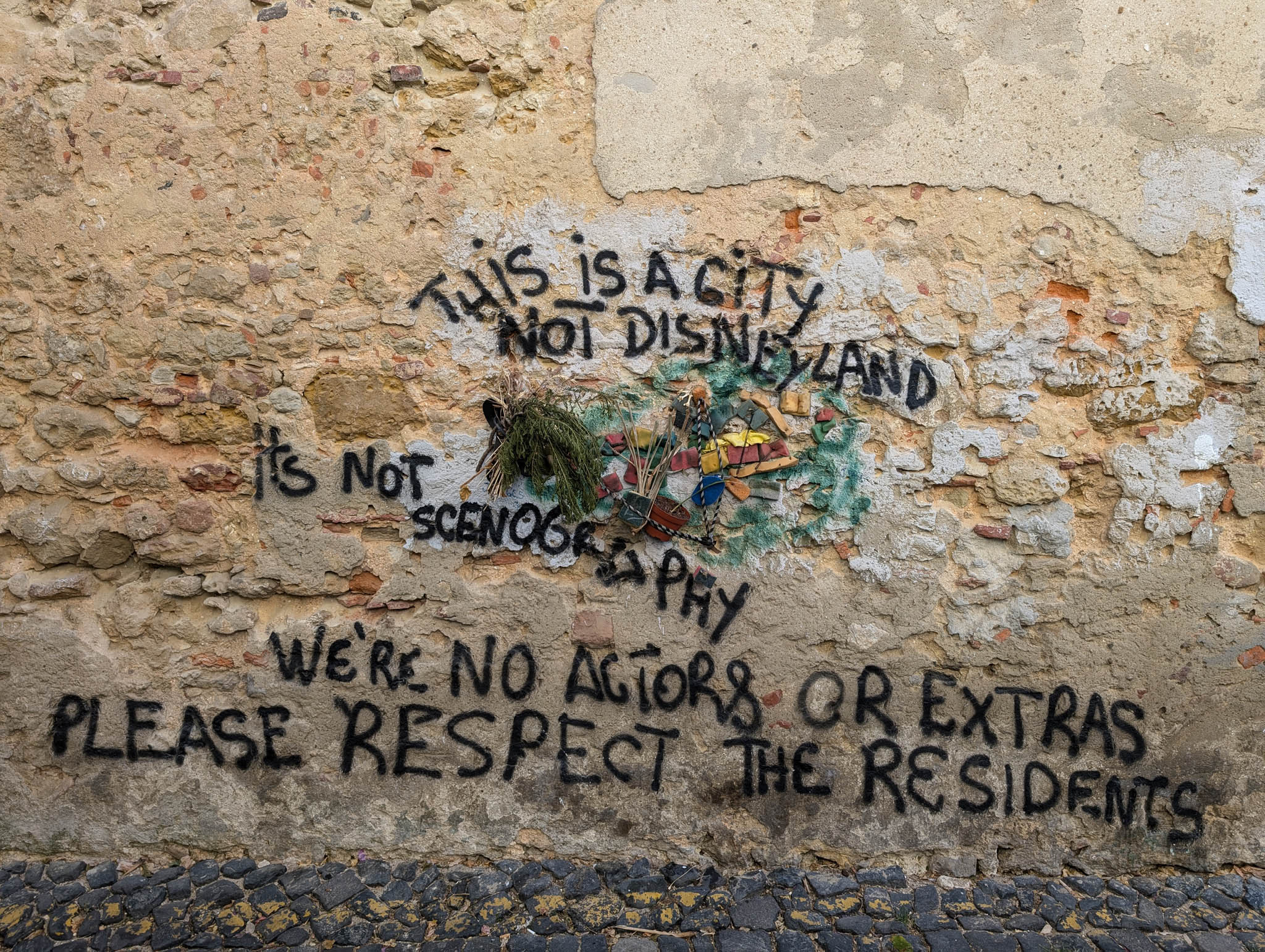
The Lisbon locals clearly blamed tourism for a lot of their ills as was further evidenced by scrawled signs on walls, including one that was by someone less enamoured with tuk tuks than those near Praça da Figueira. Ah, that old classic trope of blaming the foreigners for closer-to-home problems. The same the world over, spread by those truly responsible, shared by those lacking much in the brain department.
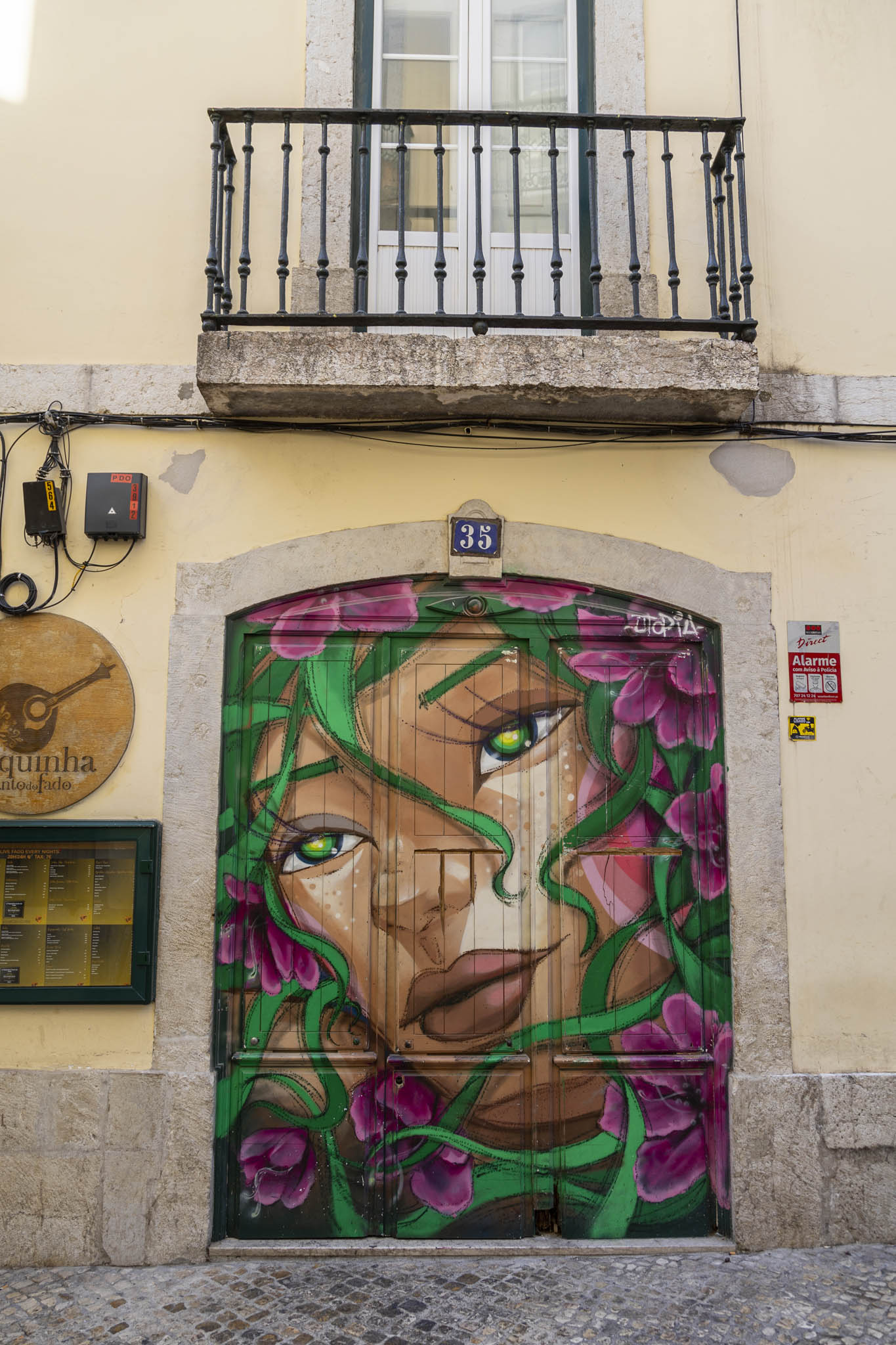
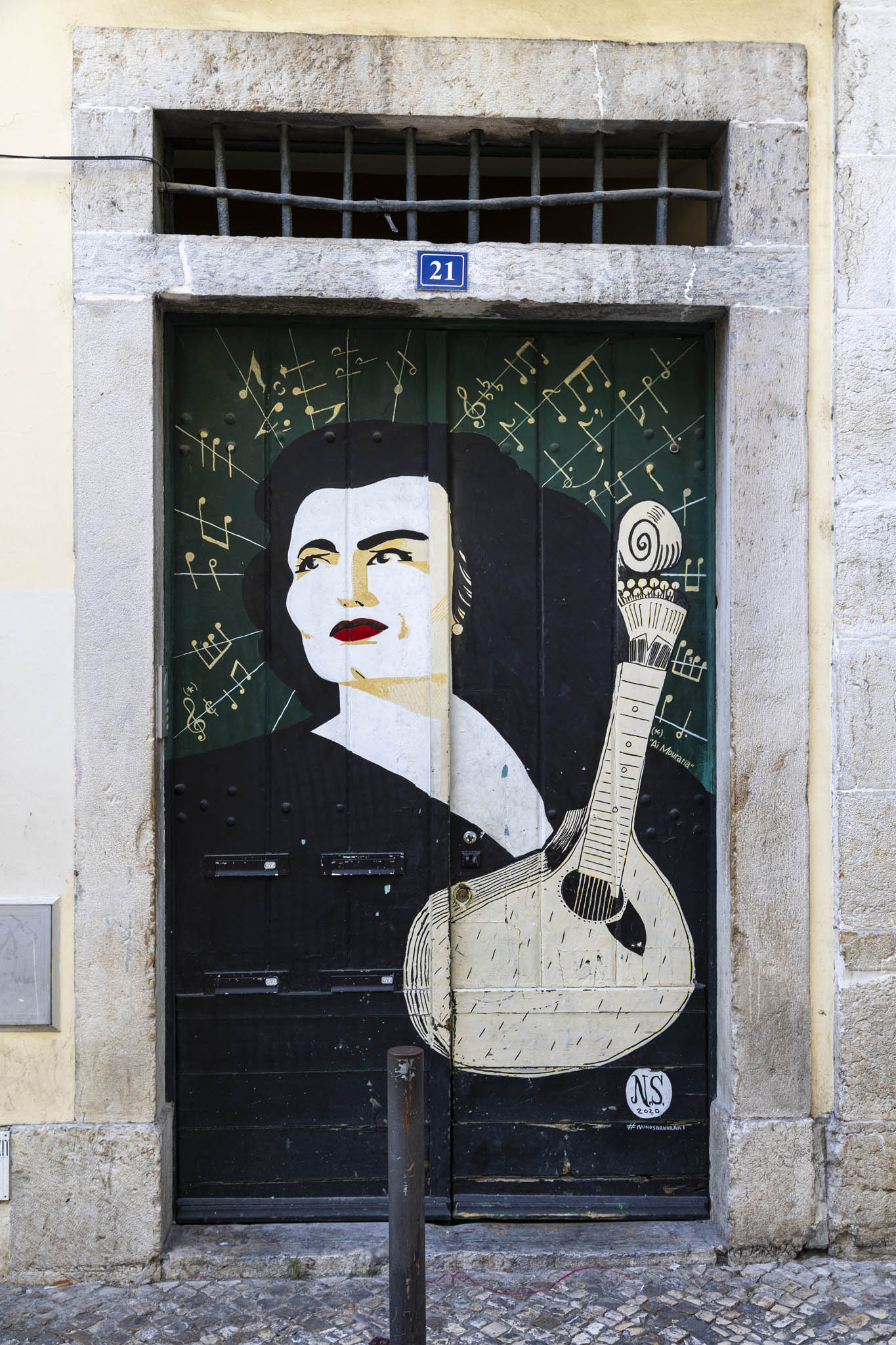
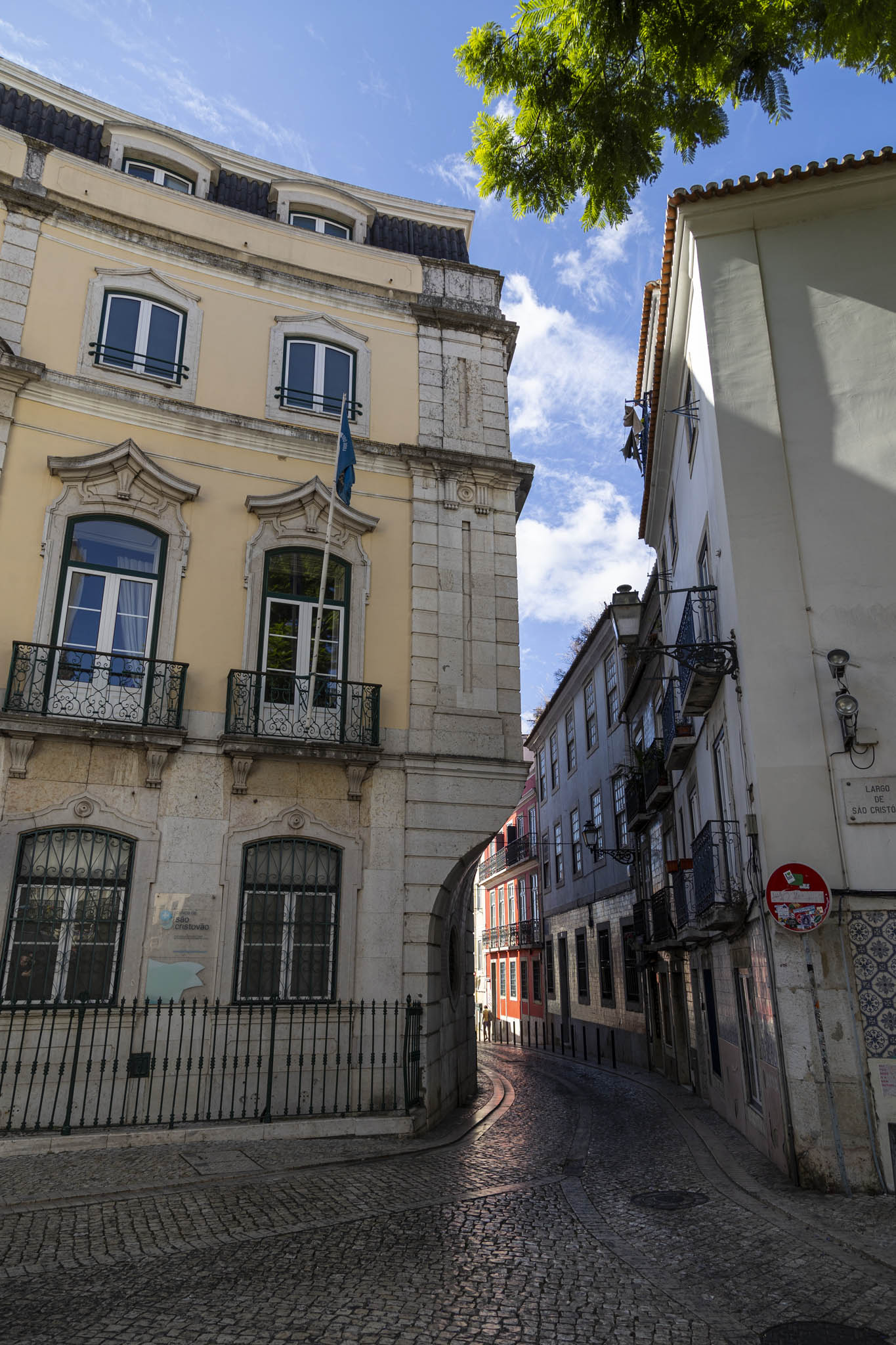
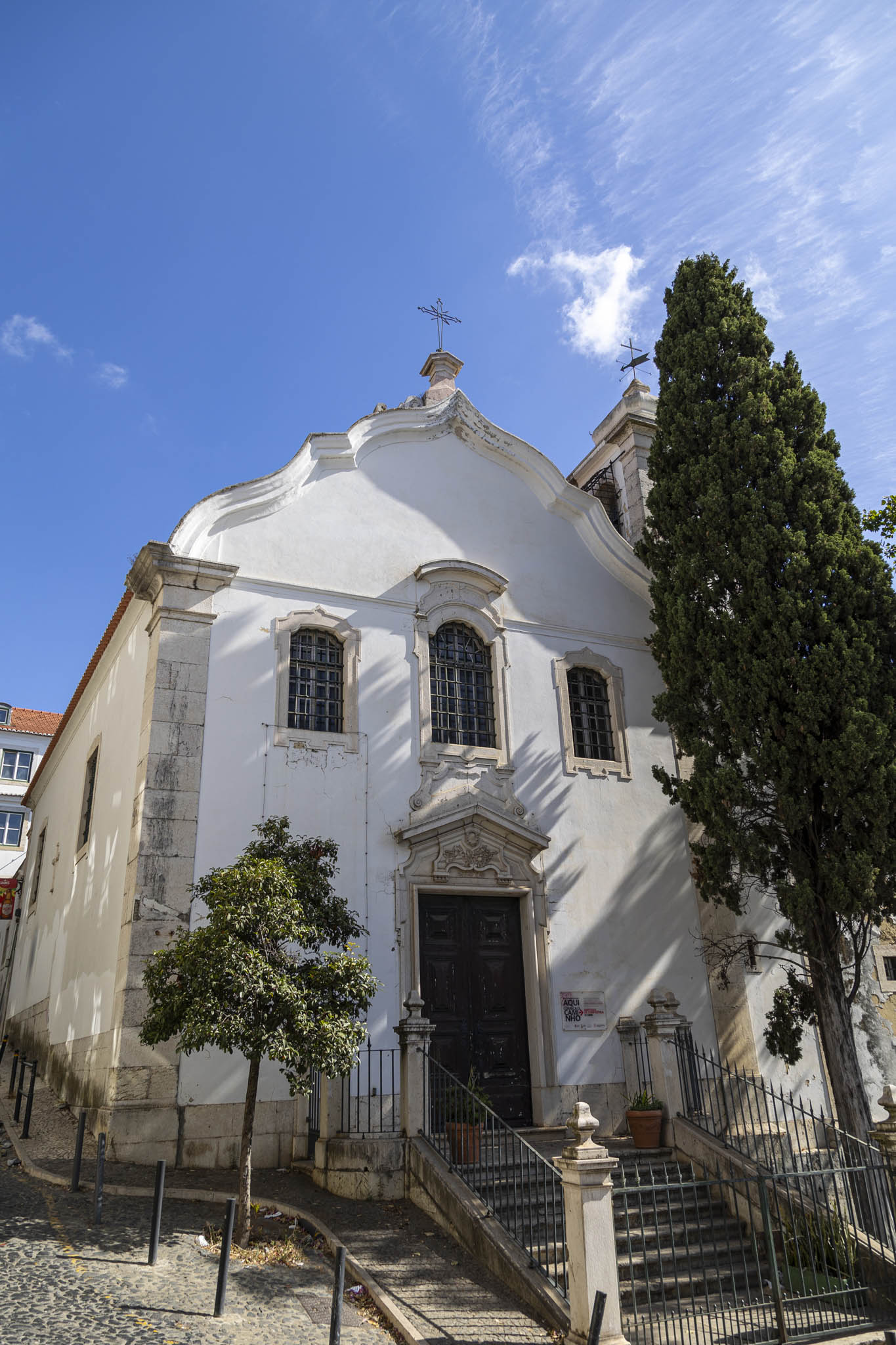
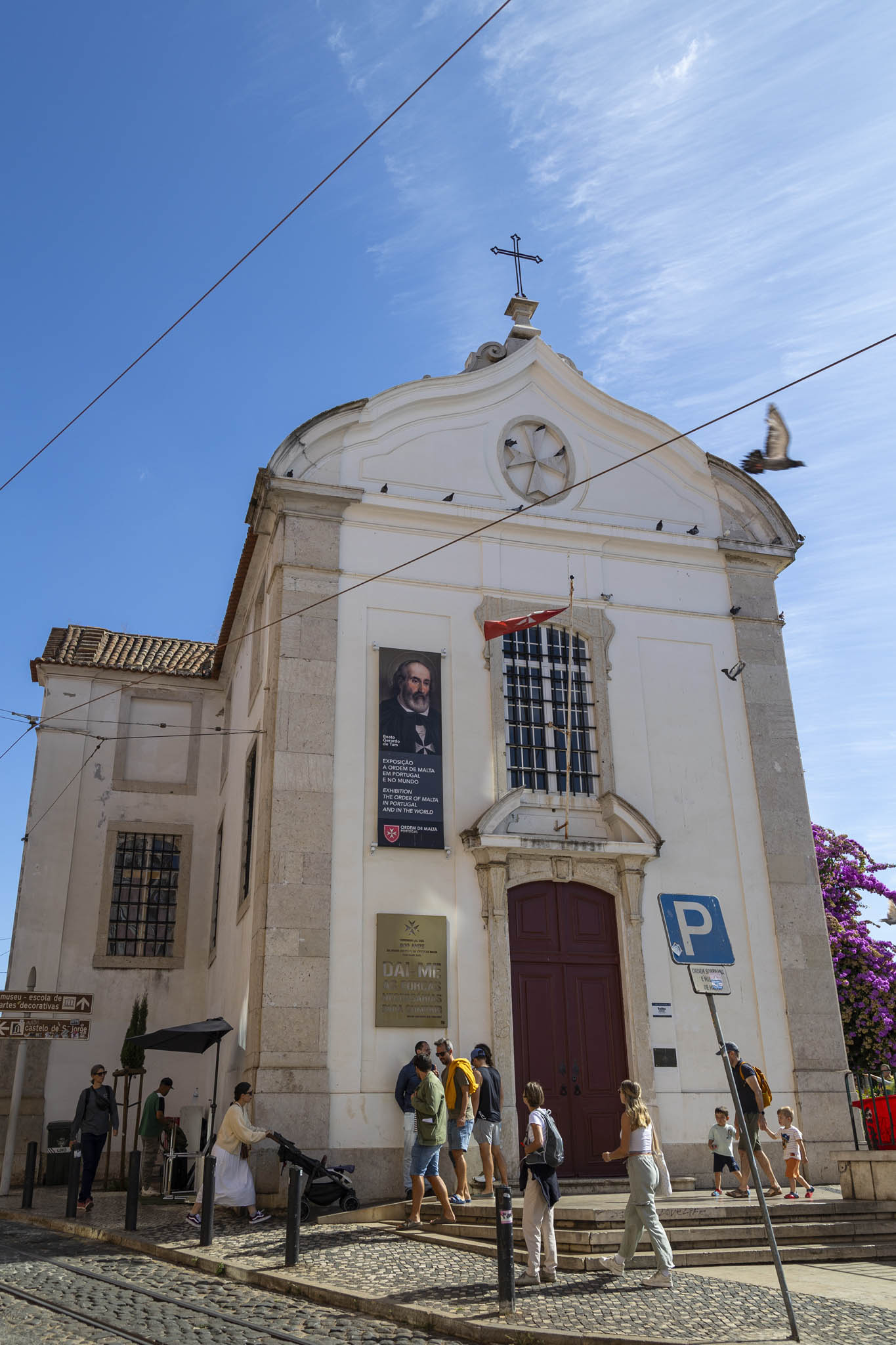
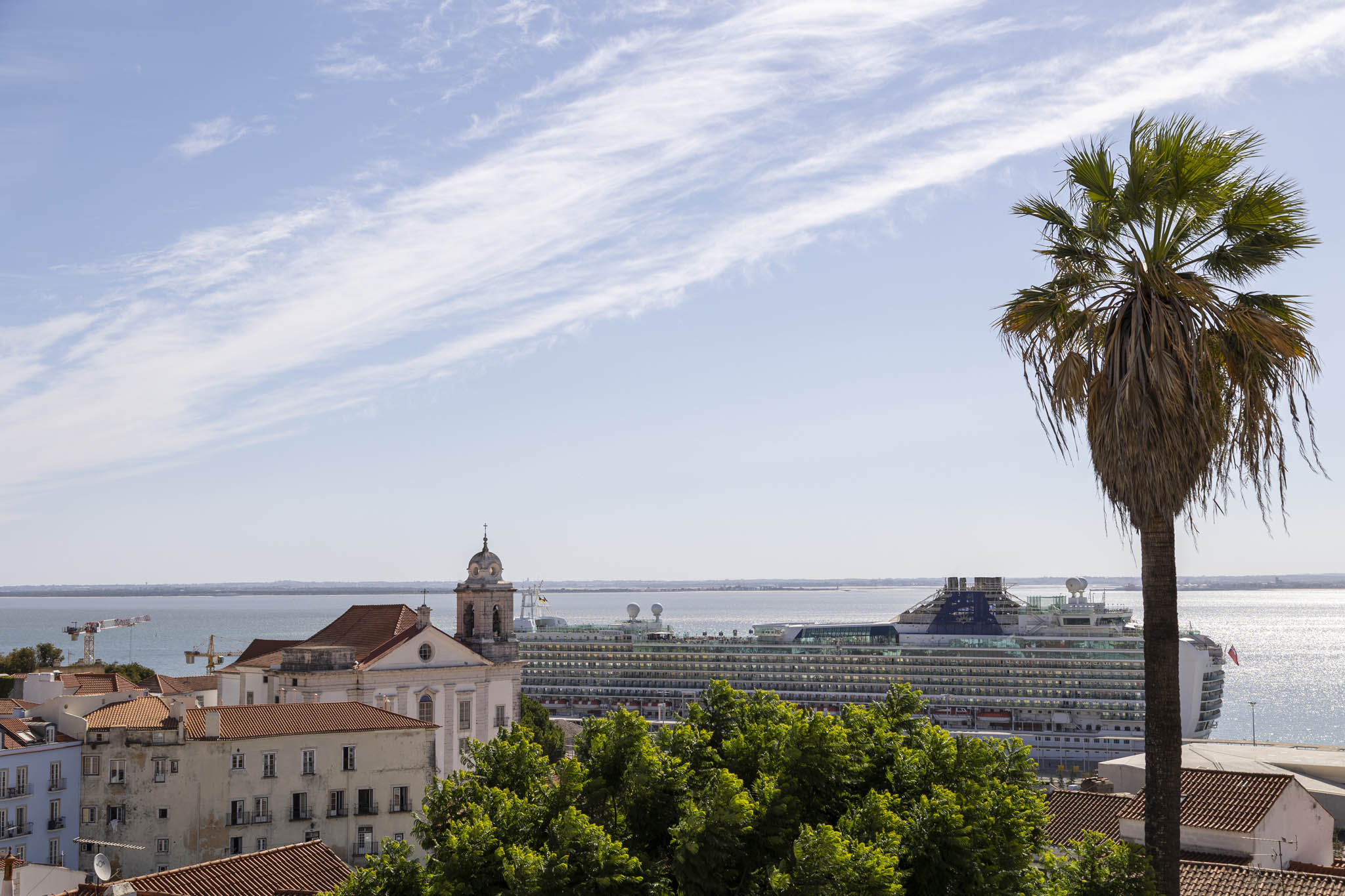
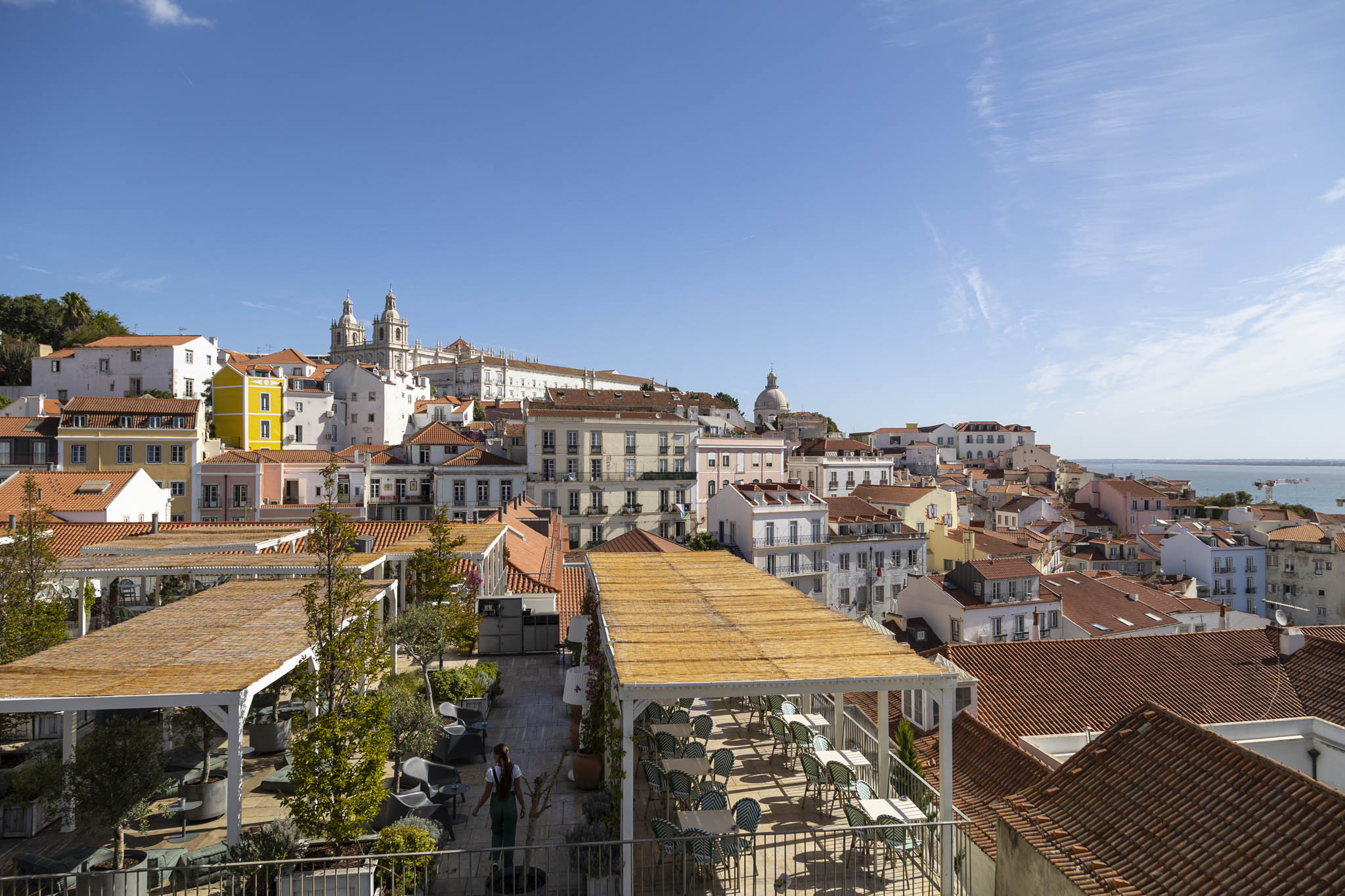
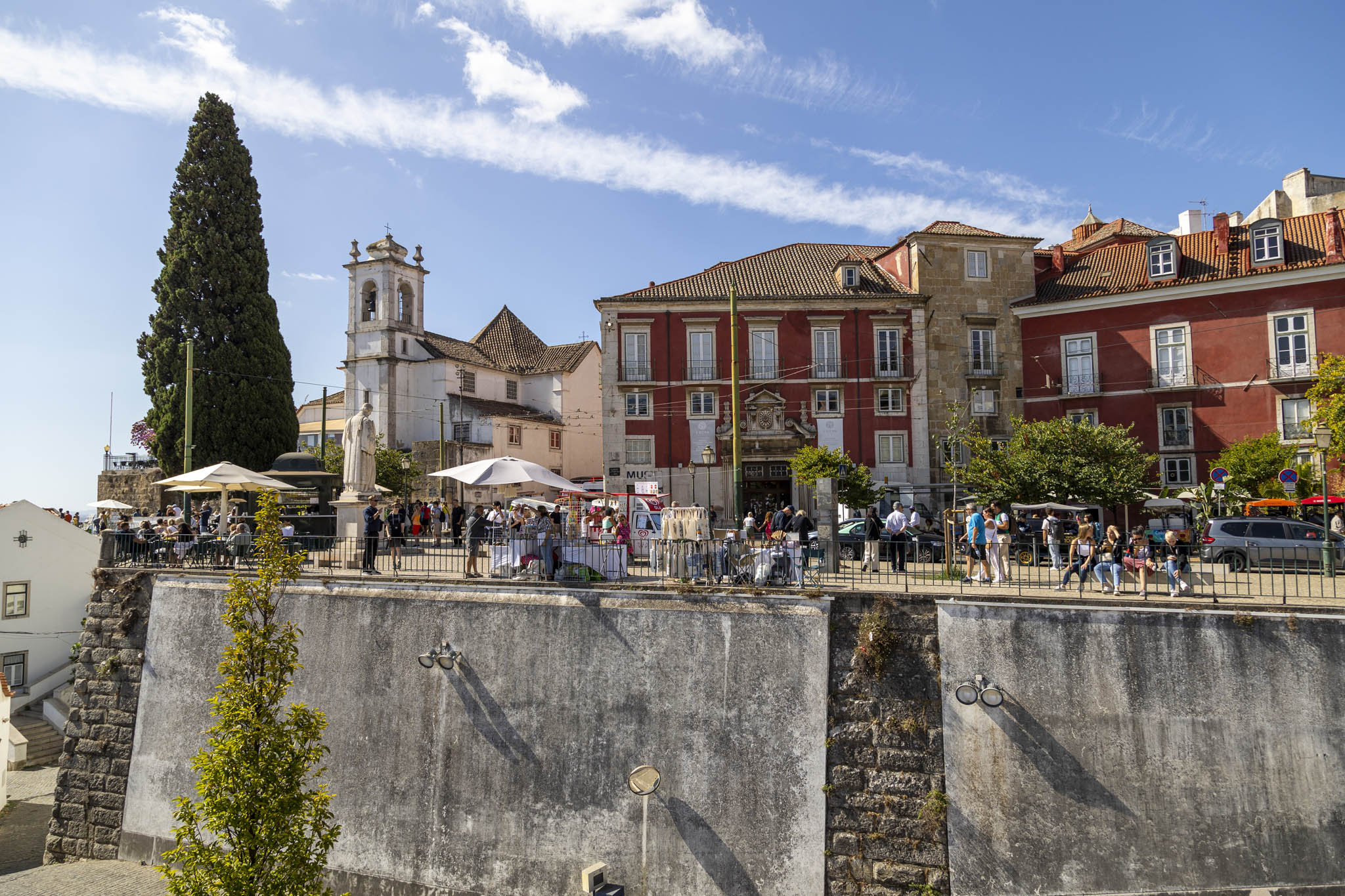
We’d seen that Lisbon was fond of deadly paving and public squares but that wasn’t all. Lisbon, built on quite hilly land, was fond of scenic viewpoints too and we were soon out from the maze of streets of Mouraria, into the Alfama district, and into an area where several of these miradouros were situated. As we were now closer to the River Tagus and the cruise port we could see our ship, and cruising law dictated that we needed to take a photo of it.
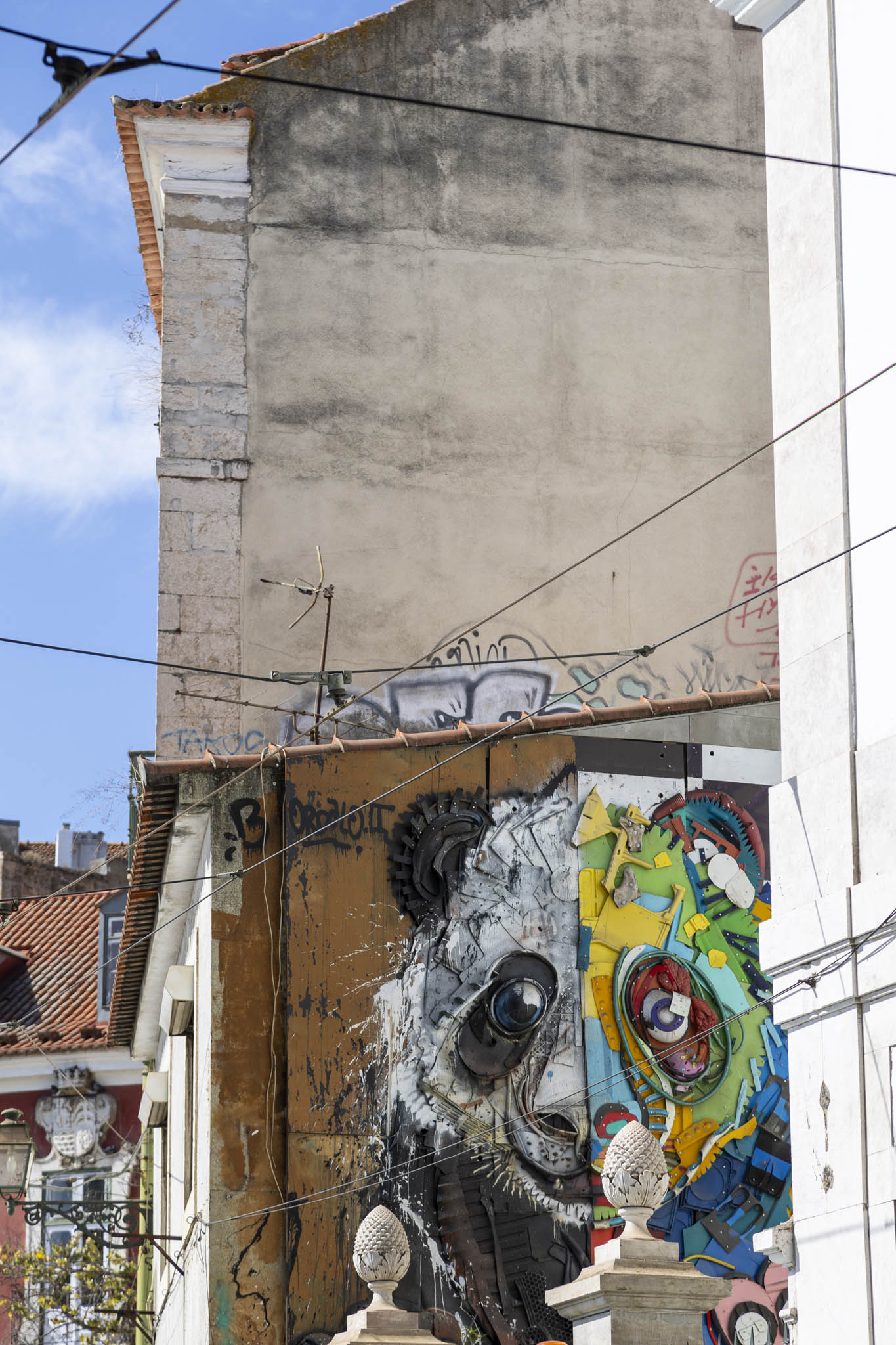
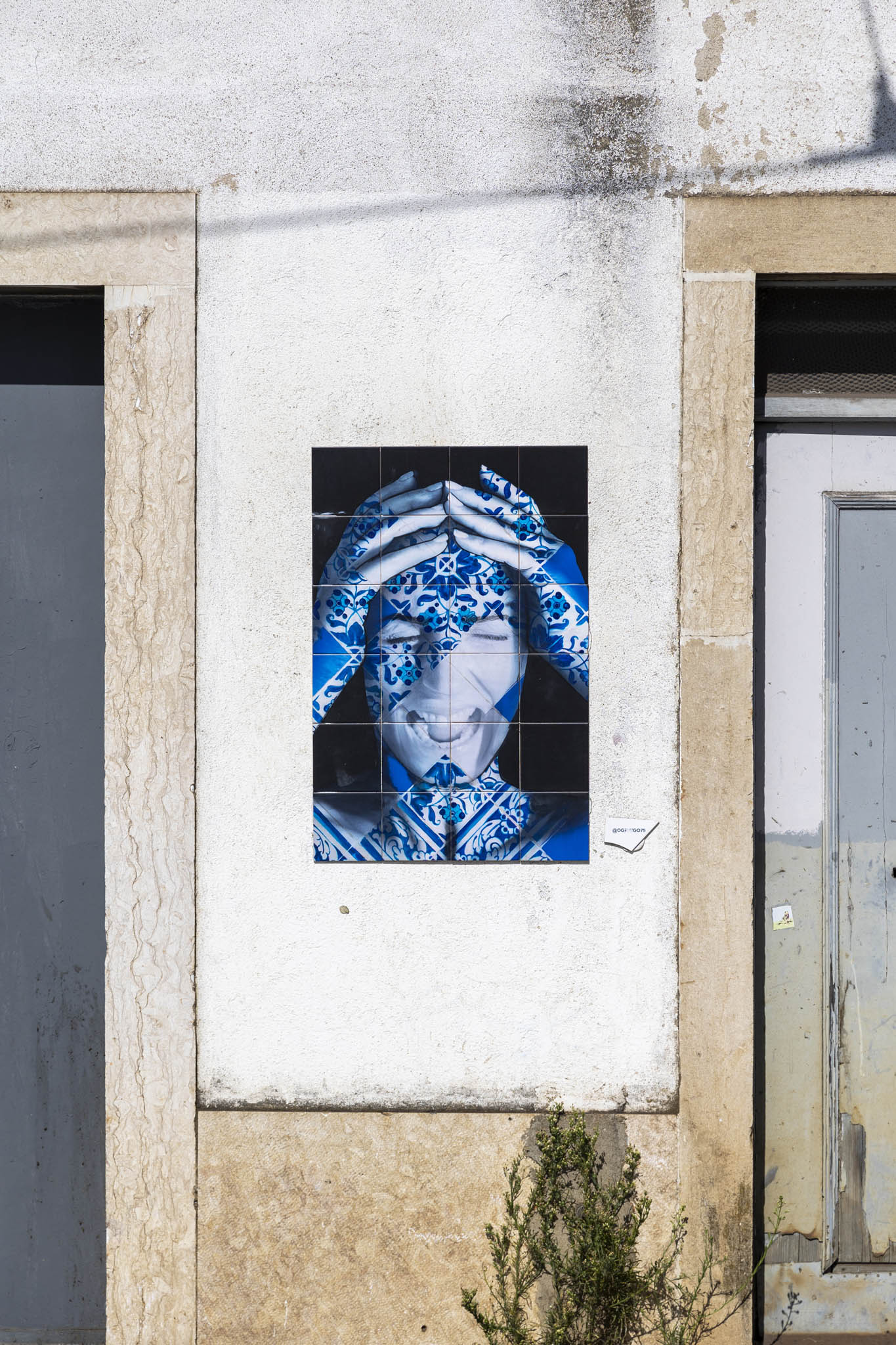
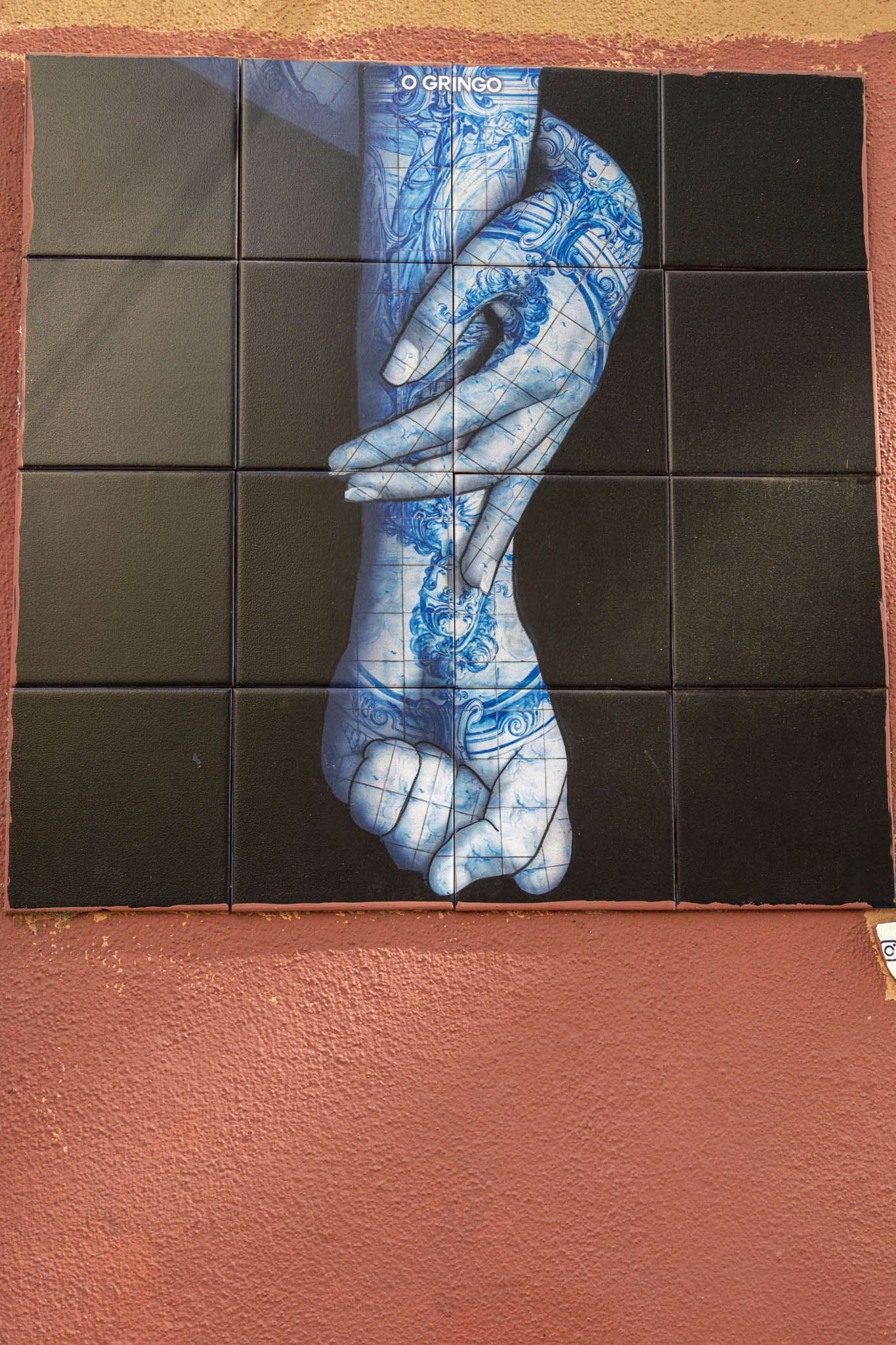
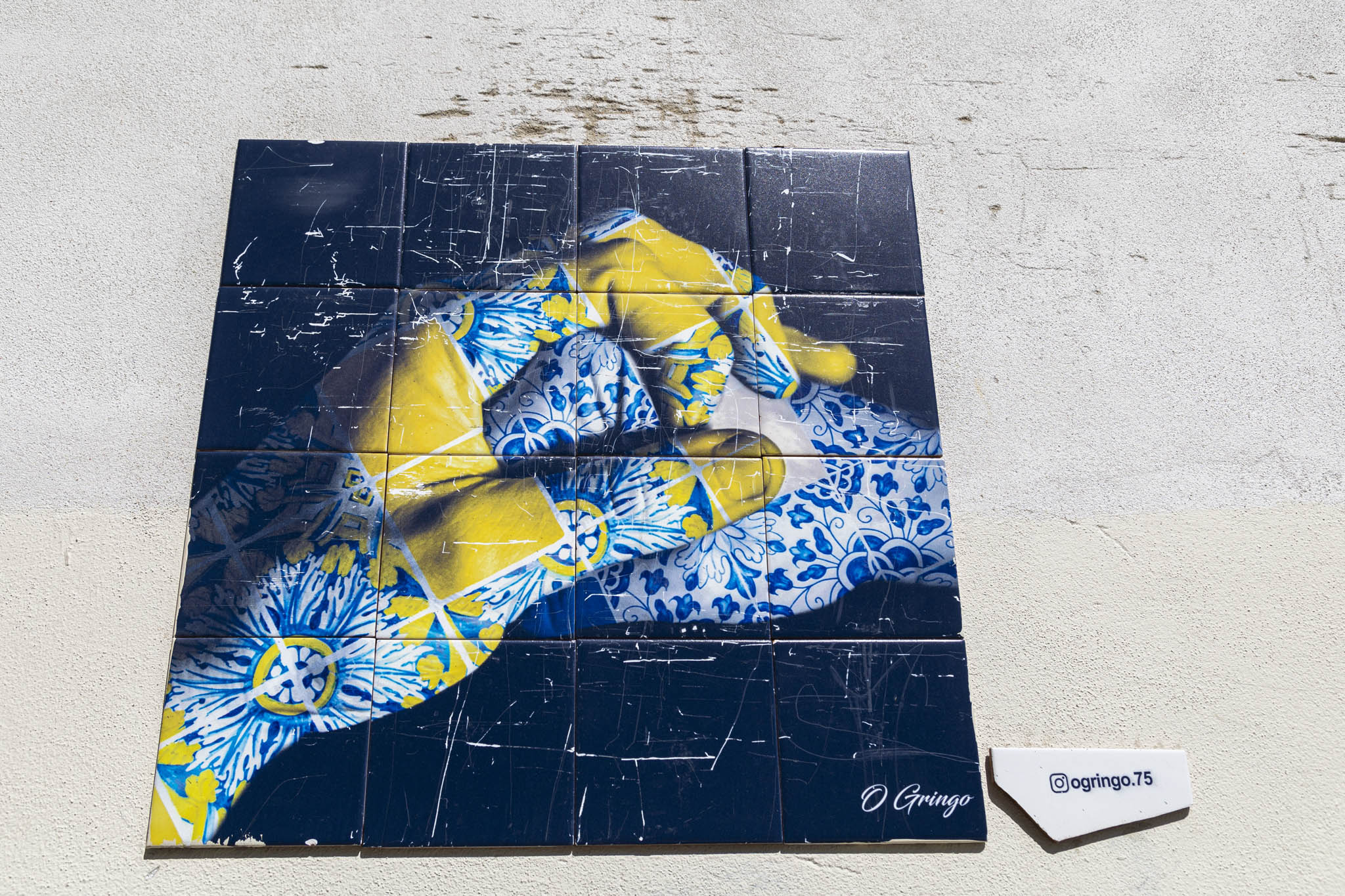
Our walking route continued roughly eastwards now towards the Pantheon and we noticed more street art with some tiled pieces by an artist called O Gringo standing out along with Half Young Panda, a very recognisably Bordalo II mural.
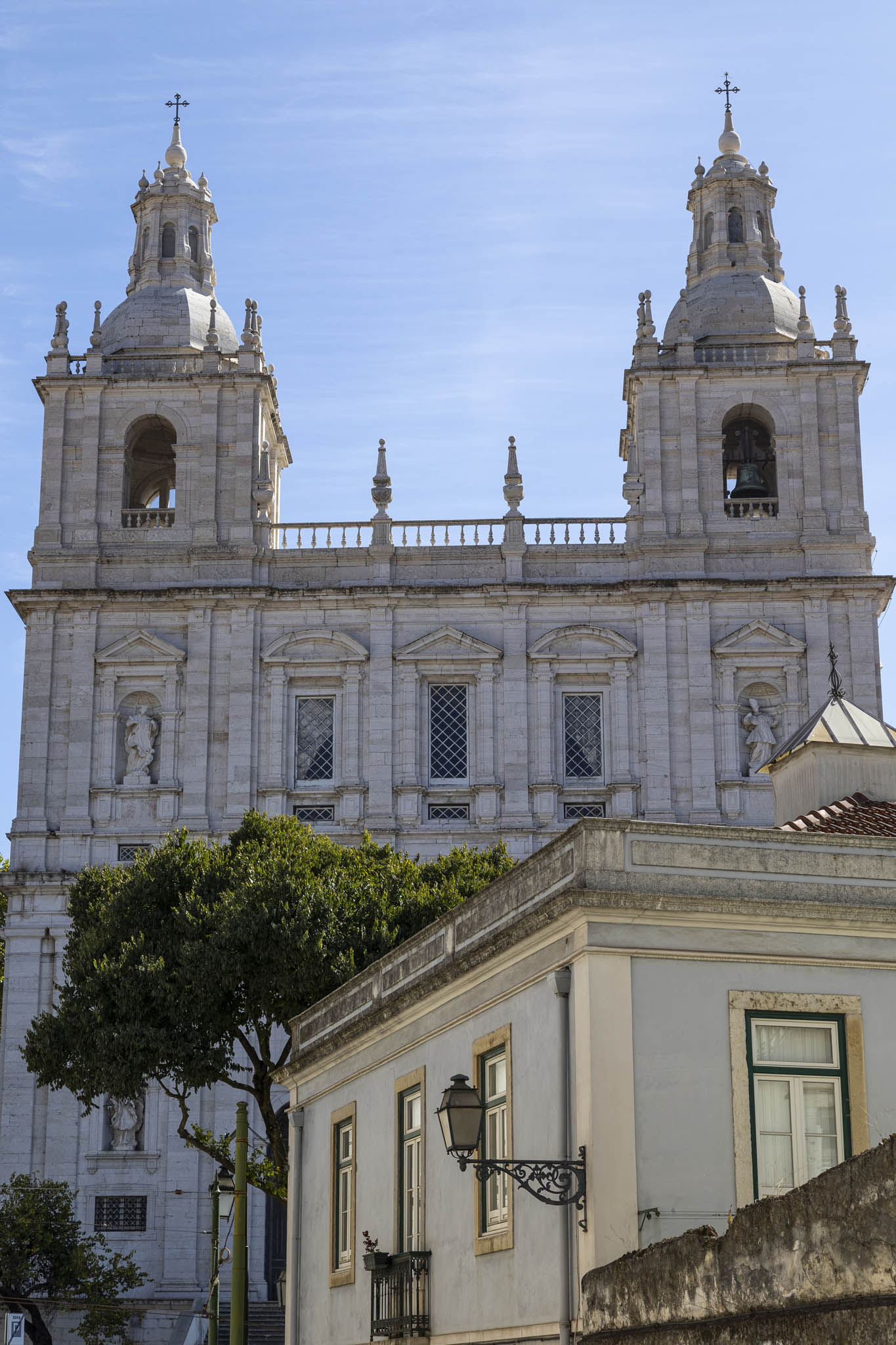
We do like churches – to visit and admire the architecture, not to actually use for their intended purposes – but we merely passed by the Monastery of São Vicente de Fora as we were now in sight of where we really wanted to visit and get out of the sun. Always nice to leave something for the next time you visit.
In the next post in this cruise travelogue series we’ll take a look inside and from the rooftop of Lisbon’s National Pantheon.