Following on from our visit to the Trondheim Art Museum we made our way to the next location of cultural interest which was just around the corner, thankfully. The weather in Trondheim was decidedly odd on the day of our visit and we later would describe it on board our ship as “dry rain”. There was more than a mistiness in the air and not quite a drizzle, with a definite cold element to what you could feel on your exposed skin, and it was pretty constant, requiring hoodies up, or at least we thought. The weird element to it was that as soon as we stepped in from the weather anywhere we’d realise that all our clothes and faces and hands were completely dry. A very strange experience, and so much so that we were very pleased that there was such a short distance to get from the museum to the square in front of the cathedral.
We hadn’t known beforehand but there were two types of tickets to gain access to the cathedral, one of which included visits to the royal regalia museum and the archbishop’s palace archaeological museum practically next door. Naturally, we bought tickets to see all three places. You’d be mad not to on your first visit to a city, surely?
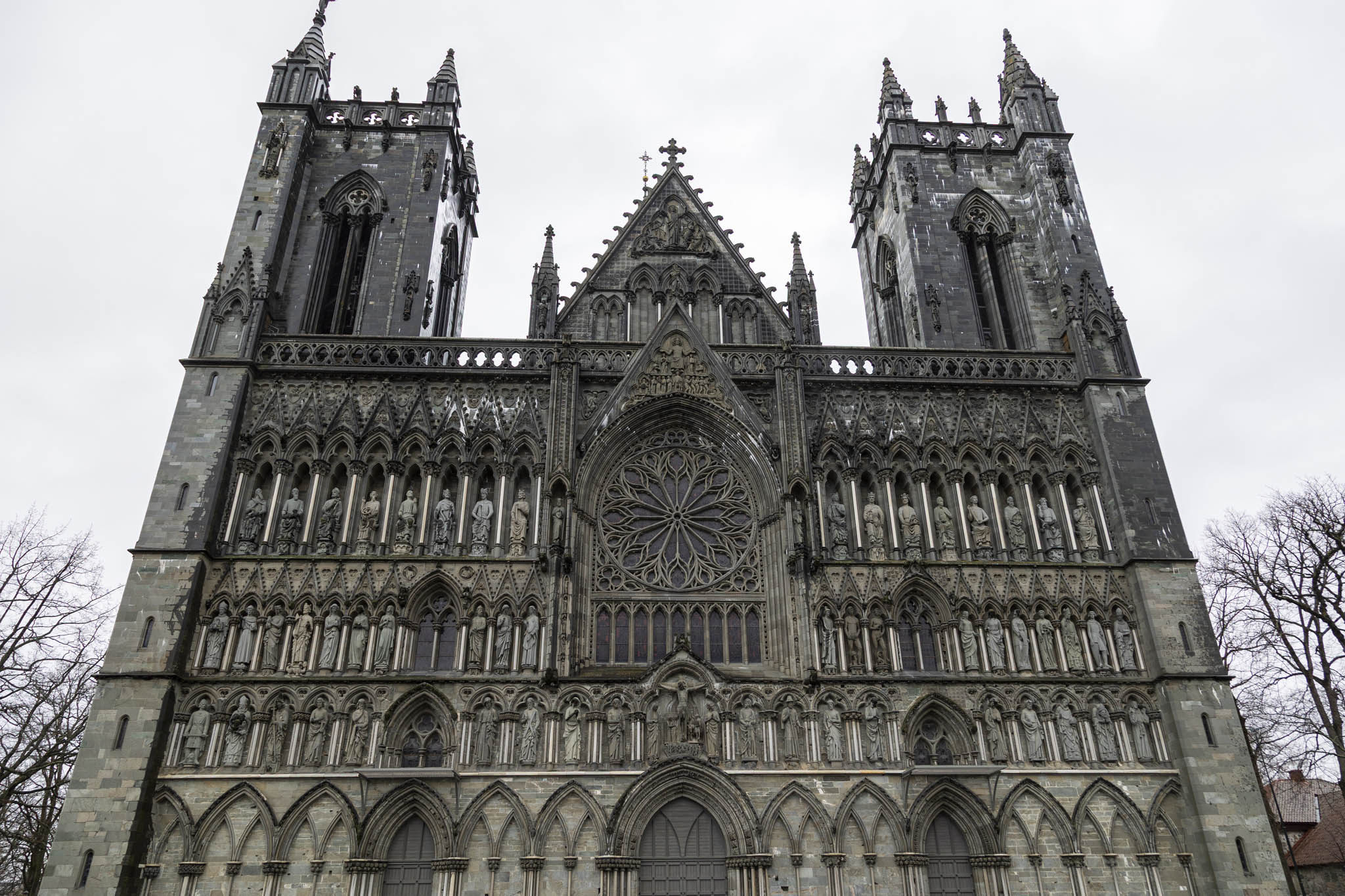
Nidaros Cathedral was gorgeously gothic on the outside. As with almost every church you’ll find in Scandinavia, it’s a Lutheran church, so our expectation inside was that it wouldn’t be that grandiose as Lutherans do like their spartan designs. However, the exterior was lovely. While the cathedral claims to date to around 1300 it’s plain to see that the architectural style is far later and, as you’d probably expect, that would be on account of all the times that God failed to intervene in lightning strikes and fires. Or perhaps a very holy church-builder prayed really hard for work in the diocese.
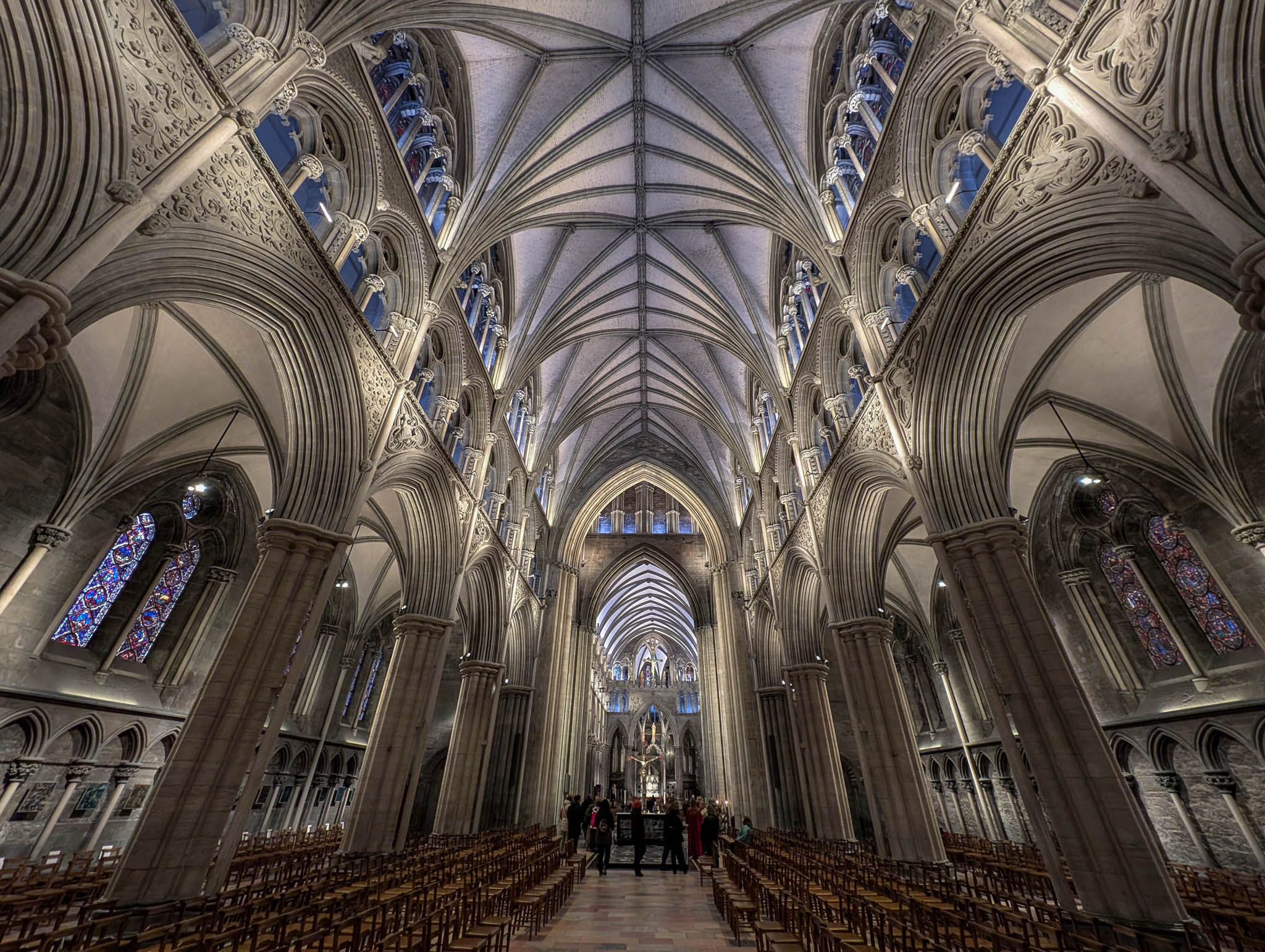
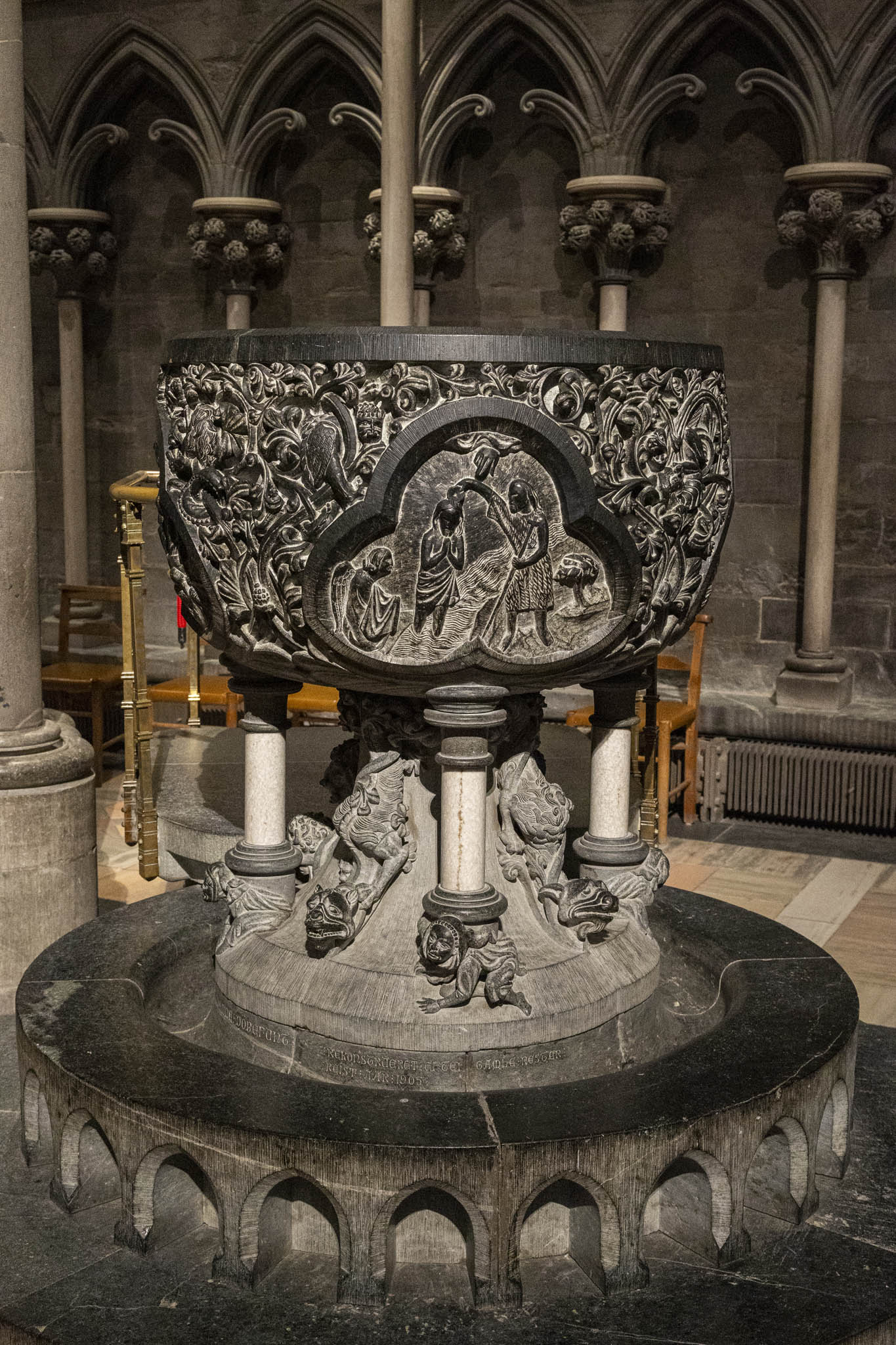
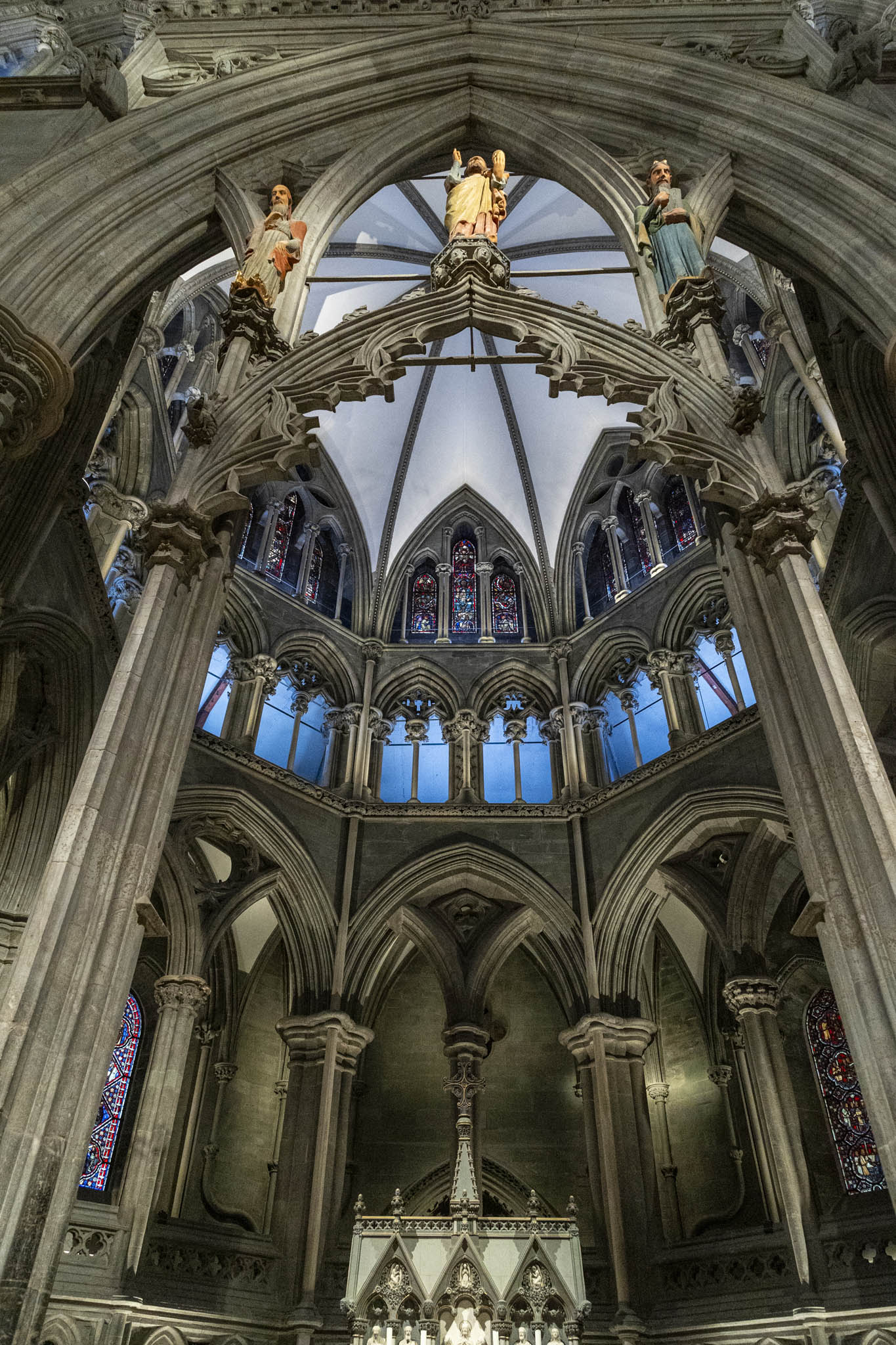
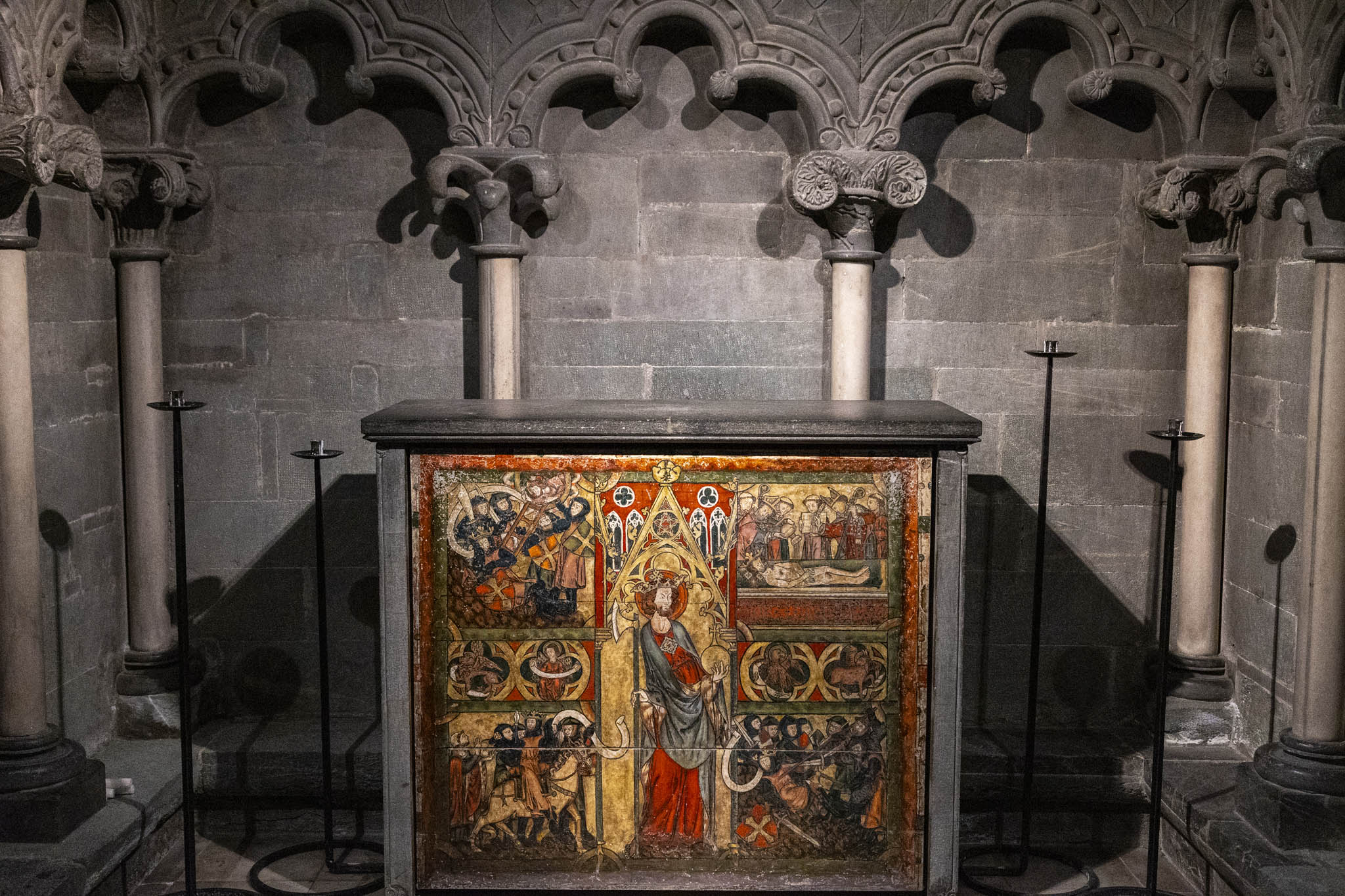
What was very pleasing about Nidaros Cathedral was its interior. As expected, there wasn’t a huge amount of gaudy showiness on display, but it also wasn’t the mostly white, non-distracting, blank canvas we’ve seen in other Lutheran churches when we’ve been travelling. The high nave with its gothic arch-topped supports to the vaulted ceiling was absolutely stunning.
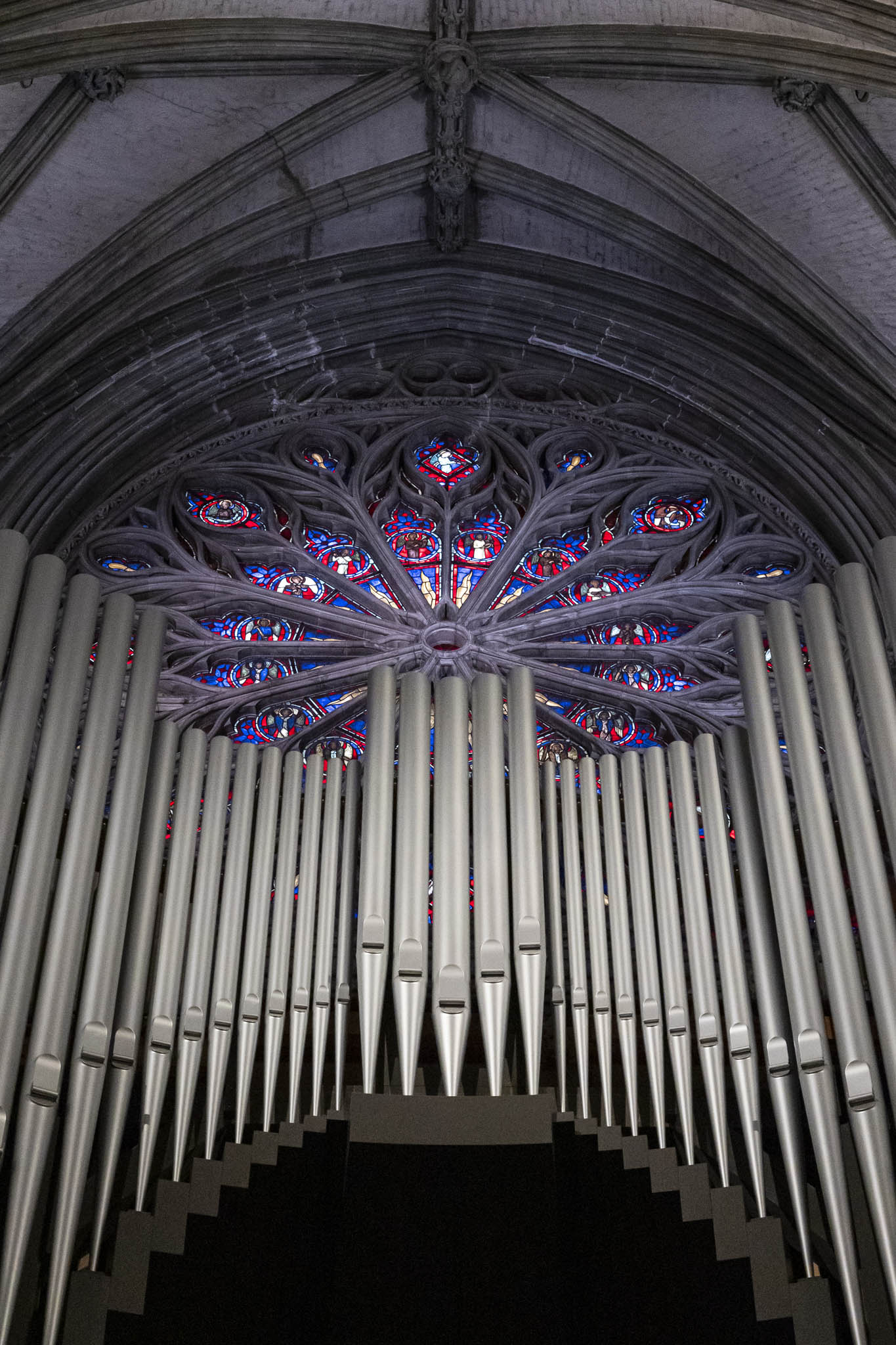
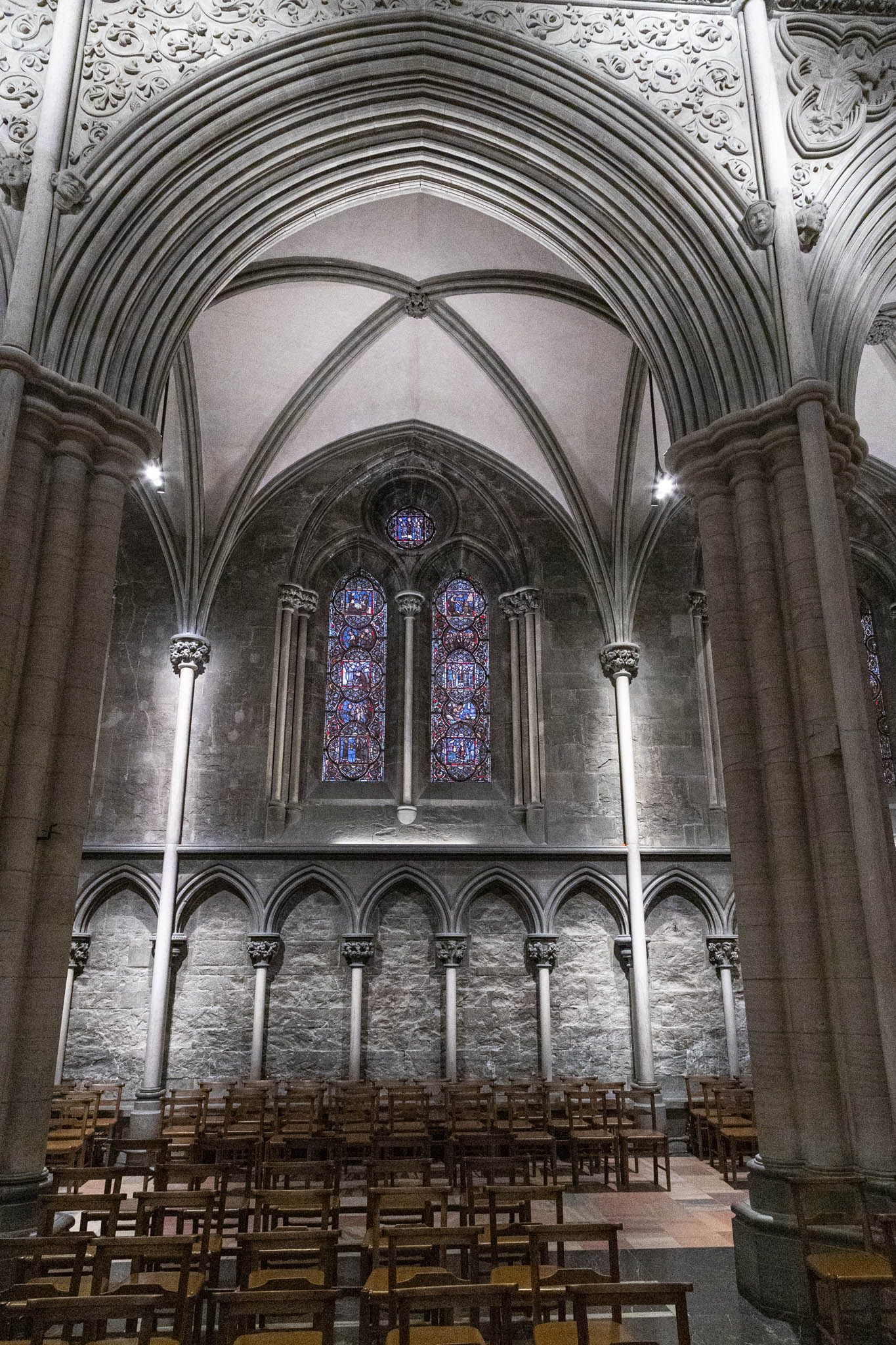
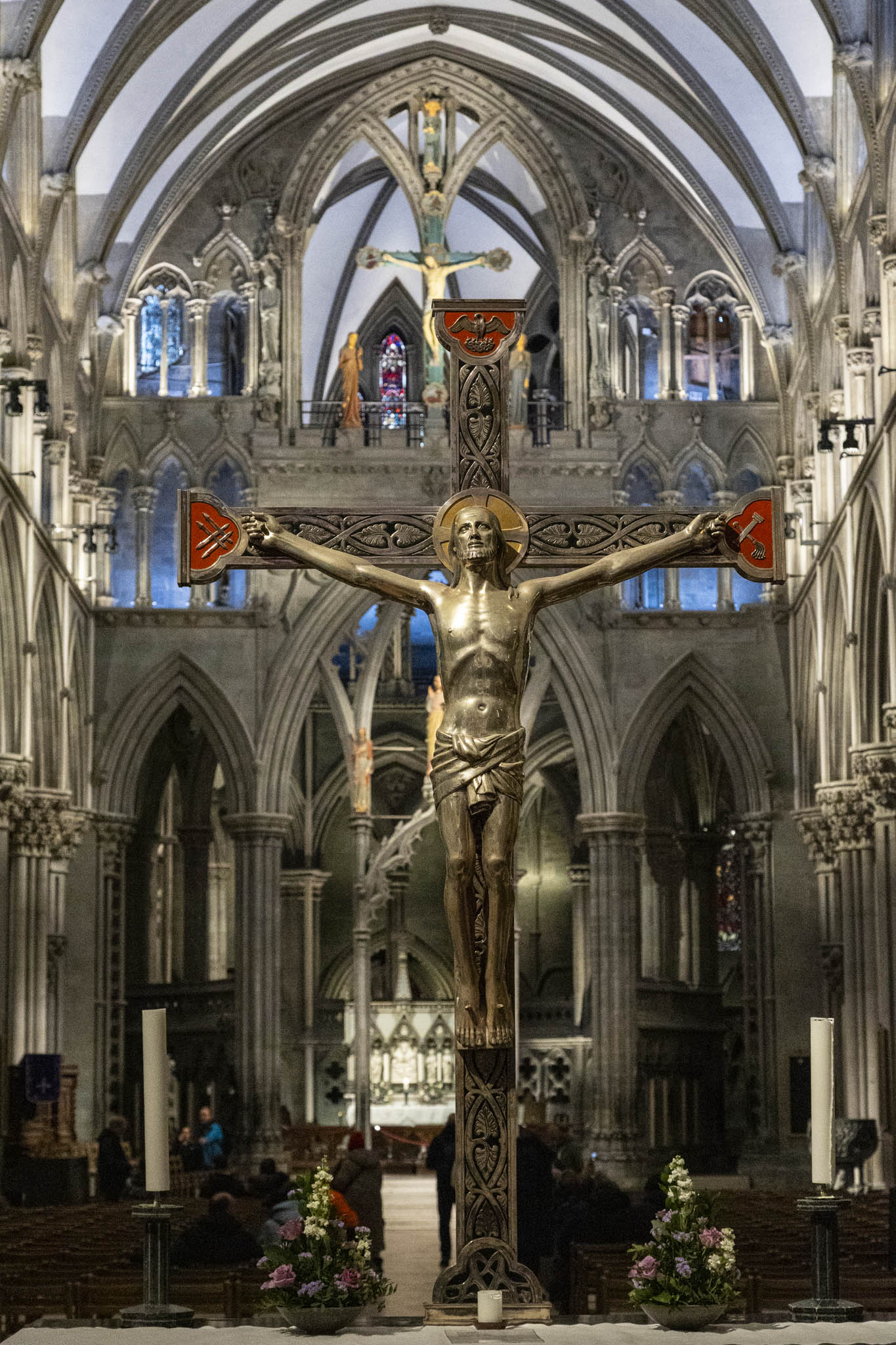
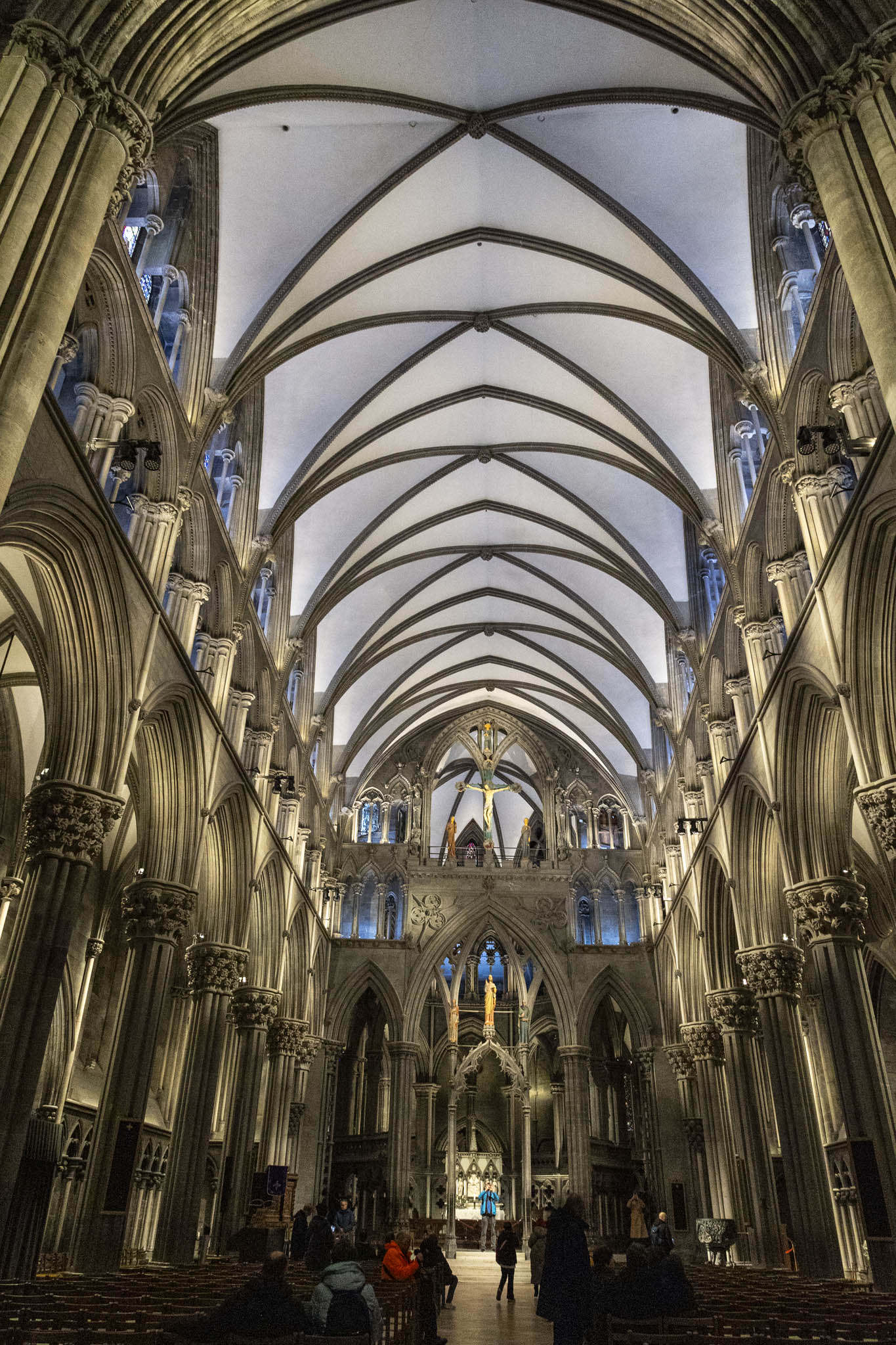
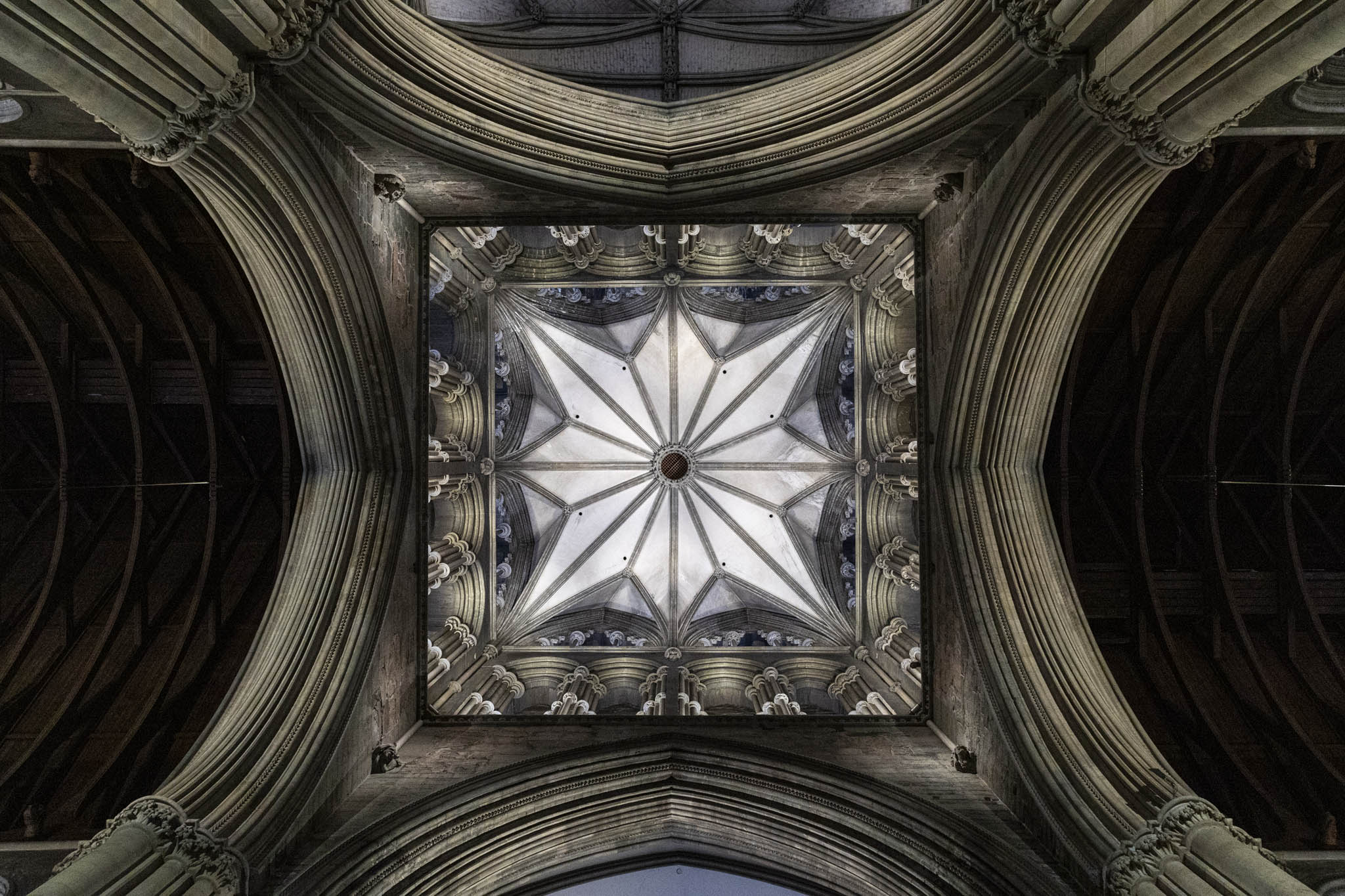
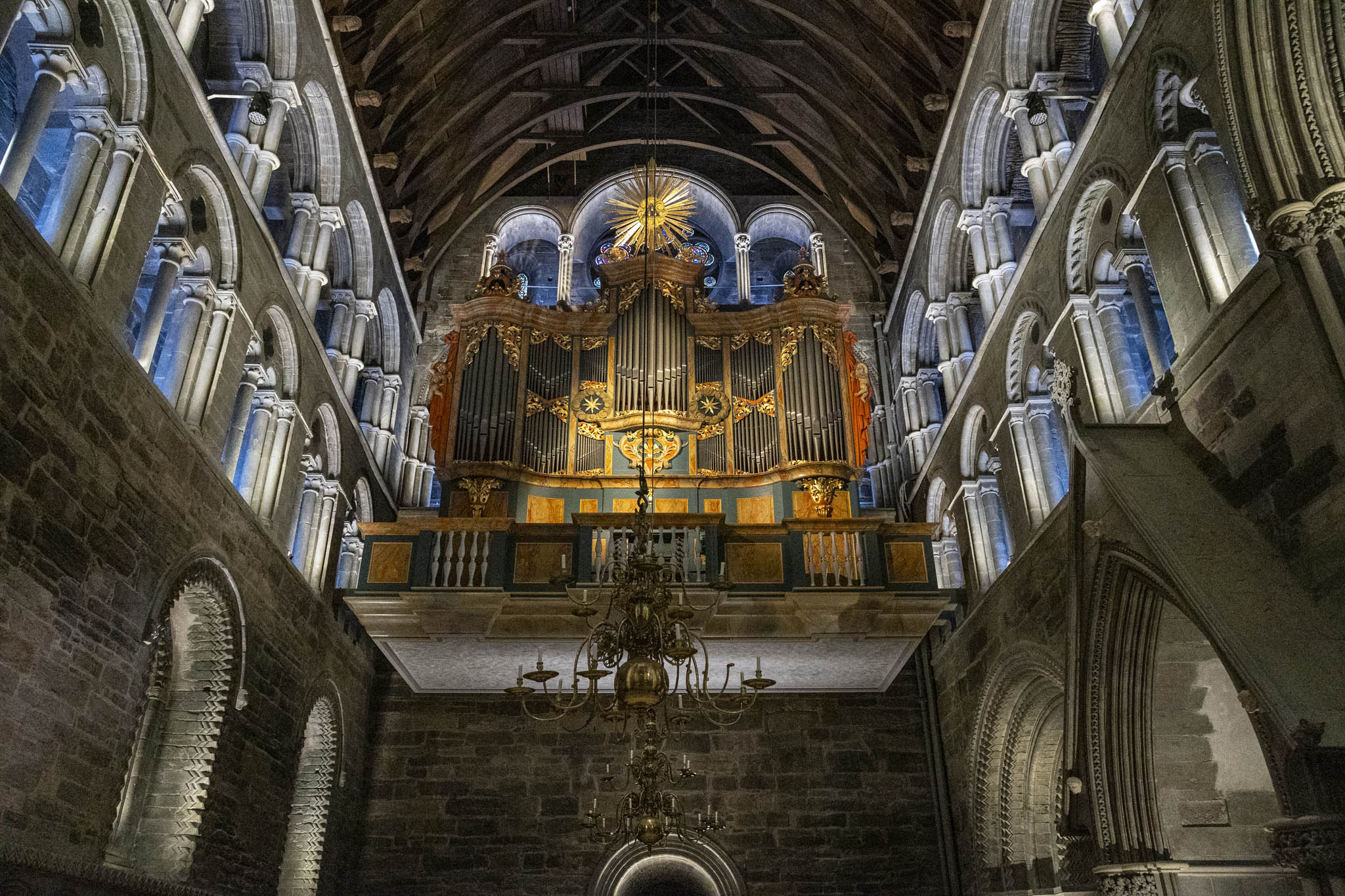
The cathedral had two organs, and the older of the two – which, with its warm tones, stood out quite a bit from all the other cooler design elements – dates to the early eighteenth century, although it required extensive restoration work in 1990s before being put back into use.
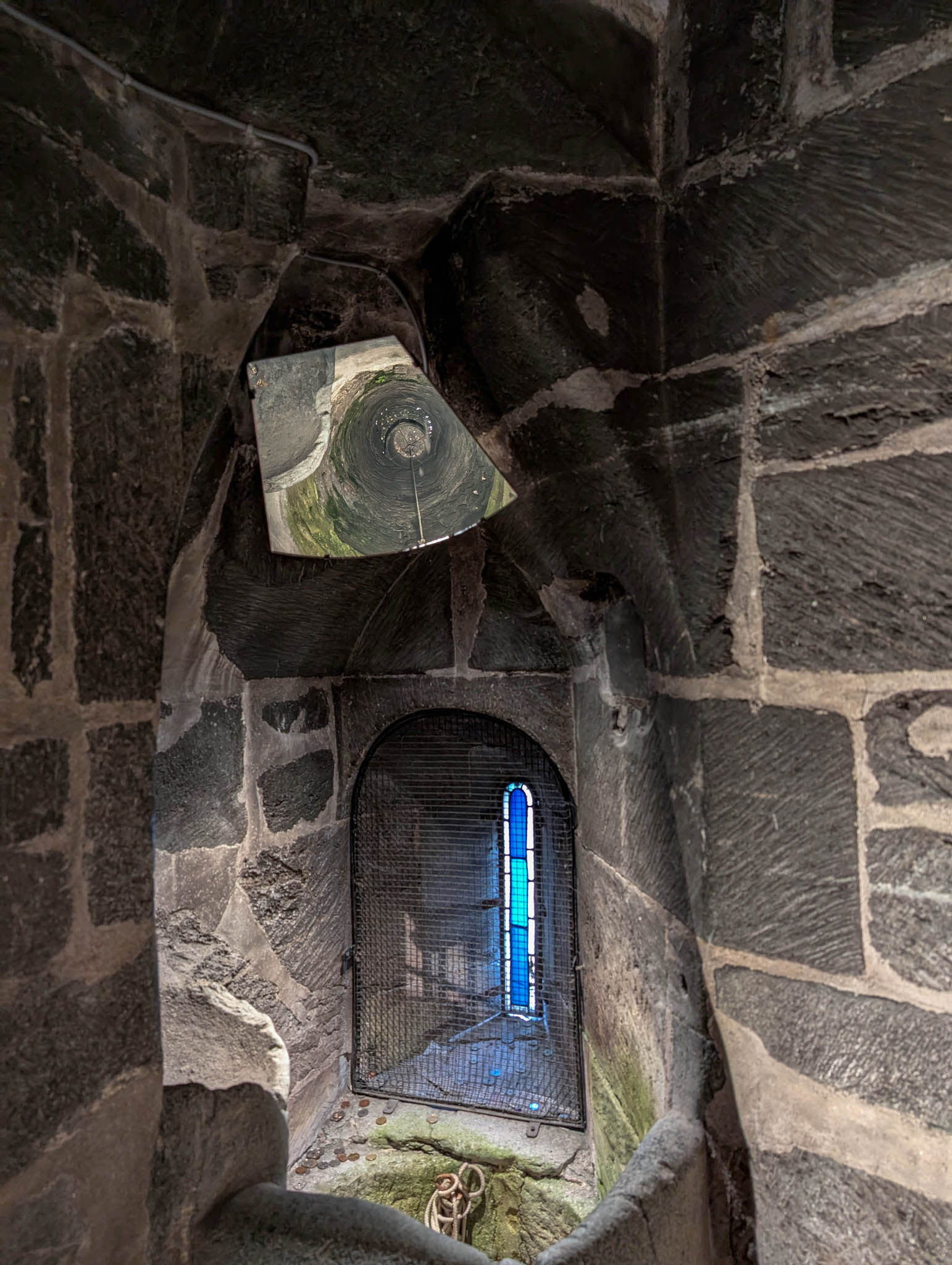
We were quite amused at one point to see another couple of visitors to the cathedral trying to stretch over and look down what would turn out to be a well just off one side of the altar space. Our entertainment mostly came from the fact that they’d pushed in front of us to do so then not realised that there was a mirror positioned above the hole that showed exactly what was down there. We didn’t let them know there was an easier way, and I then made a point to stand in front of them several times as they were trying to take photos because churches may be places of forgiveness but my vindictive nature is far stronger.
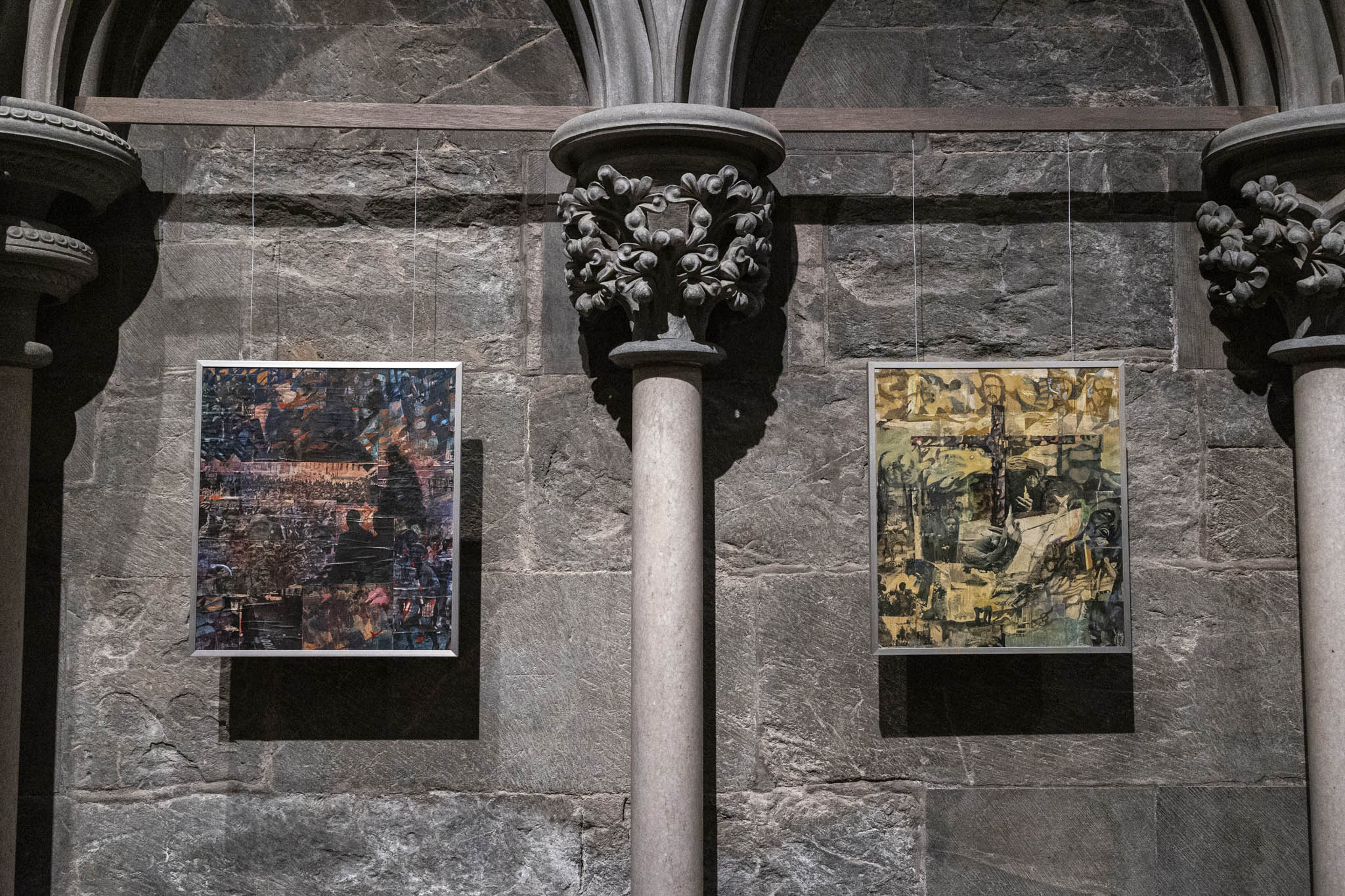
We liked Nidaros Cathedral and we’d also like the two museums close by that we’d next explore too. The first of those, sadly, I can’t show any photos from. This was the royal regalia museum, showing crowns and capes and various other bits of jewellery of the Norwegian royal family. Very nice, but very much not a thing you’re allowed to photograph and there were people hanging around to make sure you didn’t. A shame, but if you like to ooh and aah over shiny things – perhaps you’re one of this site’s regular corvid readers – then you’d enjoy it.
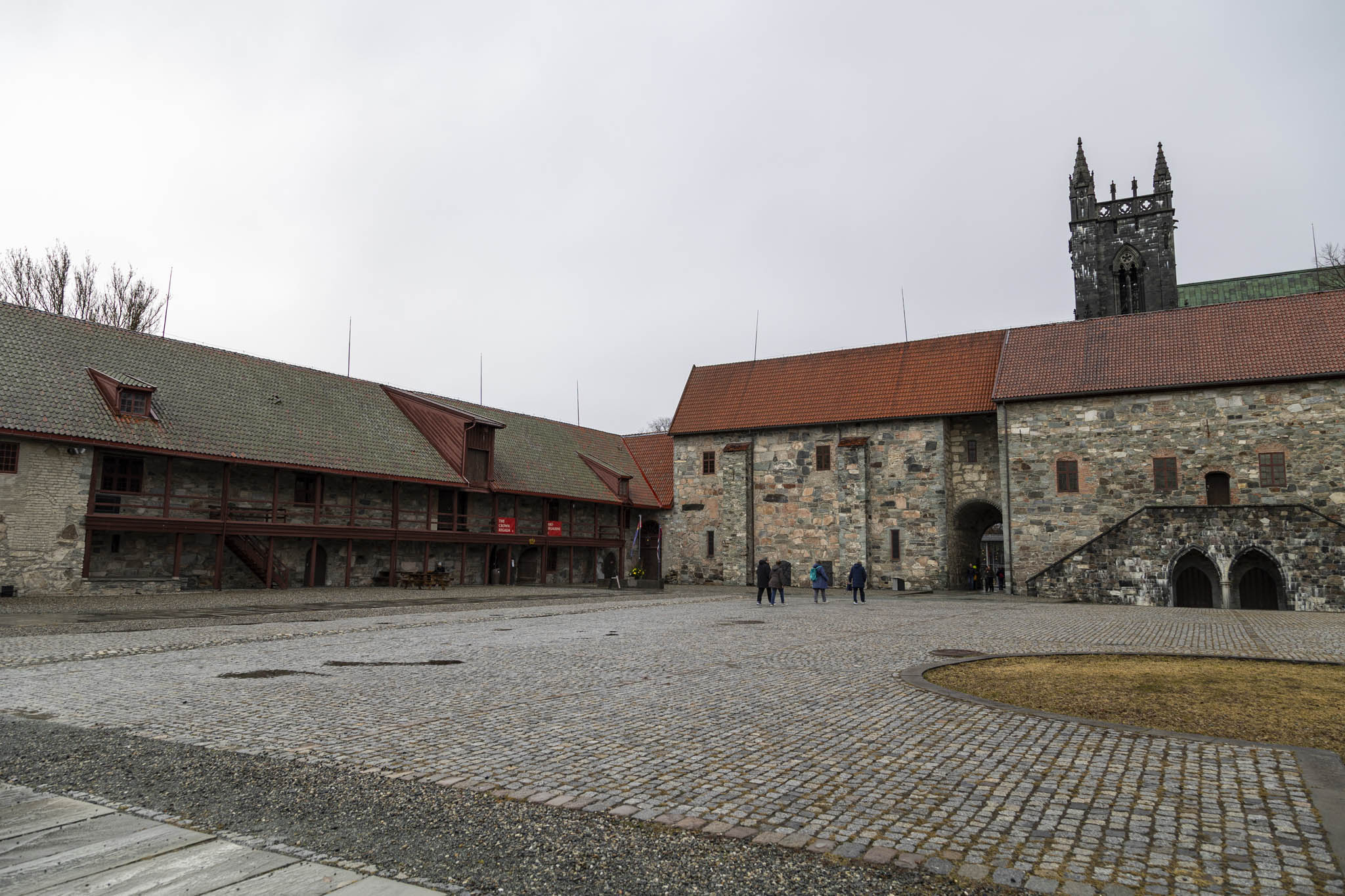
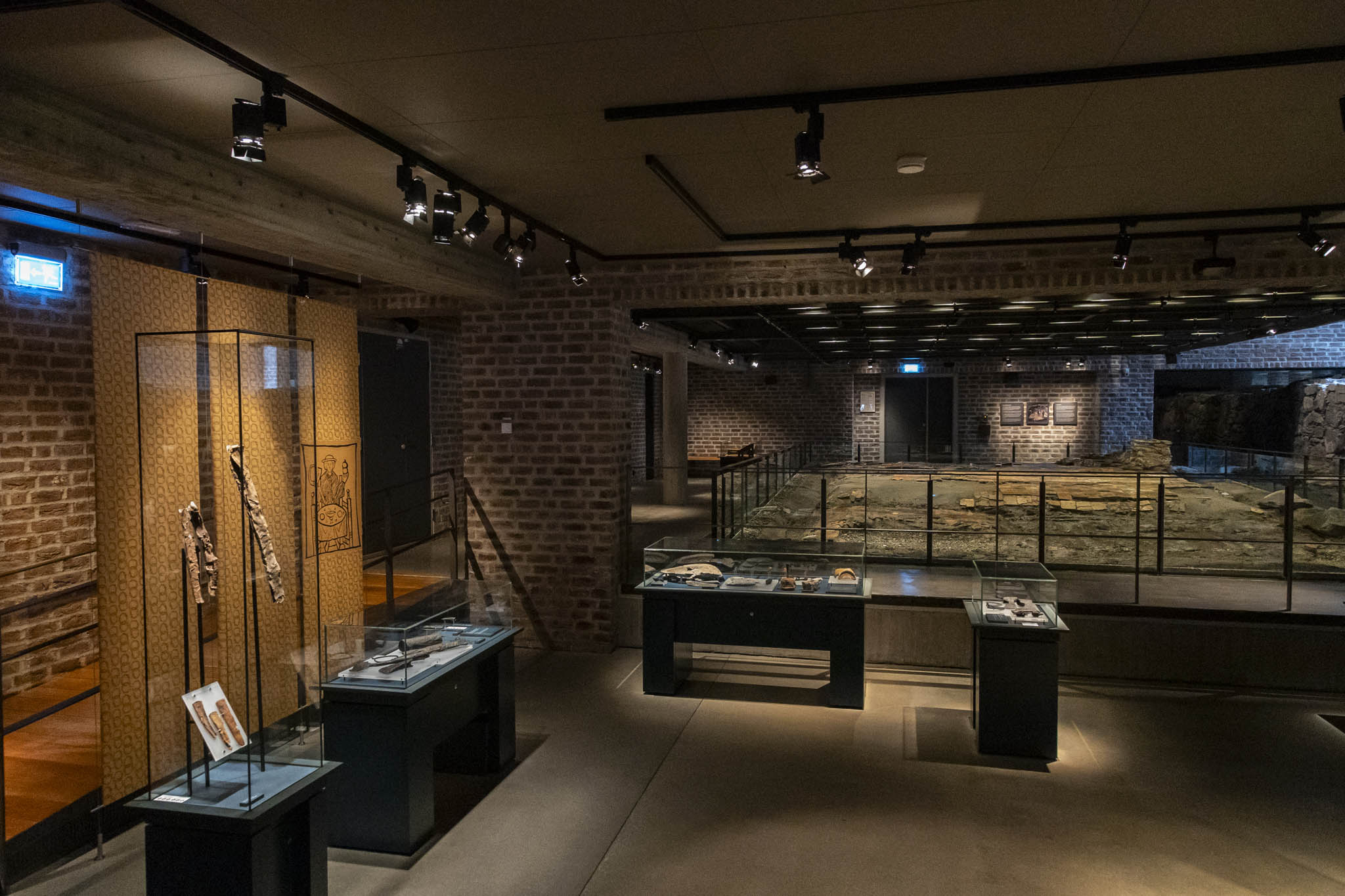
The archbishop’s palace museum was definitely less palatial than we’d been anticipating from its name, but if you like architecture and archaeology then it’s worth the visit, and we do like those things so that was handy.
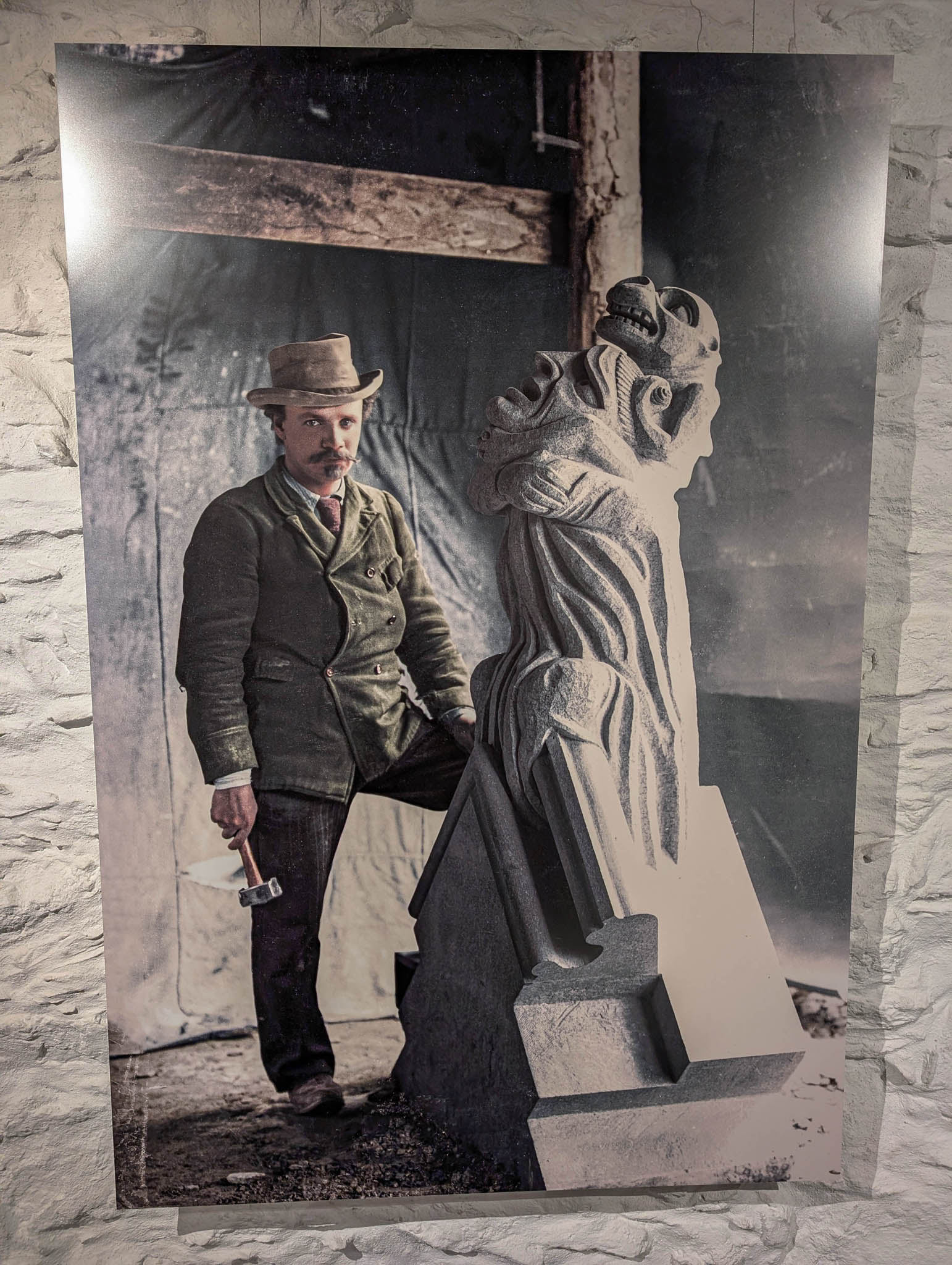
Elements of the palace and cathedral from previous incarnations of the buildings were shown, some dating back to the thirteenth century, and I particularly enjoyed the old photographs of restoration work in the late nineteenth and early twentieth centuries. A lot of the museum was very modern but there were areas that opened up to show some of the ruins of the walls of the original fortified palace.
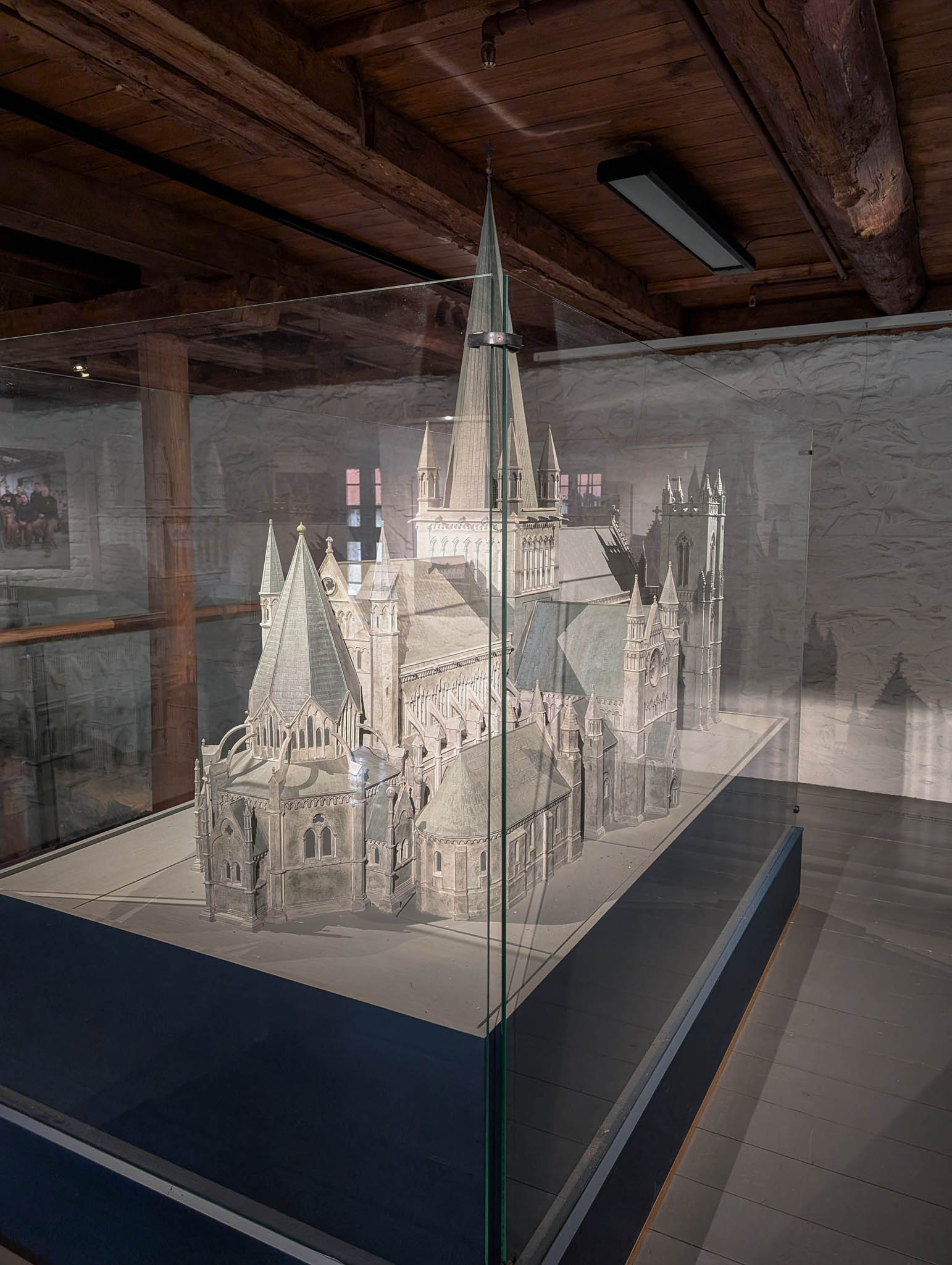
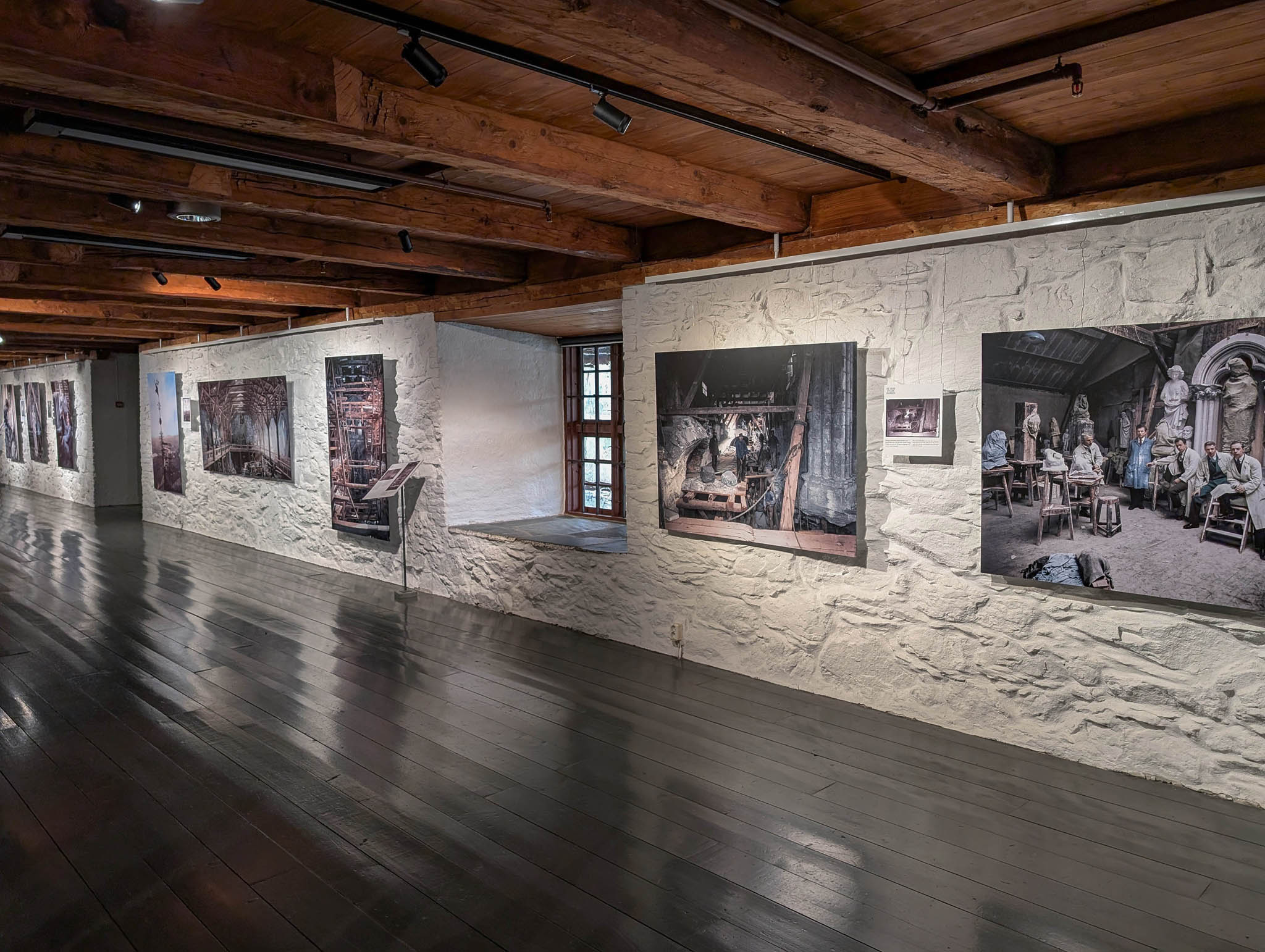
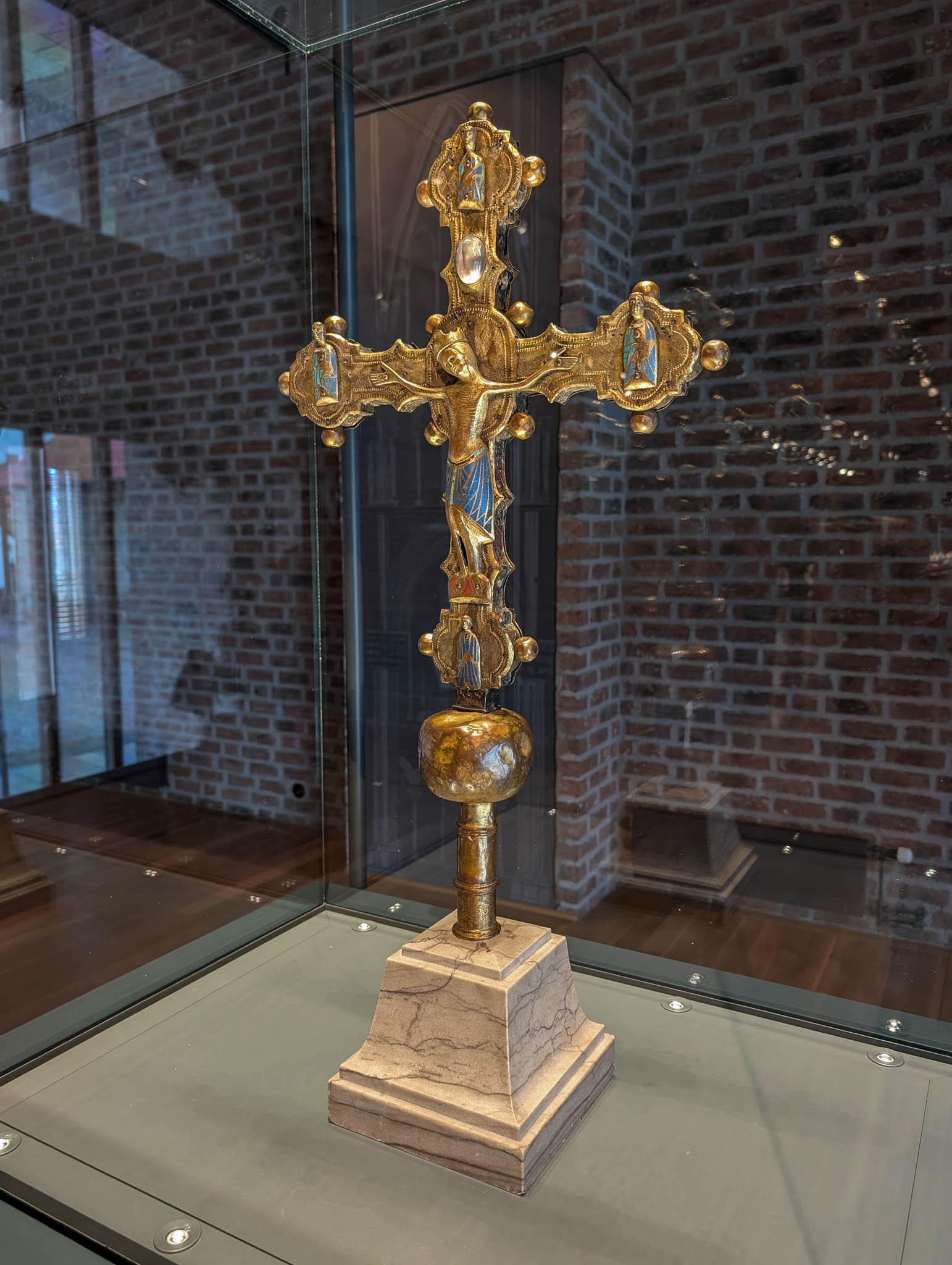
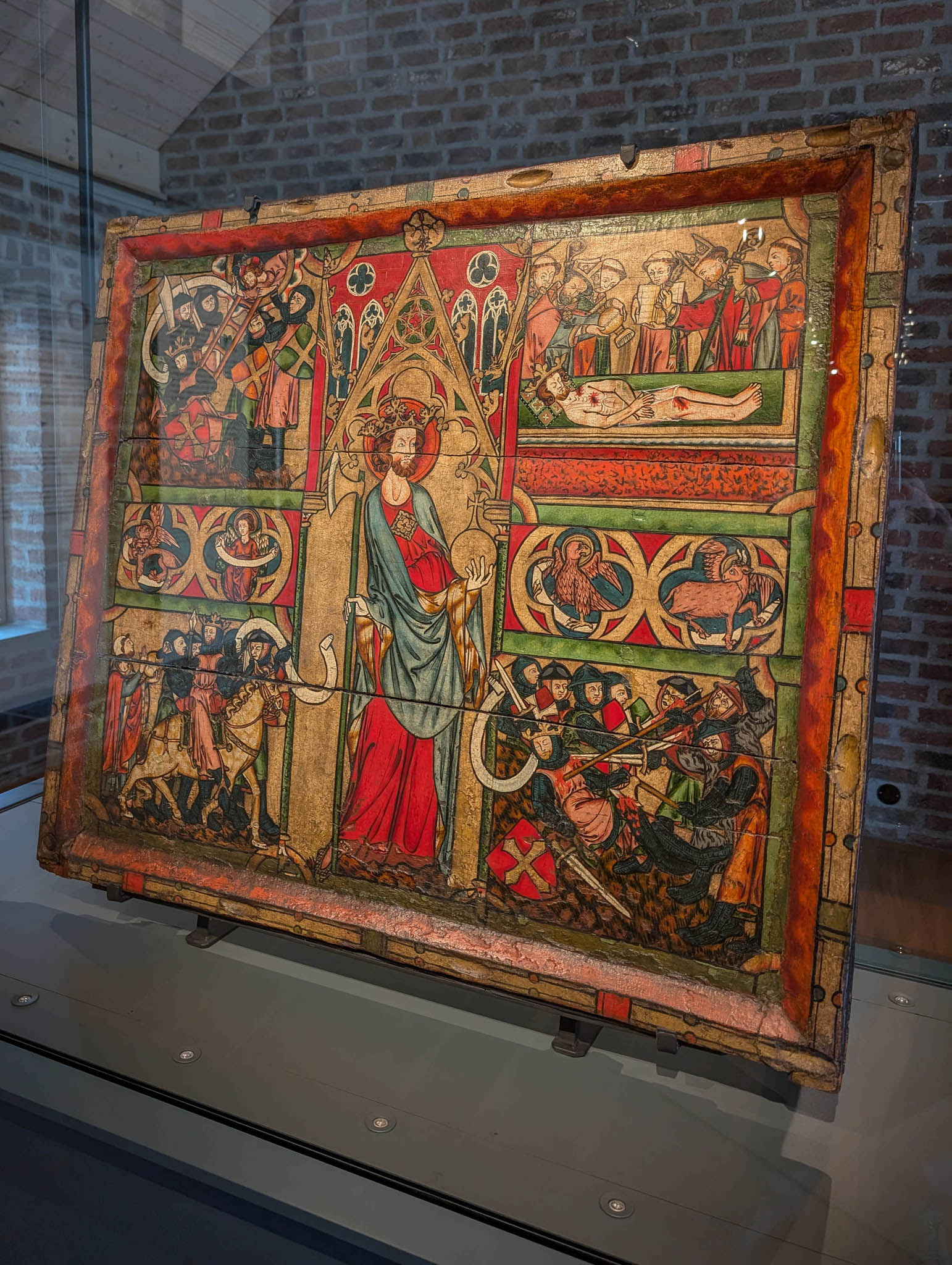
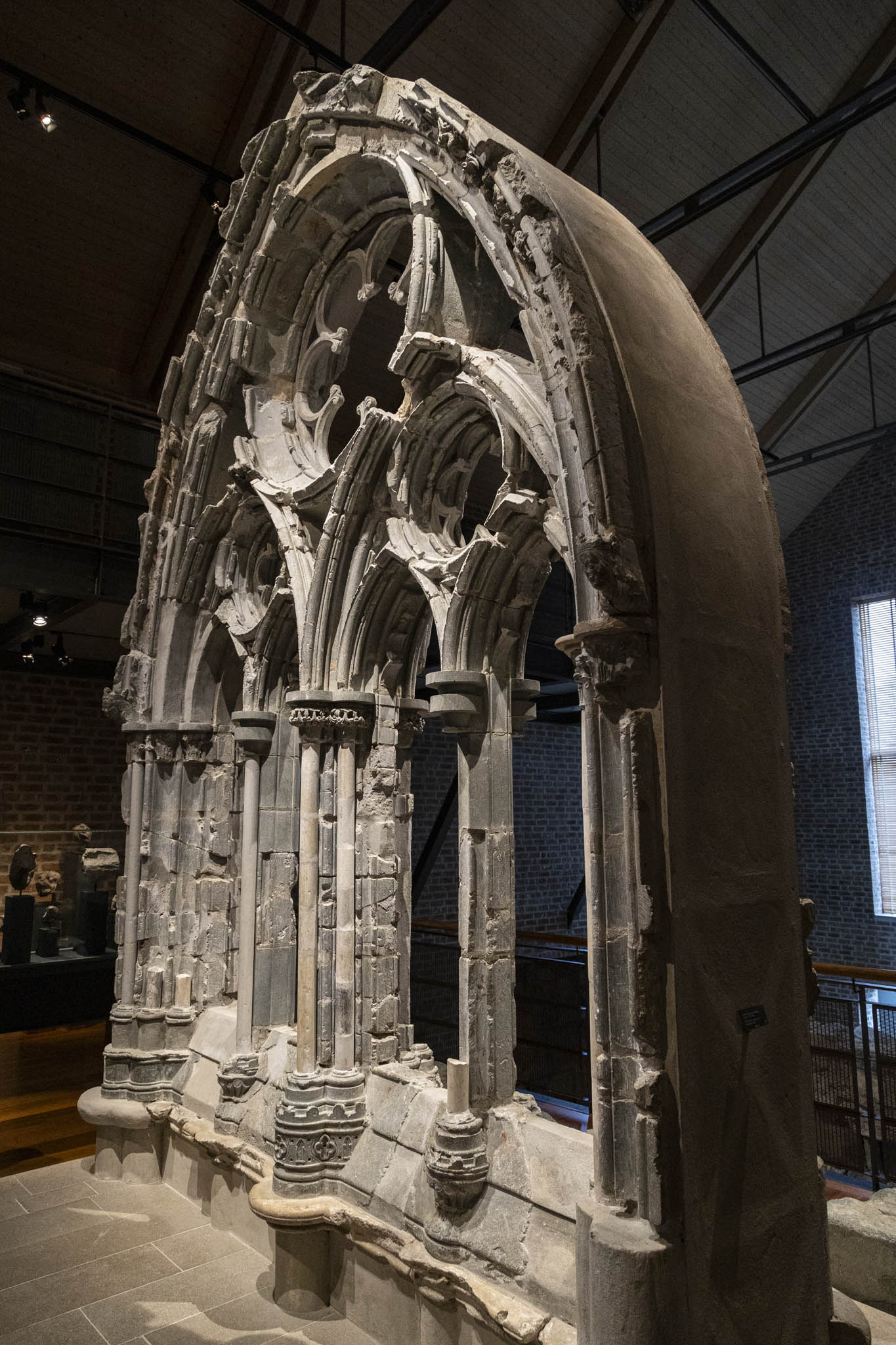
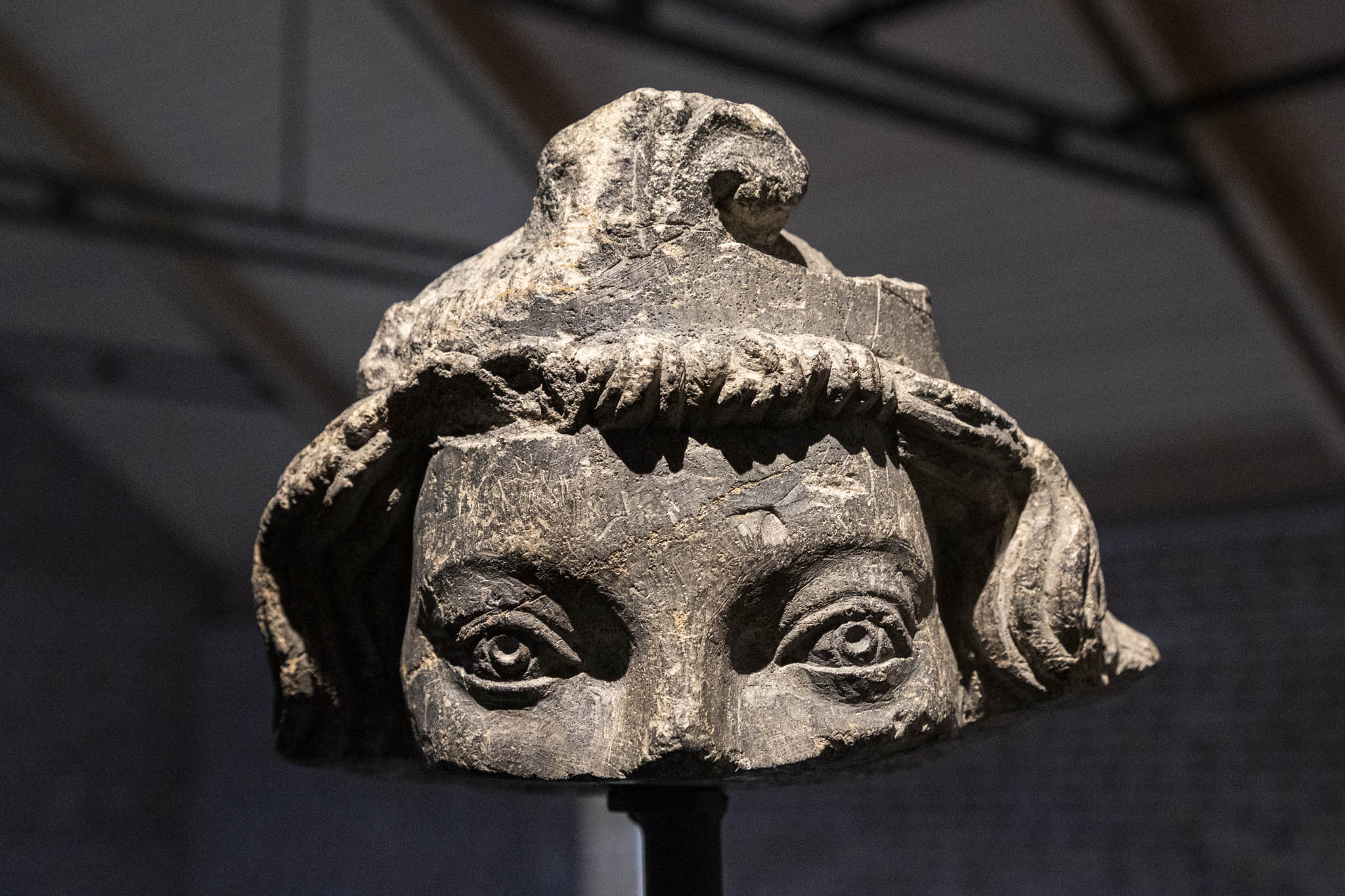
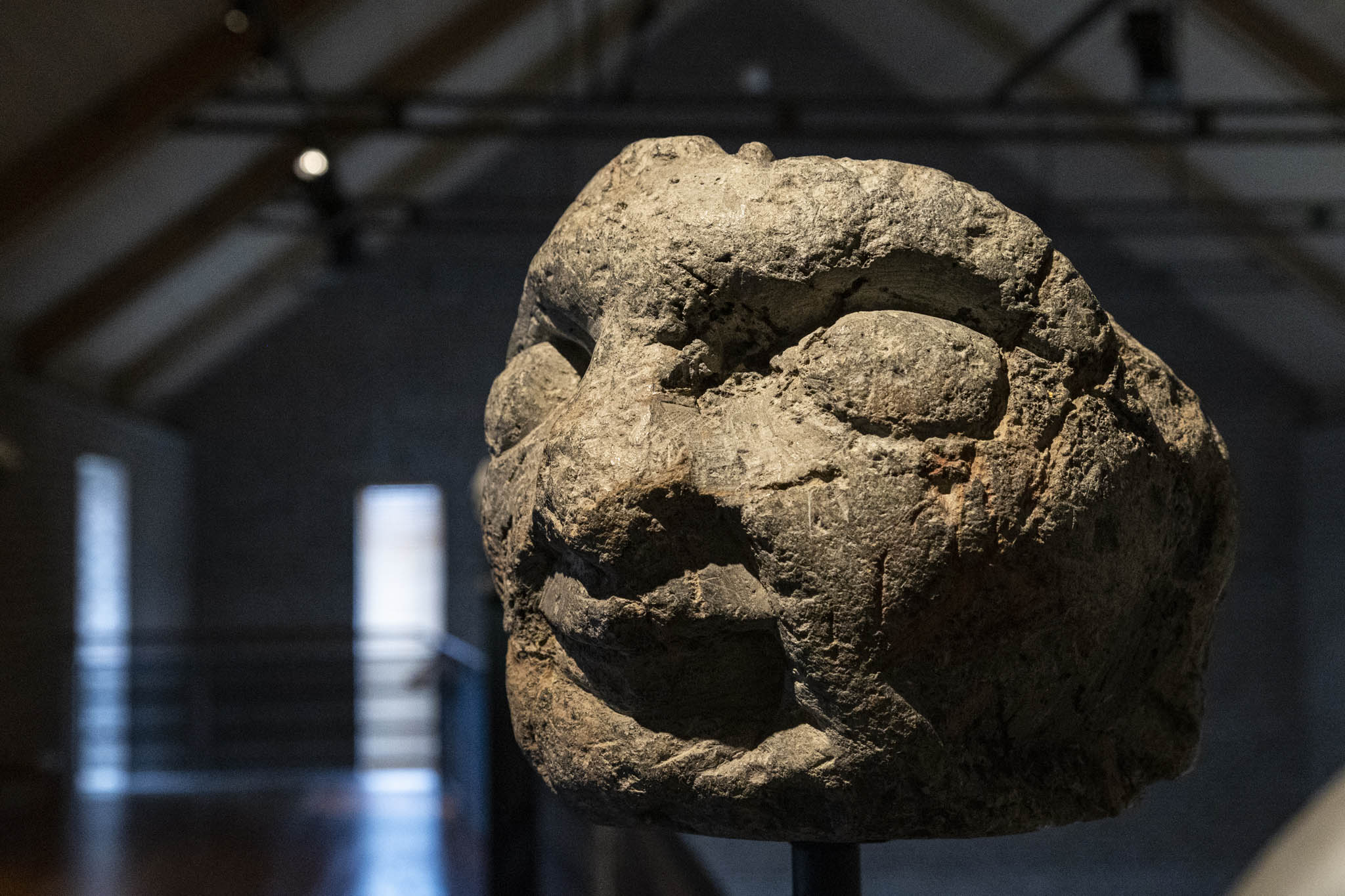
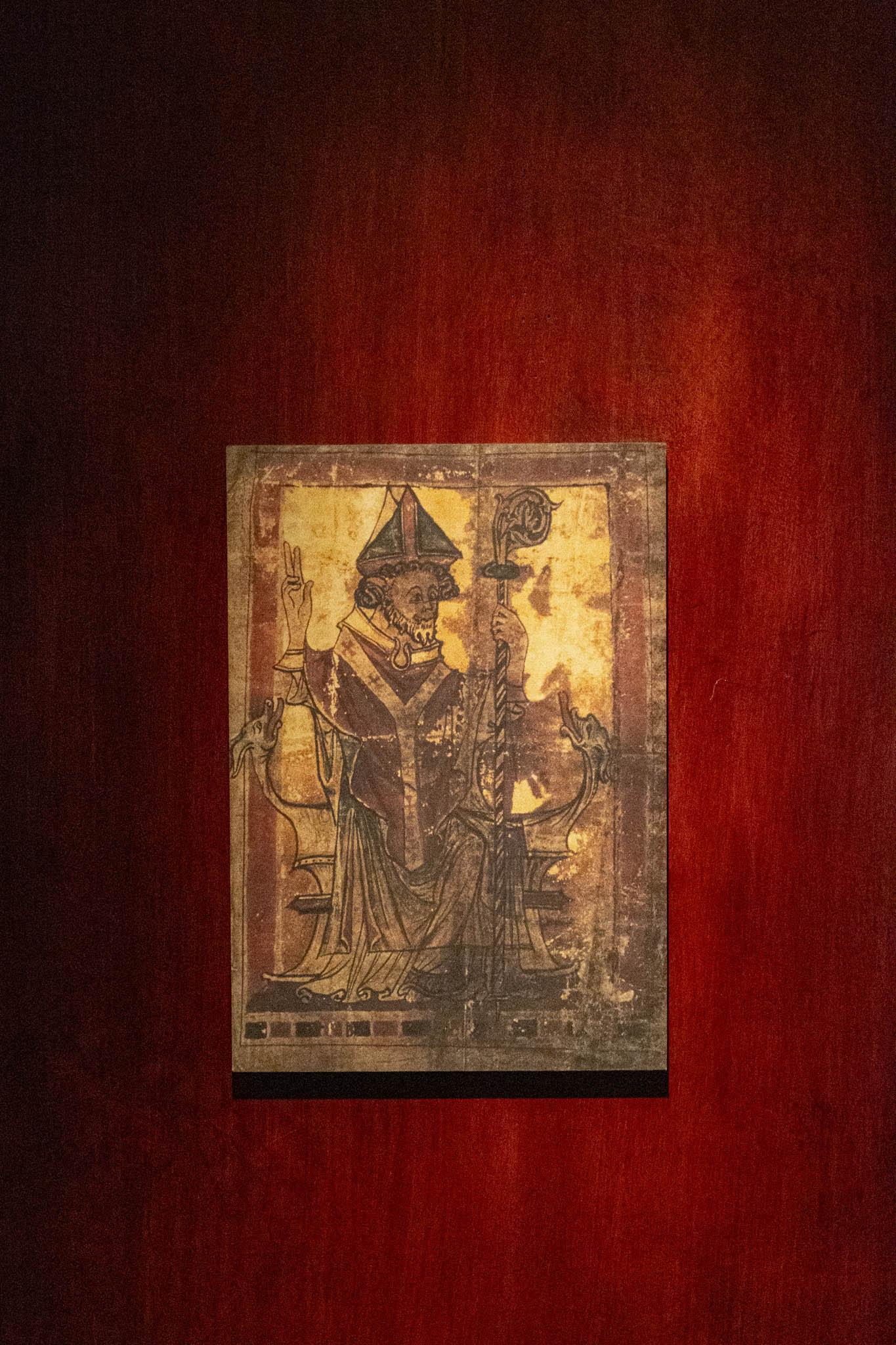
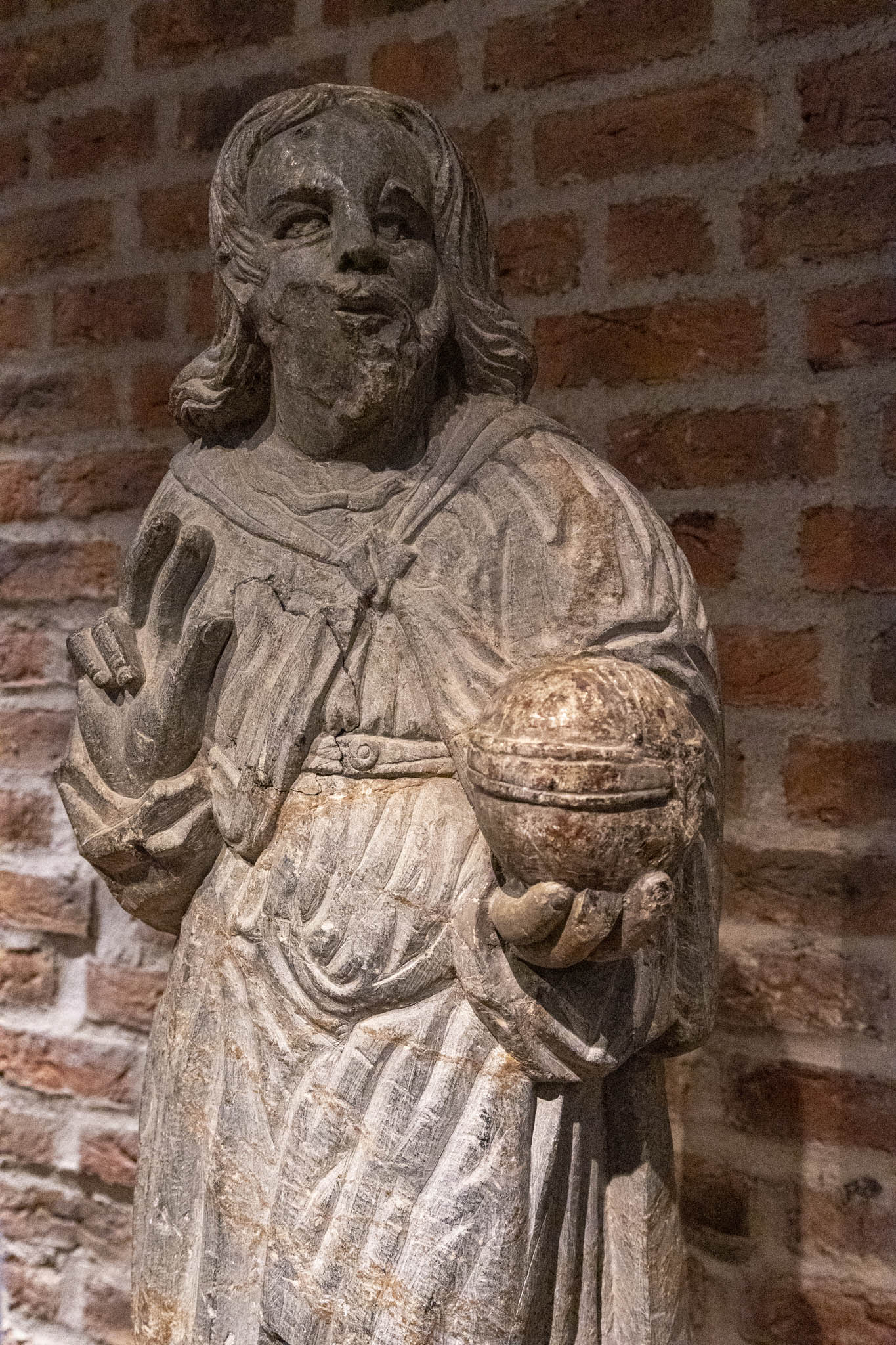
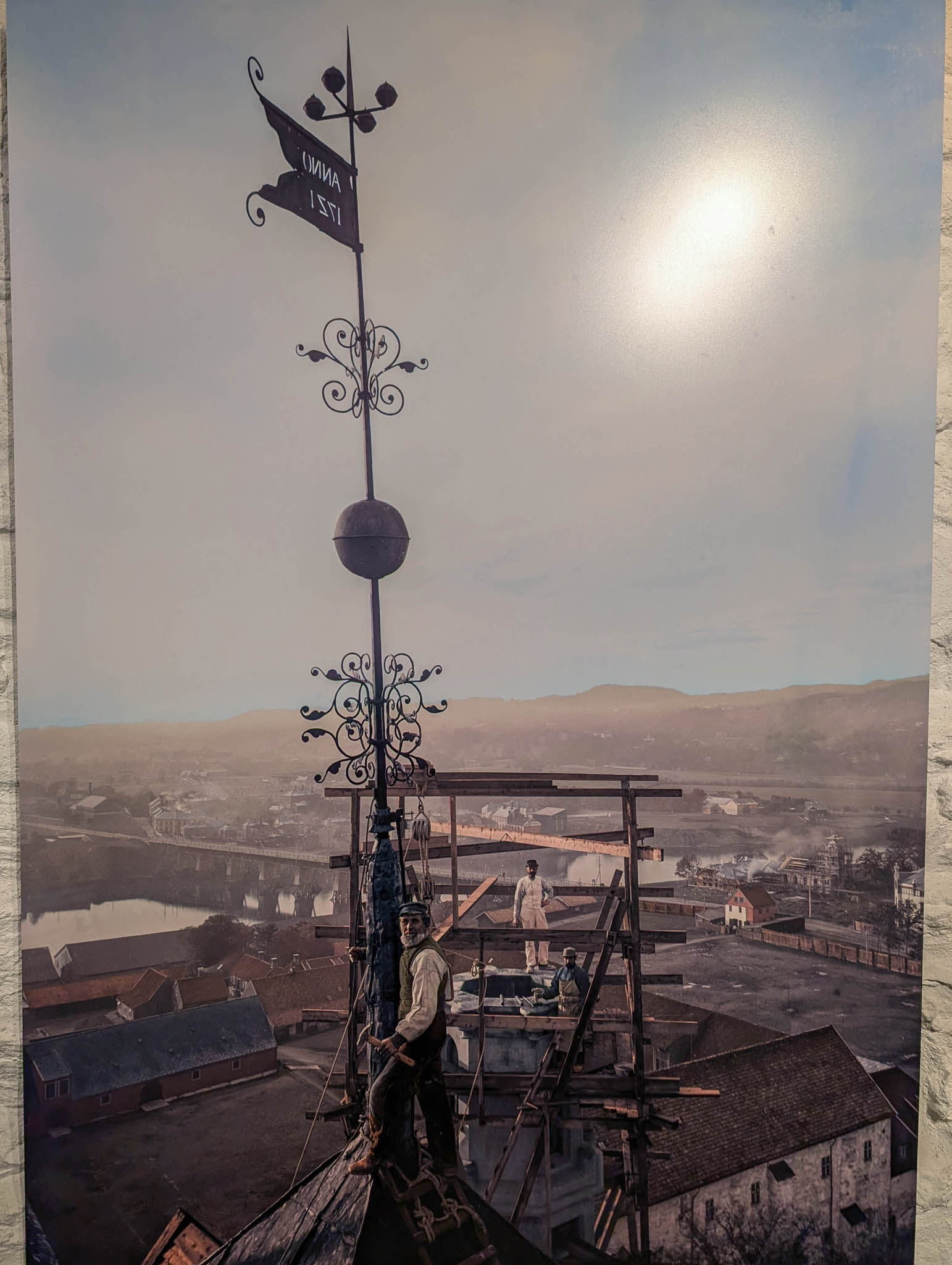
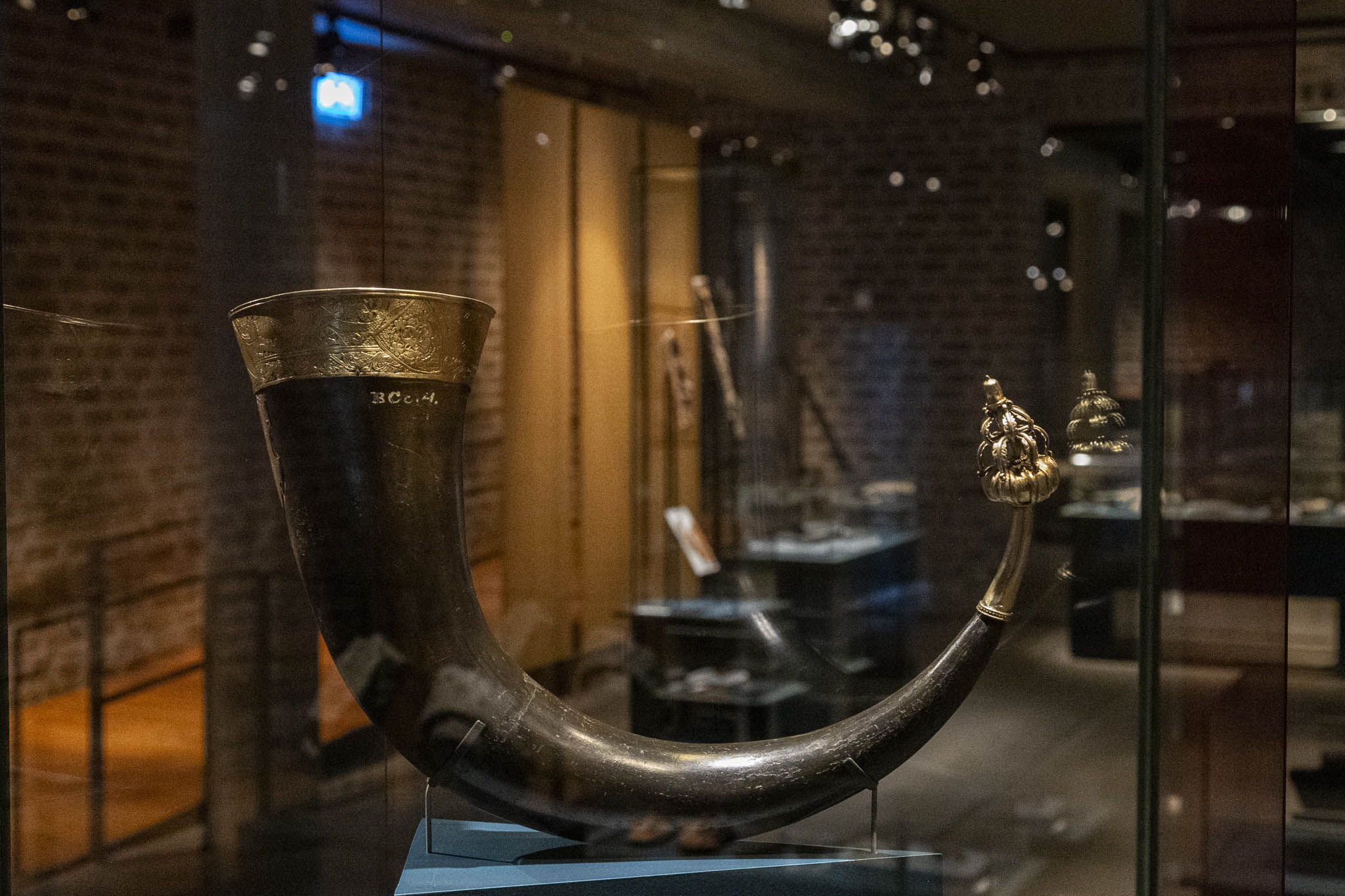
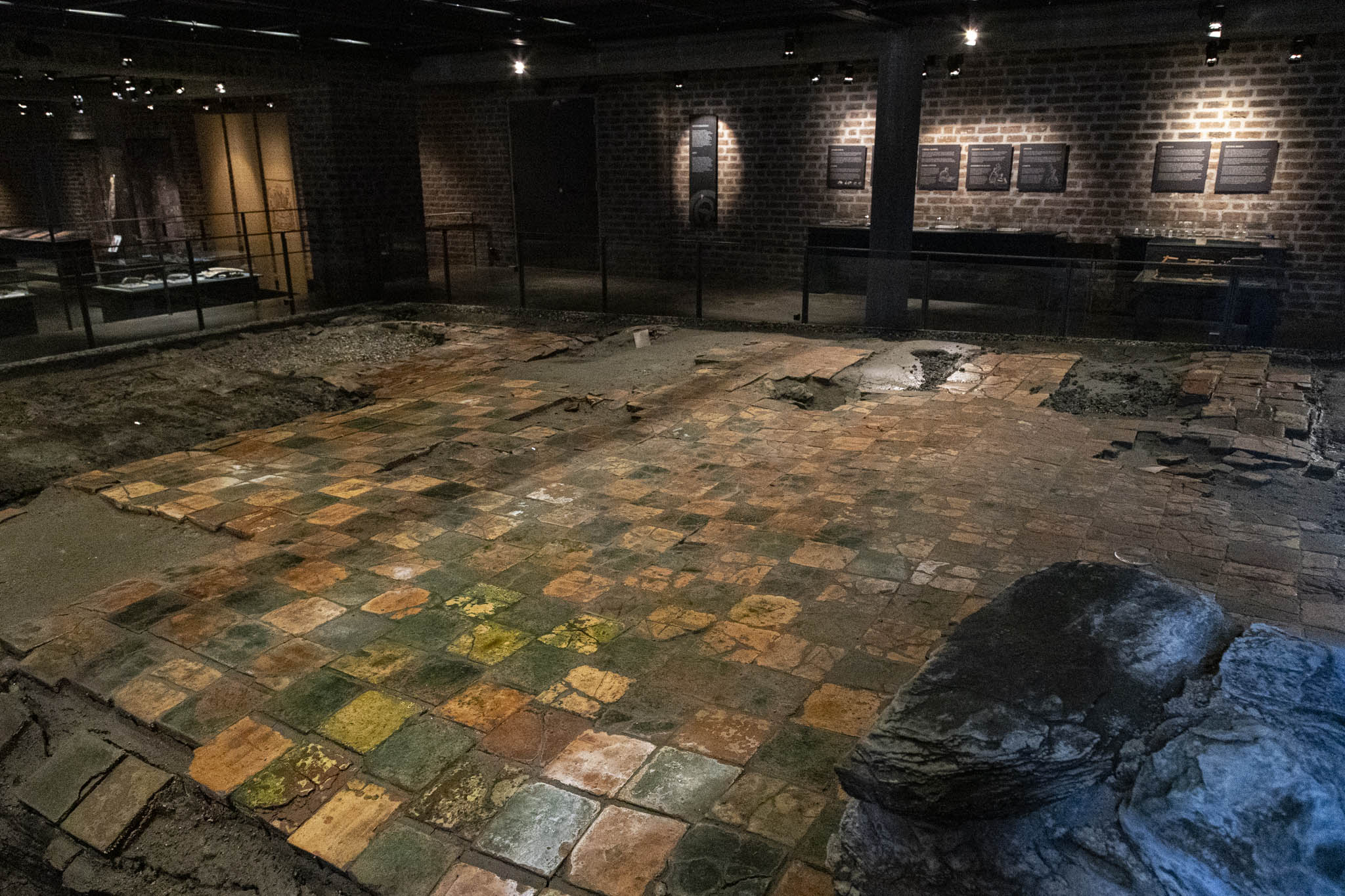
The last part of the museum that we visited was the mint, where some of the more valuable items were on display, but also part of the original, medieval, tiled floor, and that was probably the highlight of this place.
So, that’s what you get to see for a ticket that includes Nidaros Cathedral and two museums. If you’re not super-interested in archaeology and restoration work, and your main focus is on seeing the prettiest things and taking photos to make everyone you know jealous then you could perhaps limit yourself to just seeing the cathedral. For us, seeing all three places made sense and we’re glad we did so. We didn’t come away from here with a sense that we’d necessarily rush to visit them again any time soon, but they’re definitely worthy of one look.
In the next post in this 2025 Ambience cruise travelogue series we check out the state of Trondheim craft ale on a walk back to the port.