Arriving at the Norwegian port of Trondheim during our 2025 Ambassador Ambience cruise marked the first time on that trip that we’d hit a new port. As we headed further and further north up Norway’s coast it was also starting to get noticeably colder although there was still no sign of snow on the ground. That would change when next we’d make landfall.
Trondheim looked like it had plenty of things that would interest us, culturally and historically, so we’d decided not to book an excursion here and our intention was to head for some of those places we’d identified ahead of time on foot, with the ship likely to be docked close by. That was the case but on the day we discovered that there was a complimentary shuttle bus service into the city centre and opted to take that instead as we’ve been stung before by thinking something was a short, easy walk only to grossly underestimate it. We would end up walking back later in the day and Trondheim is actually a largely flat, reasonably easy city to traverse on foot, even for people as generally unfit and prone-to-injury as us.
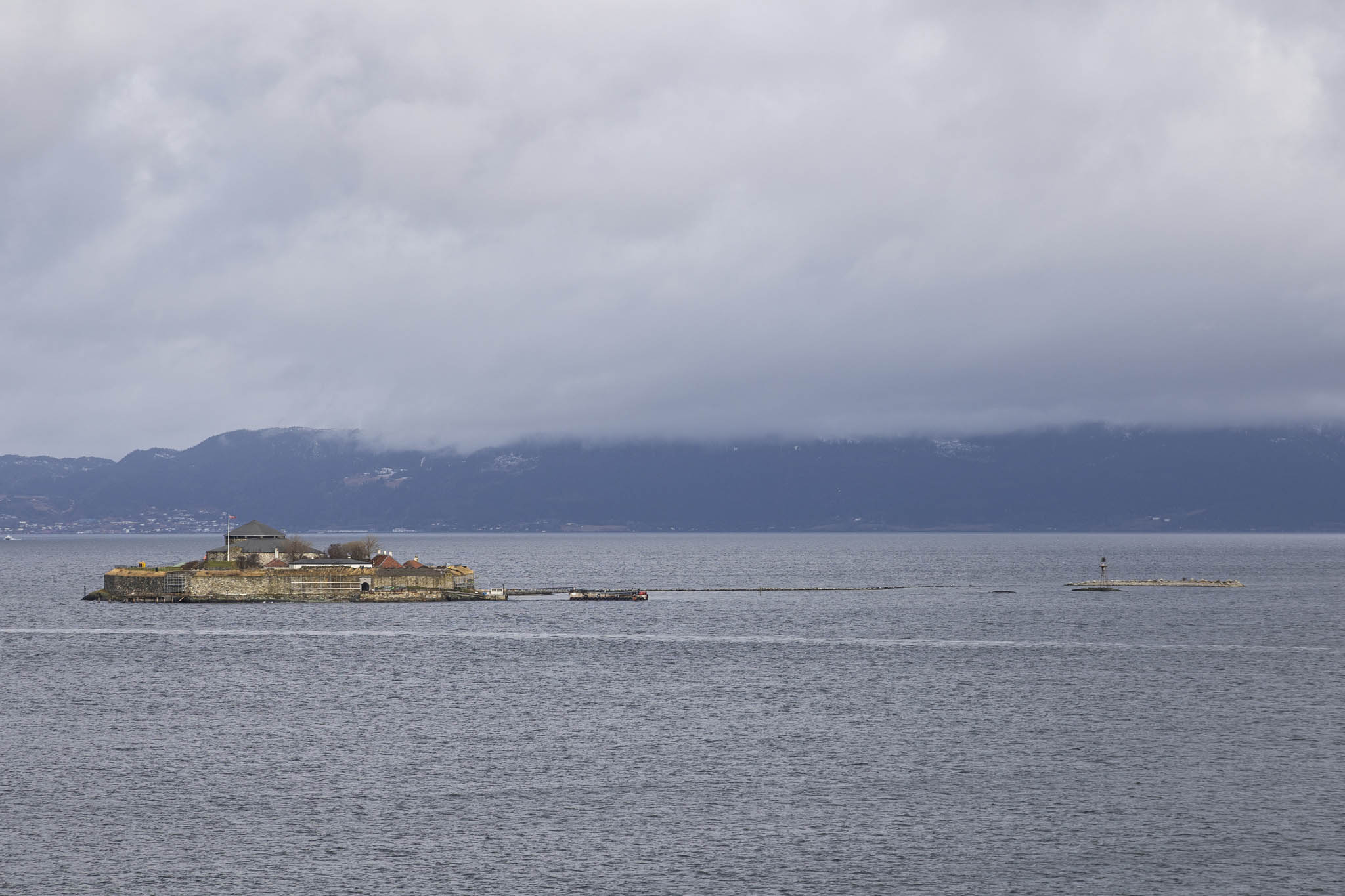
From our balcony on Ambience we could see across the water to a small island, Munkholmen. It’s apparently a popular tourist site here in Trondheim with a history that includes being a site of execution (with severed heads placed on poles to warn people), then a Benedictine monastery, a fort and prison, and finally the site of air defences used by the Germans during their occupation in World War II to protect the submarine base they’d built in the city. In fact, the submarine base had been on our list of places to visit while in Trondheim but we skipped it on this occasion, not being sure we’d have enough time to make our way there. We would have, and it’s on the list for one of the times when we’re due to return, either in 2027 or 2028.
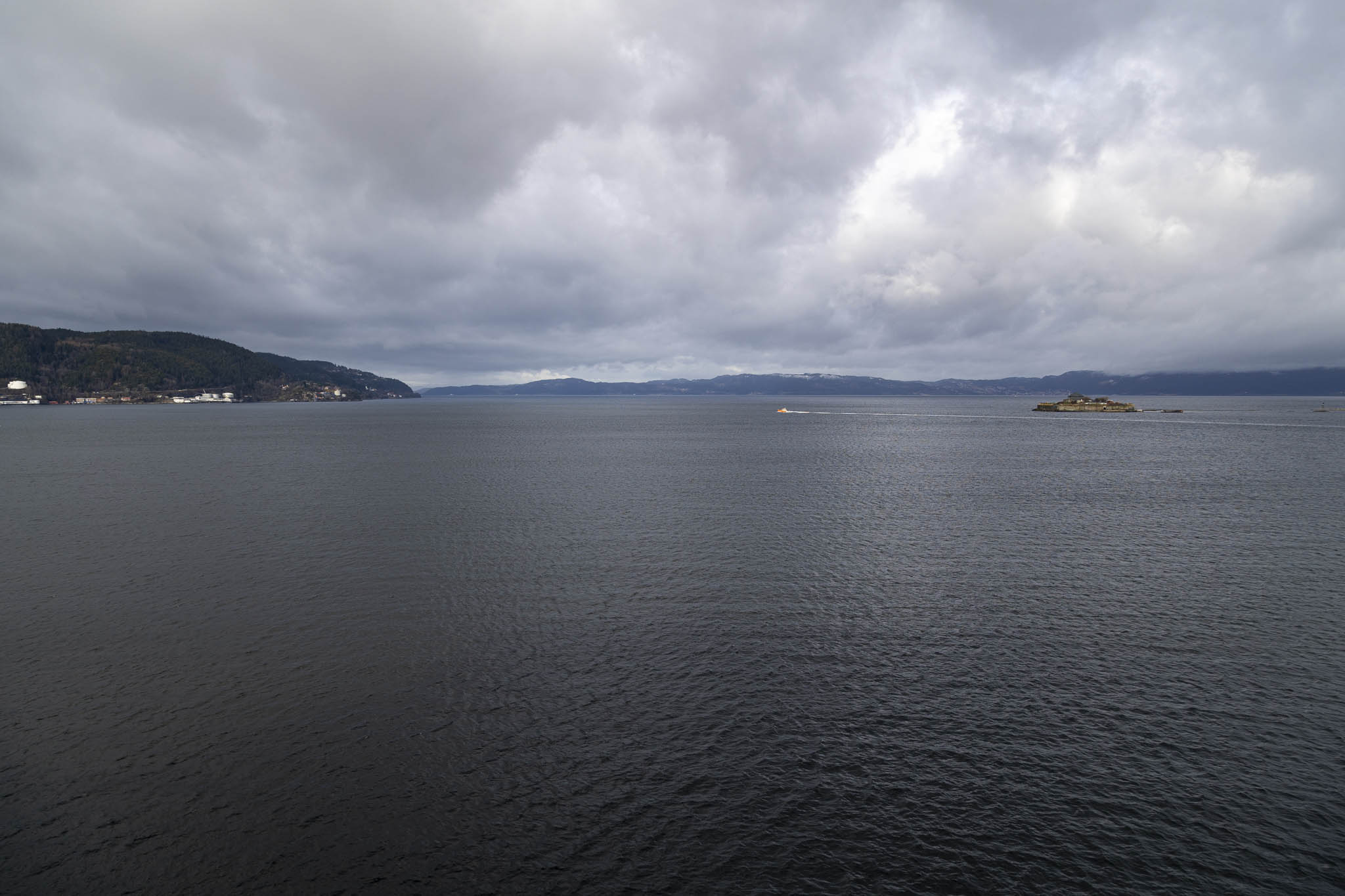
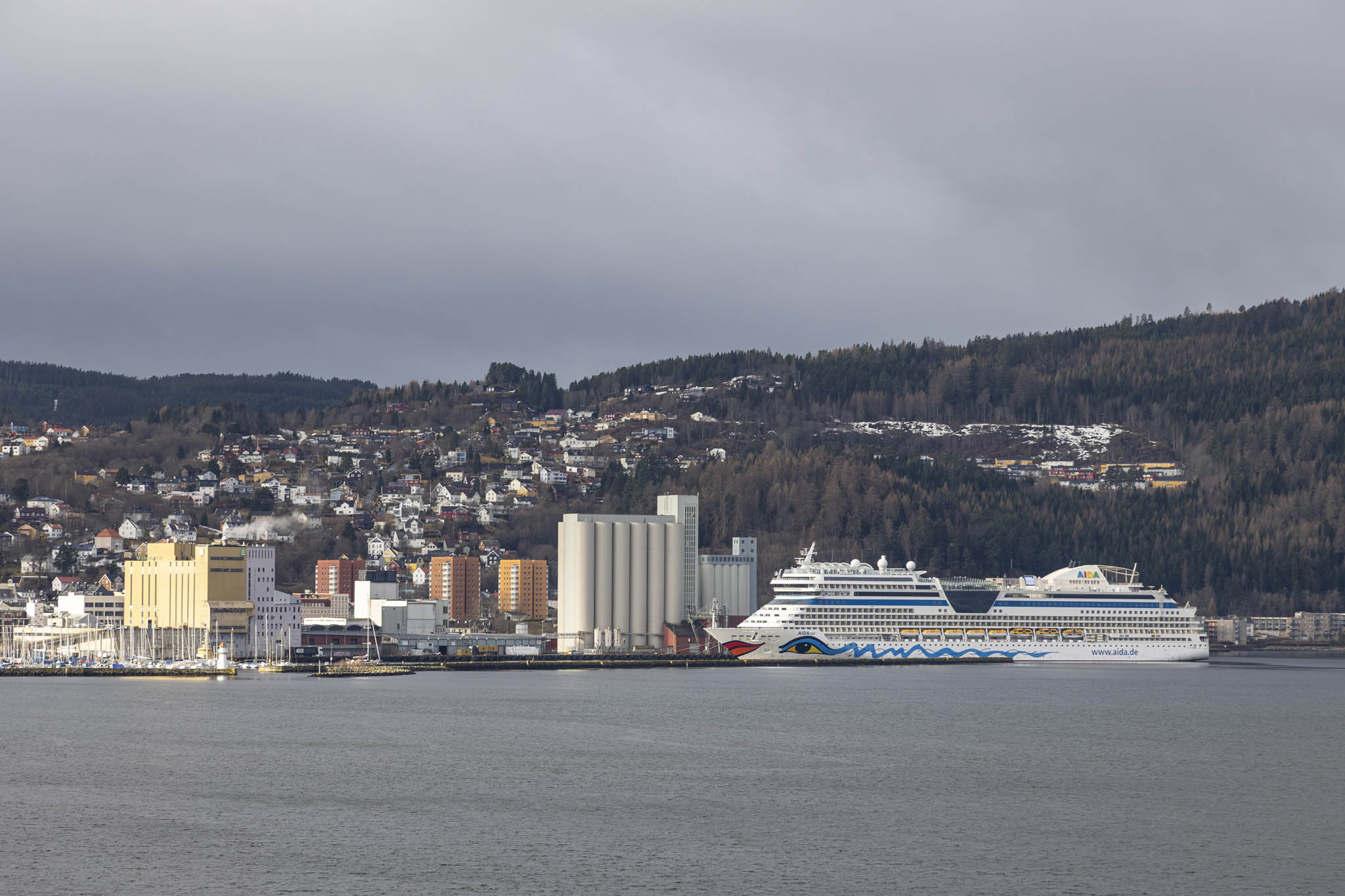
Ambience had the main cruise port berth on our visit to Norway but another ship was visiting on that day, AIDAsol, and she was given the secondary berth a little further away from the main part of the city.
The free shuttle bus dropped us off near the city centre, although I don’t quite recall where. We’d earmarked a half dozen or so places we were interested in potentially visiting. as I’ve said, but with four of them in close proximity to each other and all less than five minutes’ walk away, that’s the direction we headed.
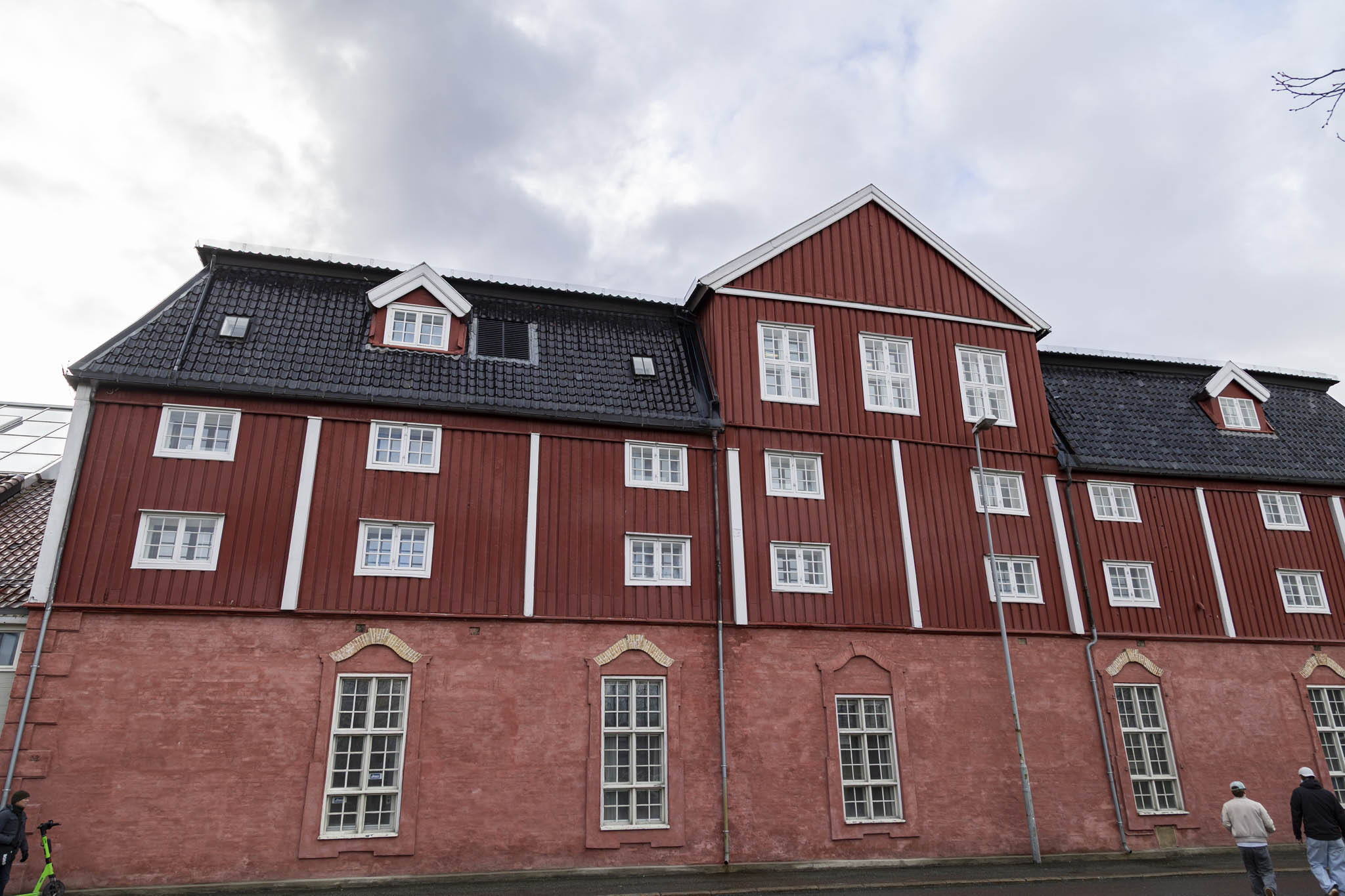
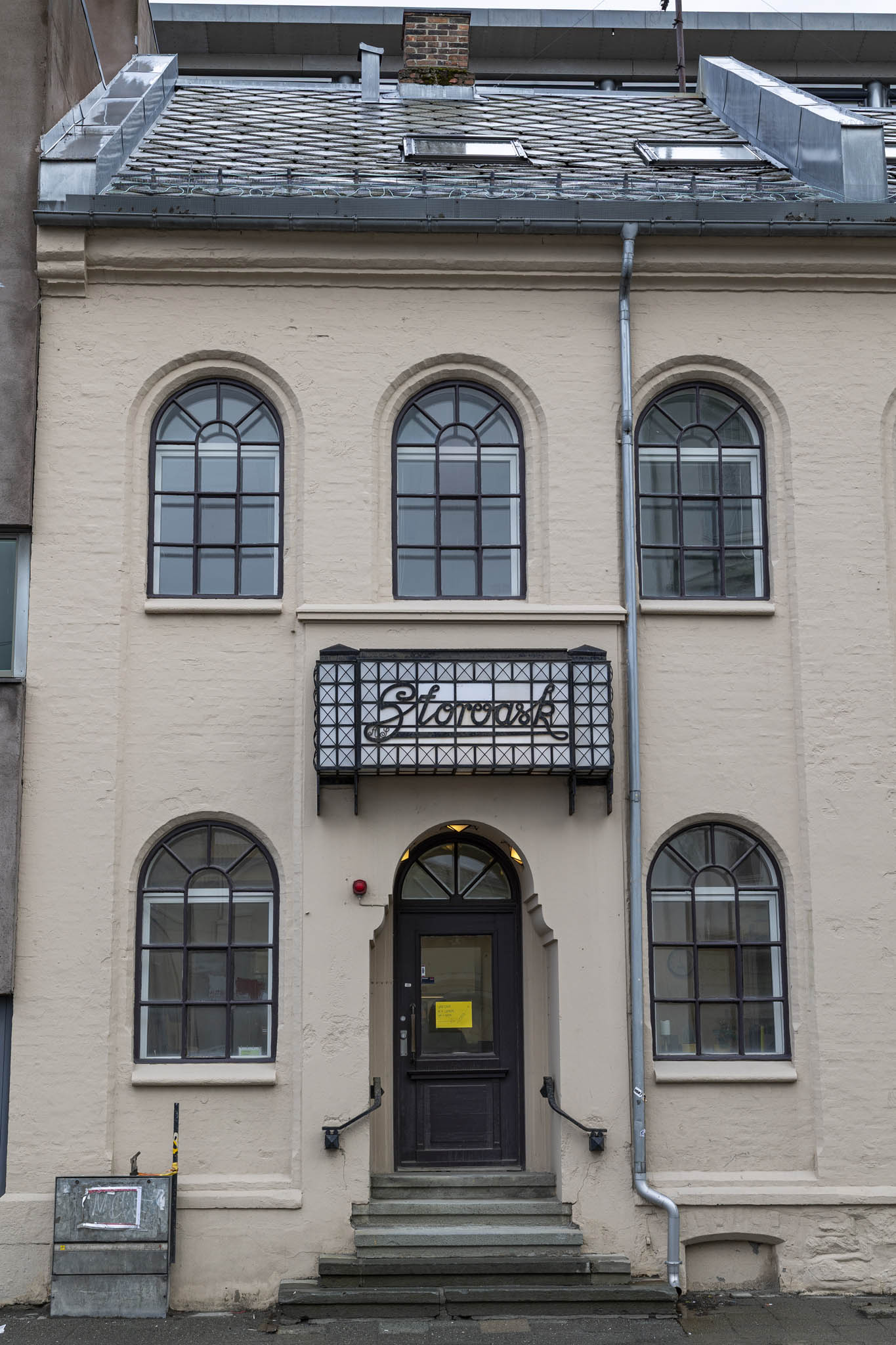
The first place we stopped – and this will come as no surprise to you if you’ve read the title of this post or been looking for it on the web and somehow actually ended up here despite modern search engines’ best efforts to stop all that in favour of invented garbage summaries – was the Trondheim Art Museum, or Kunstmuseum if you’re feeling reckless and not afraid of accidentally swearing in front of Norwegians.
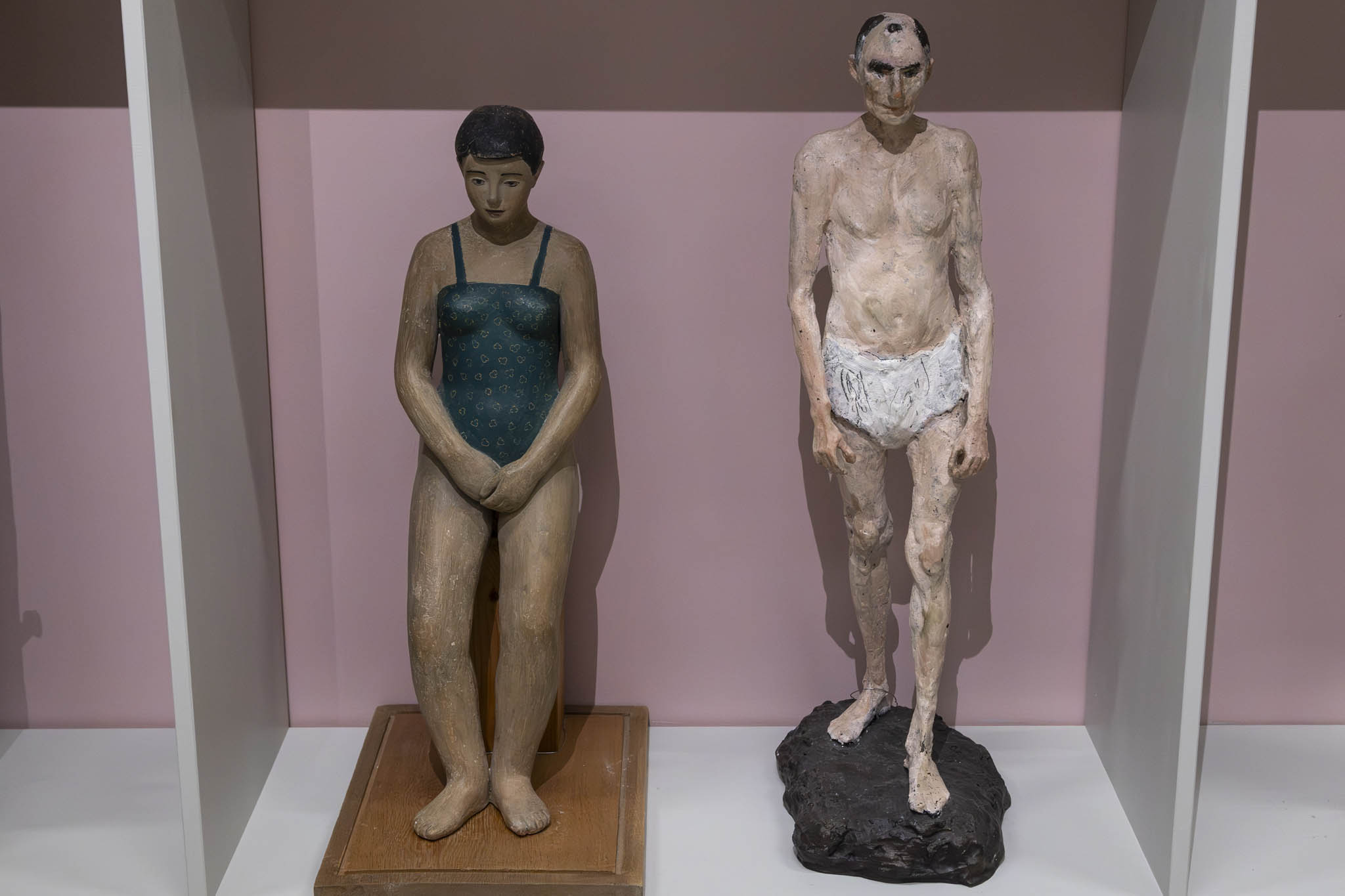
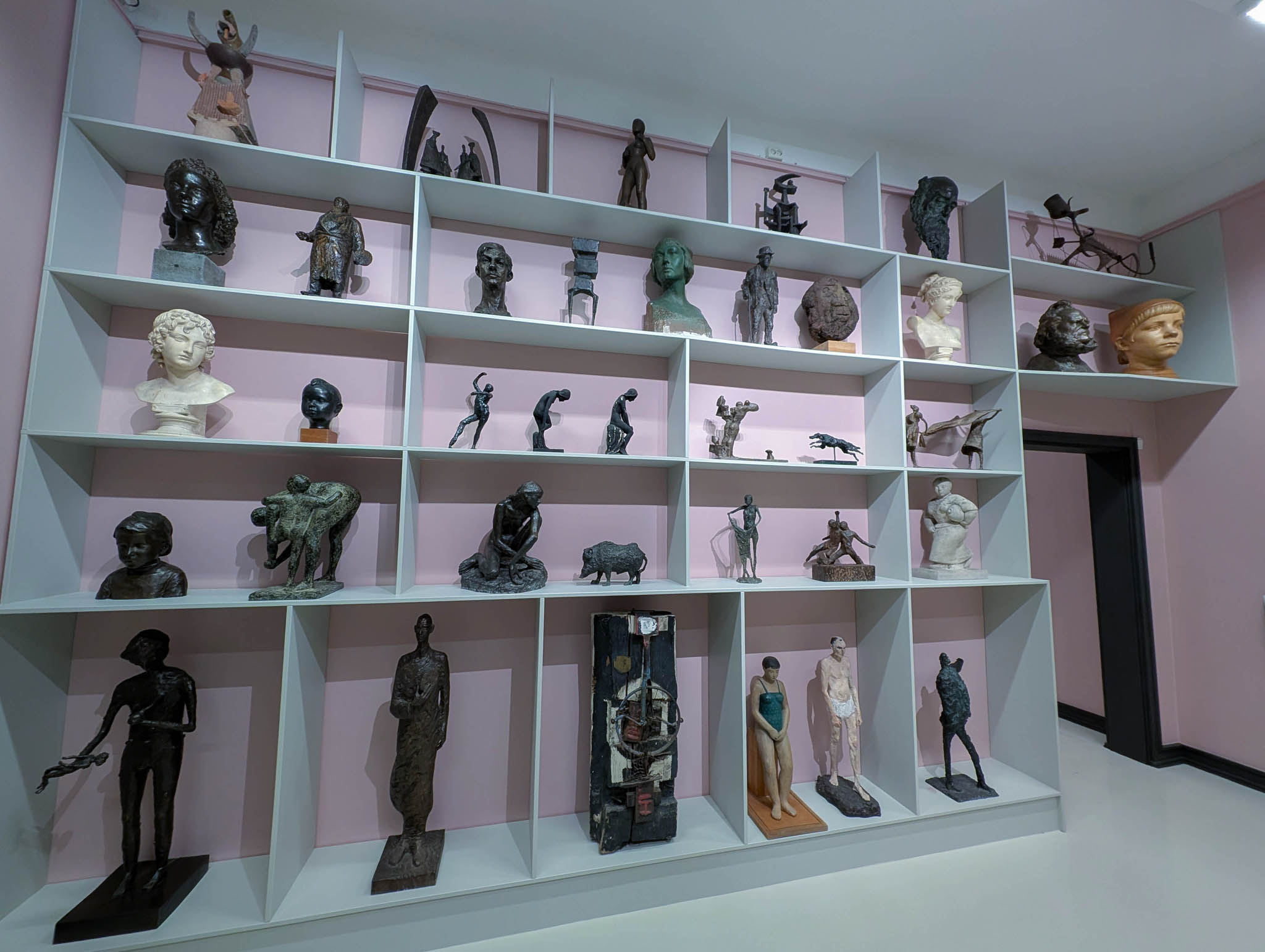
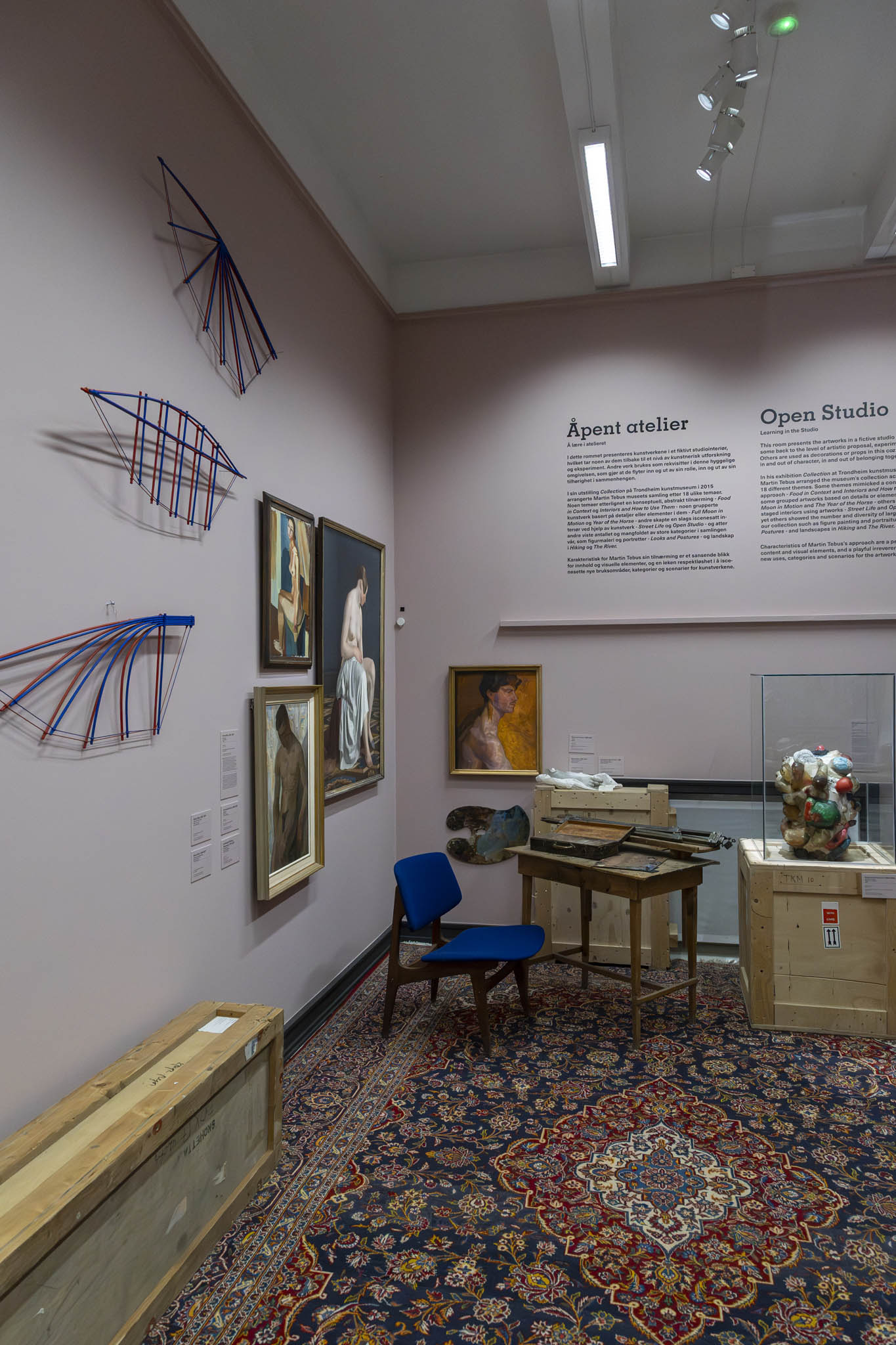
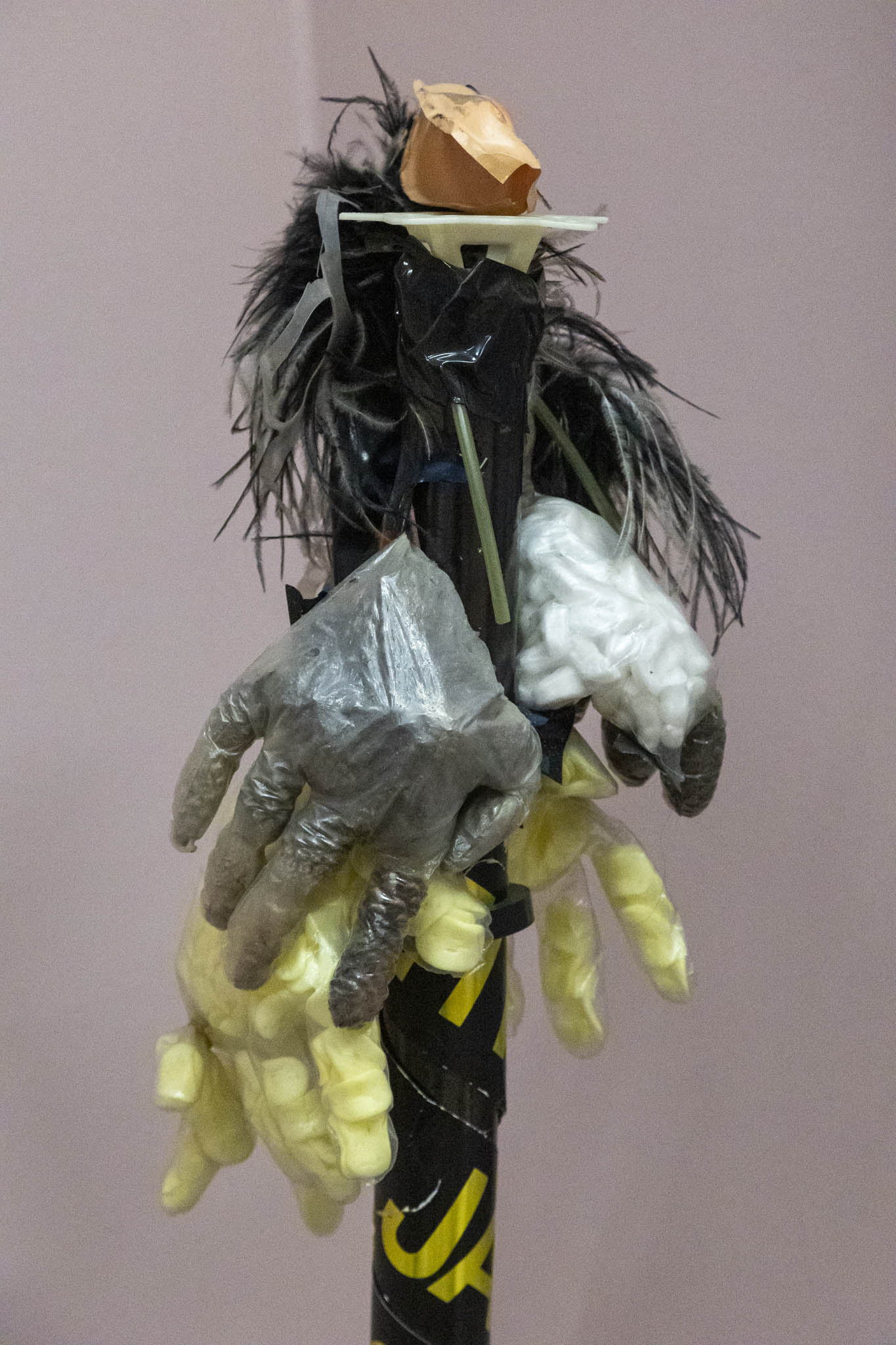
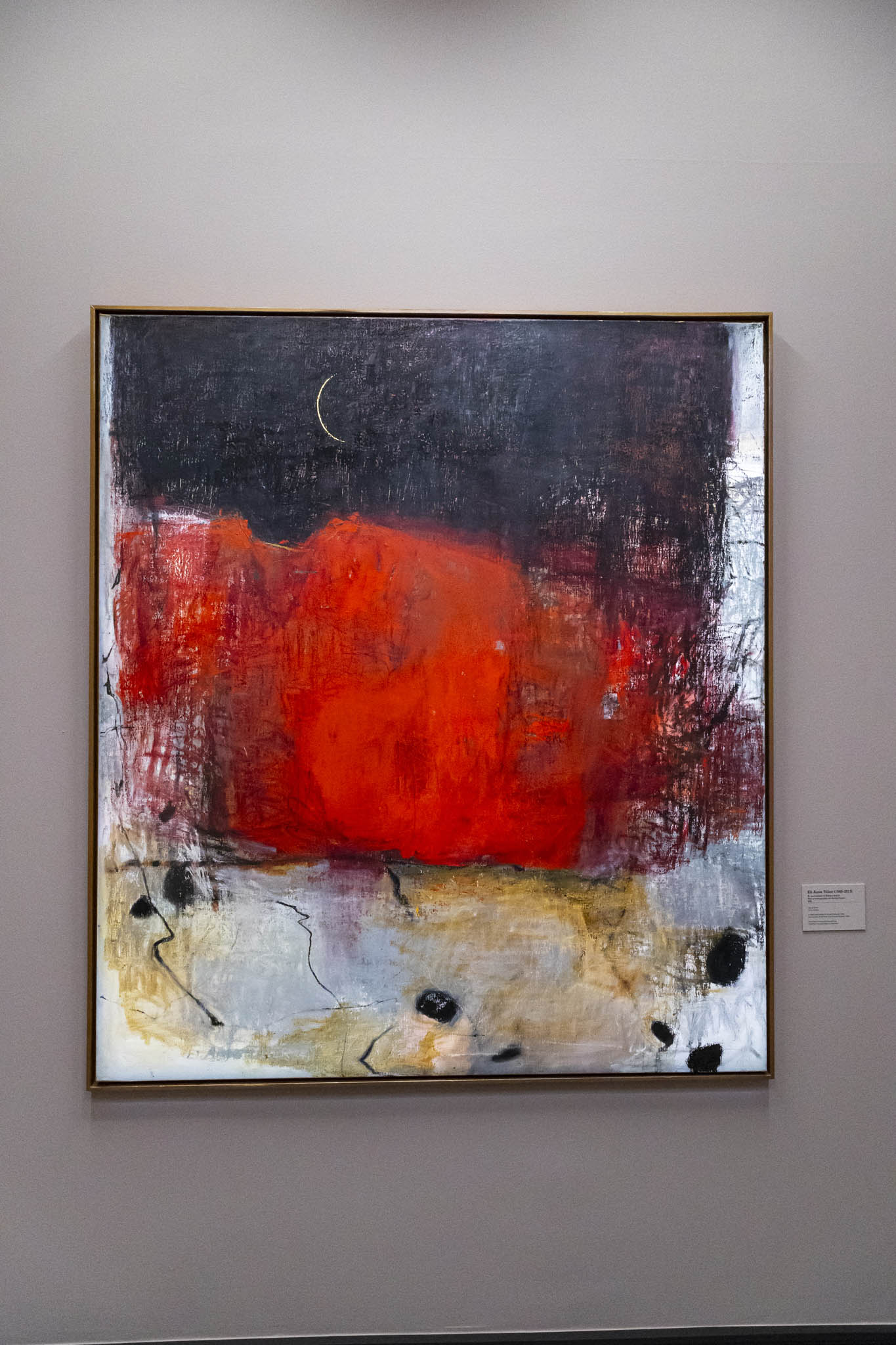
The museum housed a mix of classic and modern art, in a mix of media styles. There’s not a lot to really say about the art museum because the works there will change periodically, and you’re either going to like some of what you see or you won’t. I don’t think anyone can ever truly say they will definitely love everything in a place like this or that they will hate it all without actually seeing it with an open mind. There were pieces we enjoyed and pieces that did little for us, but there were some standout items and I’ll point out a couple of those amongst the photos from the museum below.
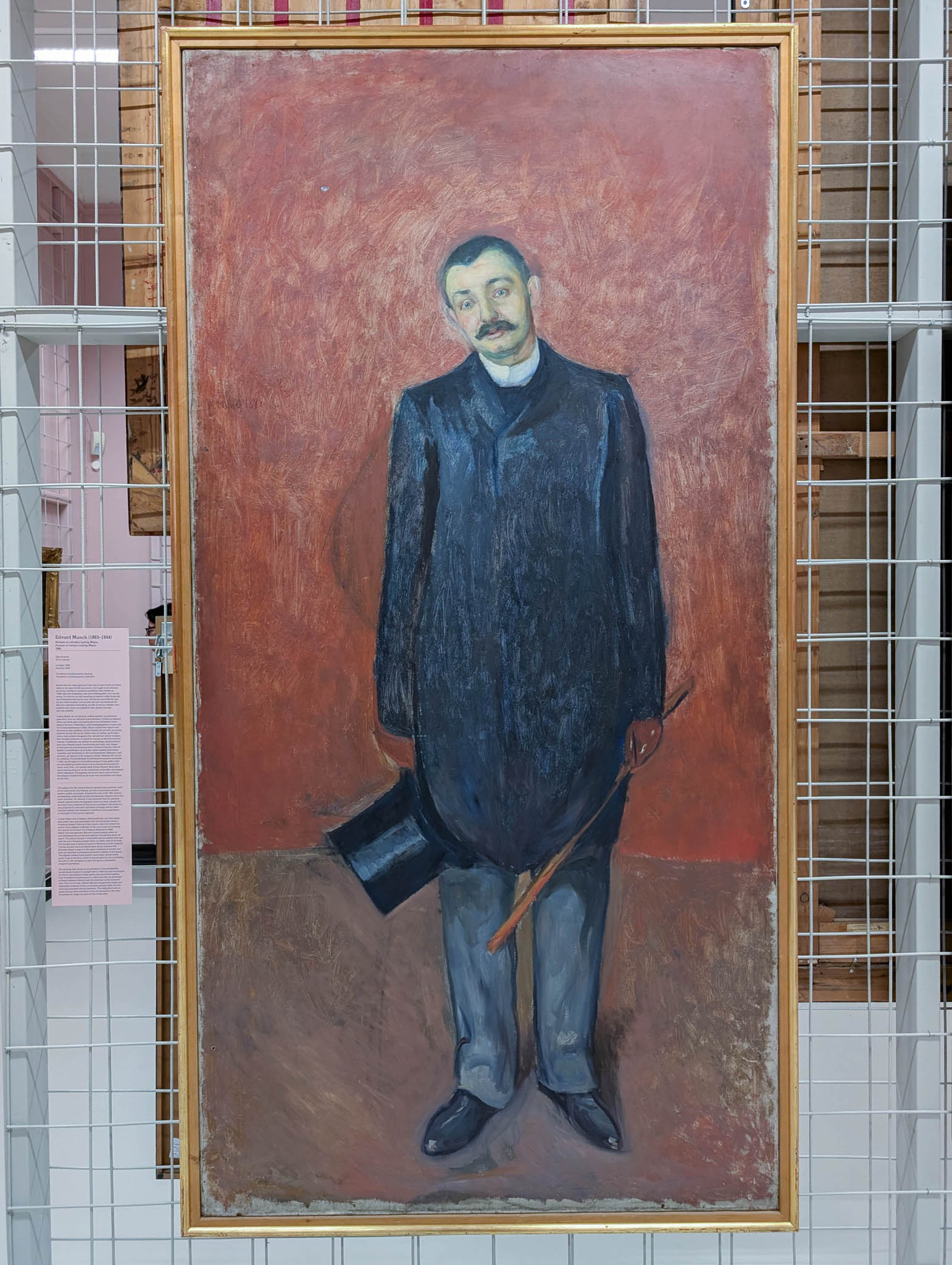
Portrait of Solicitor Ludvig Meyer below, painted in 1892, was notable for being by Edvard Munch. It’s always nice to see other artwork from an artist typically known for one or two more famous pieces, and it’s great when you can get up close to something like this.
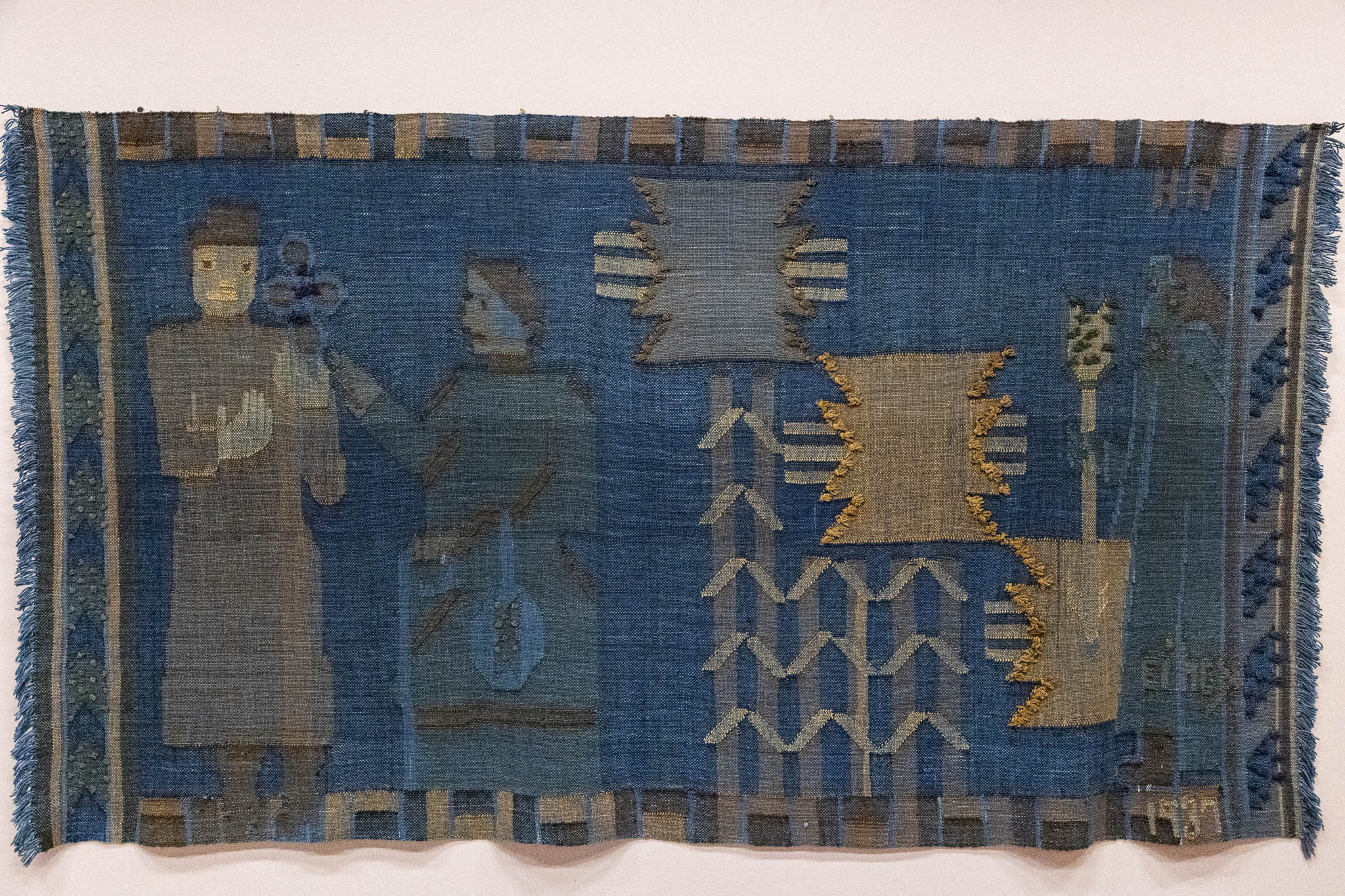
We liked the tapestry below because its simple form reminded us of a primitive-style, abstract artwork we picked up in Chile several years earlier. The work is called Ei Heks and it’s by Swedish-born feminist artist, Hannah Ryggen, whose art was often anti-fascist in nature. At the 1937 Exposition Internationale in Paris one of Hannah’s pieces, Ethiopia, was displayed next to Picasso‘s famous work, Guernica, but part of the tapestry was covered by a sheet as it depicted a spear piercing the head of Mussolini.
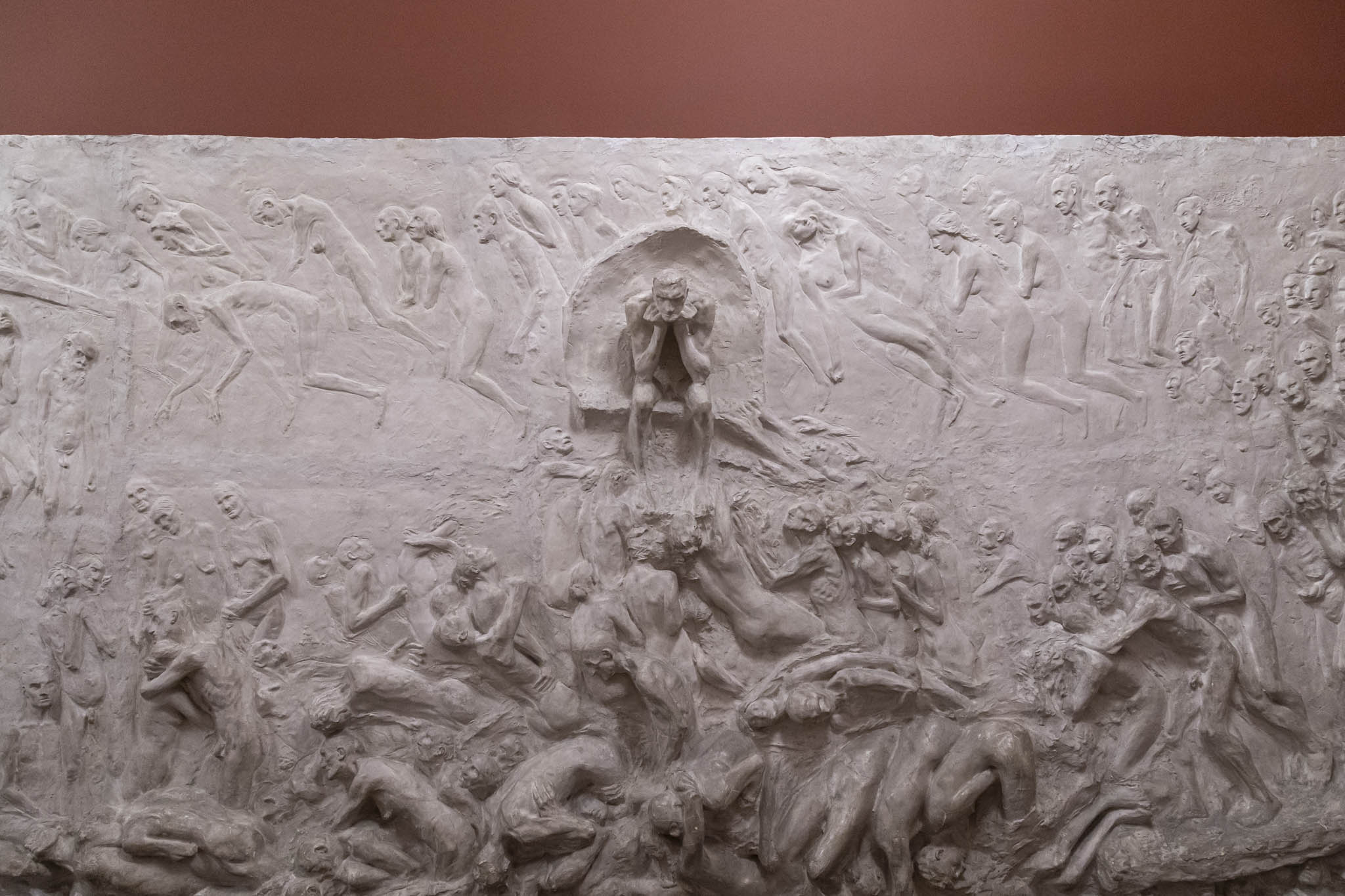
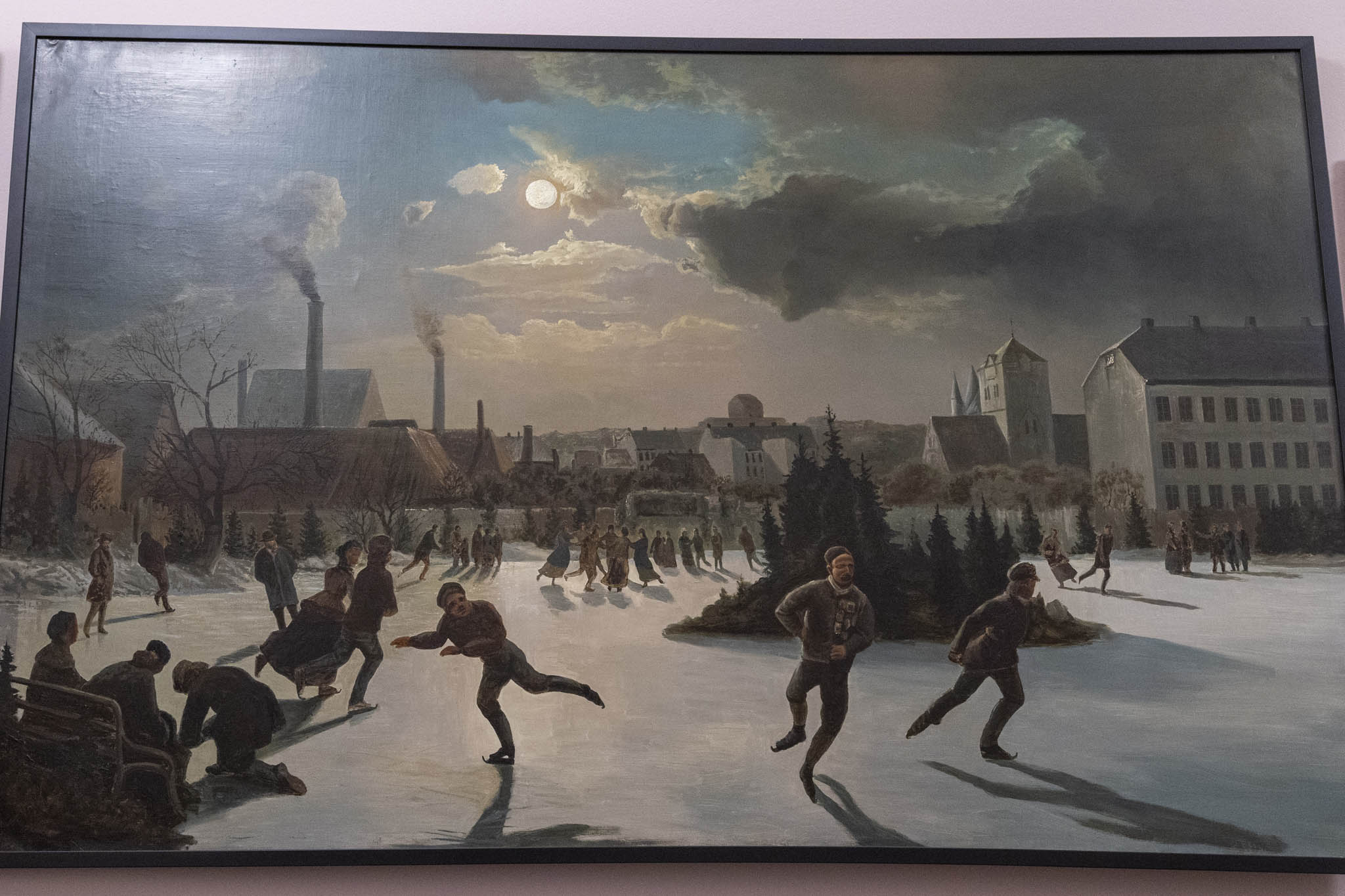
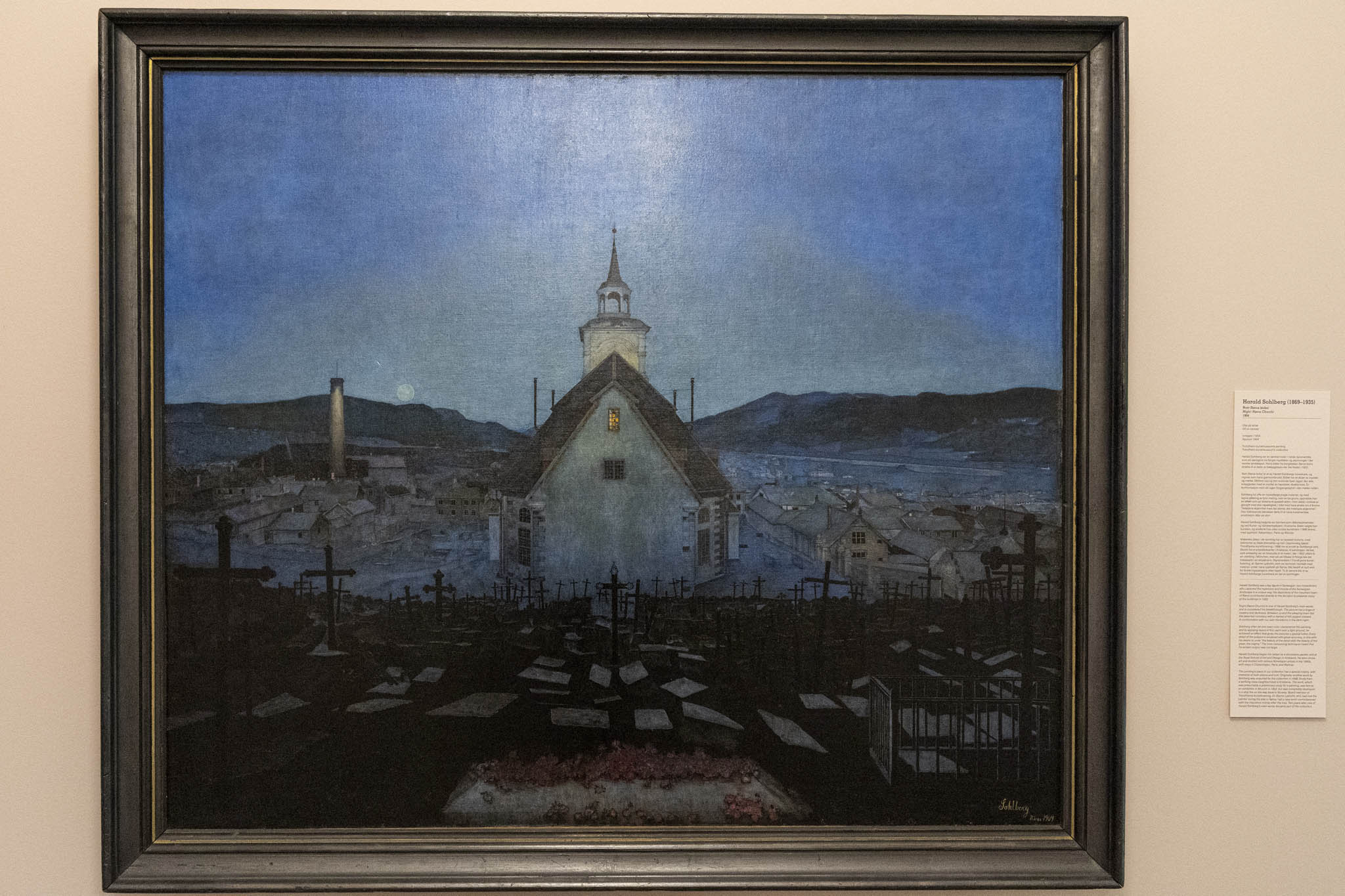
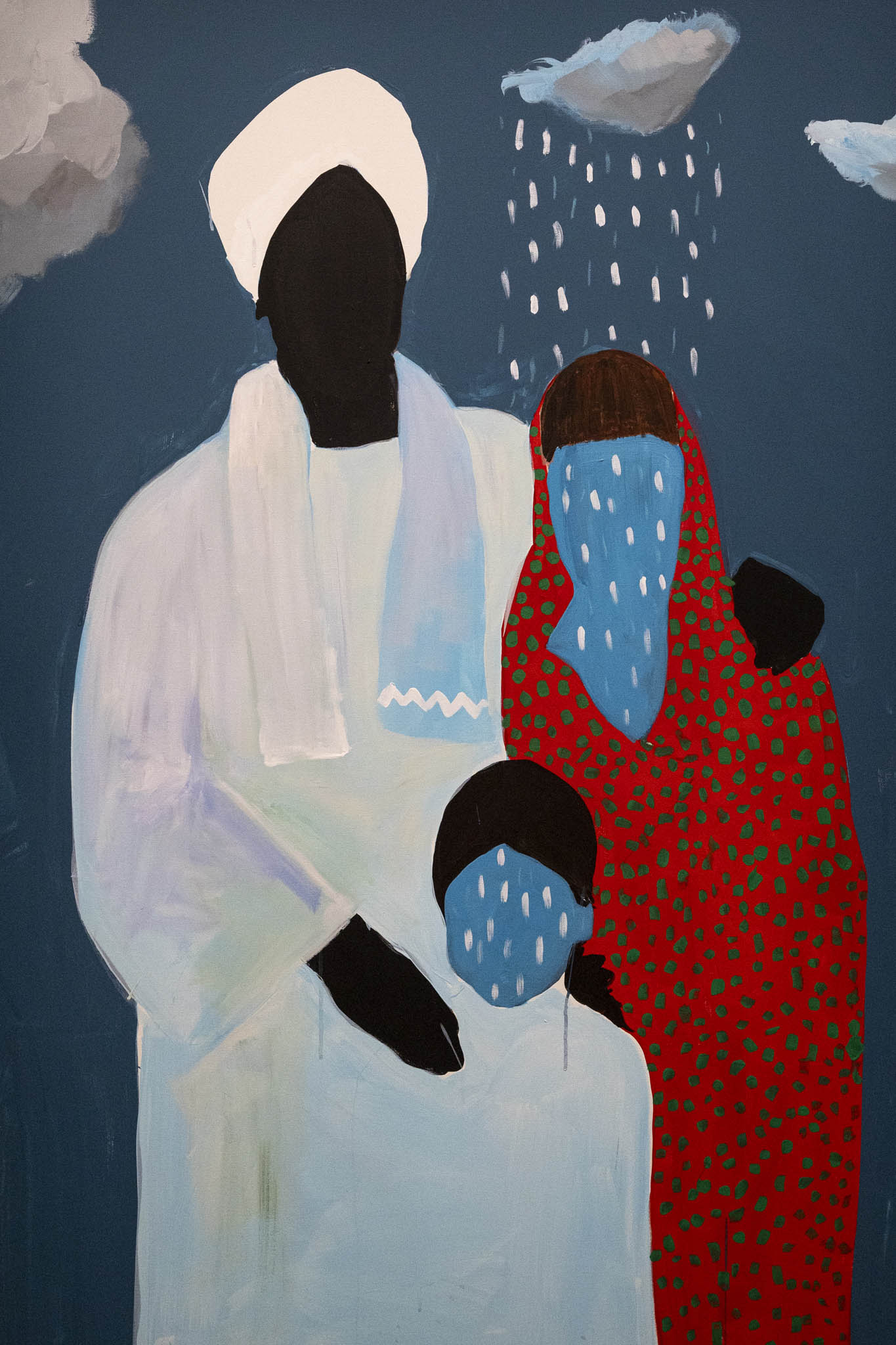
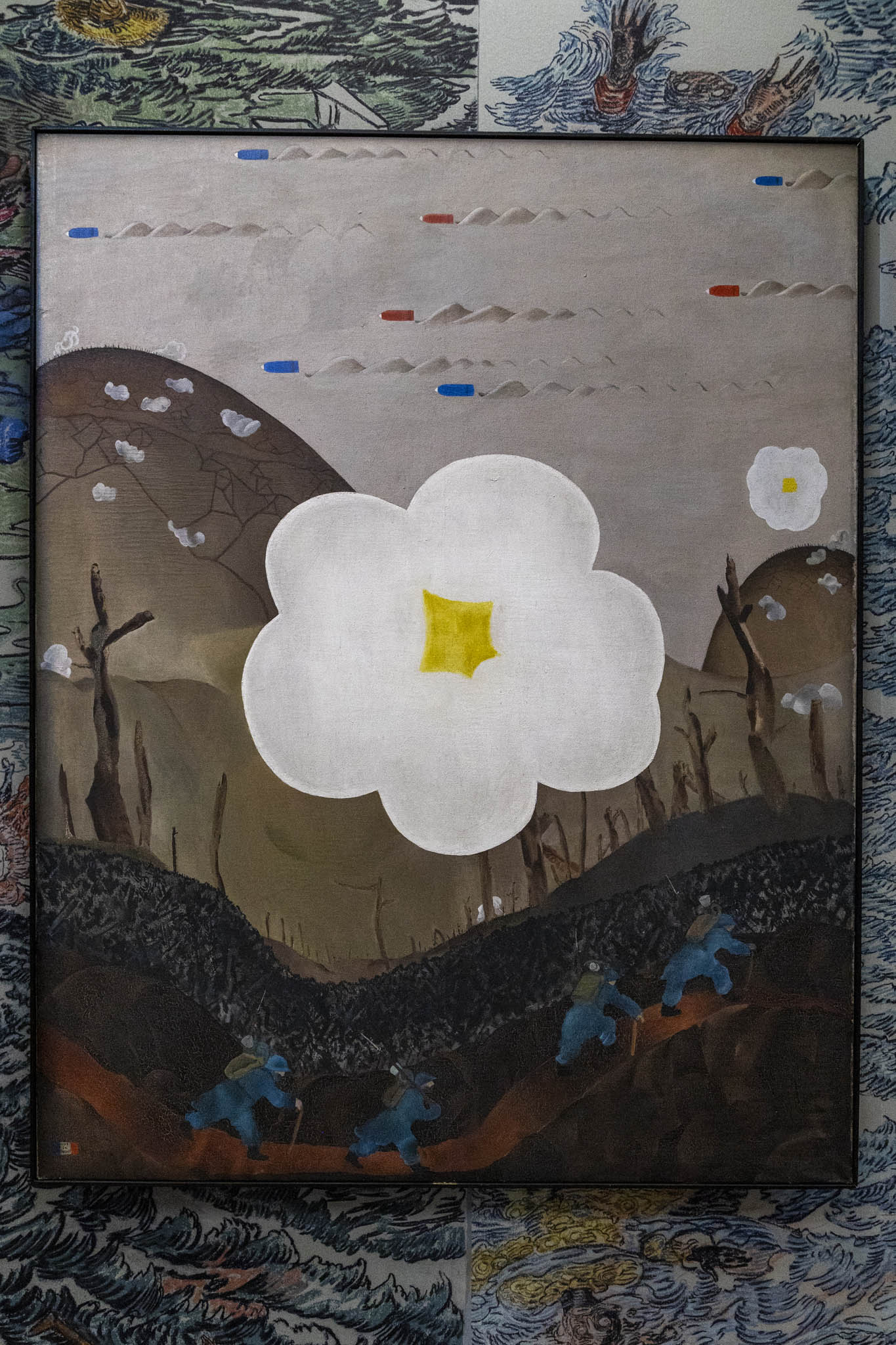
There was a room filled with war-themed art that I found very evocative. I’ve no idea how much of it is part of a permanent exhibition or how much was temporary and I spent more time looking at the details of artworks there than anywhere else.
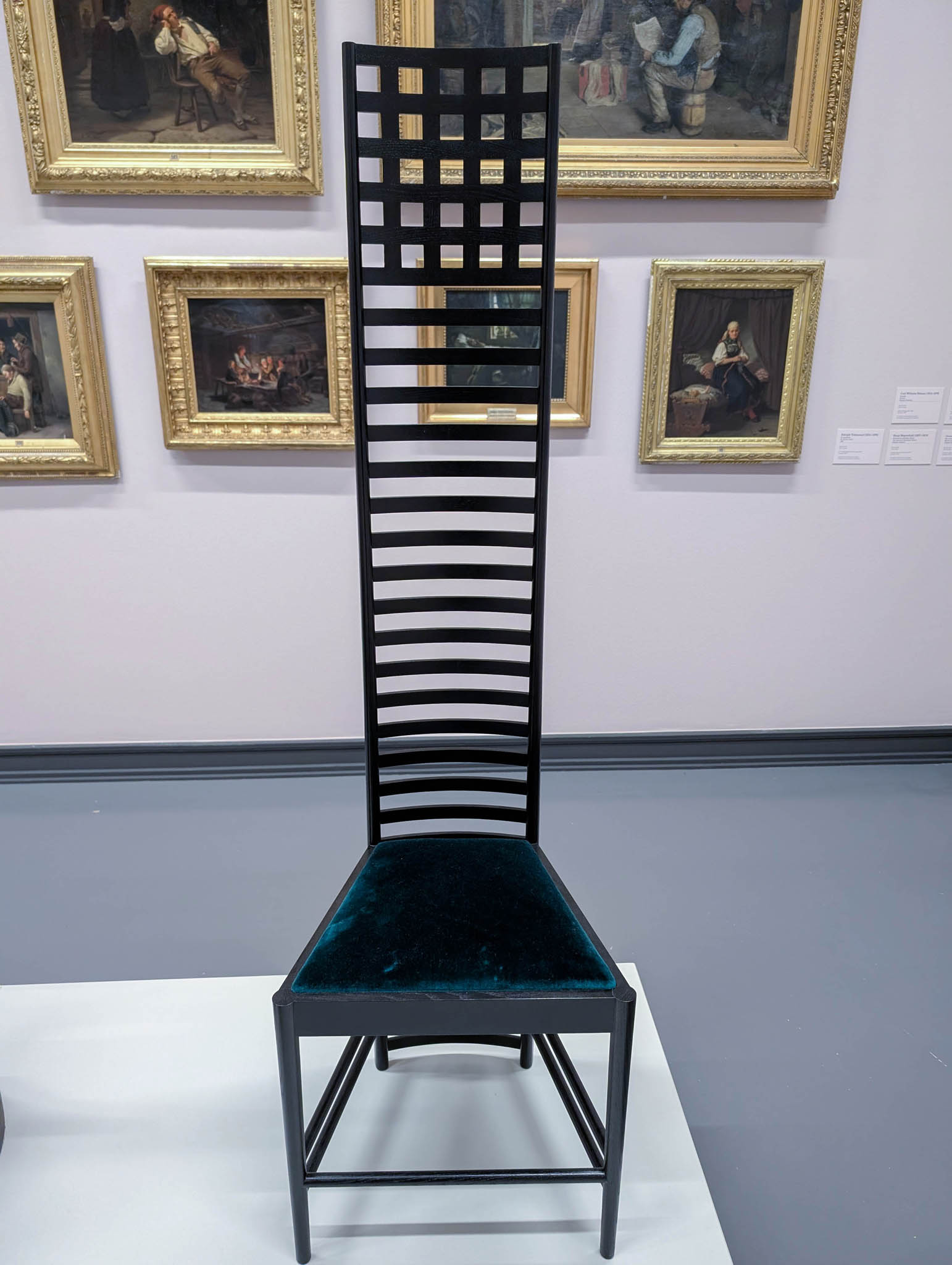
One of our favourite pieces on display in the Trondheim Art Museum was a Hill House chair by Charles Rennie Mackintosh. A classic design piece, and nice to see something with an Art Nouveau connection again given that we’d just come from Ålesund which was awash with the style.
Trondheim Art Museum wasn’t huge but it had some lovely pieces. Whether you’d like it or not really depends on the sort of person you are and what’s actually on display on the day, but we enjoyed our visit.
In the next part of this series we pop around the corner and check out the cathedral and a couple of other museums in Trondheim, because you can never visit too many museums.