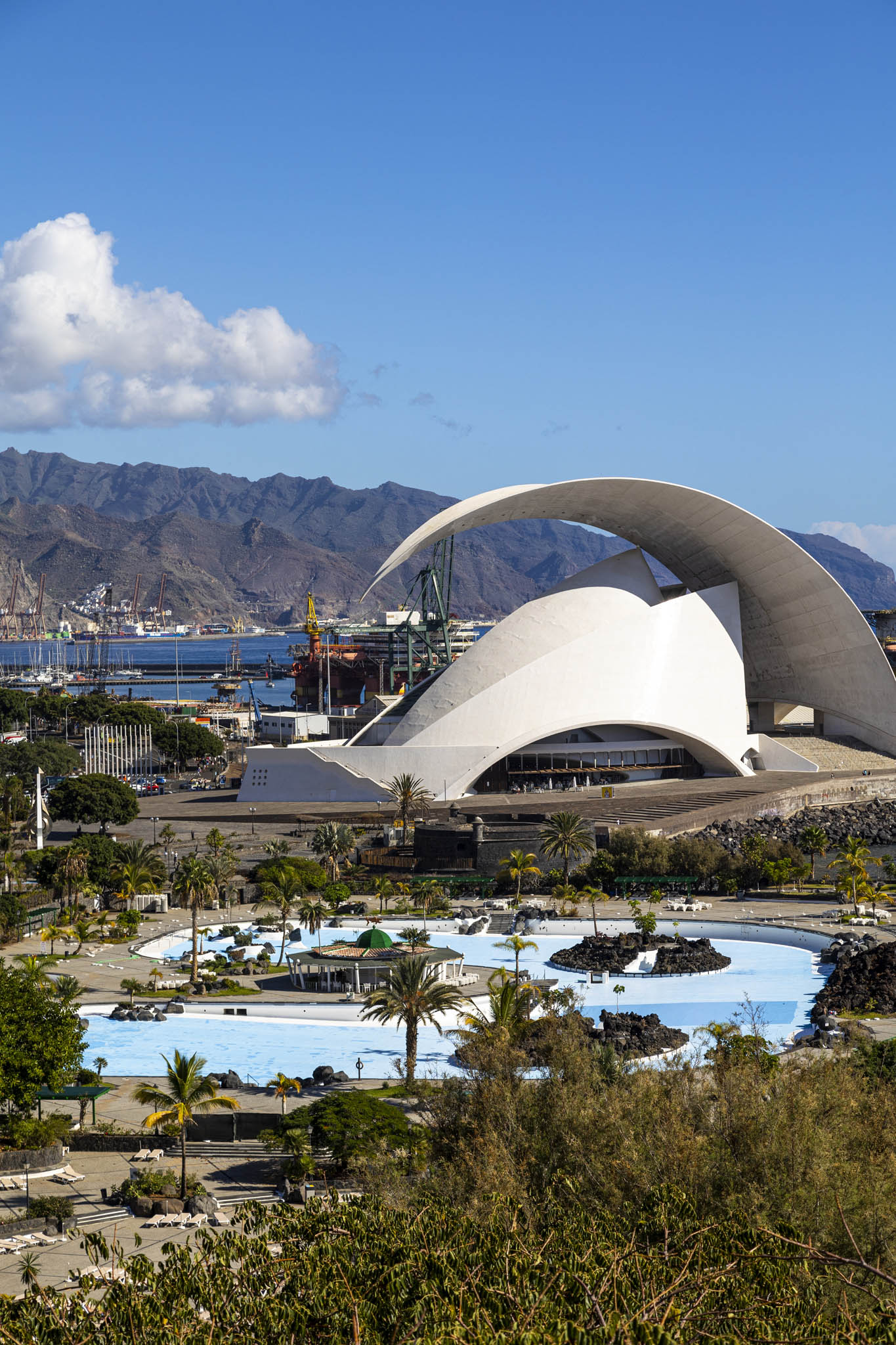
Situated on an artificial hill – actually a former landfill site – and an easy walk from the cruise port in Santa Cruz de Tenerife is a botanical garden specialising in palms and flora from island locations around the world. This is the Palmetum and it’s where we spent a lovely period of time wandering around after our stroll along the waterfront enjoying the sights of such buildings as the Auditorio de Tenerife and Castle of St John the Baptist.
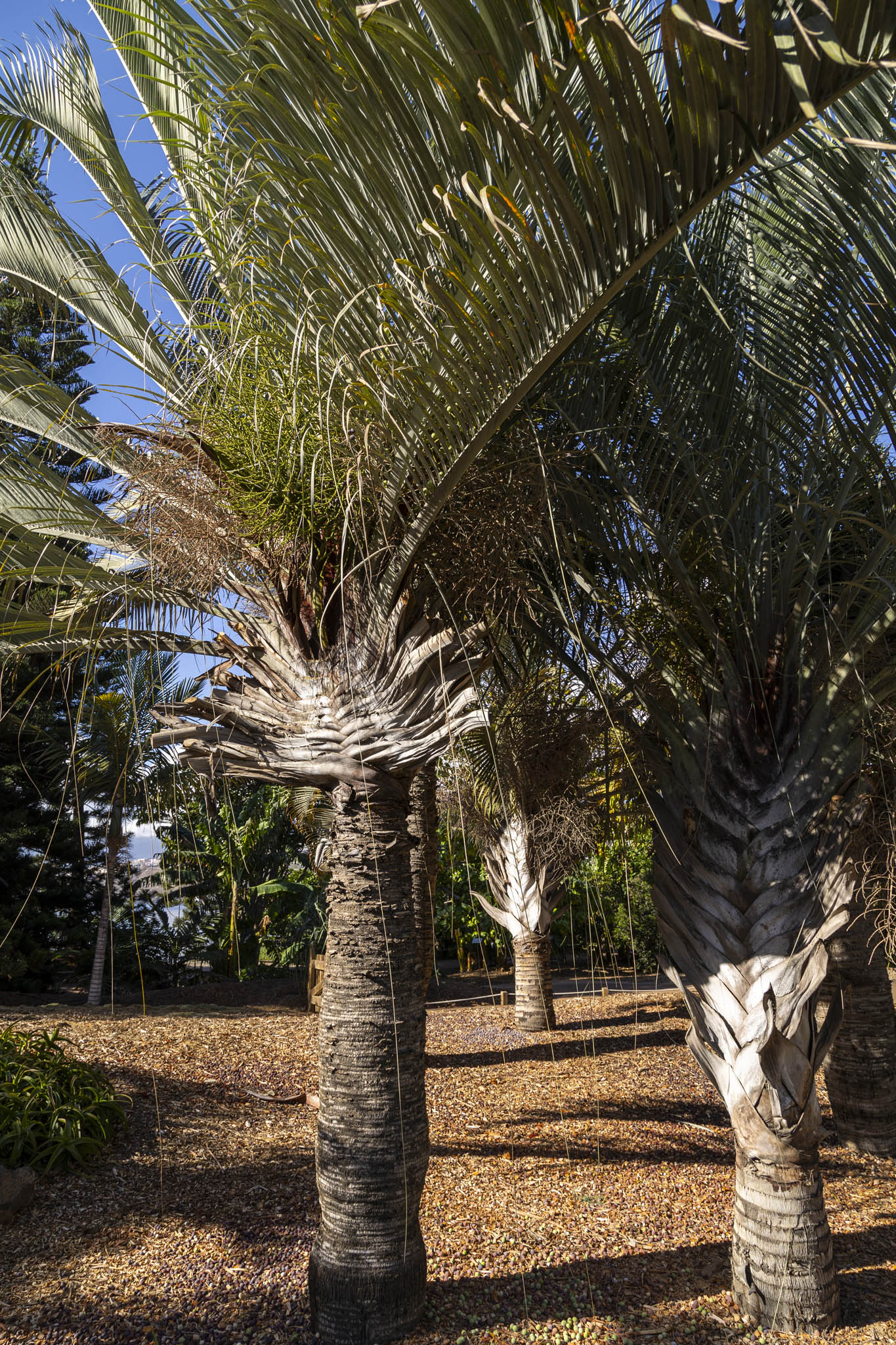
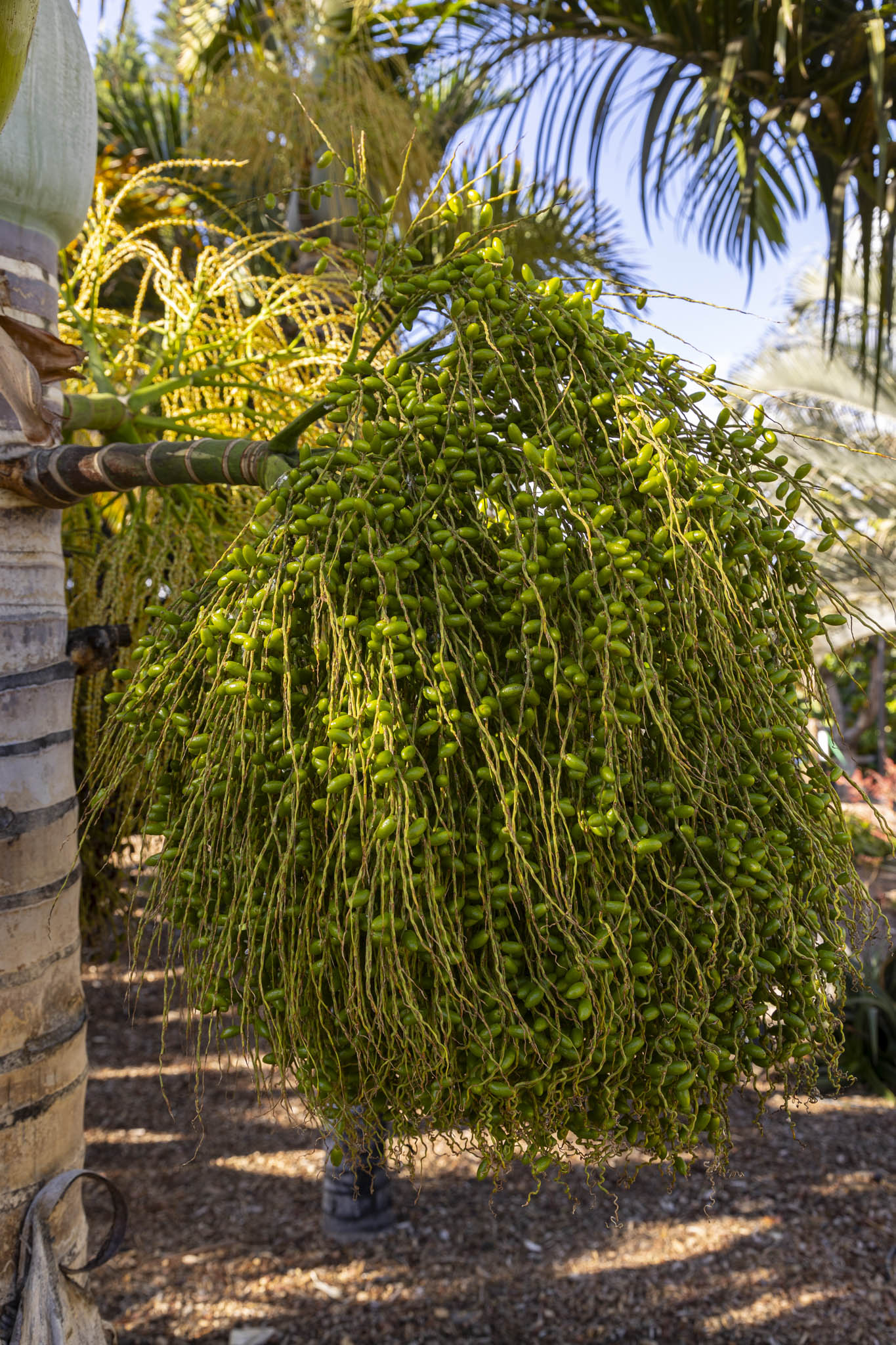
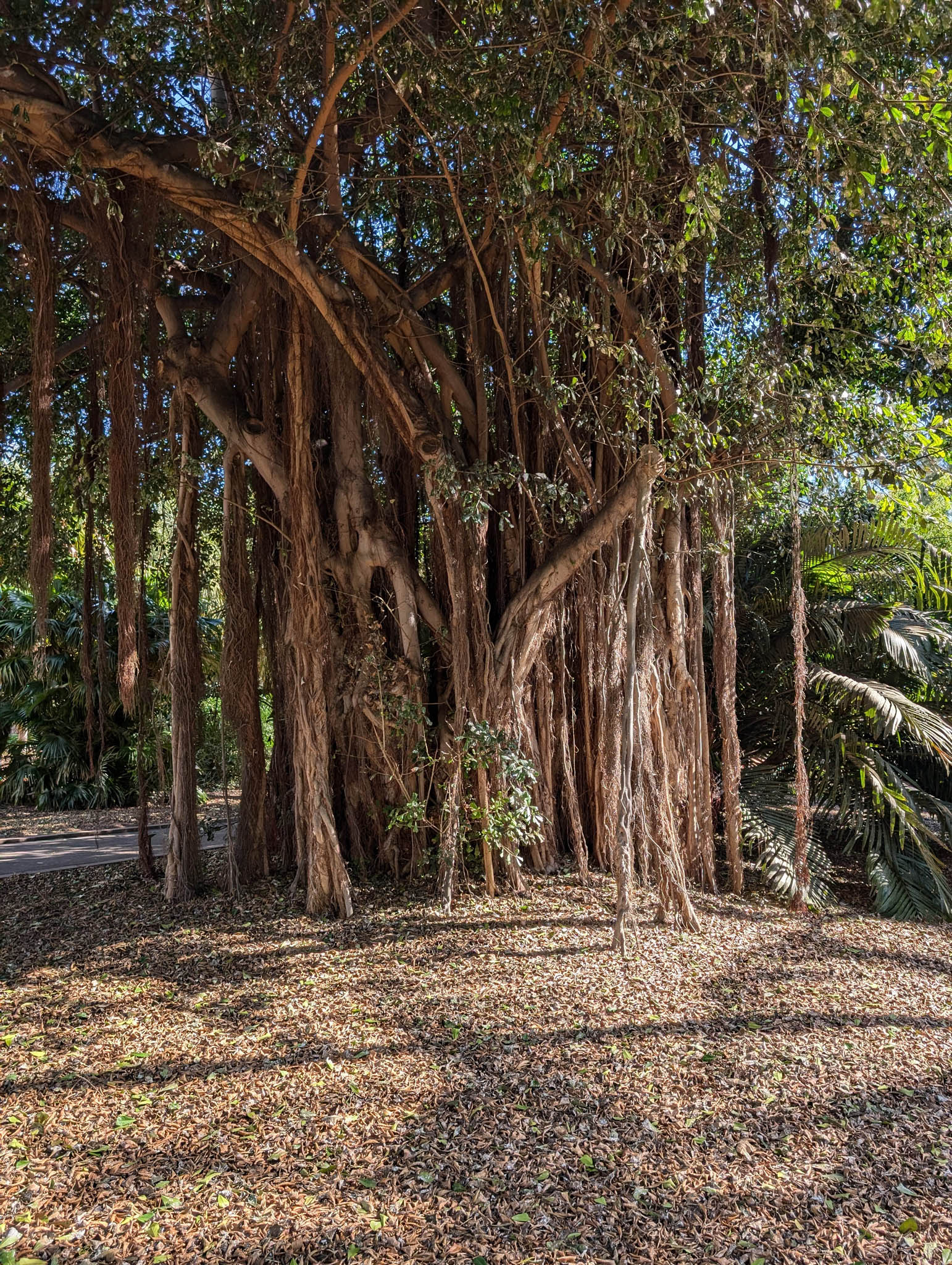
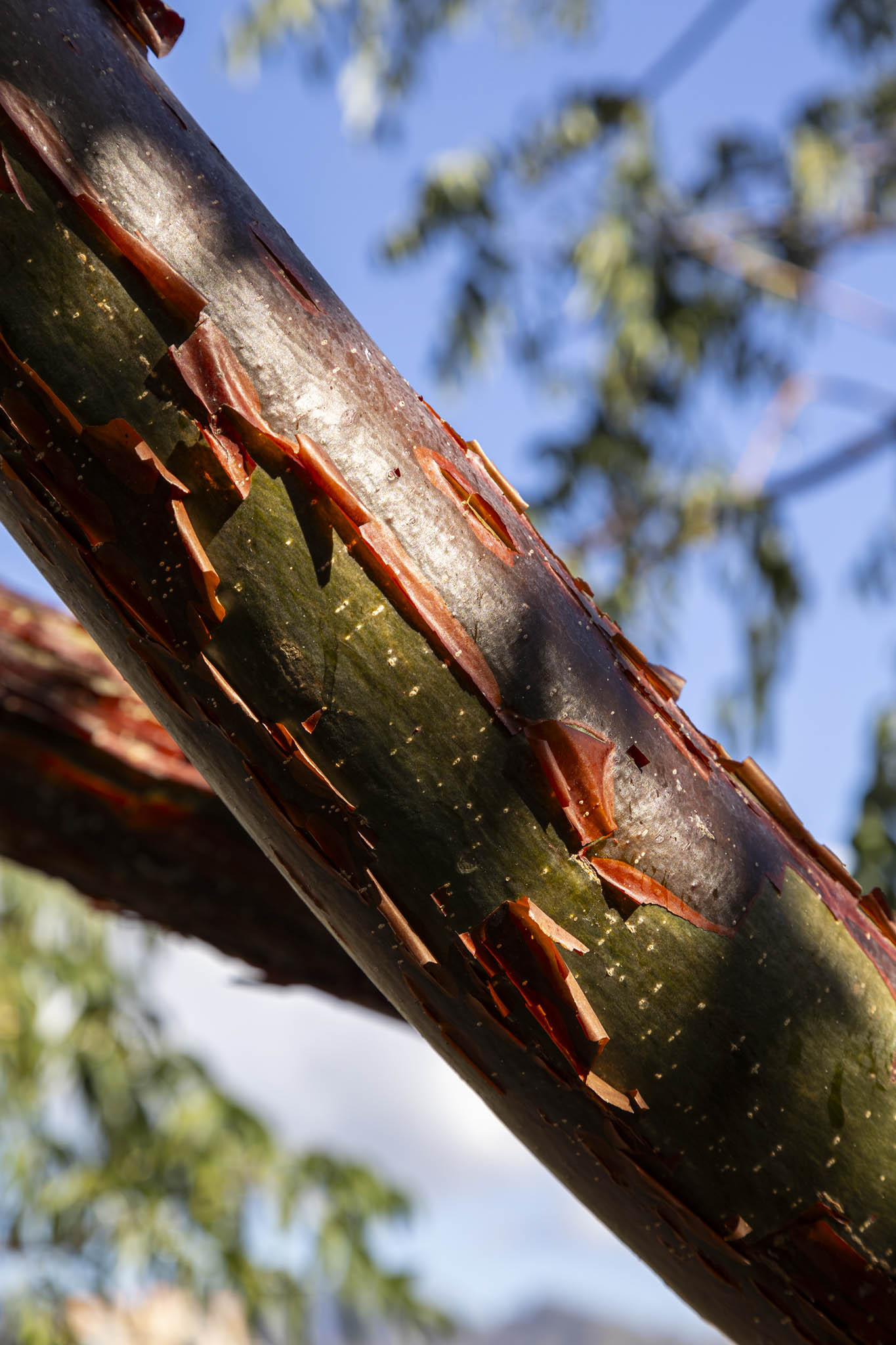
We’re not hugely into plants, or at least not to that extent that we make a point to identify them or notice particular species for any particular reason, but we do like visiting botanical gardens when we’re travelling. If nothing else then they usually provide the opportunity for nice photos of flowers or trees but in the Palmetum’s case there’s also the views from the location to add to the mix. Ultimately, this is a place we could recommend visiting if you’re in Tenerife for a number of reasons: fresh air, exercise, views out over the sea and back to the island, and more palms than you can shake a stick at.
Palmetum’s history can be briefly summarised as a landfill site until 1983, then early formation of the gardens from 1995 until 2000 when funding ran out, general maintenance thereafter, then additional work in phases from 2007 onwards with the first guided tours starting in 2013, and finally general admission for visitors appearing sometime after its official inauguration a year later. The botanical gardens host plants organised in broad geographical groupings with many of the species on endangered lists or categorised as extinct in the wild.
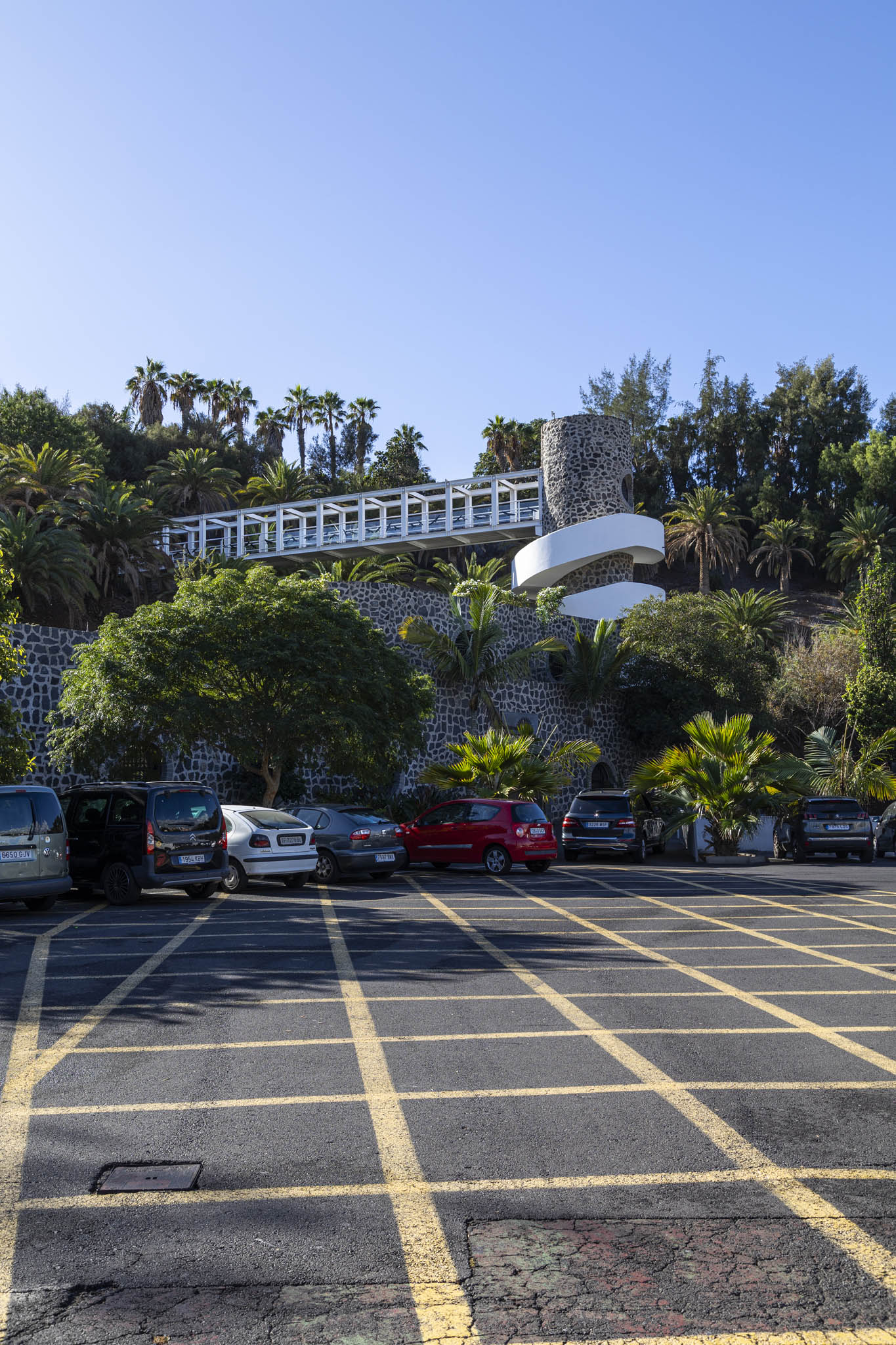
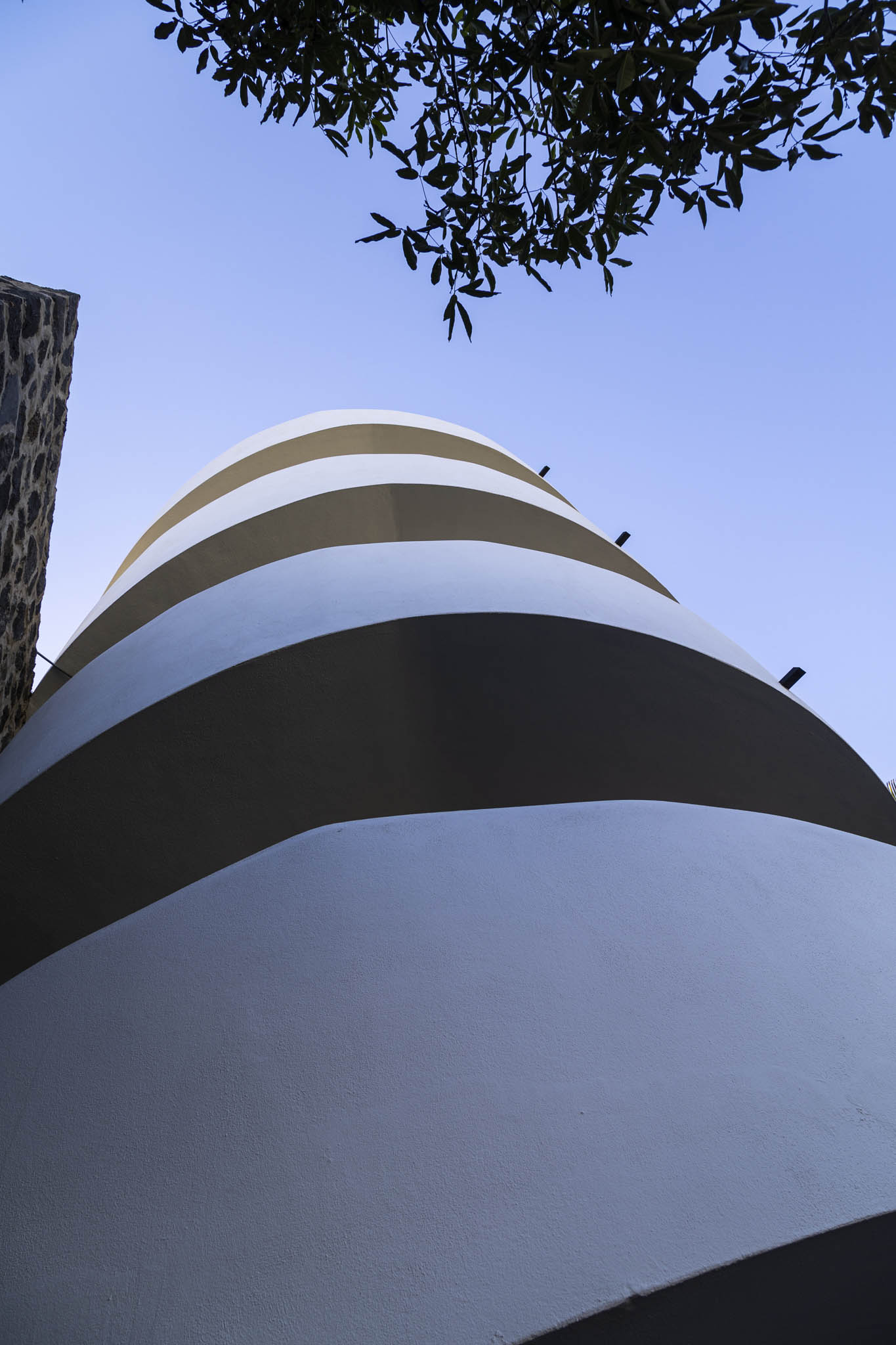
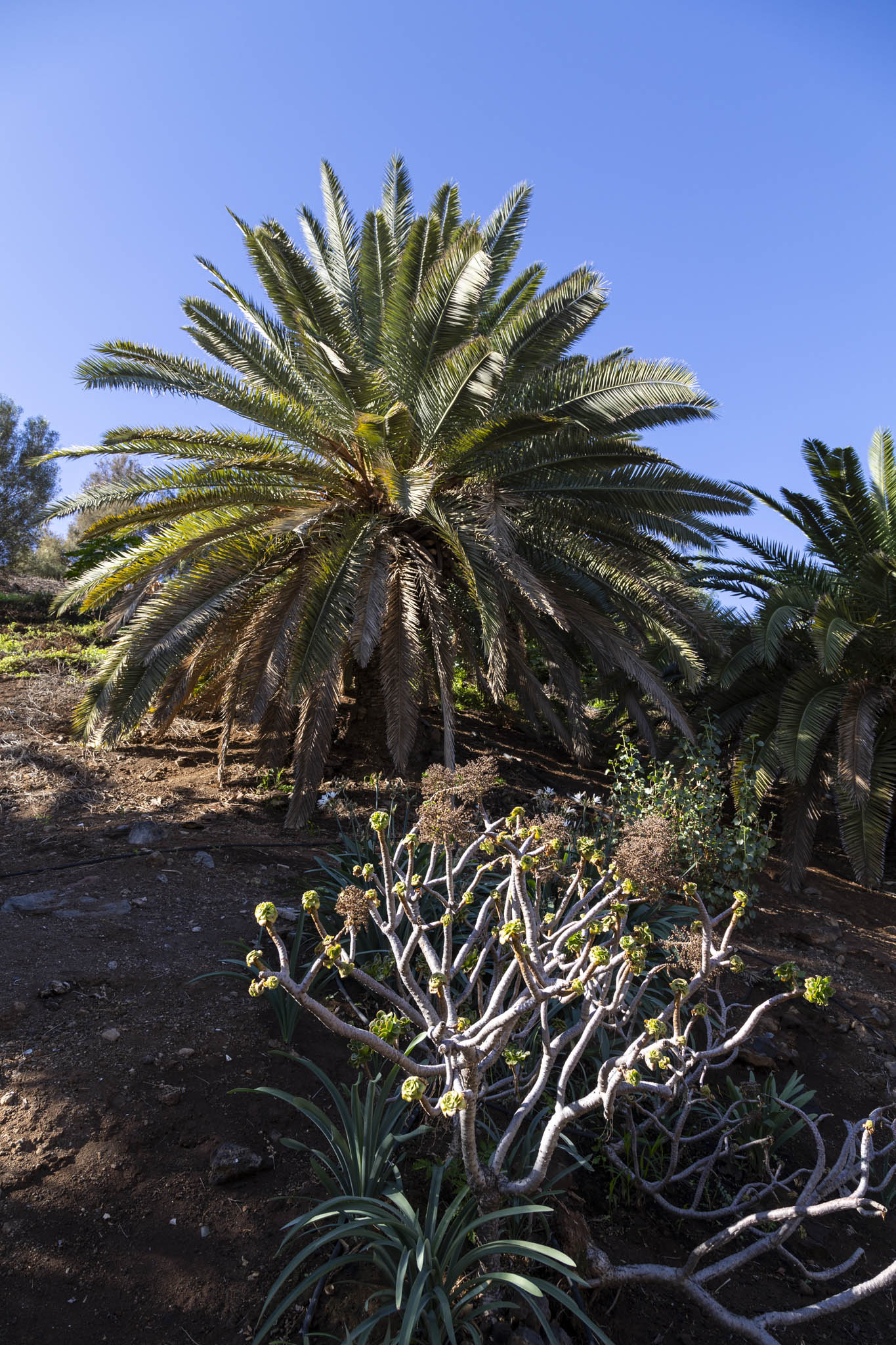
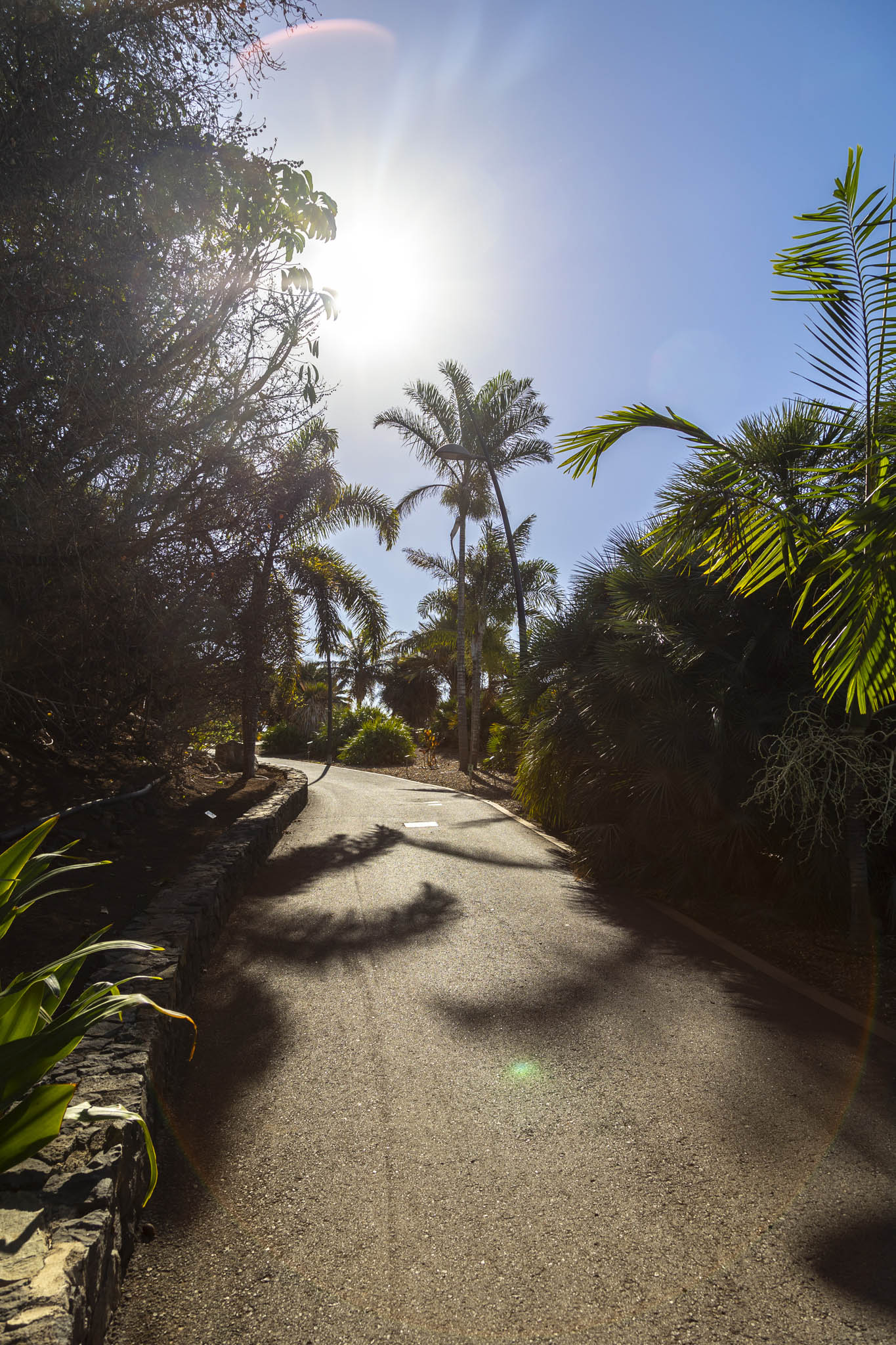
We entered, paid, used the toilets, and set off into the Palmetum. Initially, this required us following a climbing, twisting path on the landward side of the hill.
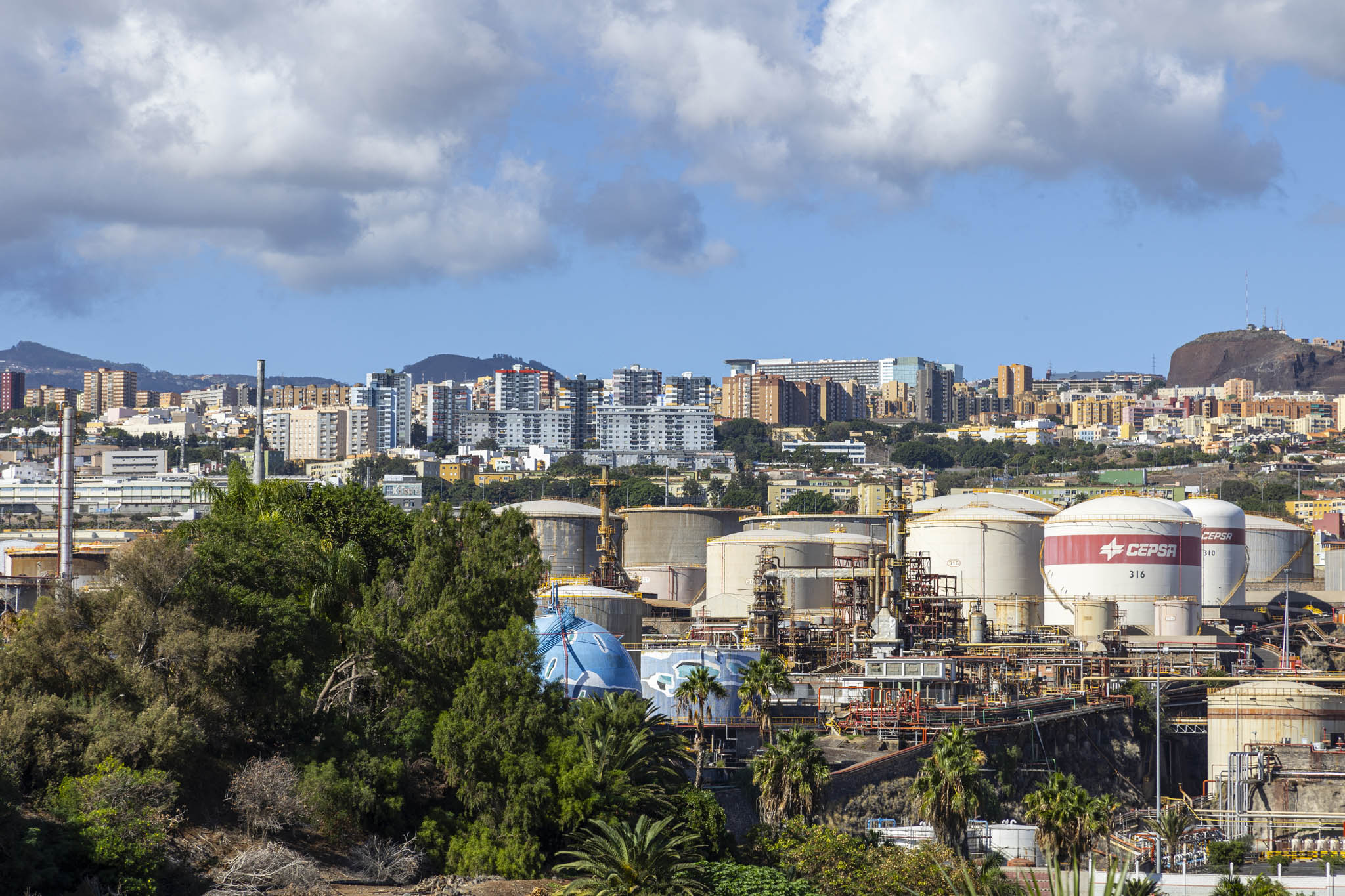
From this point we could see the Refinería de Santa Cruz de Tenerife which, even if you don’t like the look of industrial buildings and machinery and how they contrast with their environments (and I do, for my sins), is interesting simply in that it dates to 1930 and it was the very first refinery to be built in Spain. It actually closed down in 2015 and is due to be dismantled at some point with the land then to be split between public and commercial uses so this little bit of industrial history may not be around for much longer.
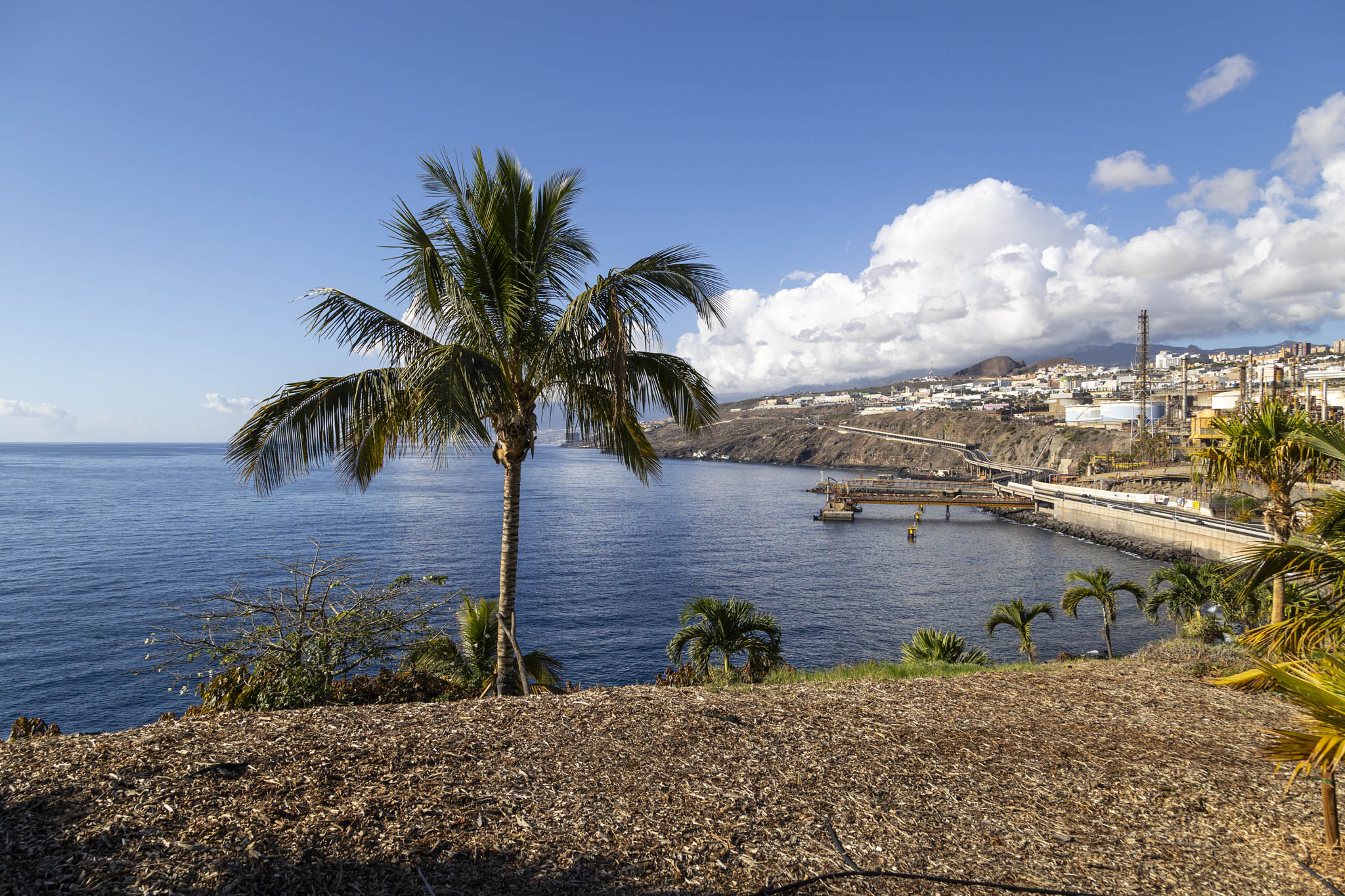
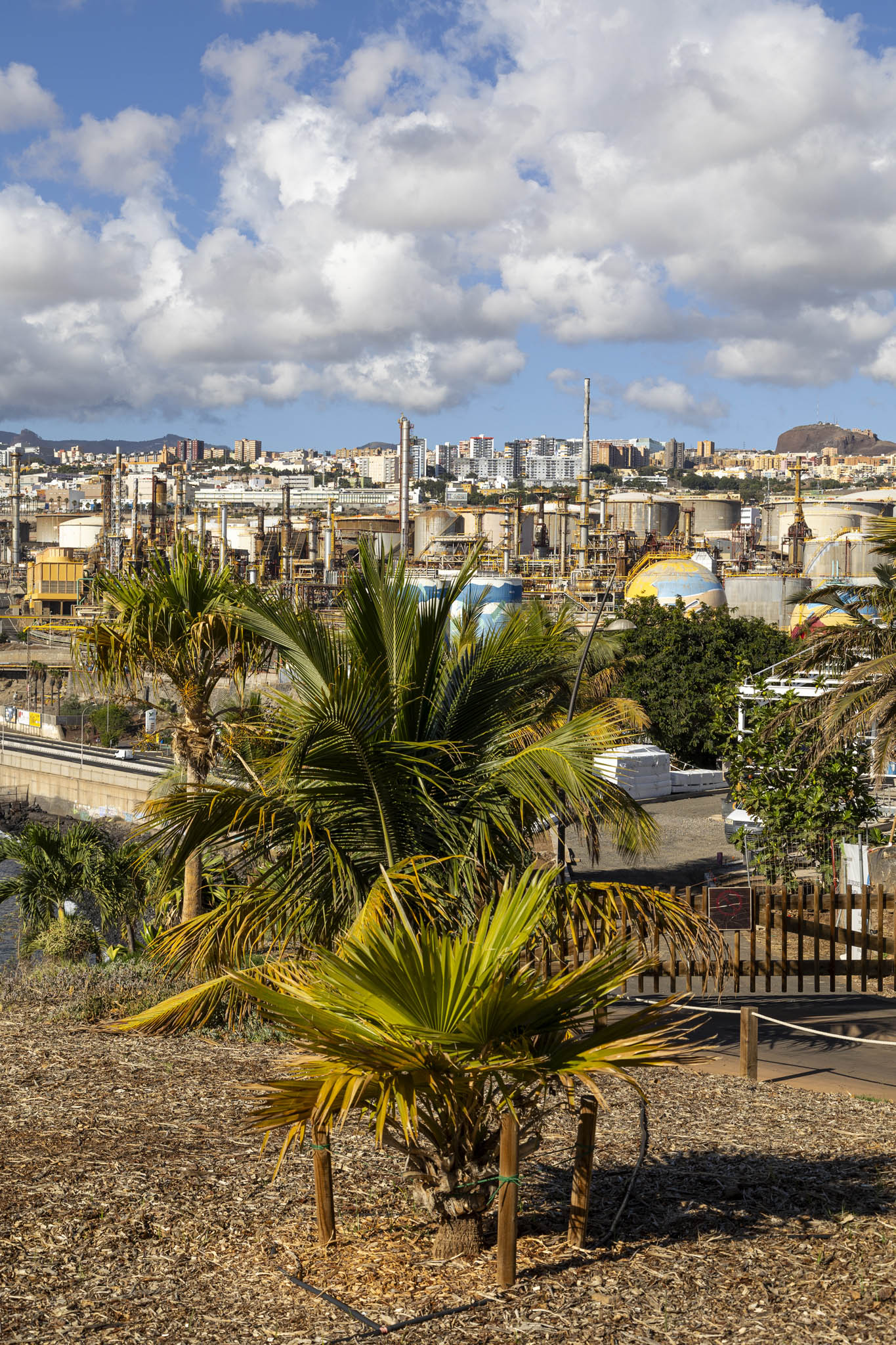
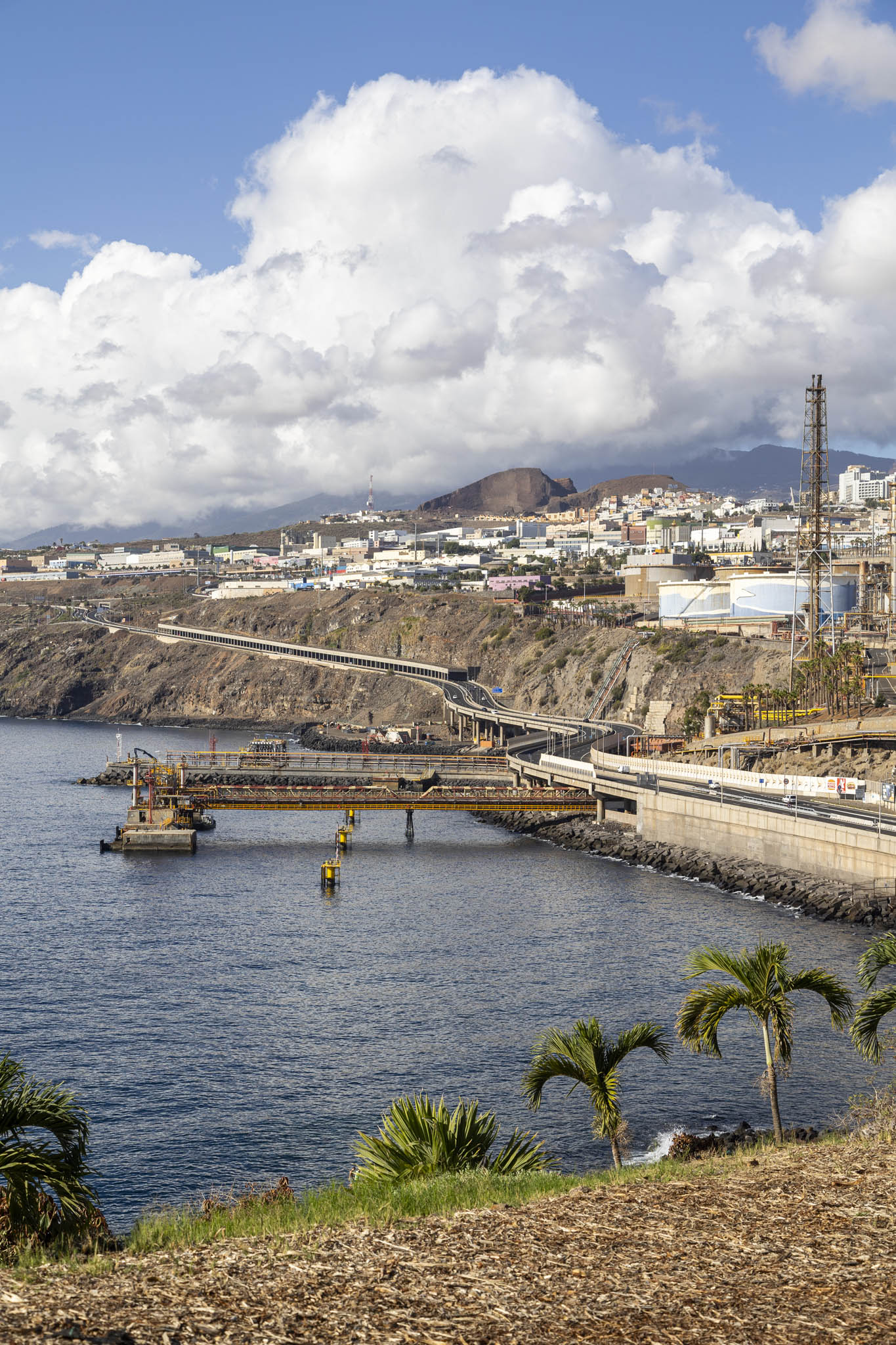
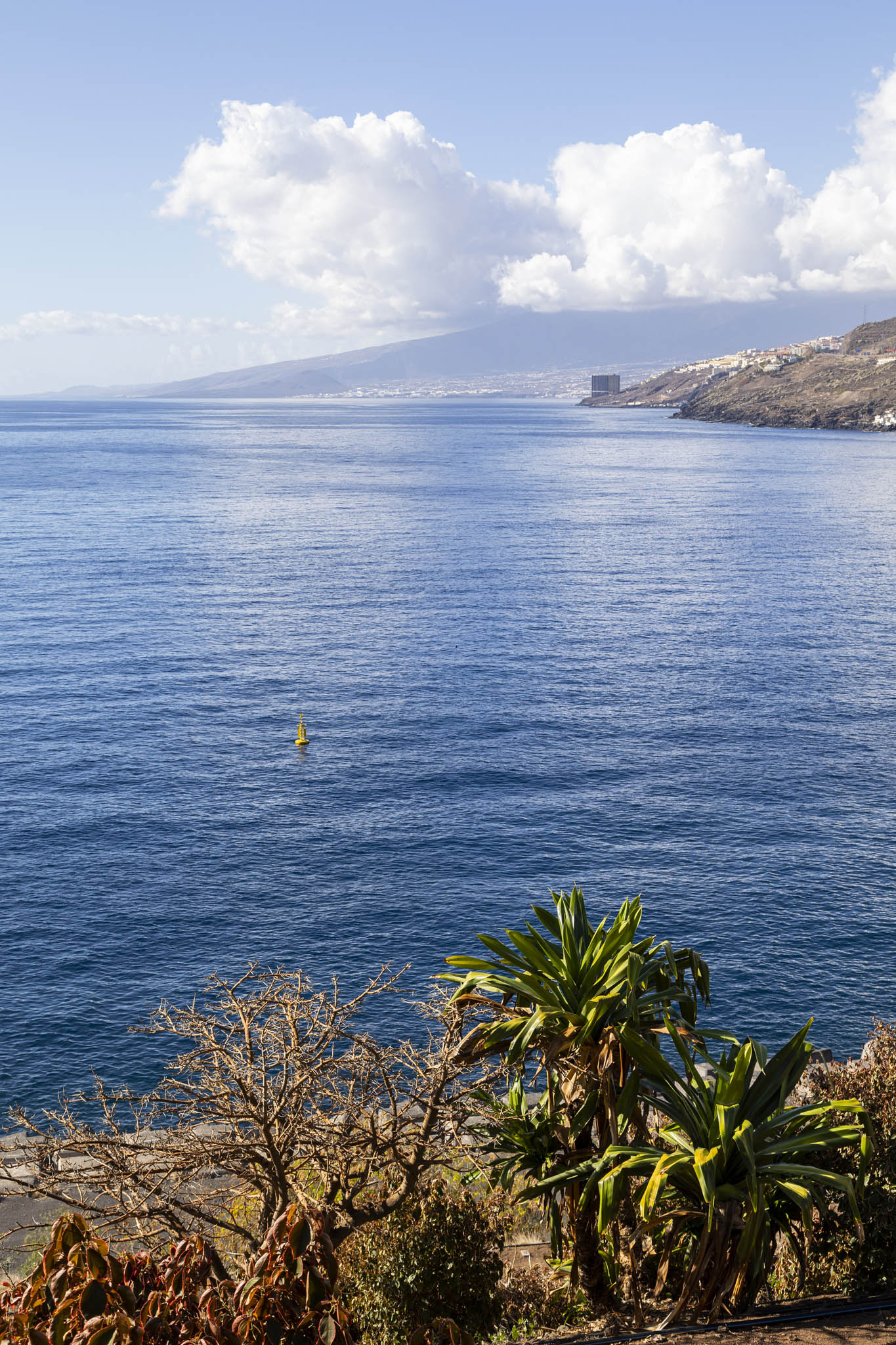
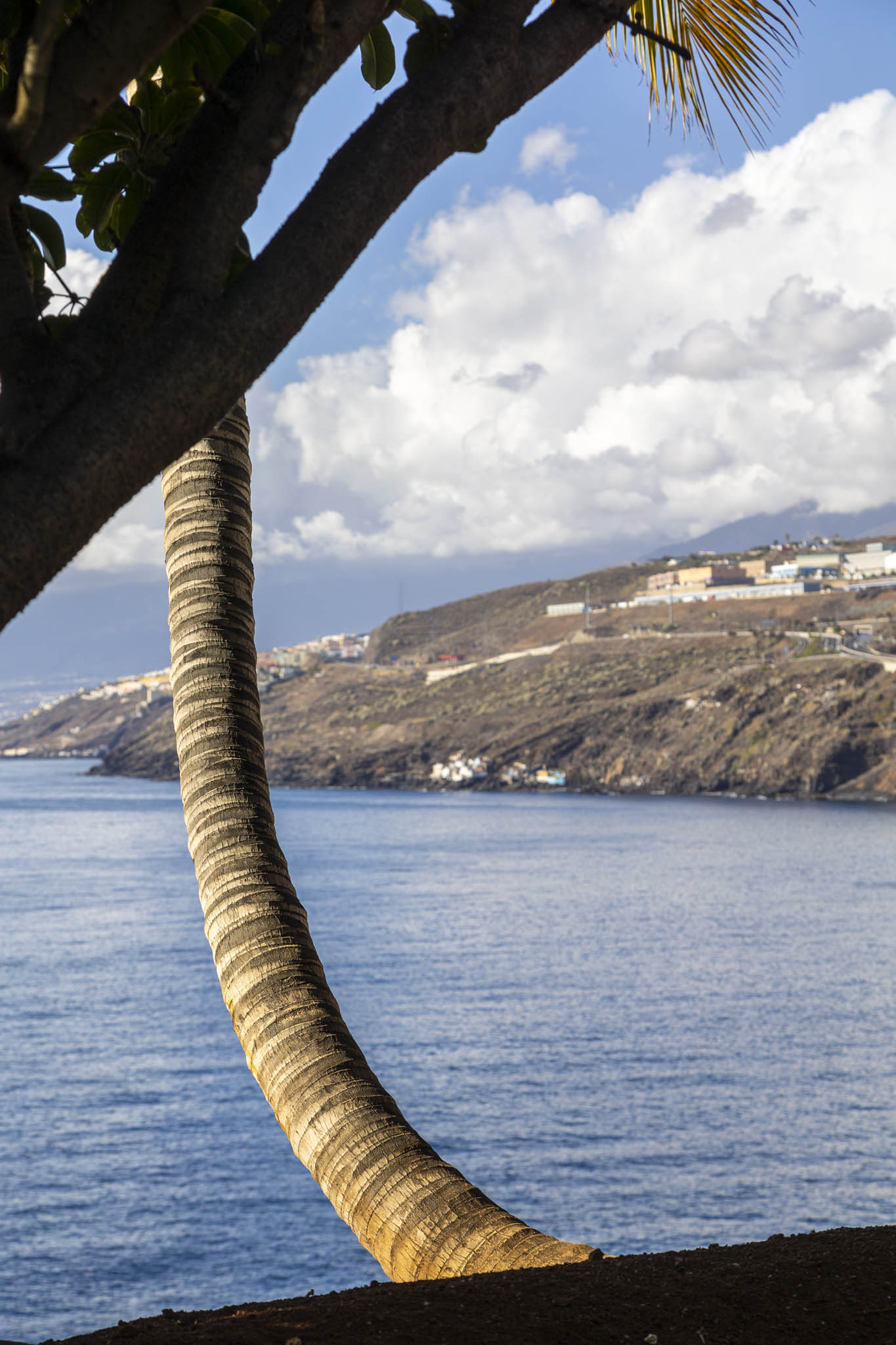
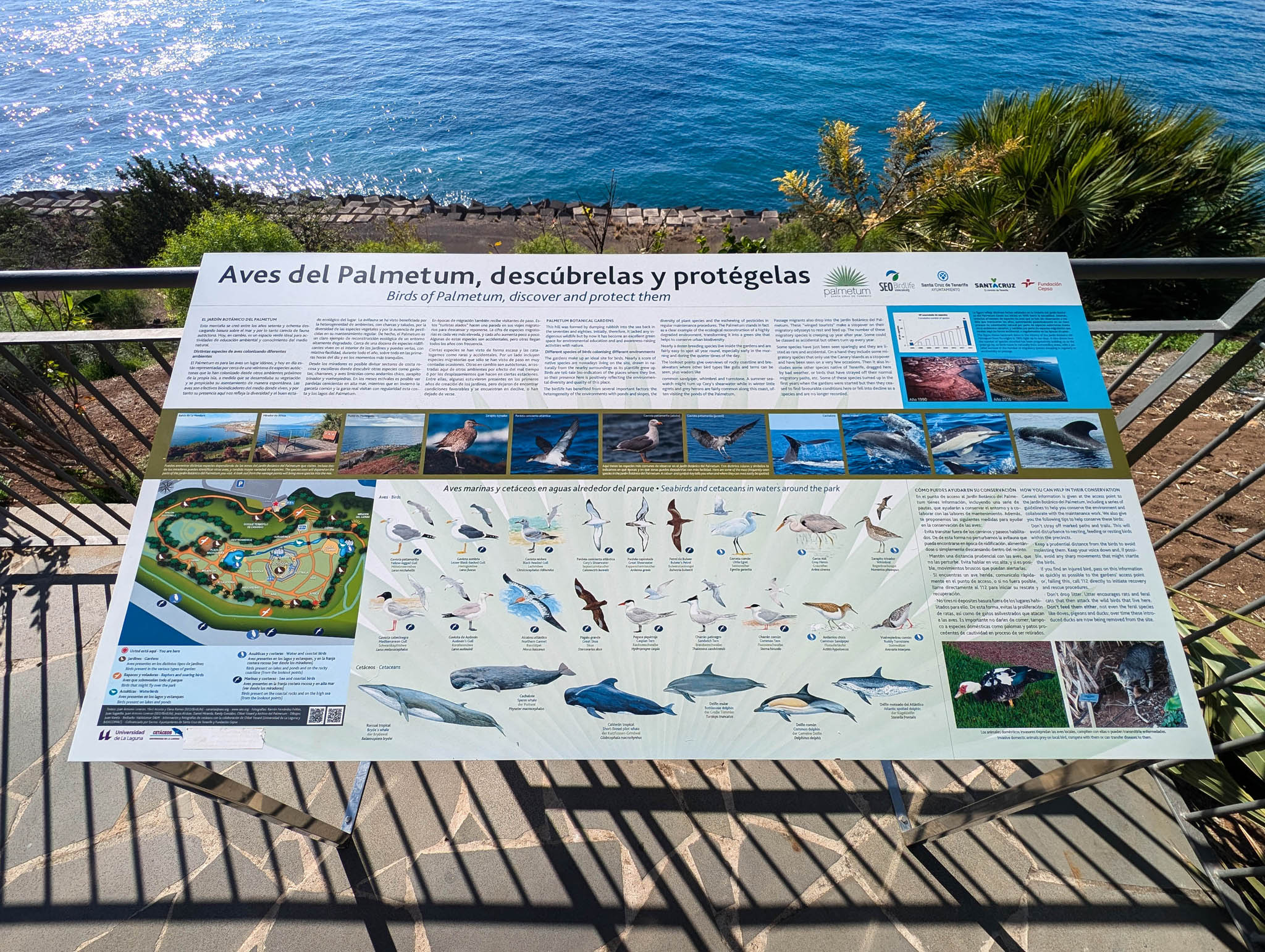
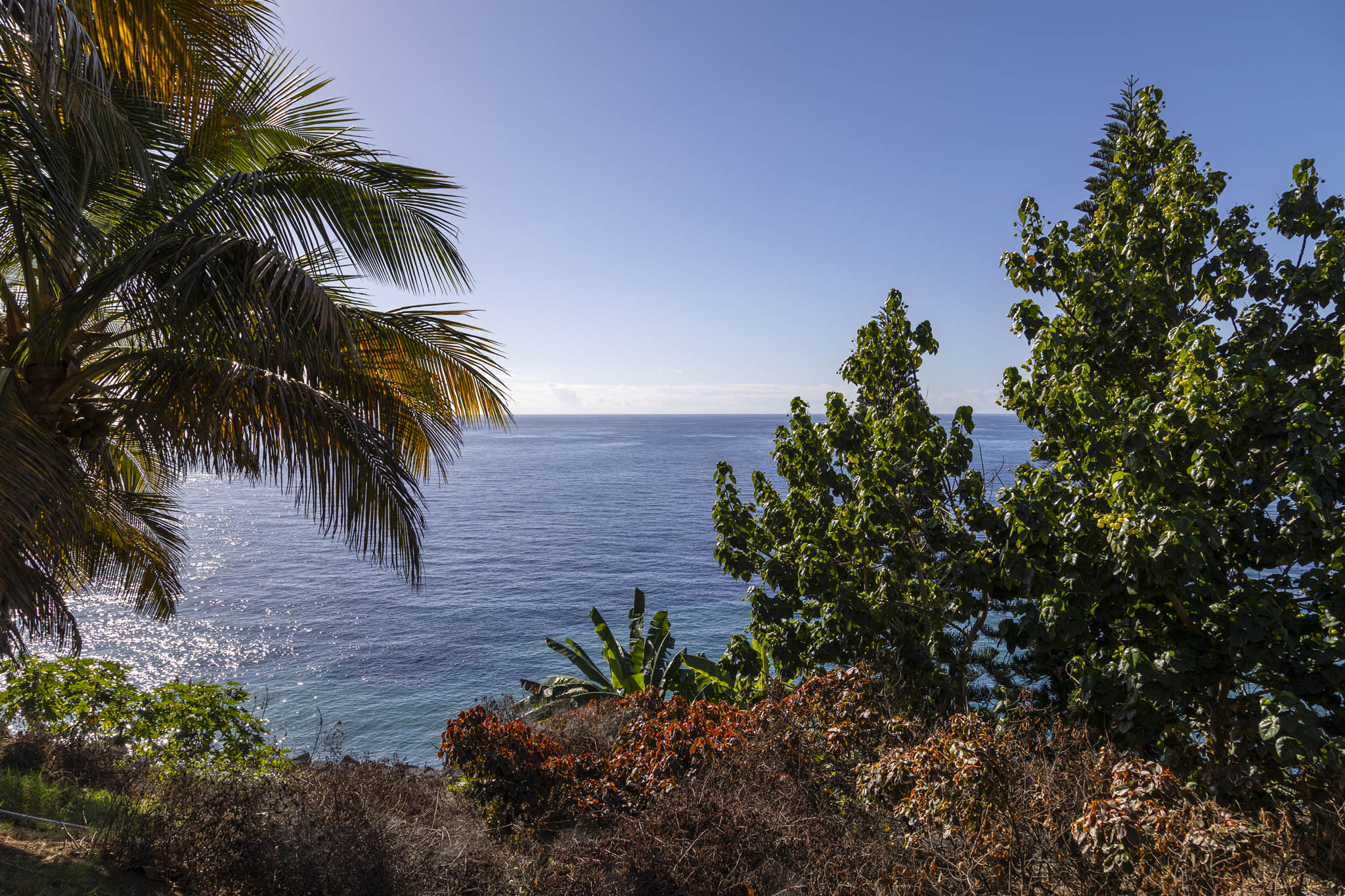
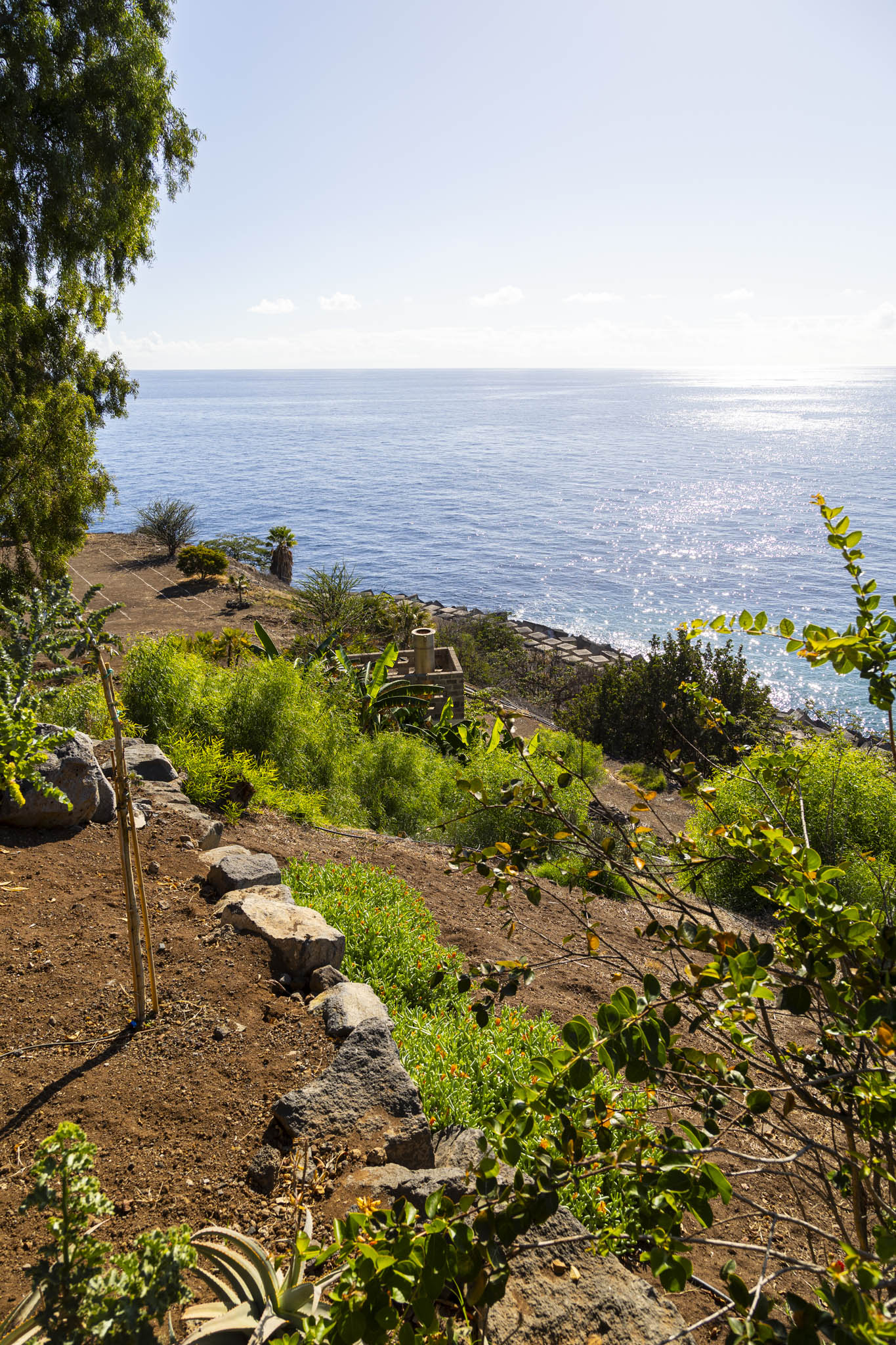
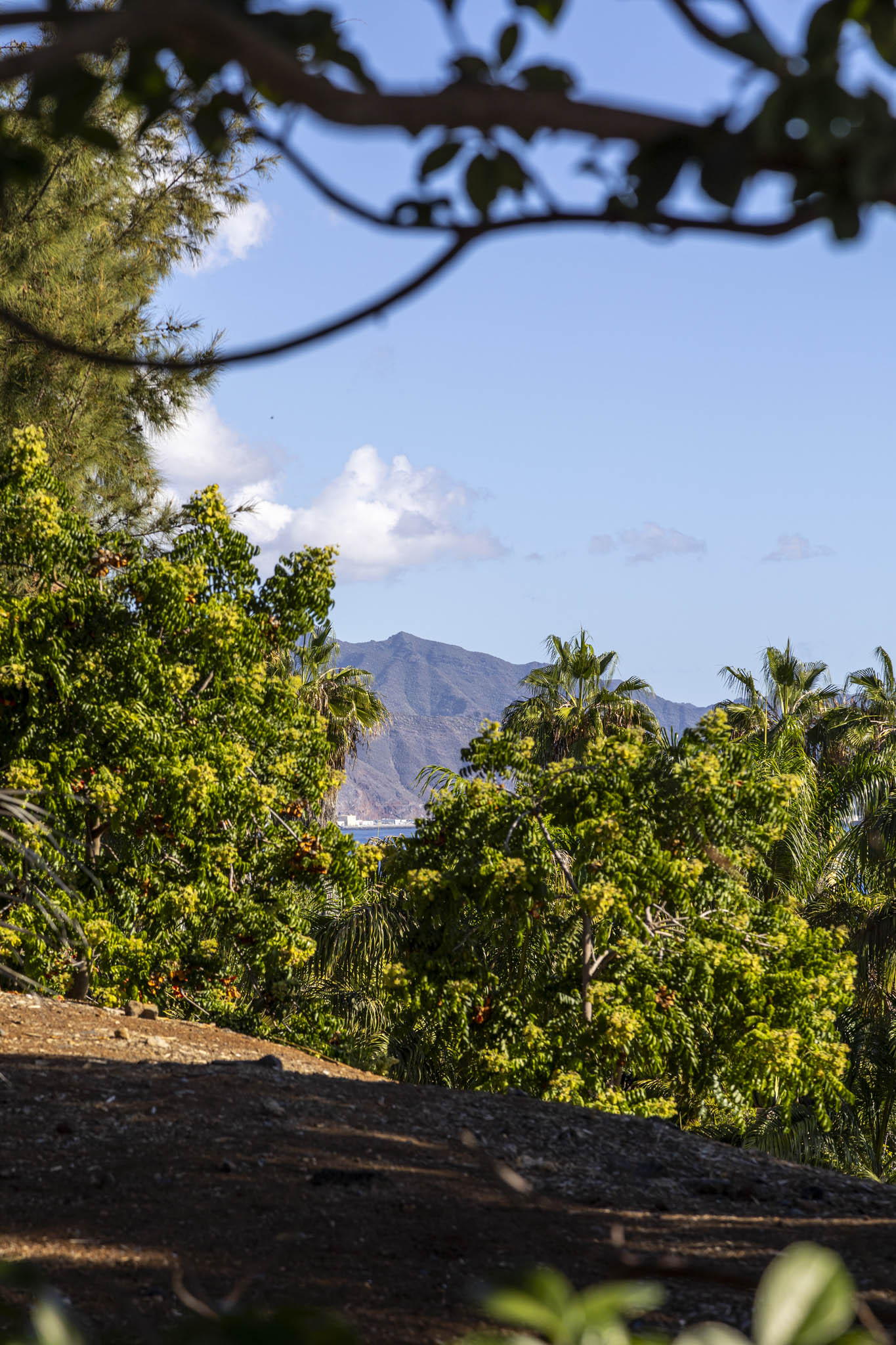
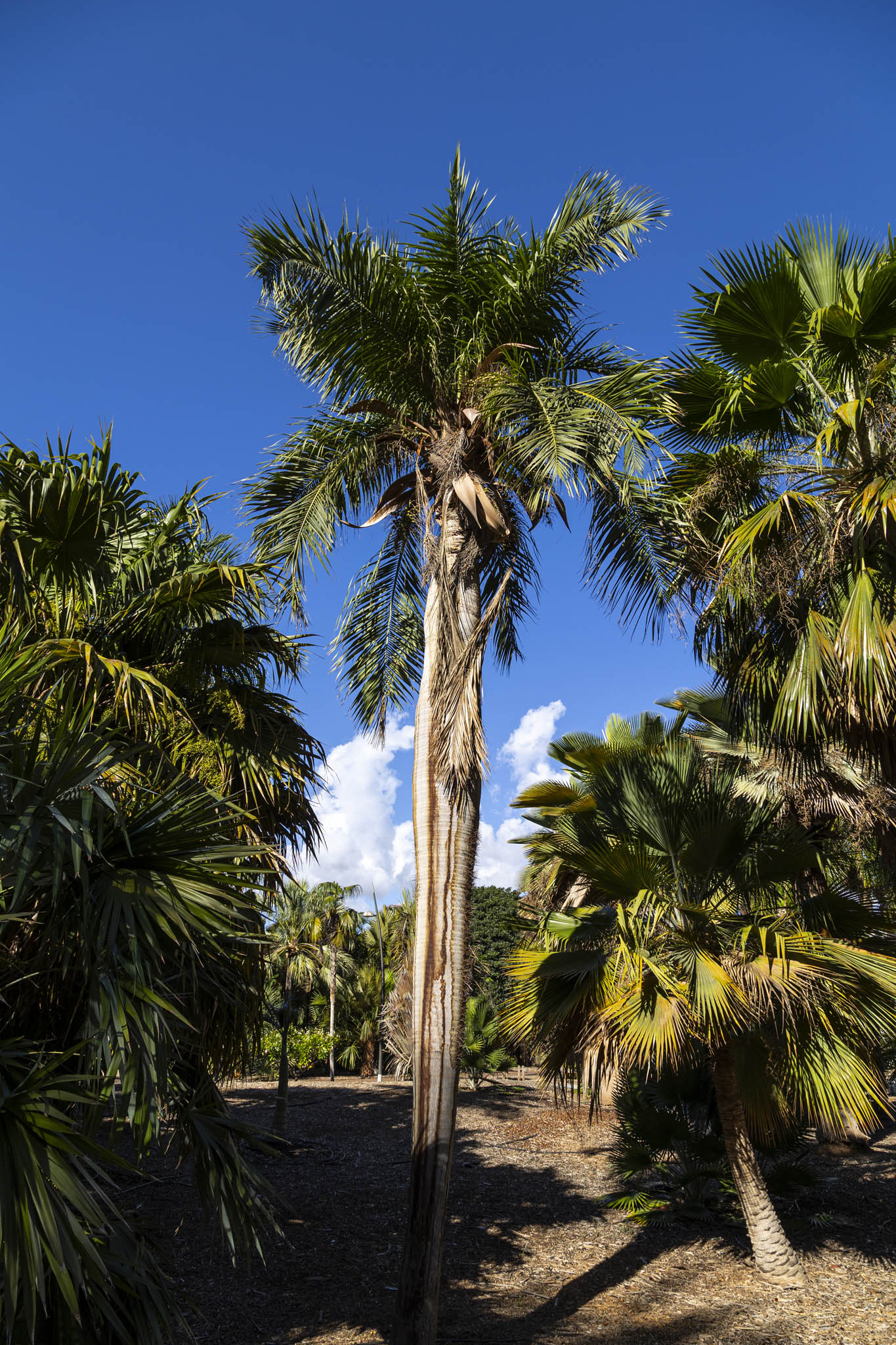
Signs had indicated a variety of birdlife that could be spotted but we saw very little of any animal life other than a few butterflies, some lizards, and some ducks and dragonflies drawn to the ponds around the top of the hill.
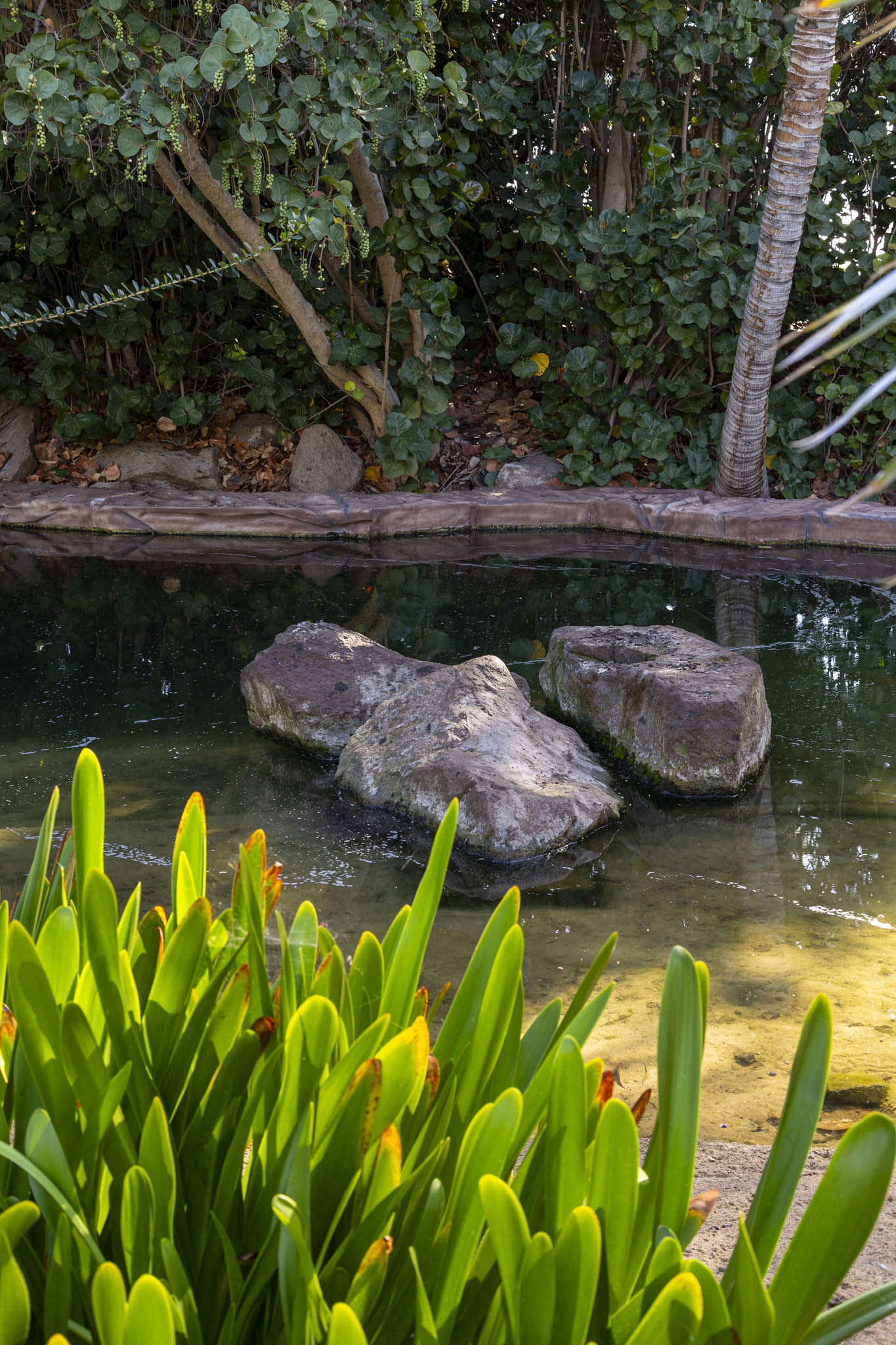
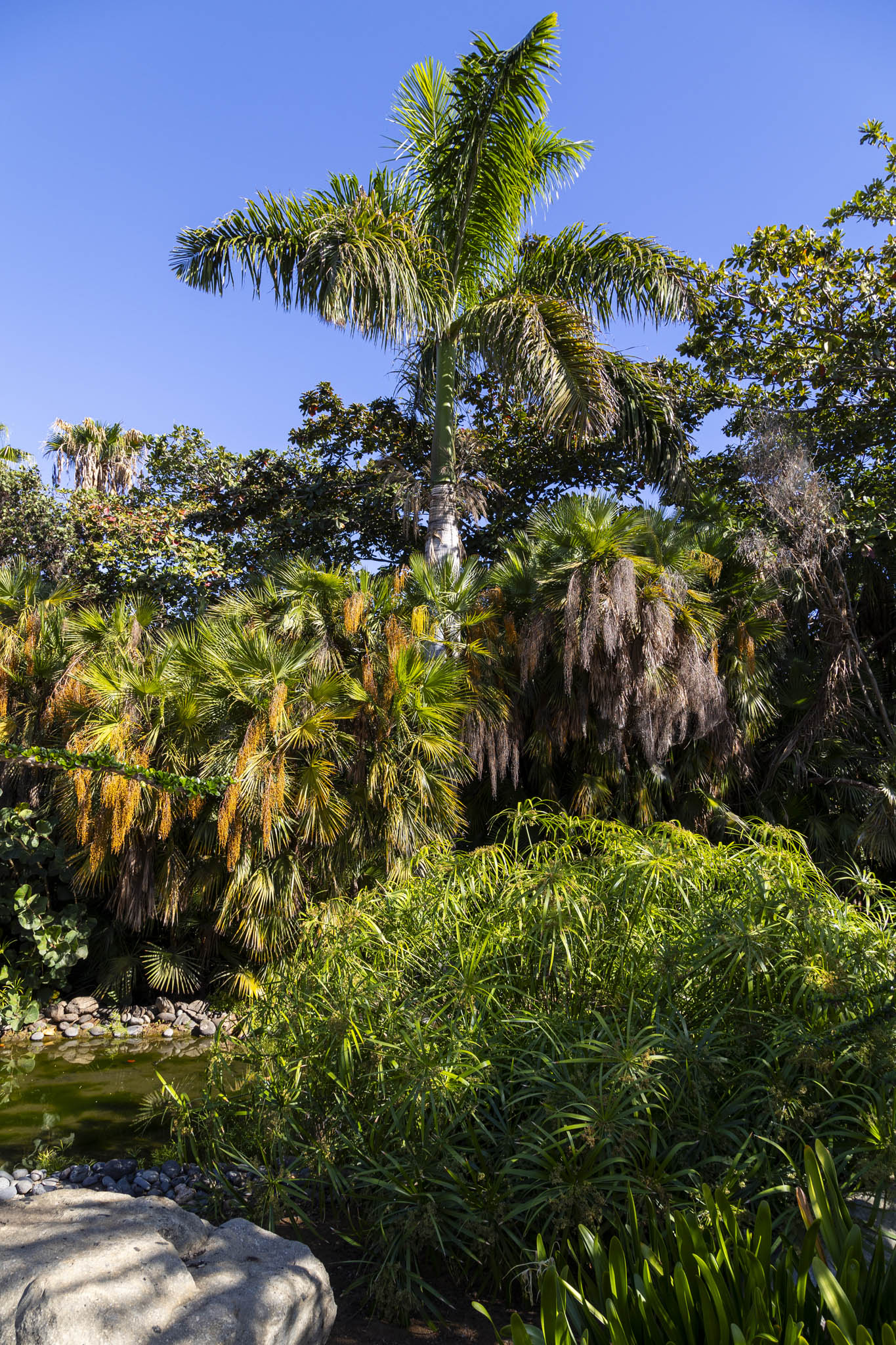
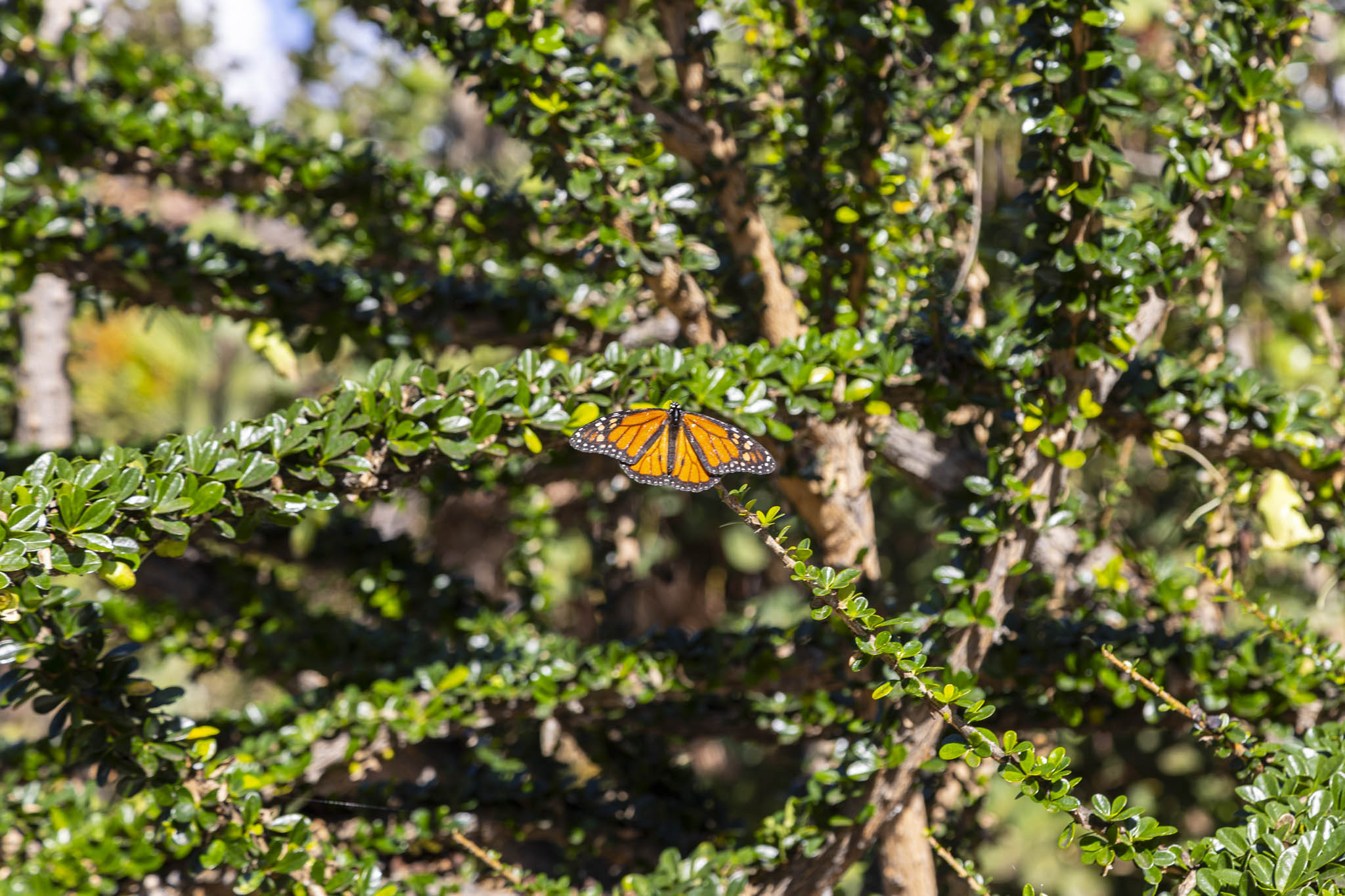
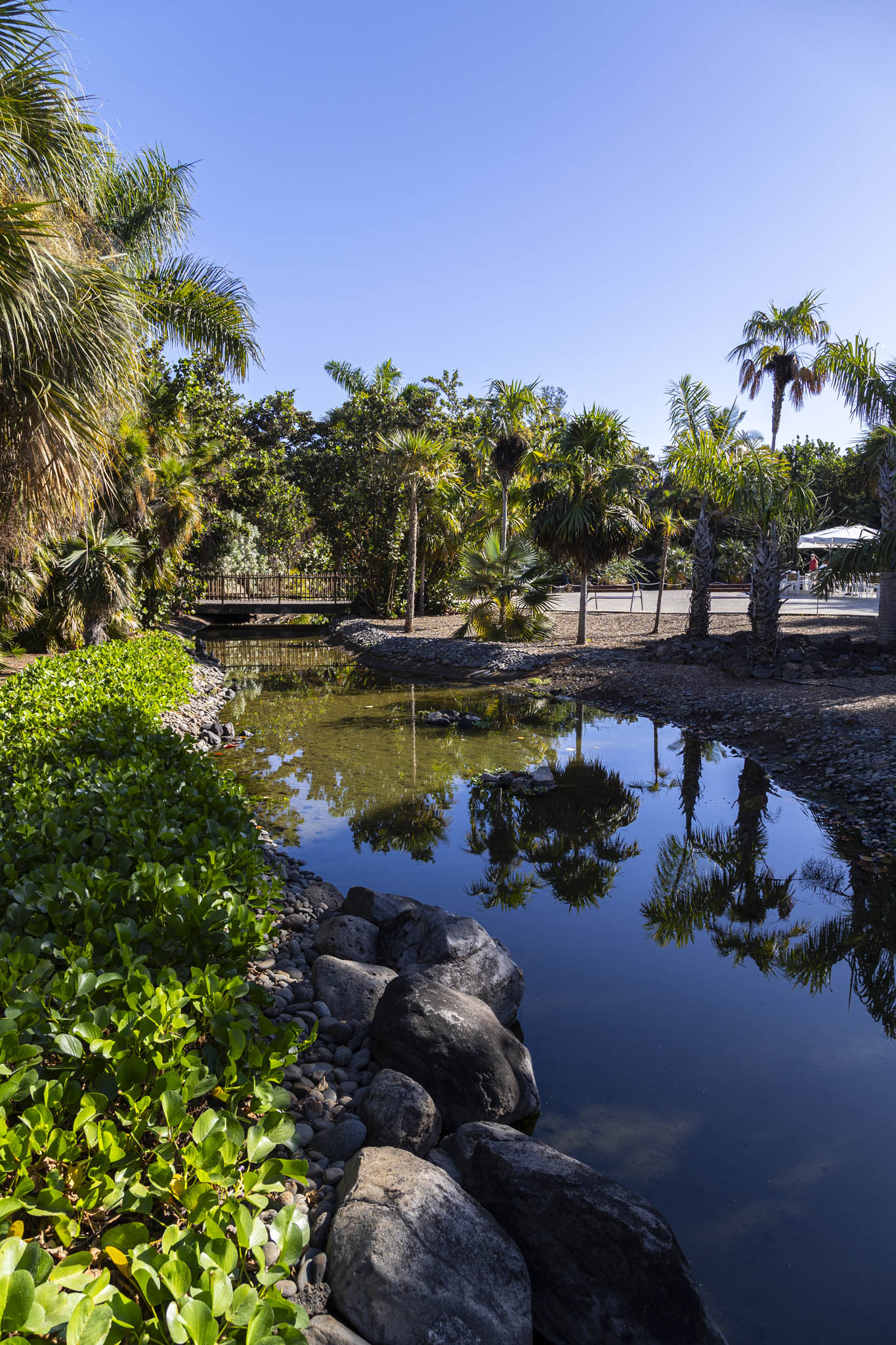
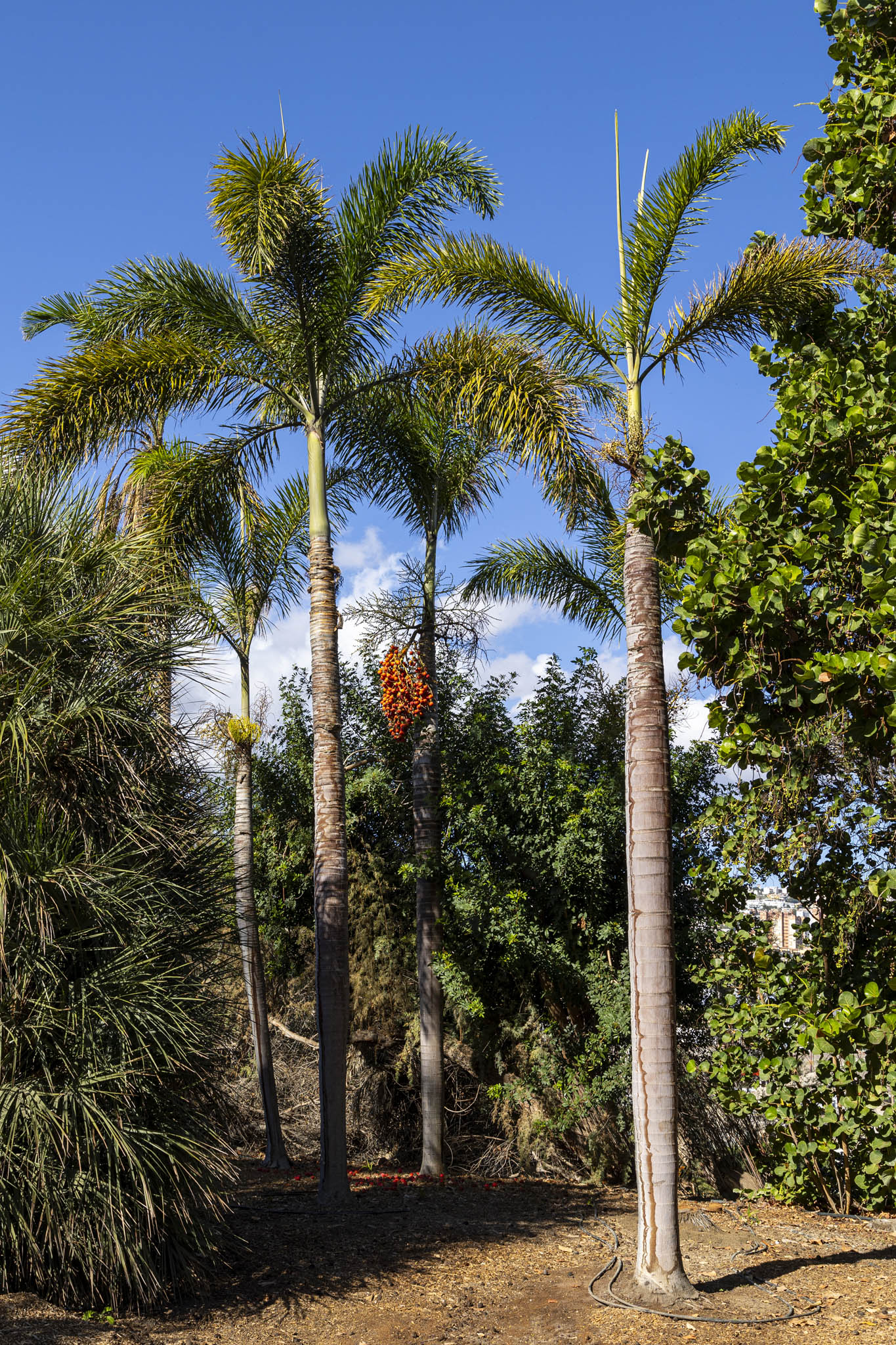
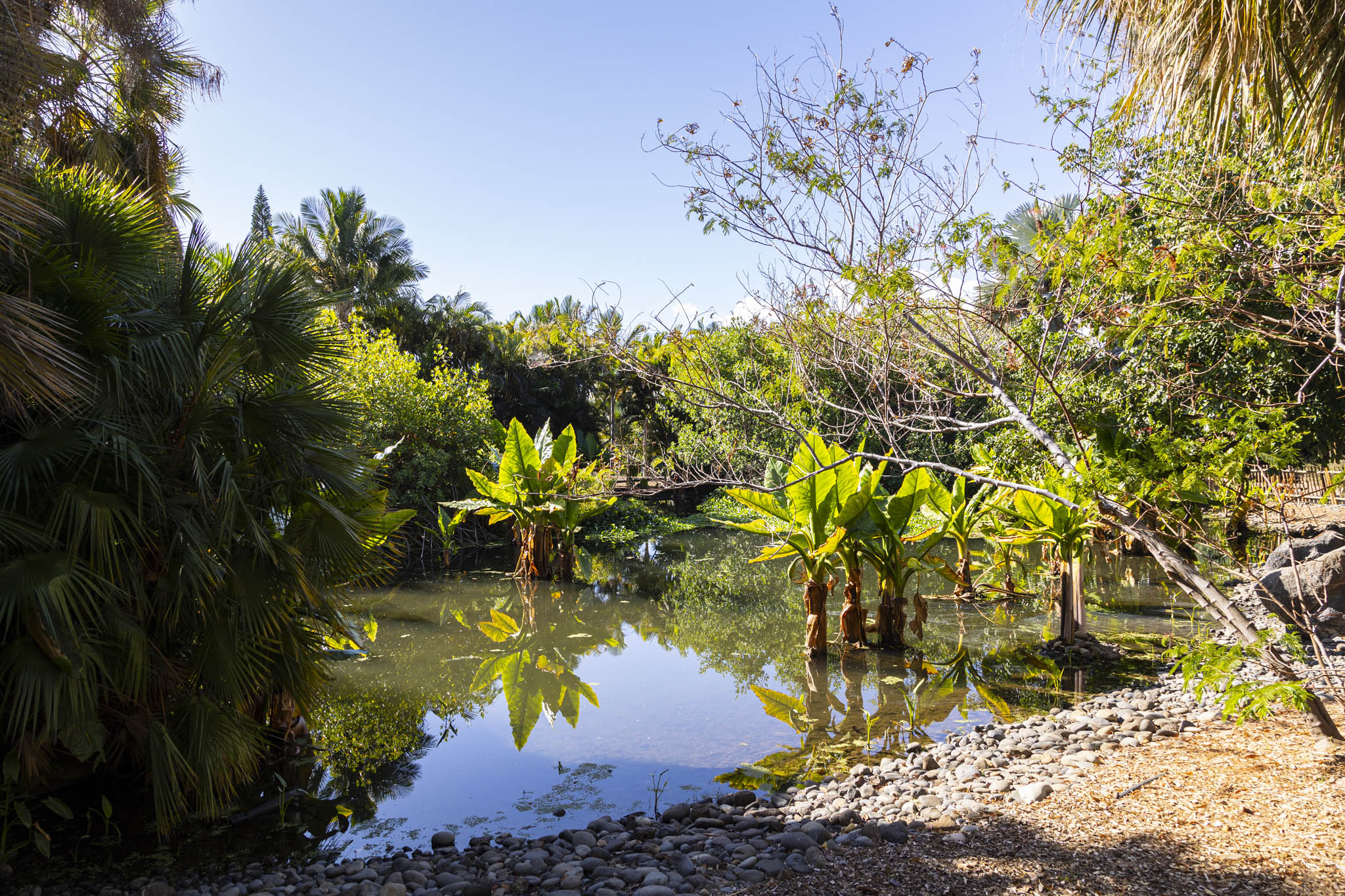
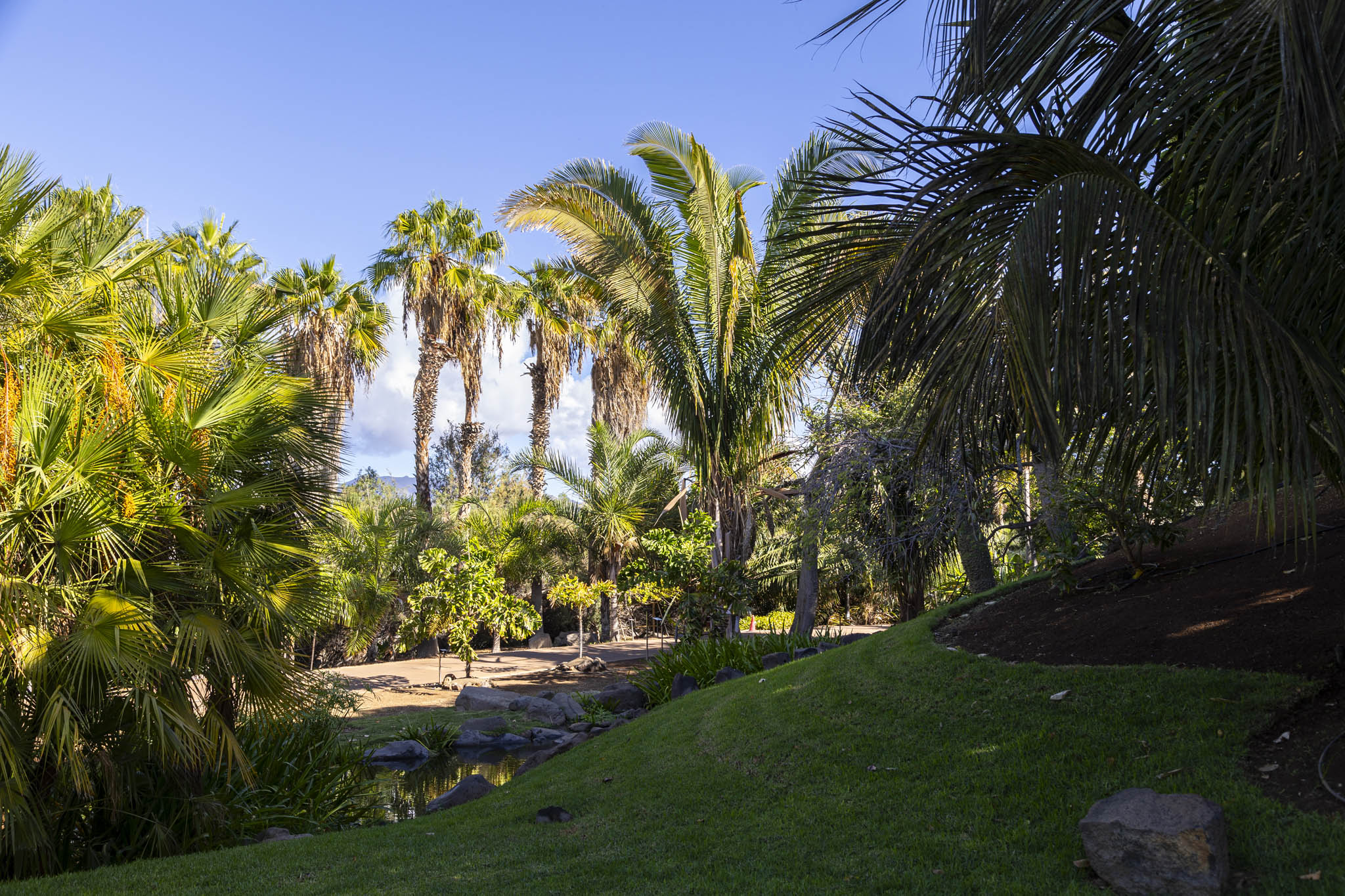
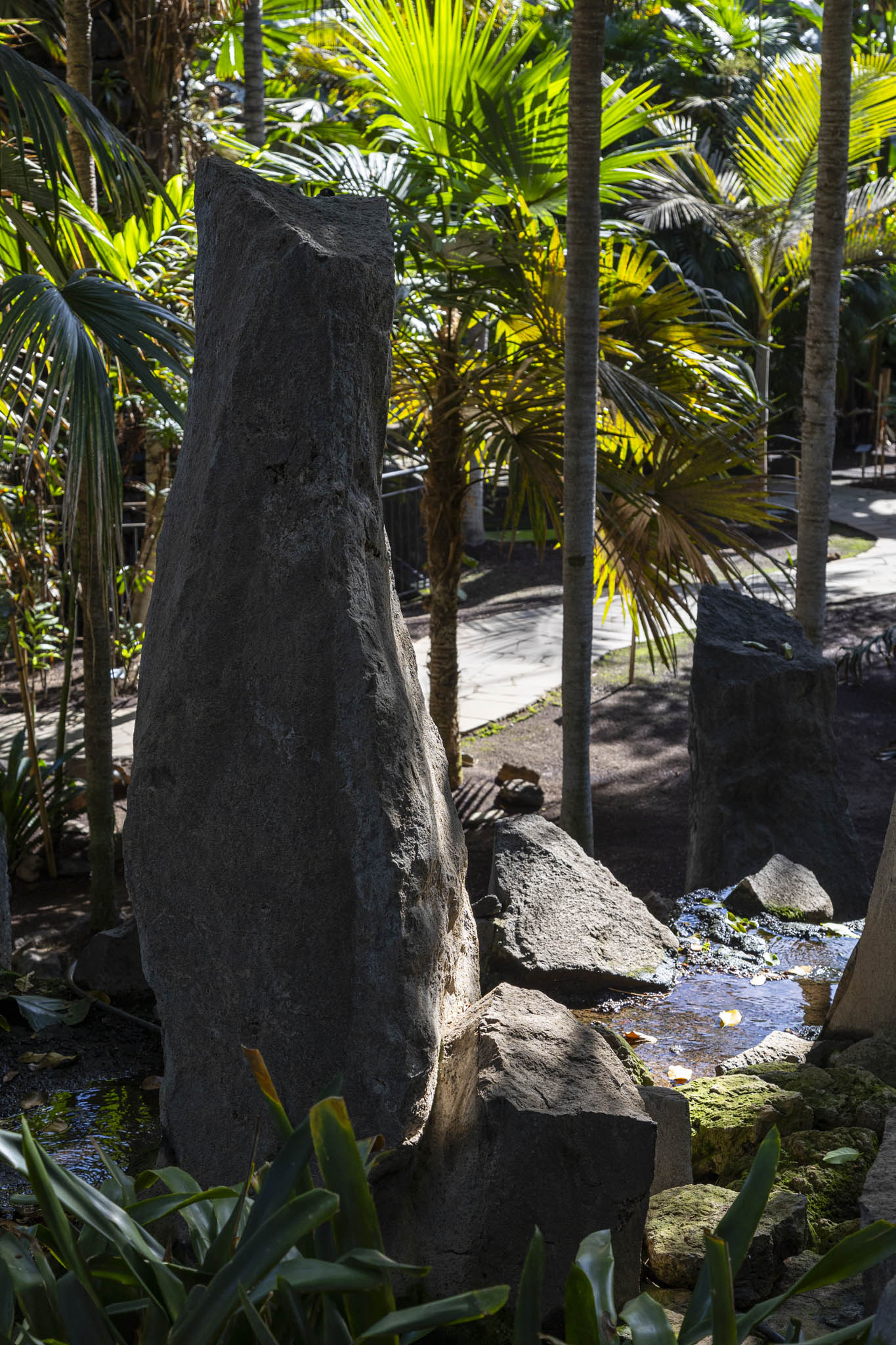
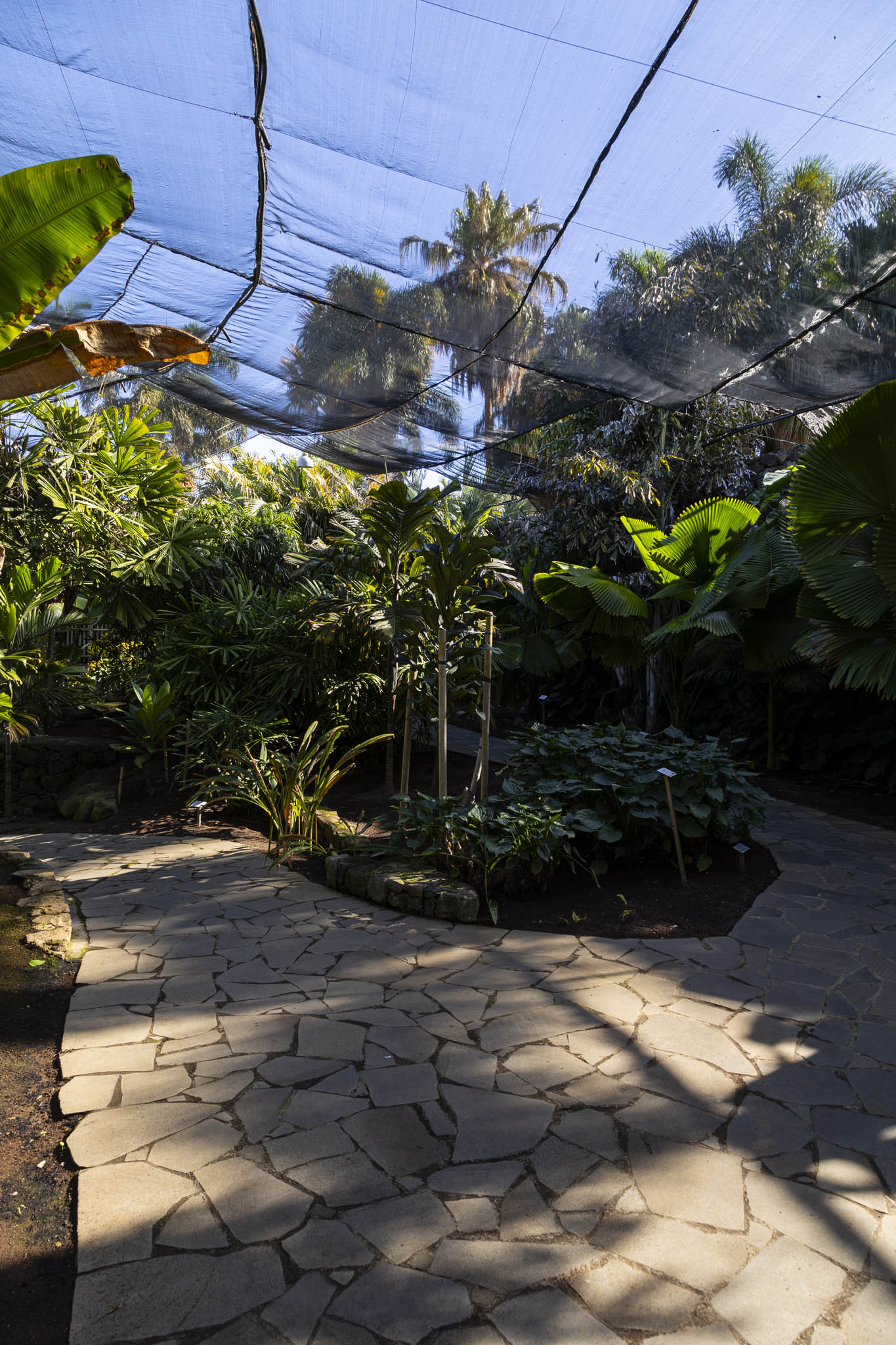
Some of the plants in the botanical gardens were more susceptible to the environment than others and were protected under a recessed, shaded area in the centre of the green space known as The Octagon.
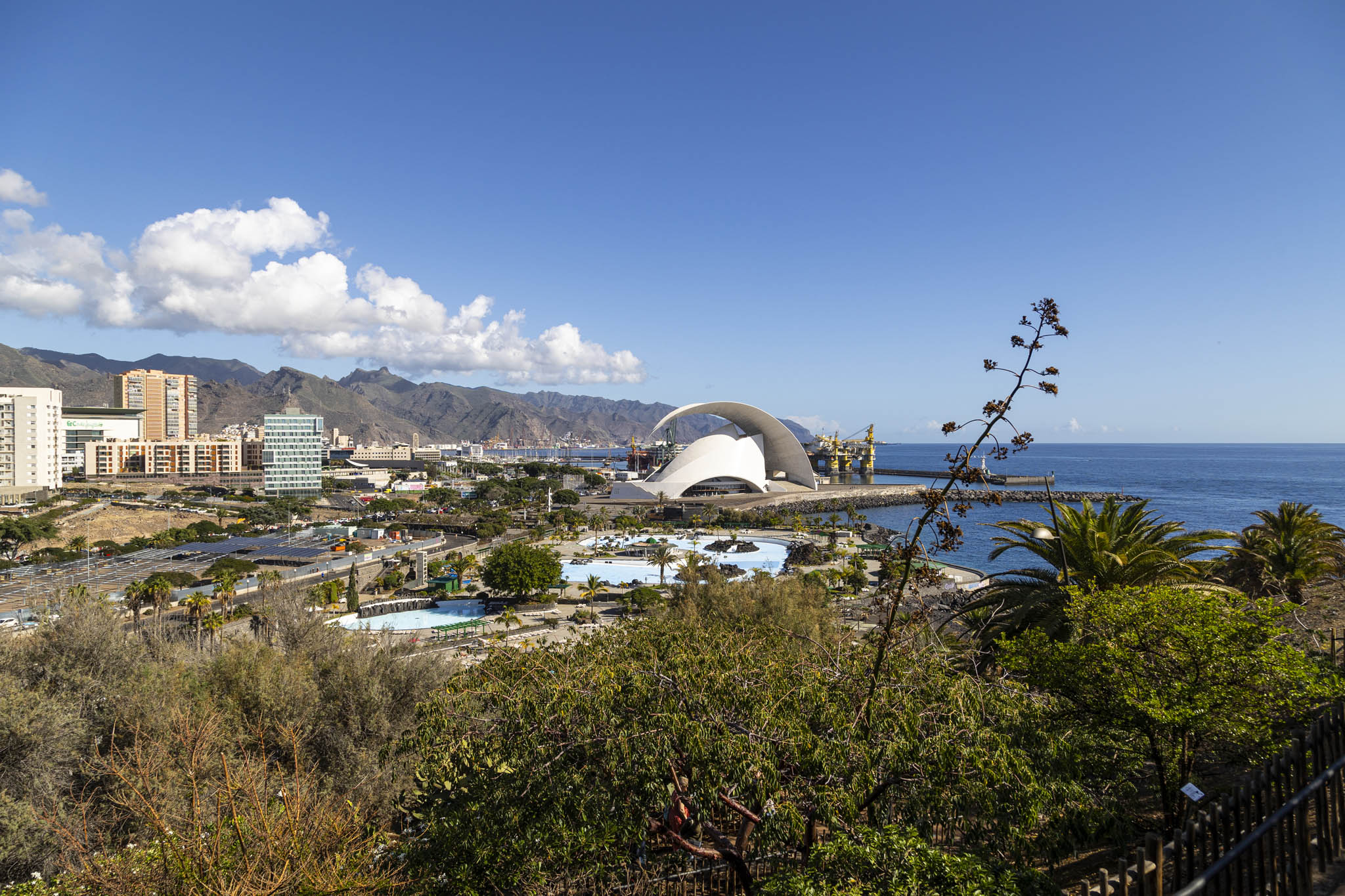
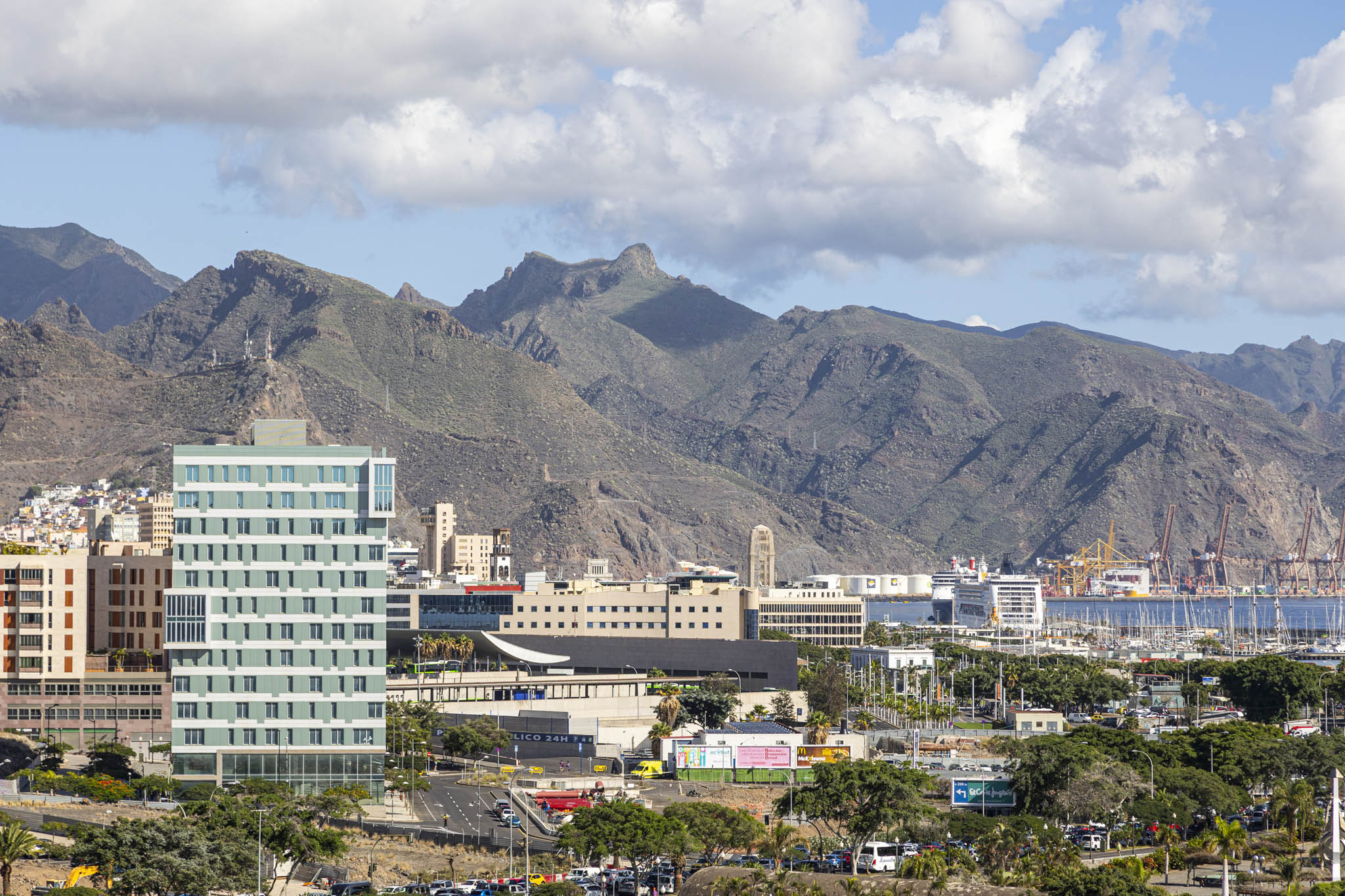
Another lovely view from the Palmetum was back along the Santa Cruz de Tenerife shoreline towards the port with the impressive architecture of the auditorium in the middle ground. We could also spot the aft of Caribbean Princess from this vantage point showing just how far we’d walked.
In the next post in this transatlantic cruise travelogue series we conclude our time ashore on Tenerife with a visit to the Carnival Museum and a stop for some craft beers. No surprise there.