When we’d visited Tenerife before – it had been a few years earlier on a P&O Ventura cruise to the Canary Islands – we’d headed off on an excursion to visit Teide National Park. On this second visit to the island we decided we’d like to explore the port of Santa Cruz de Tenerife on foot, and not just because it would save money, but also because there looked to be quite a few points of interest all in easy reach of where the ship would be.
We awoke in the morning already docked and stepped out onto the balcony to a wonderfully clear sky and a heat that was building already.
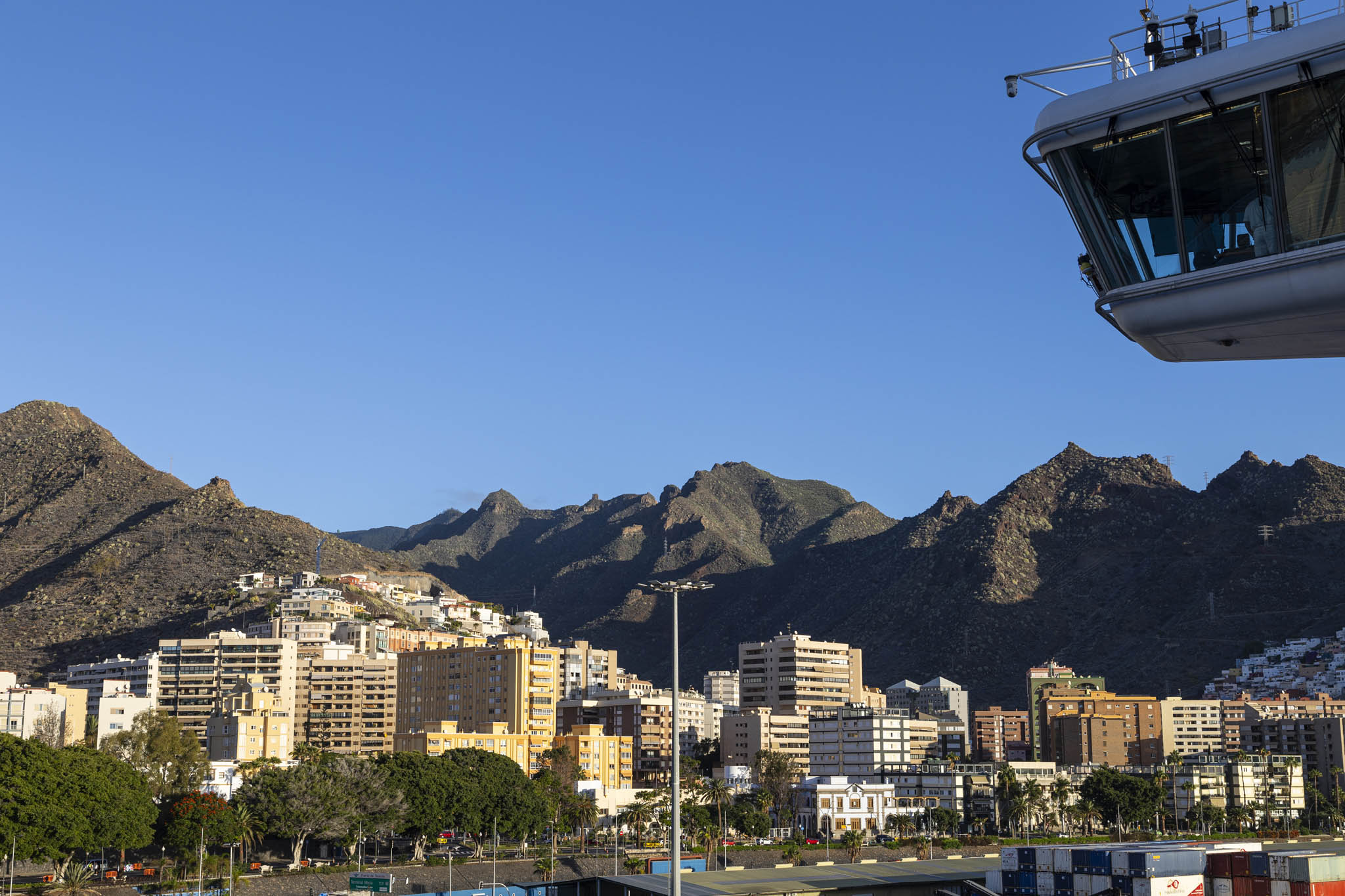
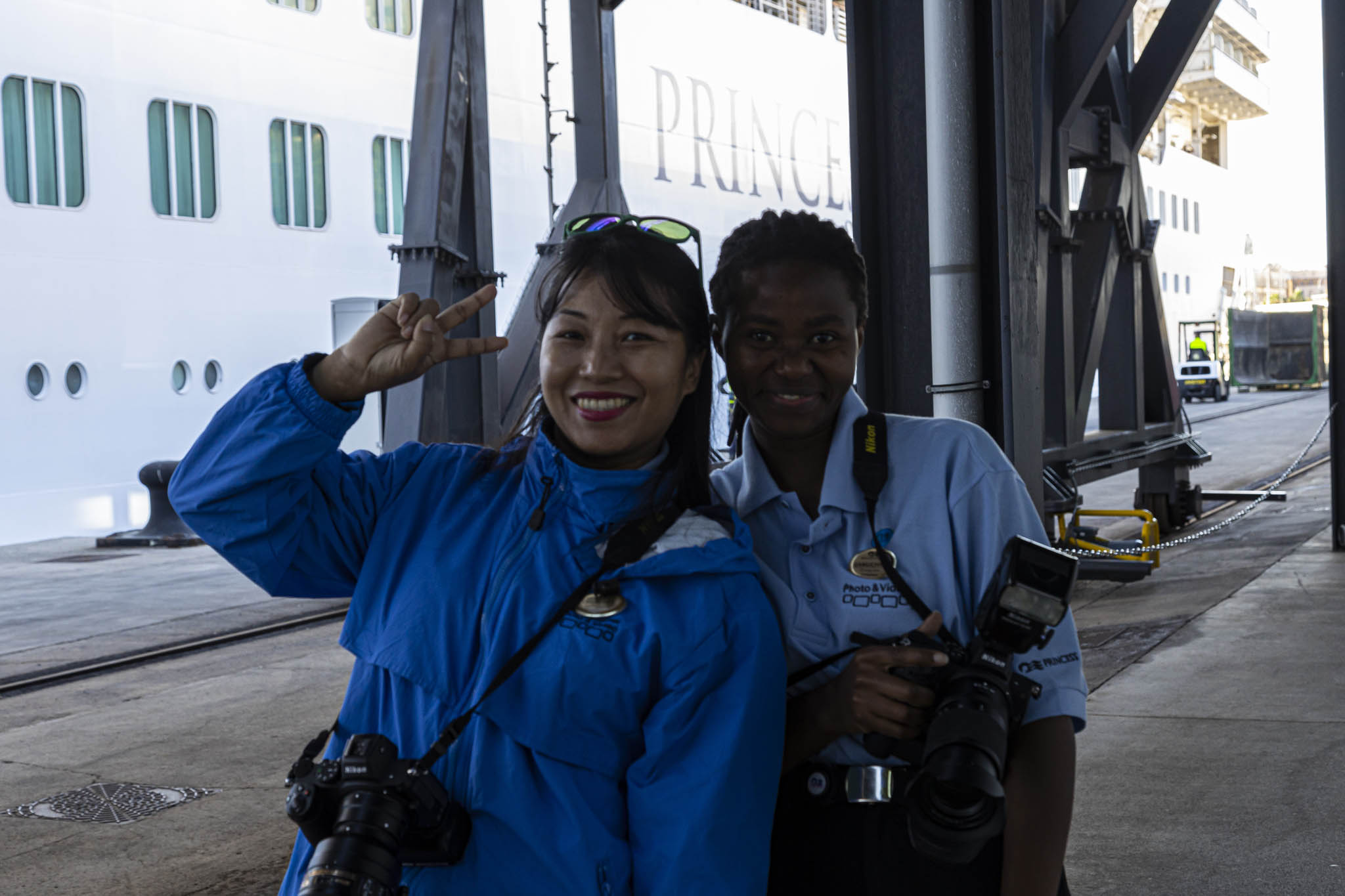
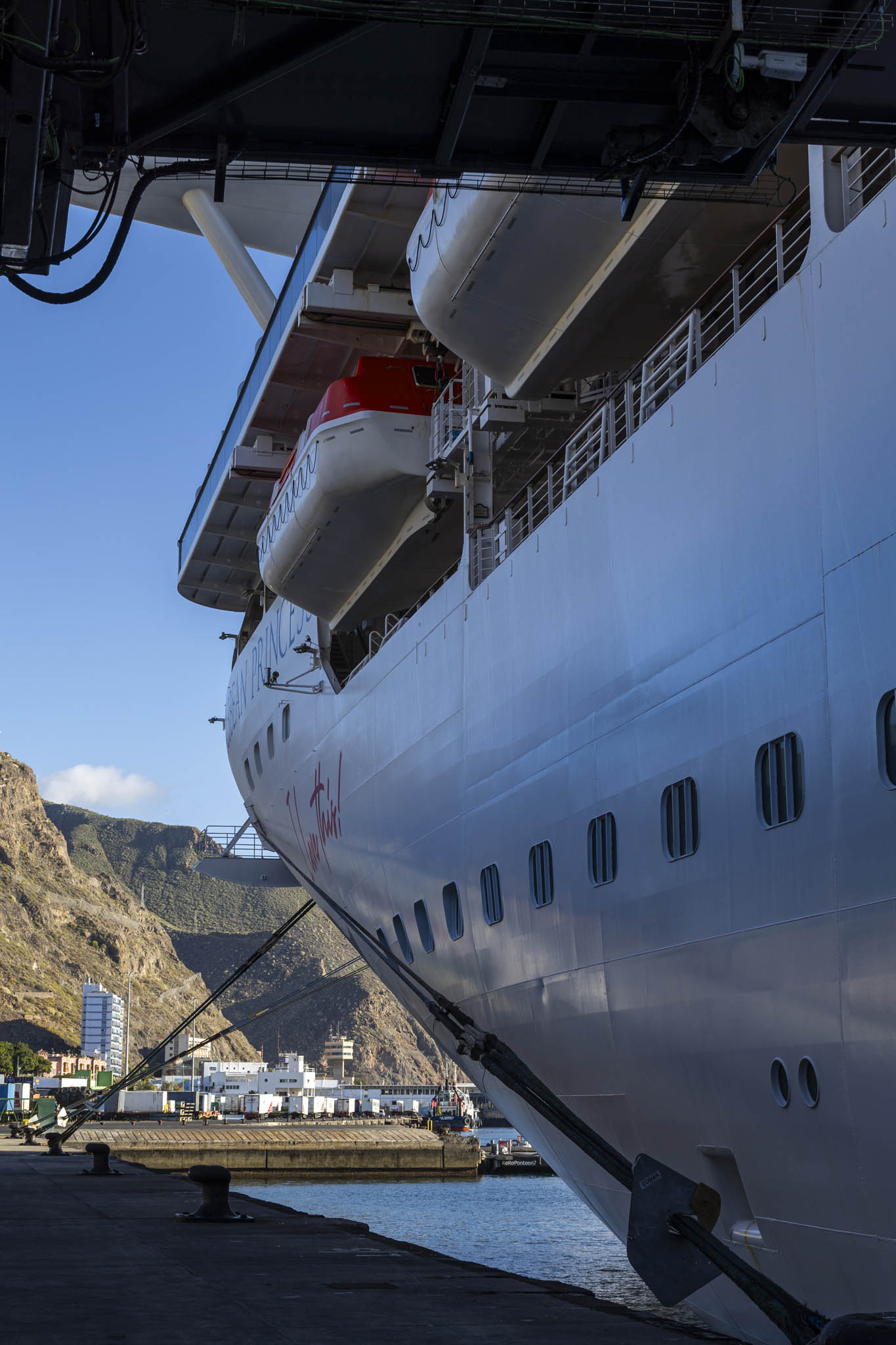
After breakfast and the gathering of camera equipment, water, and sun cream for the day, we headed off the ship and immediately started moving roughly south from where Caribbean Princess was docked. Of course, you can’t get far from a cruise ship in a port before running into the ship photographers but that’s where having my own camera comes in handy as I always try to take pictures of them instead of having them take pictures of us. We don’t like having our photos taken and we’re never going to buy any so we’re saving everyone time and effort there, plus I’d like to think that it gives the photographers a bit of a break. Or a taste of their own medicine. You choose.
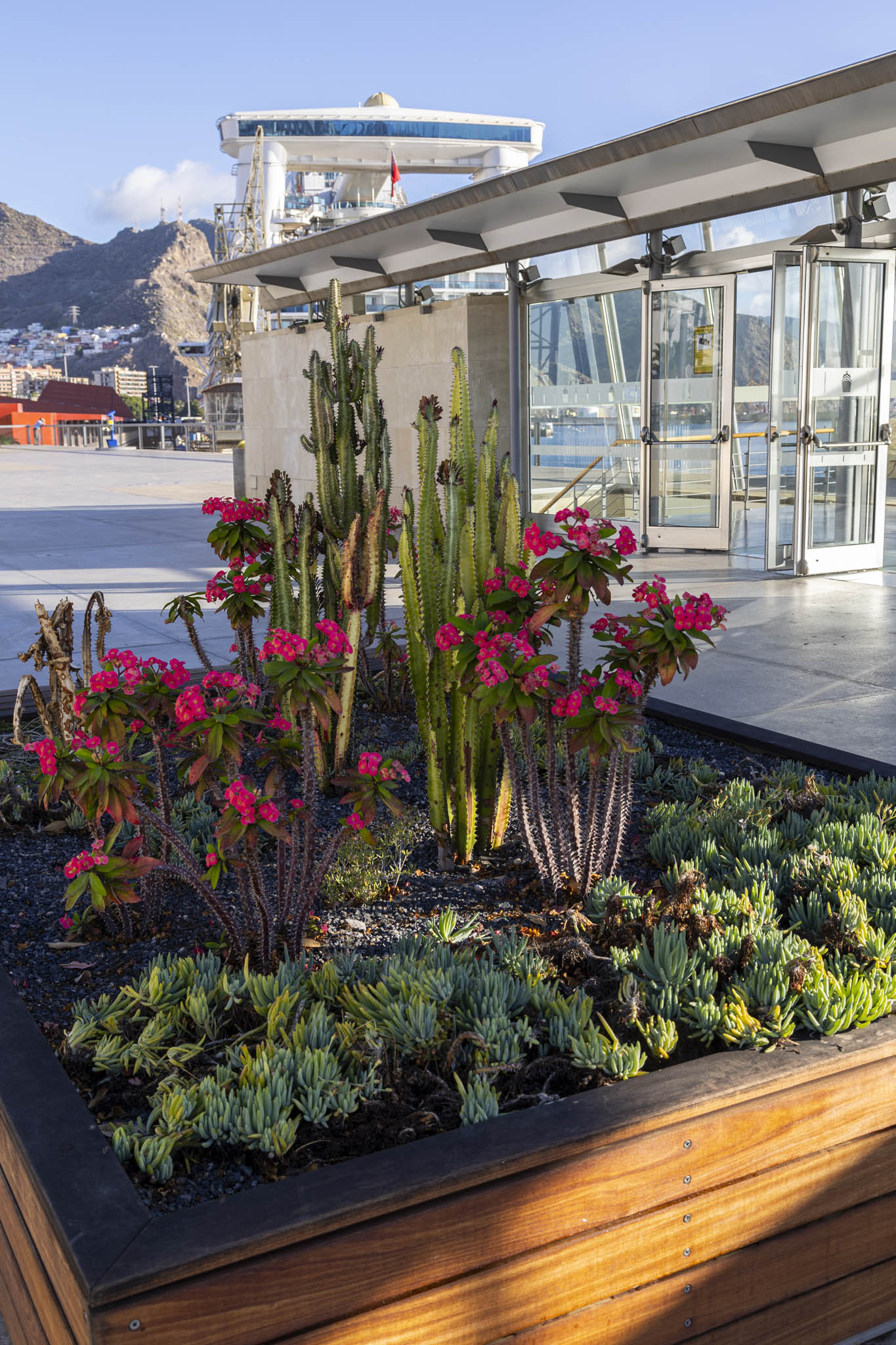
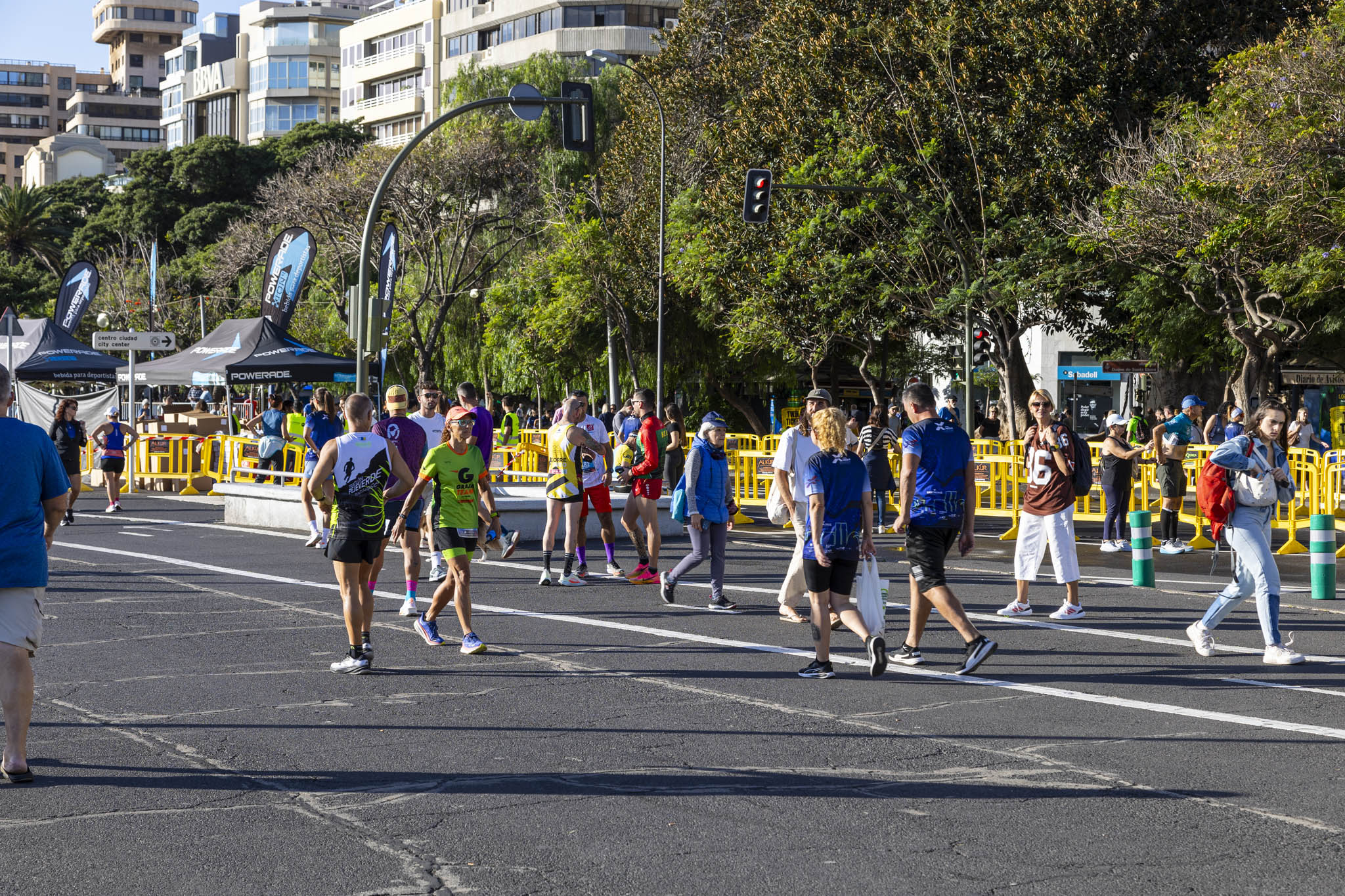
The visit of Caribbean Princess to Santa Cruz de Tenerife coincided with an 8K, a 21K, and a marathon taking place which meant a lot of barriers up and a lot of crazy people in running gear. The barriers and activities didn’t affect those of us on foot and it was nice to see so many people out and about even if it’s not something that I or my wife would ever do. It’s not because we wouldn’t want to but that both of us have histories of injuries. But it’s also because we wouldn’t want to.
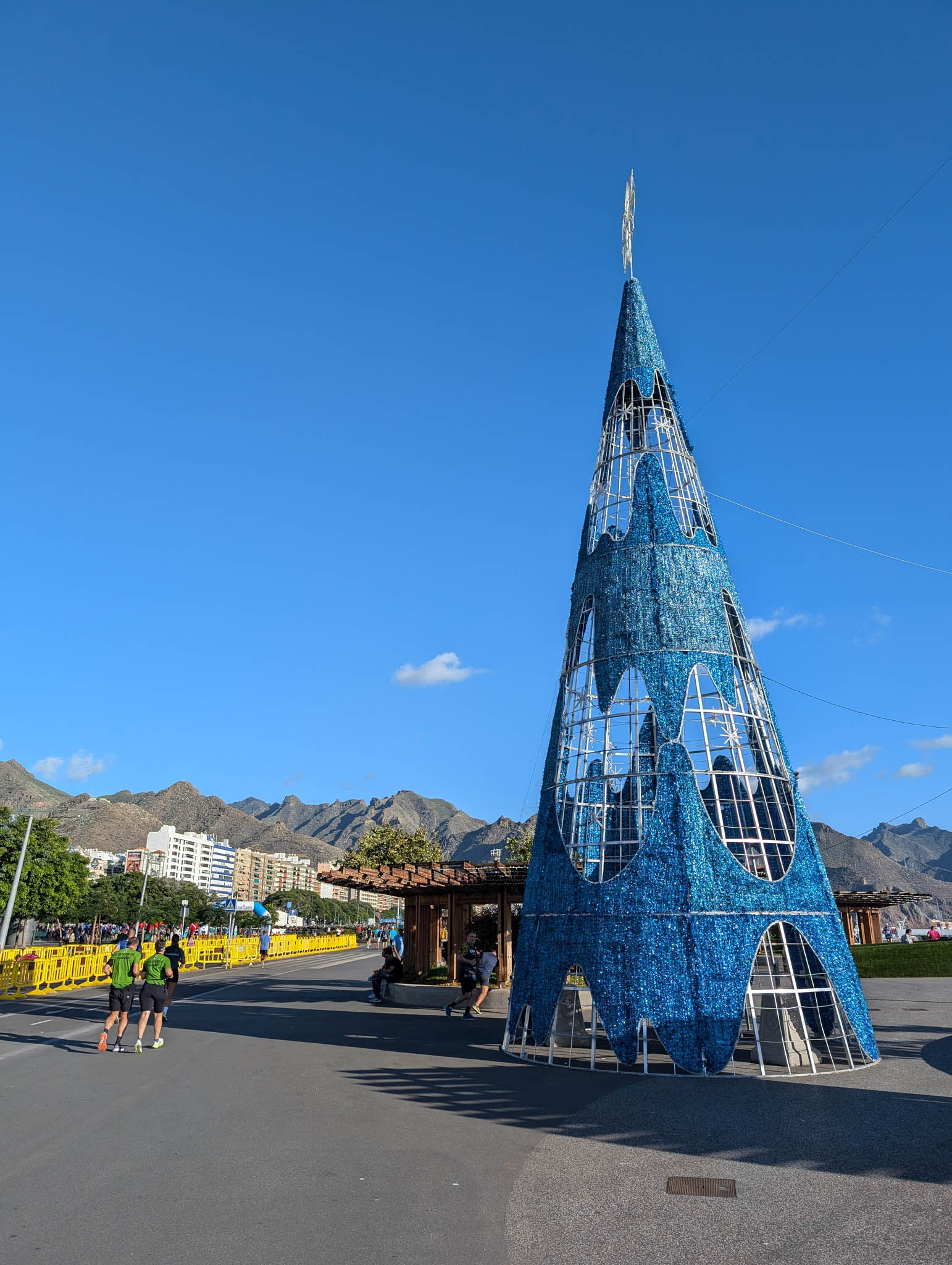
As this cruise was taking place fairly late in the year it wasn’t a complete surprise to see a Christmas Tree up, although that name is a bit misleading. A Christmas Cone would be more accurate. Clearly, it’s better for the trees if they’re not chopped down, transported to an environment they really won’t thrive in, decorated, then left to die, but it’s still not right to call a cone a tree. Somebody has to say it.
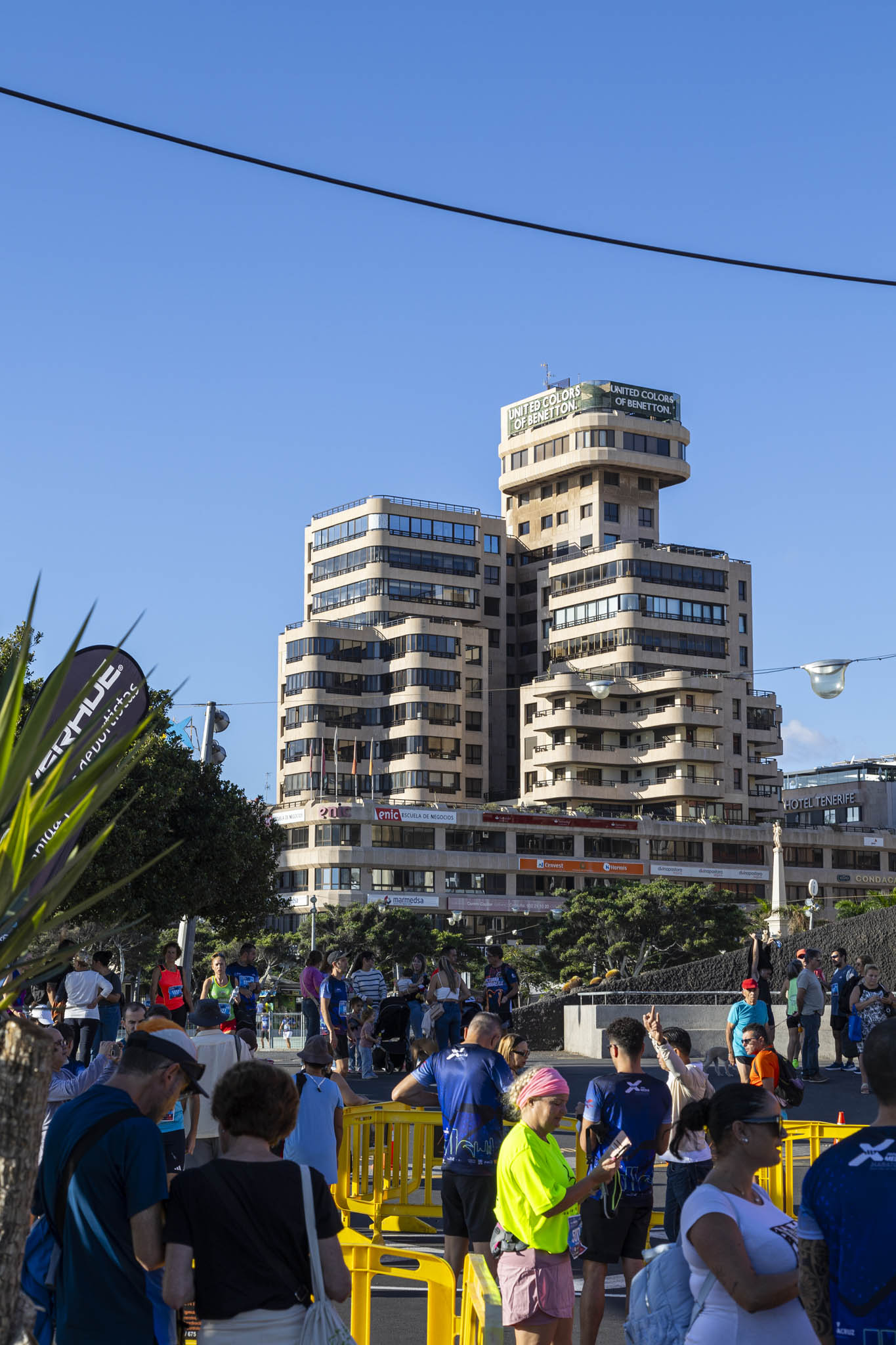
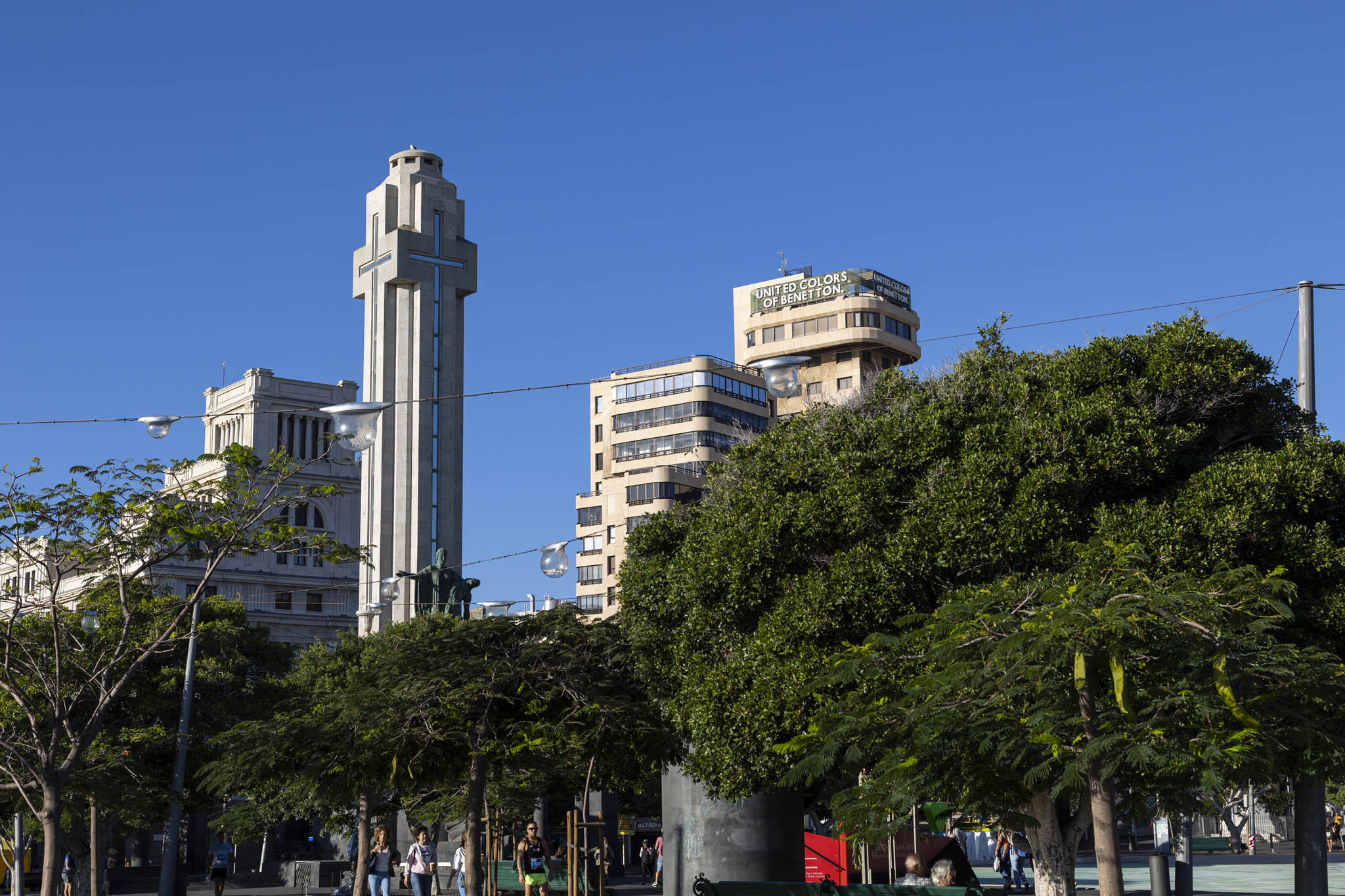
Anyone who knows me – and very few people know me – will know that I do like architecture and history even if I’m not remotely close to being an expert in either subject. Whenever you’re travelling you’re bound to encounter things that incorporate one or both of those elements, though, and sometimes they can surprise you. Take the Monument to the Fallen below (the cross-shaped structure). The name and design might simply suggest that it’s to honour the dead, and that’s true to a point, but it’s a problematic piece because the dead it’s honouring are the fascists who died in support of Franco in the Spanish Civil War and its construction made use of forced labour by political prisoners.
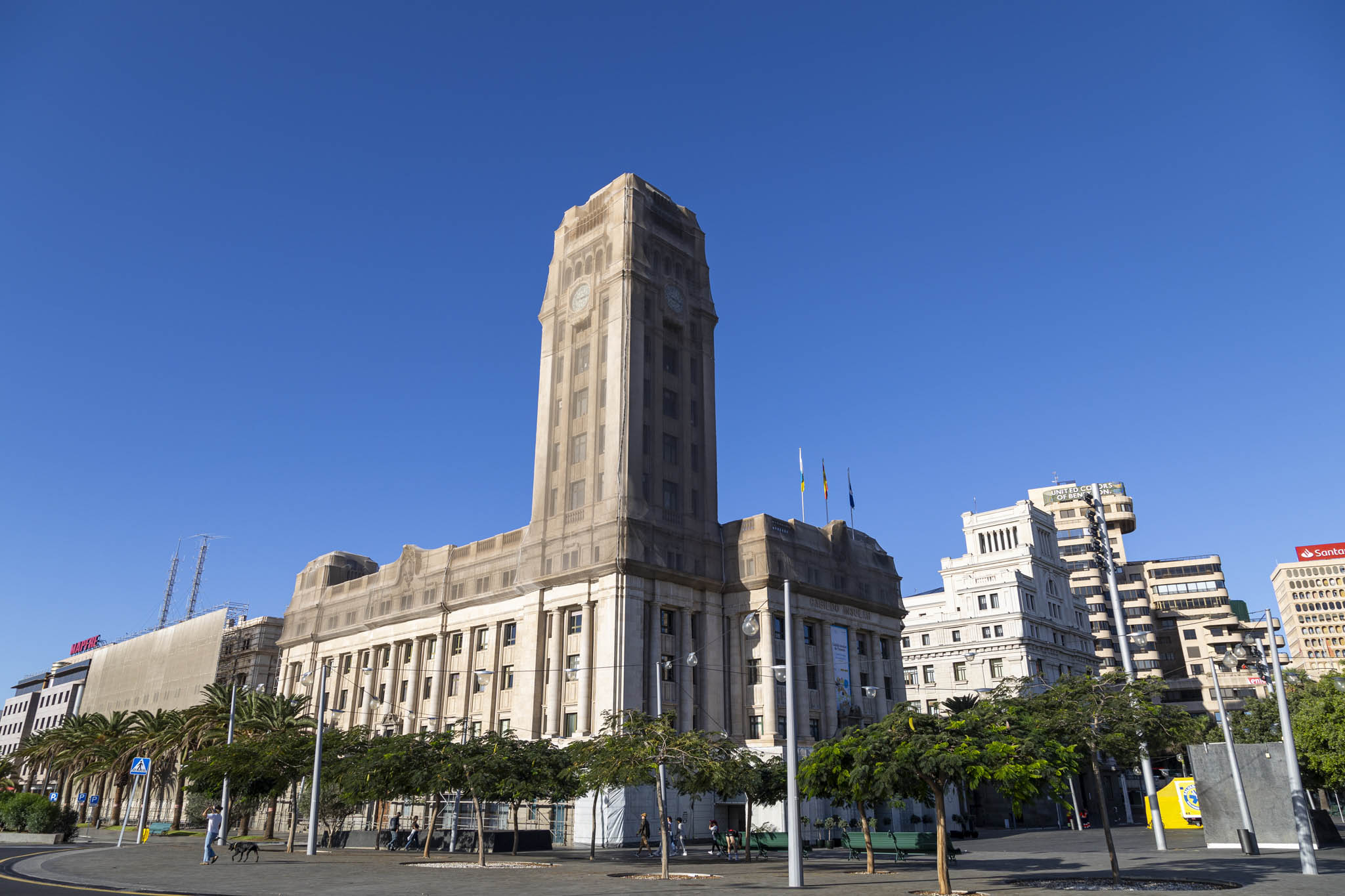
The Insular Palace is the home of Tenerife’s governing body. The building was completed in 1940 and is Monumentalist, typical of the works preferred by fascists. Big and imposing for no good reason? That’s what the fascists love. Looking to build a giant ballroom when you clearly can’t dance? You’re probably a fascist. Thinking that a giant arch in your country is needed that’s bigger than everyone else’s arch even though it serves no purpose and you just want your name on it? You’re probably a fascist. You’re definitely pathetic. Oh, I appear to have veered off into topics of current political events for some reason. Anyway, the palace is notable for its clock tower and, apparently, the stocking it puts over its head when it’s about to head off somewhere and rob a bank.
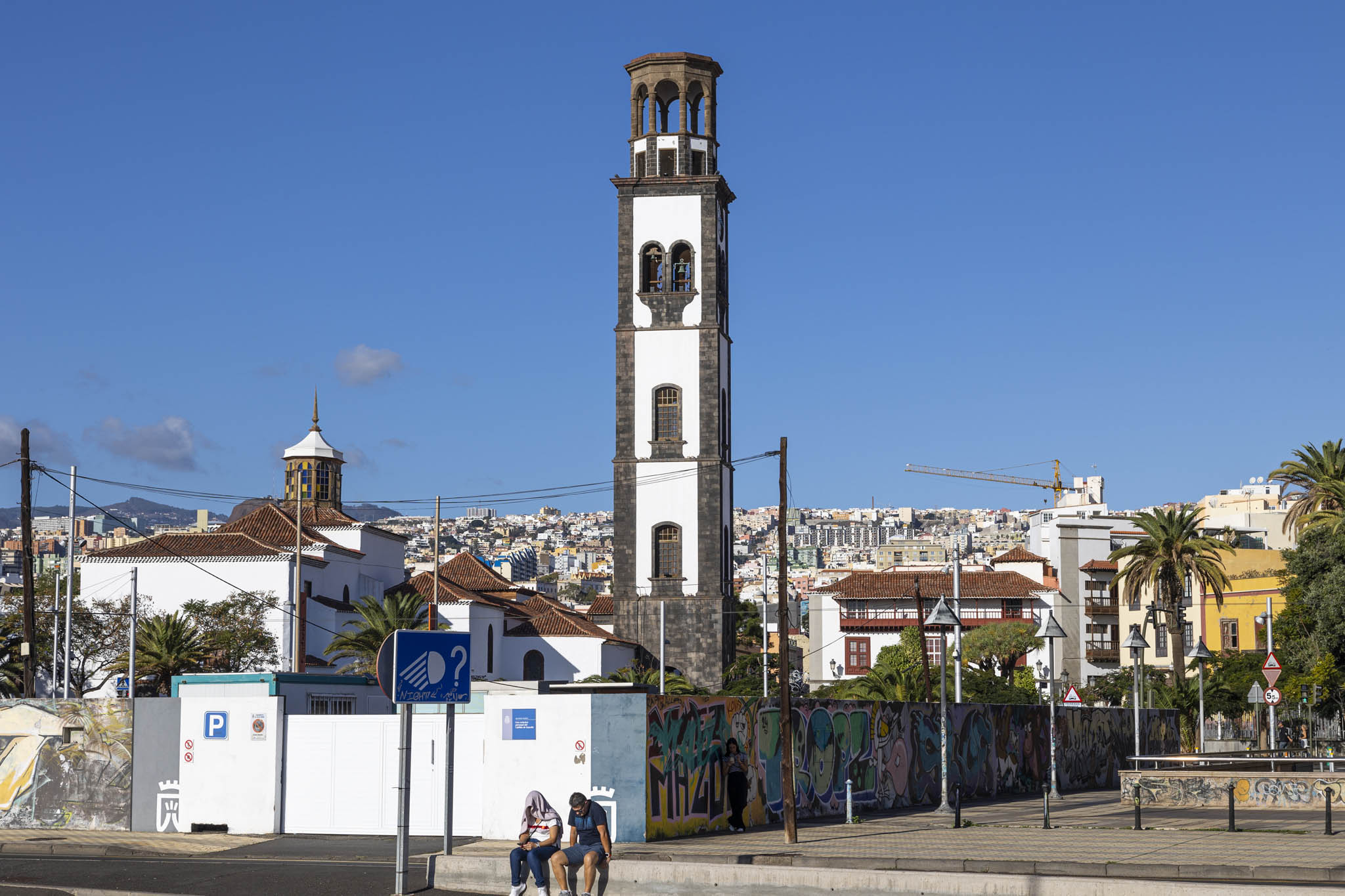
If I know you half as well as I think I do then I know that whenever you see a church you ask yourself “How many naves does that thing have then?” The sixteenth century Church of the Immaculate Conception has five naves, you’ll be pleased to learn. The tower was an eighteenth century addition.
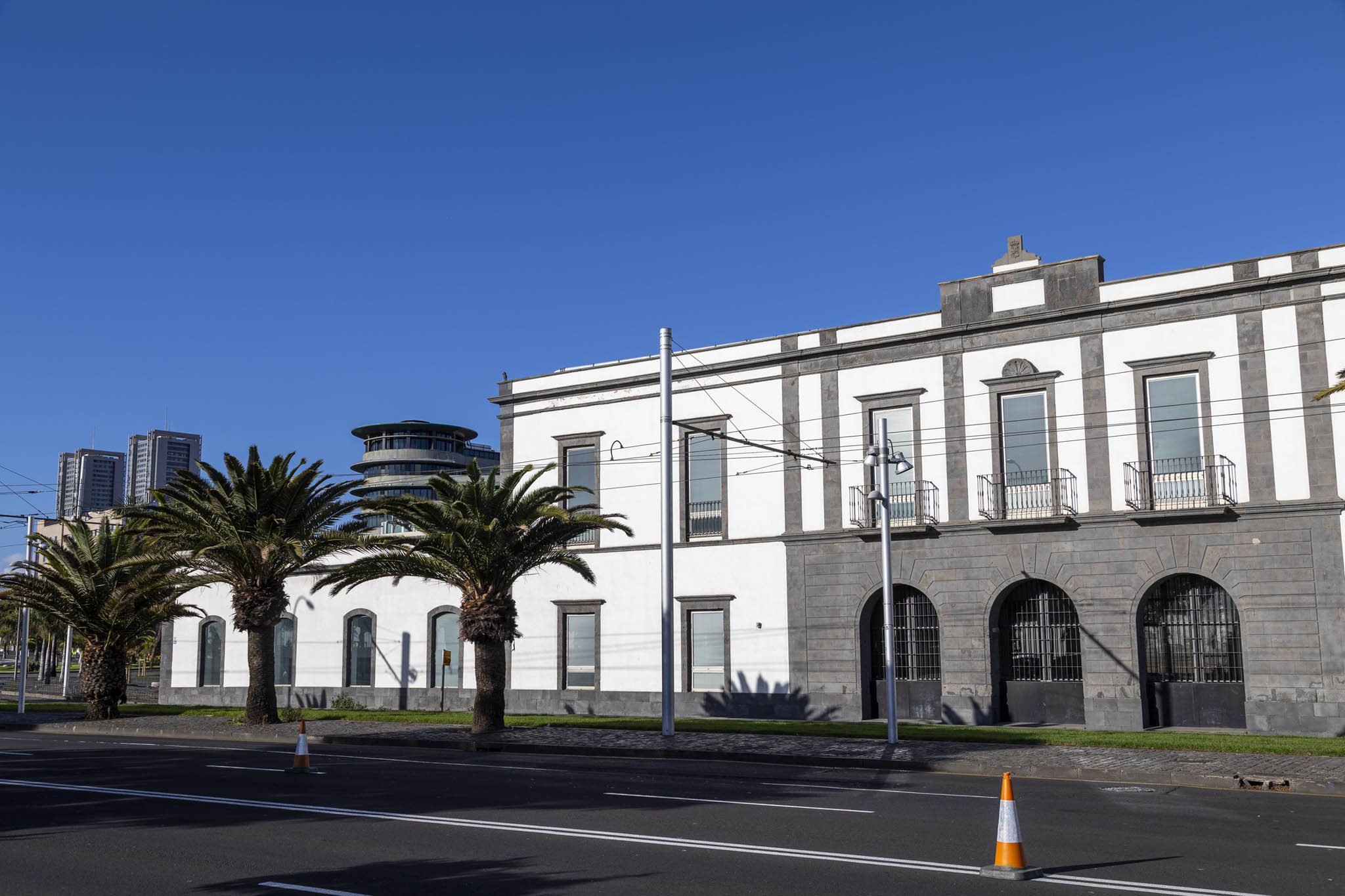
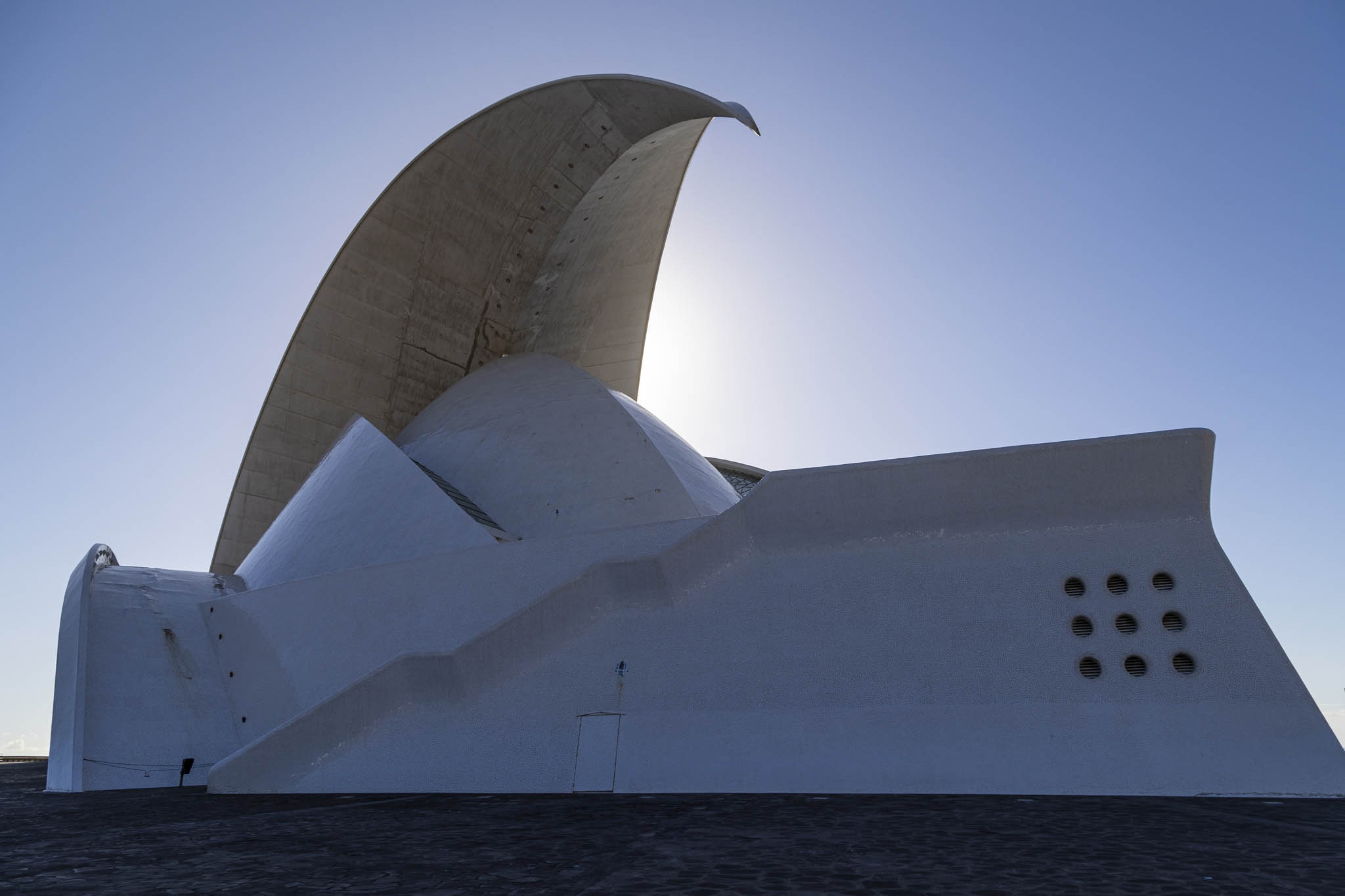
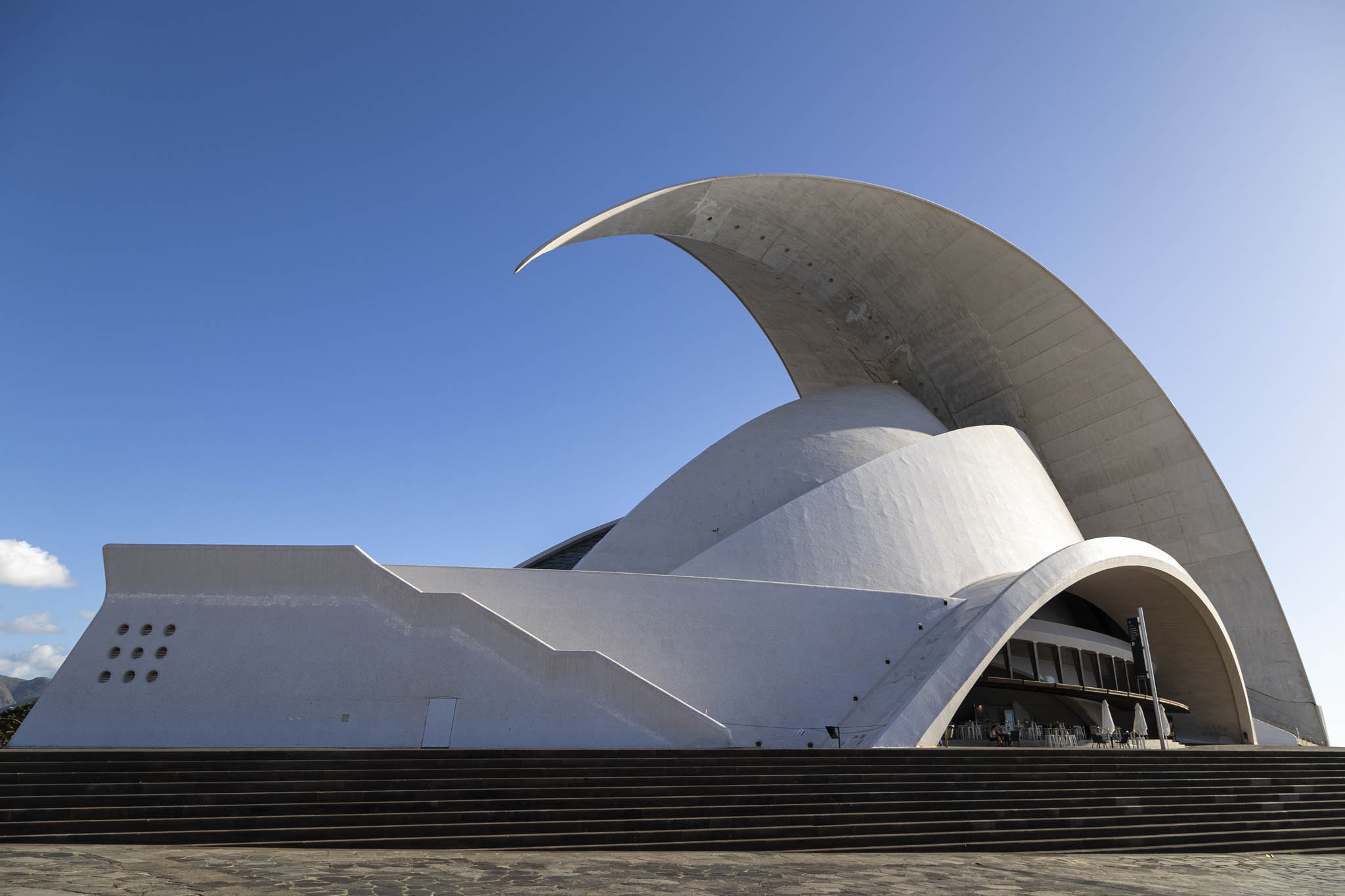
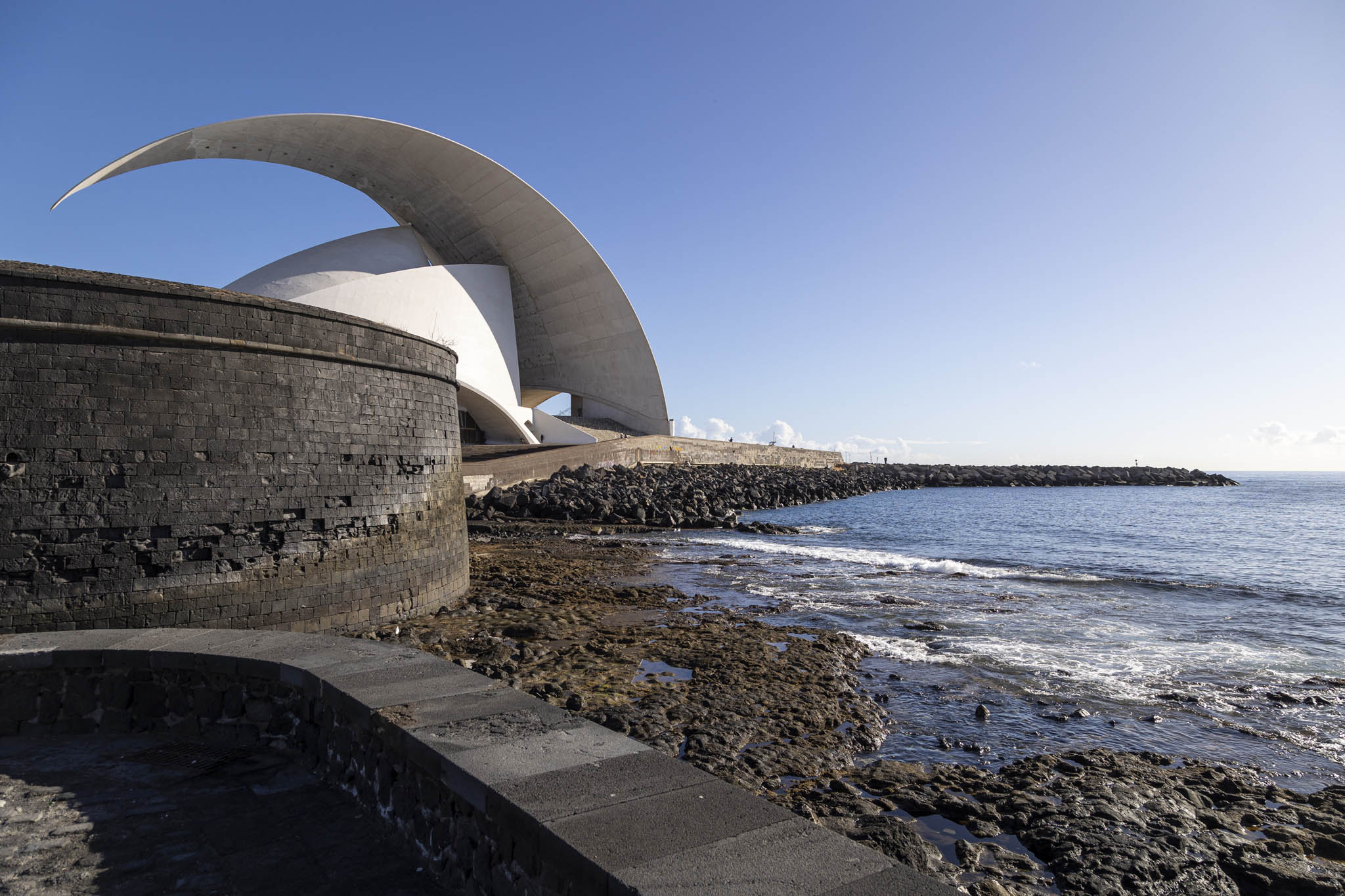
The first thing we properly wanted to see up close was the massive monument to Razer from Robot Wars. Wait, I’ve just checked, and it turns out that this is in fact the Auditorio de Tenerife. Regardless, it’s a lovely-looking piece of architecture that’s hard to miss along the waterfront area of Santa Cruz de Tenerife.
The auditorium was completed in 2003 and inaugurated that same year in the presence of Prince Felipe, who at this time is now King of Spain. At night the building is lit up in white (although other colours can be used for special occasions) and we’d seen it illuminated in the darkness as we departed Tenerife on our first visit to the island.
The auditorium offers guided tours, although we didn’t know that at the time, so it’s something we might do on our next visit.
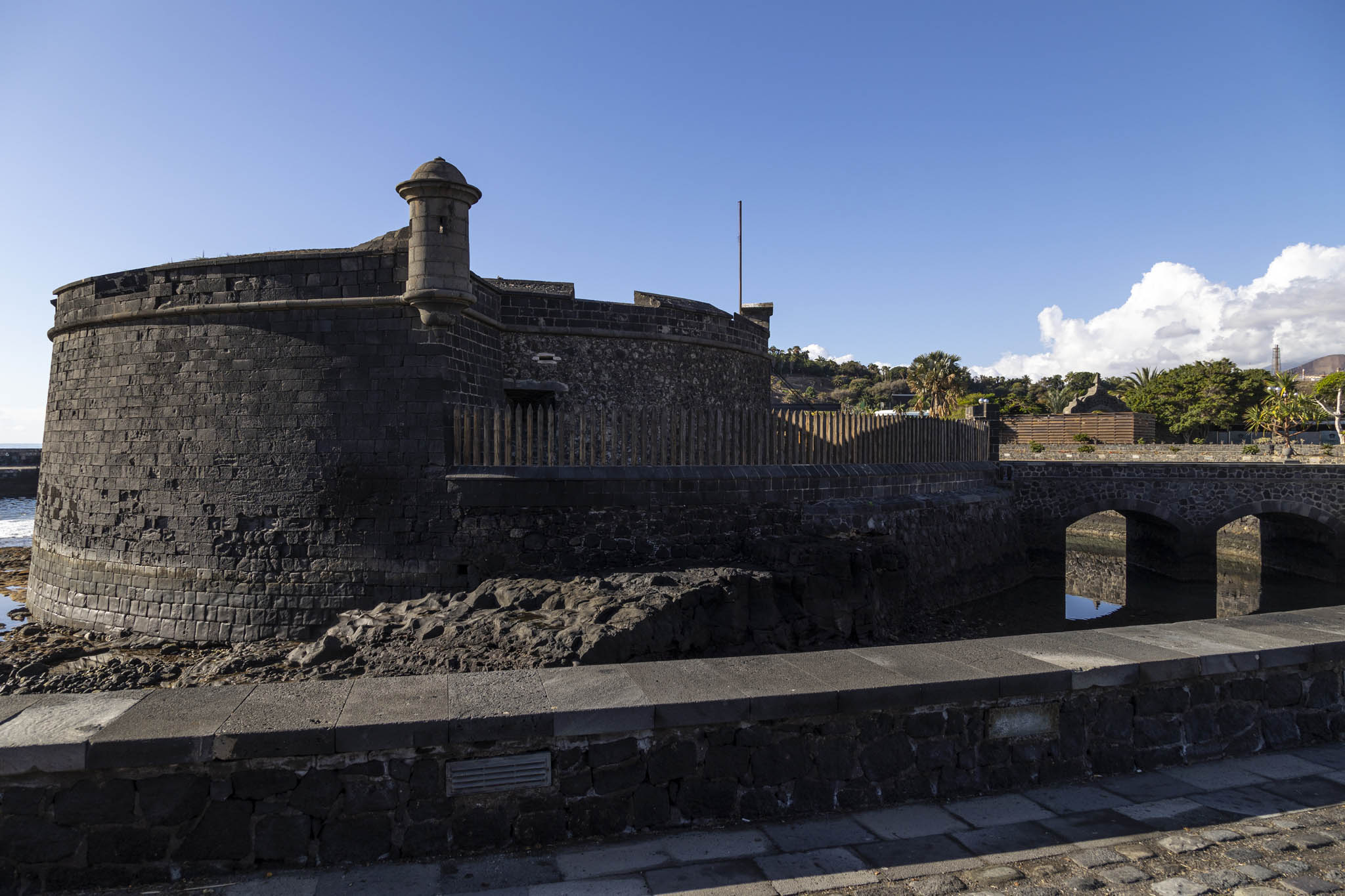
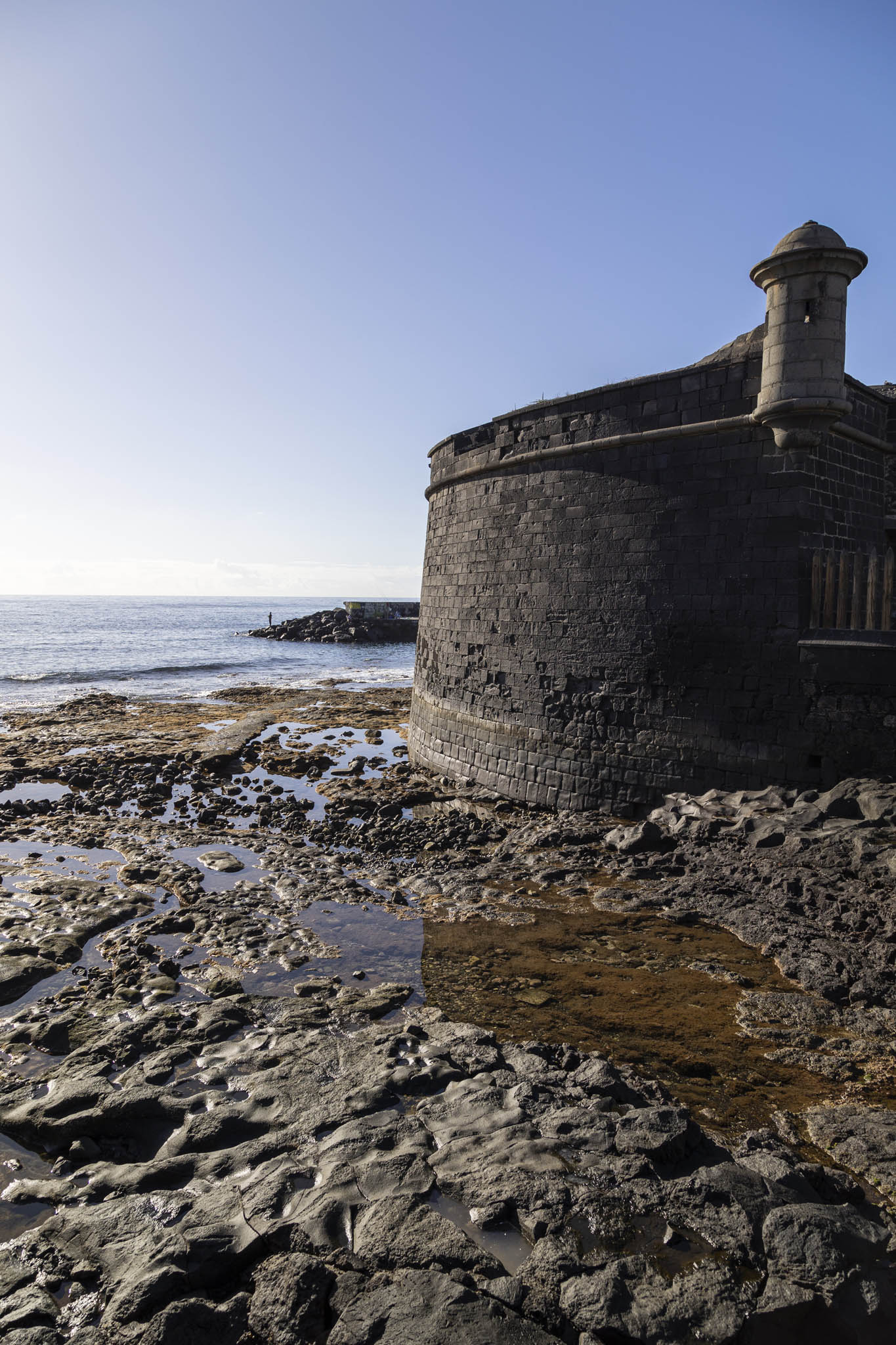
Right next to the auditorium was the Castle of John the Baptist. Castle is pushing it a bit. It’s really a fort. While the defensive structure was originally built in the seventeenth century what we saw now was the mid-eighteenth century rebuild with squat, circular tower.
Historically, there’s a connection between this castle and ourselves, though, and that’s the Portsmouth connection with Lord Nelson. The castle was one of the defensive locations that helped the Spanish inflict a crushing defeat on an overconfident Nelson and his fleet in 1797 and it was the battle in which Nelson lost his arm. Some of the combat details of the Battle of Santa Cruz de Tenerife are interesting enough but it’s the aftermath that’s most fascinating to me, where the defending commander, Lieutenant General Antonio Gutiérrez (who had previously defeated the British in battle twice and had out-thought Nelson in this fight too), agreed honourable terms for a truce so the British could return to their ships with the promise not to attack again, and even loaned two schooners to the British to assist in their return to England. Nelson subsequently sent Gutiérrez beer and cheese along with a letter of thanks, and Gutierrez replied with Spanish cheese and wine. Can you imagine that sort of thing happening these days?
We continued to head roughly southwards as we now had an actual place in mind to visit.
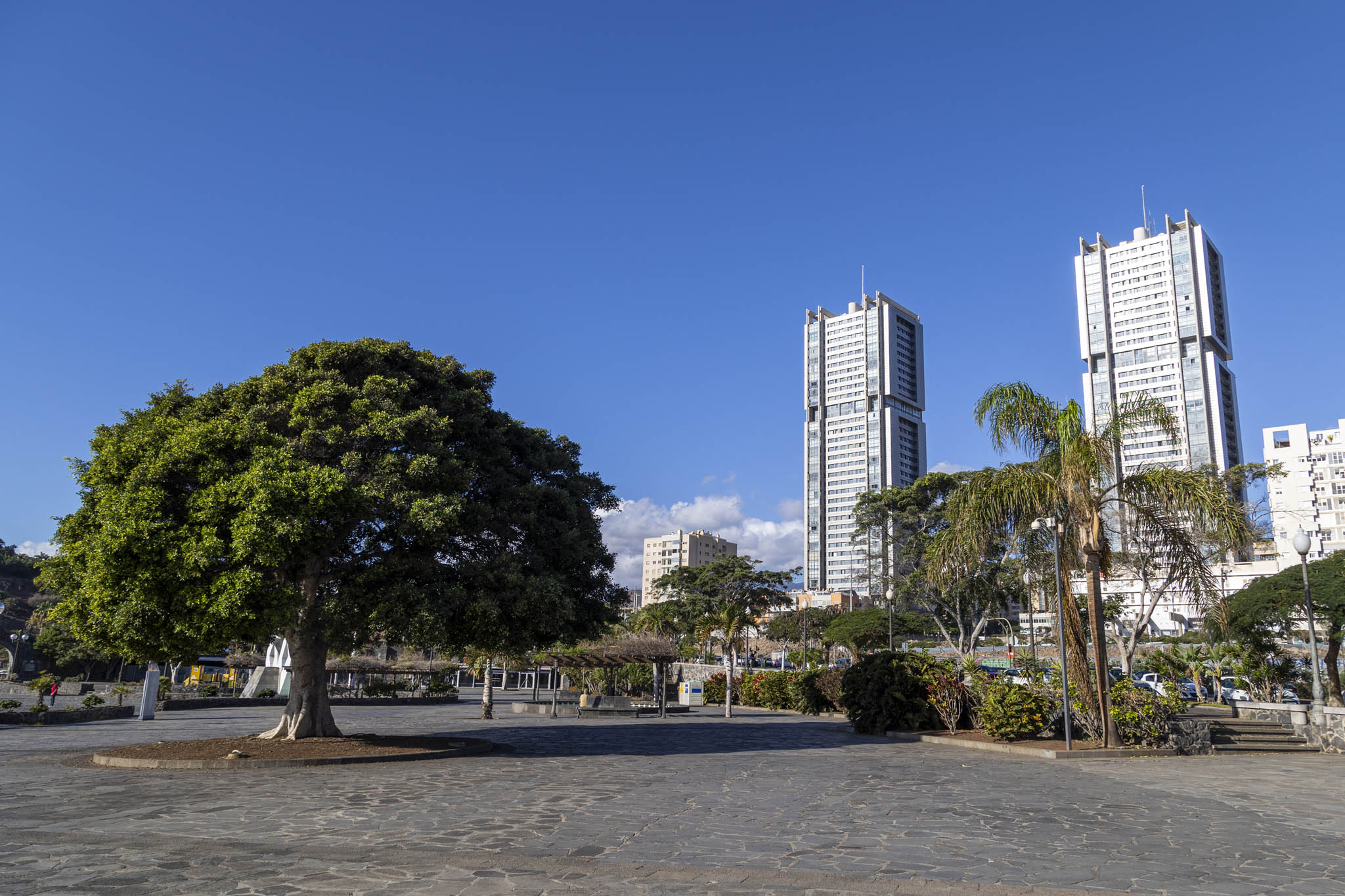
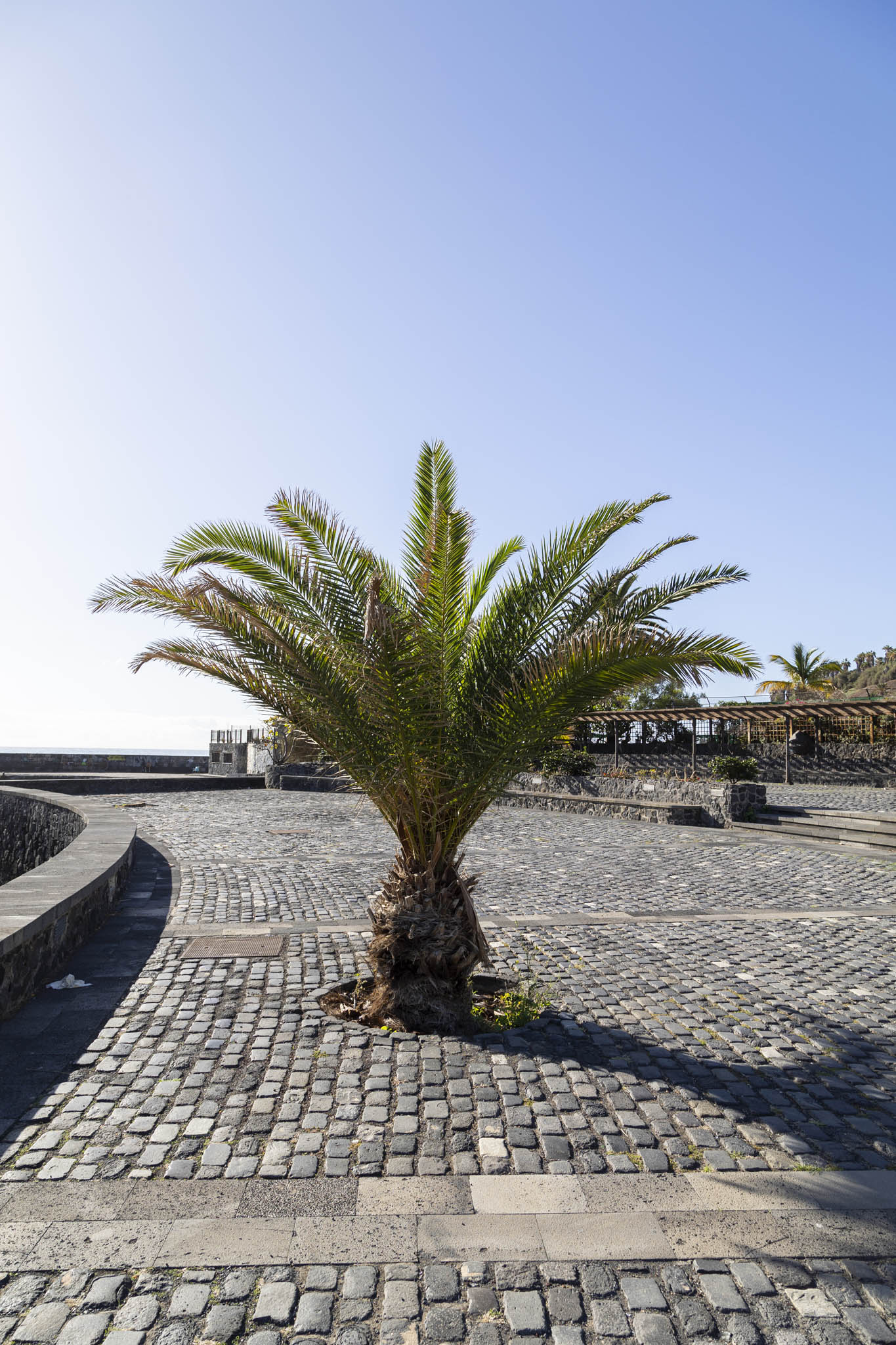
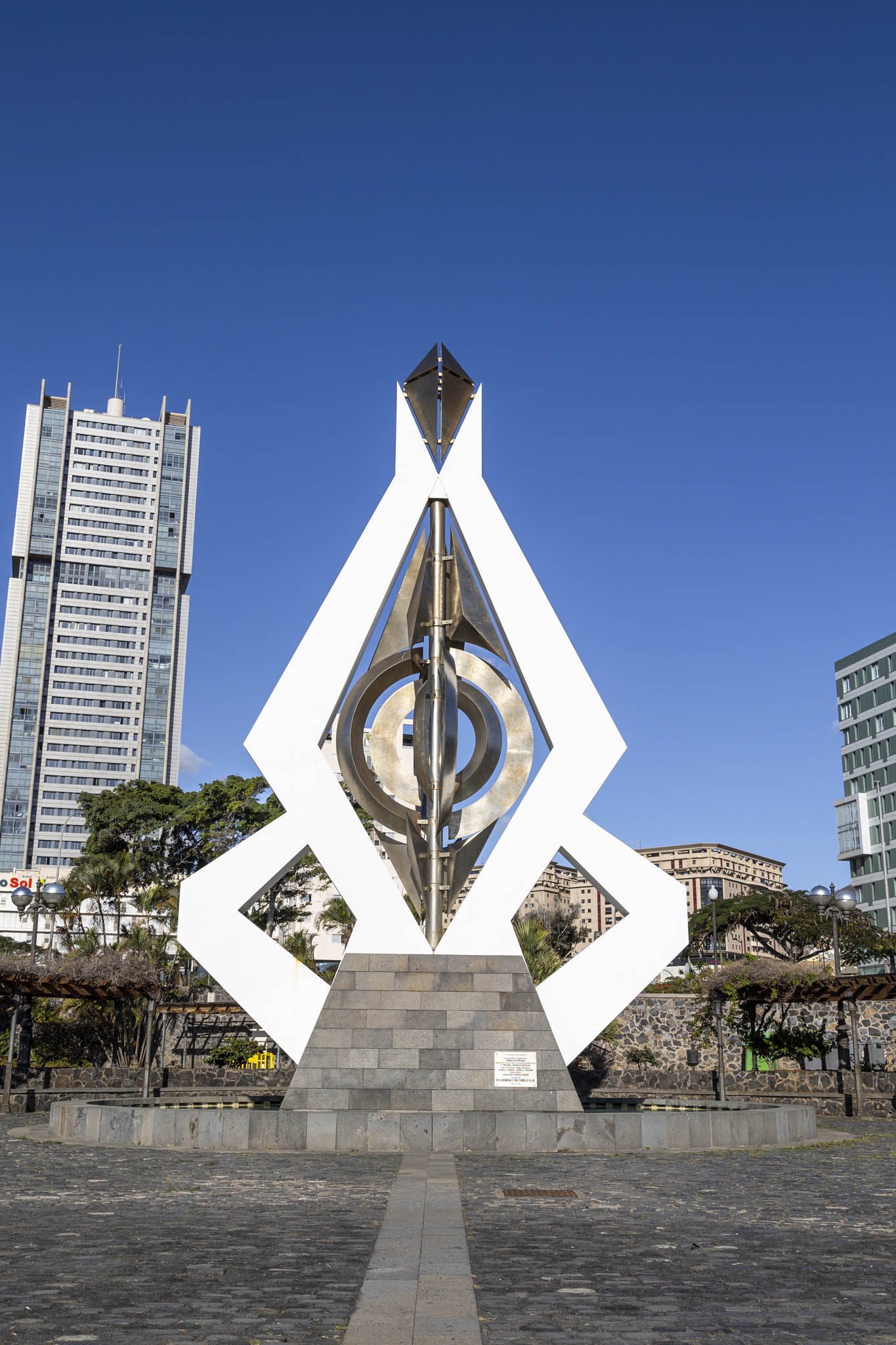
The attractive water park area and wind sculpture we passed by were designed by the architect César Manrique.
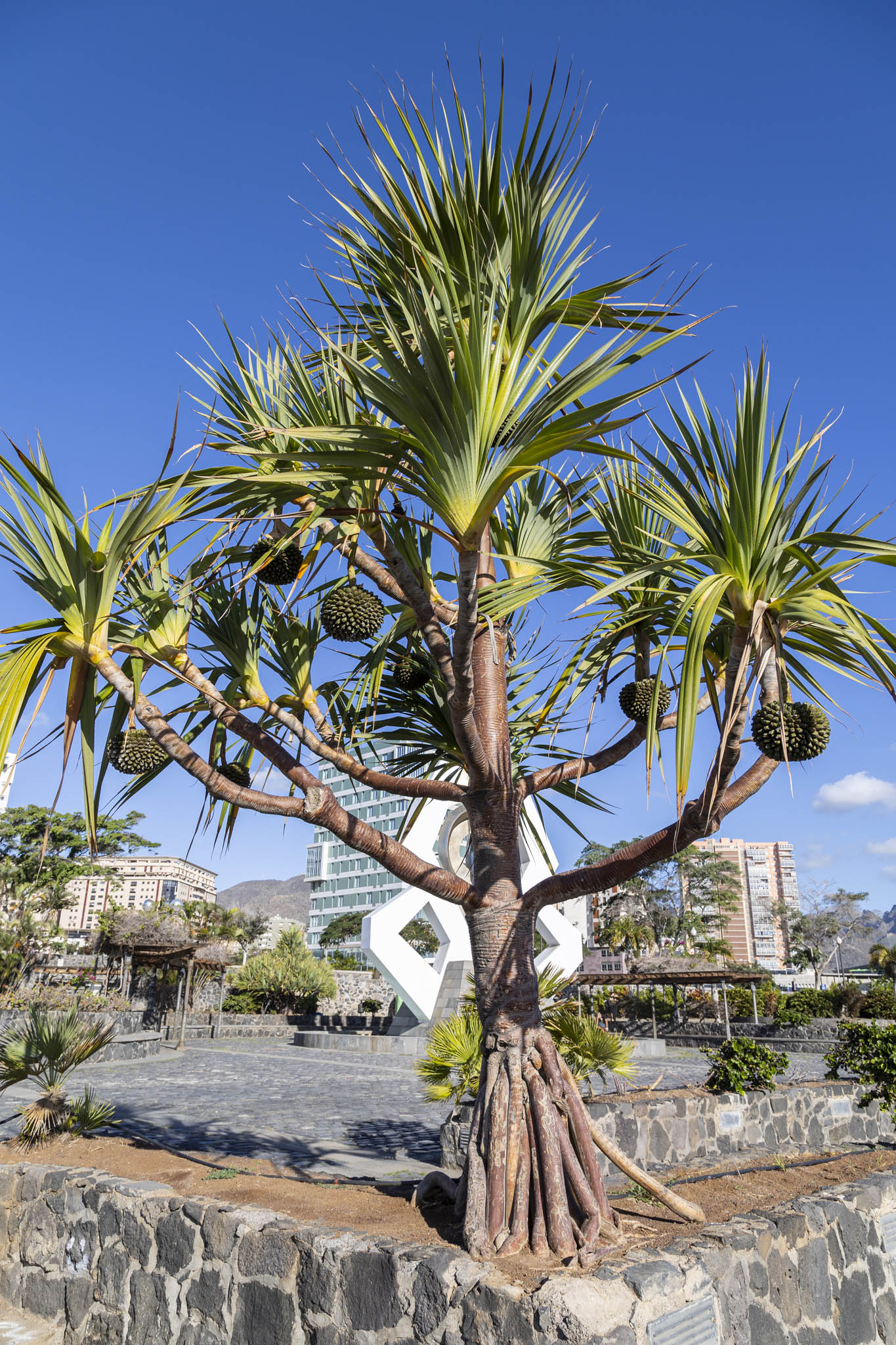
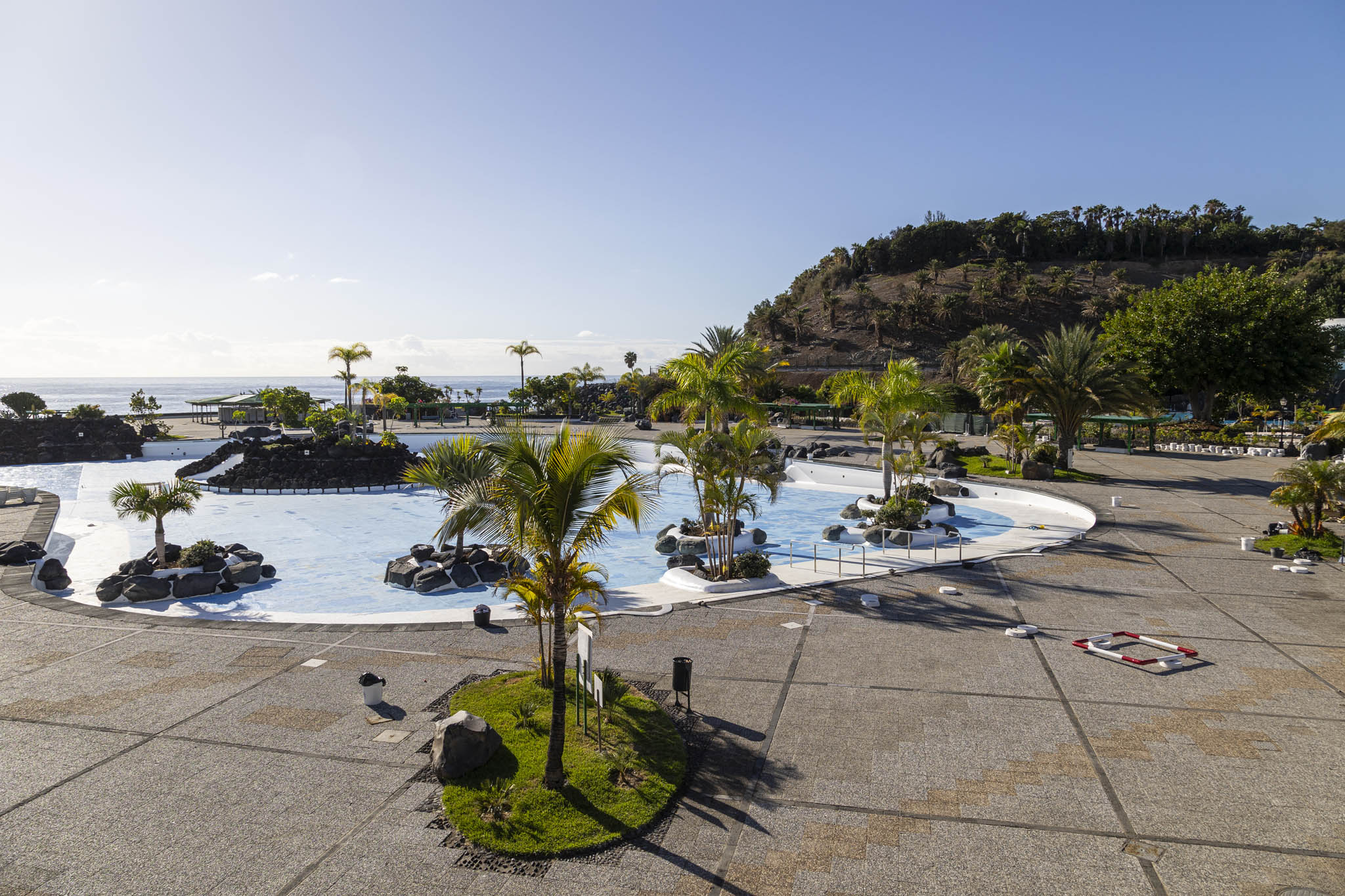
However, it wasn’t the water park we were interested in seeing, but rather a botanical garden stretching across that hill just behind it in the photograph above. In the next post in this transatlantic cruise travelogue series we’ll pay a visit to the Palmetum at Santa Cruz de Tenerife.