We were on a full day cruise excursion in Morocco which had started with Caribbean Princess docking at Casablanca and us heading off to the country’s capital of Rabat. In the first part of this day’s write-up you can look at photos of the drive and our fabulous stop for lunch in a Rabat restaurant in the city’s Medina.
The remainder of our time in Rabat would be spent hitting a few tourist highlights.
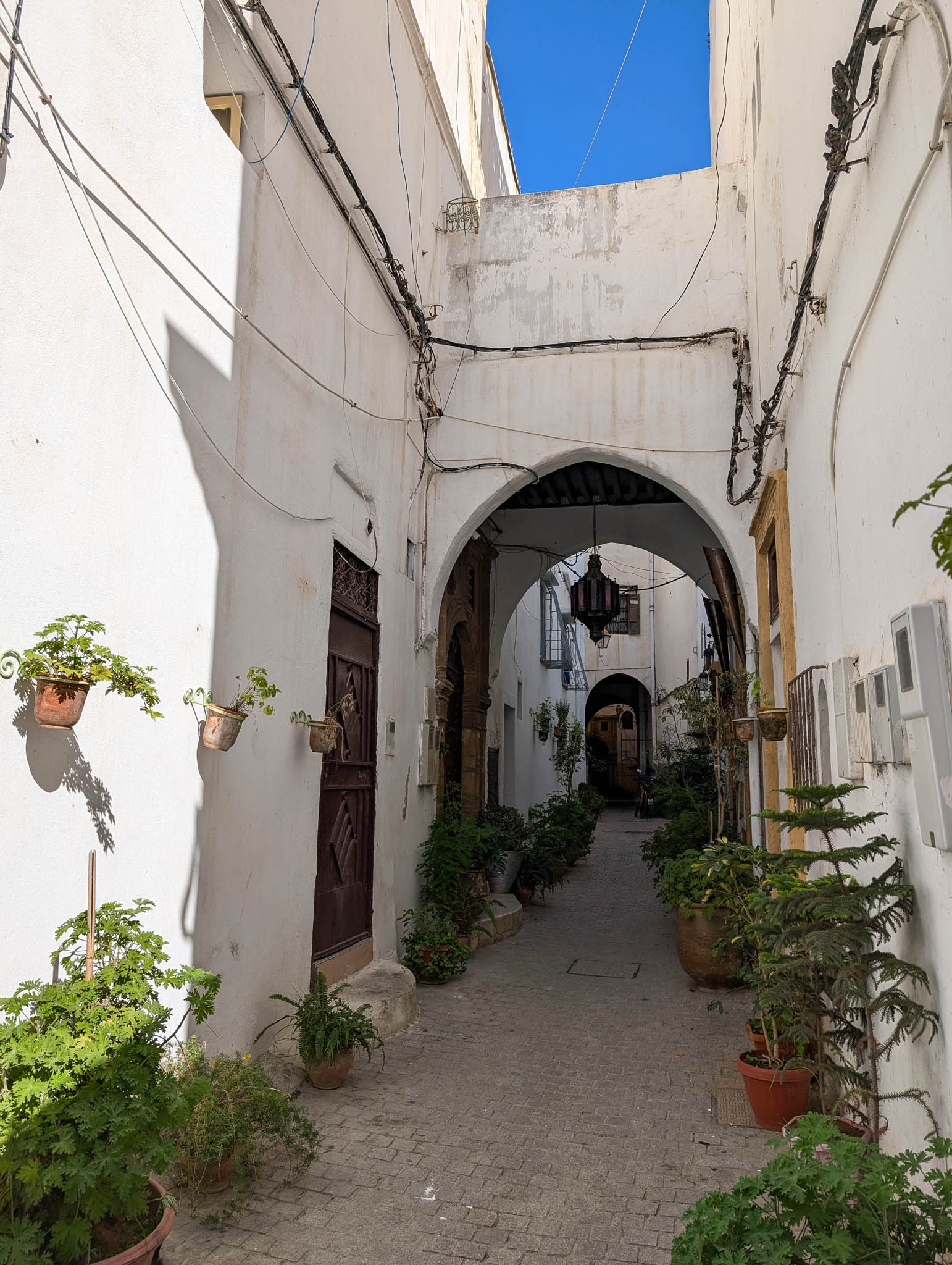
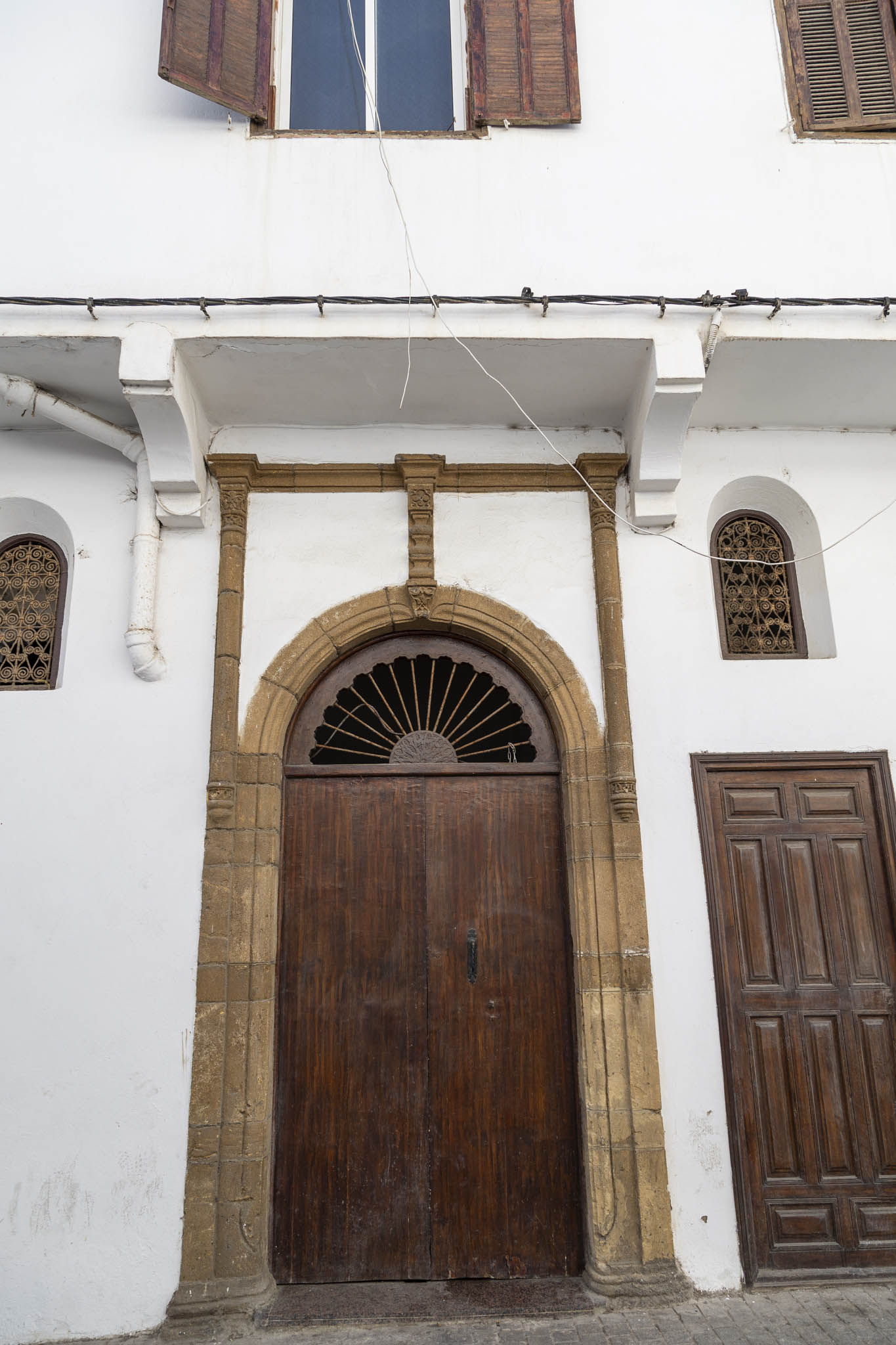
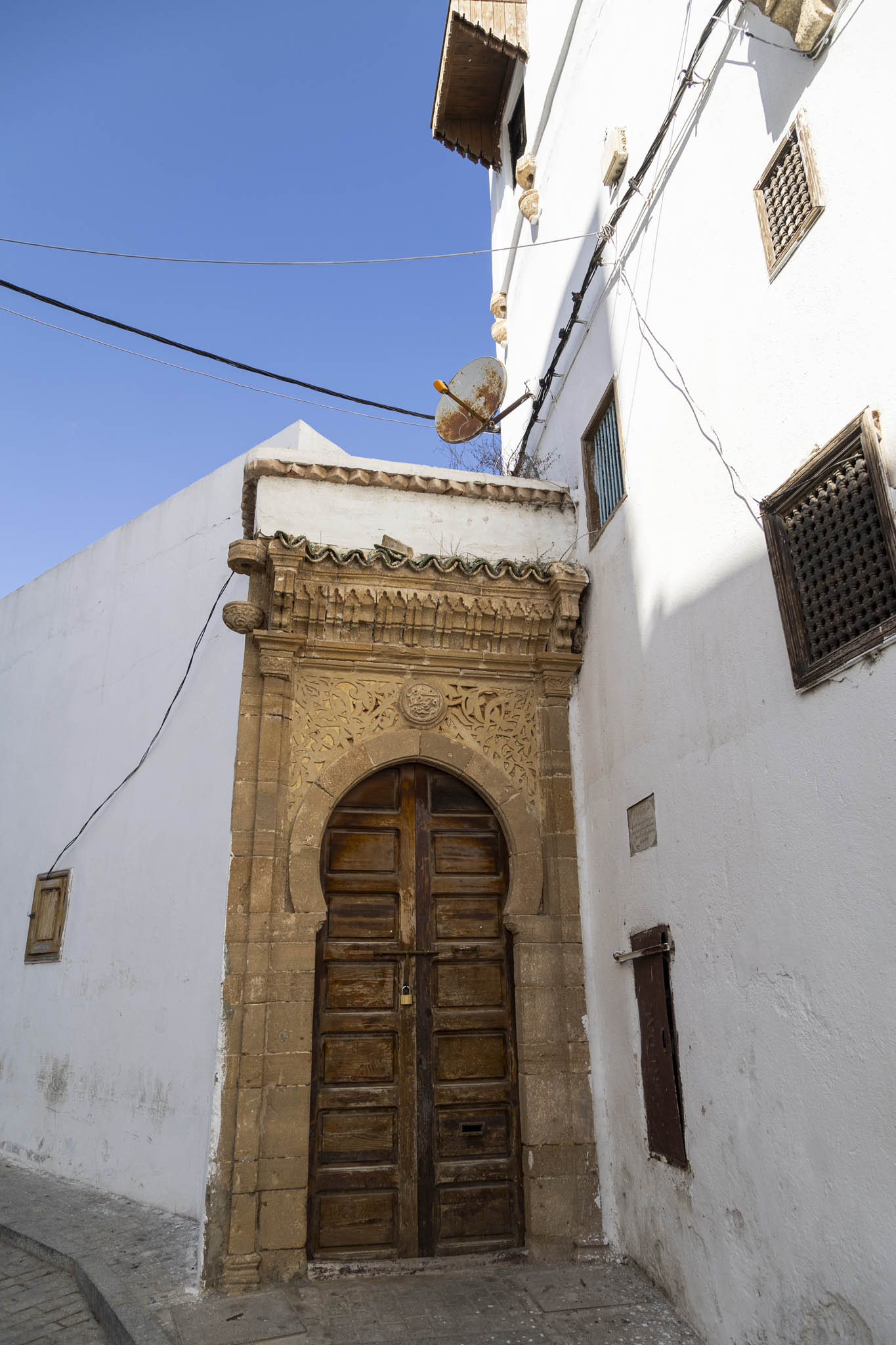
While they weren’t part of what most people might consider highlights, I was particularly taken by some of the doors we passed as we headed out of the Medina to catch our bus.
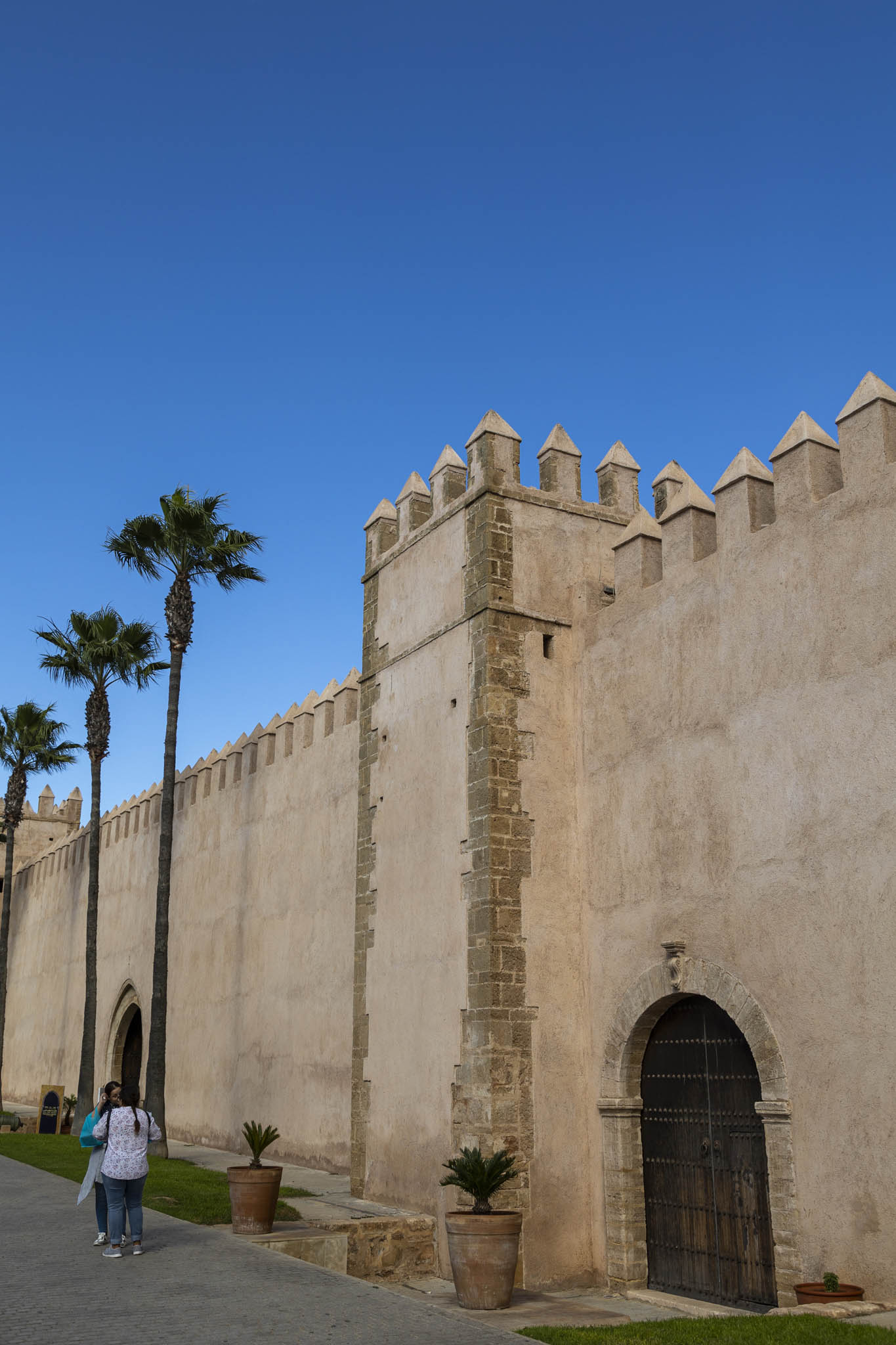
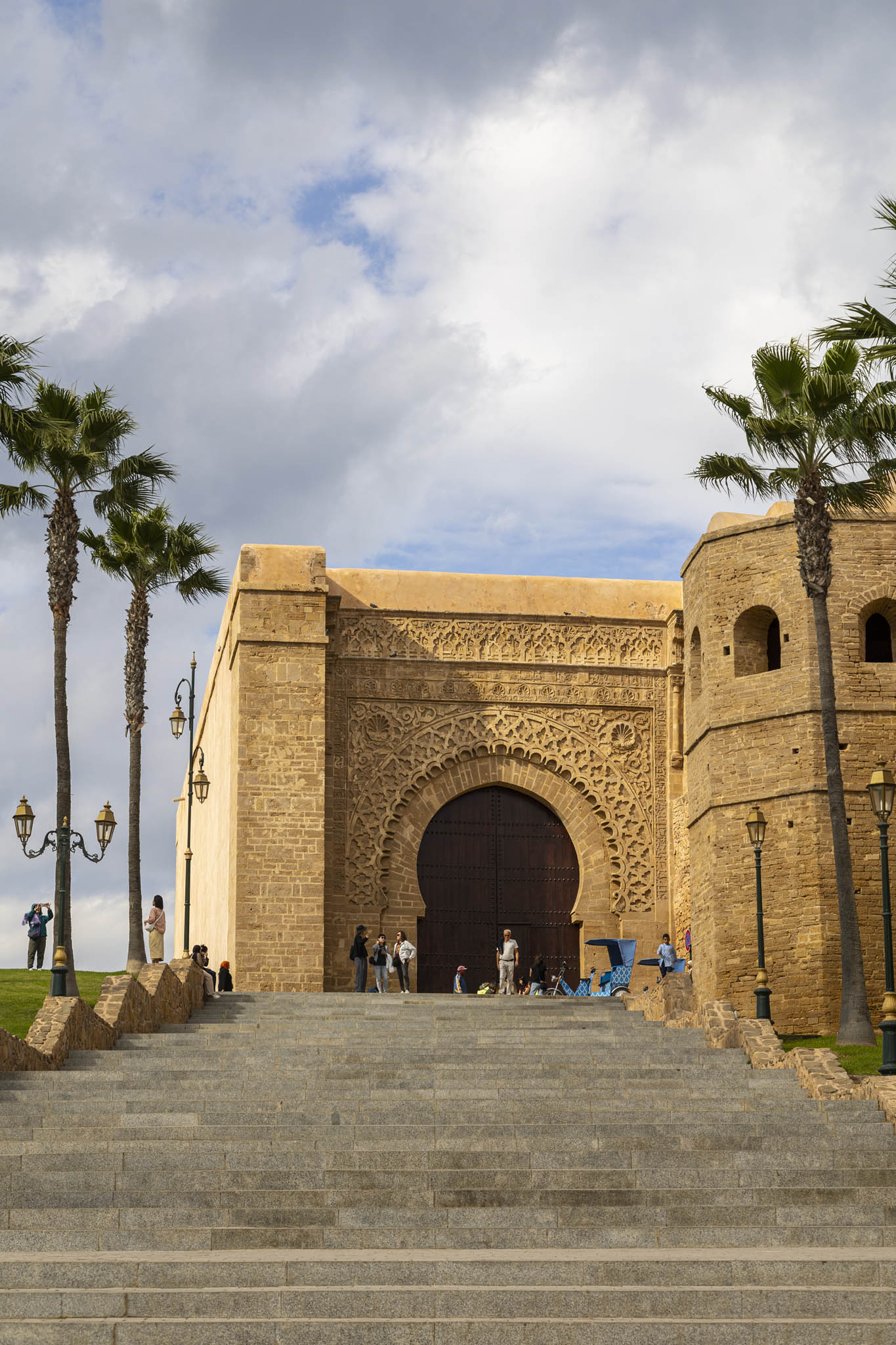
The appreciation of fancy doors didn’t stop once we reached the first place to look at. This was the Kasbah of the Udayas. A kasbah is a citadel or ancient fortified part of a city, typically found in old North African cities. The large door you see below is known as the Great Gate and while it looks impressive with its large size and intricate decoration the gate was mainly simply that: decorative, serving no real defensive purposes as it was already positioned within the boundary of the kasbah walls.
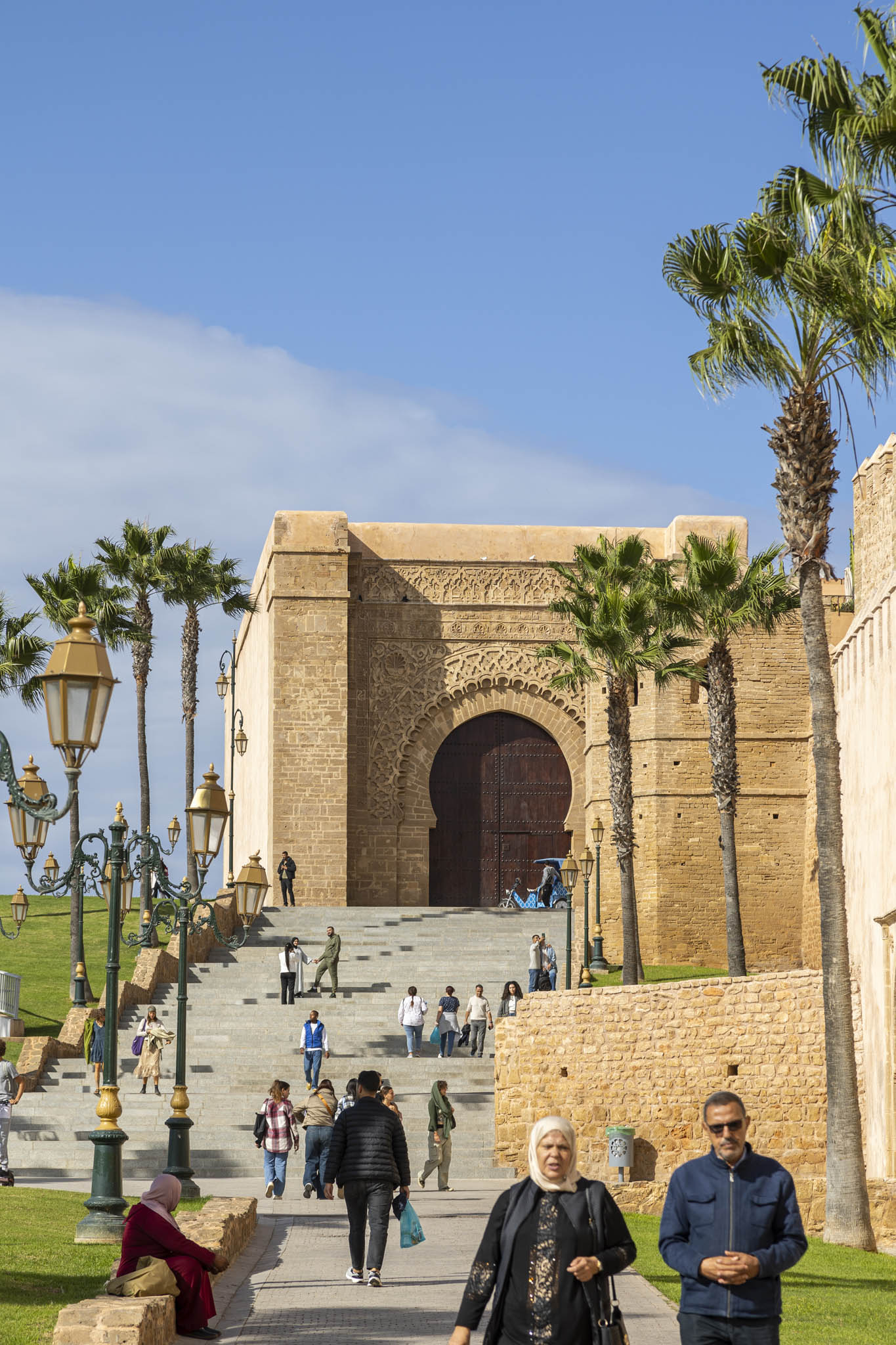
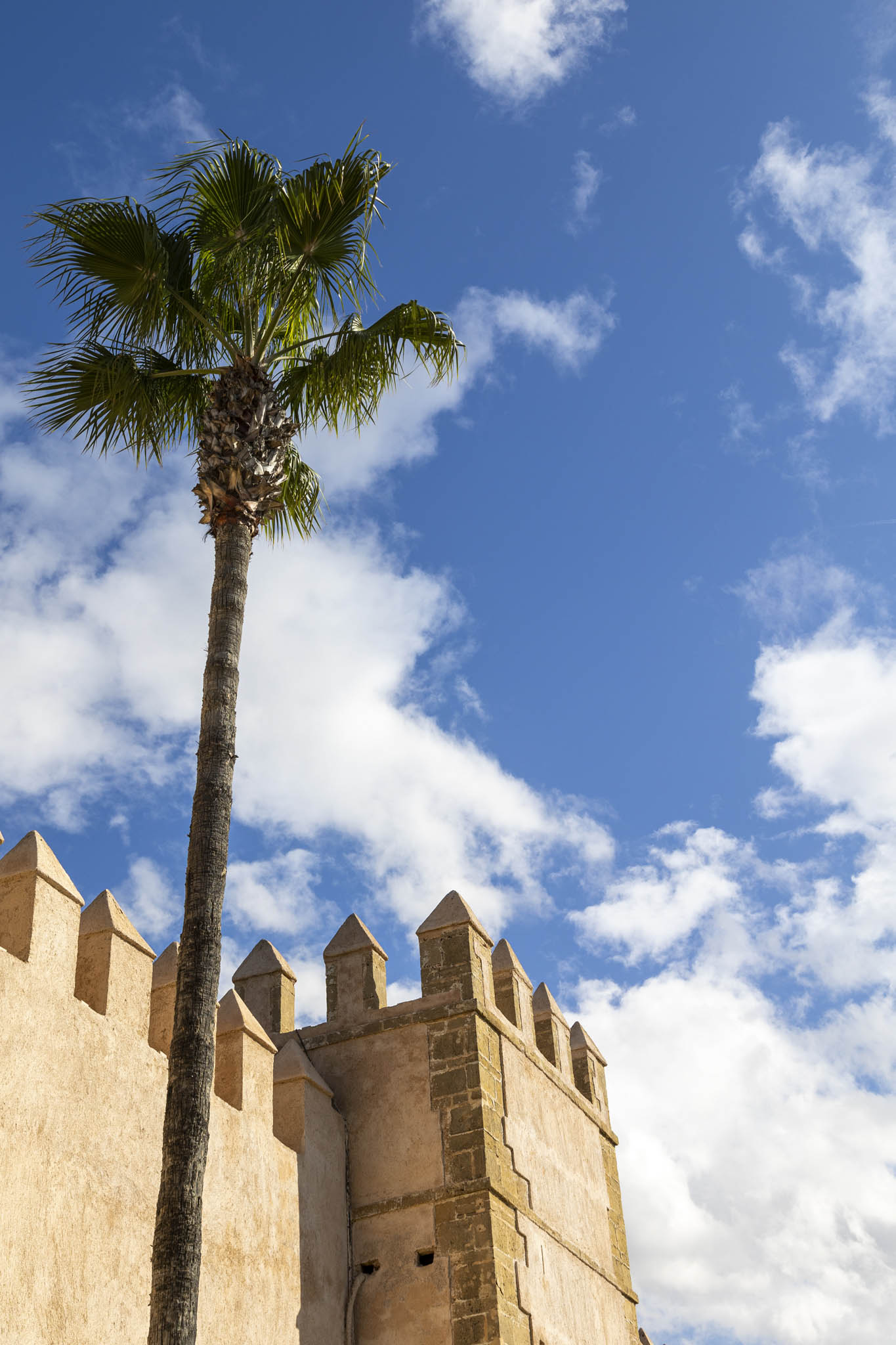
This kasbah was built in the latter half of the twelfth century but was effectively abandoned by the end of the century too. A new kasbah had begun construction around what is the area of the Medina we’d been in earlier in the day, but this too was abandoned. While some elements were added to the Kasbah of the Udayas over the centuries it wasn’t until French colonial rule in the early twentieth century that restoration was made.
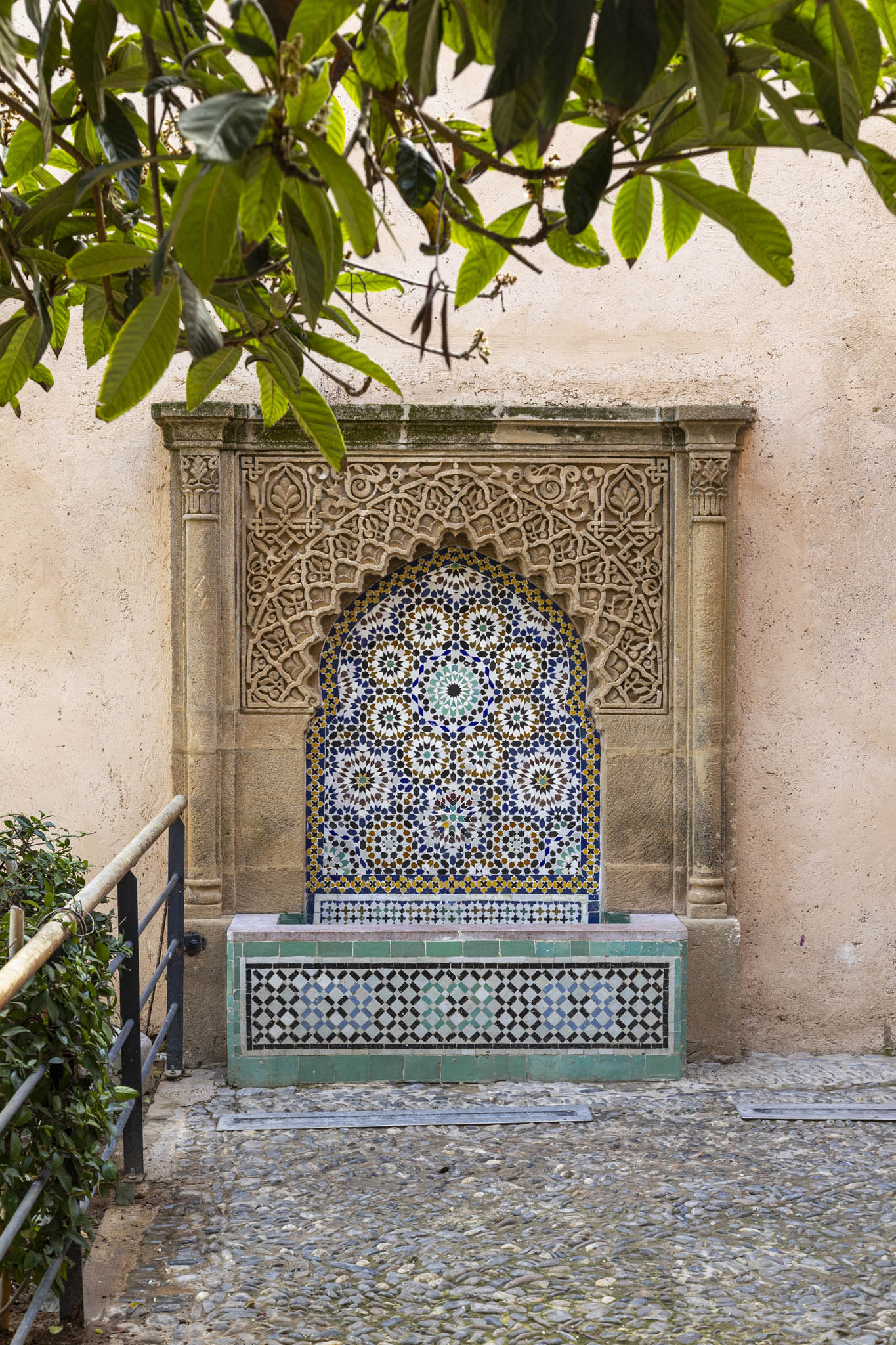
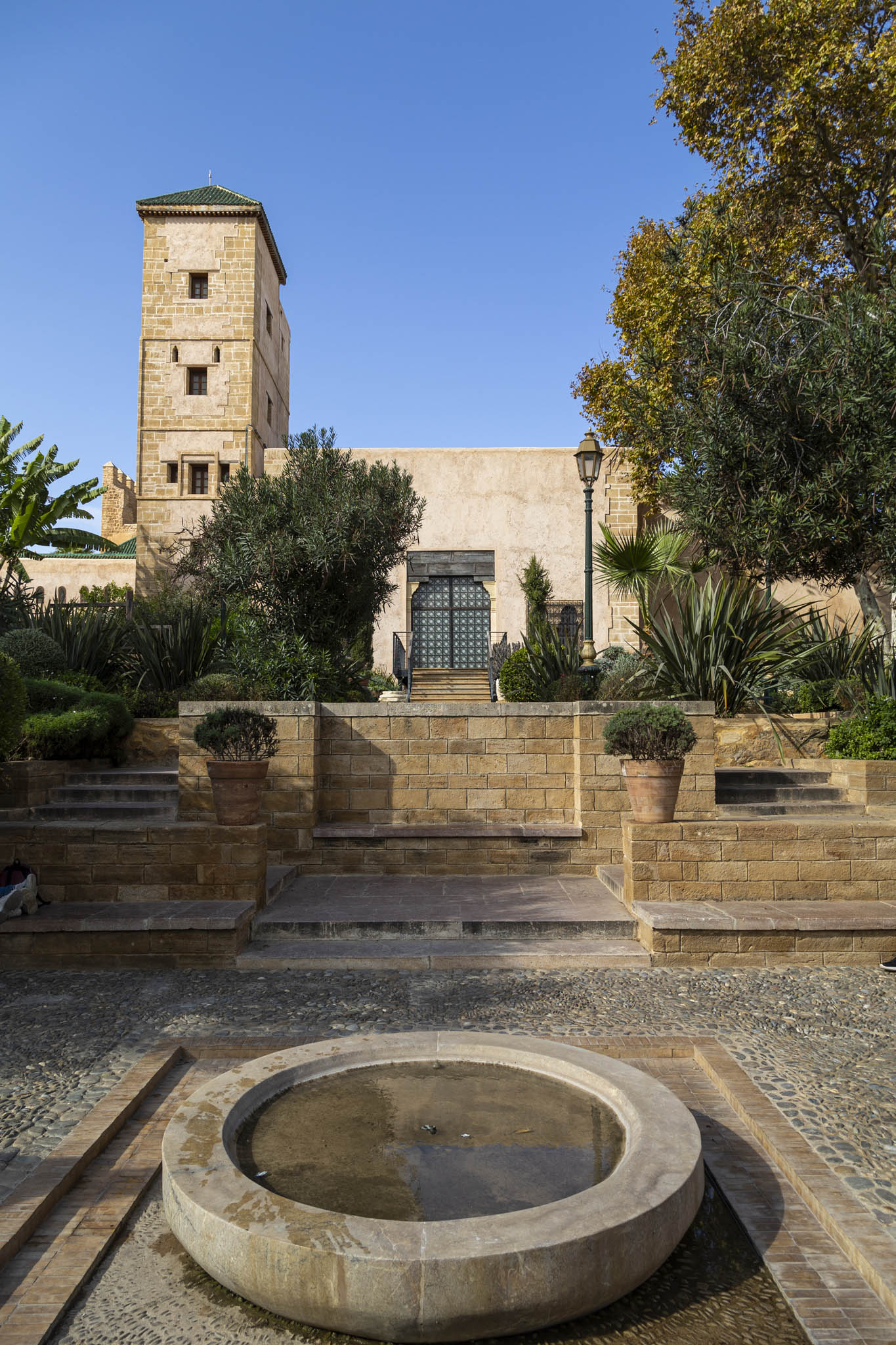
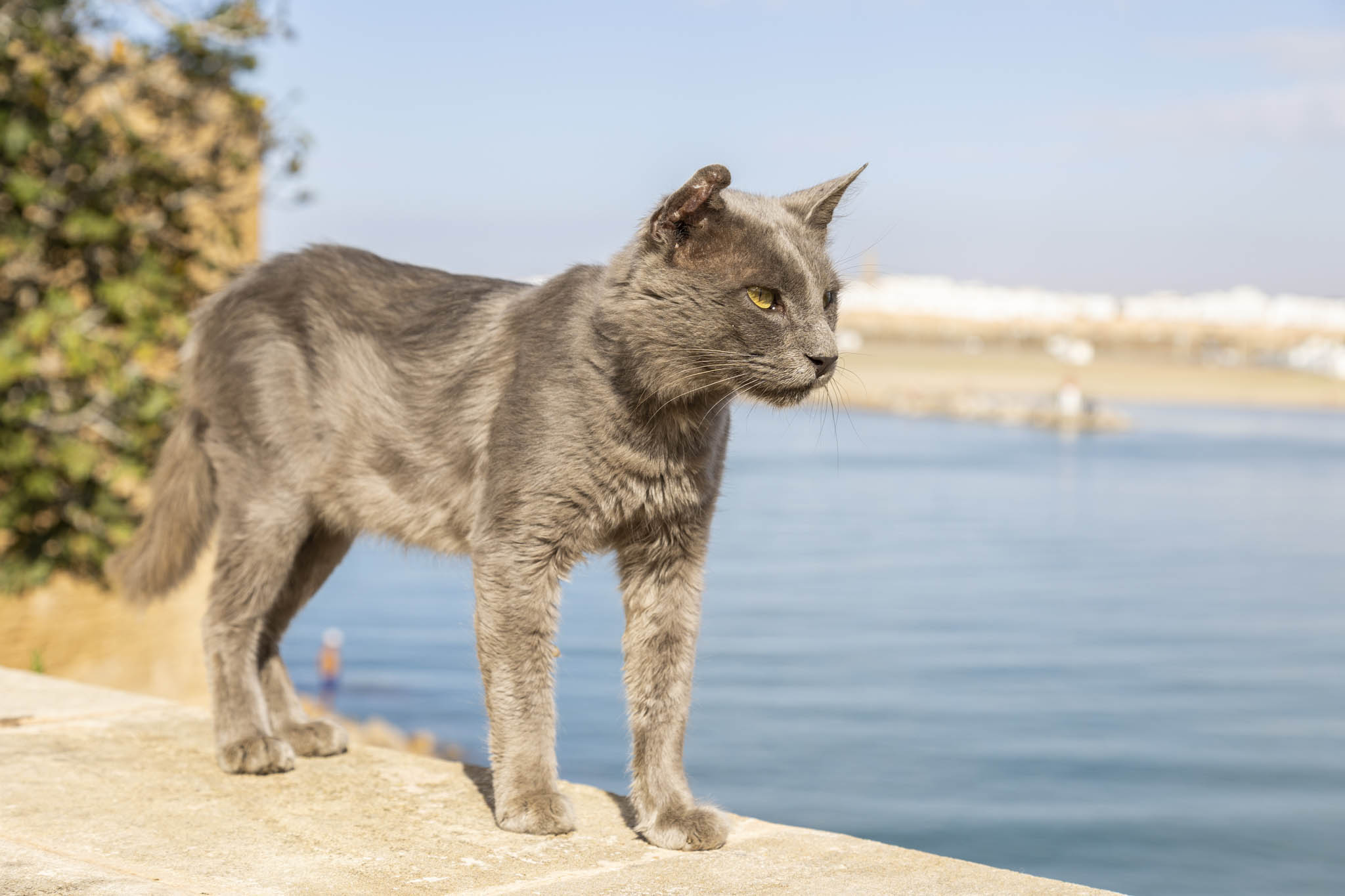
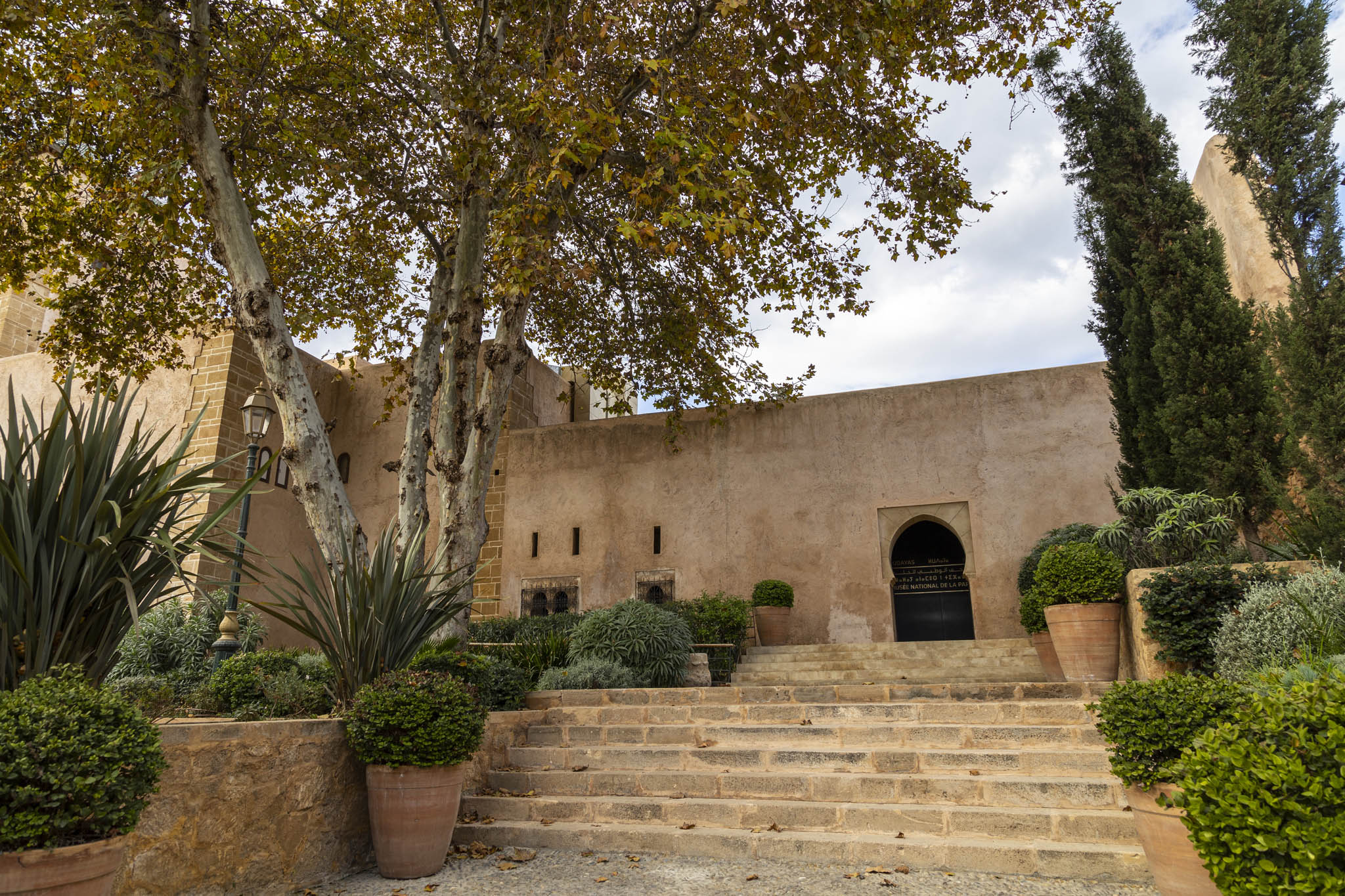
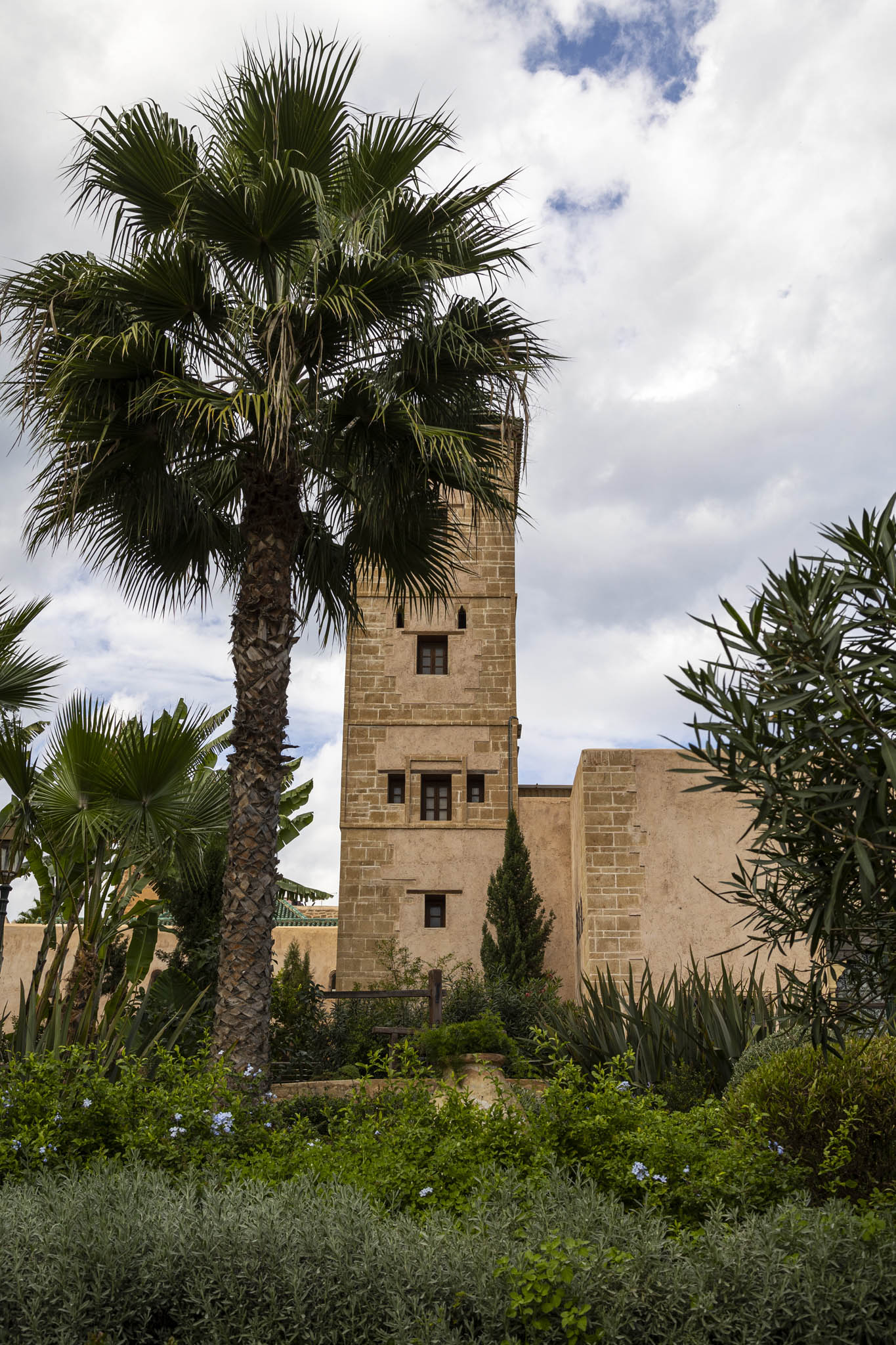
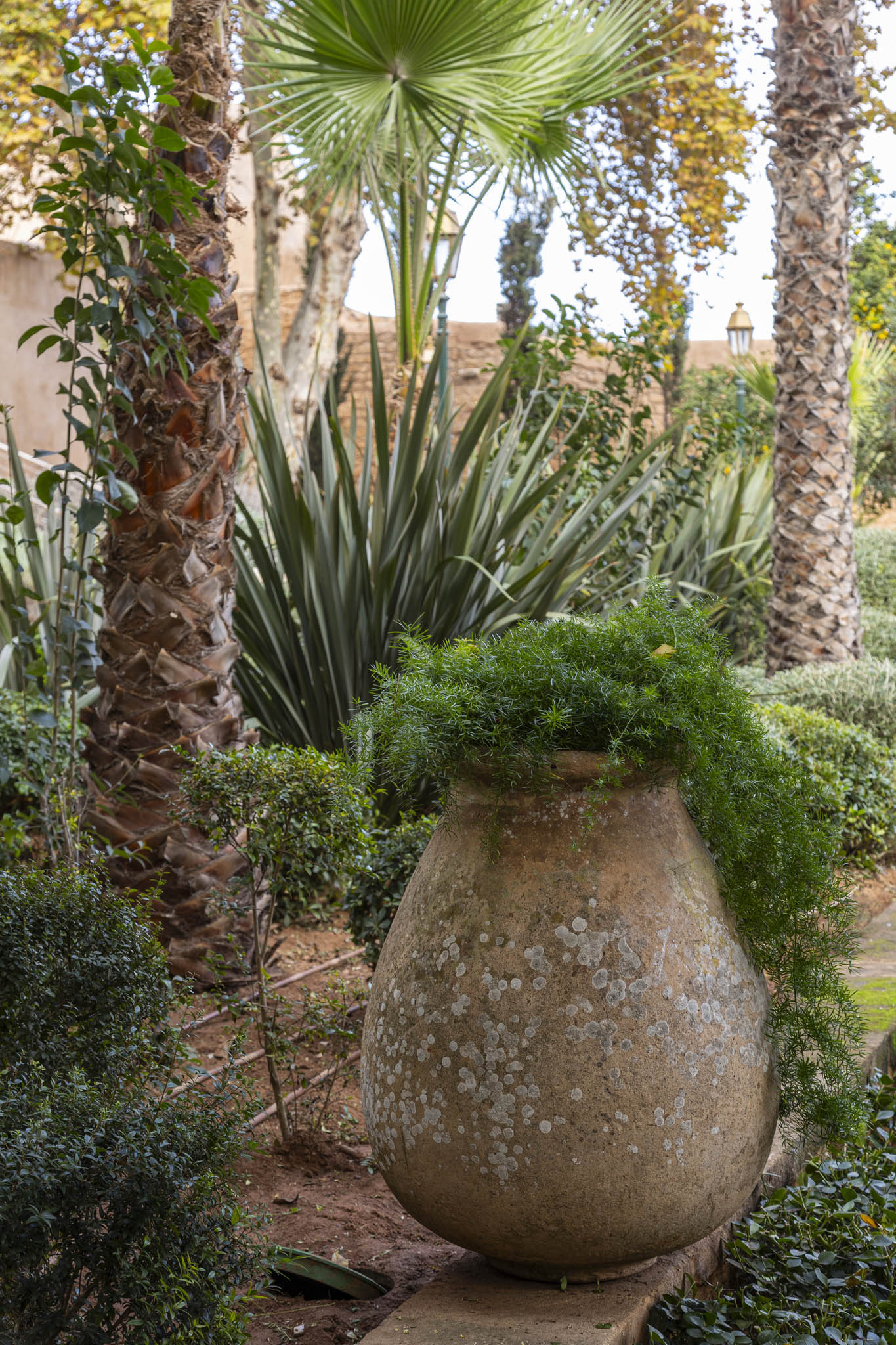
It was also during the French colonial period in Morocco that the Andalusian Gardens were added to the kasbah. As the name suggests, these formal gardens were inspired by Moorish gardens in the Andalusian region of Spain. They were beautiful, and cats seemed to enjoy the place too as saw many around.
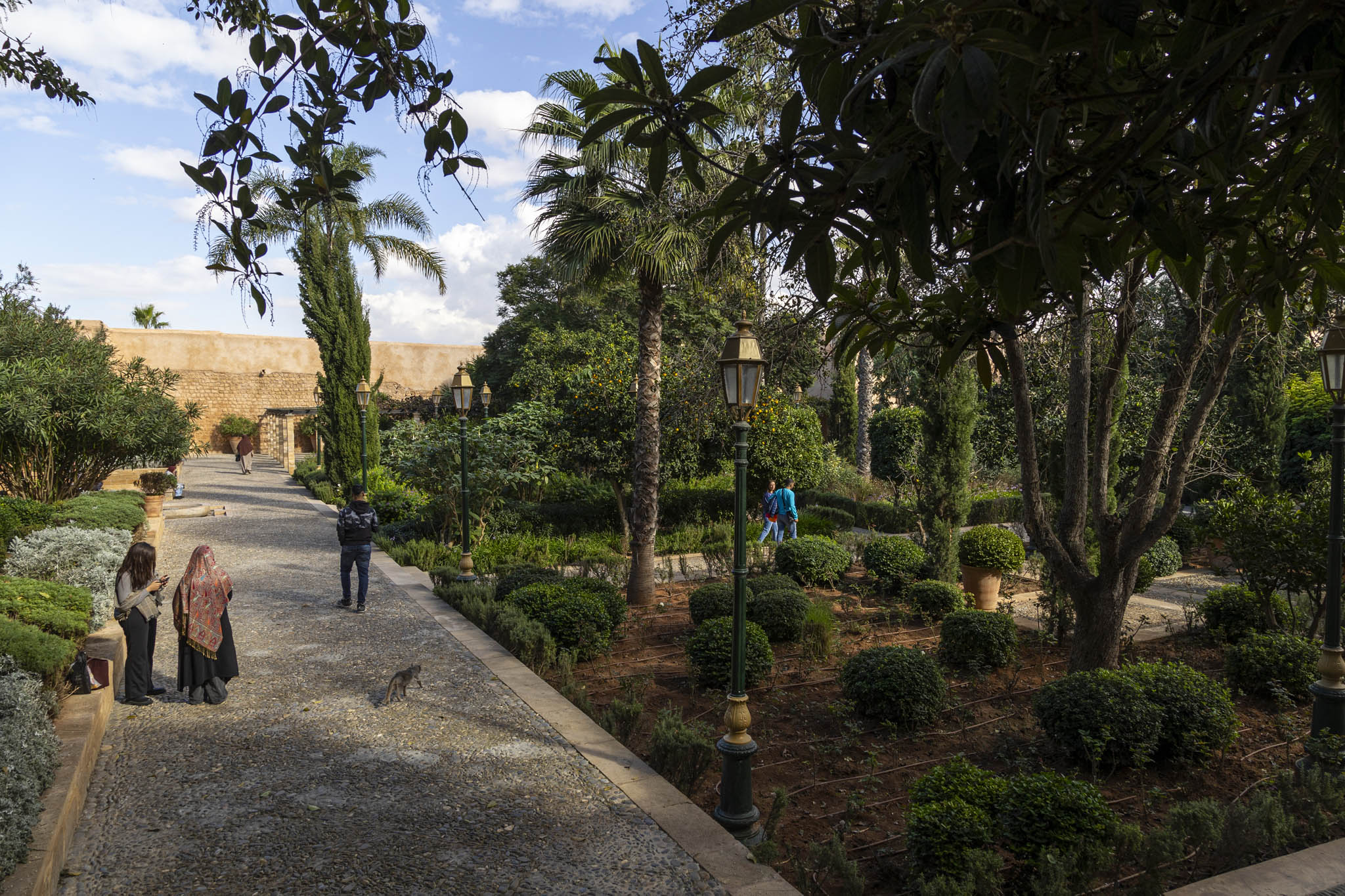
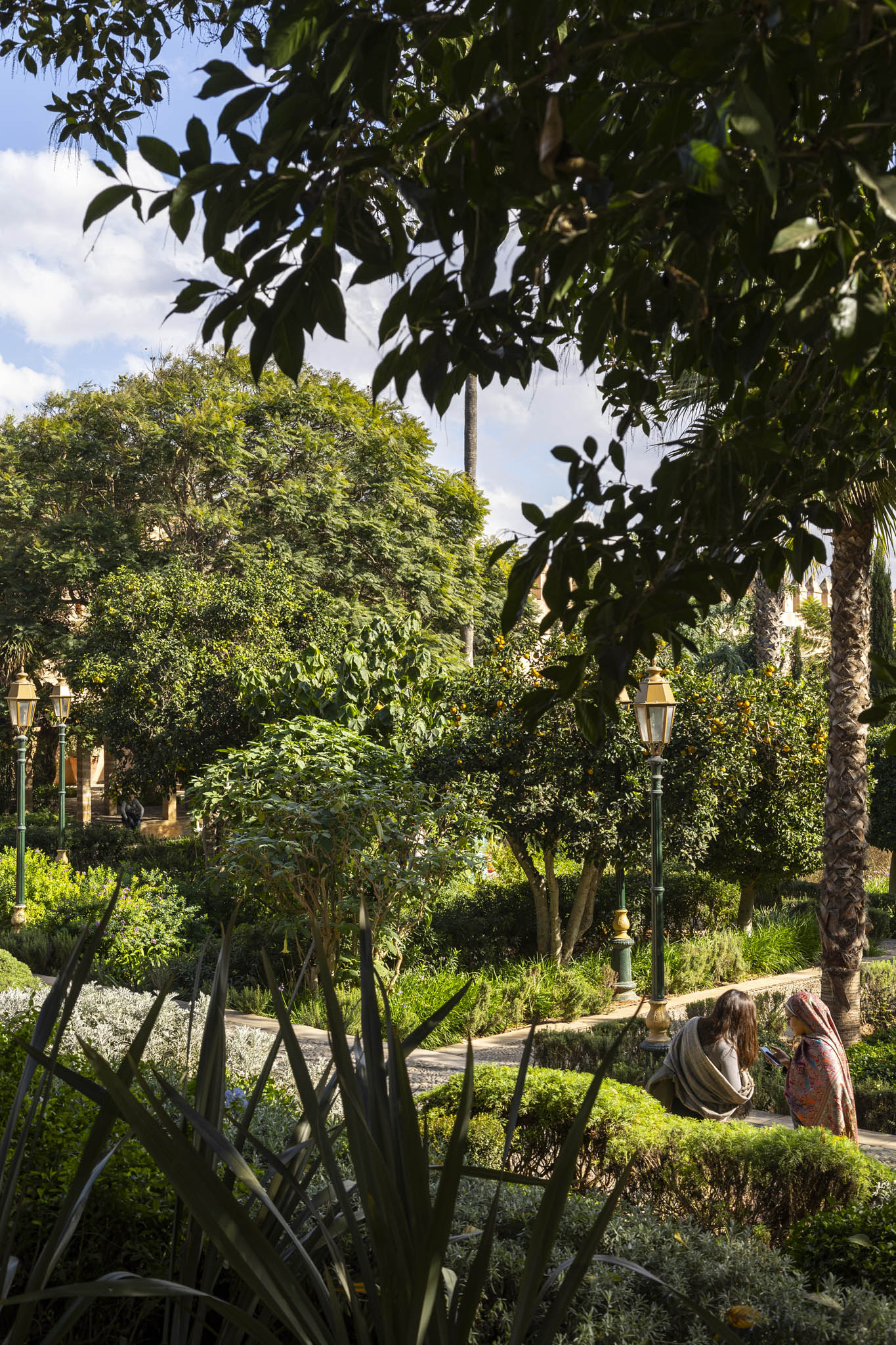
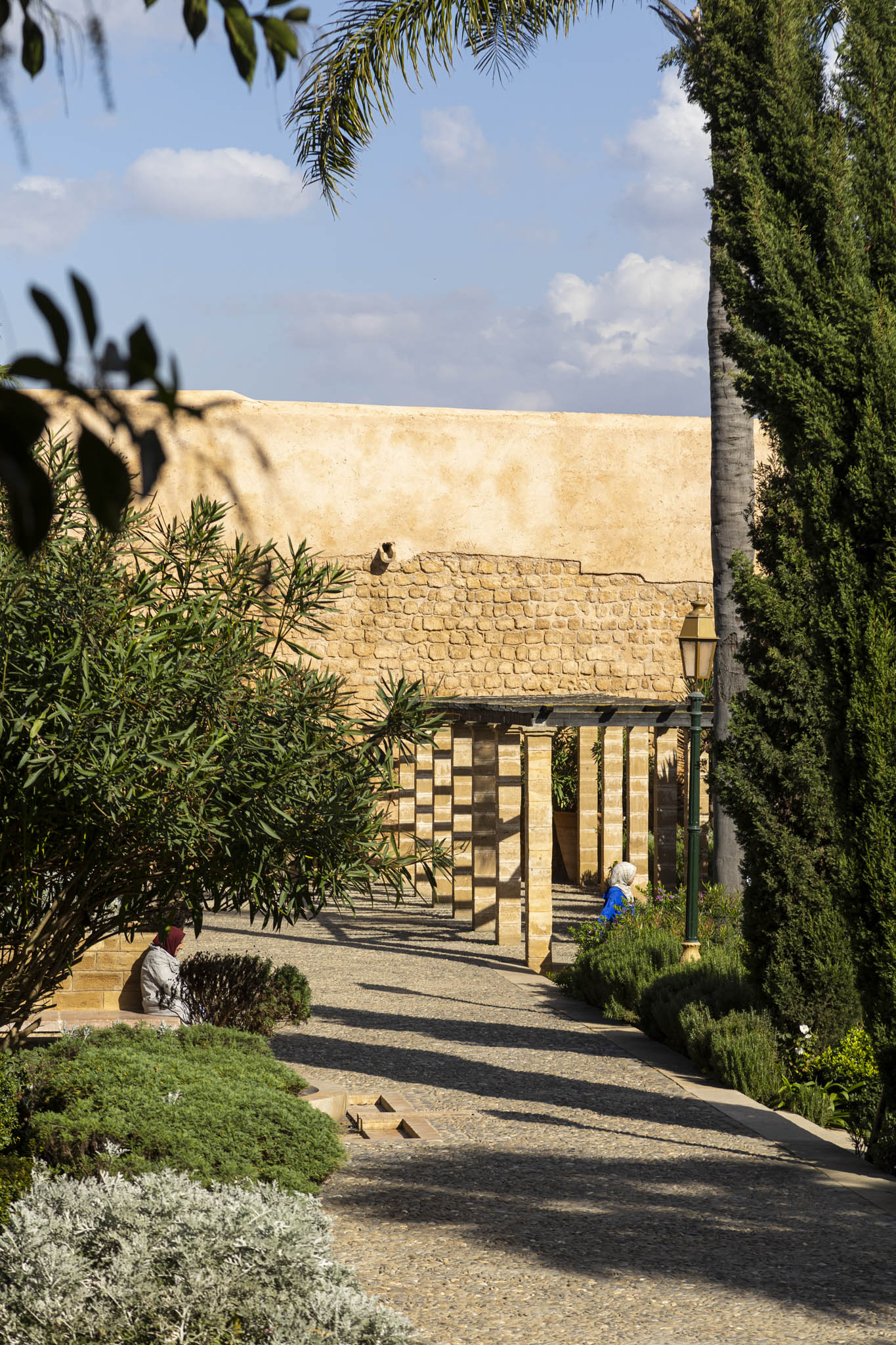
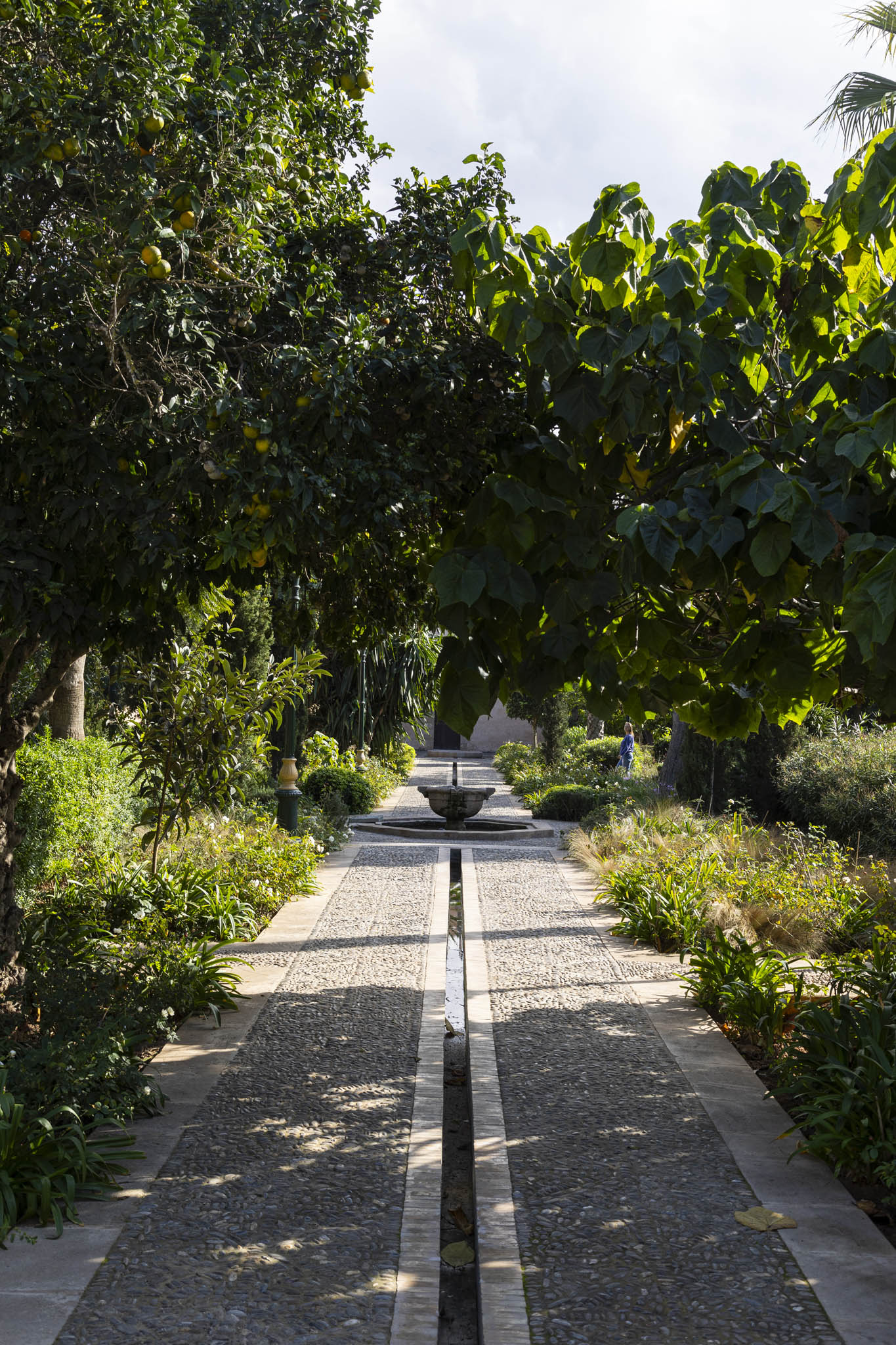
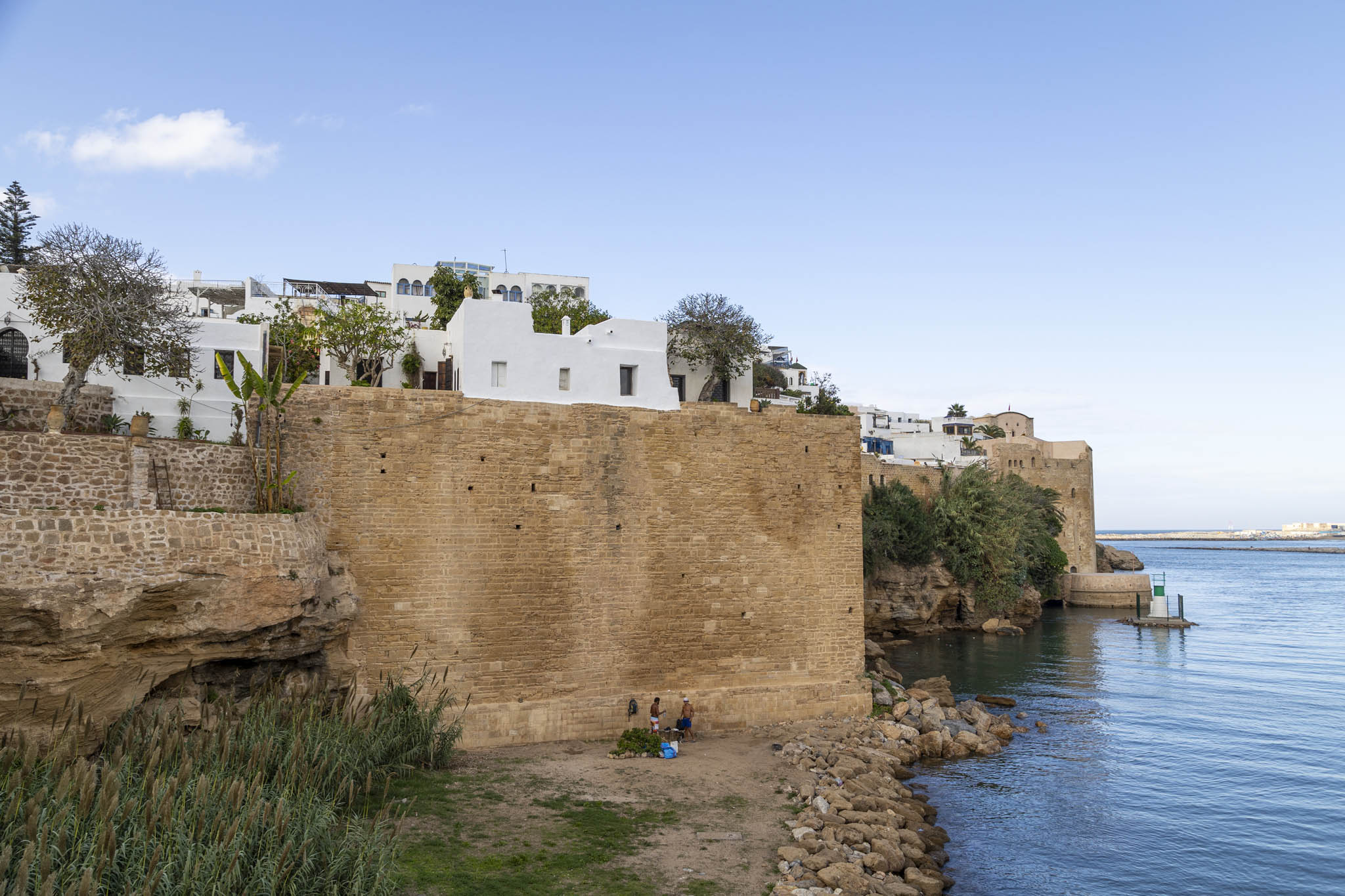
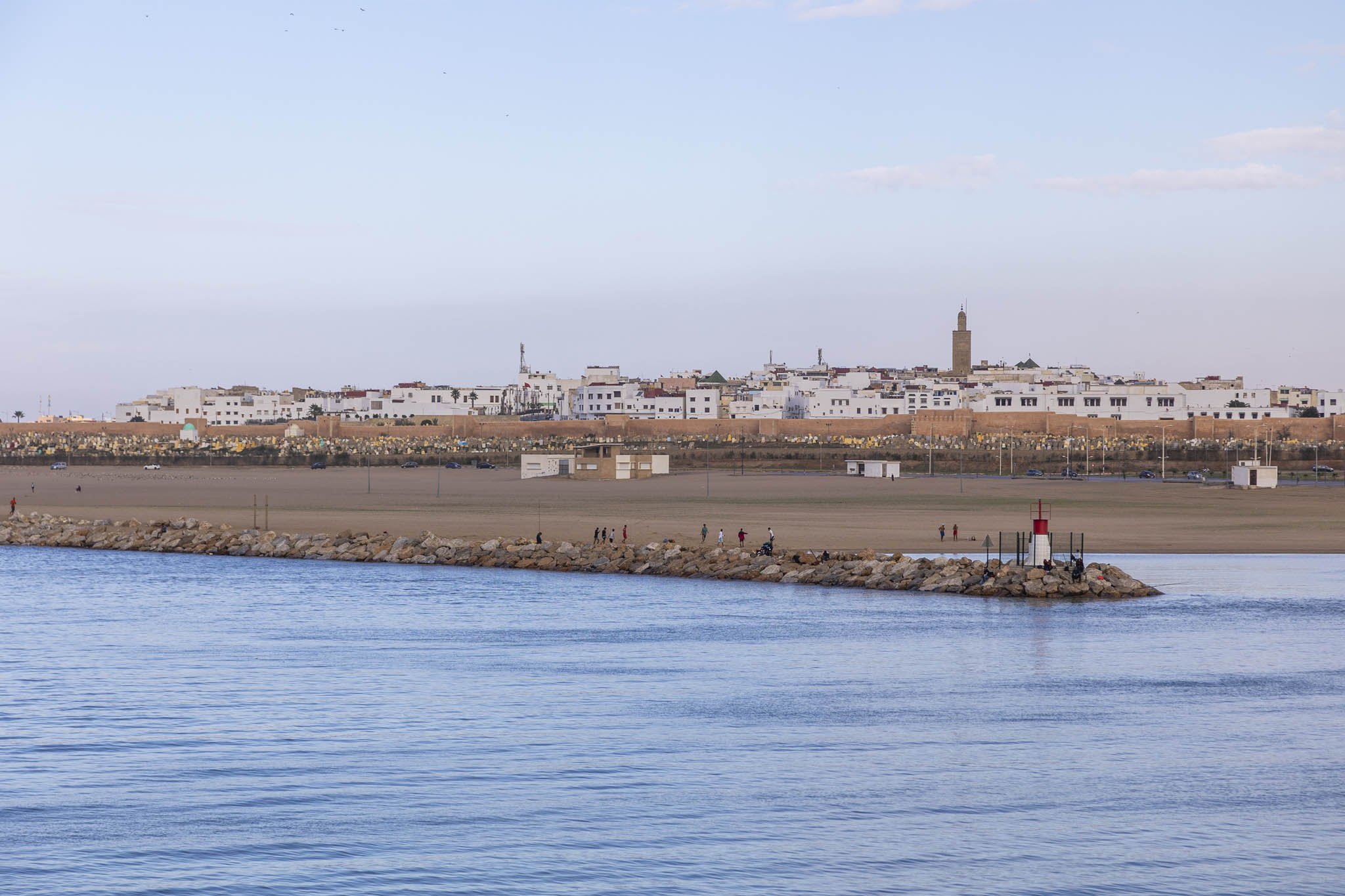
After enjoying a slow walk through the gardens and admiring the various plants and trees there we headed through to a viewpoint beside the river Bou Regreg, the source of which lies in the Atlas Mountains. On the other side of the water was the city of Salé.
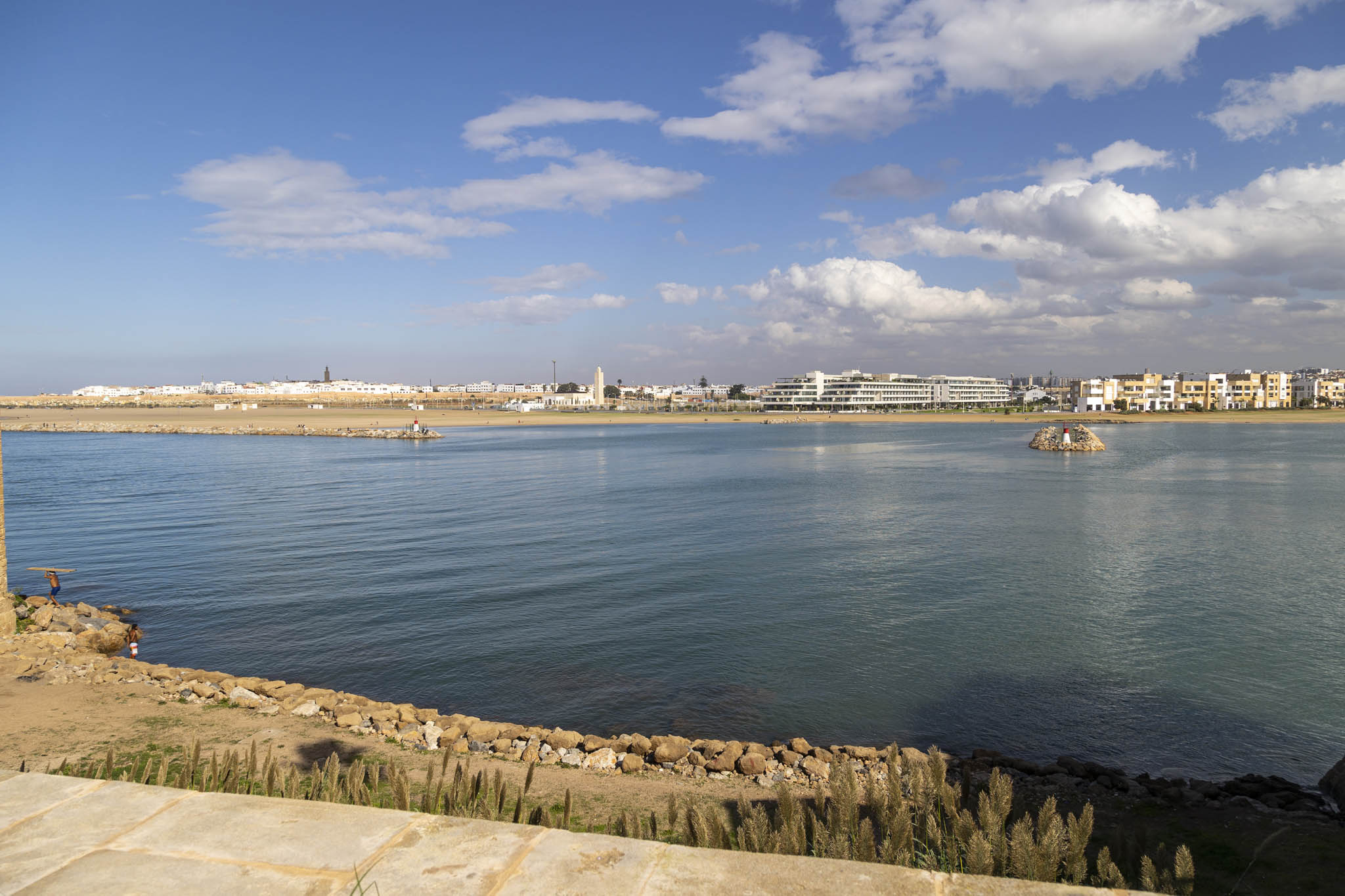
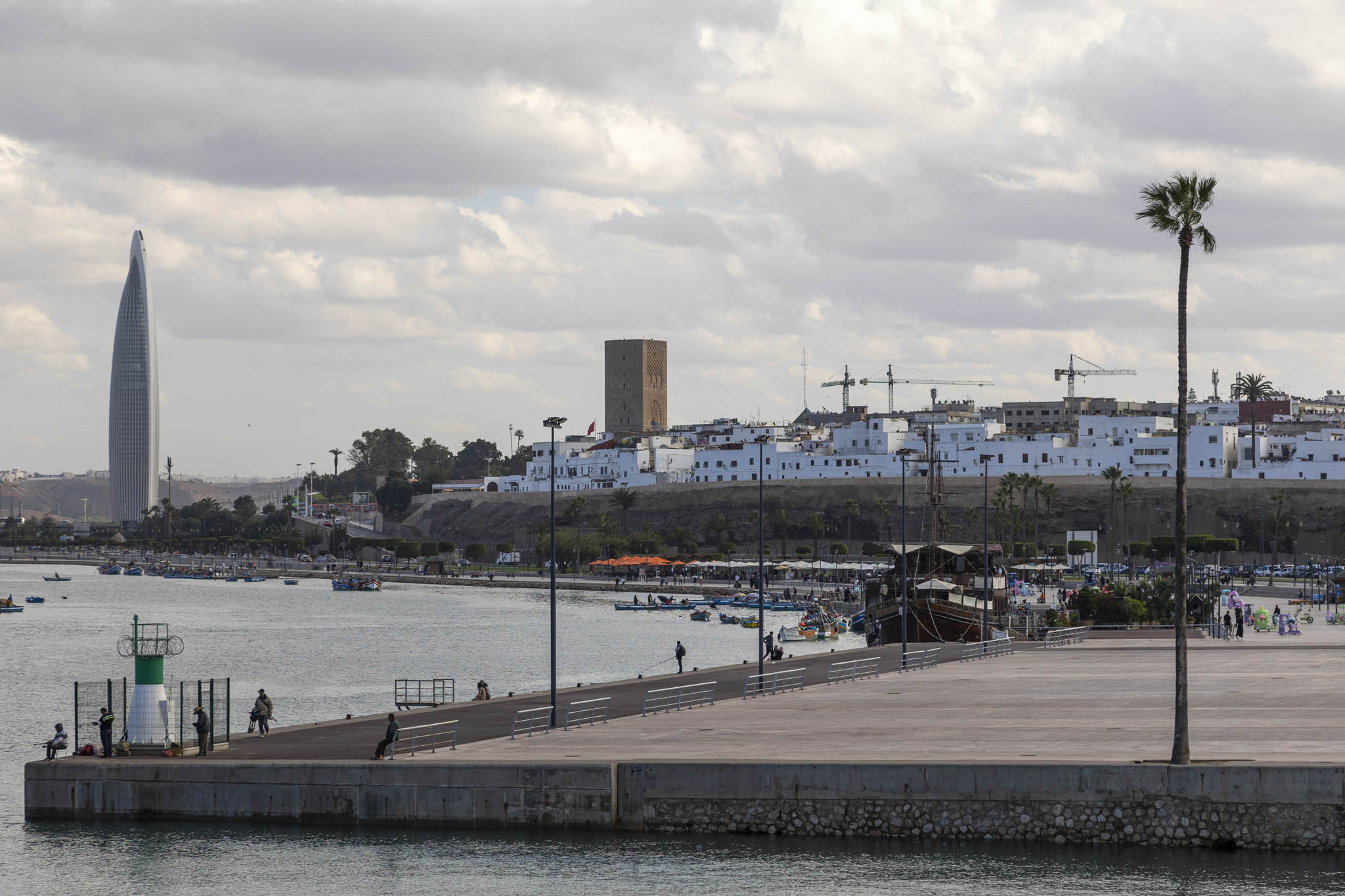
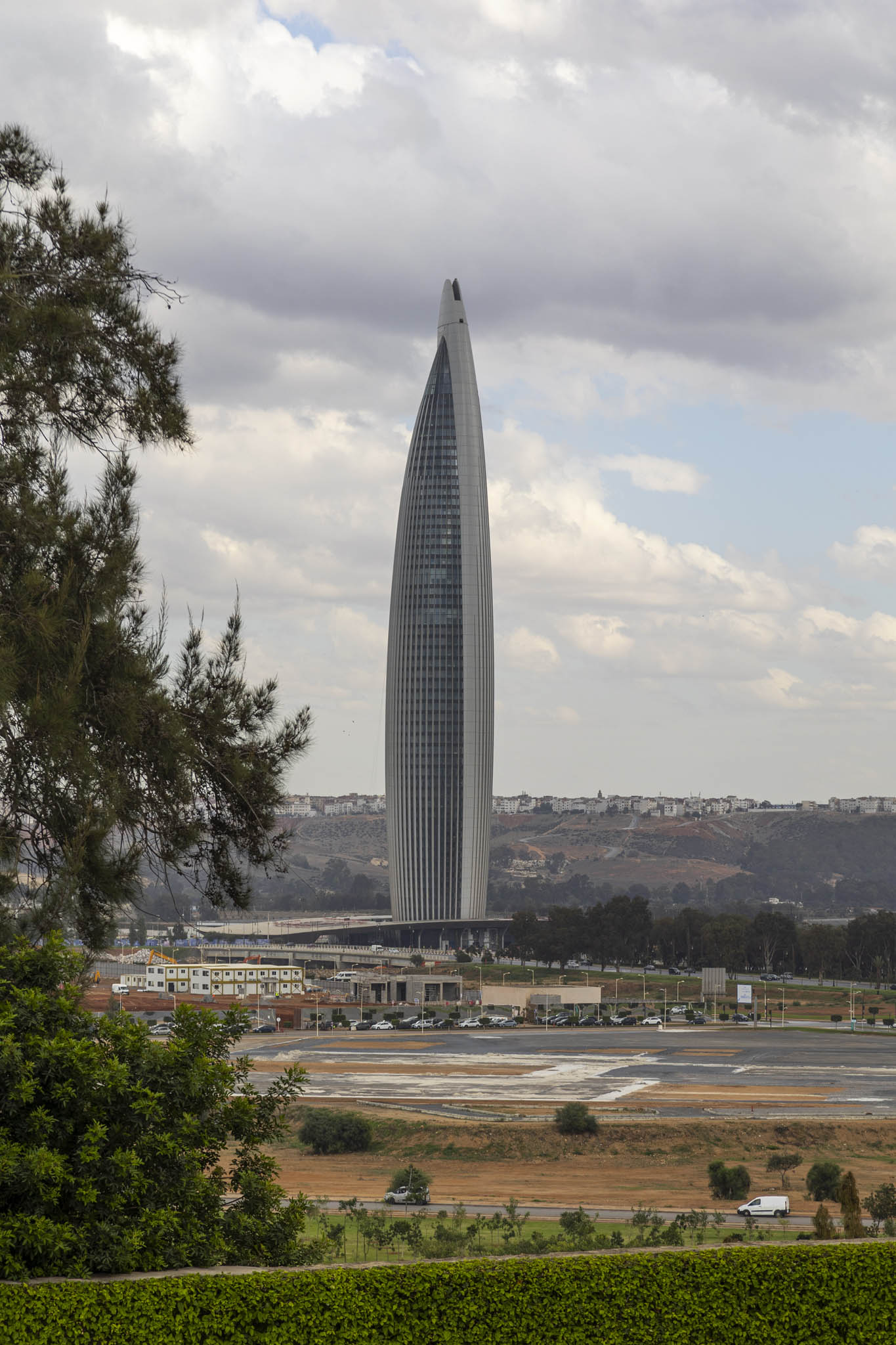
To the south we could see the Mohammed VI Tower which at two hundred and fifty metres in height is the tallest building in Morocco and the third tallest in all of Africa. We’d be getting a slightly closer look at it when we moved to our next highlight of Rabat.
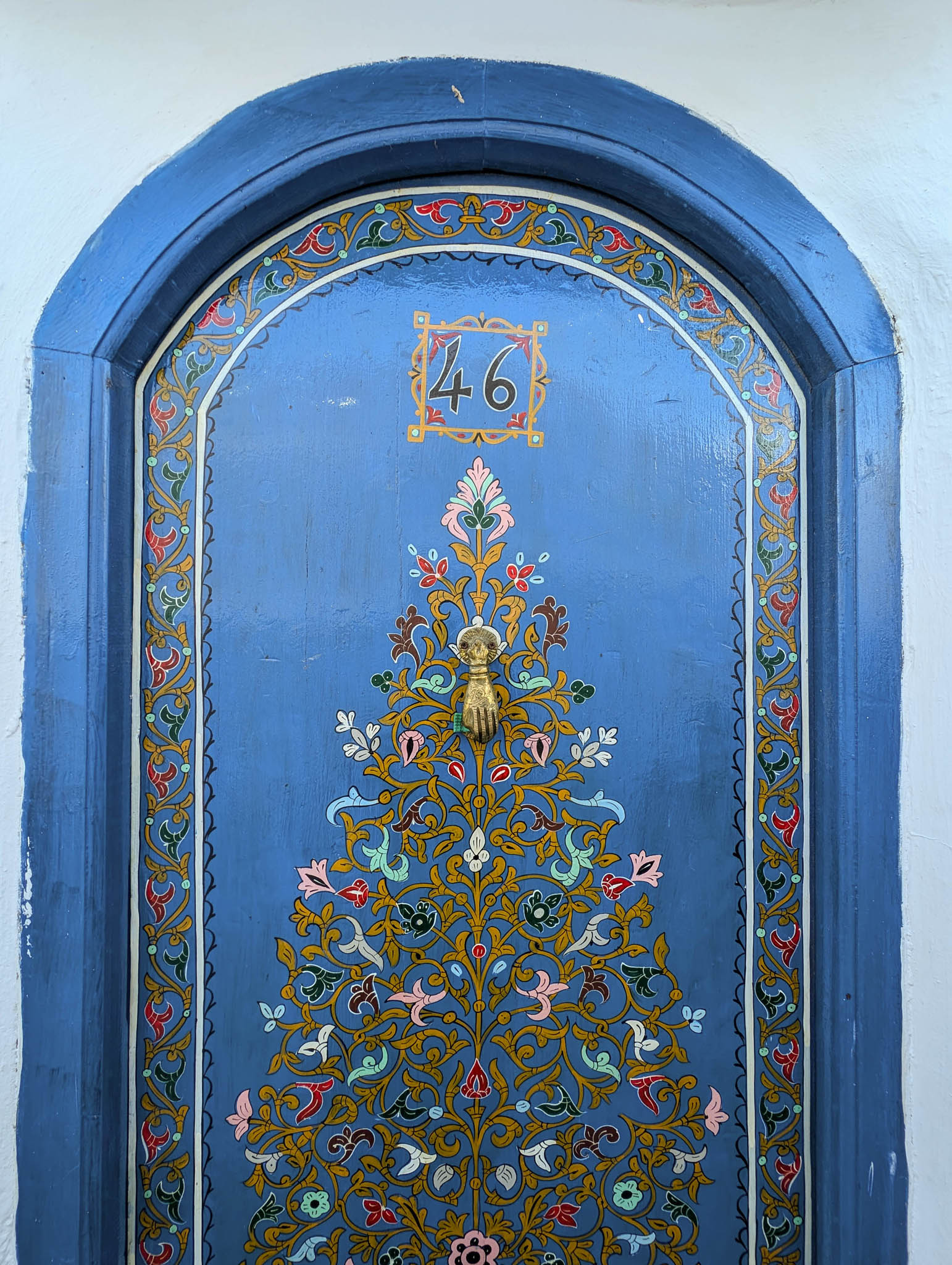
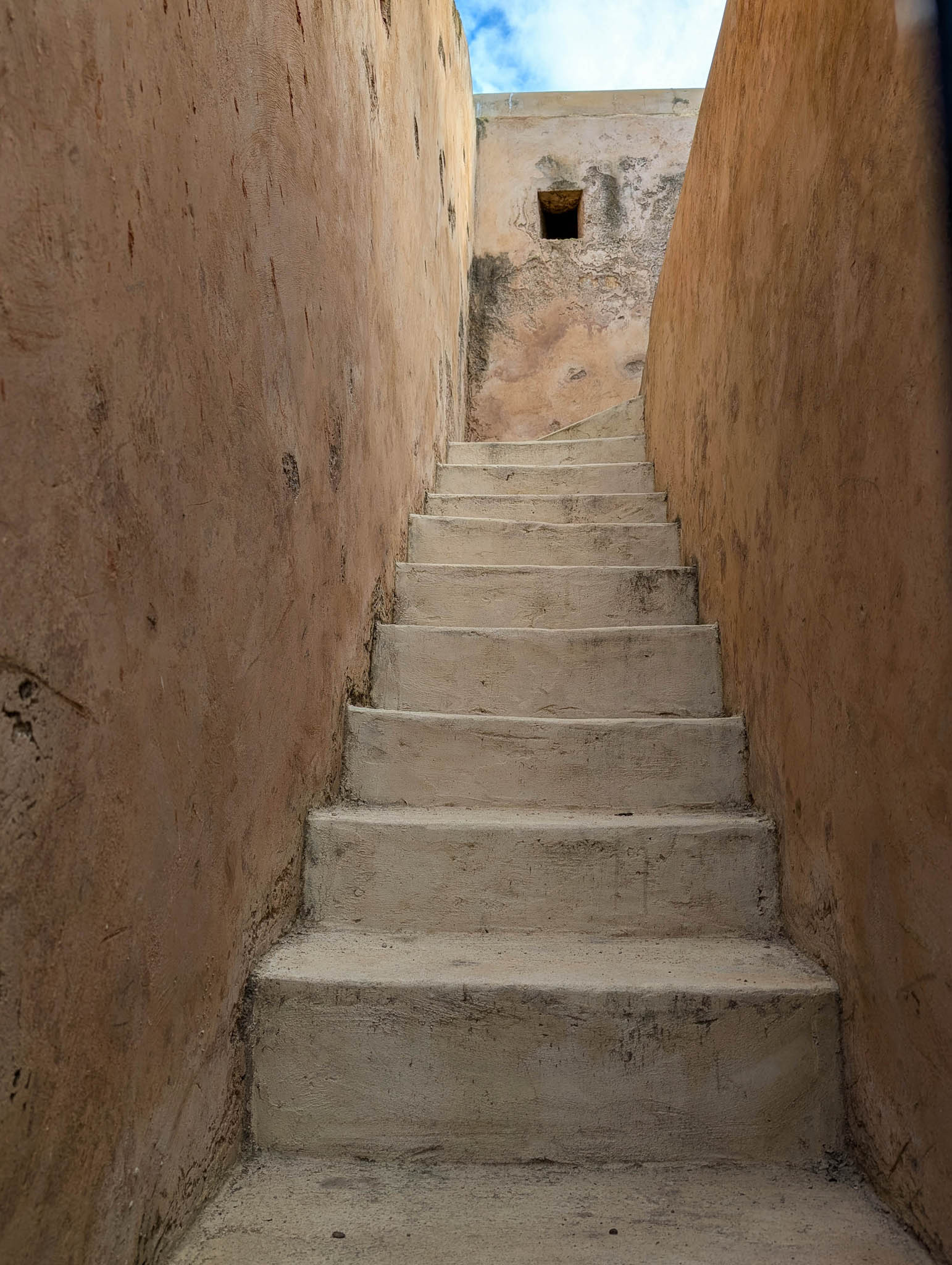
More artistically-decorated doors and pleasing sandstone architecture met with my approval as we made our way back through the gardens and out of the kasbah to board our bus again.
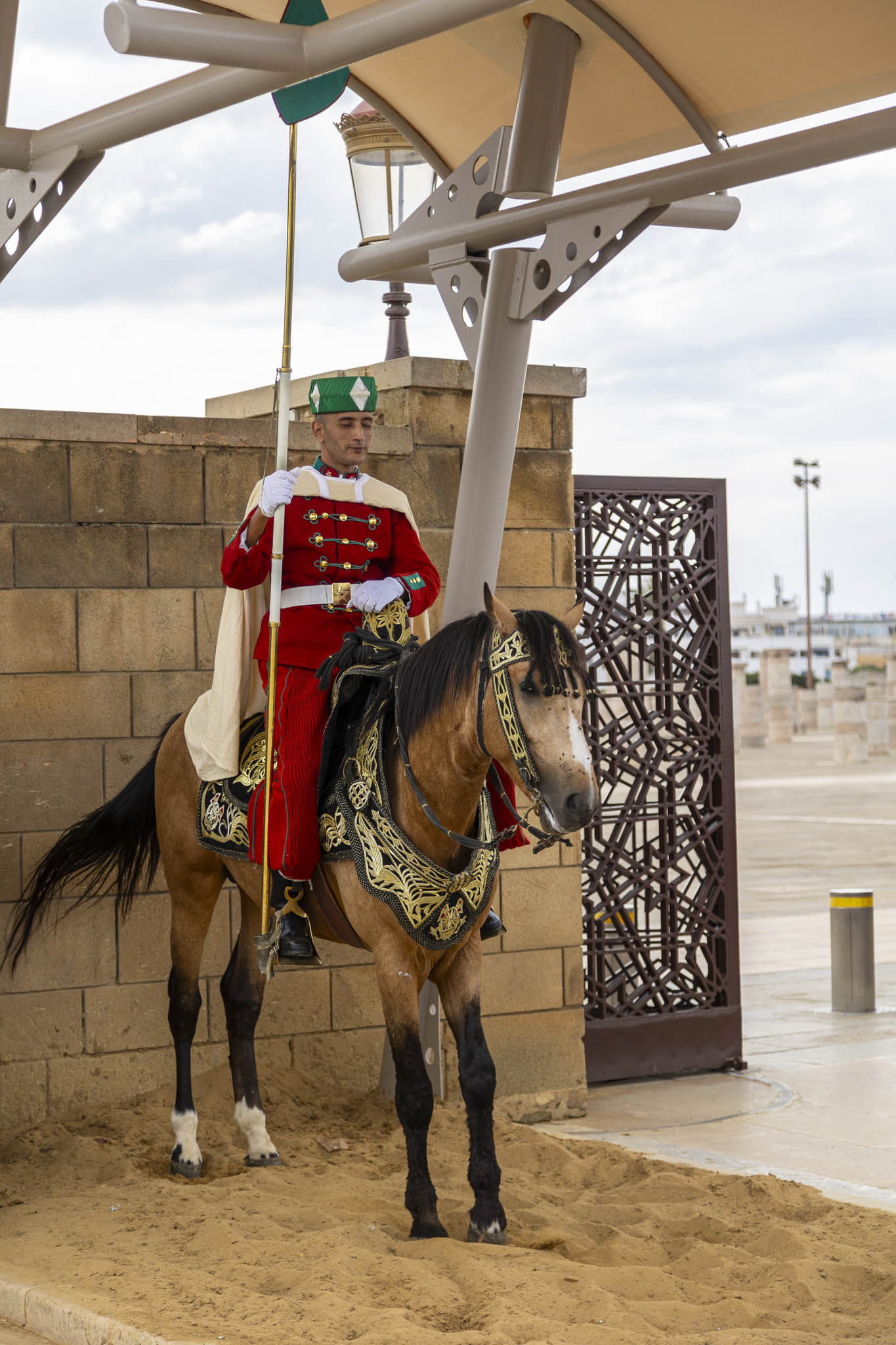
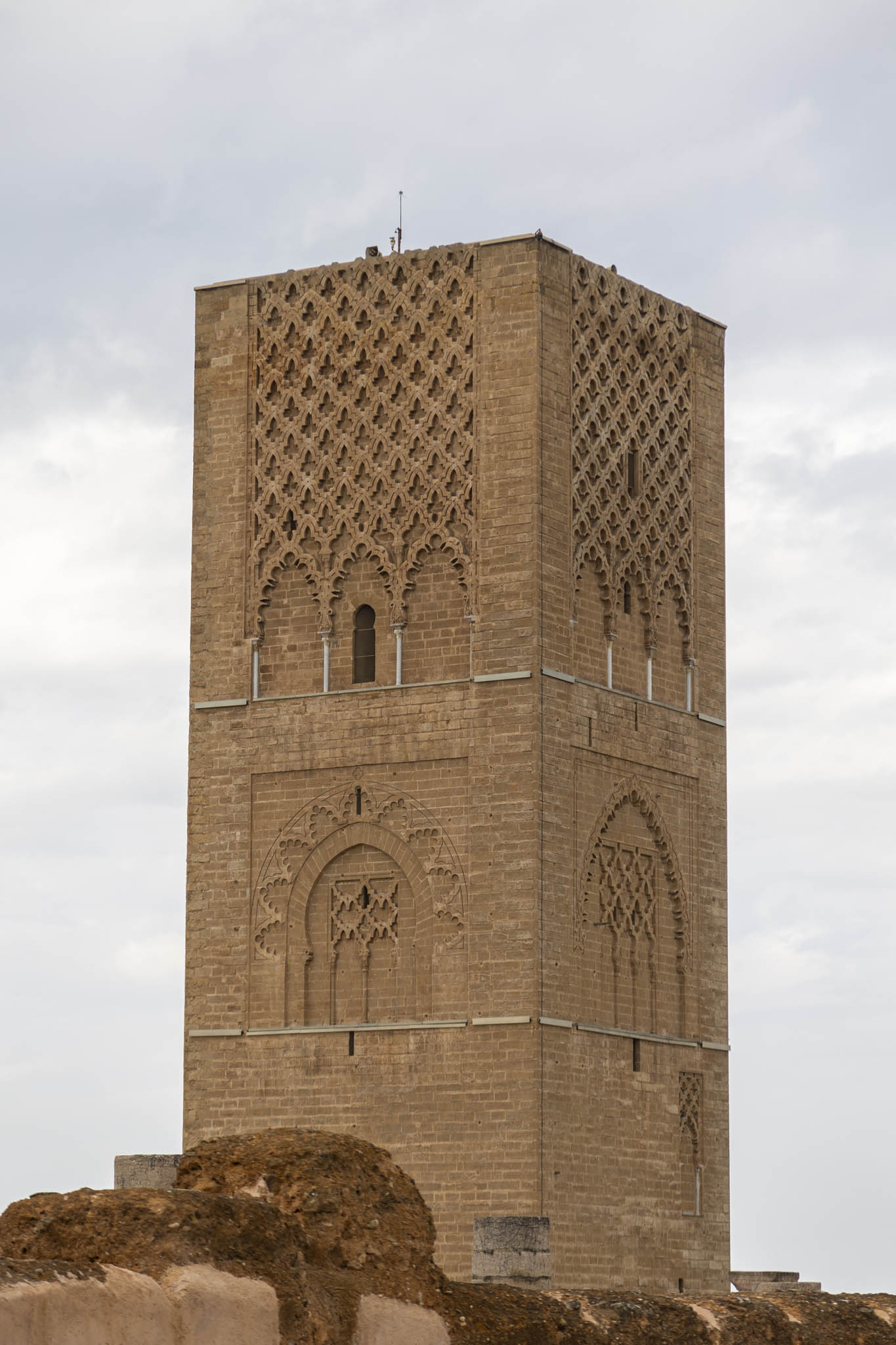
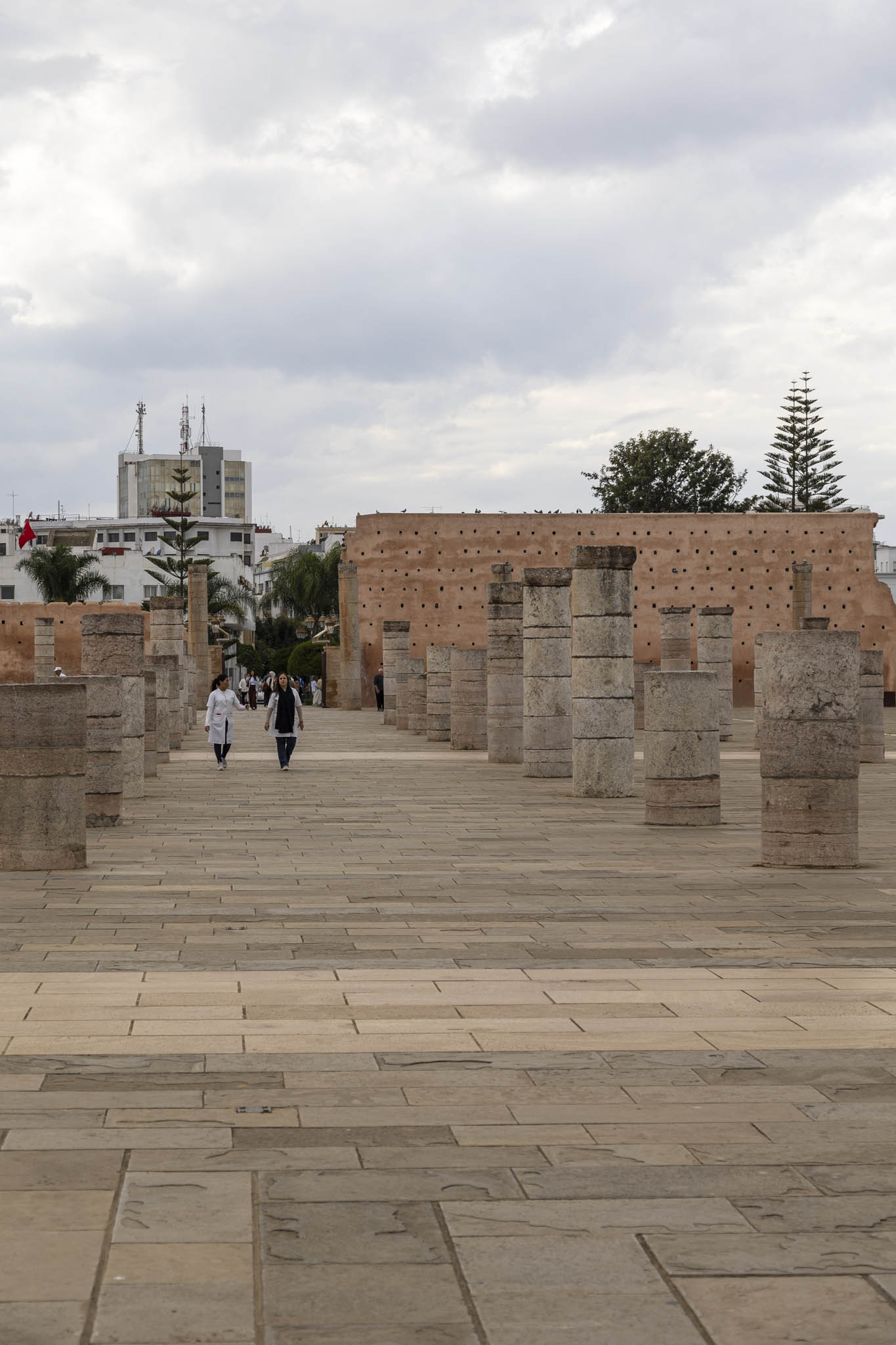
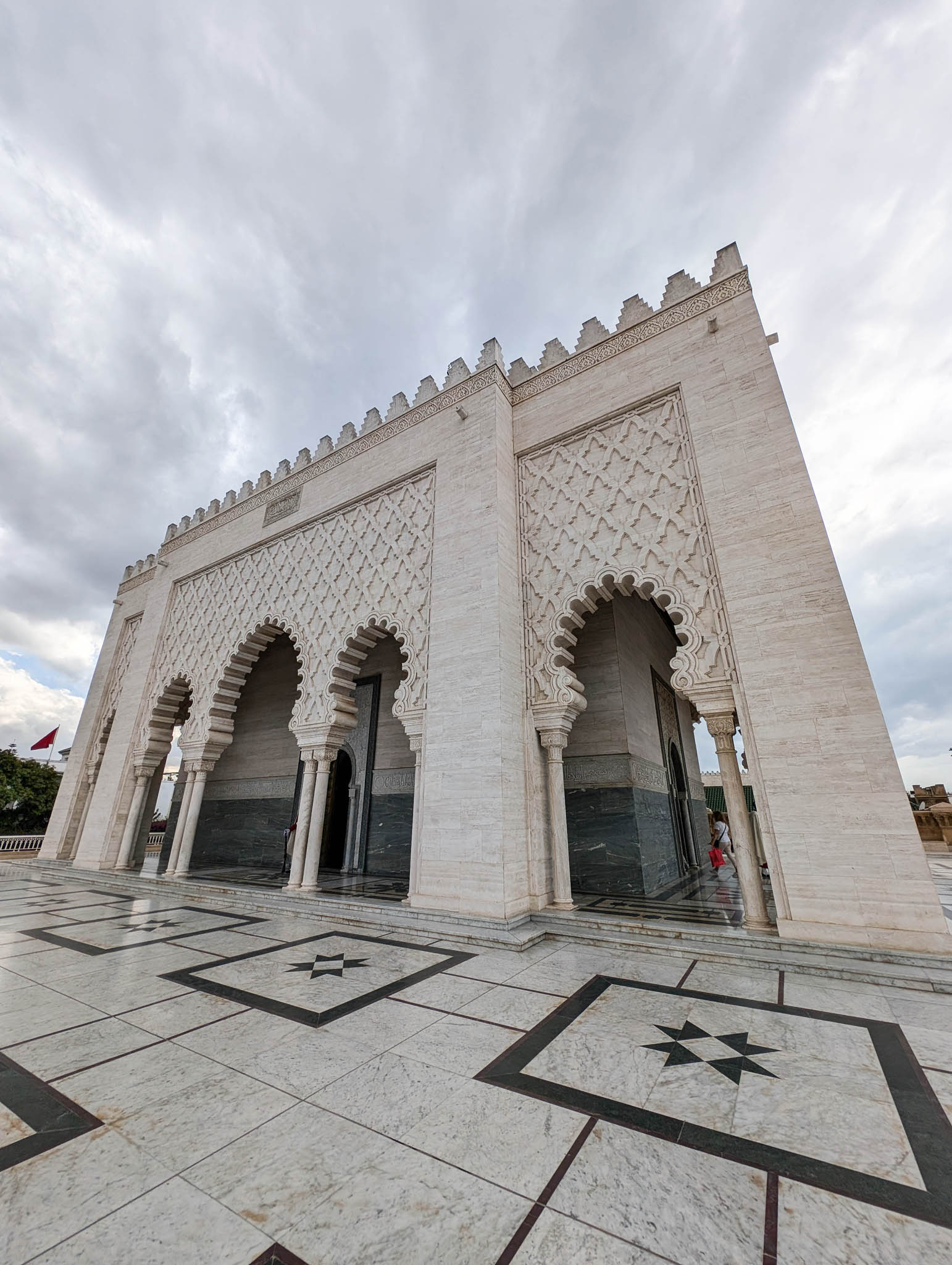
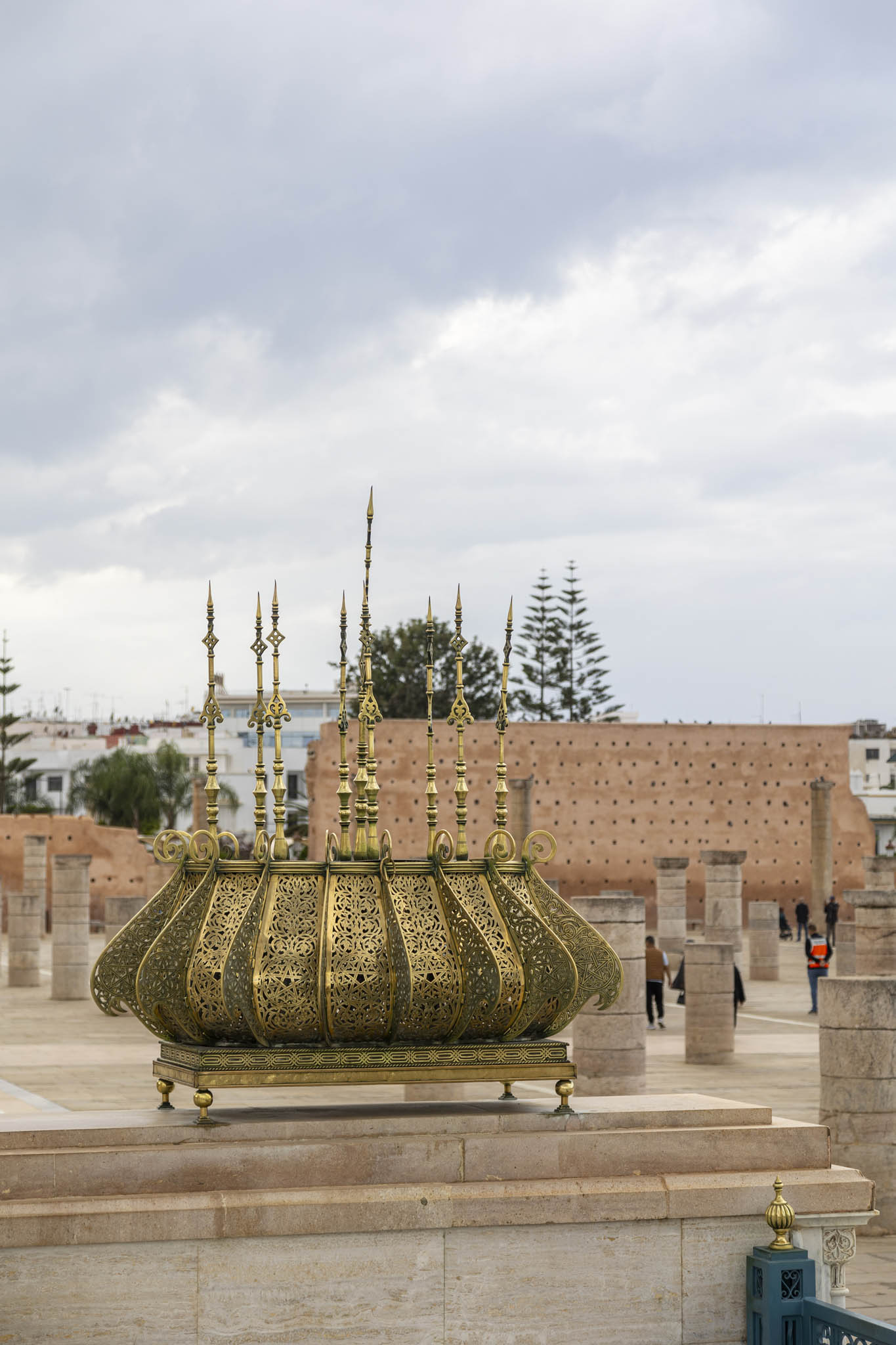
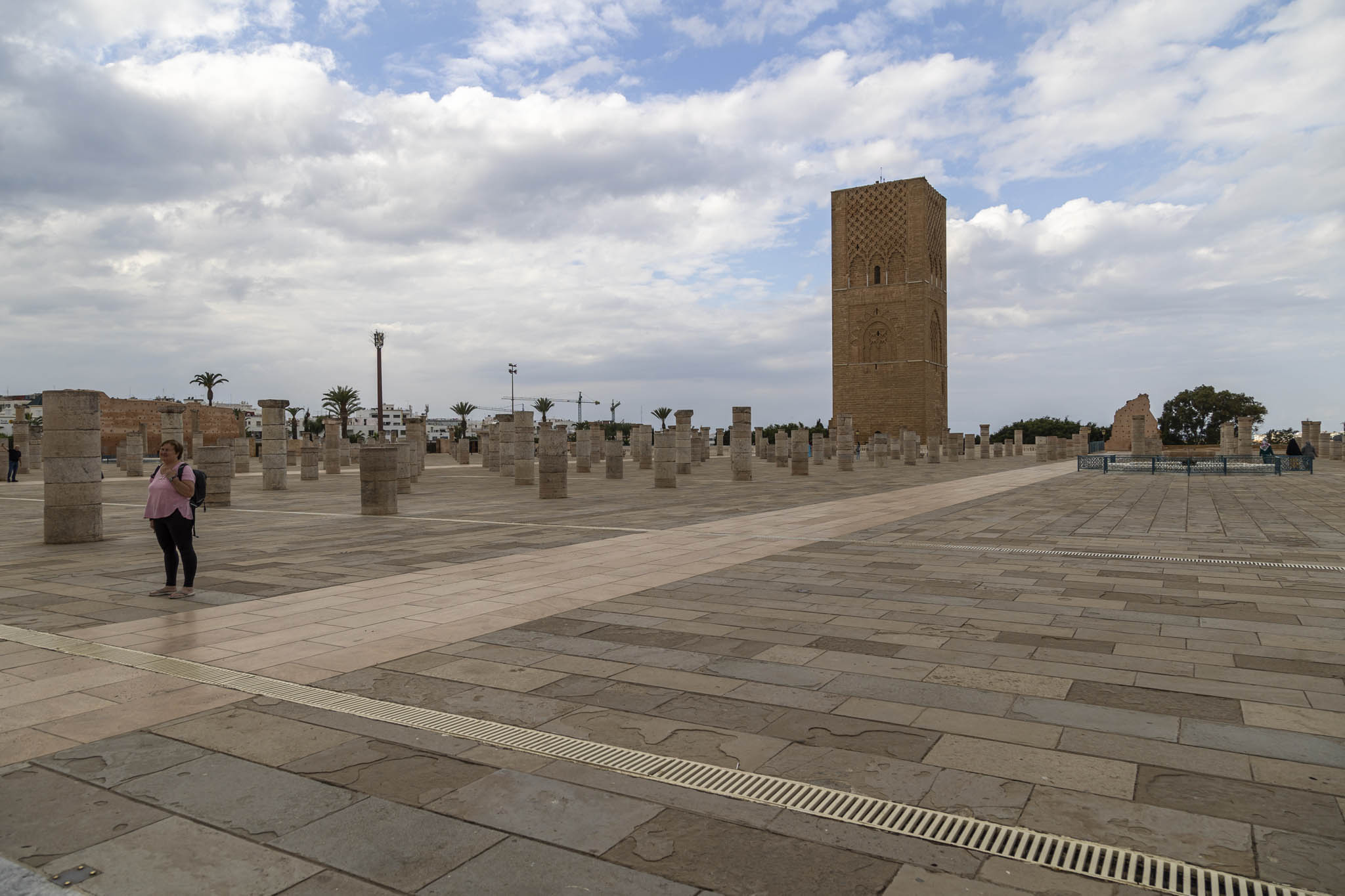
Our penultimate stop during our time in Morocco’s capital city was at the Mausoleum of Mohammed V. A mounted guard of honour was outside the walled entrance to the spacious, former site of a mosque from the twelfth and thirteenth centuries. Within the walls my eyes were first drawn to the only part of the former mosque still intact in any way, the Hassan Tower. When it was constructed it was intended to be the largest minaret in the world but it was never completed.
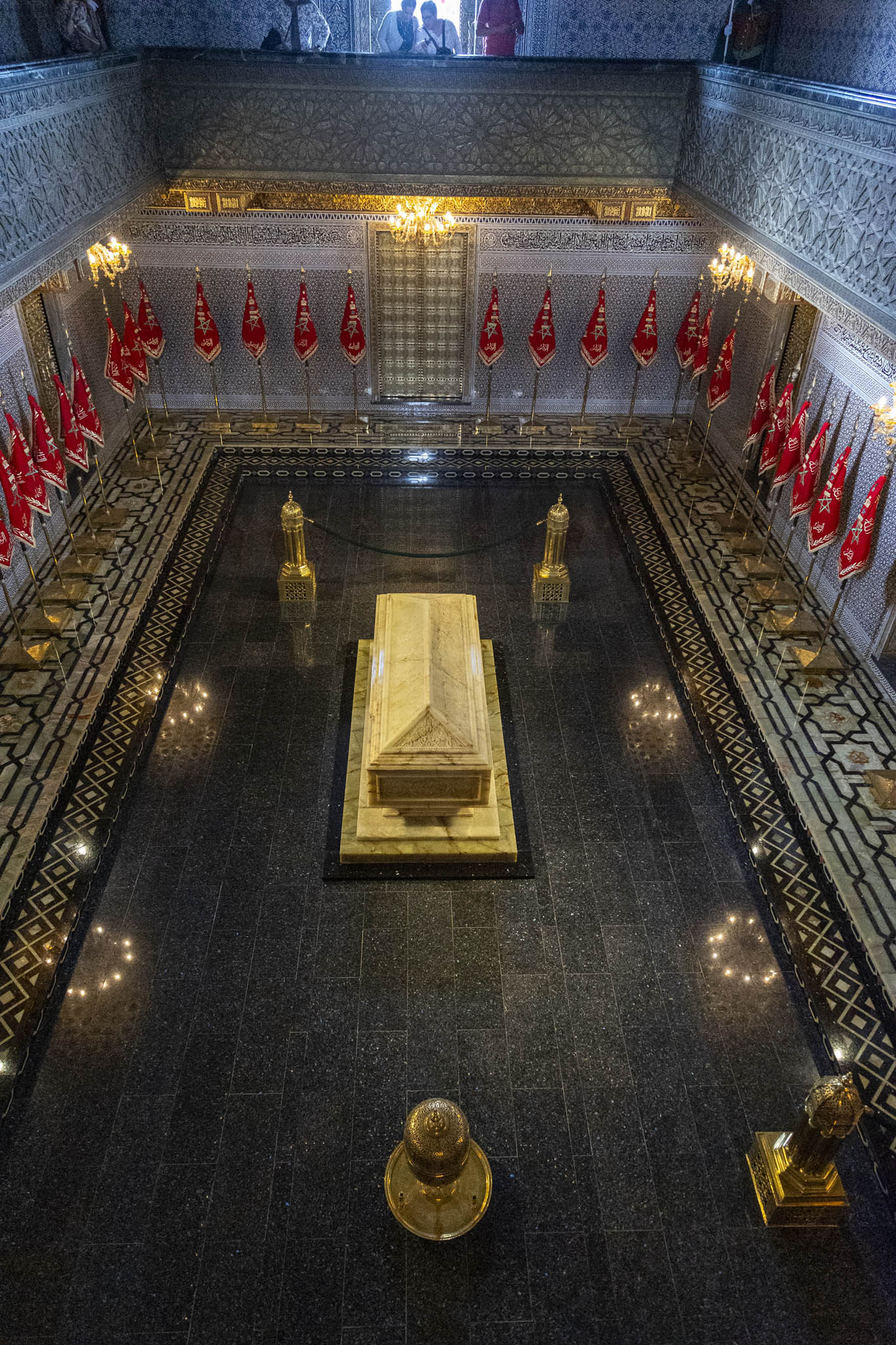
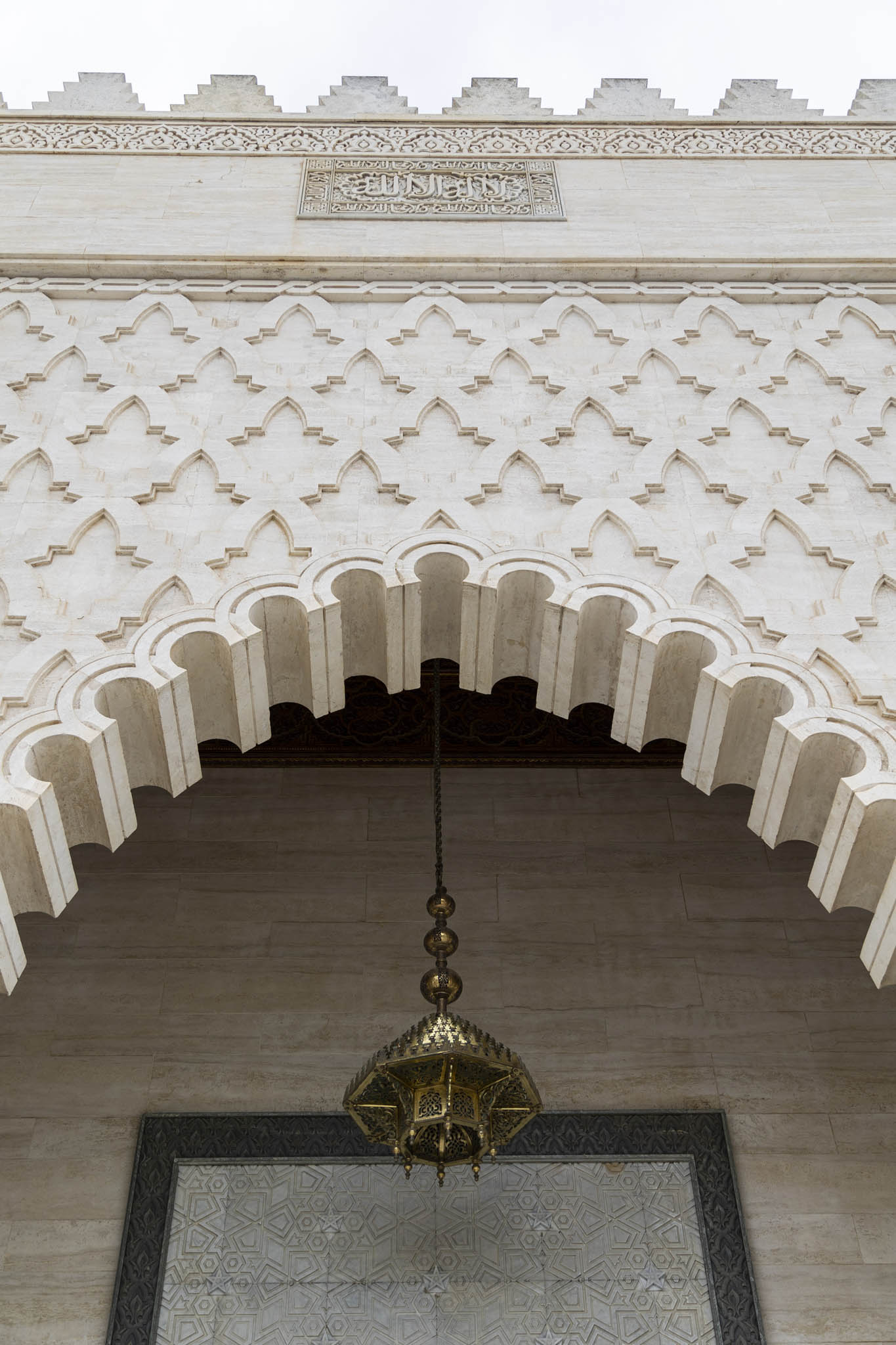
The mausoleum was built during the 1960s and completed in 1971. In addition to hosting the tomb of Mohammed V, the tombs of his sons, King Hassan II (who commissioned the mausoleum) and Prince Abdallah, are also located within the structure. The white marble exterior and geometrically-pleasing designs of the multifoil arches on the rectangular mausoleum was fittingly serene.
Stepping into the quiet interior of the mausoleum we were able to complete a circuit of the gallery overlooking the white onyx cenotaph.
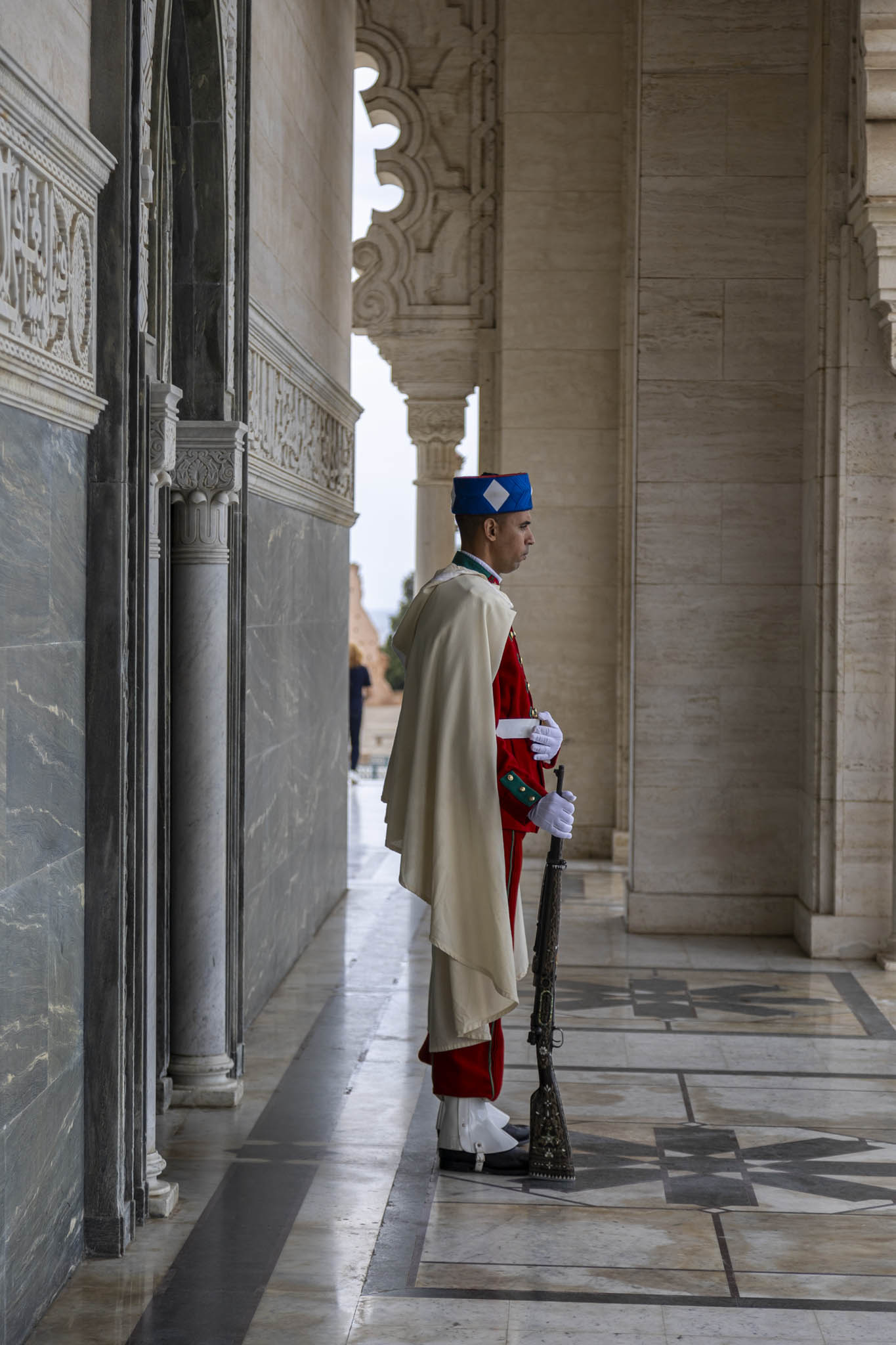
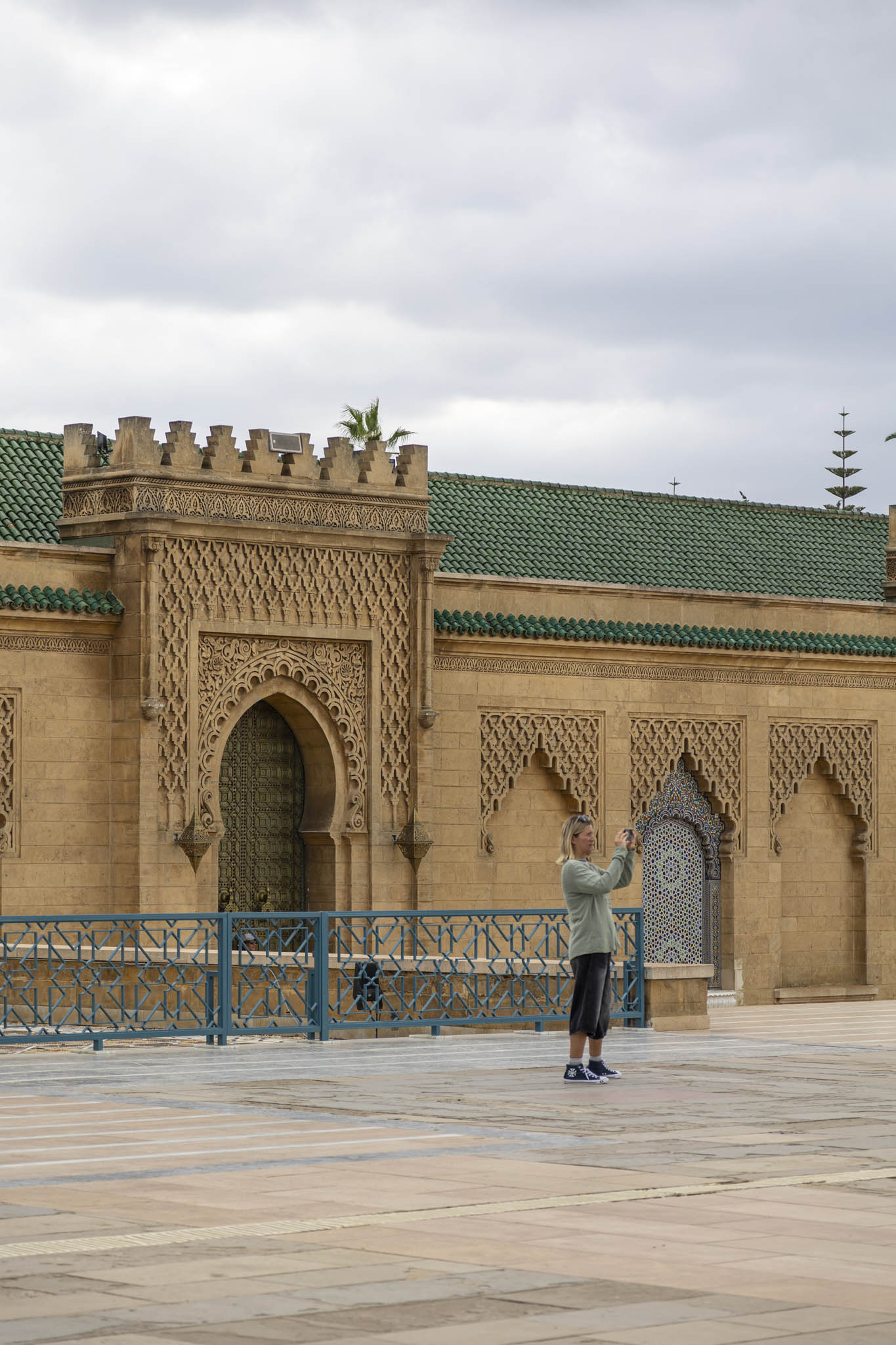
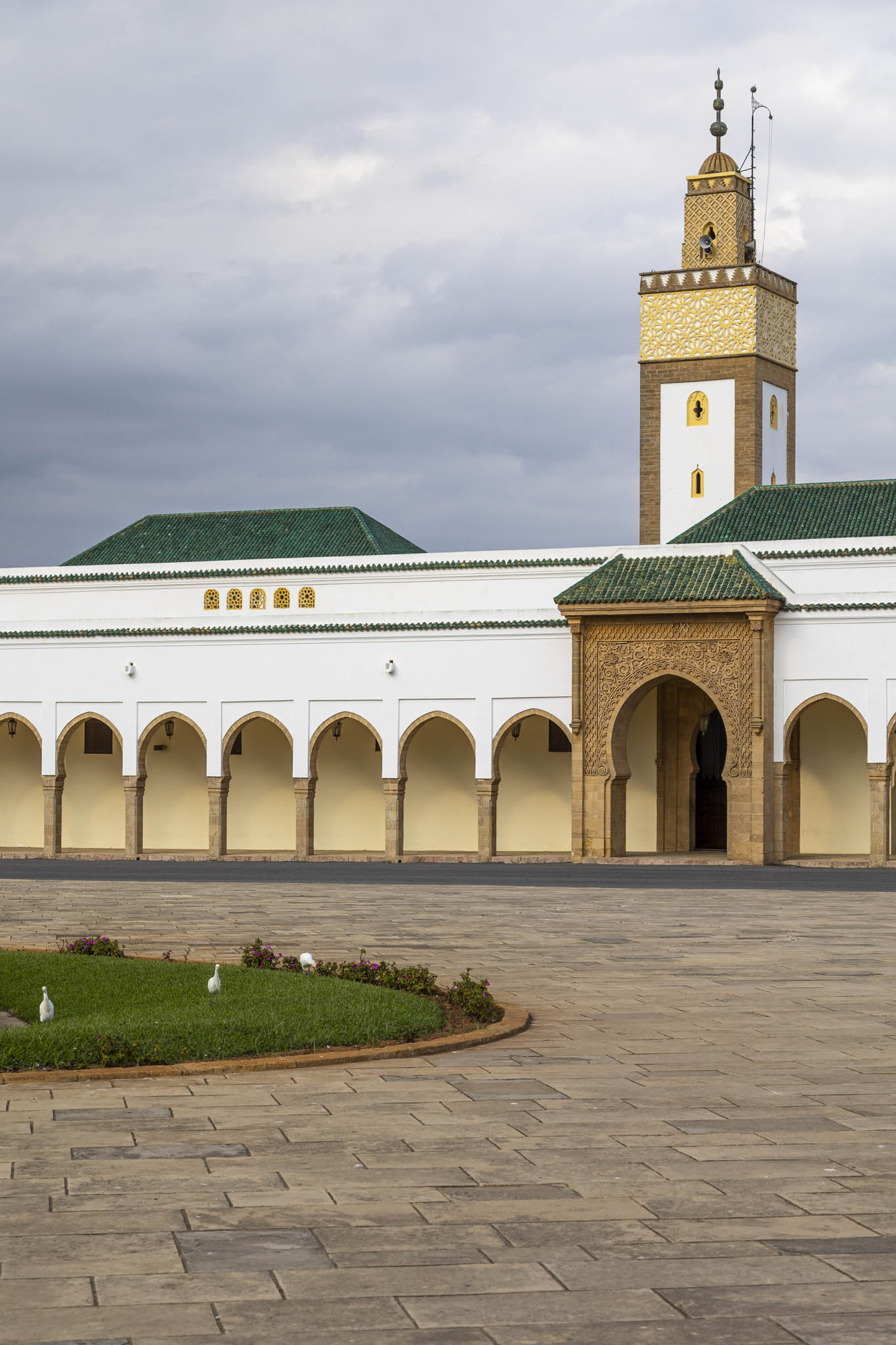
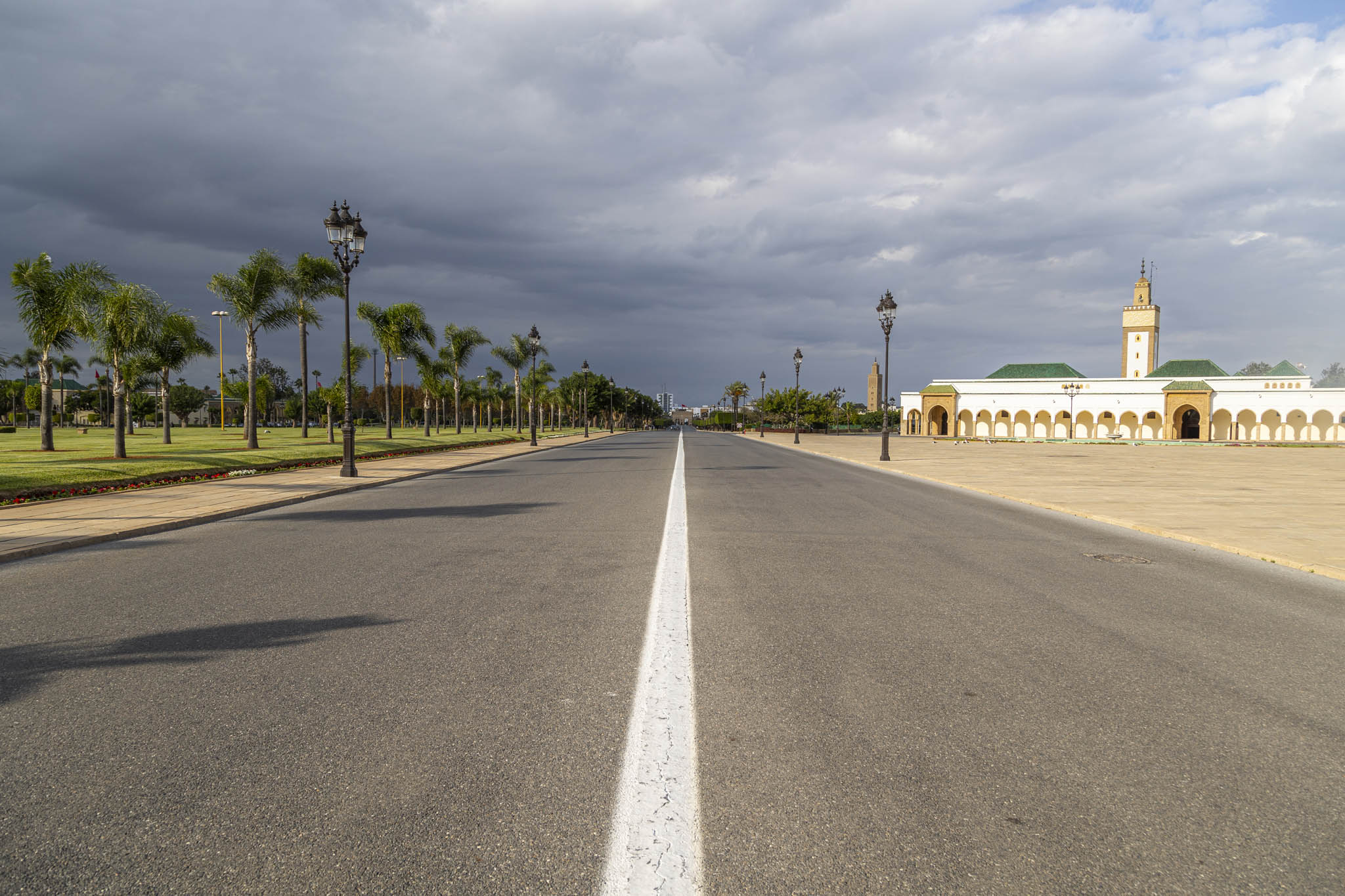
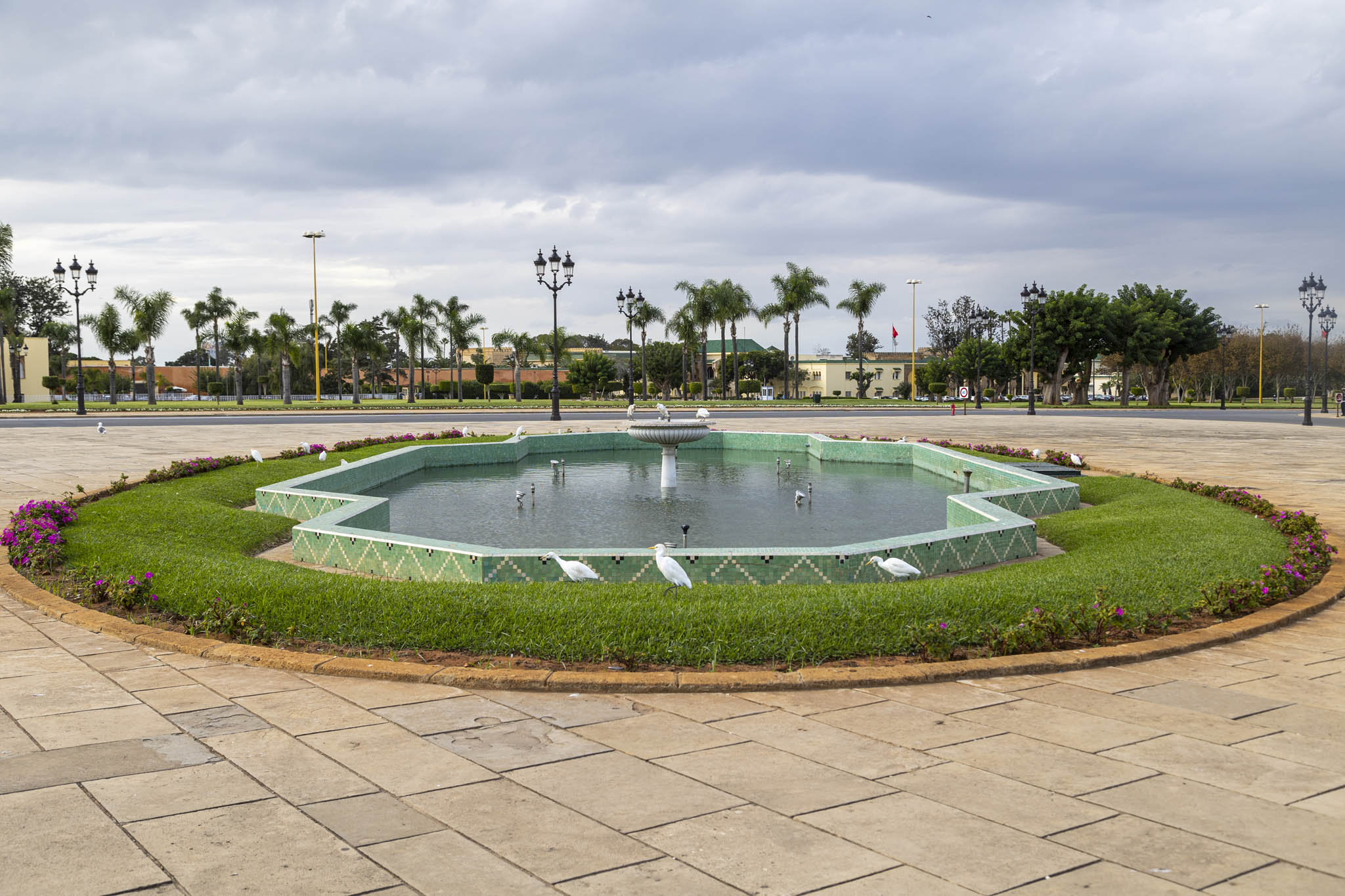
The final stop for this highlights tour of Rabat was to the Royal Palace, or, more precisely, a rather distant view of it. Access is rather limited – as you’d expect of any residence of any royal family – and we were instructed by our guide not to get too close to the main gate to the palace complex as the guards there – of which there was a surprising variety – could get twitchy.
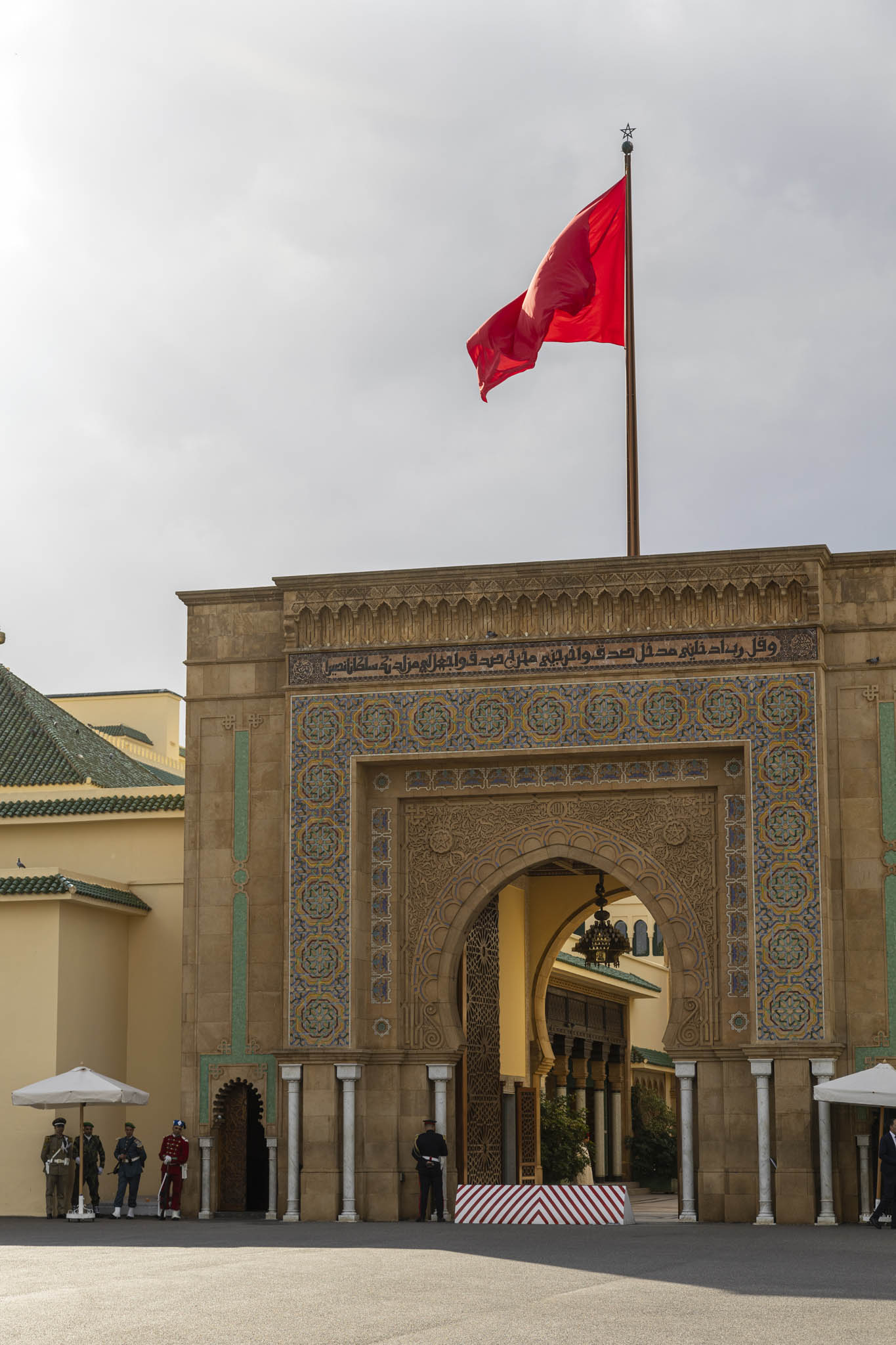
We’d approached the palace across an open public square that was nevertheless devoid of any public and we headed back that way after a few photos, passing by a few fountains and the Ahl Fas Mosque on the way back to the bus.
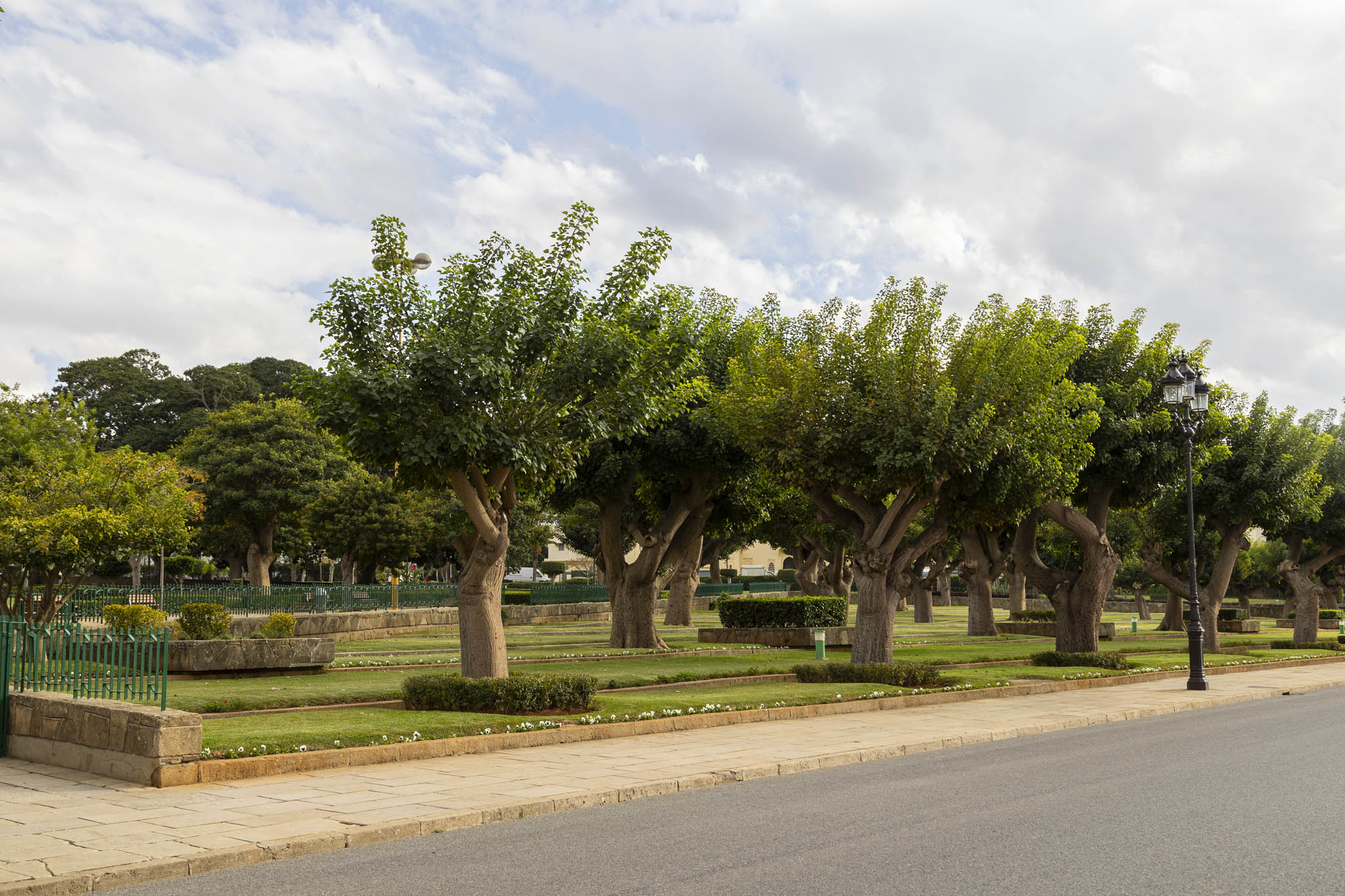
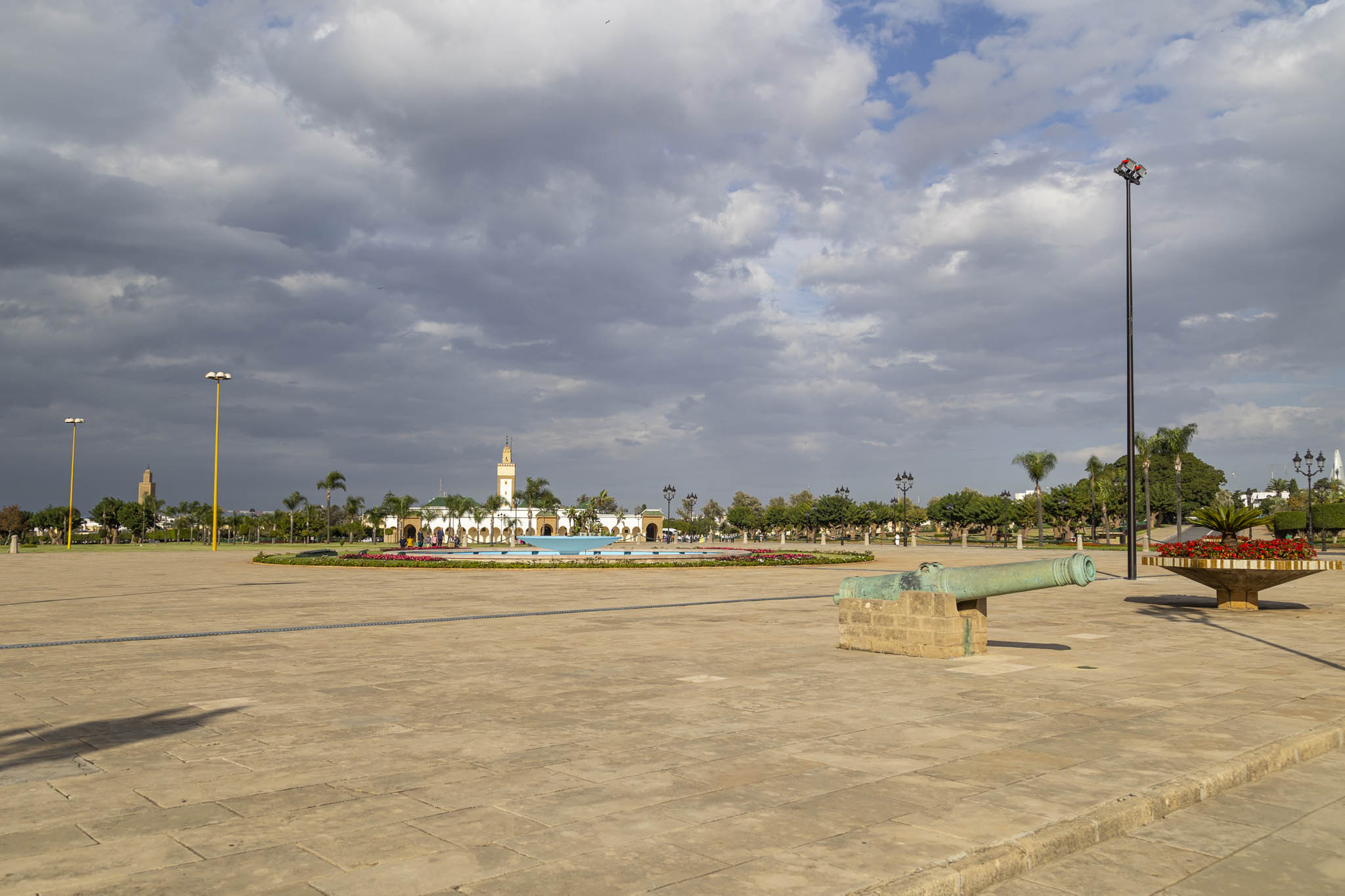
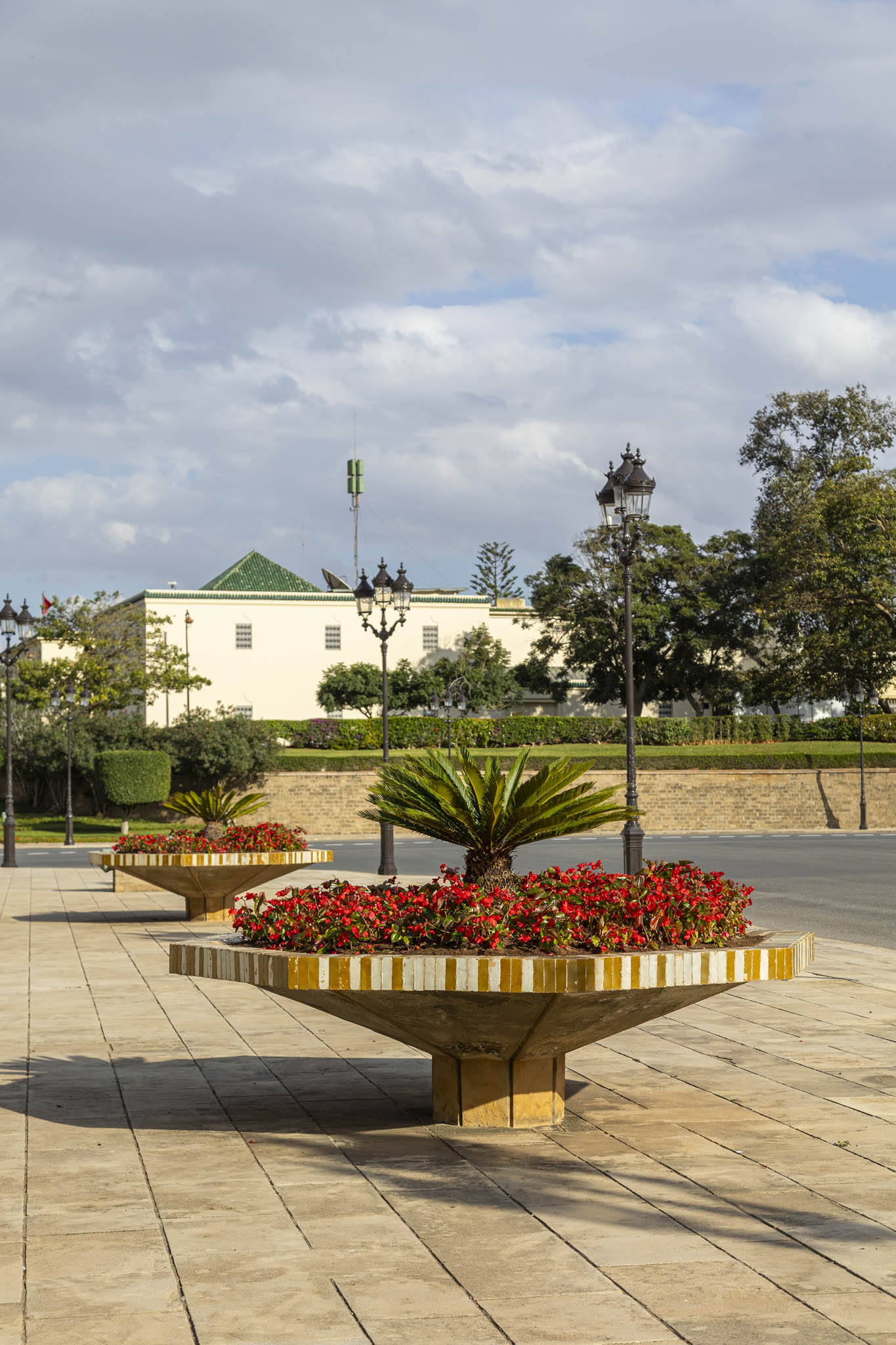
That marked the end of our time in Rabat but not the end of our day in Morocco or even the end of the cruise excursion which would conclude with some shopping opportunities and a short sightseeing tour in Casablanca.