Back in 2018 we’d been cruising on Sapphire Princess and had been due to dock at Bordeaux but had that stop swapped to another French port along the coast once we were aboard. That had been La Rochelle, a port we’d not planned for, but we ended up having a lovely day there regardless and always said we’d love to return.
With the first scheduled port of call on our 2025 France and Spain cruise on MSC Virtuosa being La Rochelle, this time we had more of a chance to plan our day better. We’d booked this cruise late and were trying to do this one on the cheap anyway, so excursions weren’t really considered. Instead, we noticed that a place we’d really enjoyed drinking at outside in the sunshine was still open (with the pandemic occurring in the intervening years this hadn’t been a given) and there was a museum that felt like it would be the sort of thing we’d like to see.
MSC Virtuosa is a big ship and the cruise port of La Rochelle requires you to get on shuttle buses to get outside it, or get into La Rochelle itself. This meant that we were determined to get off as early as possible for this day in the French city as the thought of the queues, given previous experience years earlier on a considerably smaller vessel, filled us with dread.
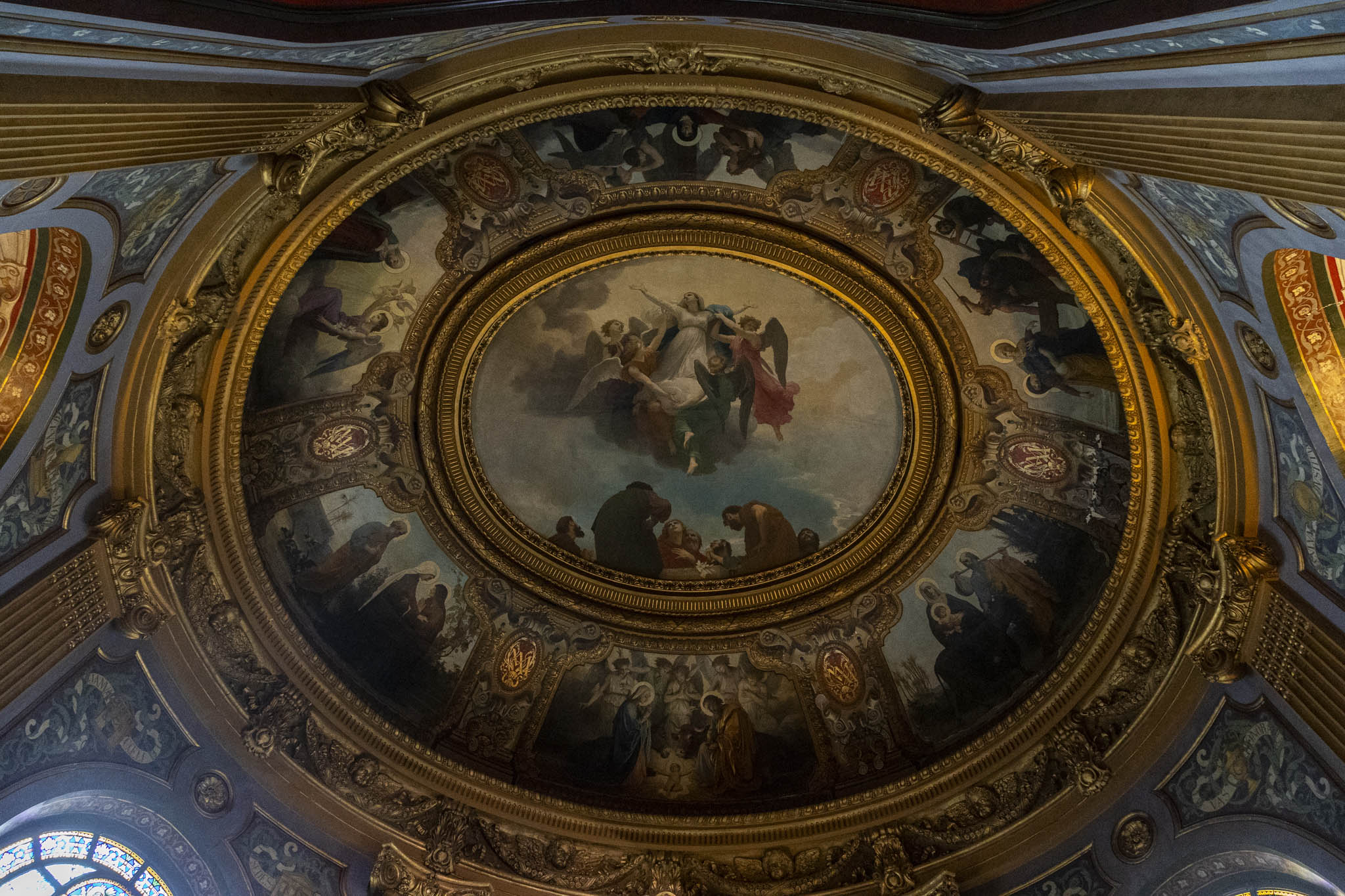
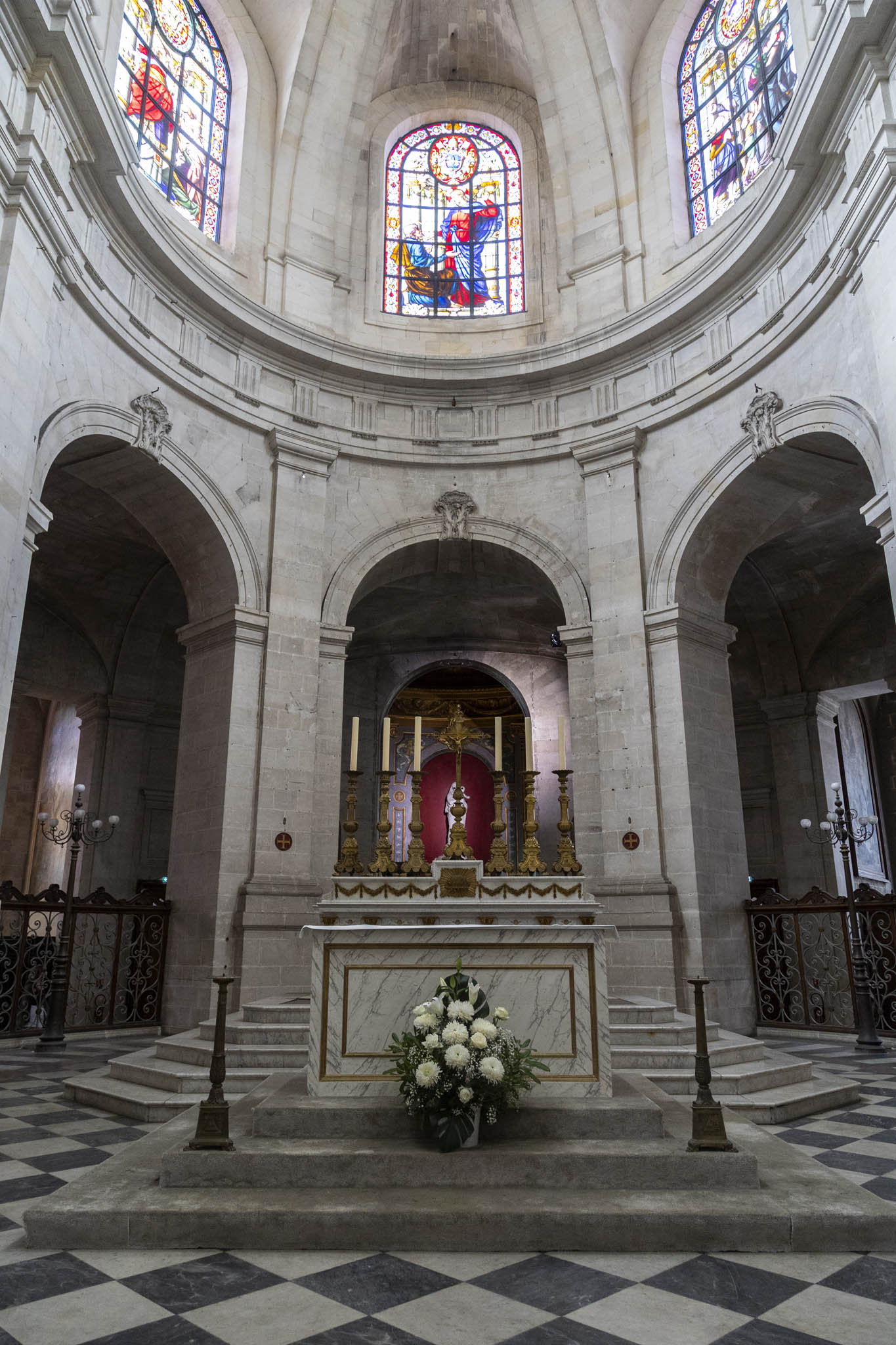
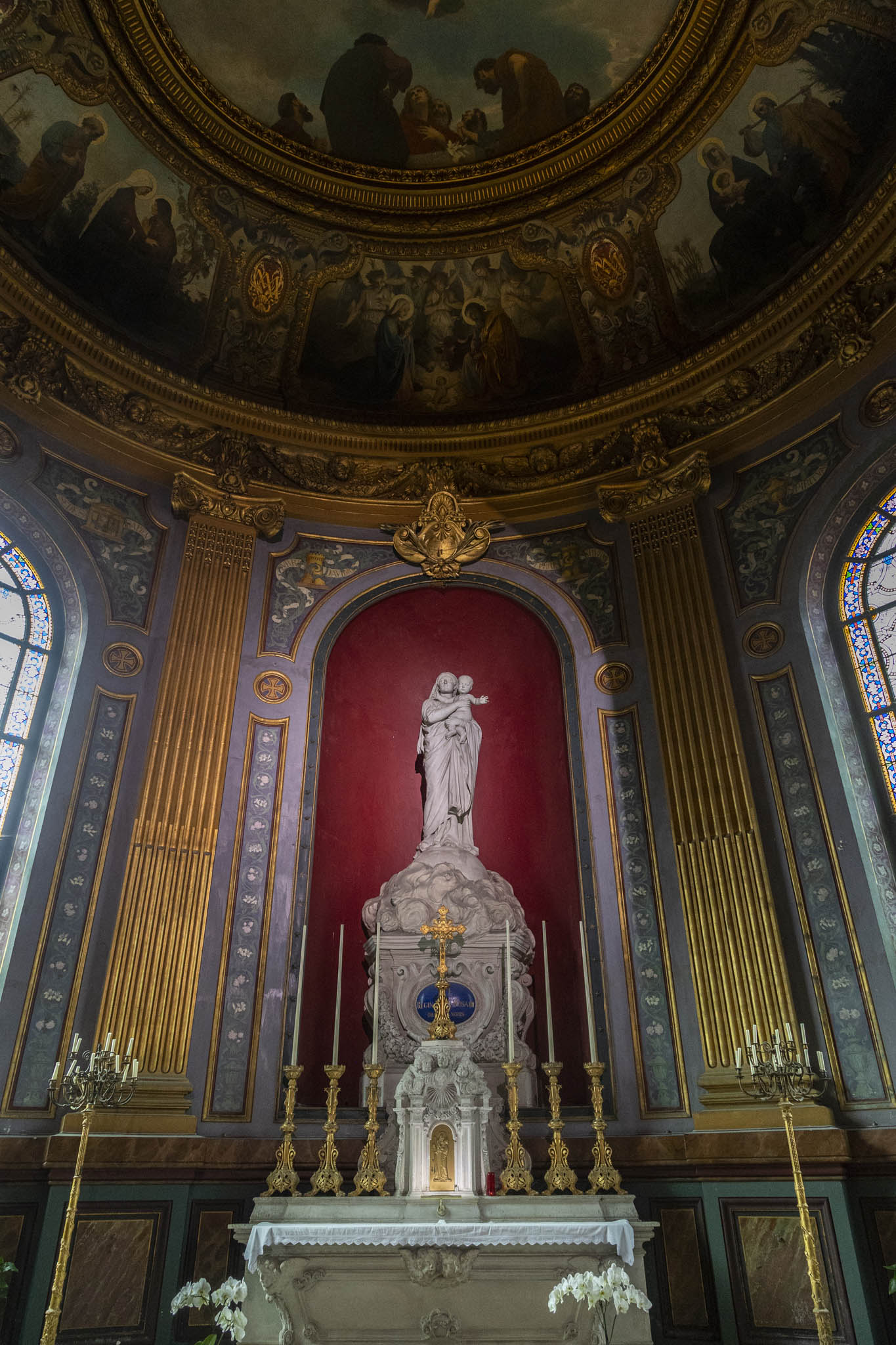
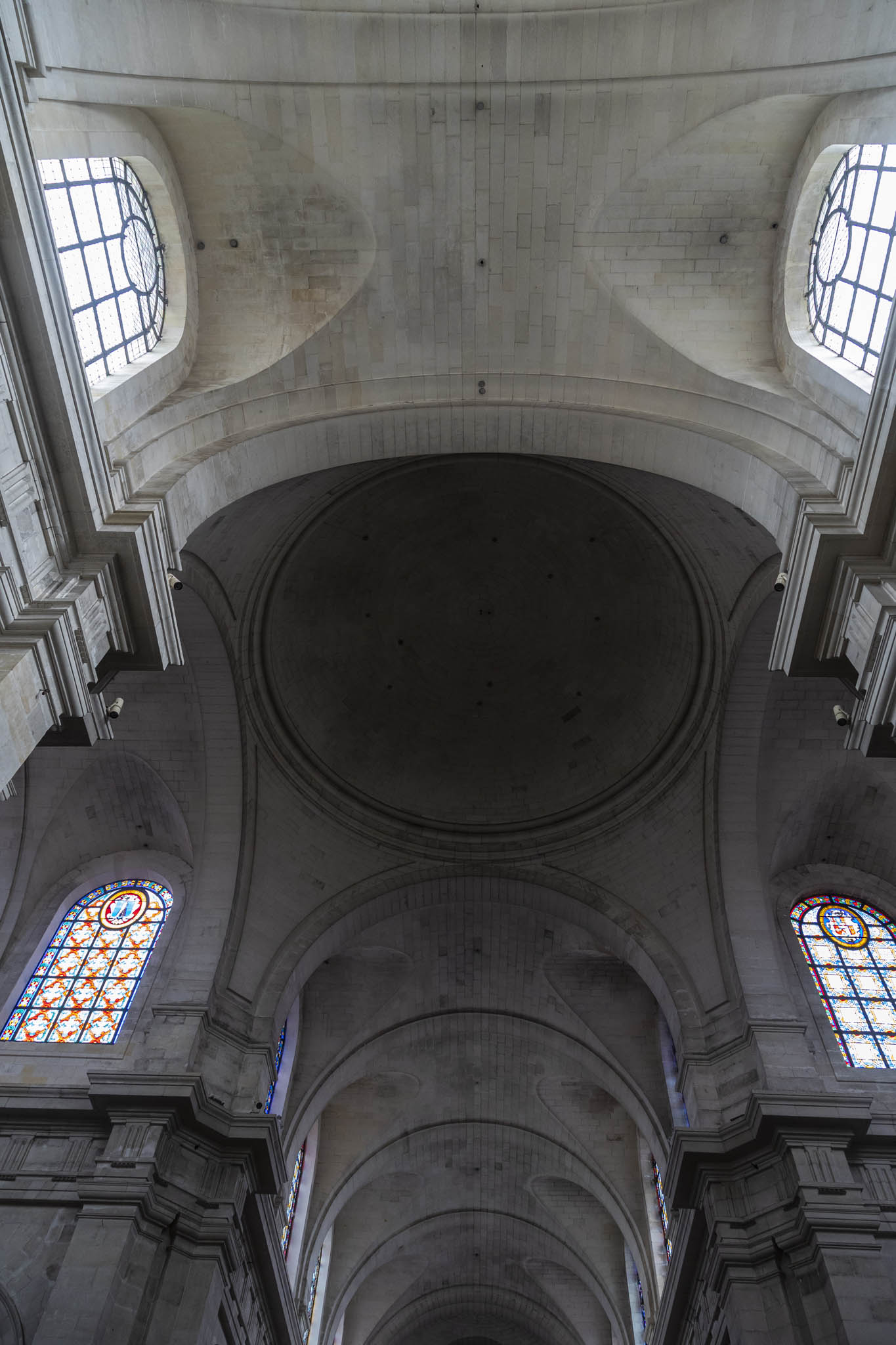
We timed it perfectly (it would be a different matter when coming back), and were off the ship and straight onto a bus with no waiting around at all. Twenty minutes after that we were in La Rochelle far earlier than we’d expected, leaving us with a fair bit of time to kill before the museum we wanted to visit opened up. As the bus drop-off and pick-up point was right at the entrance to Saint Louis Cathedral we started off with a look inside. We’re not religious people but we do like history and architecture.
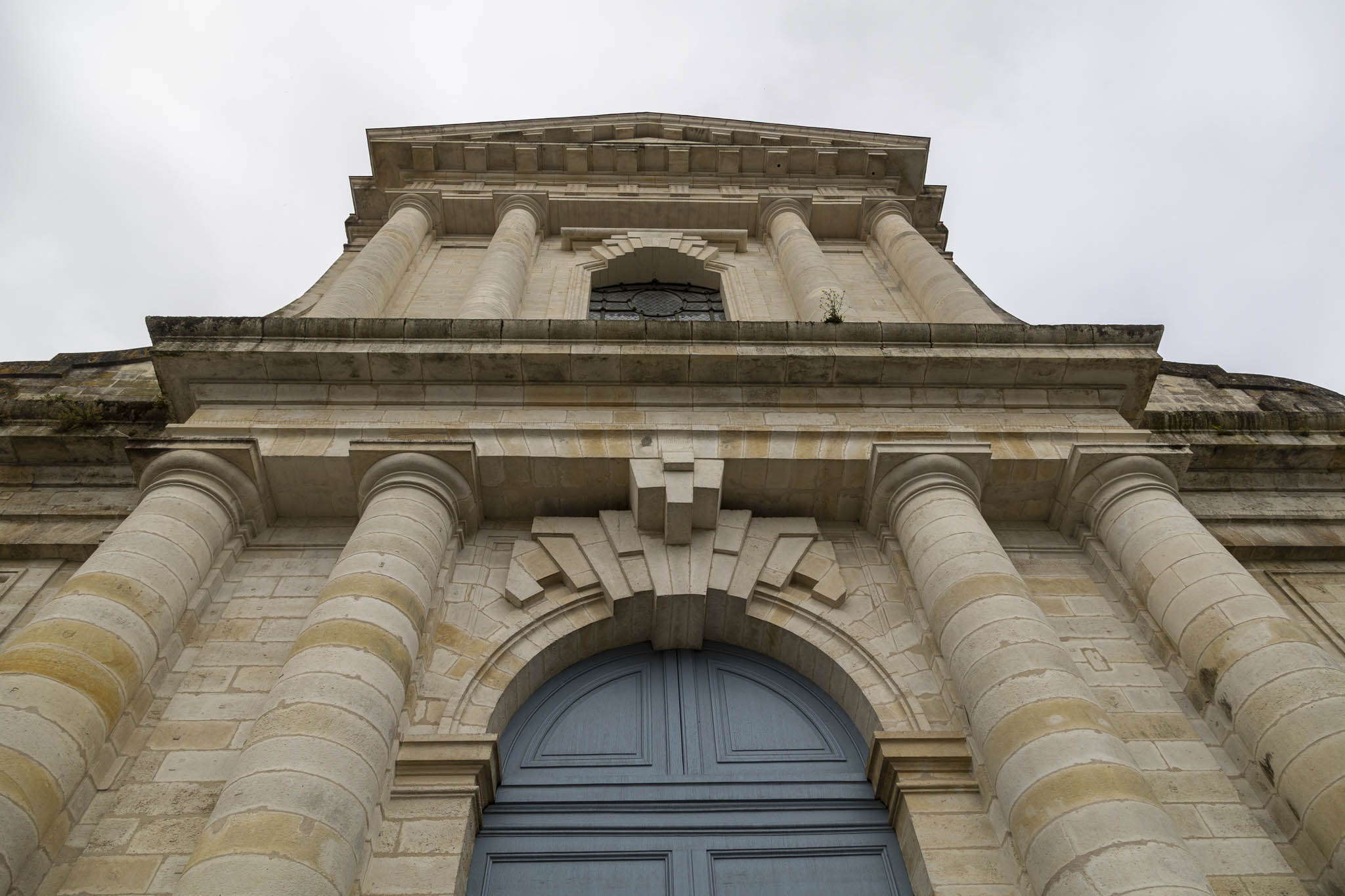
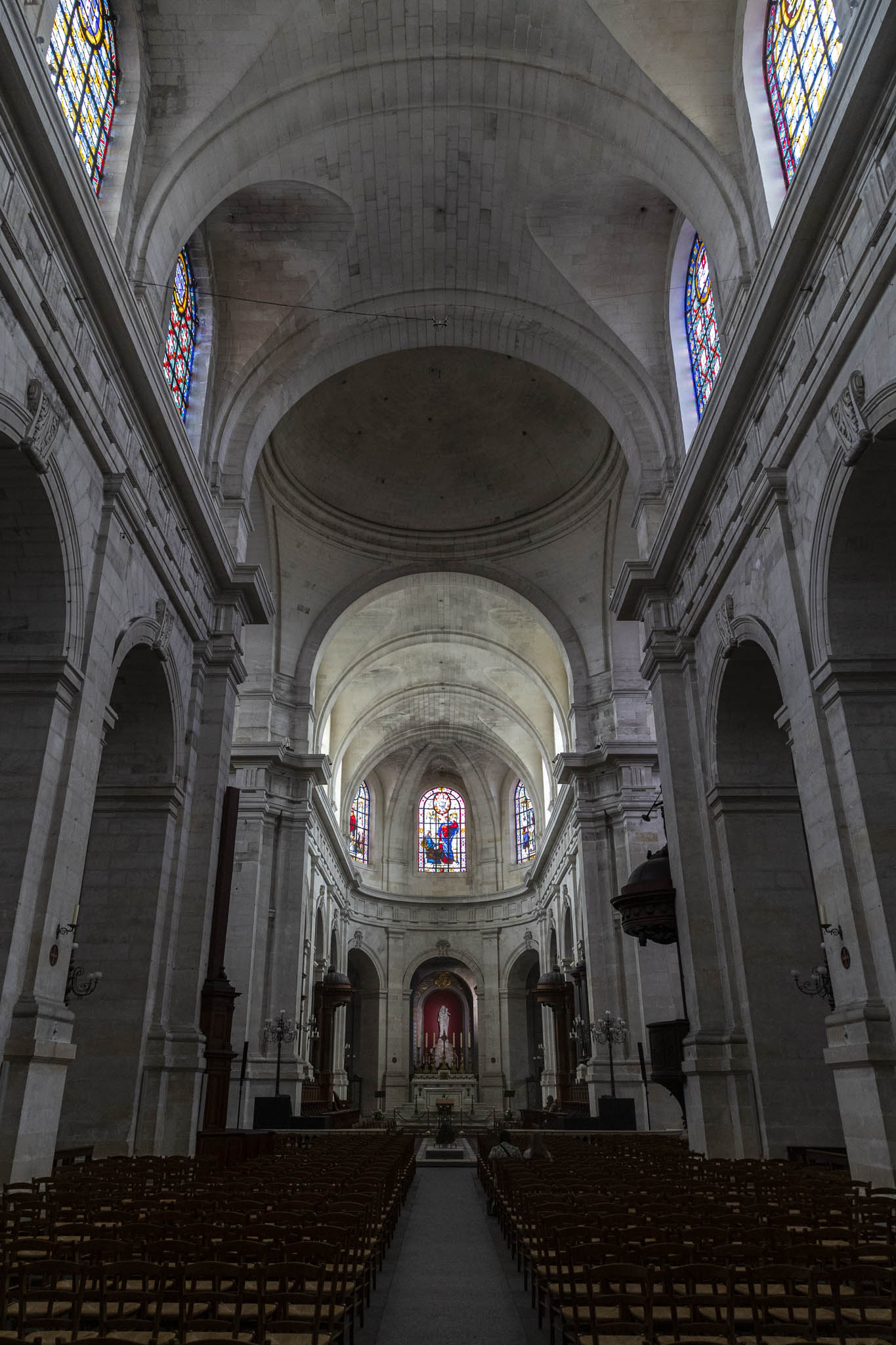
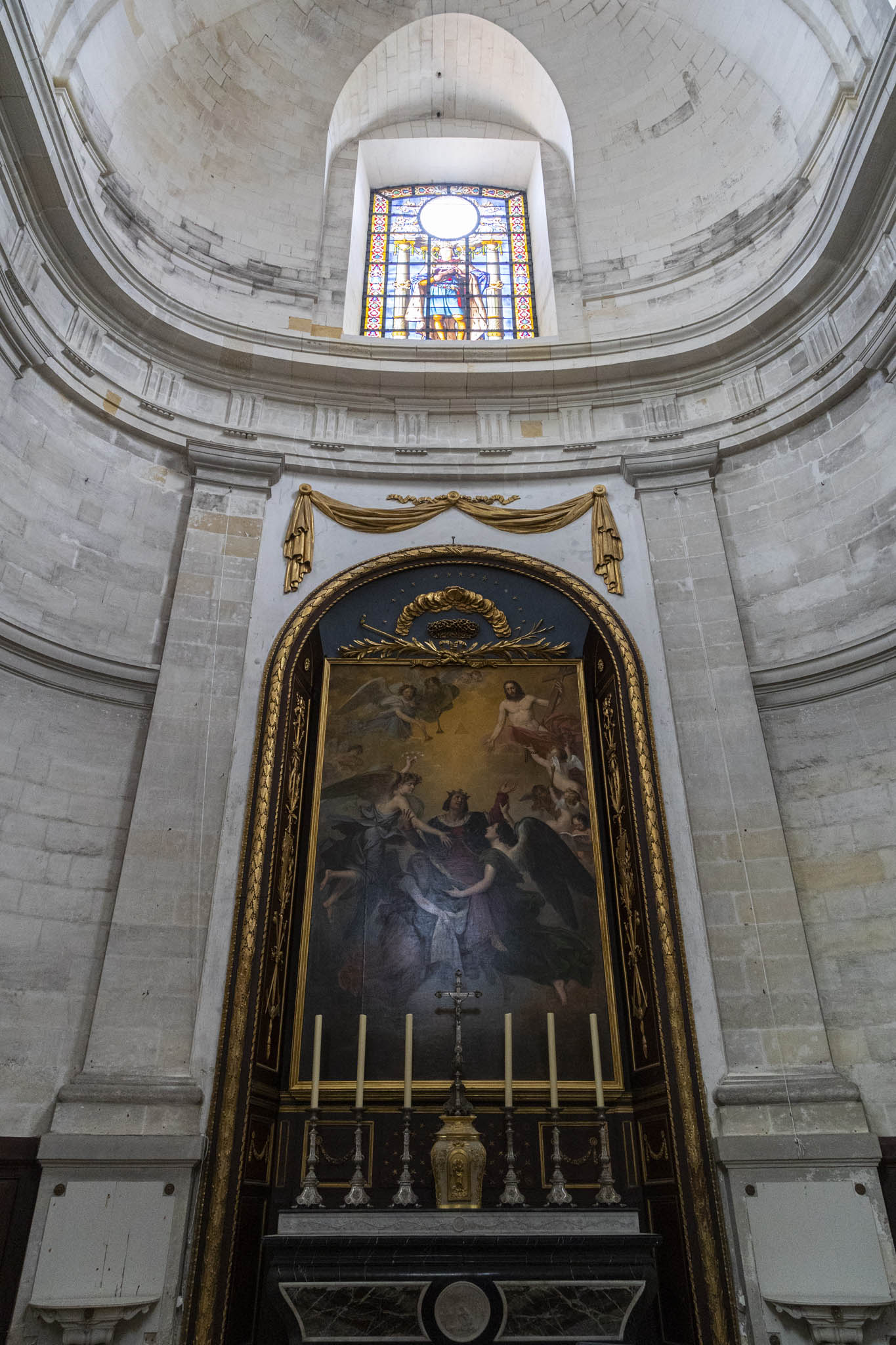
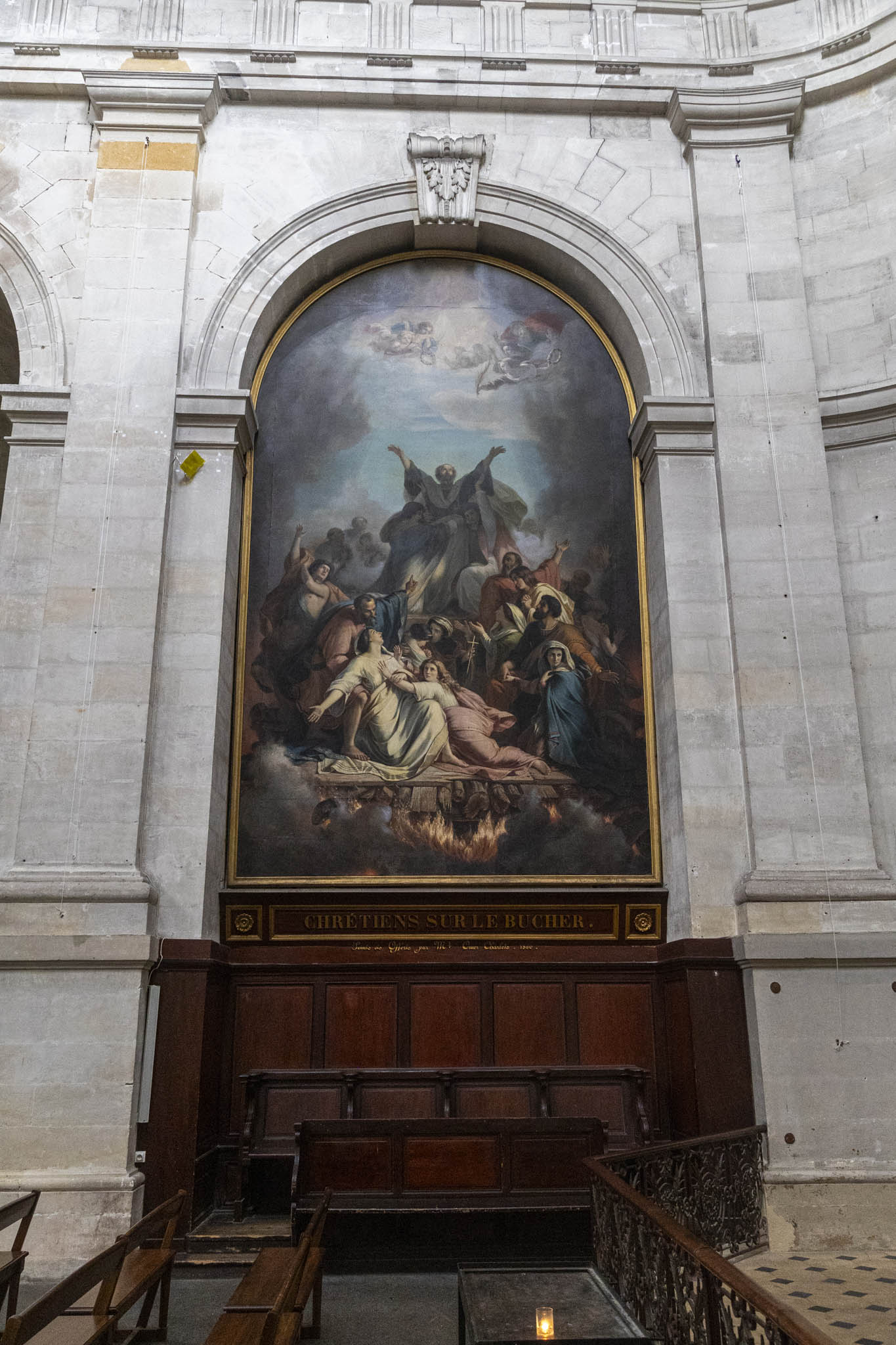
Although the church is listed as a national monument, it’s a building with not a lot of history and rather basic neo-classical architecture. The design for the cathedral was made in the late seventeenth century but building work only began in 1742 and the place was consecrated in 1784 despite not being completed. Art on the ceiling of the cathedral’s cupola was the work of William-Adolphe Bouguereau, a painter and local. It’s more than nice enough for a short look around but with just a tower on the southern side of the cathedral having a connection to Huguenots and sieges – and we didn’t notice that until after this visit – there’s not a lot else to really say about it.
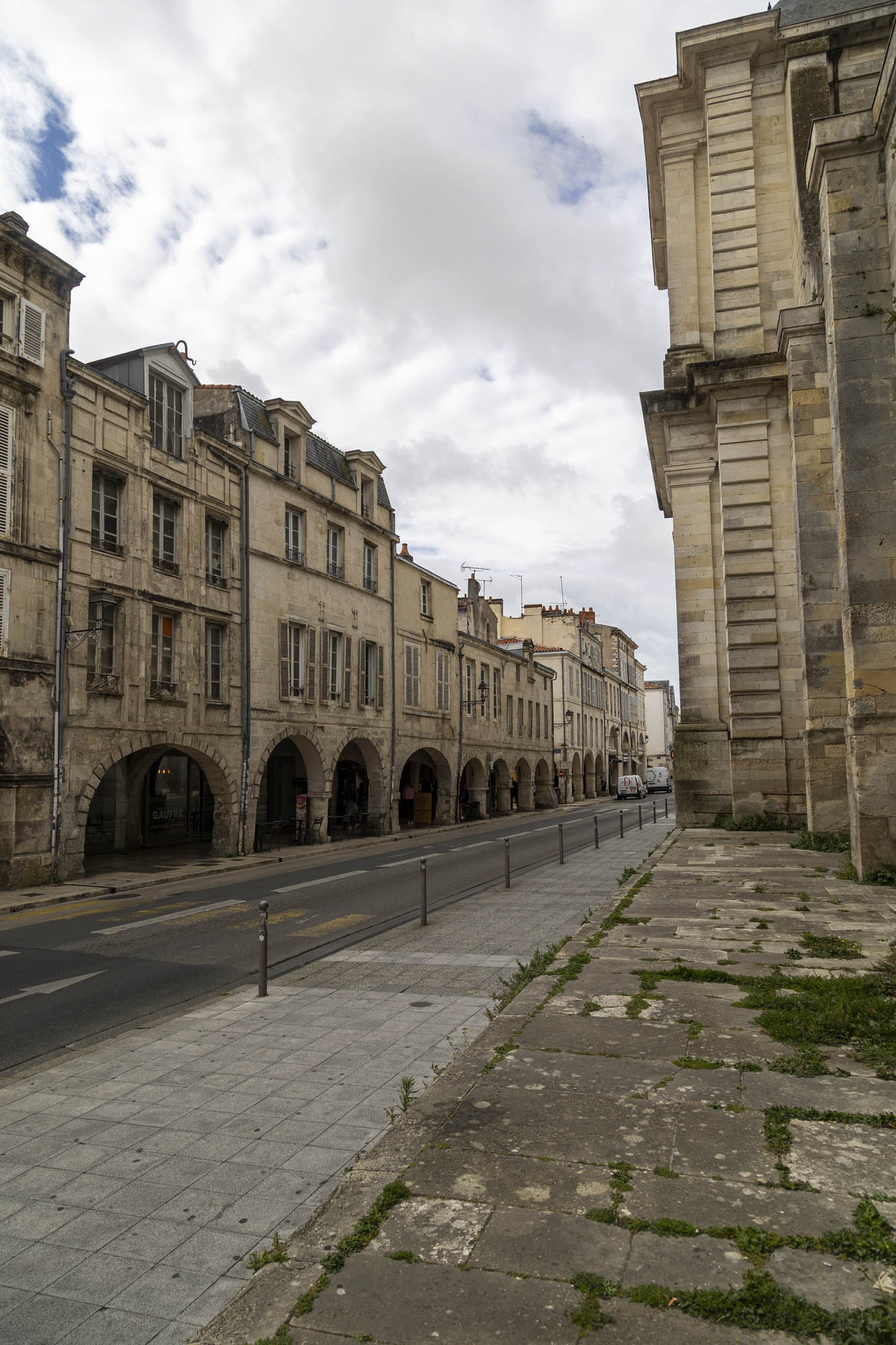
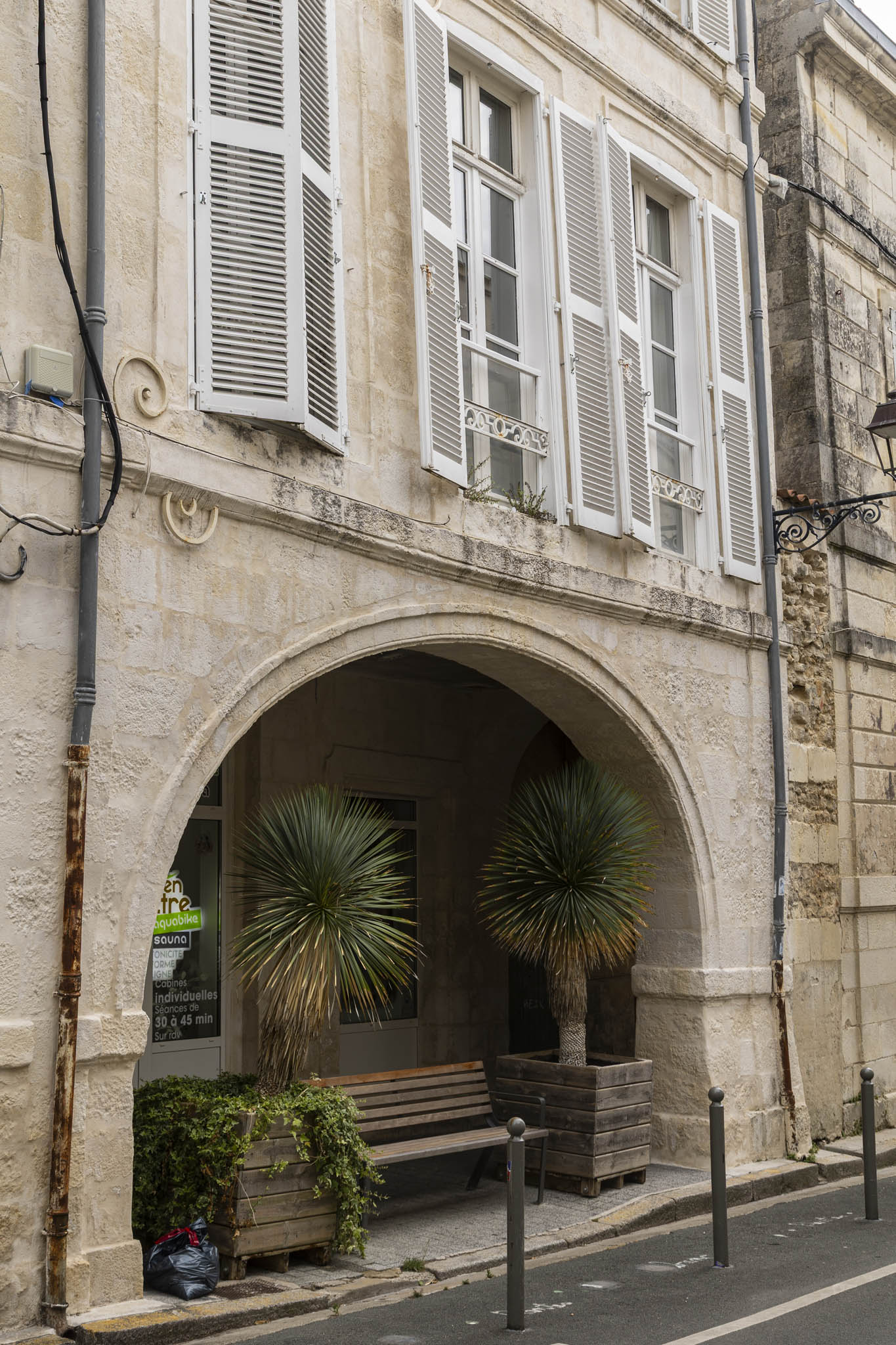
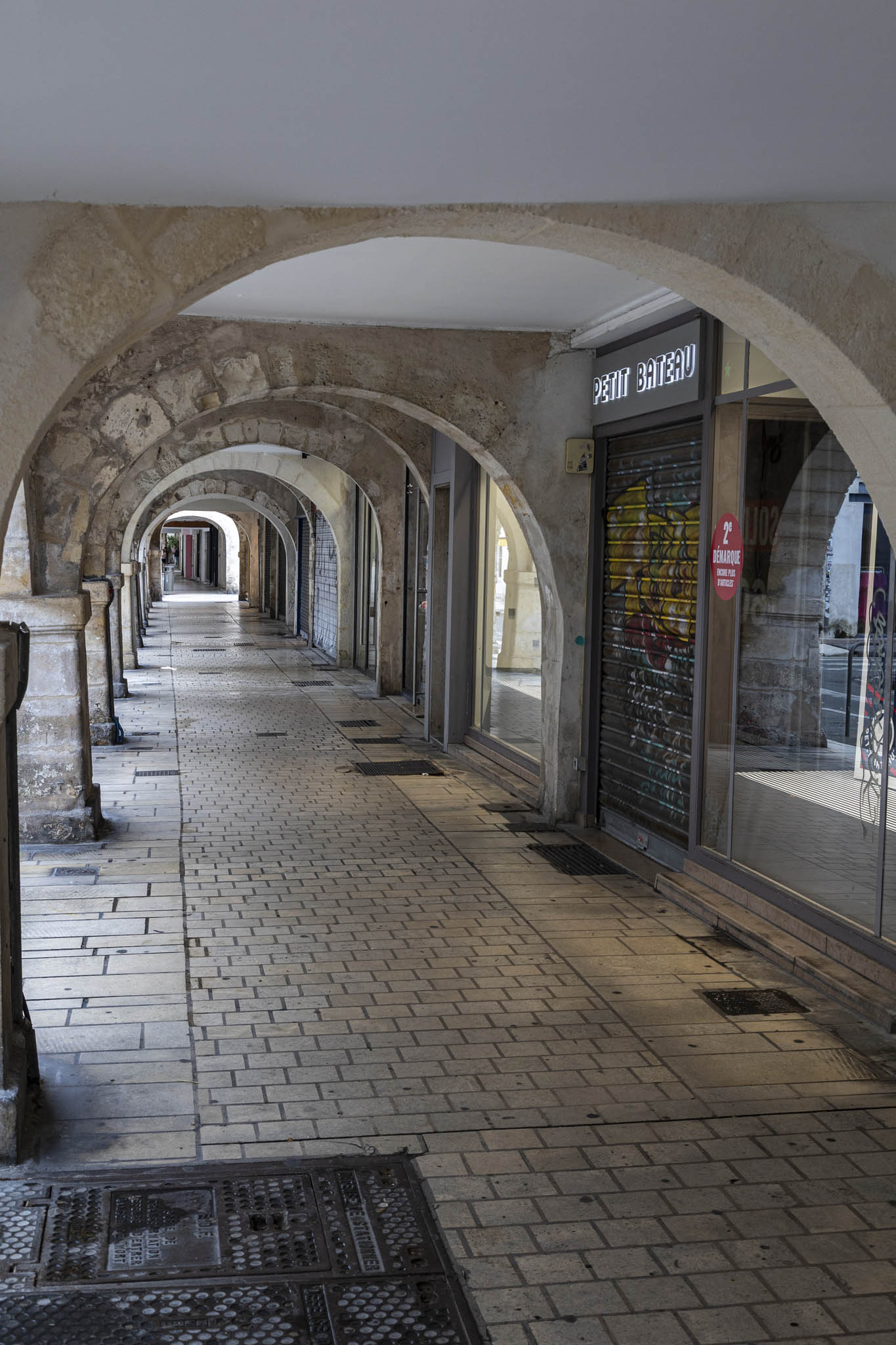
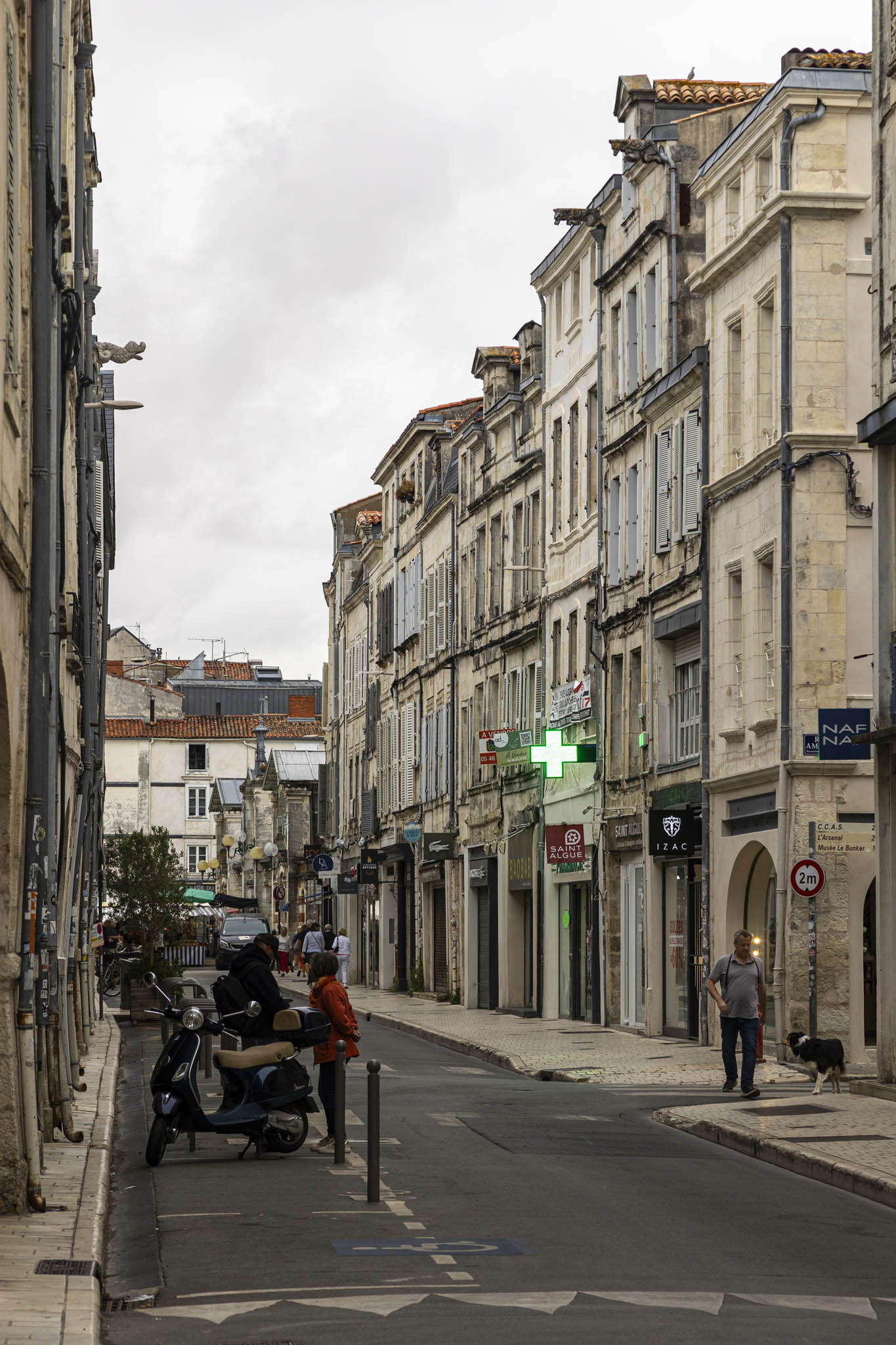
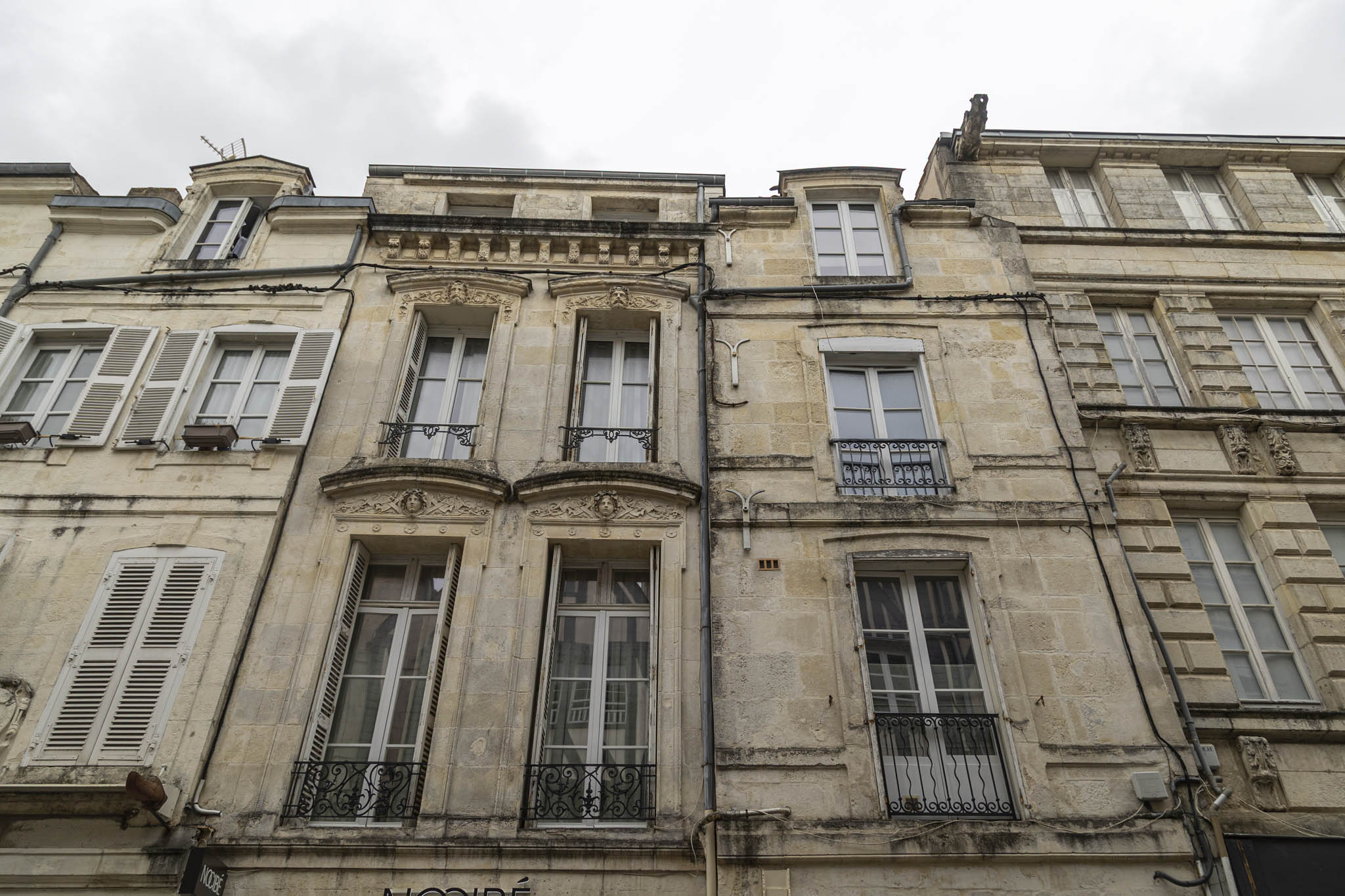
Stepping back out of the cathedral on a warm but overcast day in La Rochelle, we then pretty much picked random roads if the maps on our phones indicated there might be a building of interest down them or if we could see architecture that looked like it might be photo-worthy. I did like the warm-toned stone and prevalence of architectural arcades in La Rochelle.
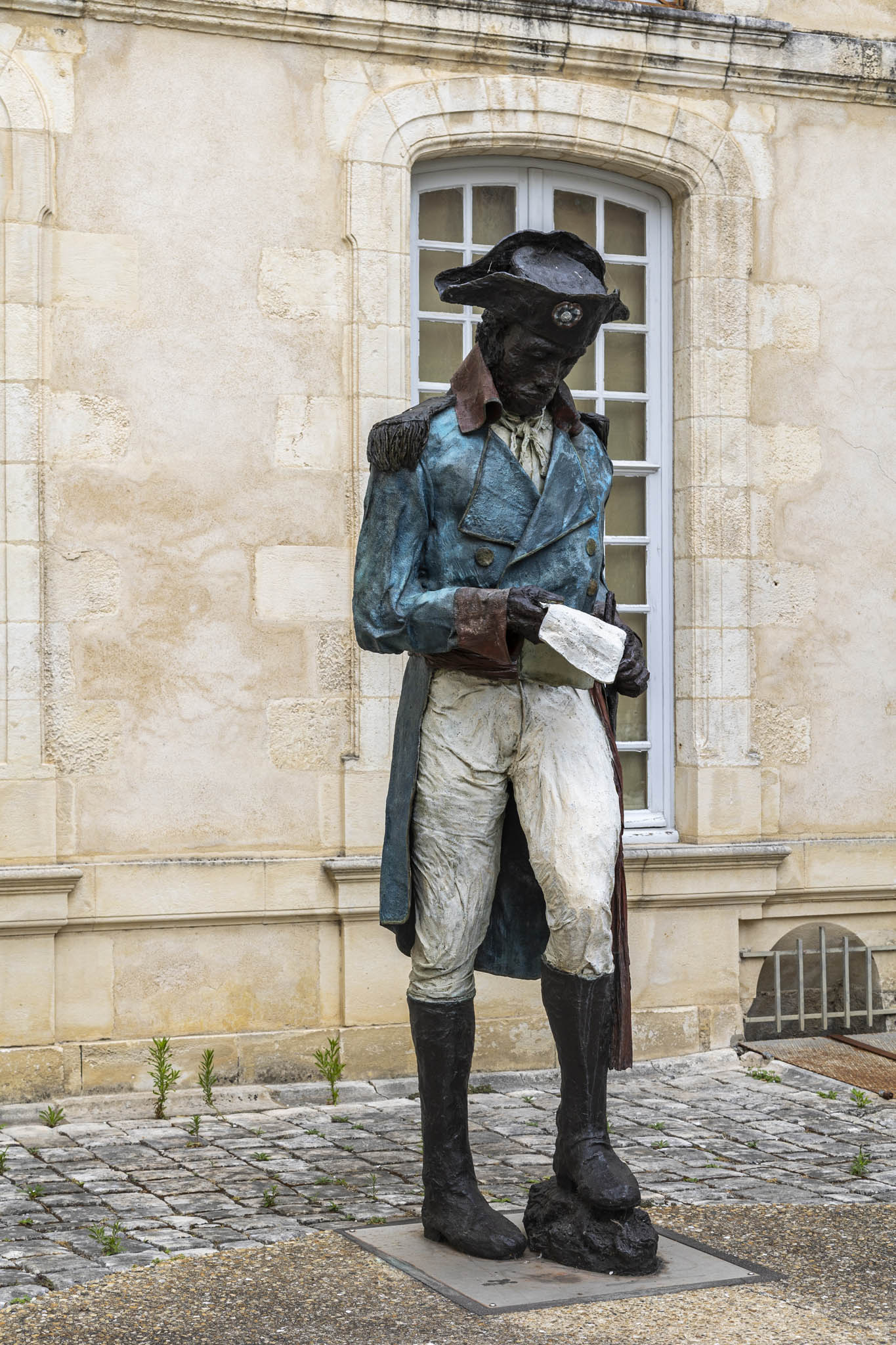
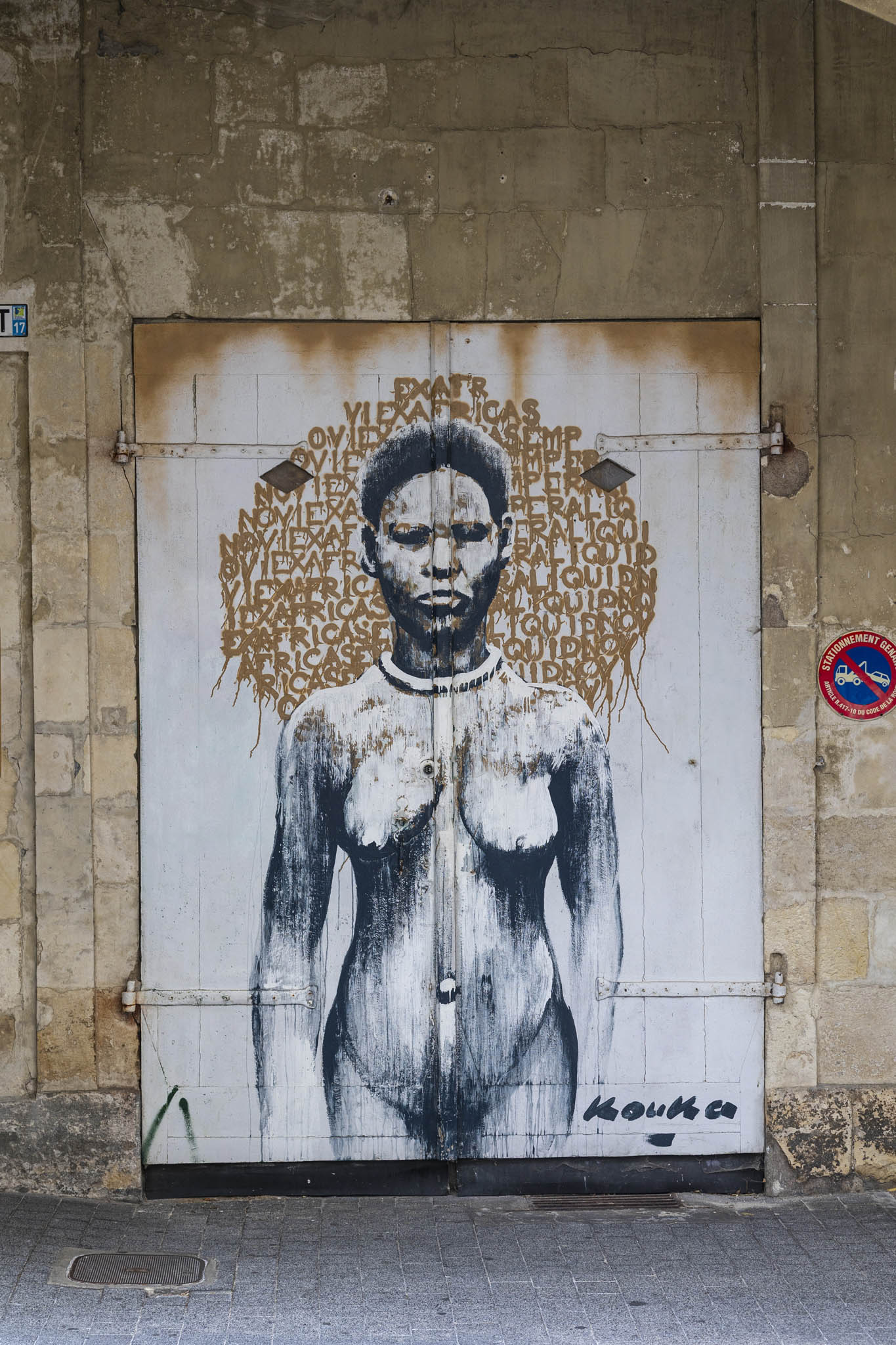
There were references to La Rochelle’s unfortunate history of a slave trade power in the form of street art and a museum dedicated to the subject. This wasn’t the museum we wanted to visit, though.
We passed the entrance to another church as we started to wind our way back to where we really wanted to be. This is a church of the main protestant body in France.
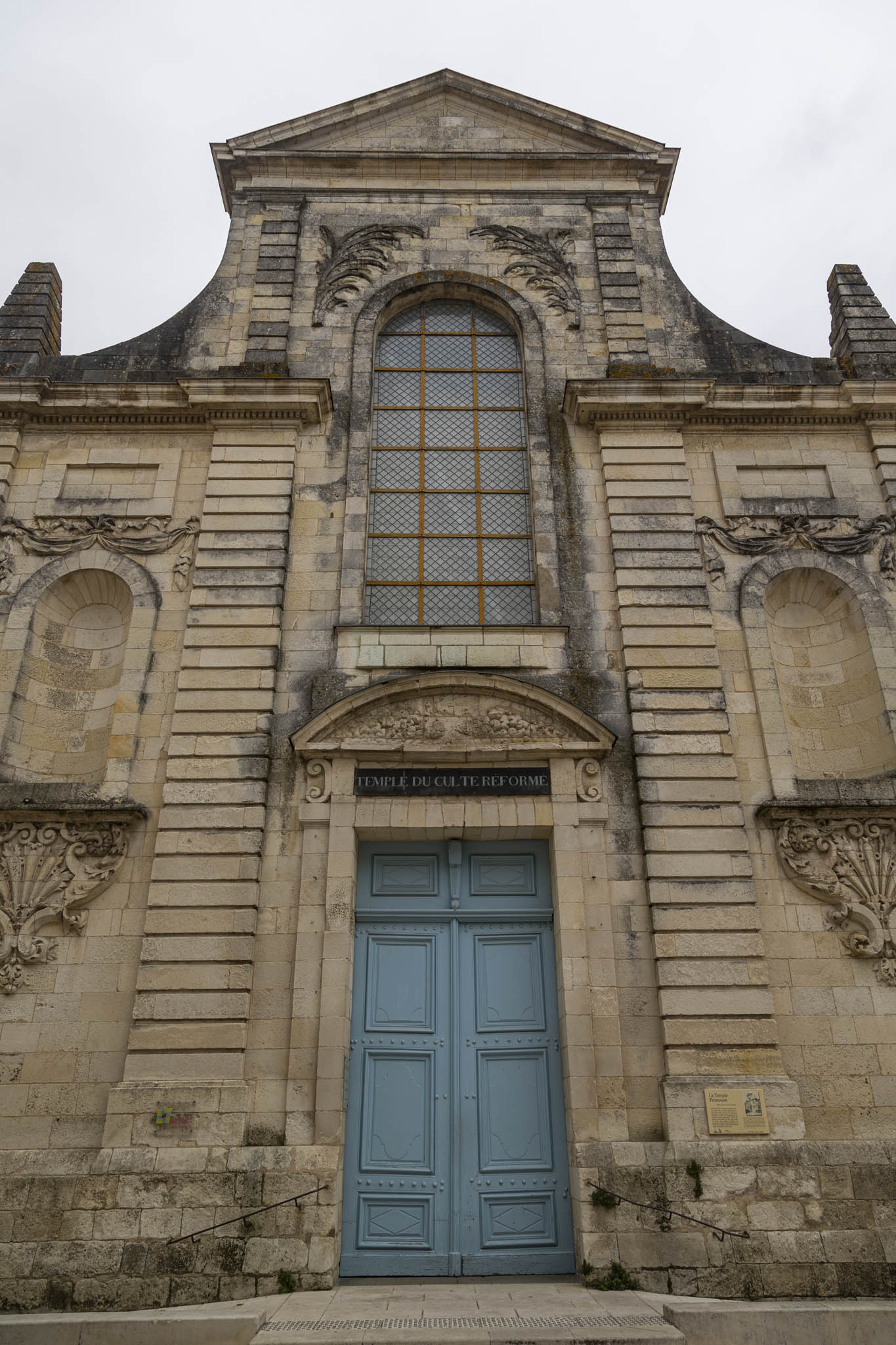
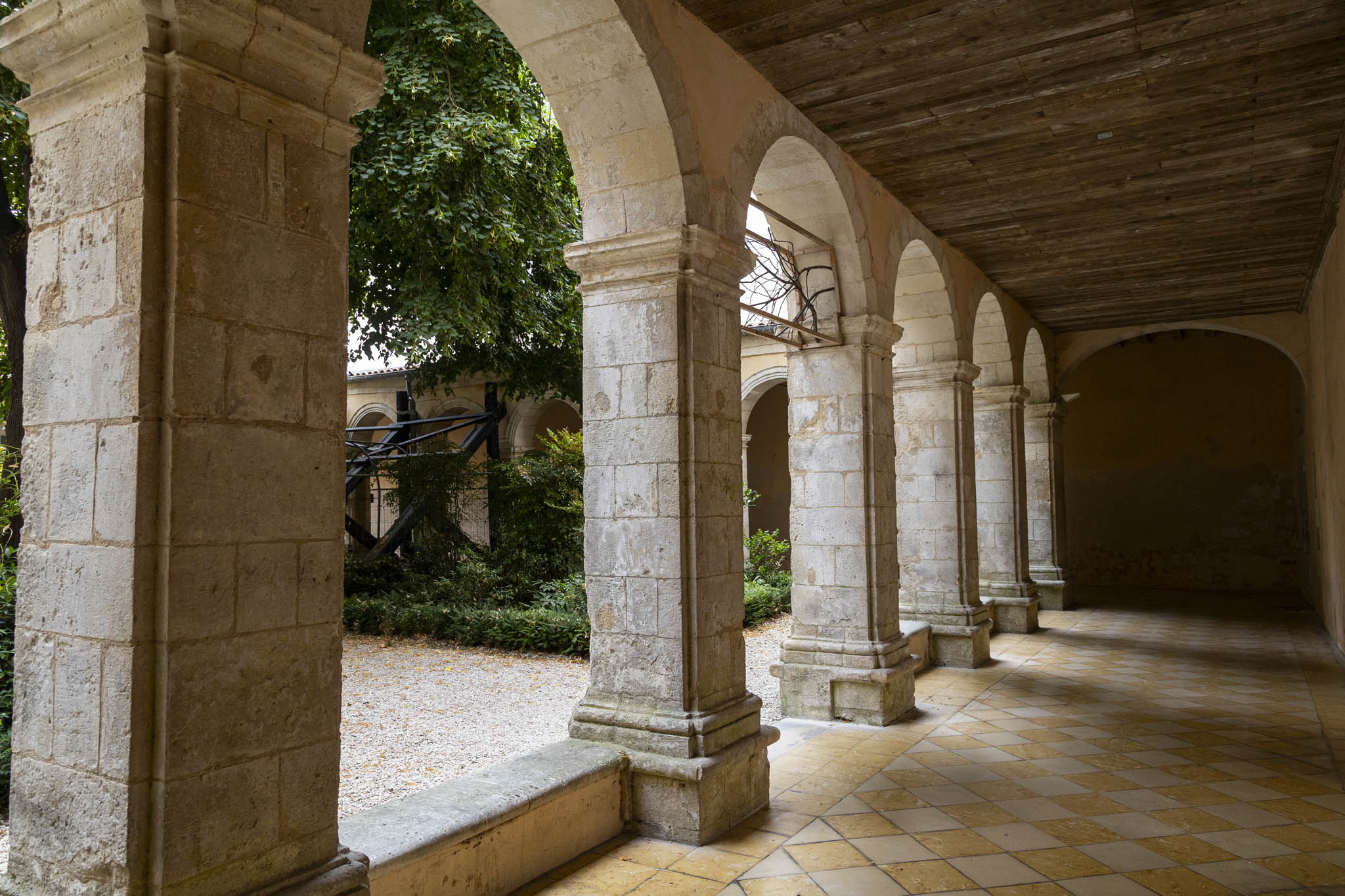
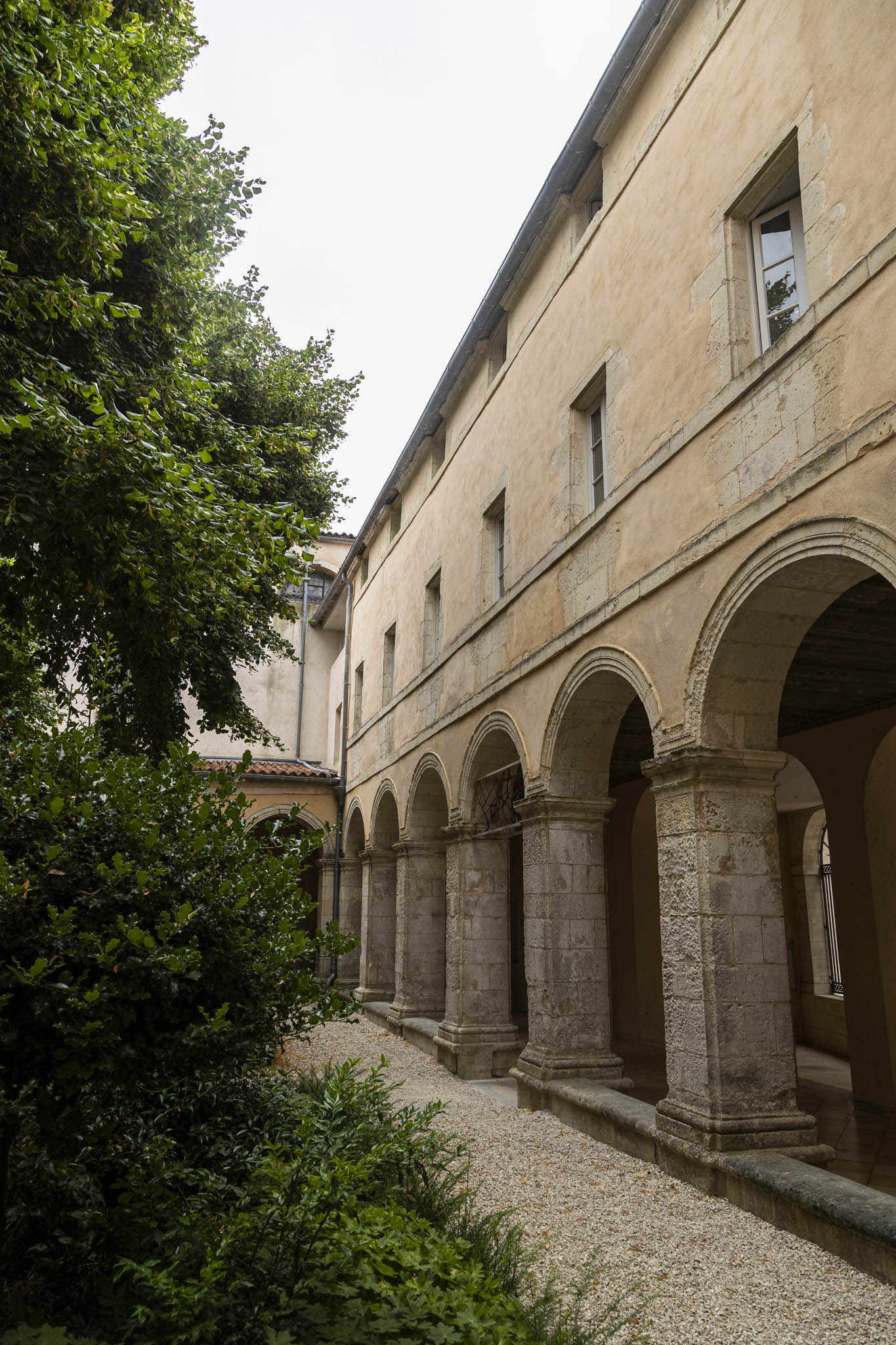
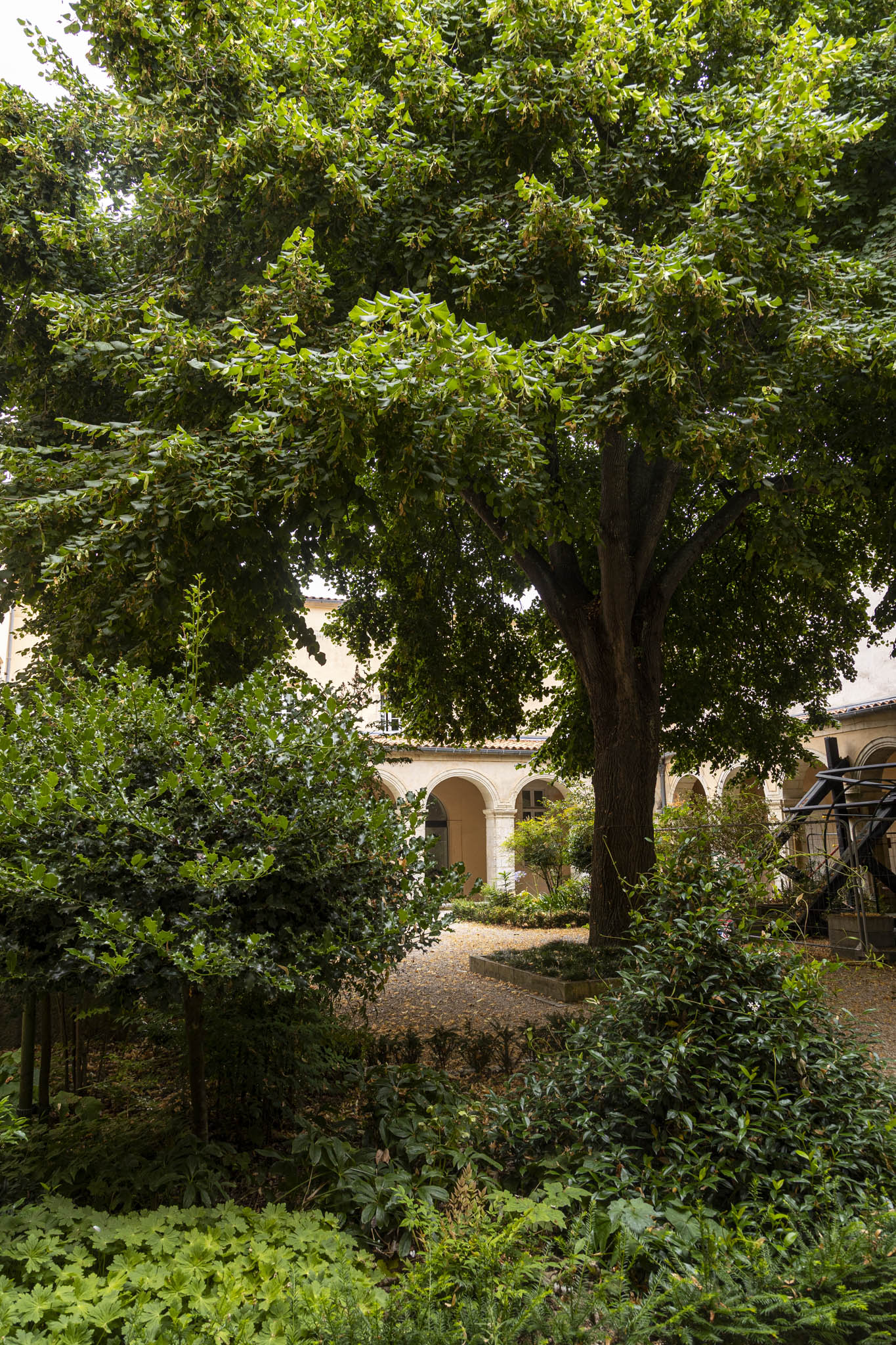
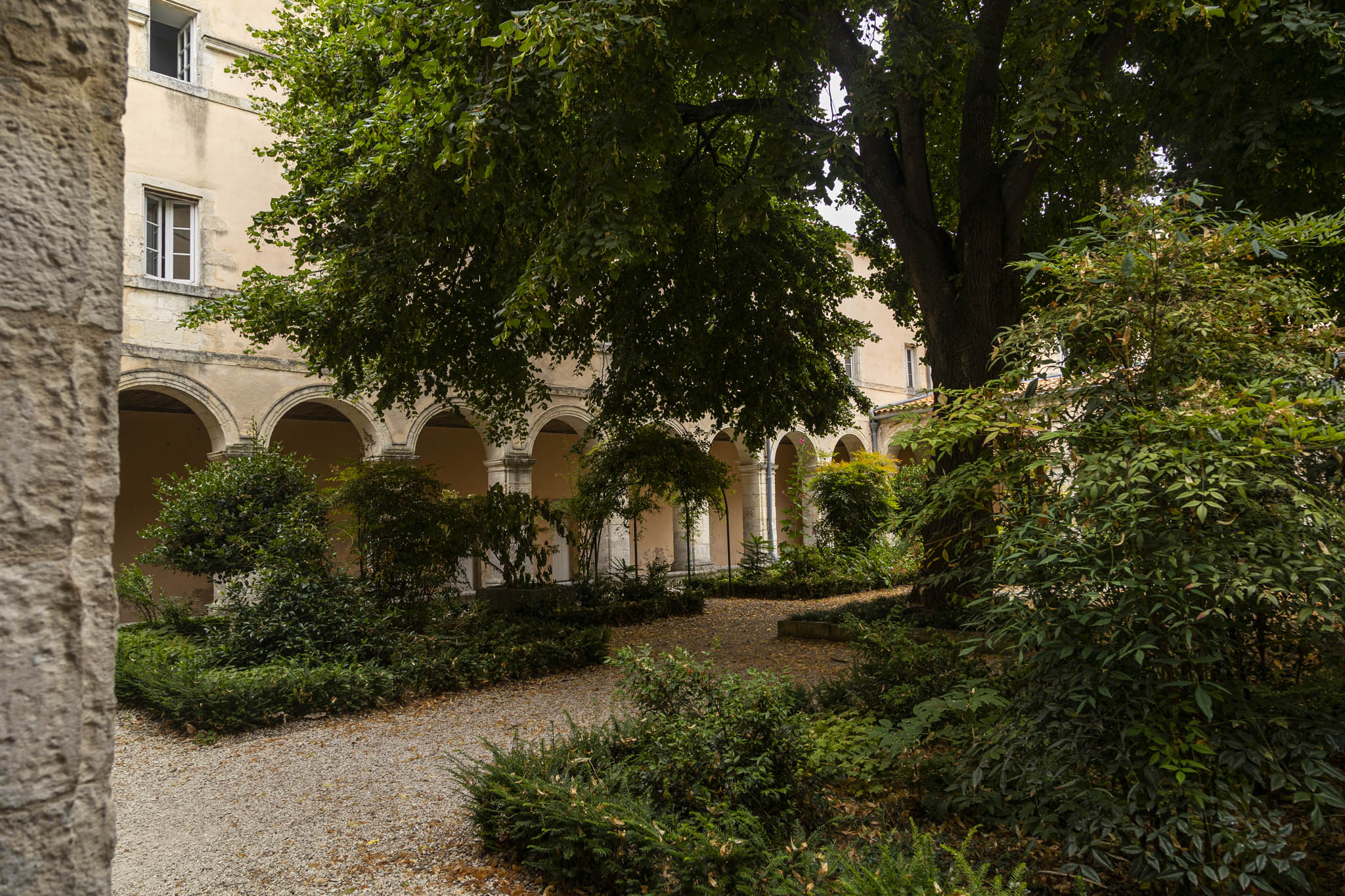
Next door to the church in the photo above there was an eighteenth century courtyard garden, the Cloister Of The White Ladies. It was very peaceful and pretty in there, and on a hot day it looked like it would probably be very popular with locals wanting to get some shade and quiet time. The church and convent gardens had originally been built by Franciscan monks with the protestant Christian body taking over and rebuilding it after the original structure had burned down in 1705.
We’d finally eaten up enough time to complete the slow stroll towards where we’d been planning to visit all along and in the next post we visit the La Rochelle Bunker Museum.