We had plans for our first trip to Lerwick in the Shetland Islands. Plans that we’d had to make reasonably last-minute because we weren’t supposed to be stopping at Shetland in the first place when we’d booked this cruise. We were supposed to be docking in Orkney where we’d been looking forward to visiting Skara Brae, having a keen interest in ancient structures given that we’re fast becoming them ourselves. But, a disappointing change of port would still give us our first visit to the Shetland Islands so it wasn’t all bad. The excursions offered by the cruise ship were very expensive. Having lots of Americans cruising around the British Isles will ramp up that cost a lot. With this being fairly local for us (not really, but sort of) we were far more comfortable looking for local excursions instead – something we’re wary of when travelling to places we really don’t know, or where we don’t know the language well – and for the first time ever (after sixteen years of cruising) we pre-booked a trip with a local company. It would do almost the same as a Princess Cruises excursion – a boat trip out to some nearby islands for bird-spotting and chances of whale-spotting too – but at a fraction of the price.
But the night before we were due to arrive at Lerwick we received an email from the local company. Their boat had developed engine trouble so they couldn’t go ahead and were refunding our money. I won’t lie: our first thought was “Huh, I wonder if Princess offered them more to put on another boat for their passengers last-minute and they took the money?” but that’s just because I’m a cynical old swine. Anyway, booked plans scuppered we fell back to deciding we’d just have to take a walk around, knowing that there was an iron age ruin, a castle, some museums, and pubs that would likely more than satisfy us.
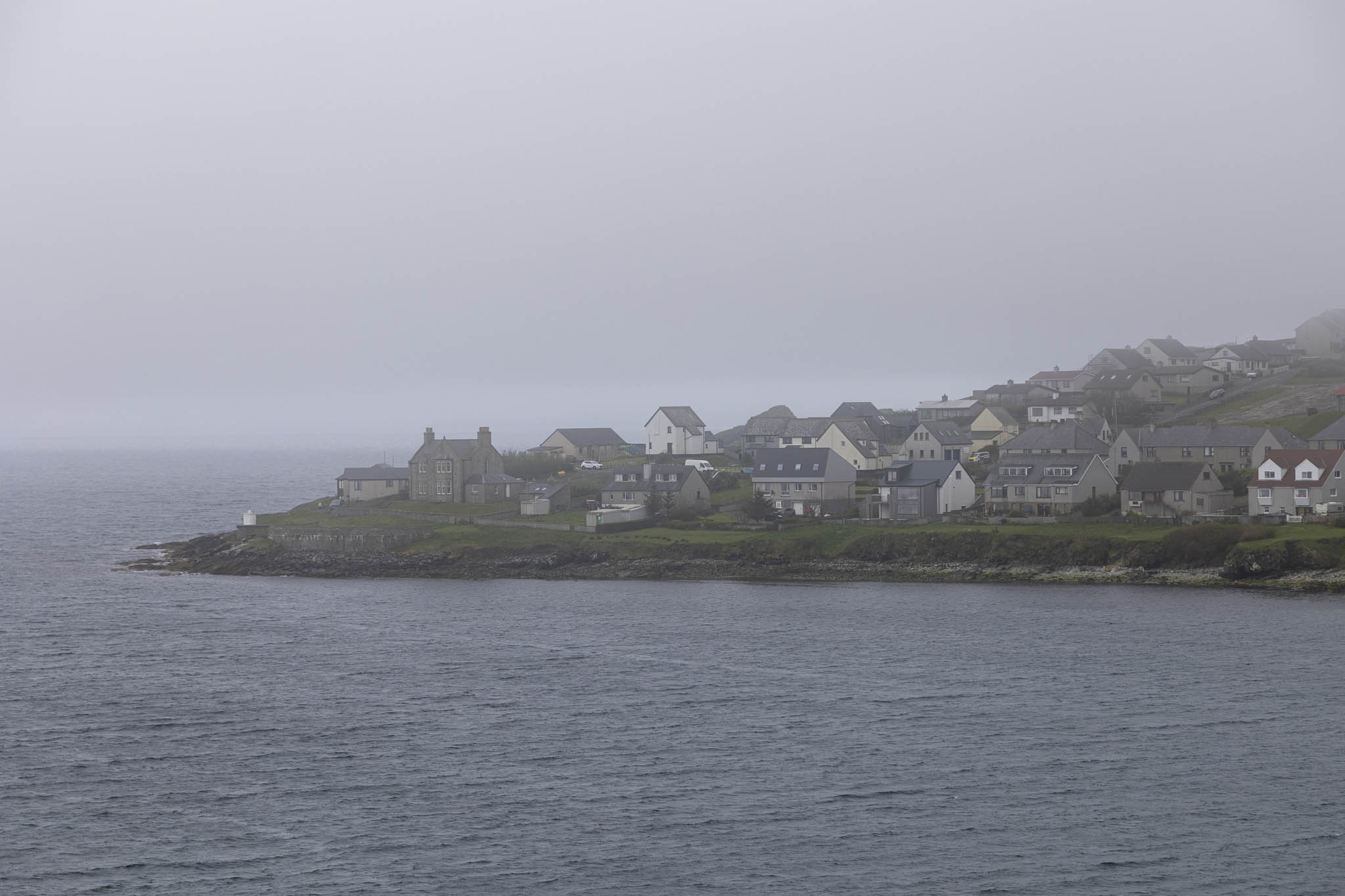
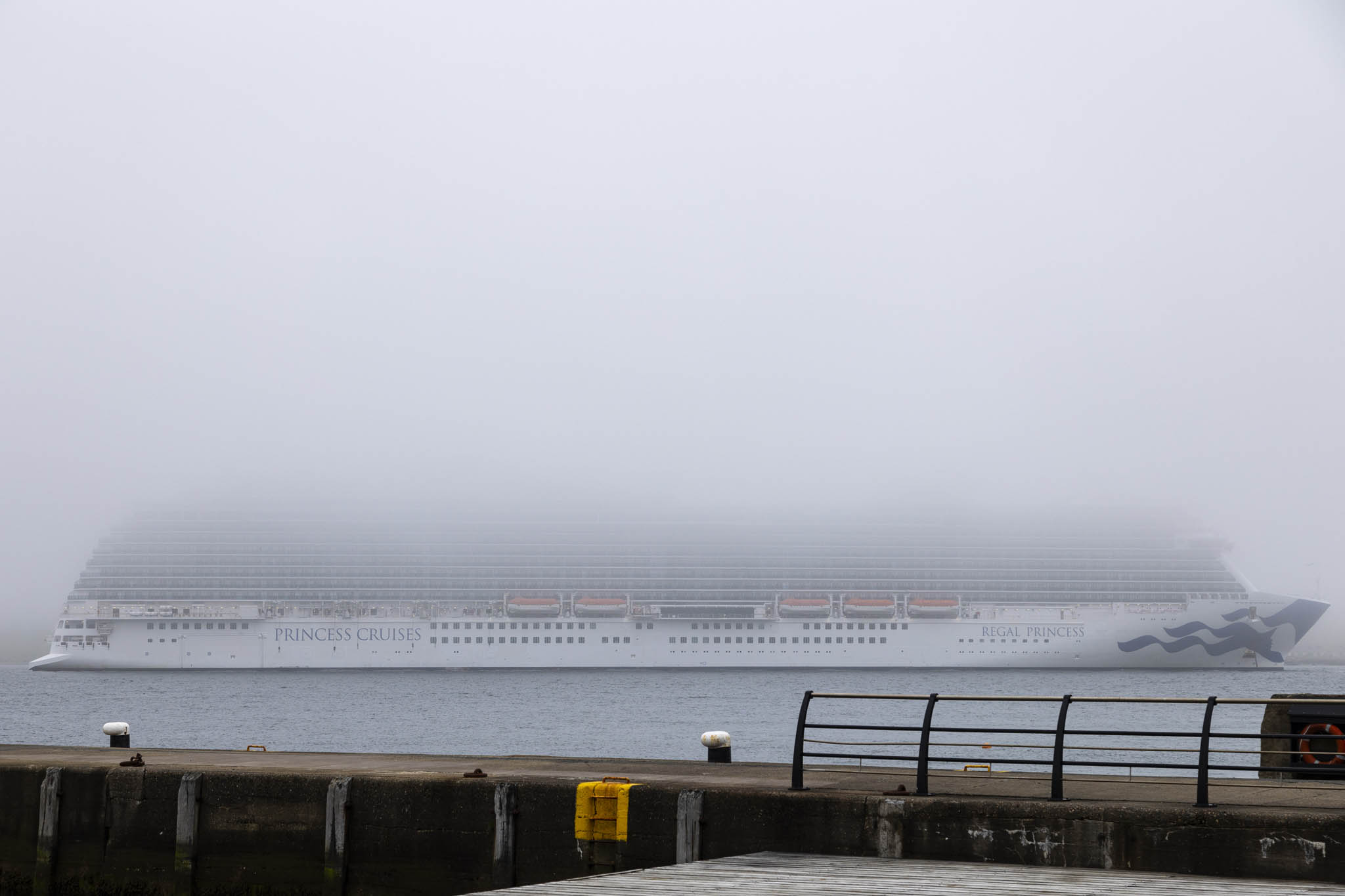
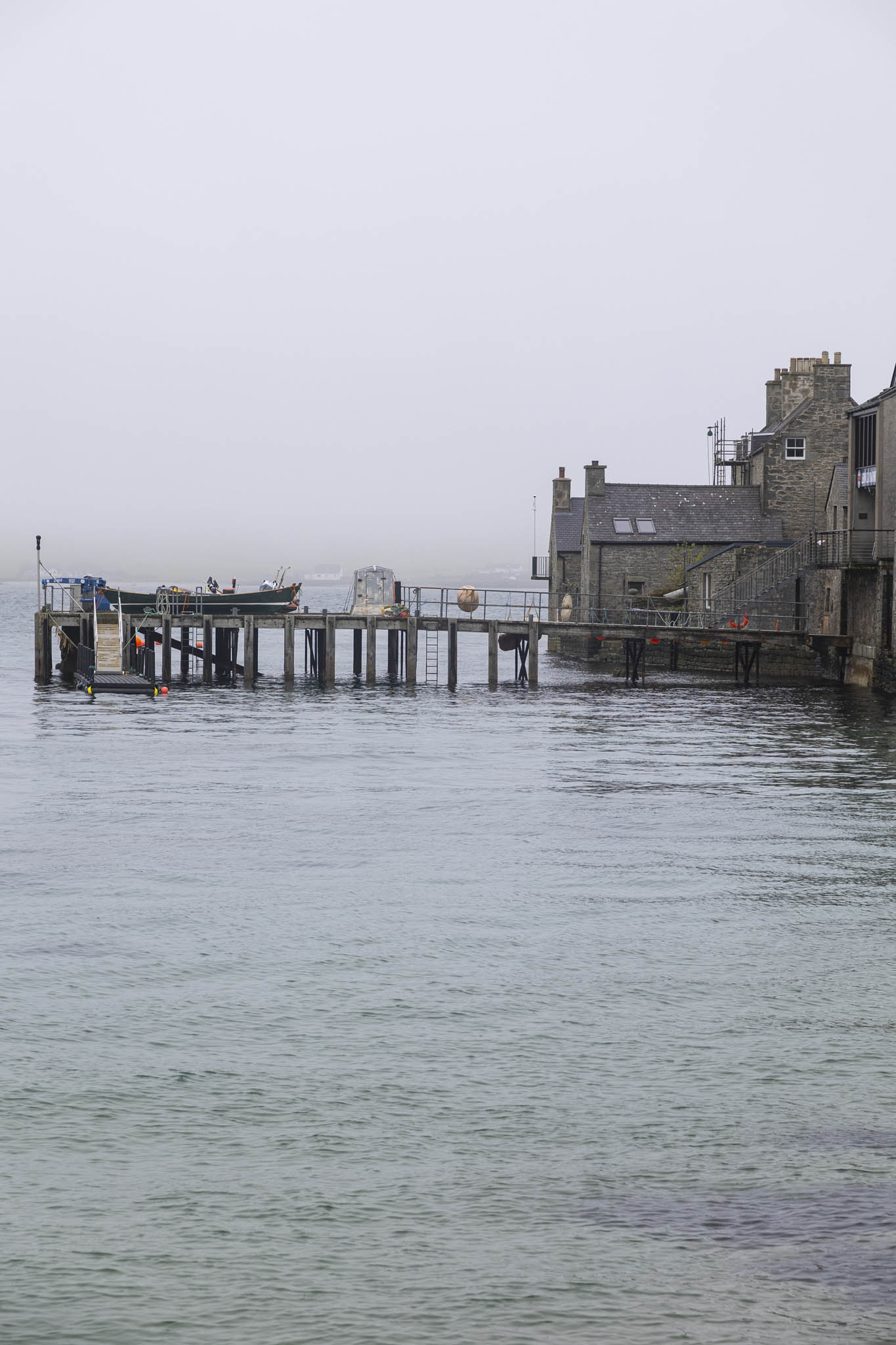
We awoke to thick fog around Lerwick. This was such a joy for us. Had the boat not developed a fault then we’d likely have been out on the cold water for several hours with visibility in the tens of metres. Instead, we were greeted by some atmospheric views of the town before we needed to tender ashore.
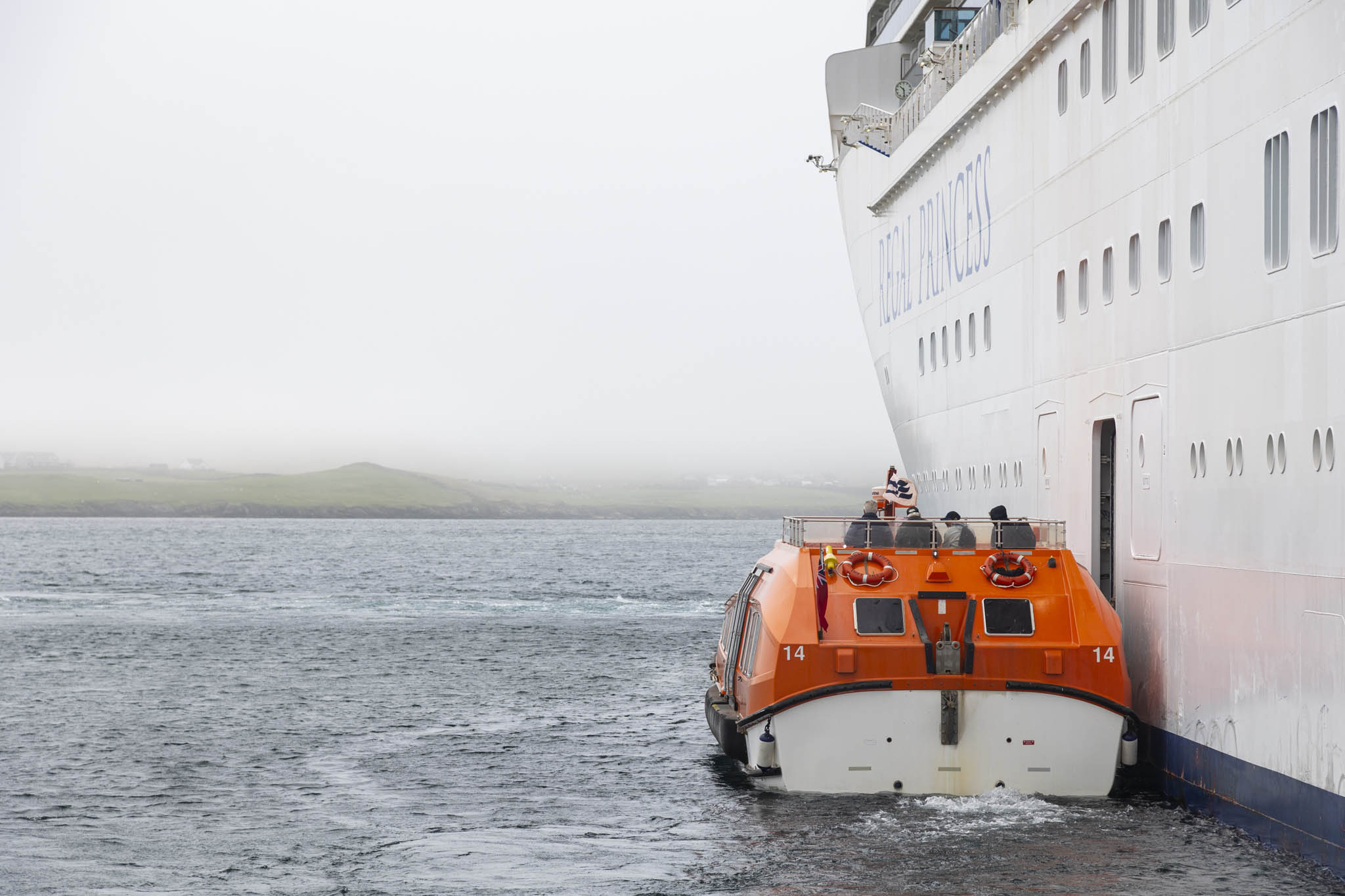
If the weather is nice then the first people to board a tender boat from a ship like to sit up top (if that’s an option). When it’s cold and damp then this isn’t the case, but there are still two good arguments for getting to the exposed part of the boat: firstly, you get fresh air and views without being shoulder-to-shoulder with strangers on decidedly uncomfortable benches with, if you’re lucky, a misted-up, water-splattered porthole to look out; secondly, you get off the tender boat first when it arrives at its destination. While my wife opted to sit inside for both trips between Lerwick and Regal Princess, I went for the chilly option.
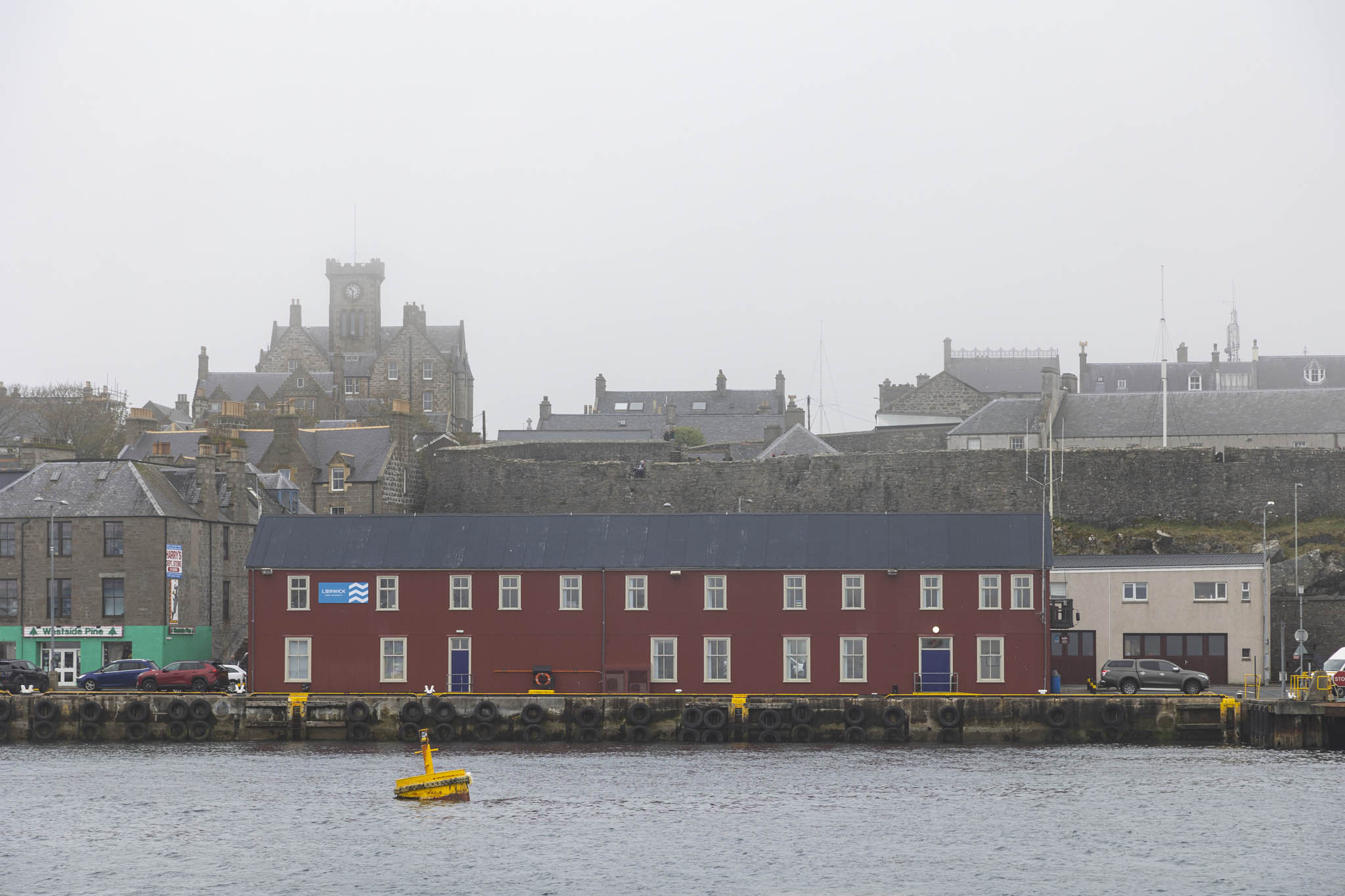
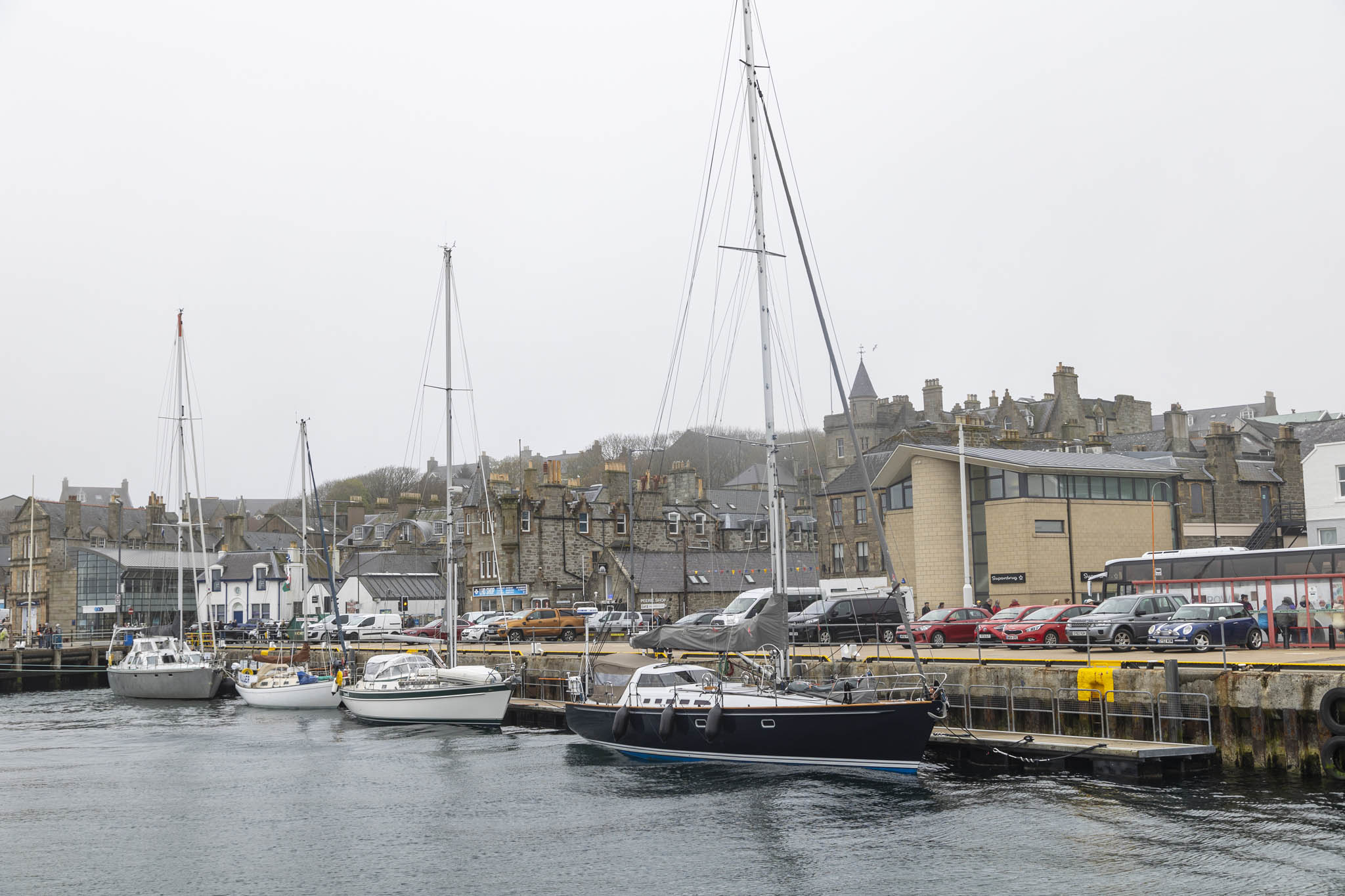
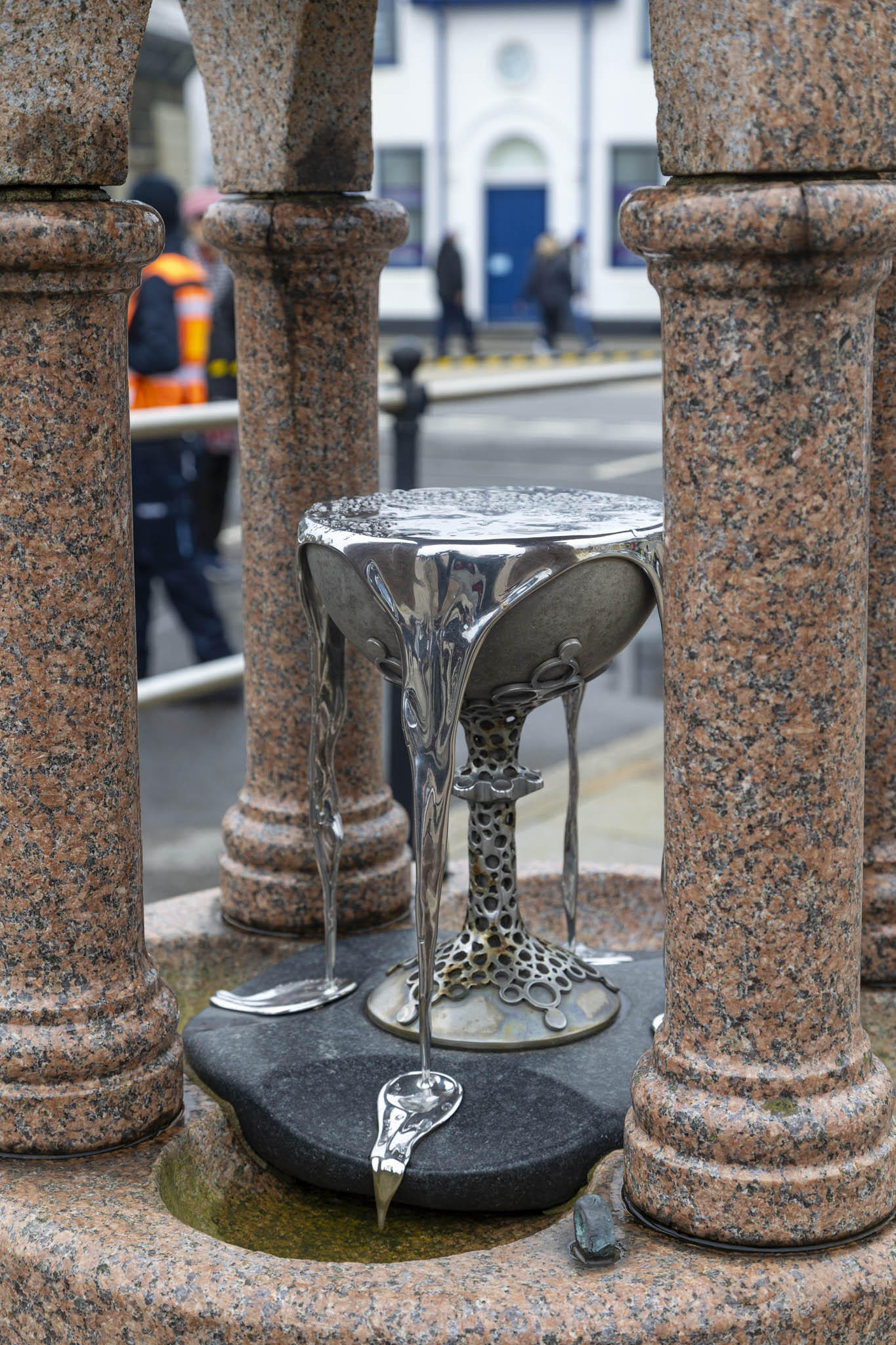
Being first off the tender boat I had time to hang around and snap some shots by the pier at Lerwick until my wife emerged from her shelter. An interesting sculpture caught my eye – they often do – and this turned out to be the Diana Fountain. No, thankfully, not a memorial to the late princess, but rather one erected in 1890 for the whaling ship Diana which became trapped in Arctic ice for six months in 1866 leading to many deaths. The original water fountain was replaced by the overflowing metal chalice sculpture in 2000 by local artist Alan Hart.
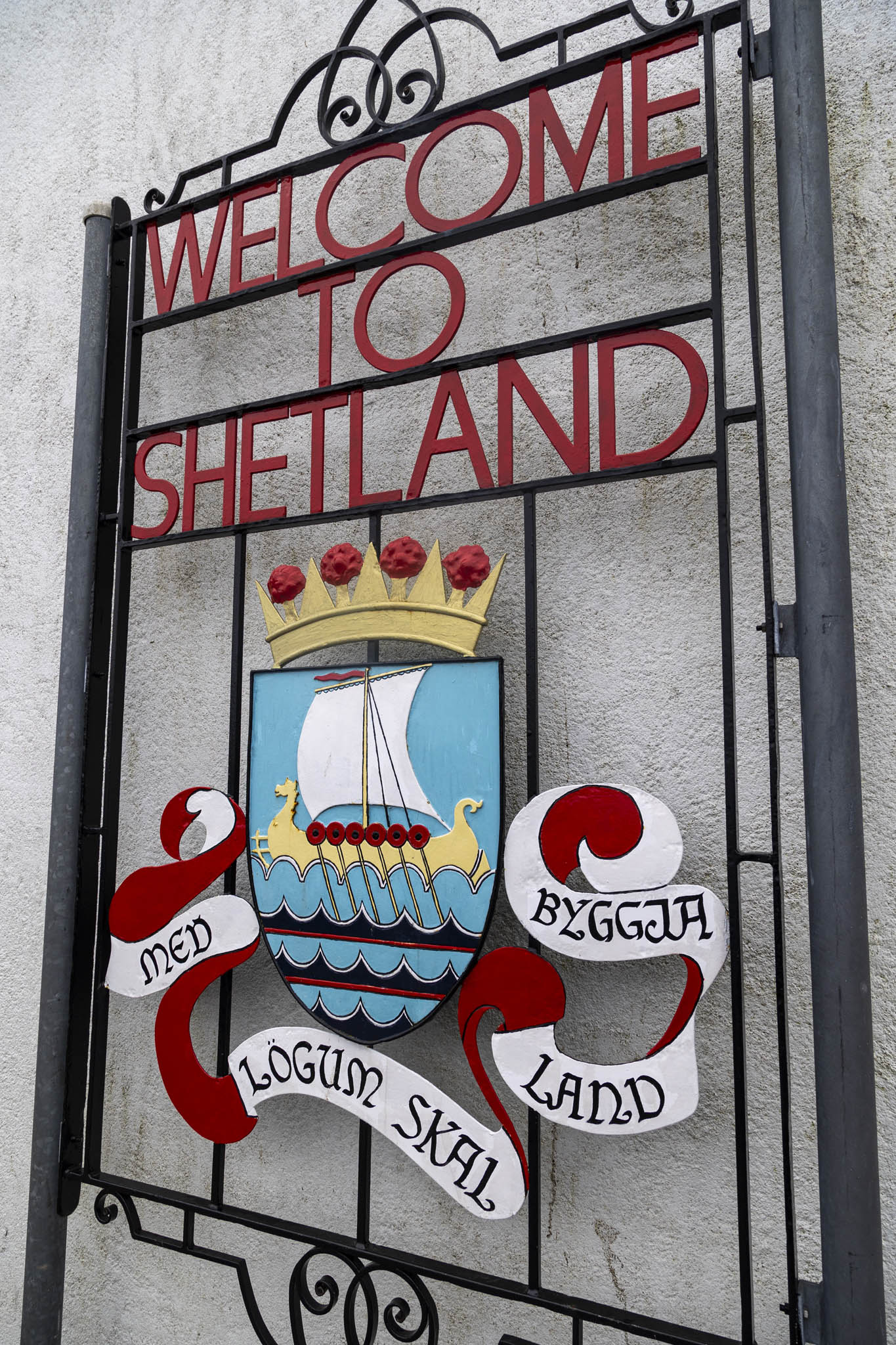
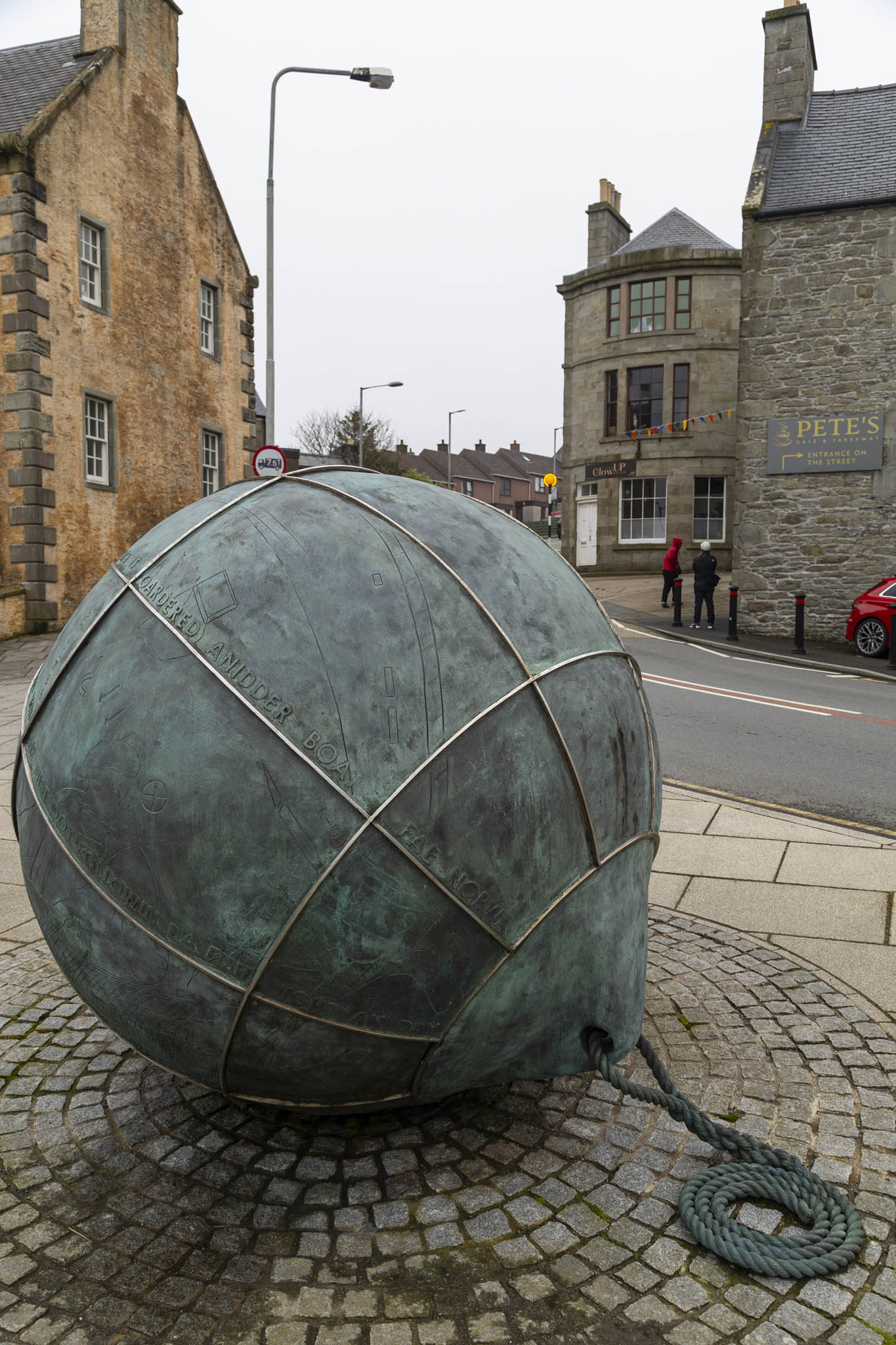
Another sculpture stood out as we started to head off to where we first wanted to explore. This was Da Lightsome Buoy by Jo Chapman, a fairly new and fairly humorous piece of art near the water. If you visit then take a minute or two to read the various inscriptions on it out loud.
You can get a better feel for the fog levels in Lerwick during our visit there with this look back across the water to Regal Princess. Once again, some serendipity that our boat trip had been cancelled.
The first place we wanted to visit in Lerwick was the iron age ruins on the shore of Clickimin Loch, only about one and a half kilometres from the port area. This started out with a little more uphill-traipsing than we’d expected and neither of us are exactly fit.
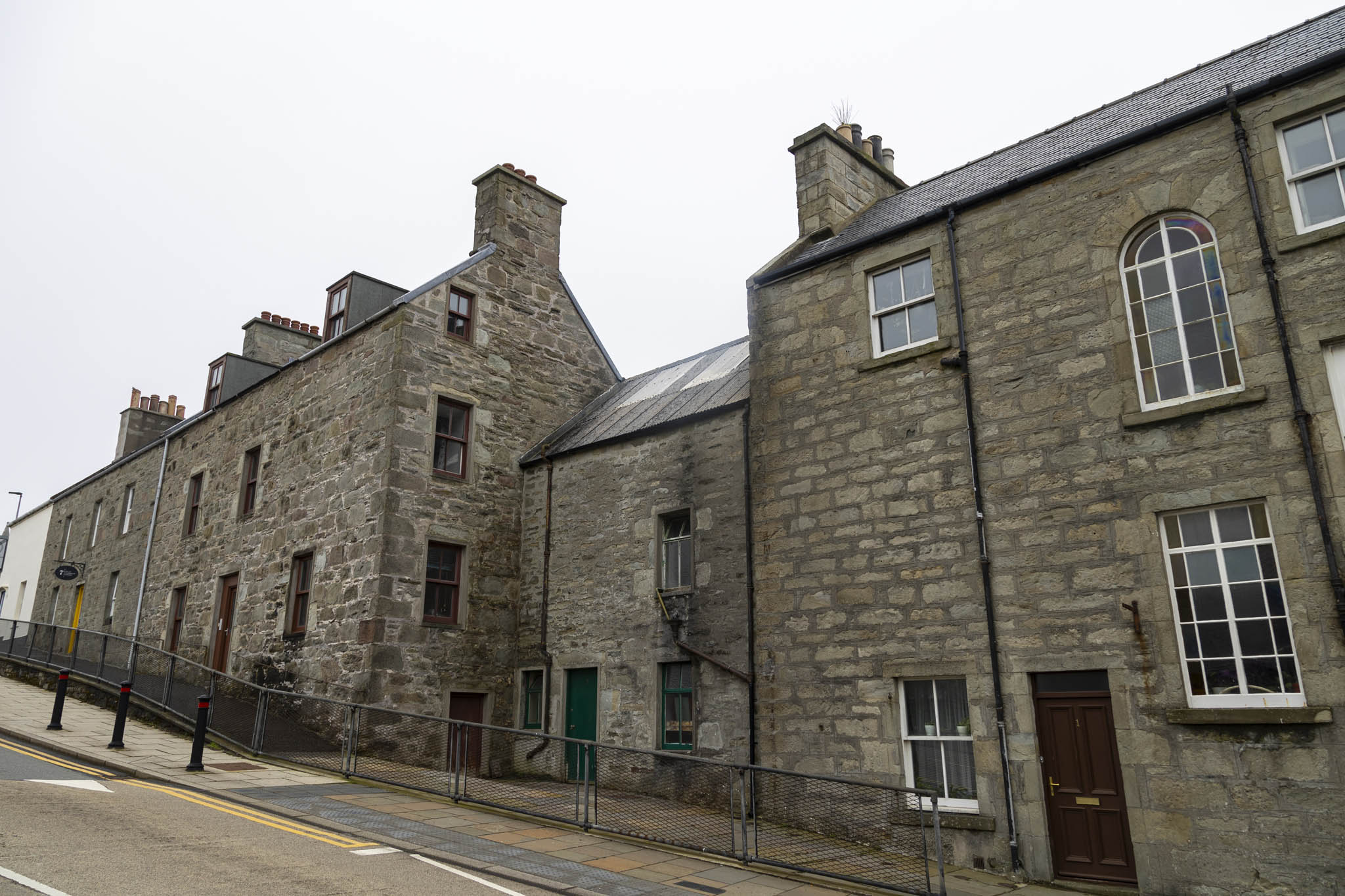
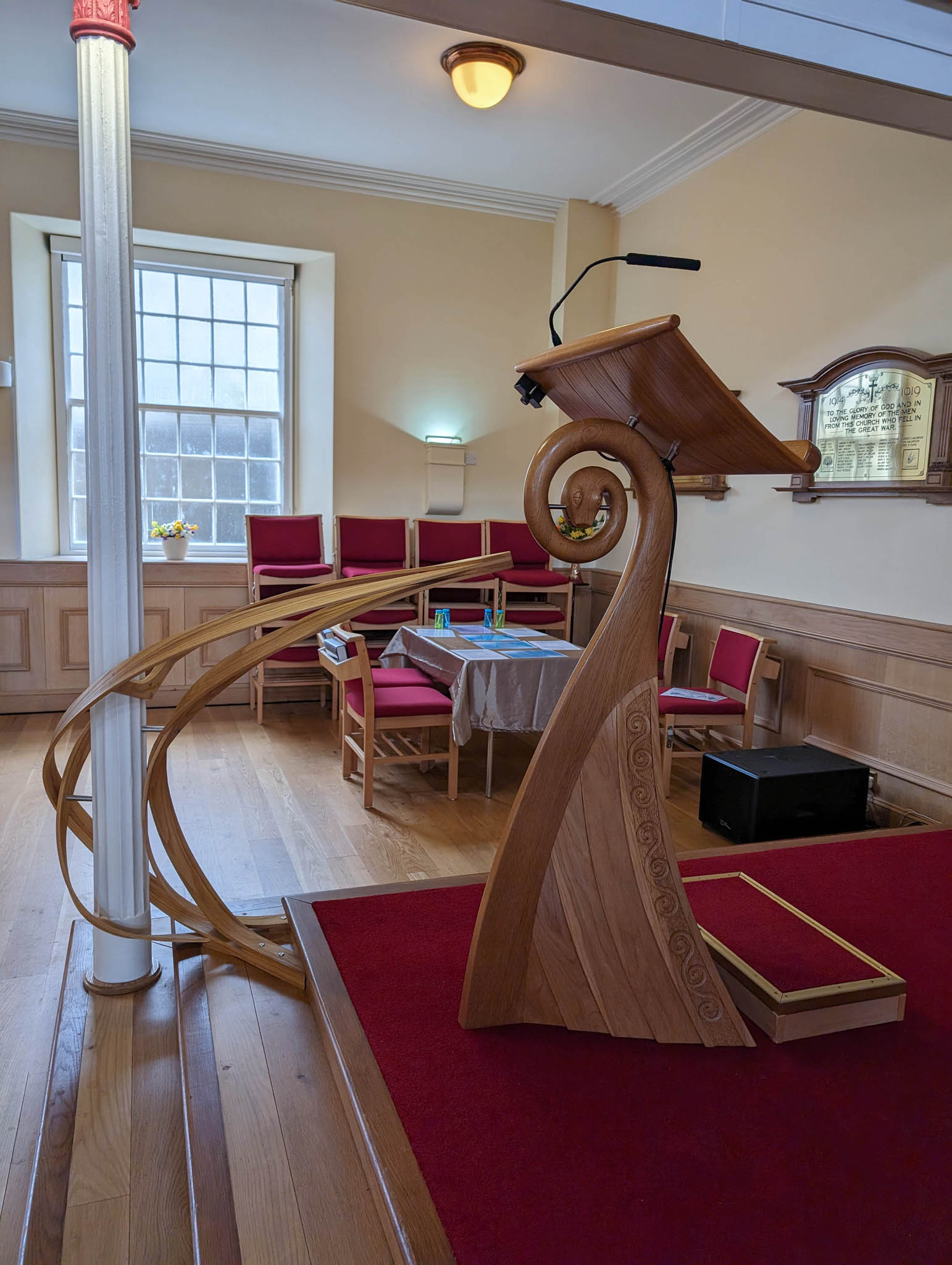
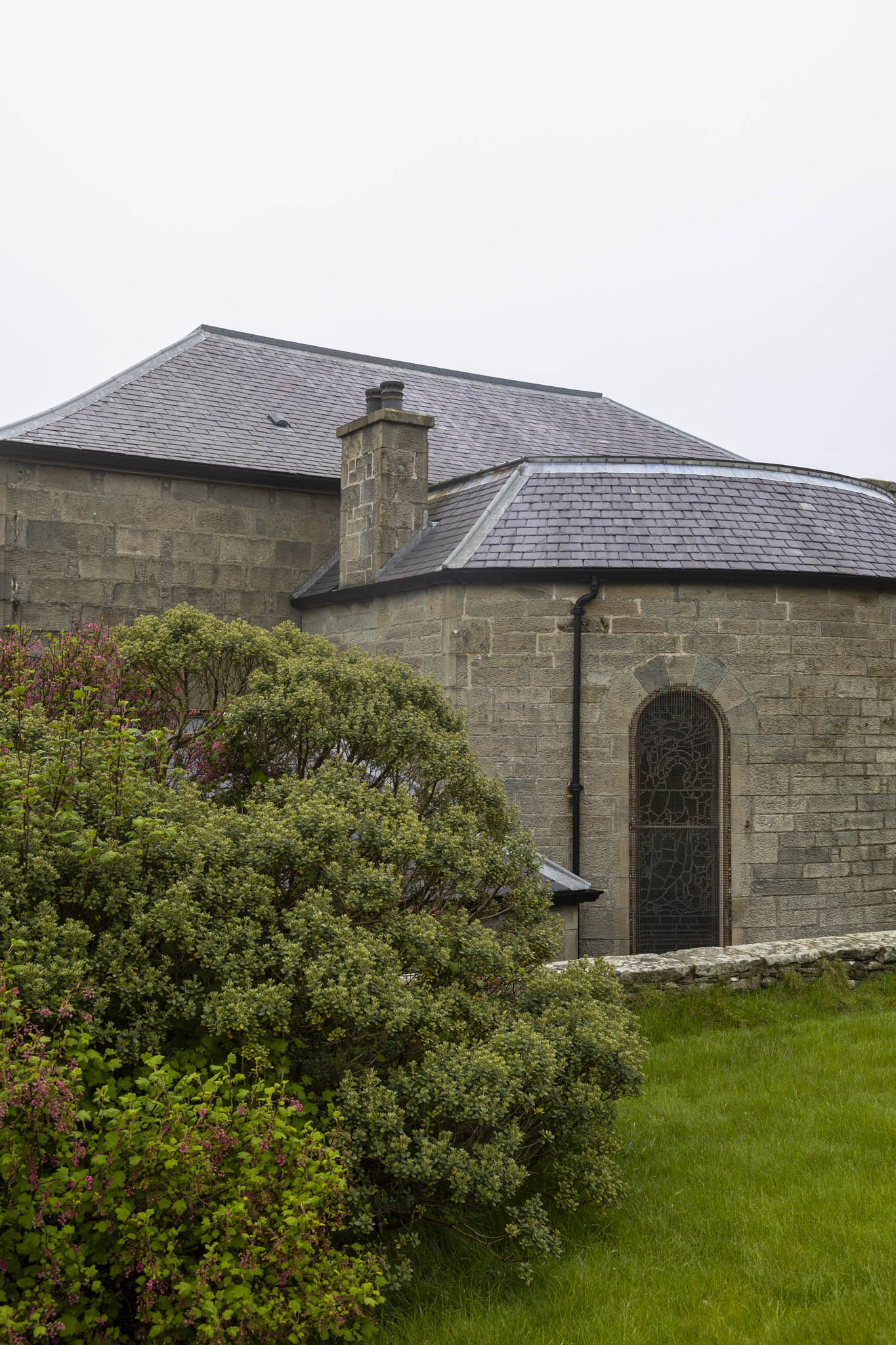
We reached a convenient pausing point. Taking photos is a great way to force a rest on the pair of us when we’re out and about, especially for my wife whose old leg-related injuries can cause her some grief that she tries too hard to power through sometimes. This was St Columba’s Church of Scotland, a typically neoclassical piece of architecture dating from the early to mid nineteenth century. It is the largest church building in Shetland and its 1871 organ was only the second one to be installed in a Church of Scotland building following the end of a rule prohibiting them.
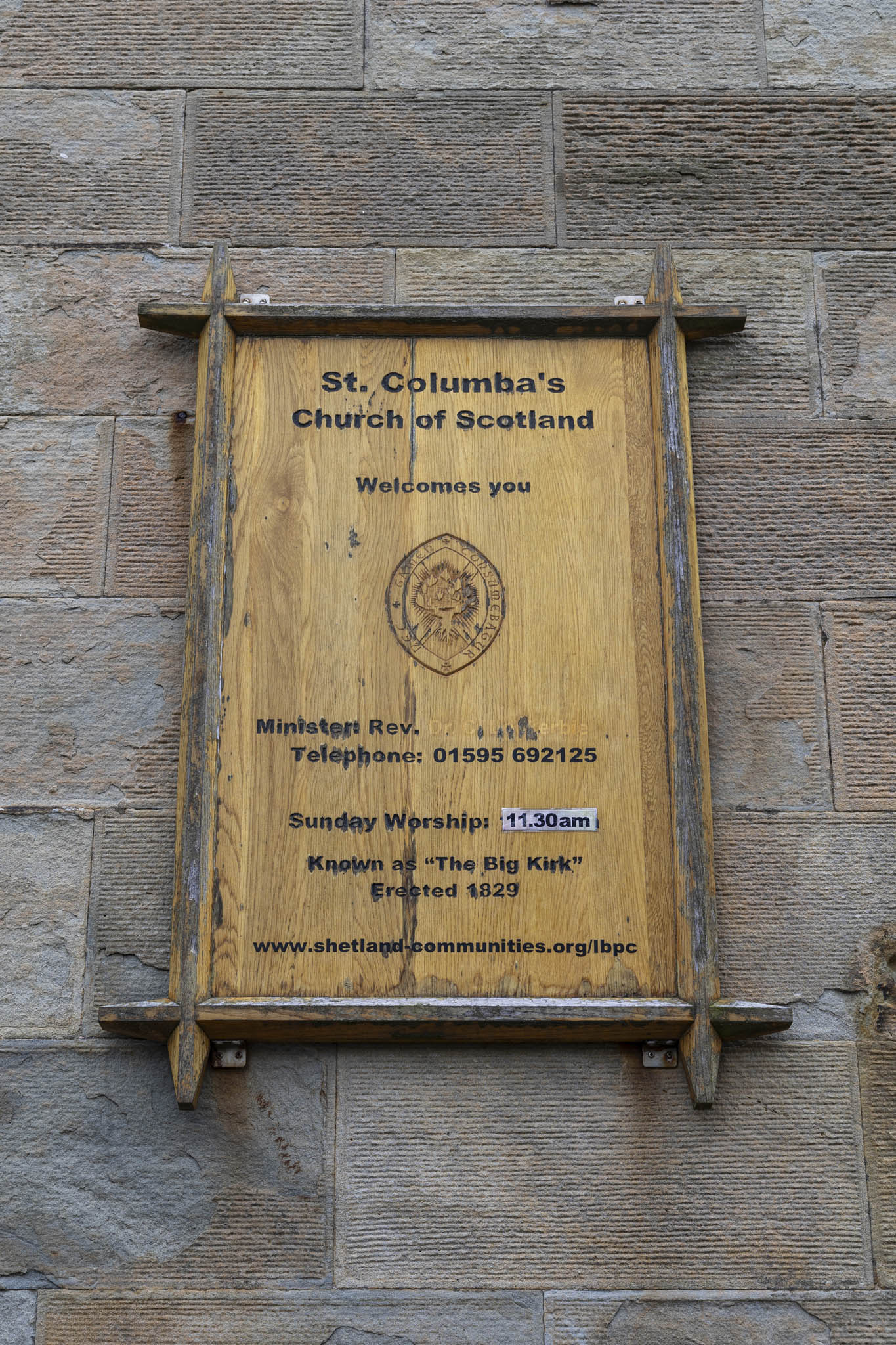
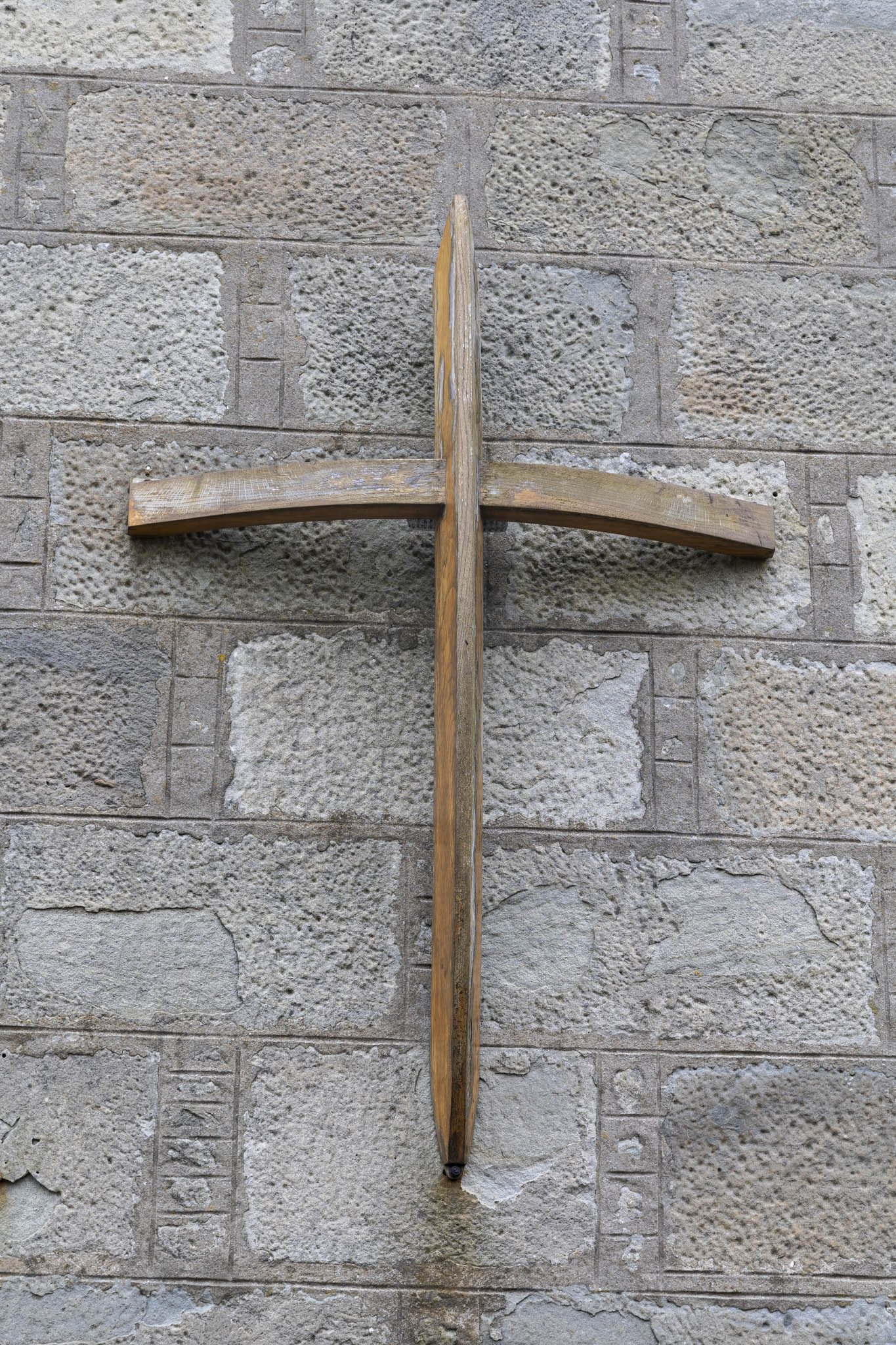
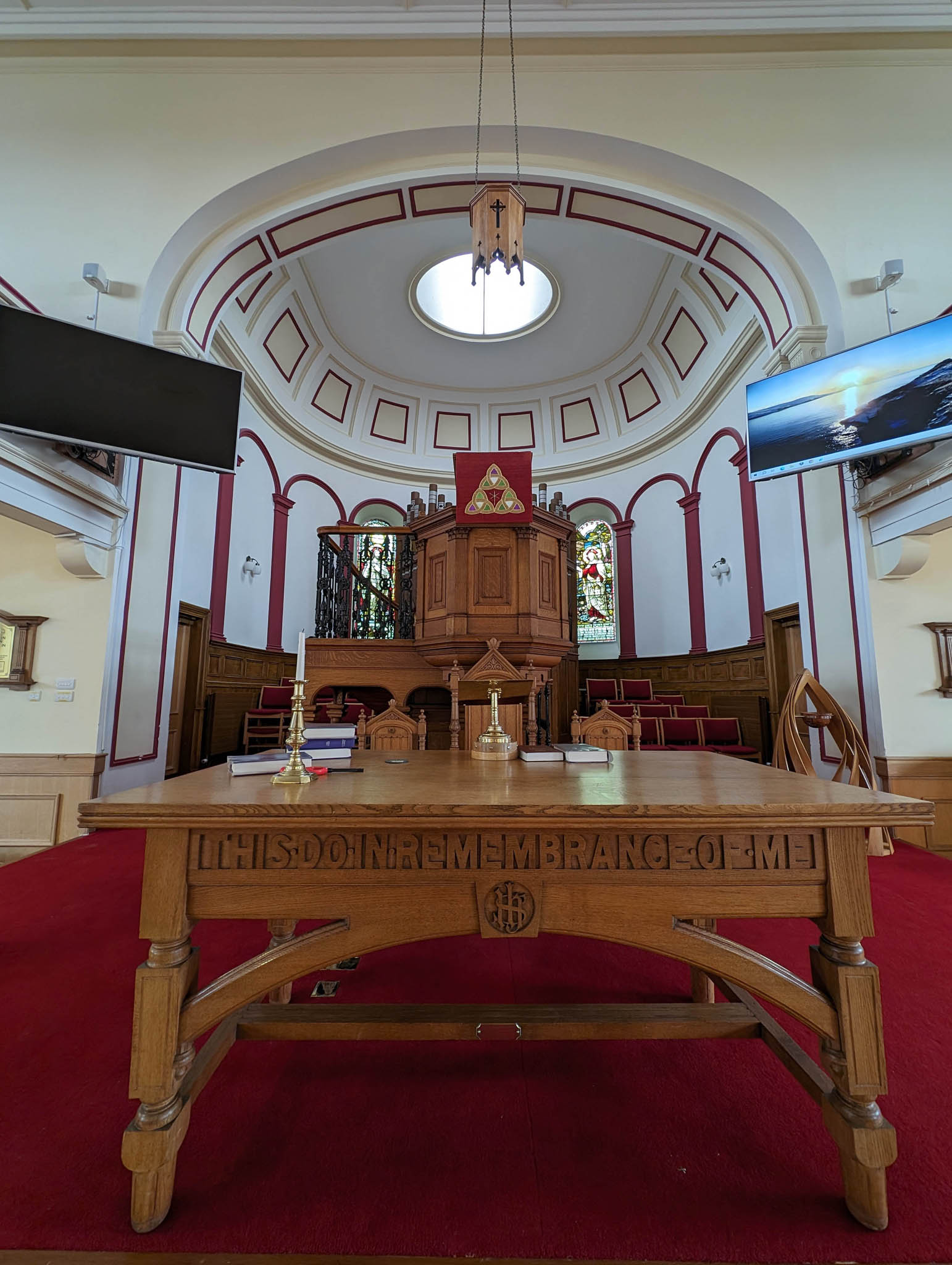
As the door appeared to be open we popped our heads inside and were greeted by the minister or a helper who ushered us in, had a bit of a chat with us, offered to get us some drinks (probably due to how flushed we looked from the steep walk in the chilly air), and was just generally really lovely. We’re not religious but it seemed to be a very welcoming place.
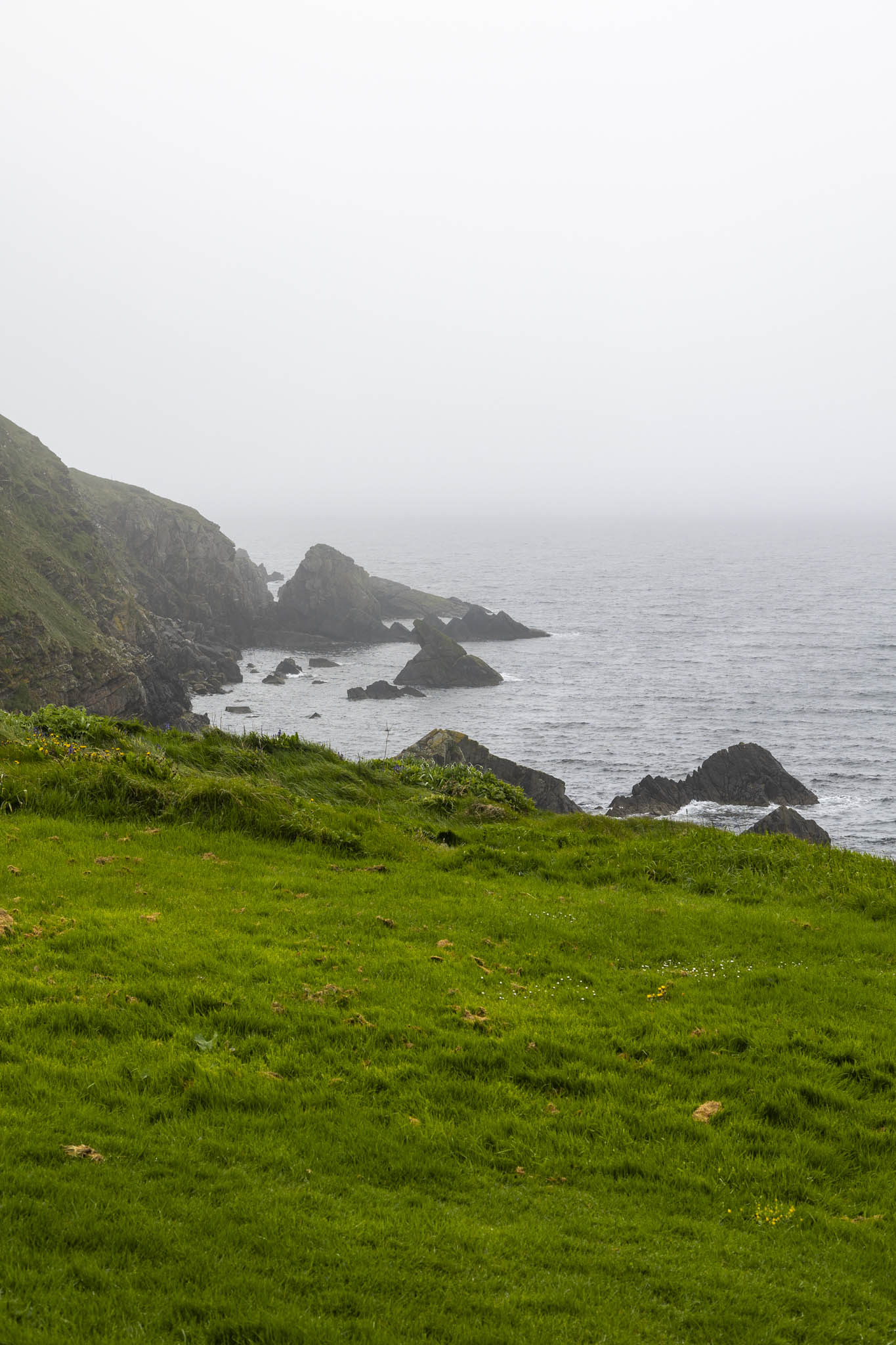
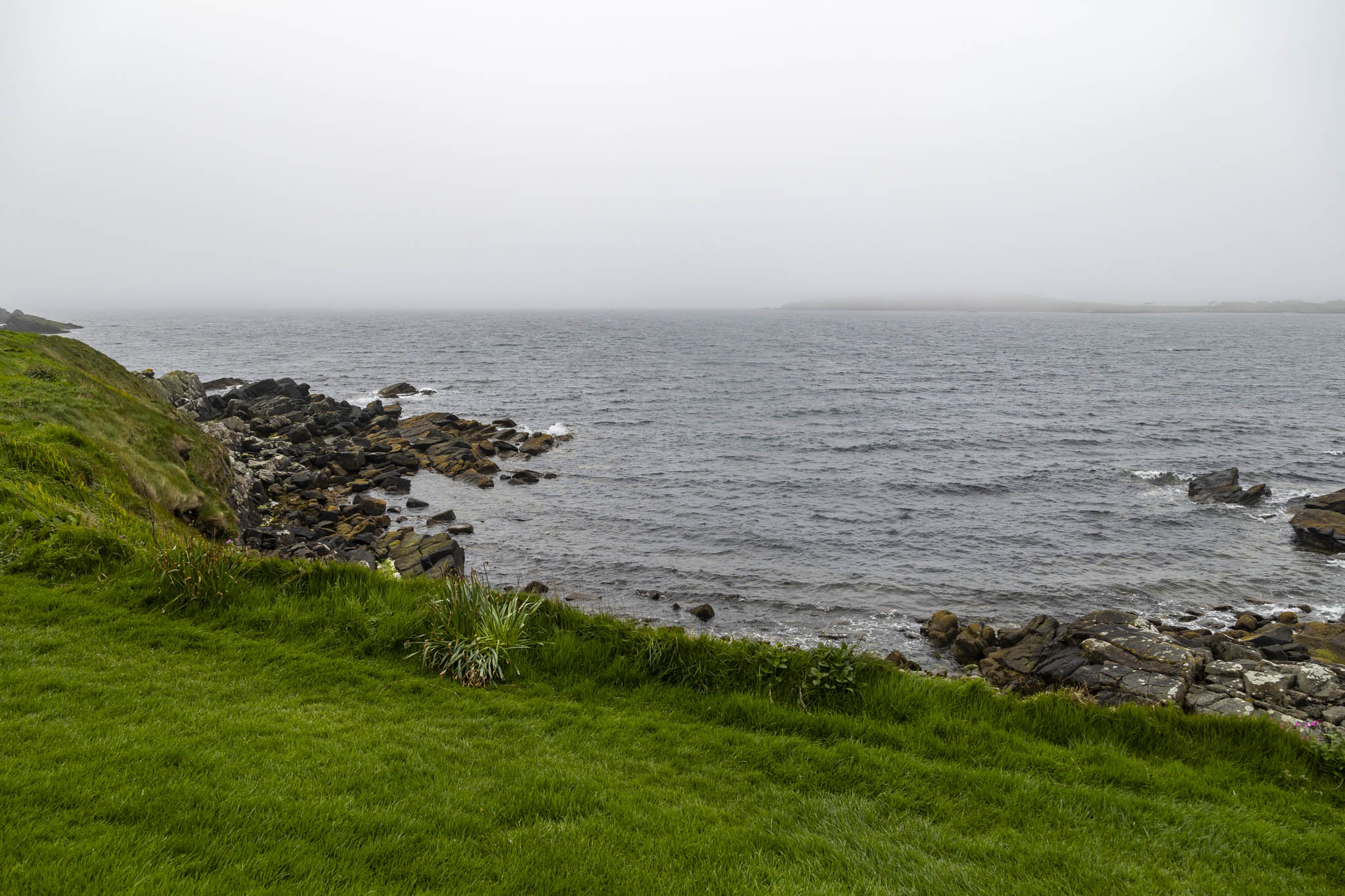
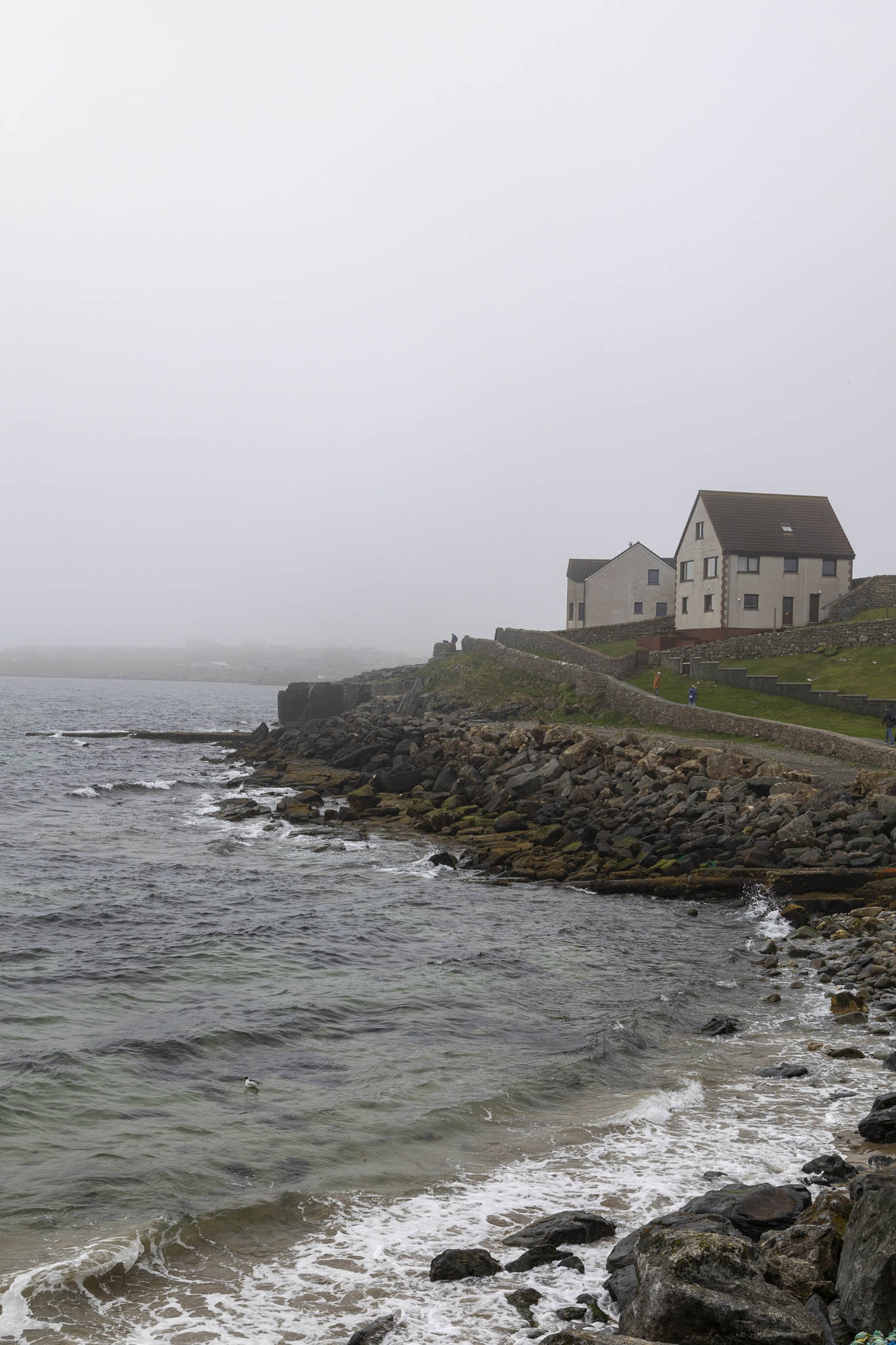
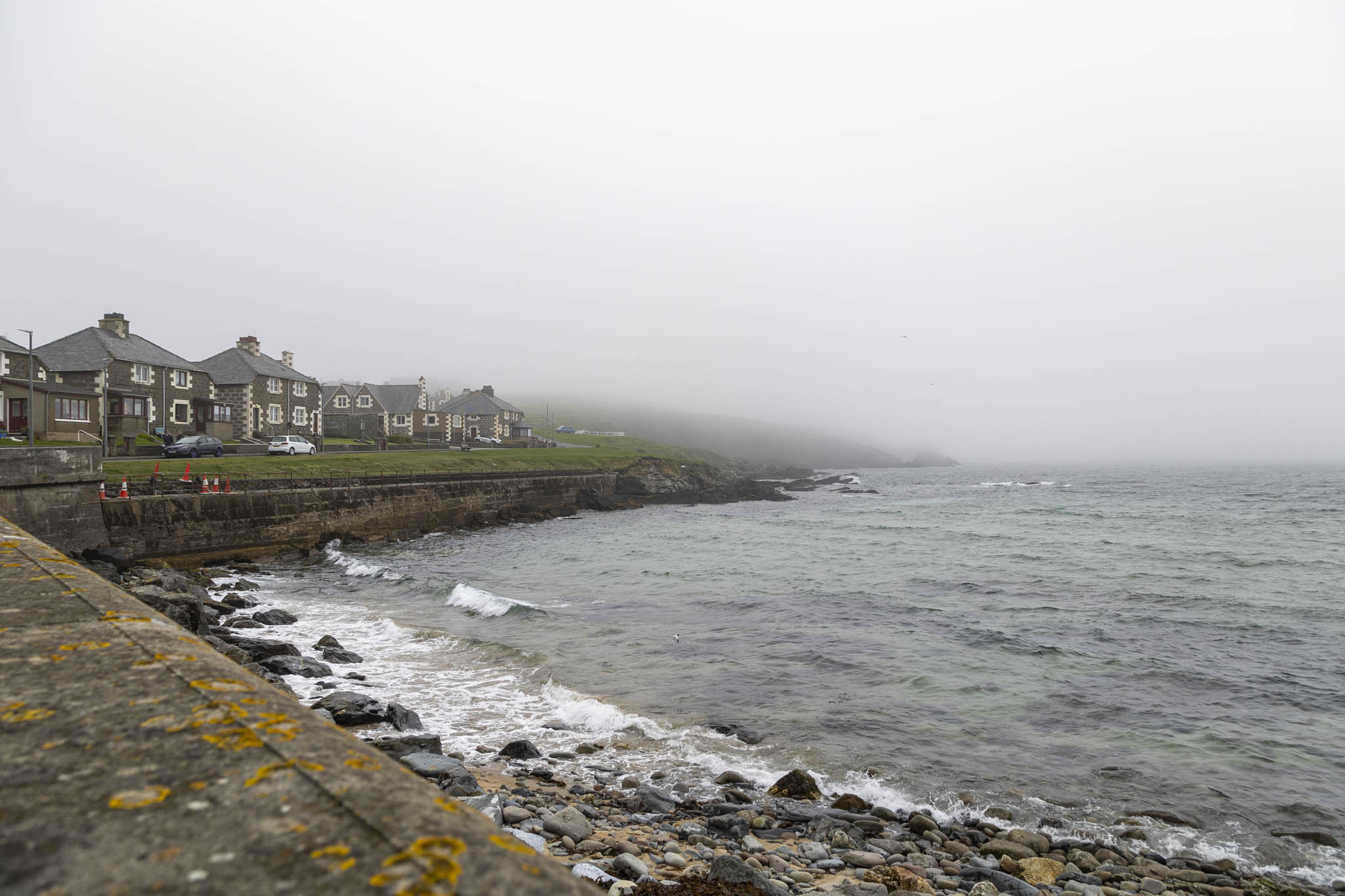
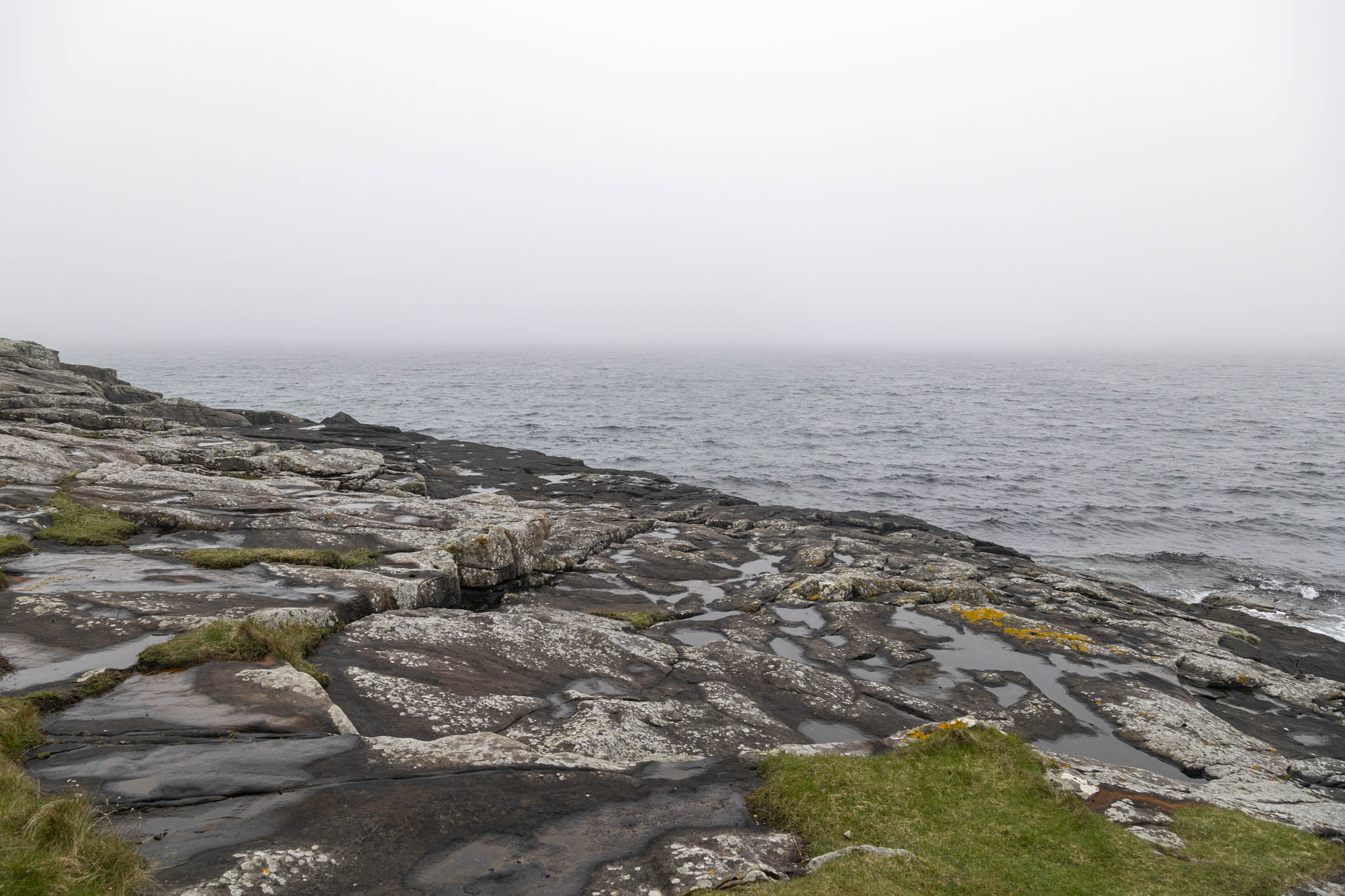
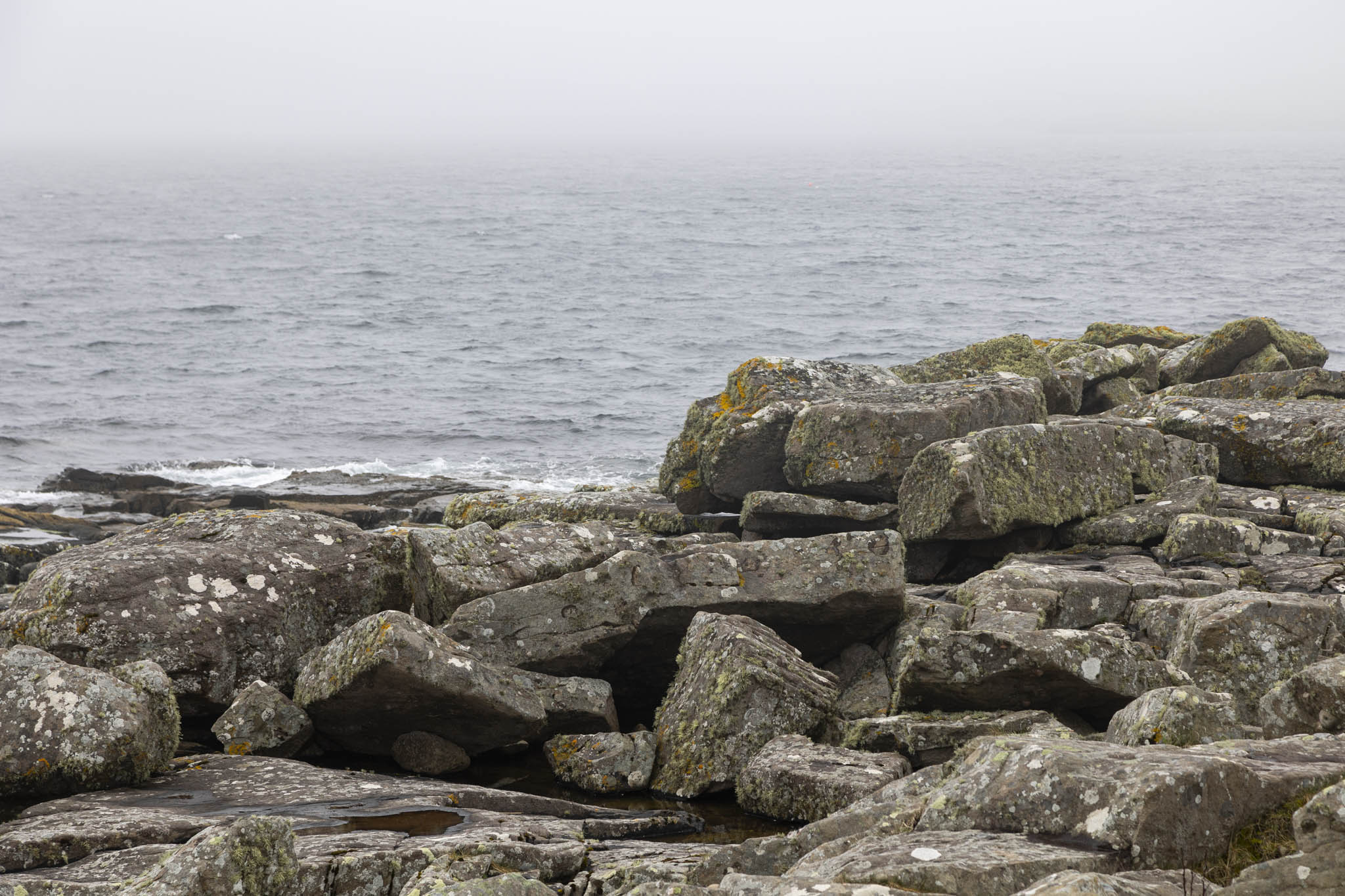
Suitably recovered we headed on our way, now hugging the coastline in a westerly direction. The views were moody and the going was far more level now making for a far more pleasant stroll. This coastline is known as Da Sletts.
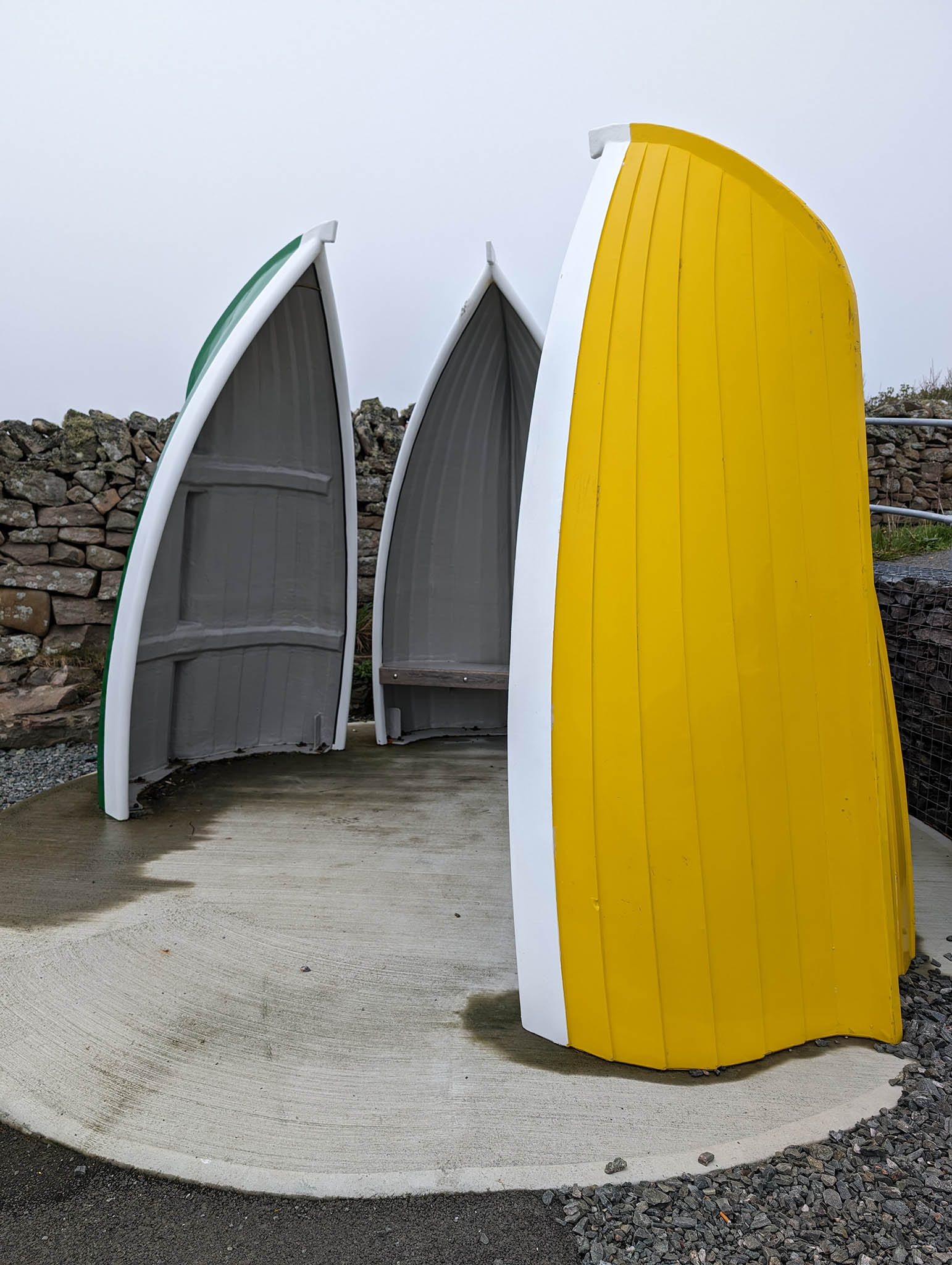
One final piece of functional artwork to spot before we made our way inland towards the loch were the shelters installed by NHS Scotland using brightly-coloured upright boat hulls. These were erected in 2023 to be used by the nearby staff and patients of the Lerwick health centre as well as tourists walking the path. And we did, even though it wasn’t raining, just because we could.
In the next post in this cruise travelogue series we’ll take a look around the impressive Broch of Clickimin.