After a longer visit than we’d expected at Rotterdam Zoo we made use of our tourist day tickets once again and hopped on a bus to take us down close to the Delfshaven suburb of Rotterdam. Our timing on arrival at the bus stop near the zoo was poor, as it happened, and we had a bit of a wait for one but the weather was cool and comfortable and it was nice to get off our feet, just sit down and wait, then let the bus take the strain of getting us down towards the main canal linking the city to the open sea.
There was a little bit of a walk from the bus to where we wanted to explore in the historic area of Delfshaven but with plenty of wide open spaces in this part of the city, numerous canals cutting through, and loads of interesting architecture to grab our attention this was nice enough.
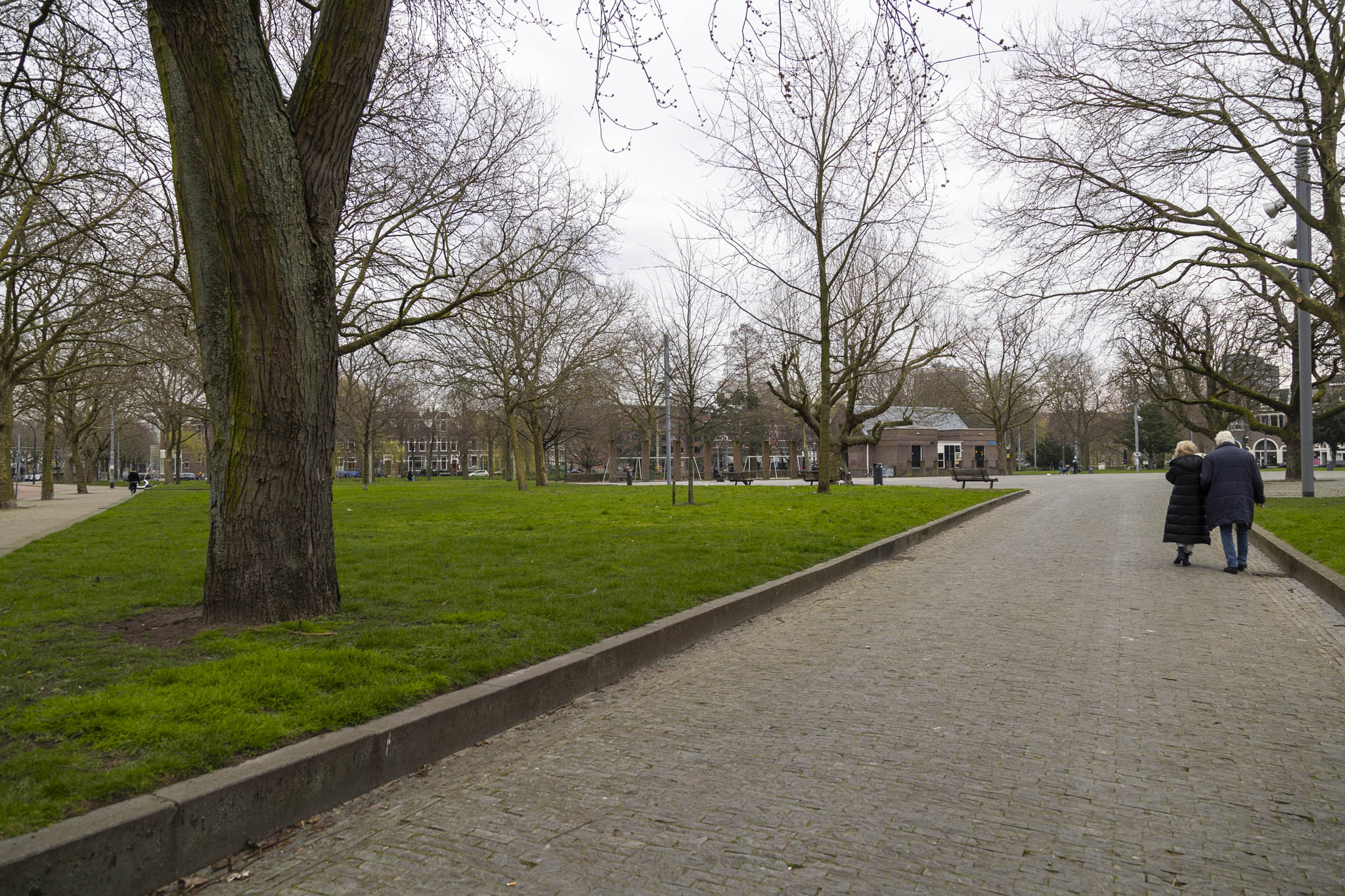
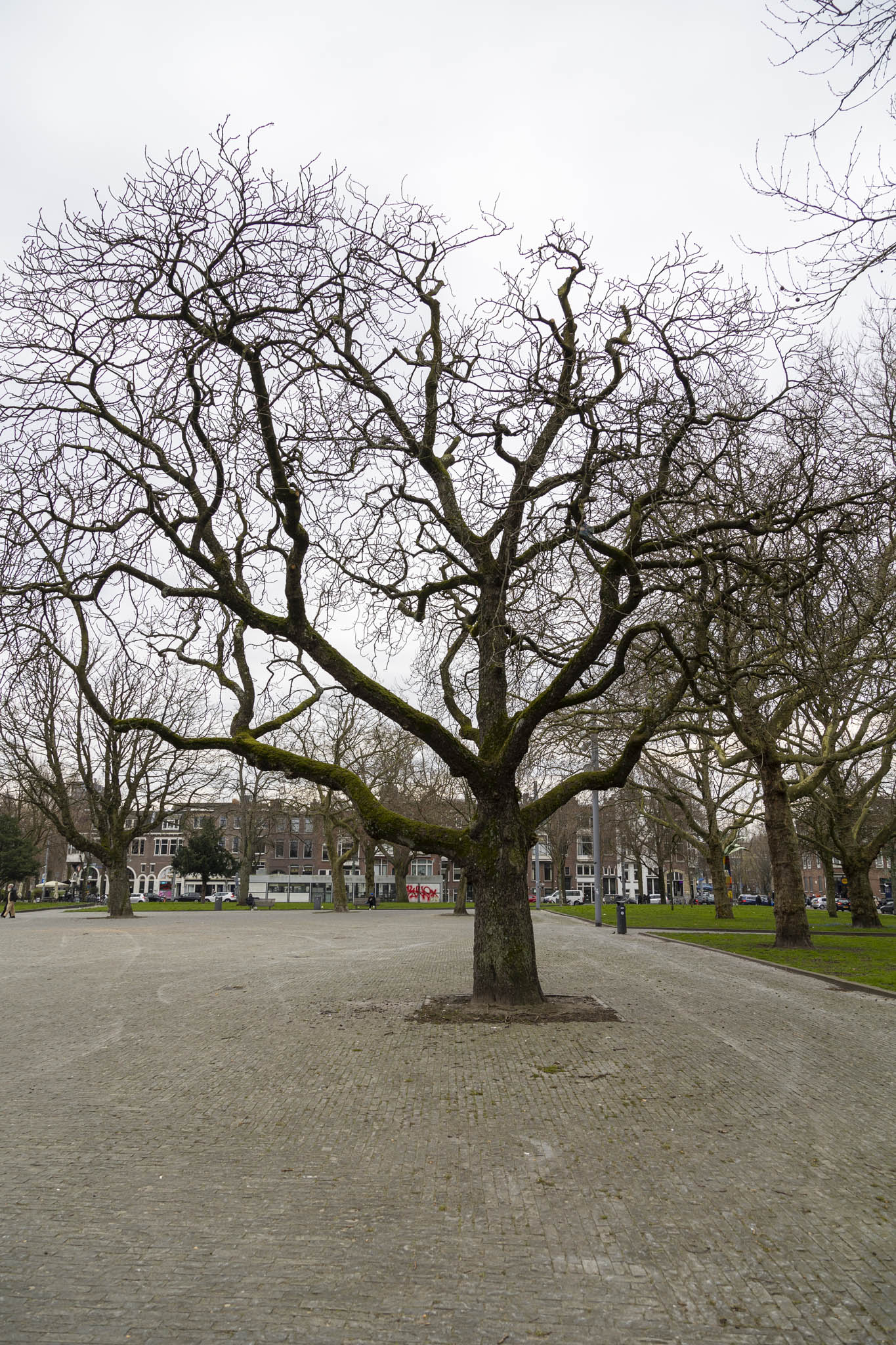
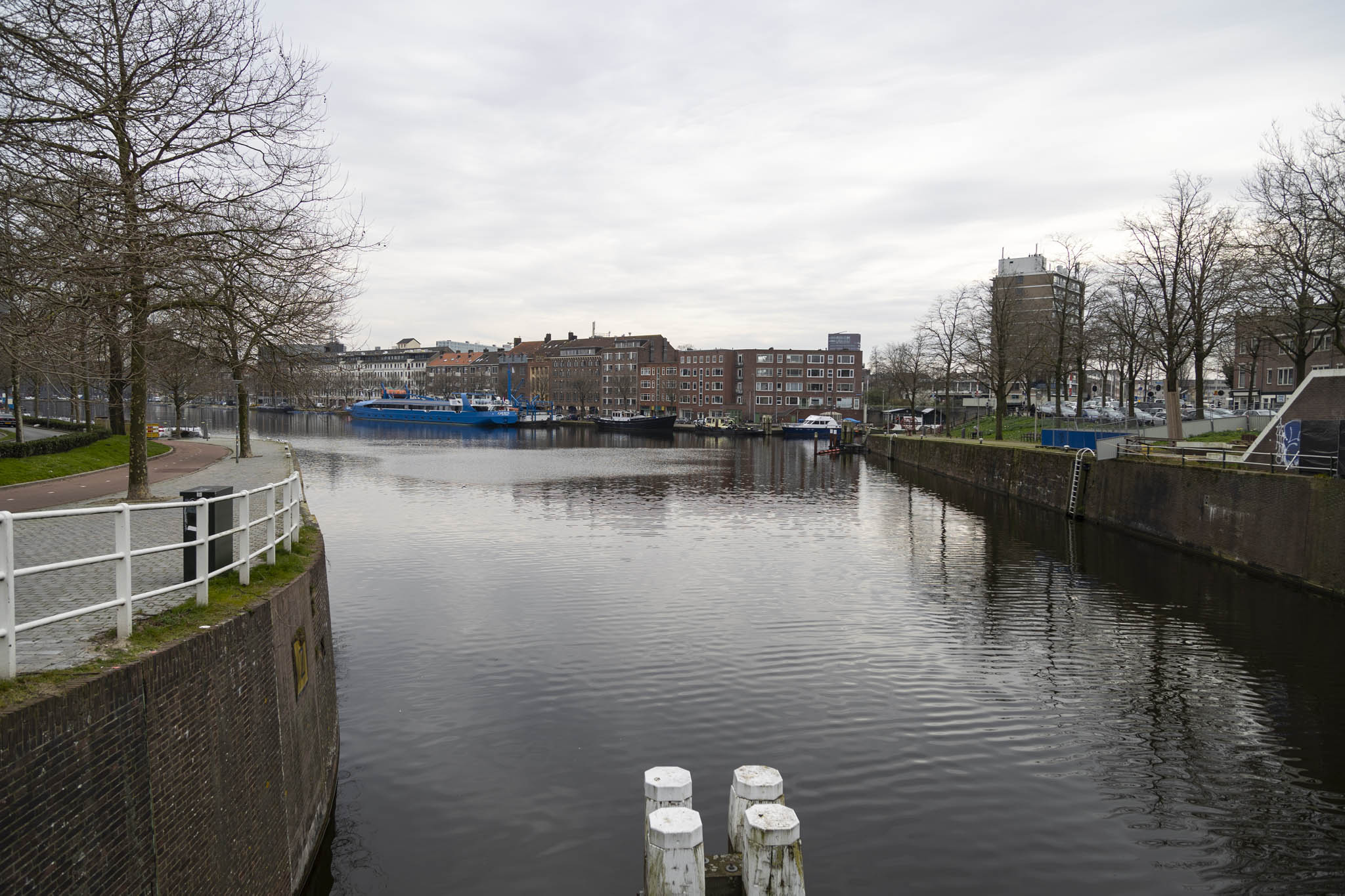
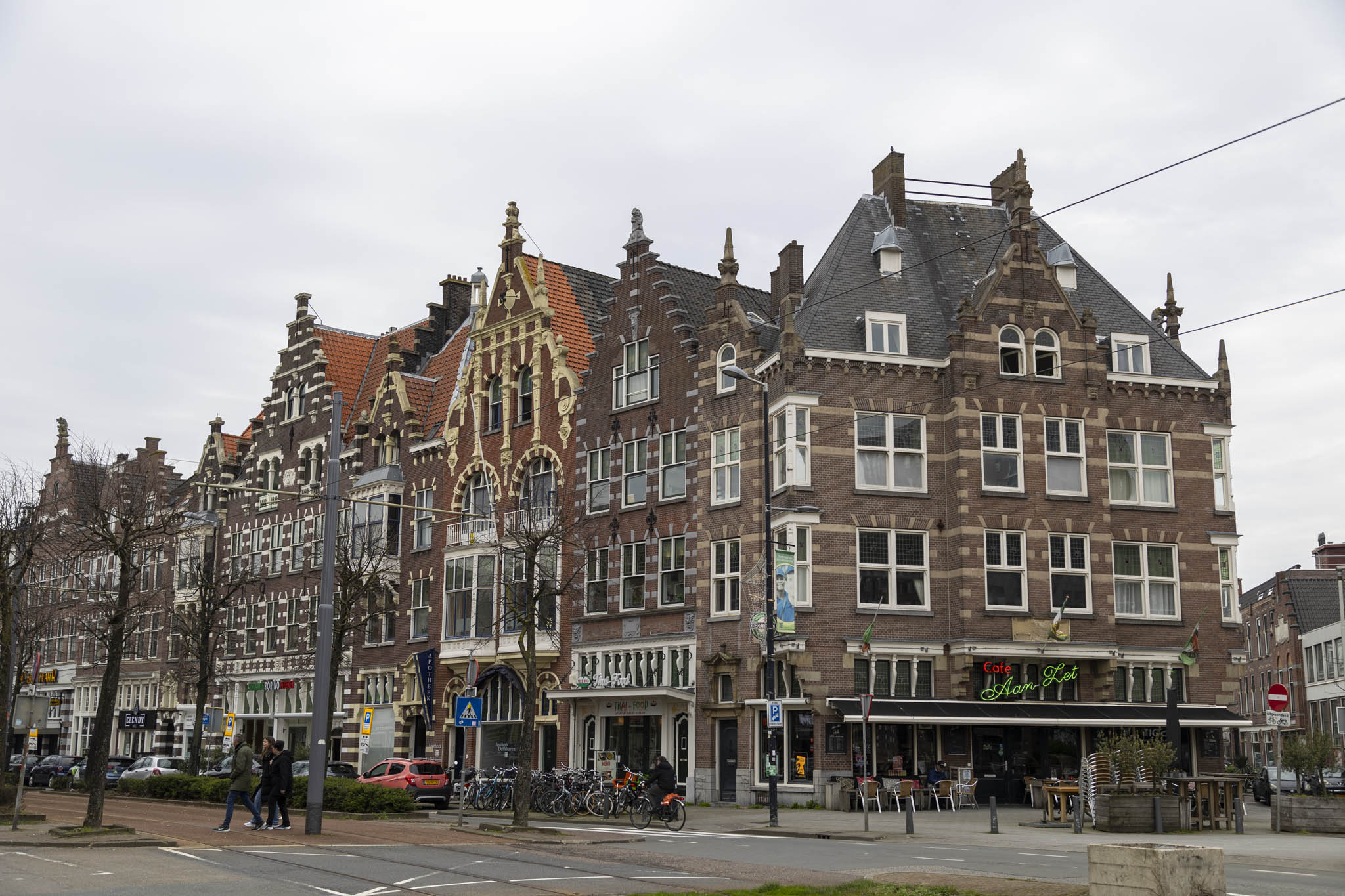
We made our way to the Aelbrechtskolk (or Aelbrecht Waterway) because there were a couple of things close by we’d had our eye on visiting too while we were here. One of those was the Pinball Museum but with the time left in the day before it closed and how much of the day we’d spent in the zoo earlier we decided that we’d just make do with a scenic walk around the area on this occasion. We’re bound to come back at some point because we do like Rotterdam a lot.
This waterway was built in the late fourteenth century, permission being granted by Aelbrecht van Beieren, Count of Holland to allow the city of Delft to connect itself to the river to the south. Delfshaven means Delft Harbour. The need for its own harbour was due to a reluctance for vessels carrying goods to and from Delft to have to pay fees to neighbouring Rotterdam instead of collecting them itself. In the eighteenth century Delfshaven then declared independence from Delft and in the nineteenth century it was willingly annexed into Rotterdam.
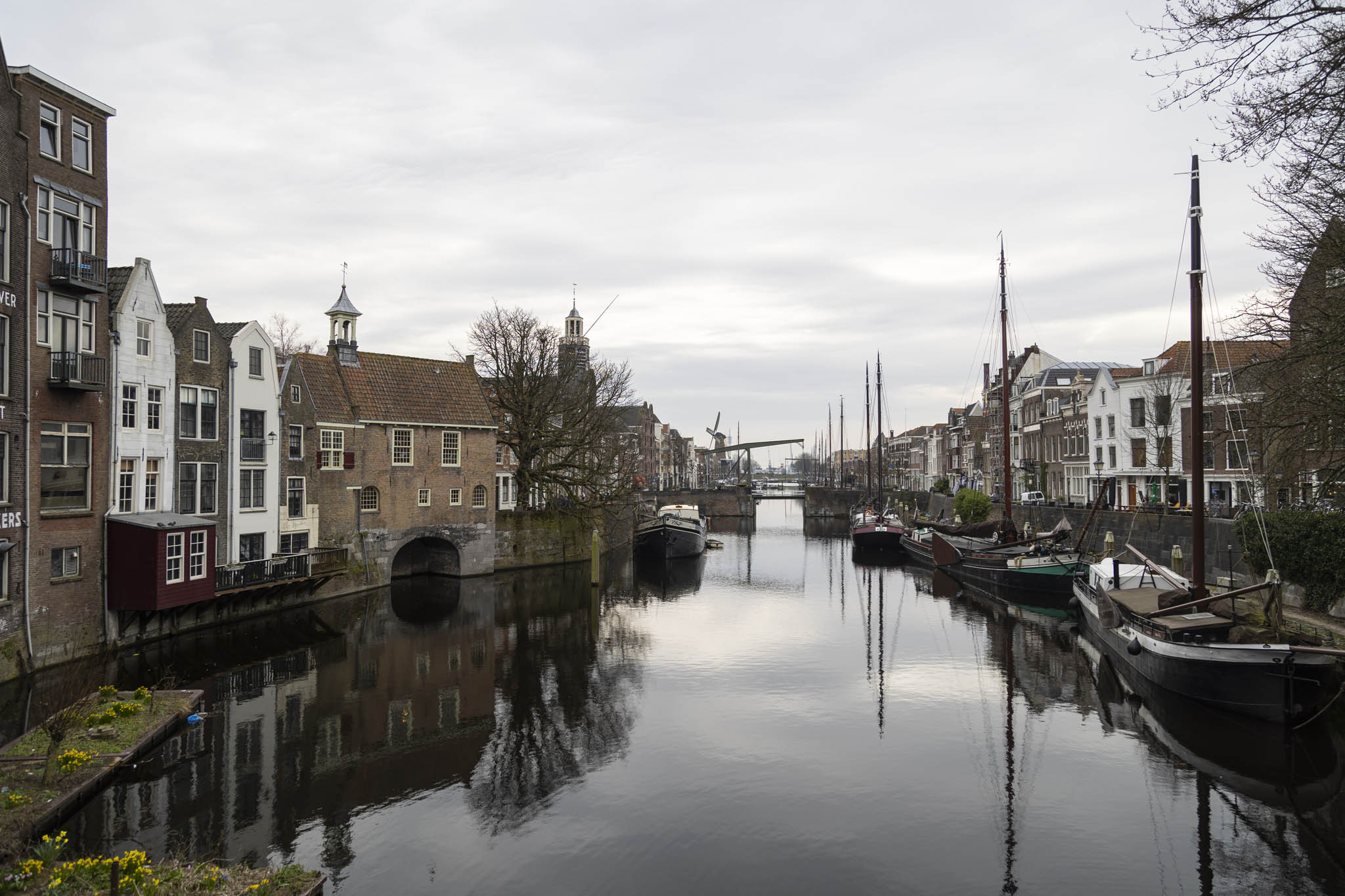
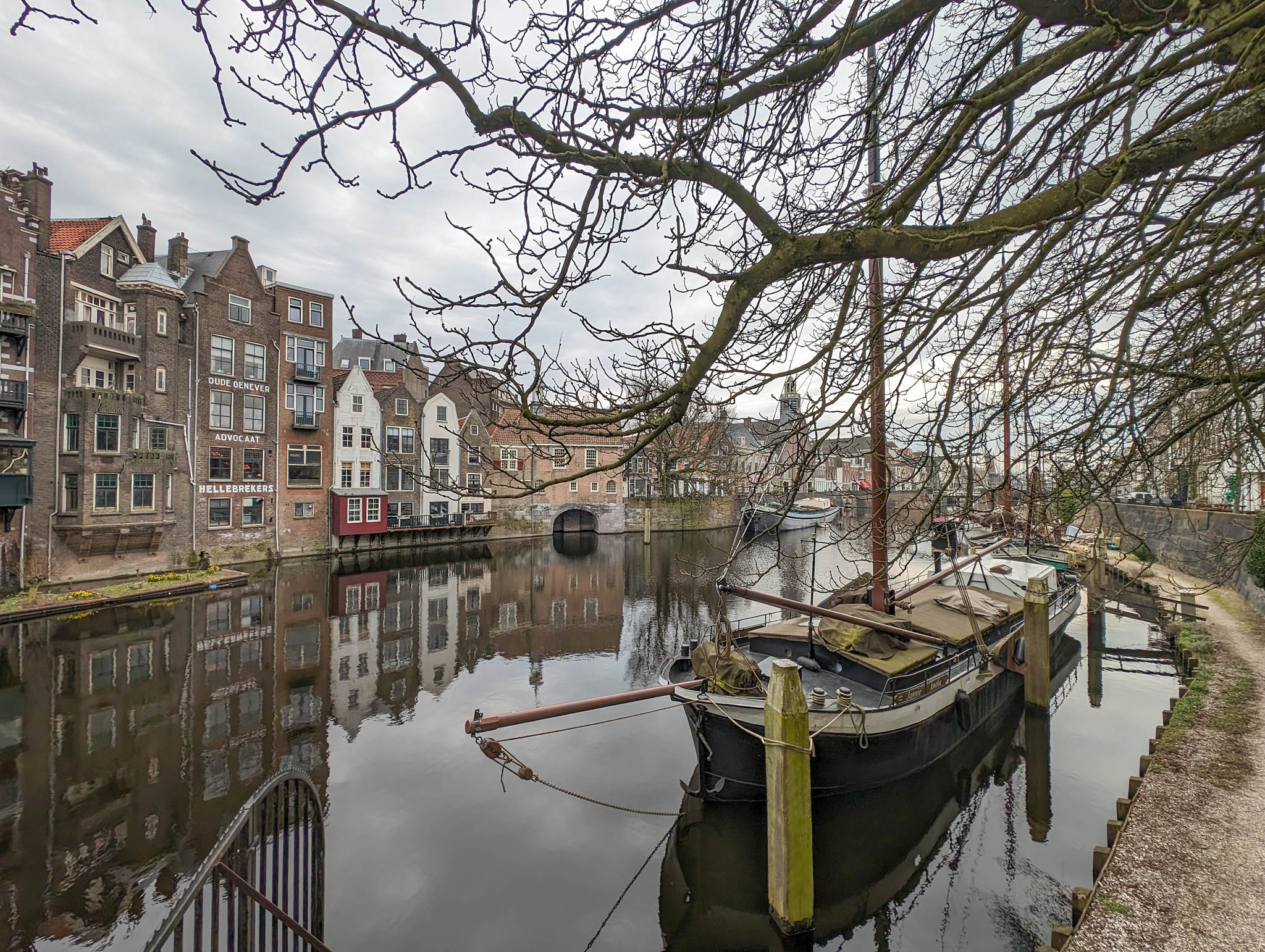
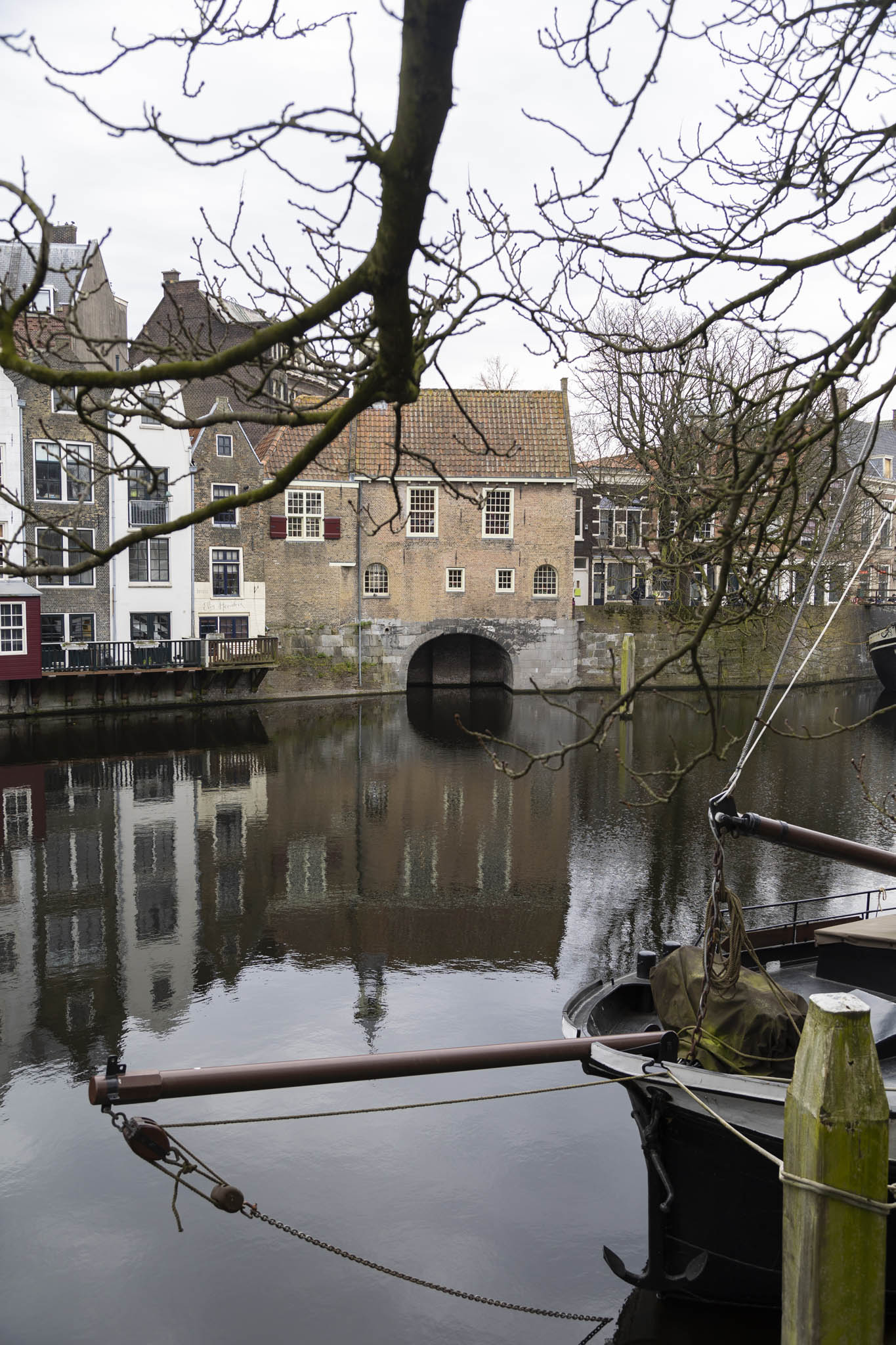
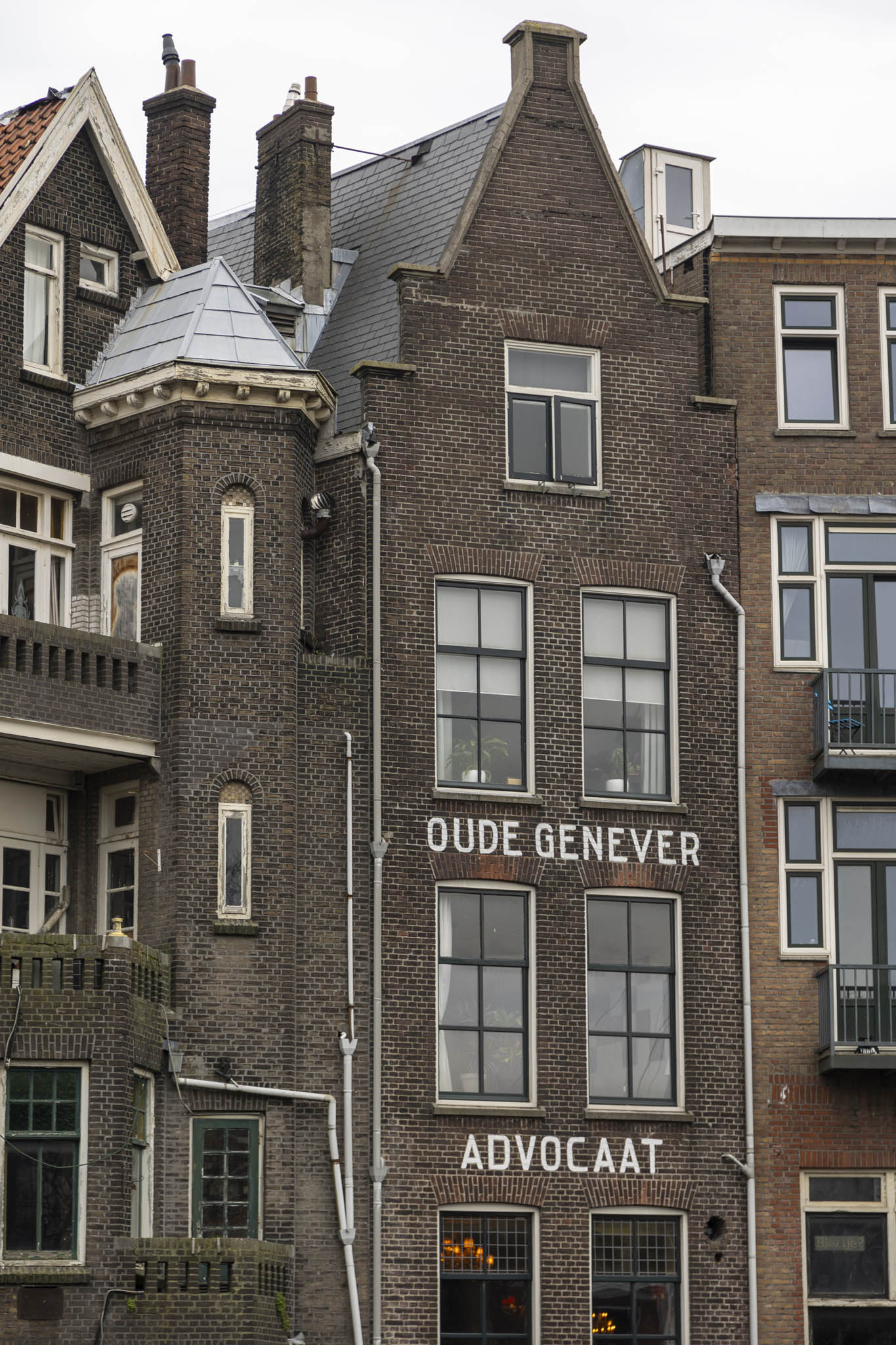
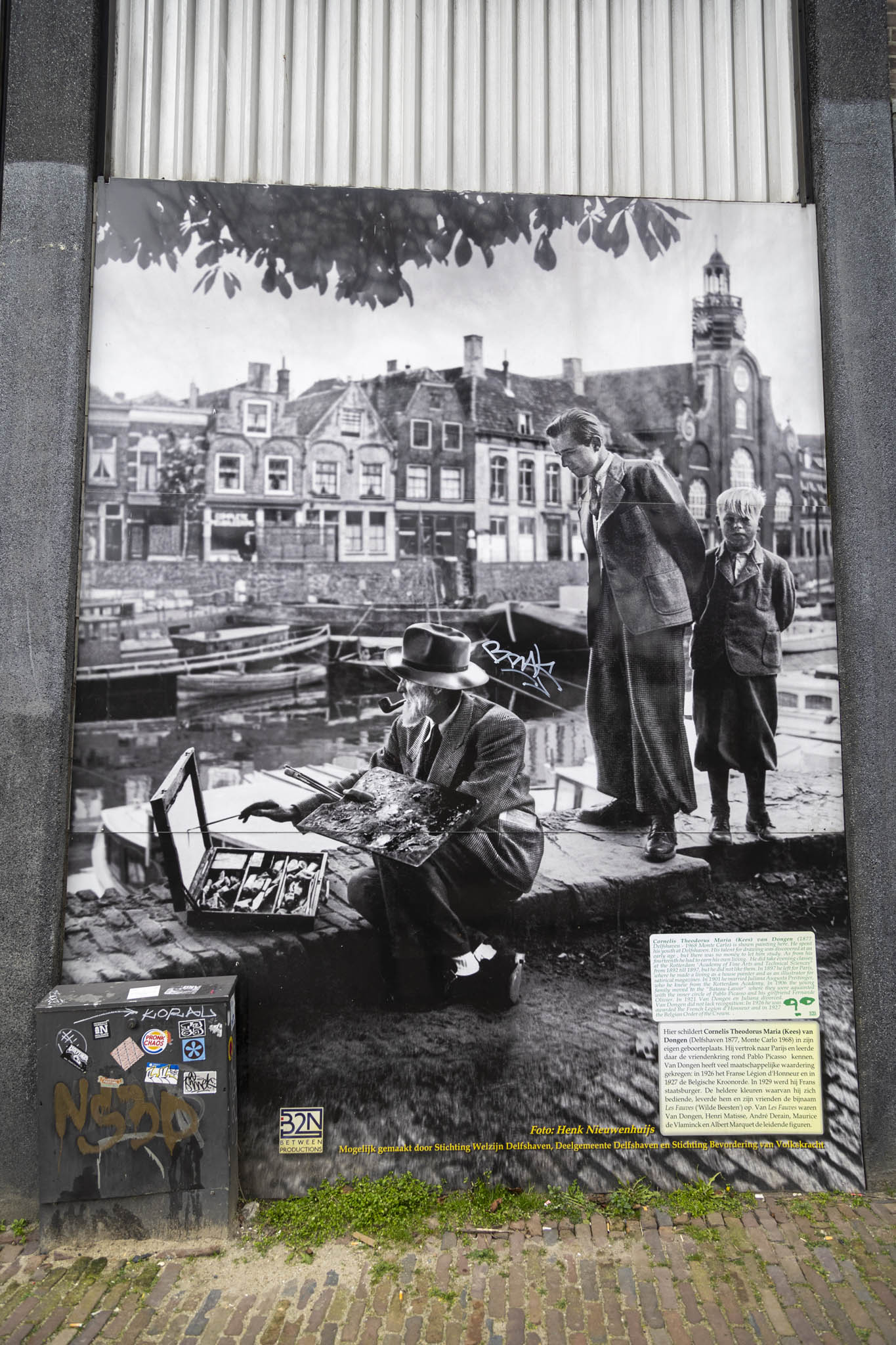
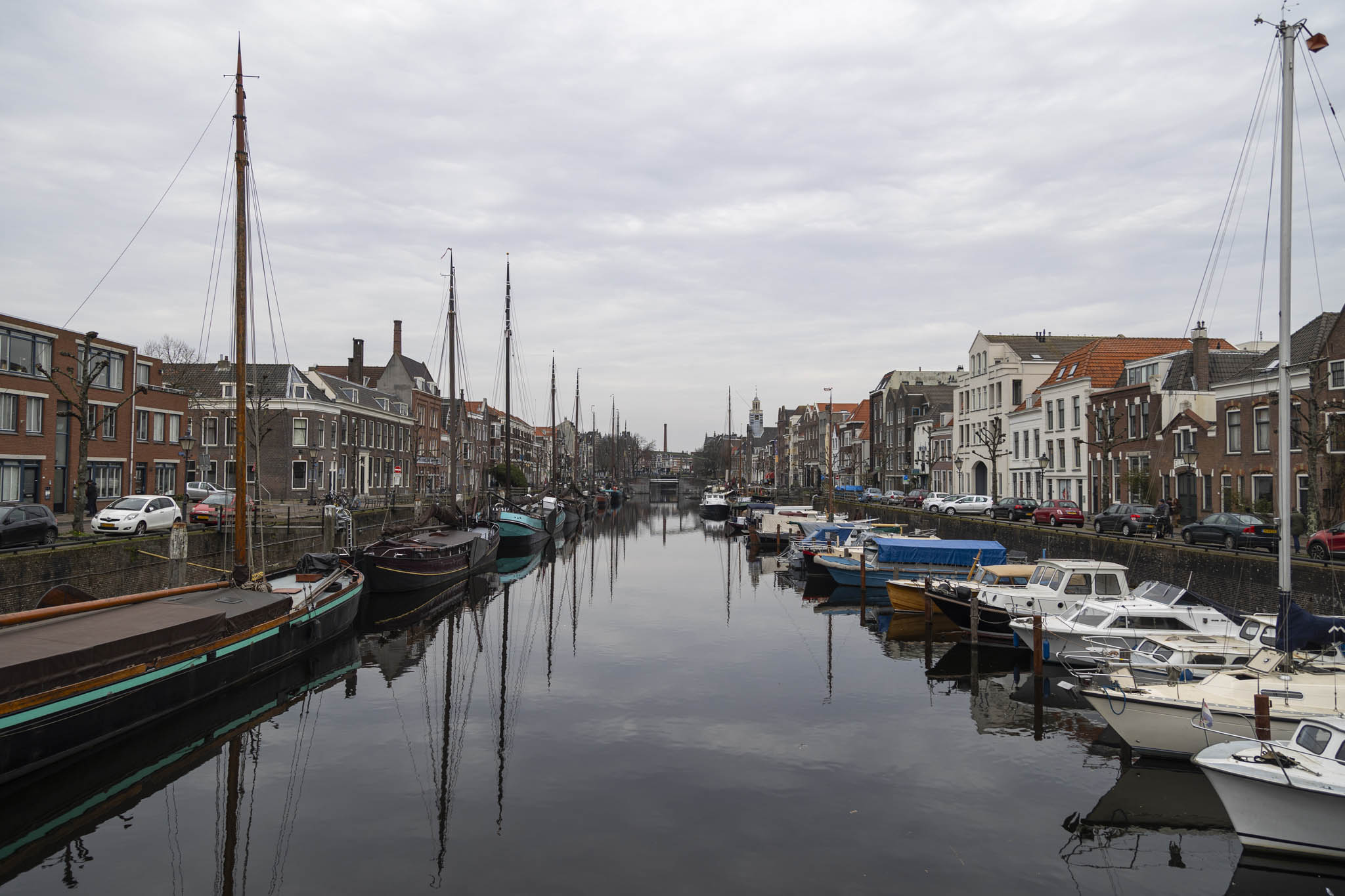
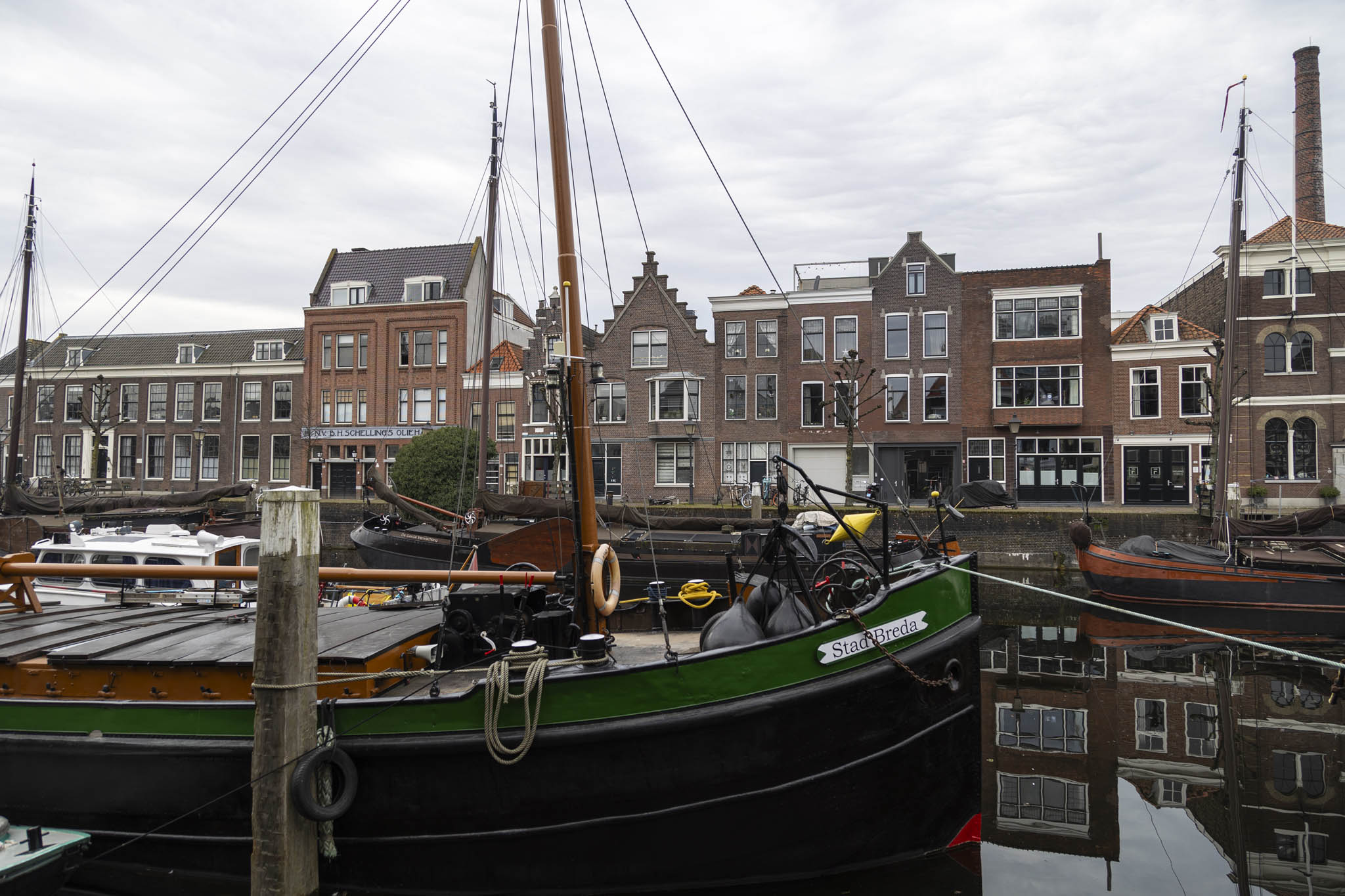
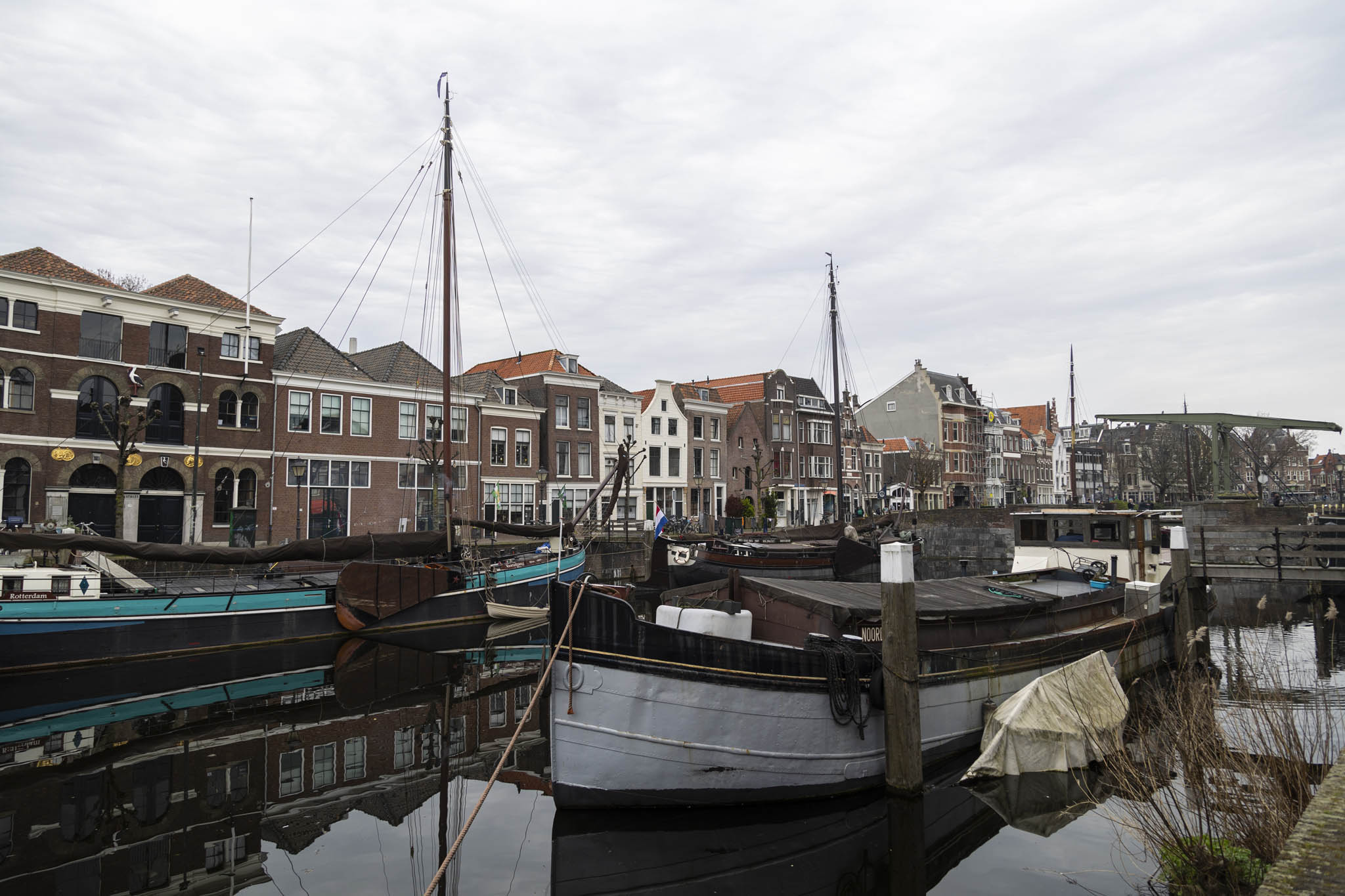
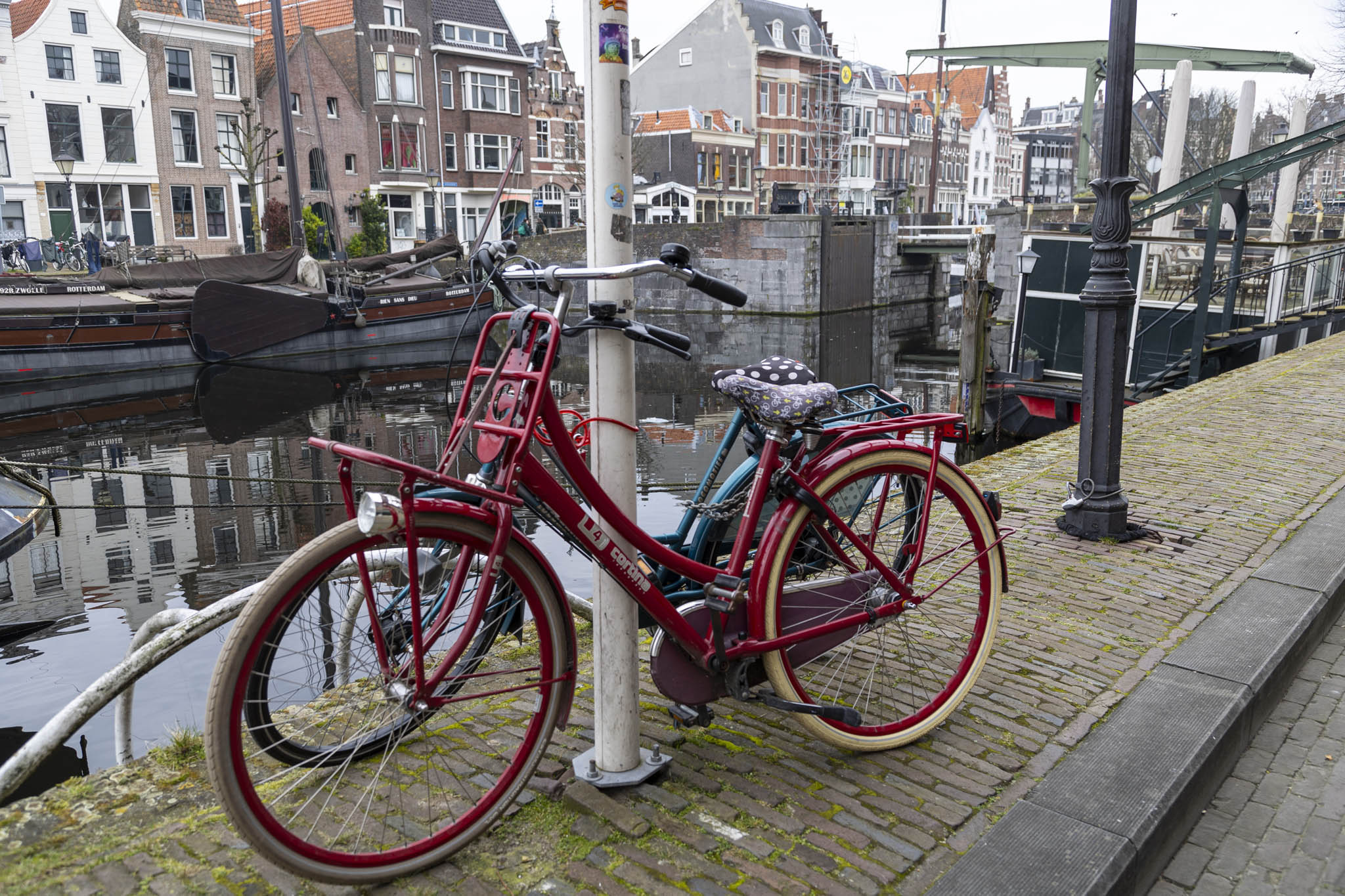
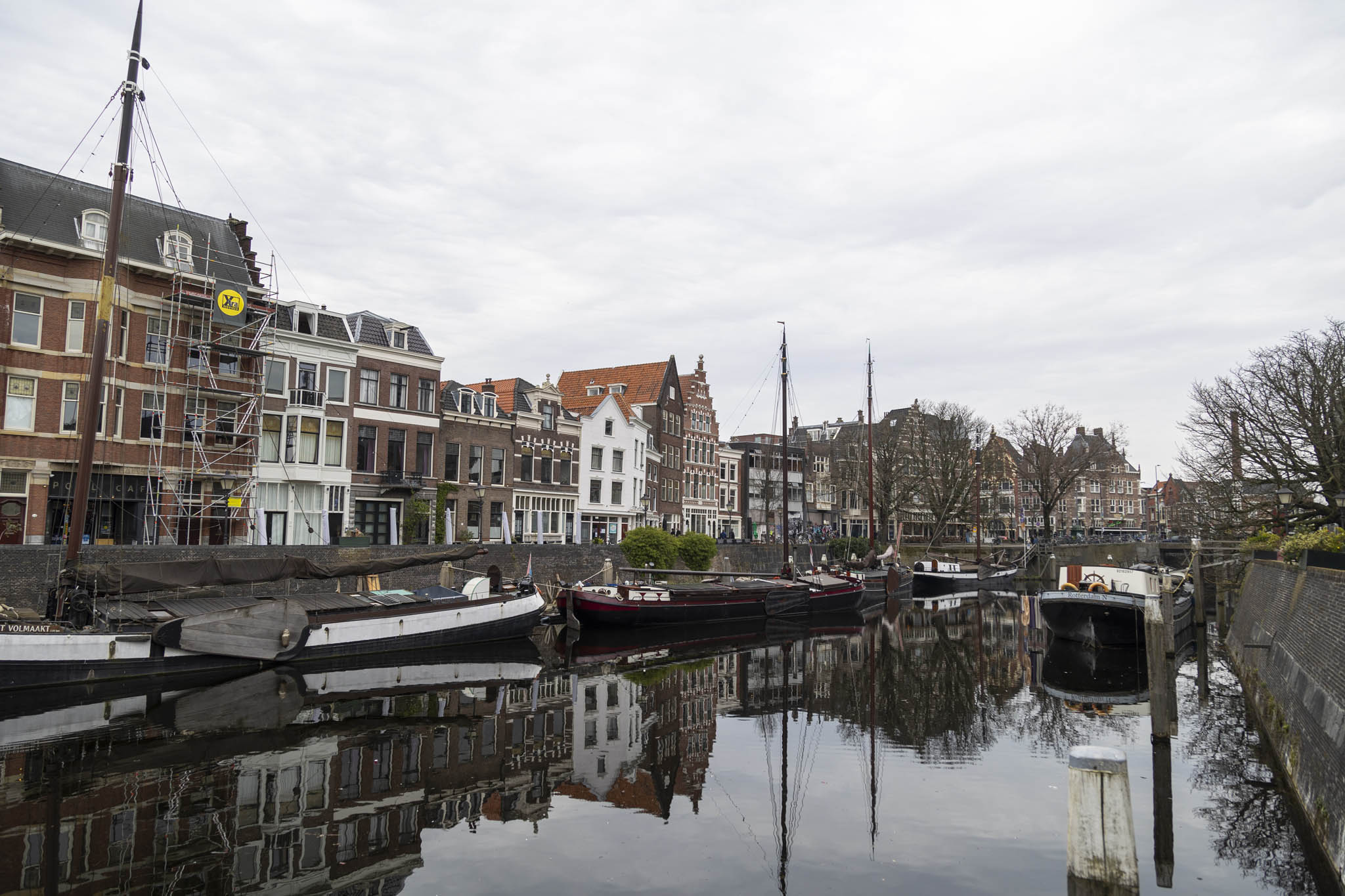
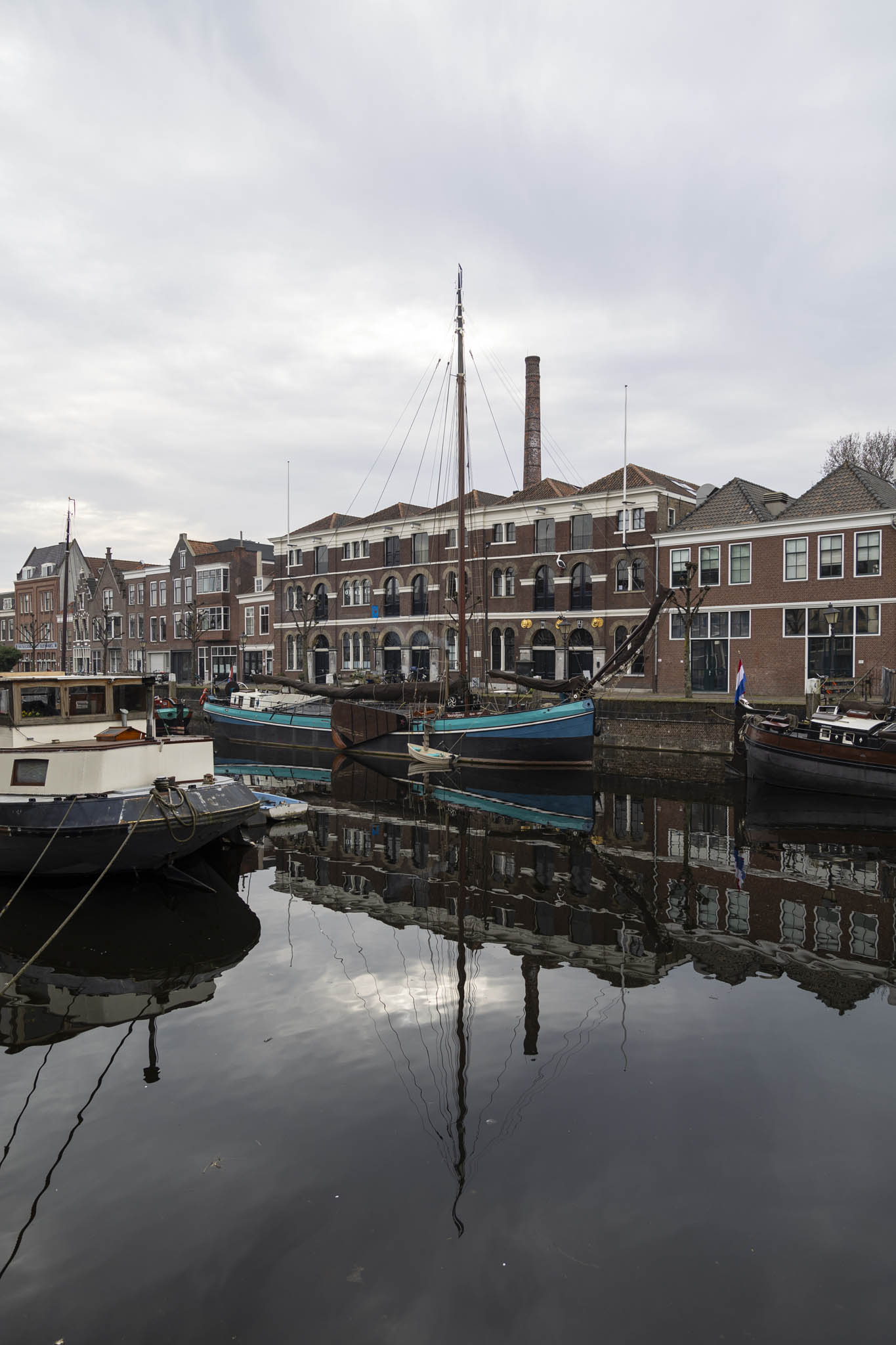
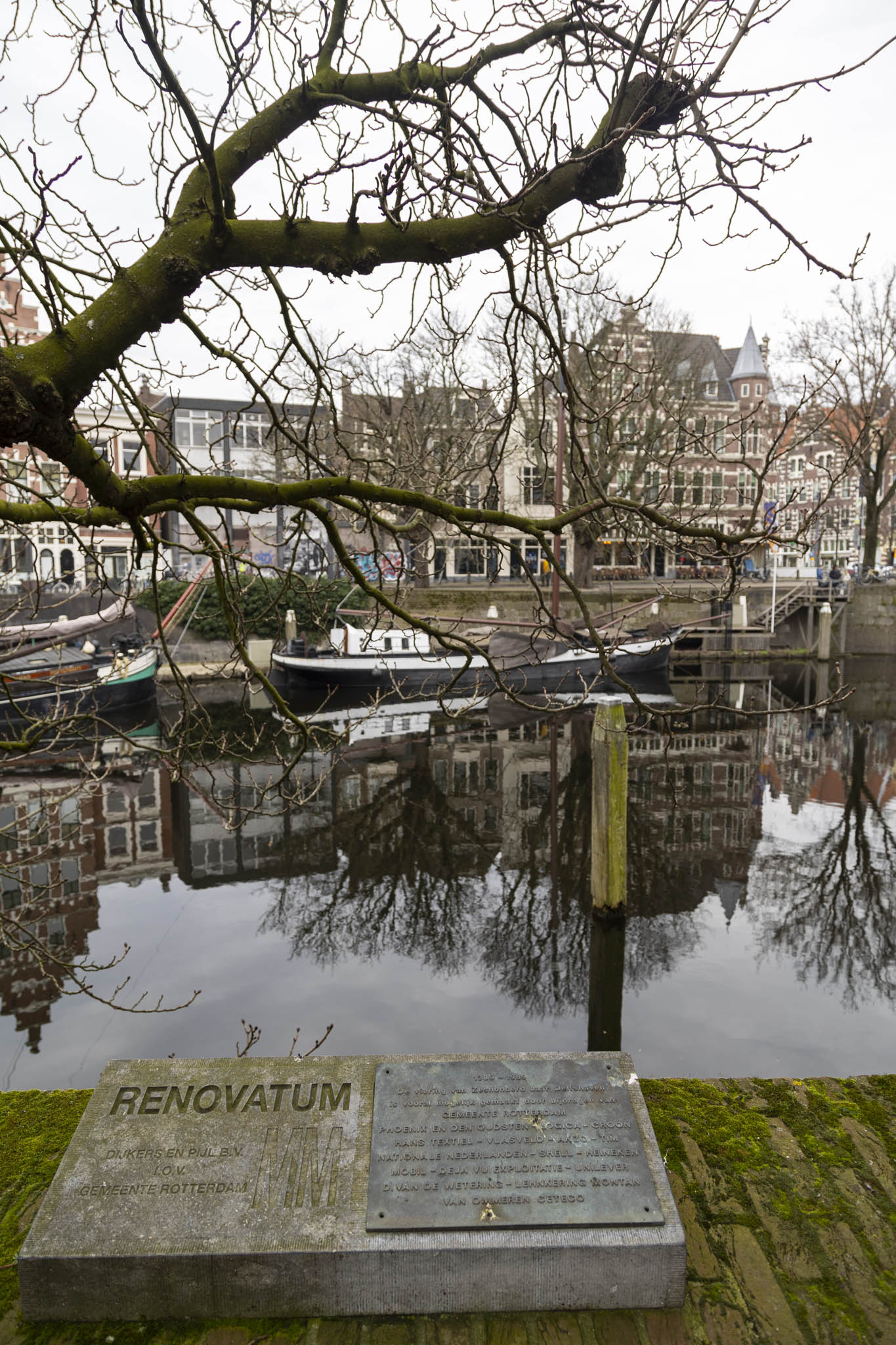
What can you expect to see if you walk along the banks of this waterway in Delfshaven, then? Very attractive buildings, many of them showing signs of previous industry connected with shipping if you turn away from the water, and on the water itself some lovely boats of varying forms.
A lot of the boats come with their own history and there are helpful notices along the canal edge to explain these. Some examples are included below.
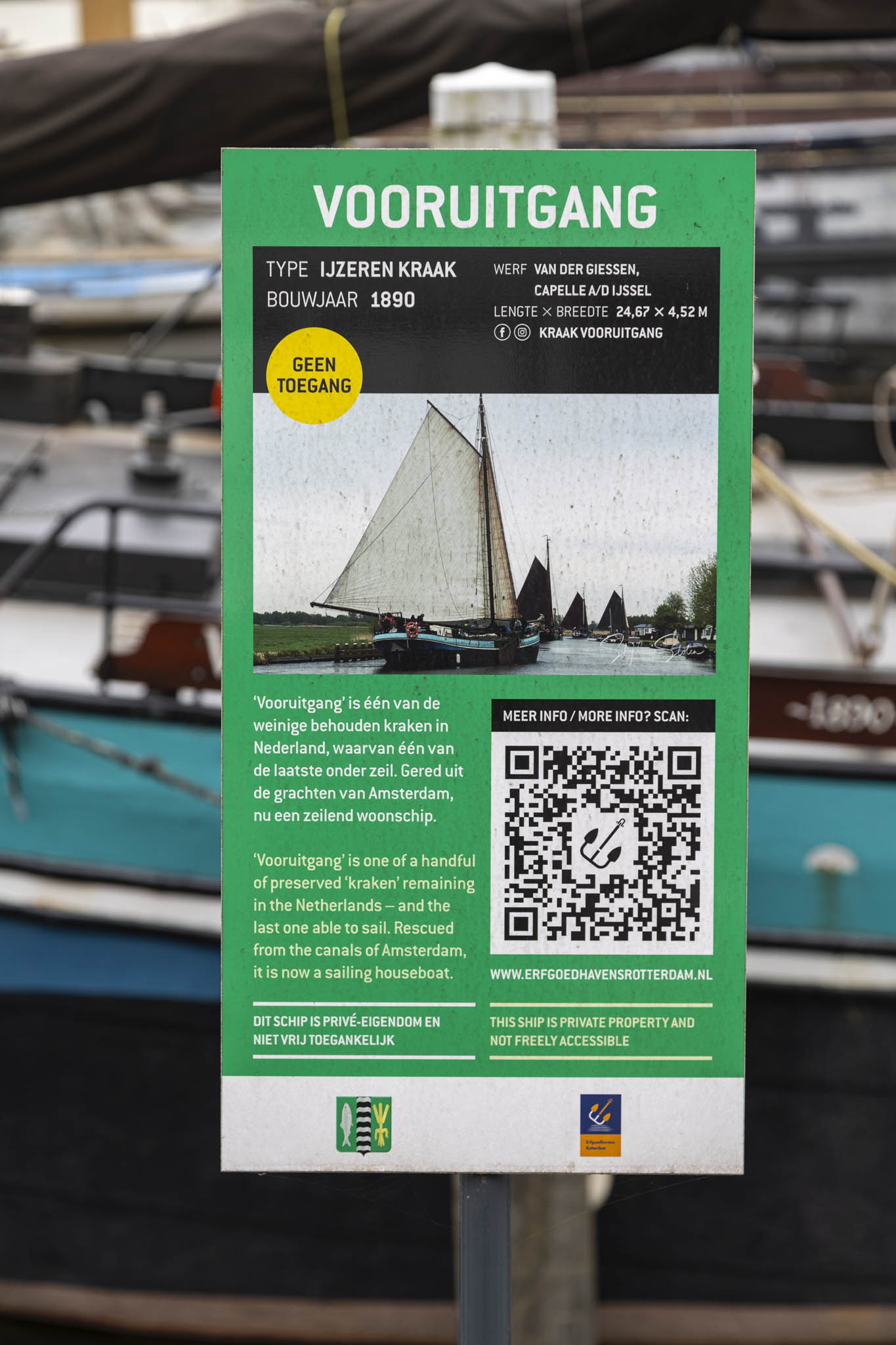
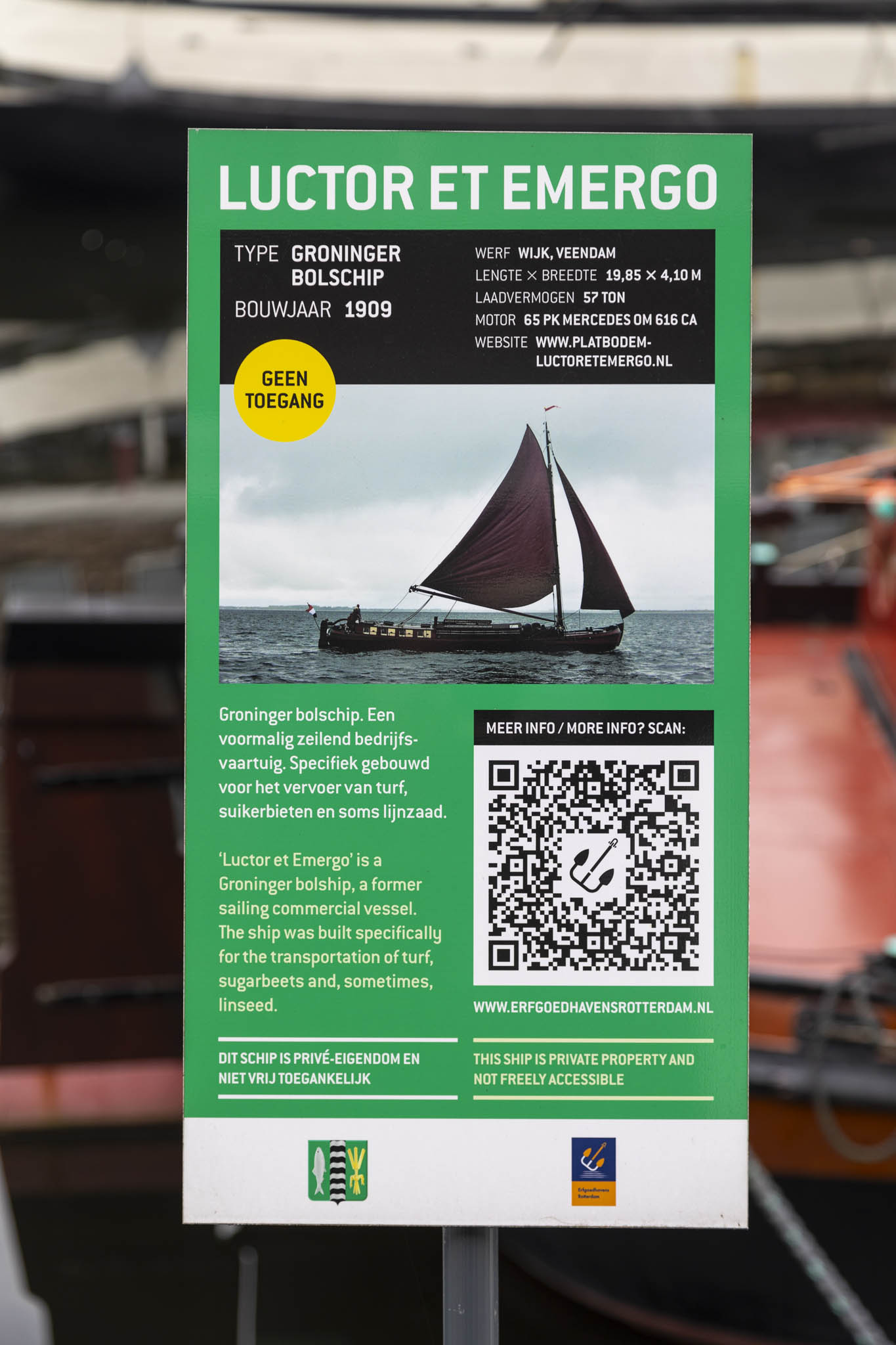
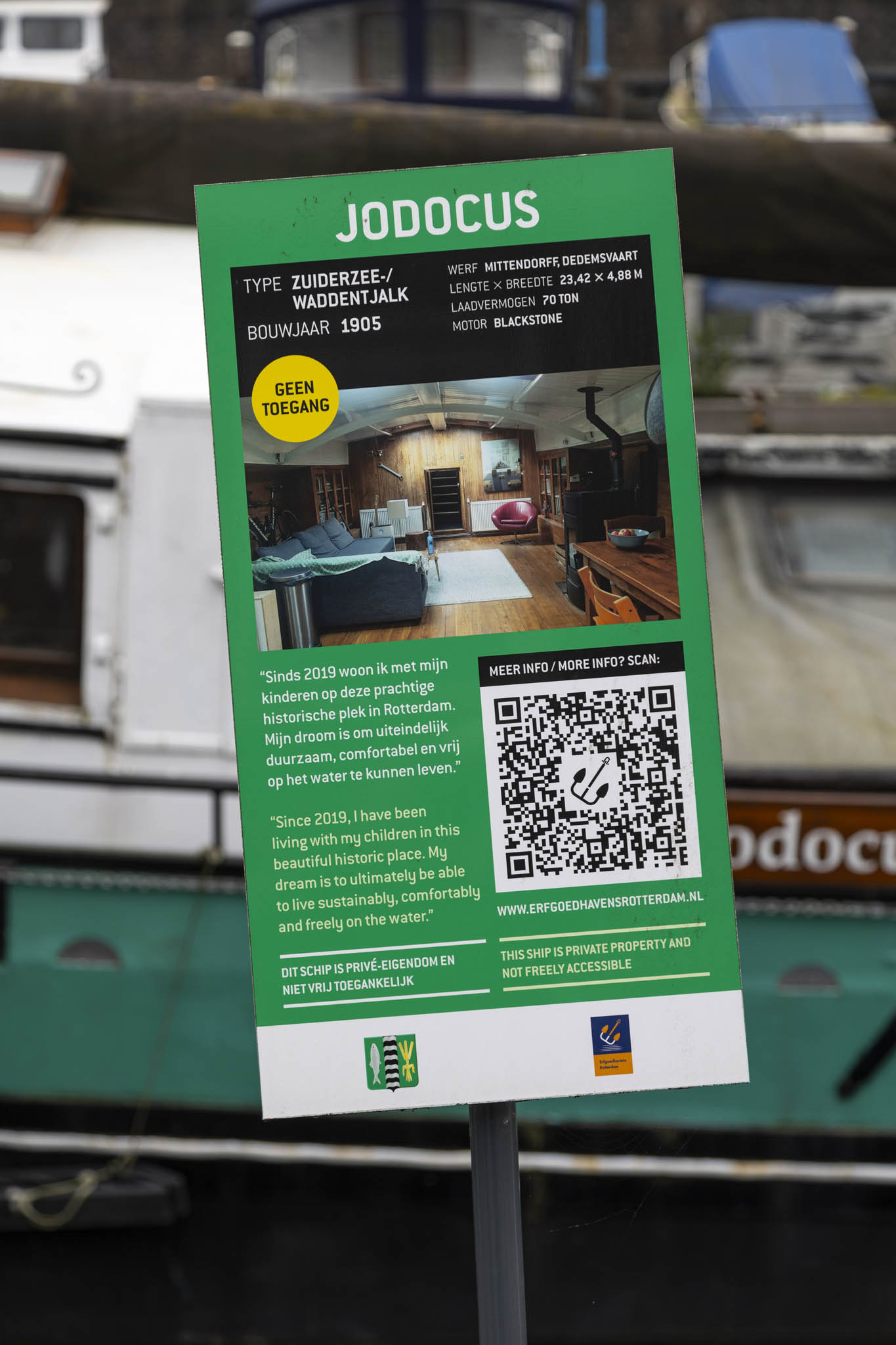
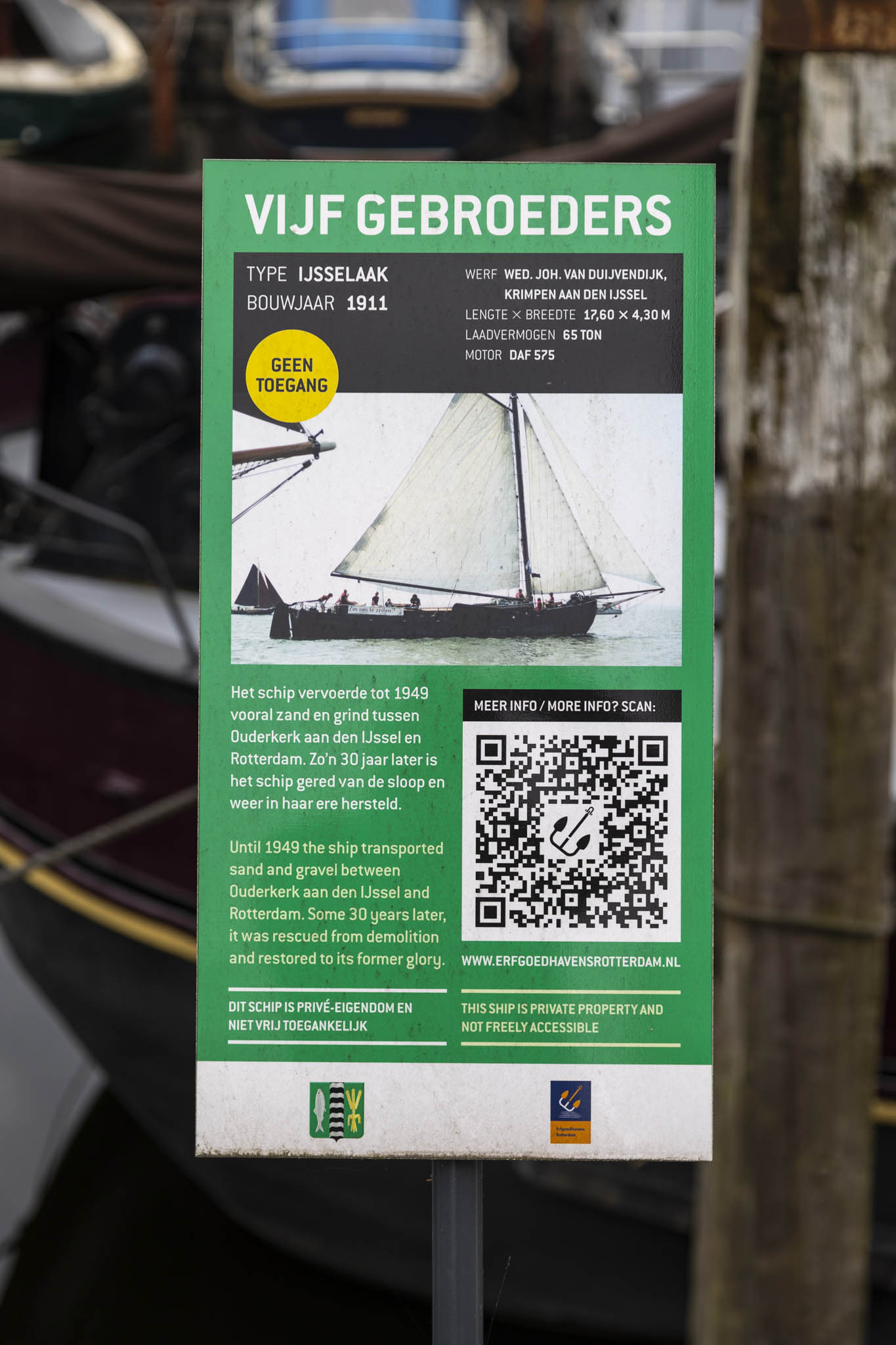
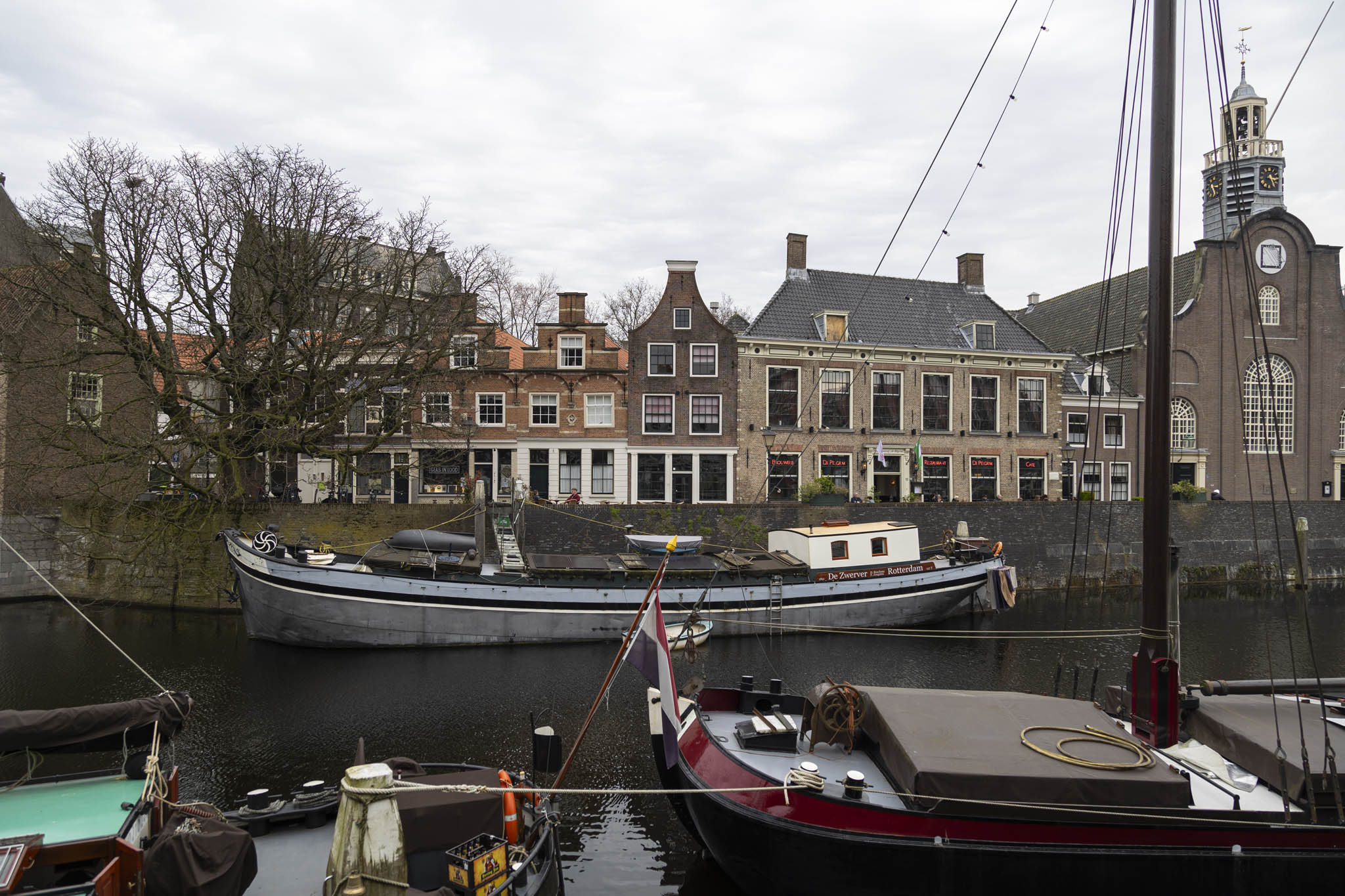
Piet Hein was a privateer and also admiral in the Dutch navy whose successes in the Eighty Years’ War almost bankrupted Spain. He was also born in Delfshaven in 1577 and it’s after him that the bridge in one of the photos beneath is named. He’s one of those figures in history that when you read about him you find that one side heralds as opposing slavery while another side claims he benefitted from and assisted in it.
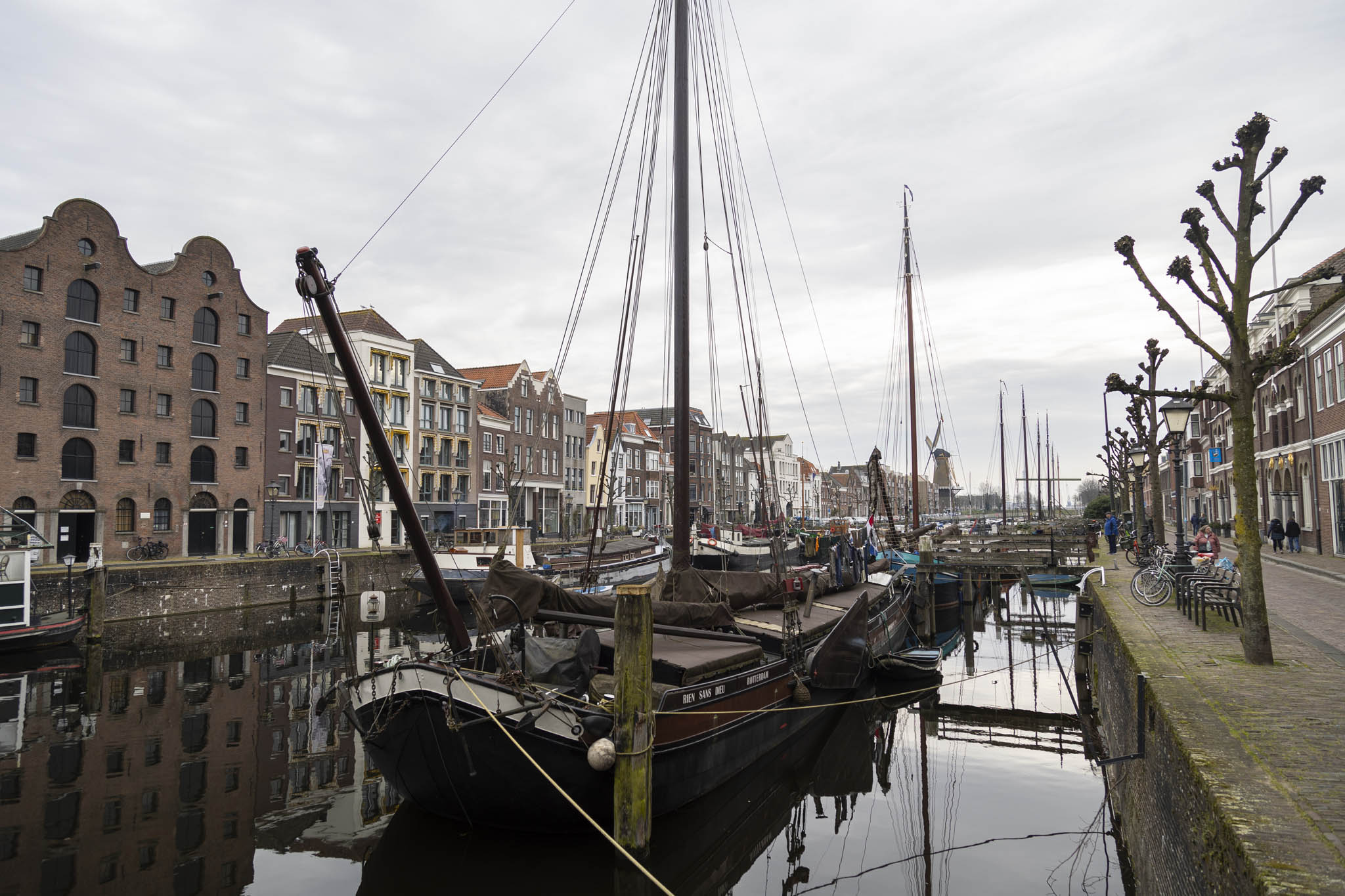
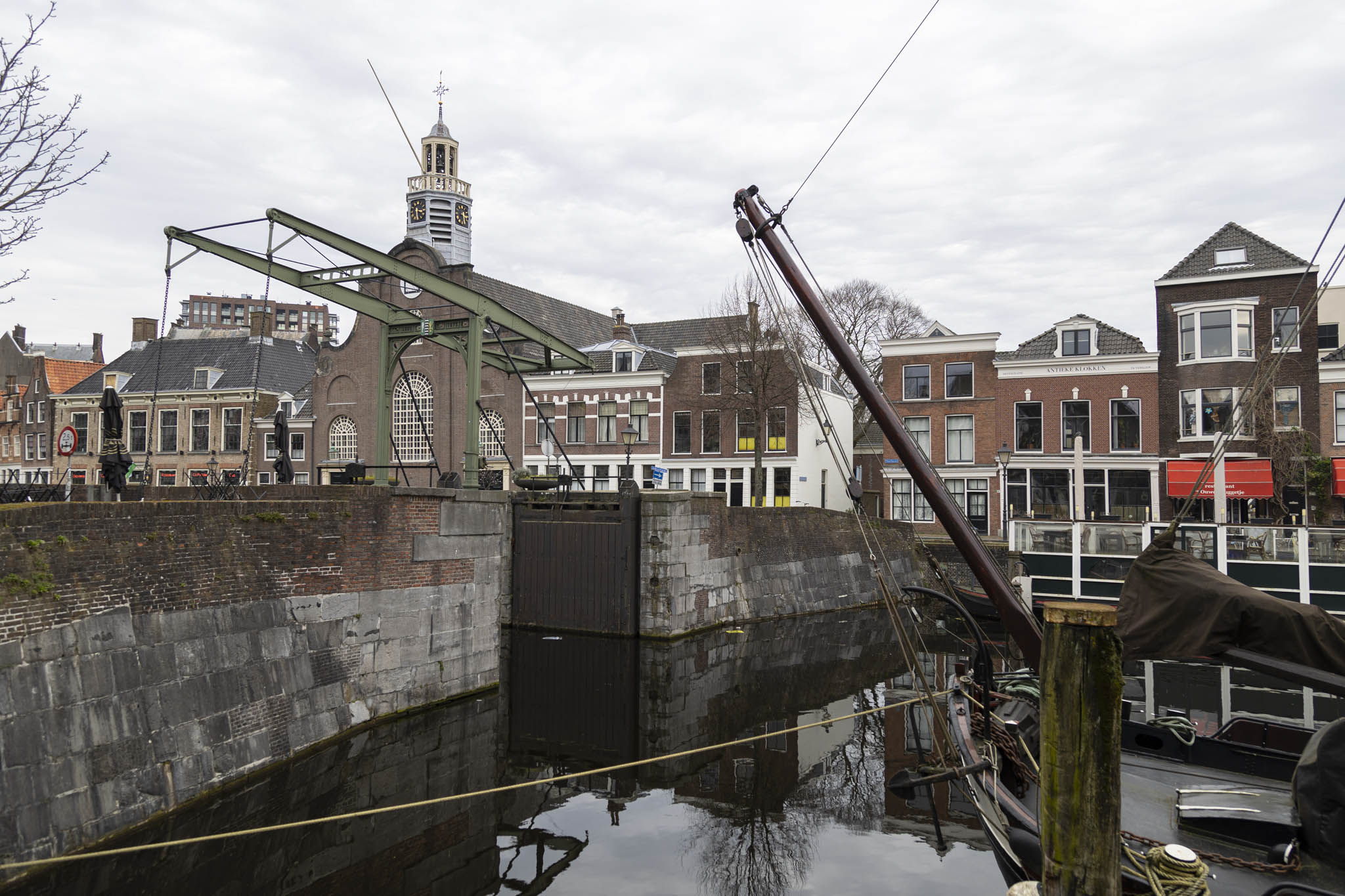
It was certainly worth taking our eyes off the water and back to the buildings around us every now and then, though, because the variety in the architecture was great to see. It’s a sign of different periods of expansion and wide uses of buildings.
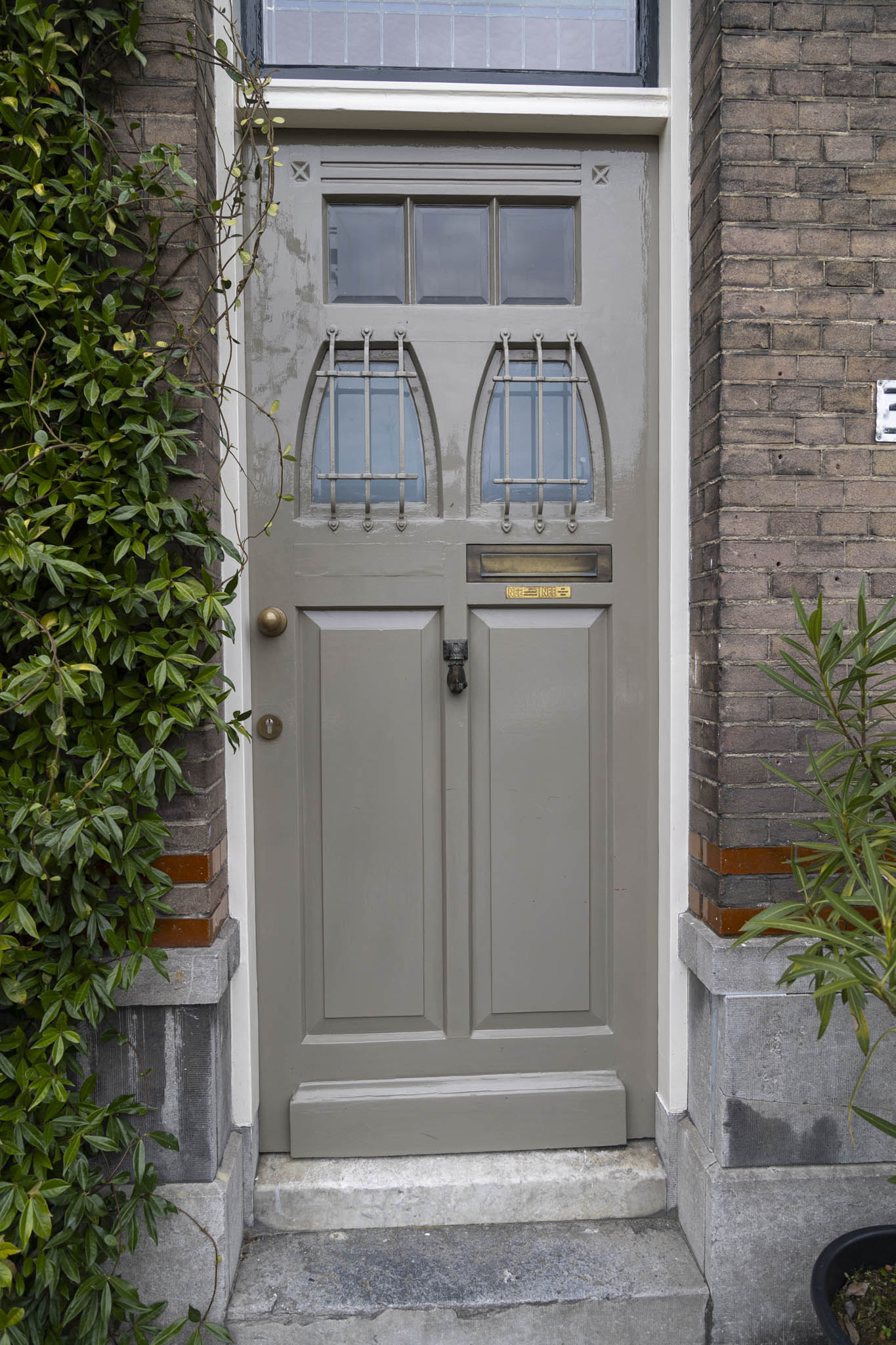
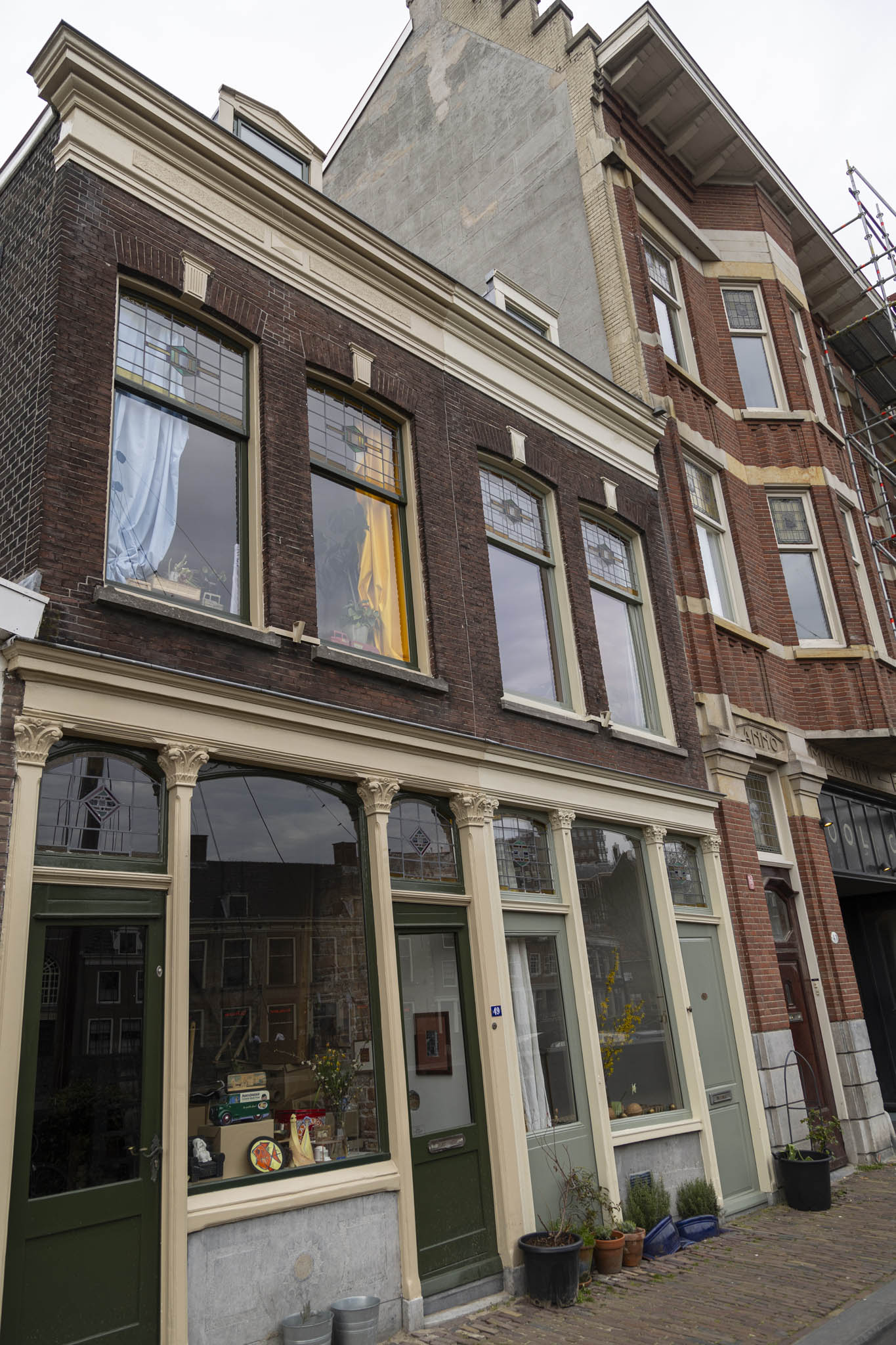
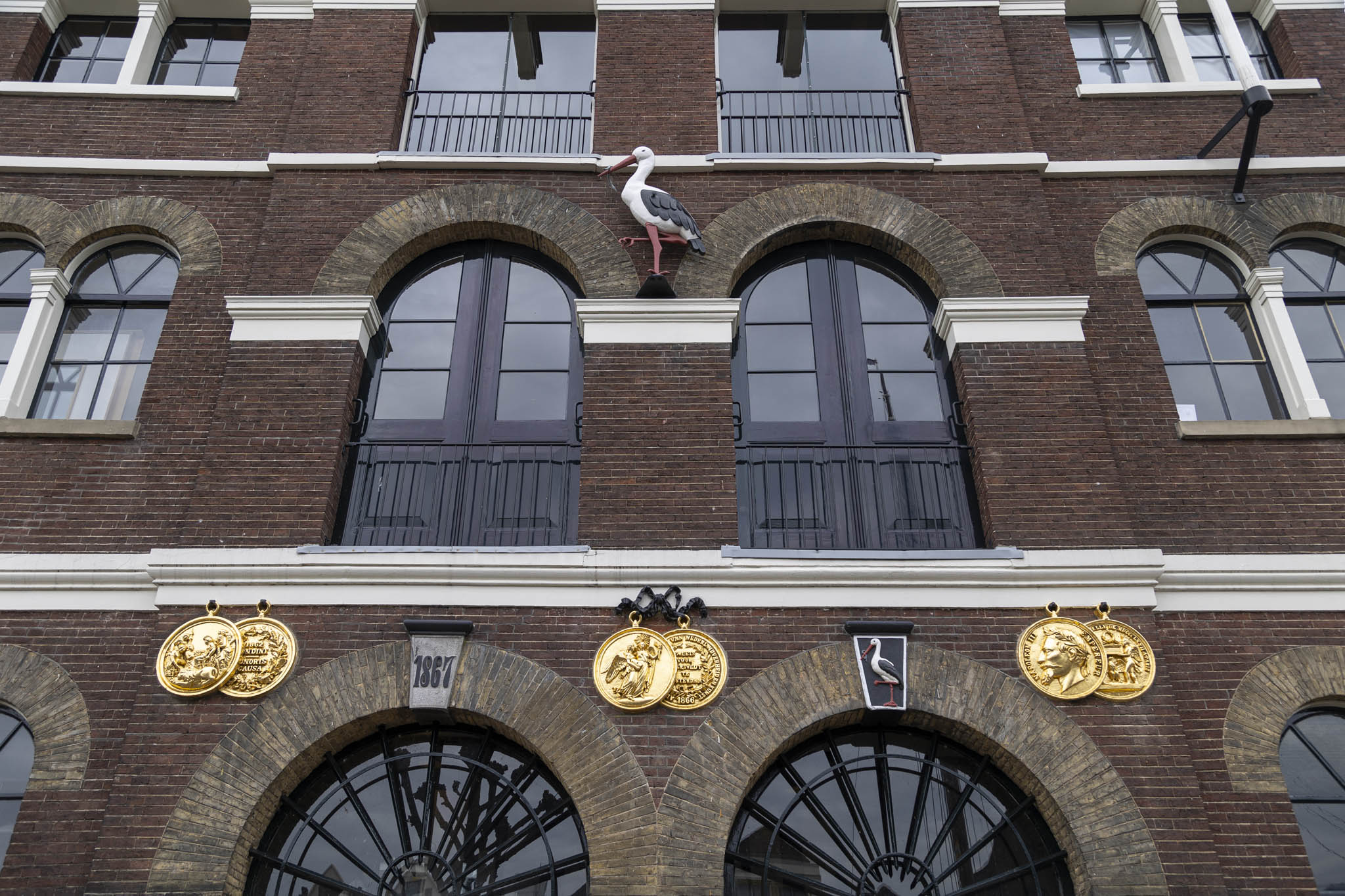
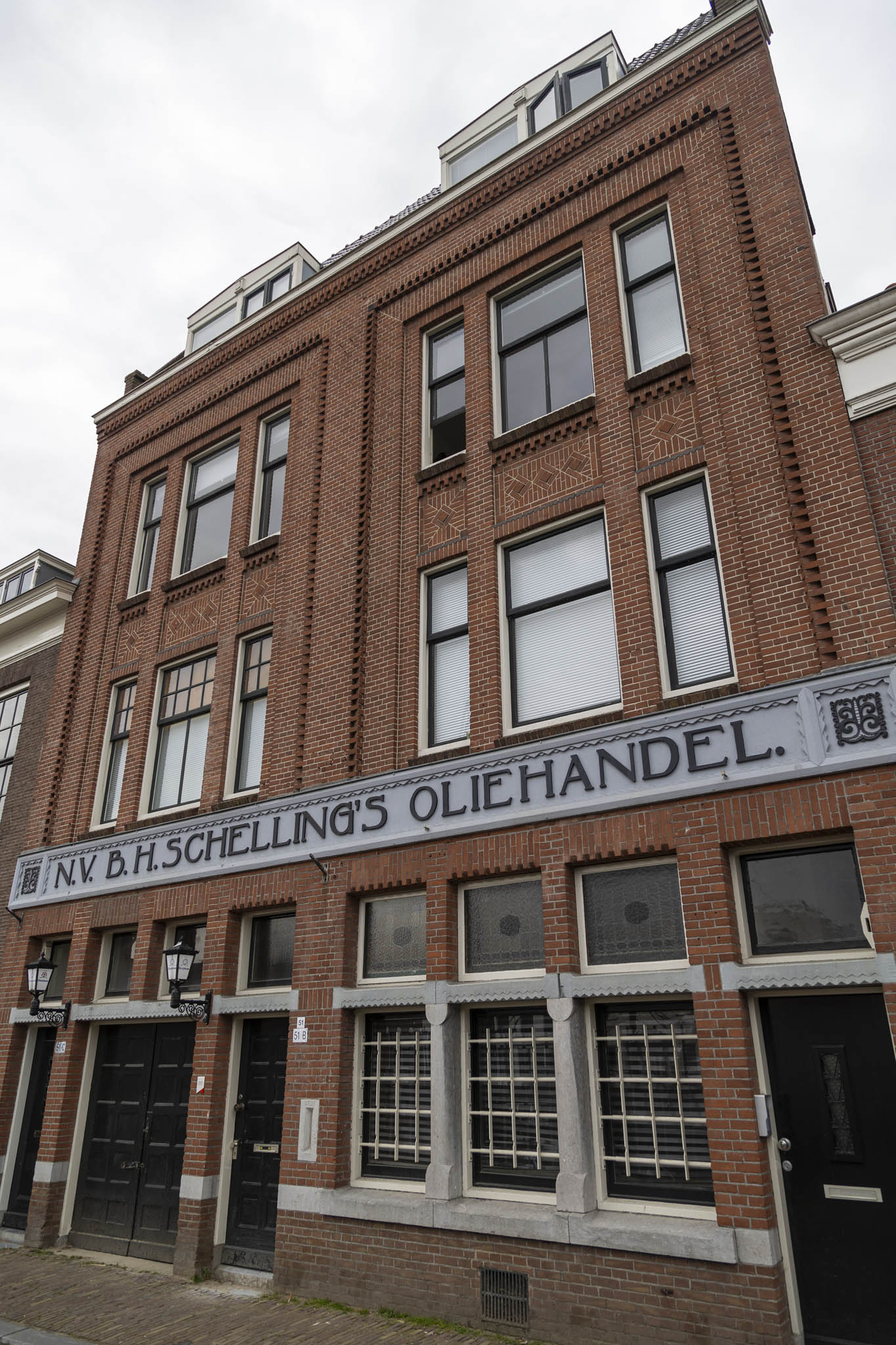
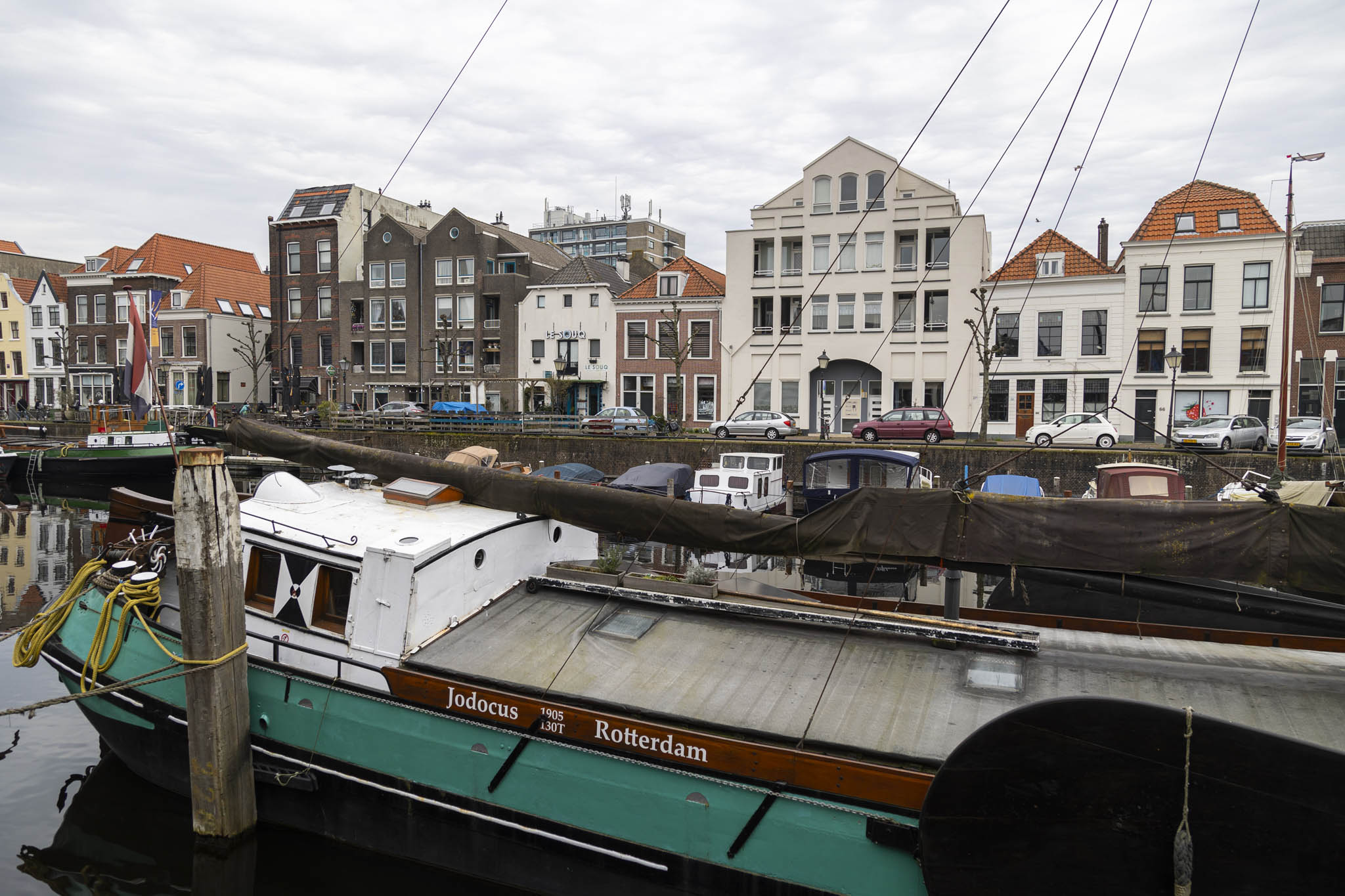
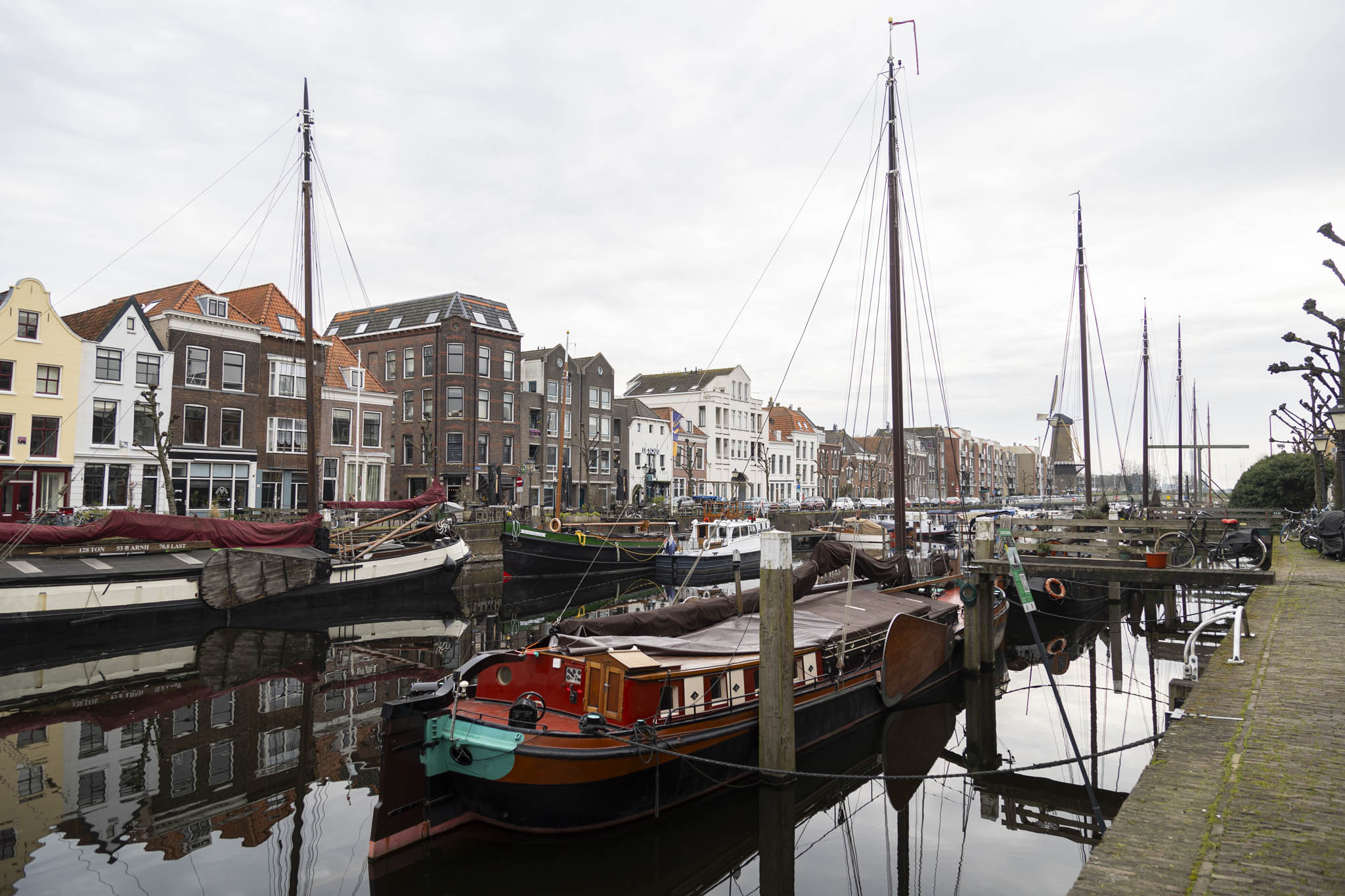
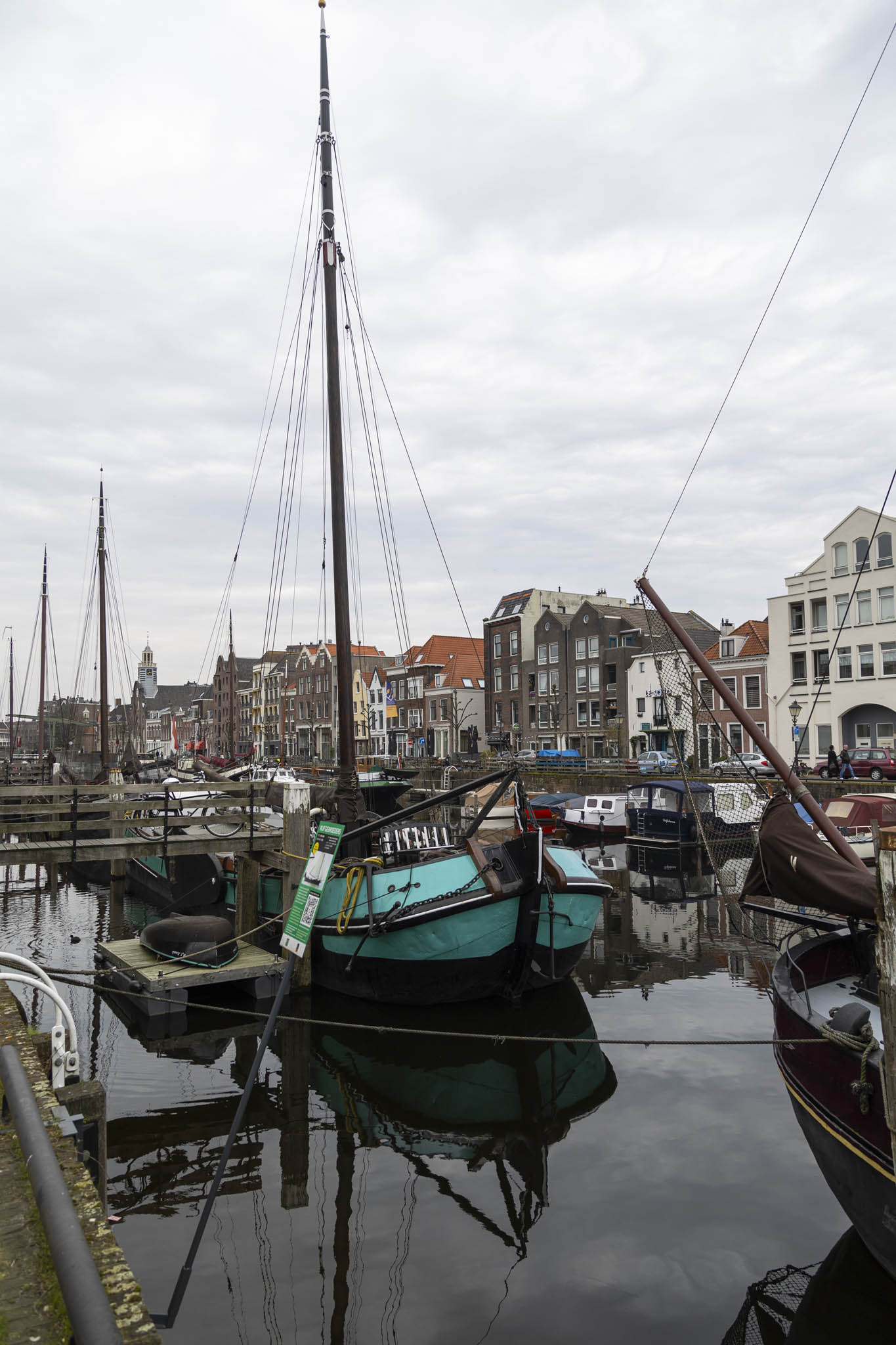
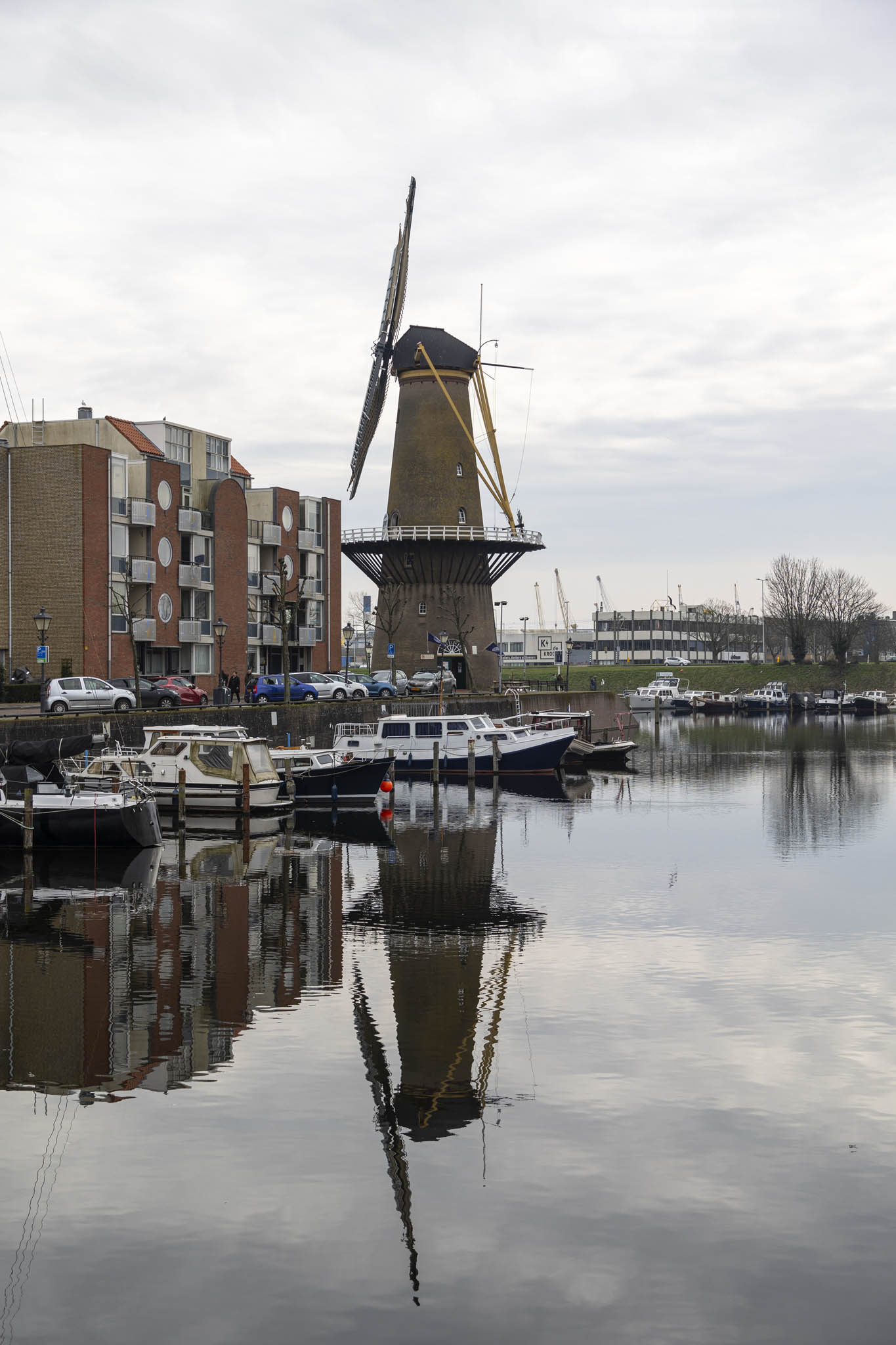
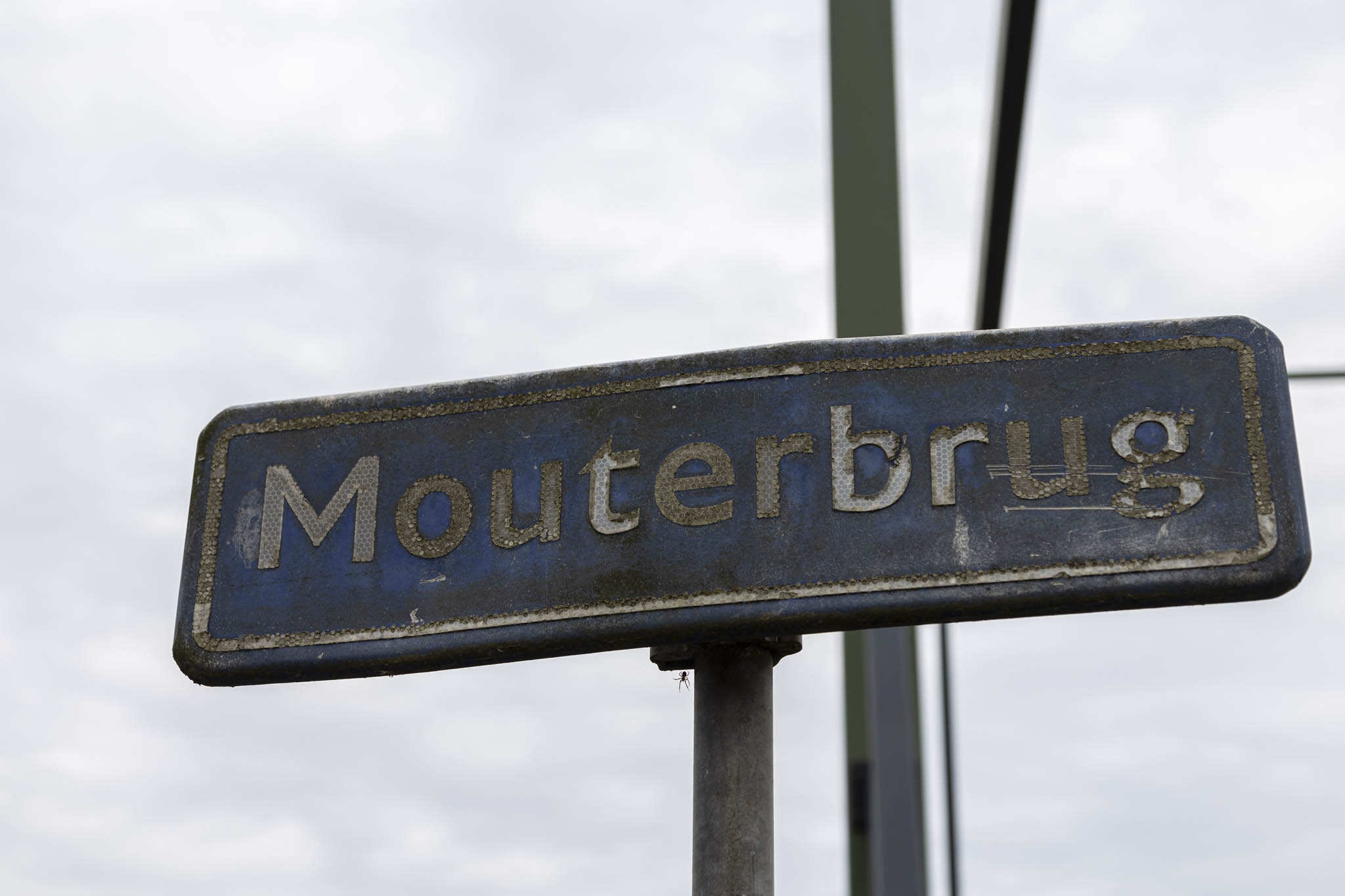
We headed down the western side of the canal banks to the second of the bridges, Mouterbrug, and here got a good view of the historic windmill a little further on. There was no indication that it was possible to visit it so we simply crossed over and headed back up the eastern side, but it is in fact possible at certain times.
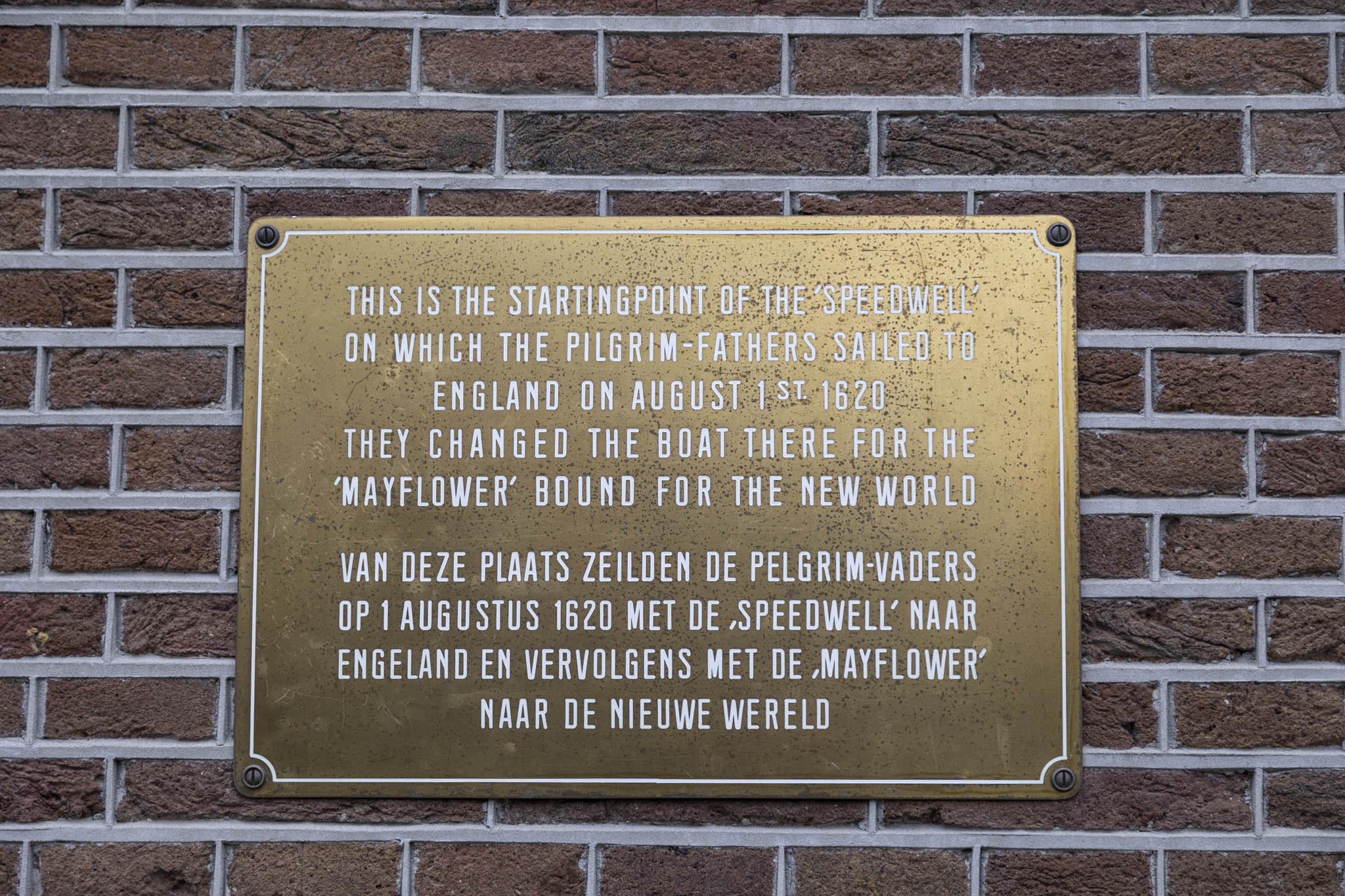
As we came to the end of our circuit of the canal here in Delfshaven we found a plaque on the wall. It was from this point that one of two ships intending to carry settlers to America, Speedwell, set sail in 1620. Speedwell wouldn’t prove to be seaworthy enough for the pilgrims to put their faith in so most of them ended up on the Mayflower instead. A small connection between this part of the world and Southampton from where we’d started this cruise on Aurora.
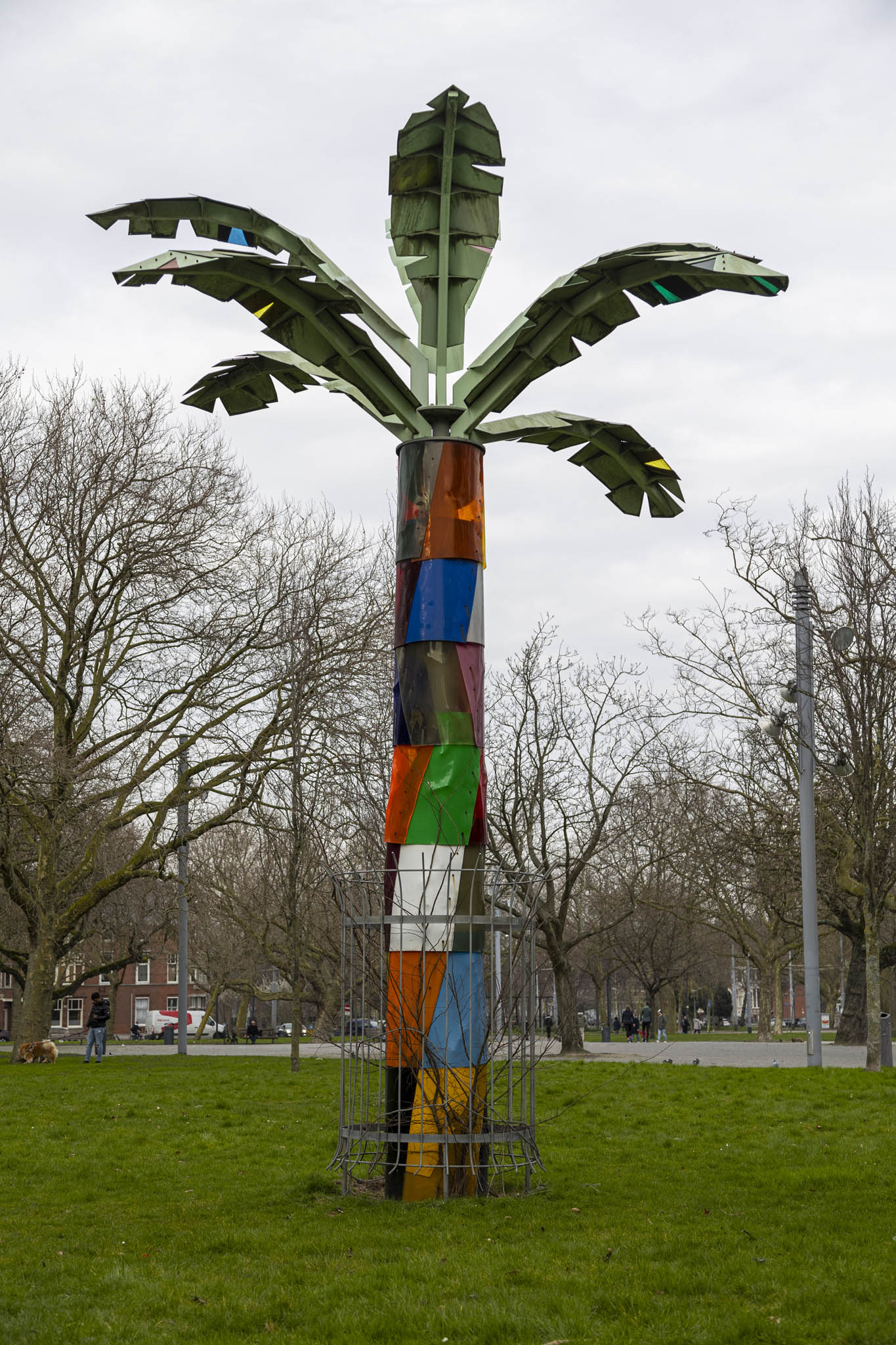
Before we hit the bus stop to continue our day’s exploration of Rotterdam we stumbled upon something quite jarring when compared to the historic houses and old boats and windmill we’d been enjoying just prior to that point. This sculpture is called The Palm (you possibly might even have guessed the name) and was designed by Klaar van der Lippe in 2002. It symbolises some of the multicultural parts that go into making up local communities while emphasising the strength and colour such a mix can bring. The overcast conditions likely didn’t do it justice but one of the things we like a lot about Rotterdam in general is all the public art pieces you find.
In the next post in this series we’ll head across to the main square in Rotterdam to get some food and drink into us before we head back to the ship for the night.