Back in 2021 my wife and I had been on a cruise ship and we’d docked at Belfast, a place neither of us had visited before. We didn’t really visit it then either, opting to head off and take a trip to the Giant’s Causeway instead, but for our 2024 return visit to Northern Ireland’s capital, and again on Regal Princess, we decided we’d like to see what we could find of interest in the city on our own. Given our rather lacklustre experiences in the two Irish ports prior to this stop on our British Isles cruise we approached the overcast day that greeted us with not much in the way of great expectations but we would end up finding Belfast to be full of character with plenty seen and plenty more to come back for on a future trip.
Not the port area, though, because that was the very definition of uninteresting.

The distance of the cruise port area to Belfast city centre was enough to require a shuttle bus and it wasn’t too long before we’d hopped off opposite the city hall, had a quick nose at the tourist information centre, then set off on a walk to where we wanted to hit first. Lovely little architectural touches and some gorgeous bits of derelict or unloved buildings pleased my eye. A monument of Henry Cooke seemed important and after reading up about him he seemed to symbolise Belfast’s history pretty well, being a divisive figure with a set of beliefs at odds with those of other people’s sets of beliefs, memorialised in bronze afterwards by his supporters likely mostly to just piss off the opposite side.


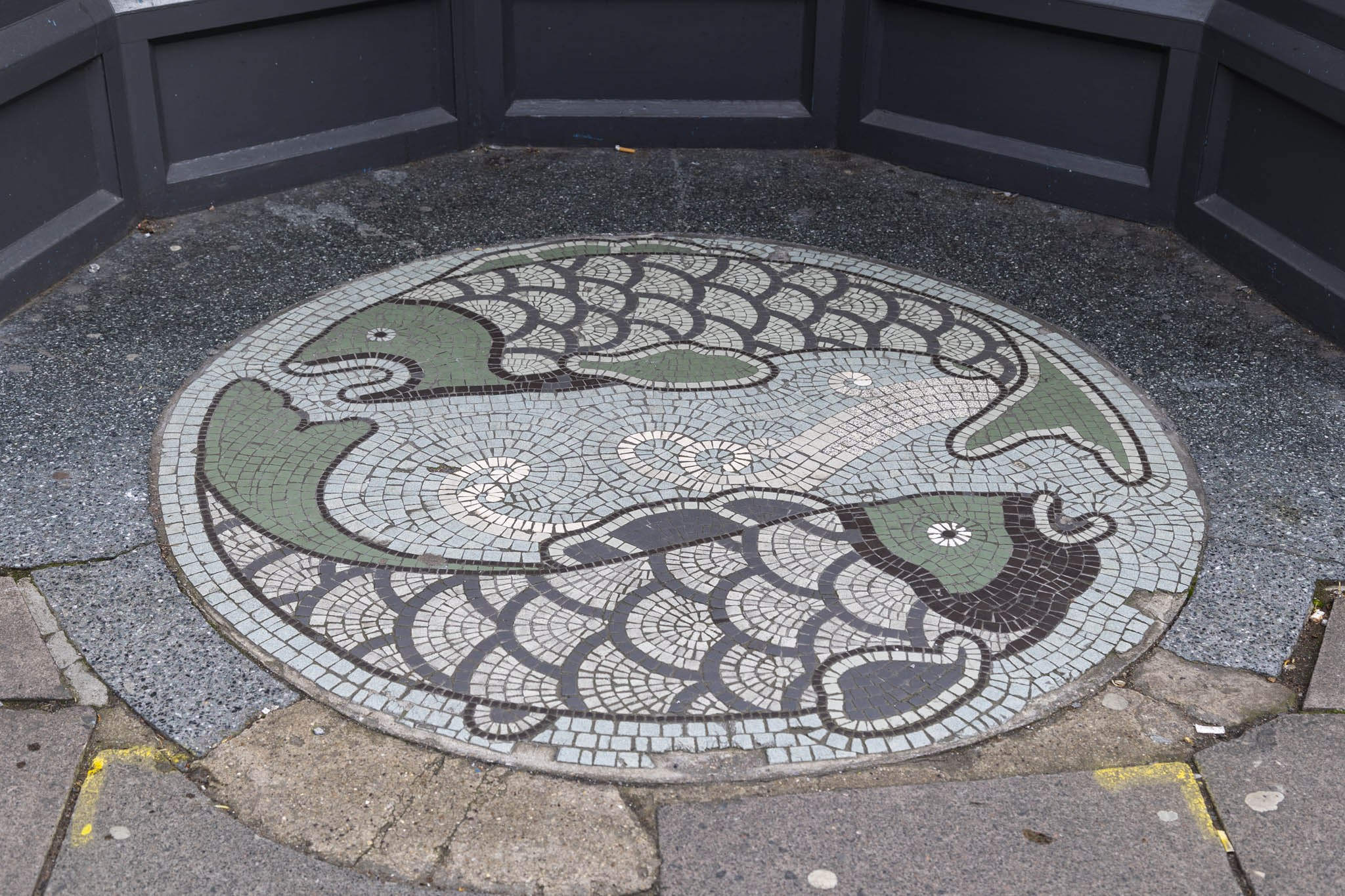


We encountered a few bits of street art on our walk to our first destination of the day, and we would encounter a whole lot more before the end of the day.
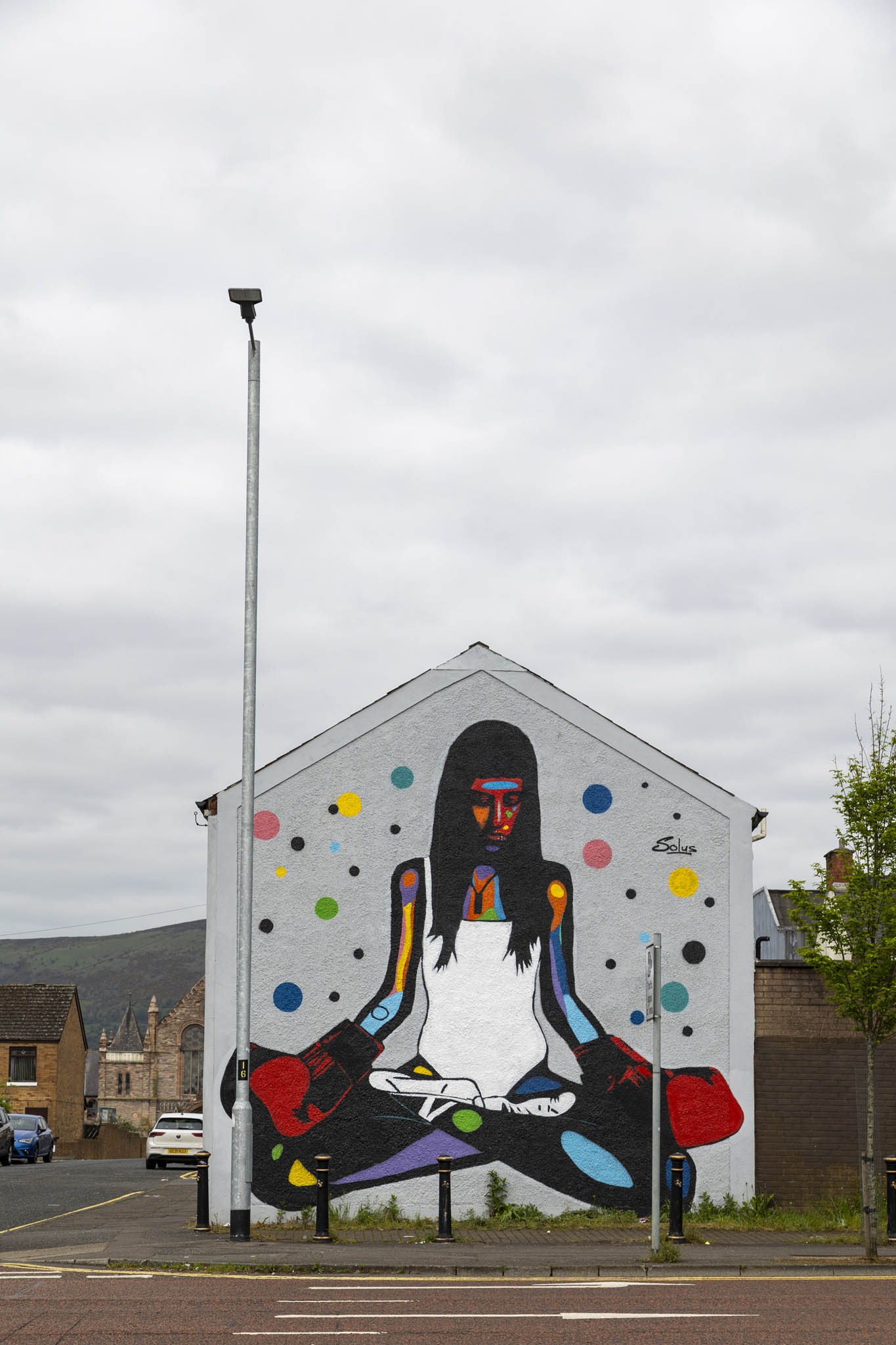
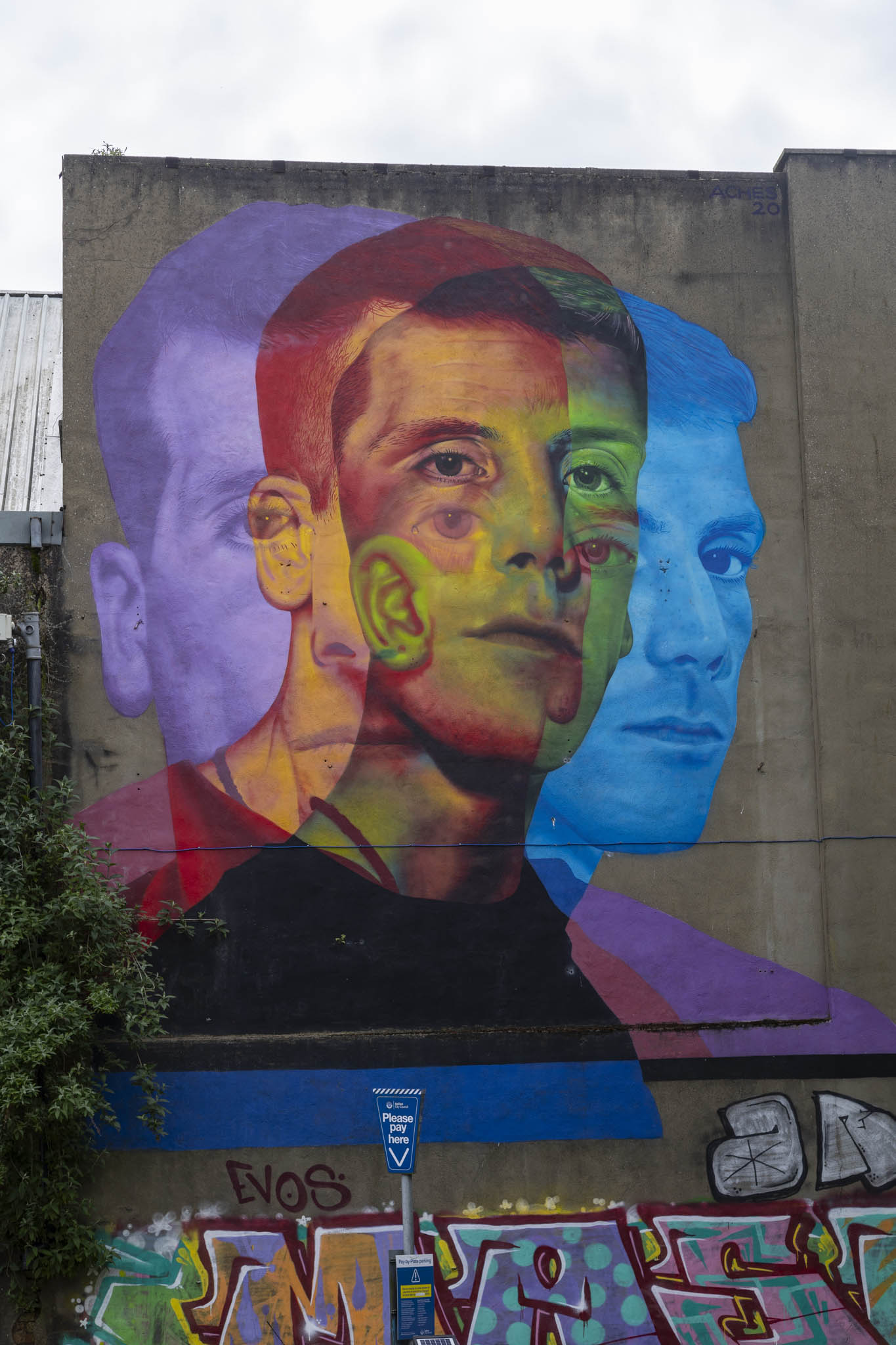
It didn’t take us too long to reach where we’d been aiming for, and since the likelihood of you hitting this write-up without having searched for the name of the place or at least seen the title of the post before you randomly clicked on it is as close to zero as makes no difference then it won’t surprise you to read right now that this was the Crumlin Road Gaol.
Just before we entered the gaol, though, we were quite taken with the building opposite. Neoclassical, lovely portico with Corinthian style columns? Yes please! This was the mid-nineteenth century Crumlin Road Courthouse, a convenient location close to the gaol at which to try the accused. Its fate in more recent years has been blighted by redevelopment plans needing to align with its Grade 2-protected status and mysterious fires. You’d be amazed how often there are mysterious fires when redevelopment is involved. Amazed.
The courthouse and gaol were connected by a tunnel to facilitate transferring prisoners and after we’d paid to enter – after also helping some French visitors understand the payment process and where to go following some confusion dealing with the person at the counter (thanks GCSE French!) – the first part we looked at was that tunnel.

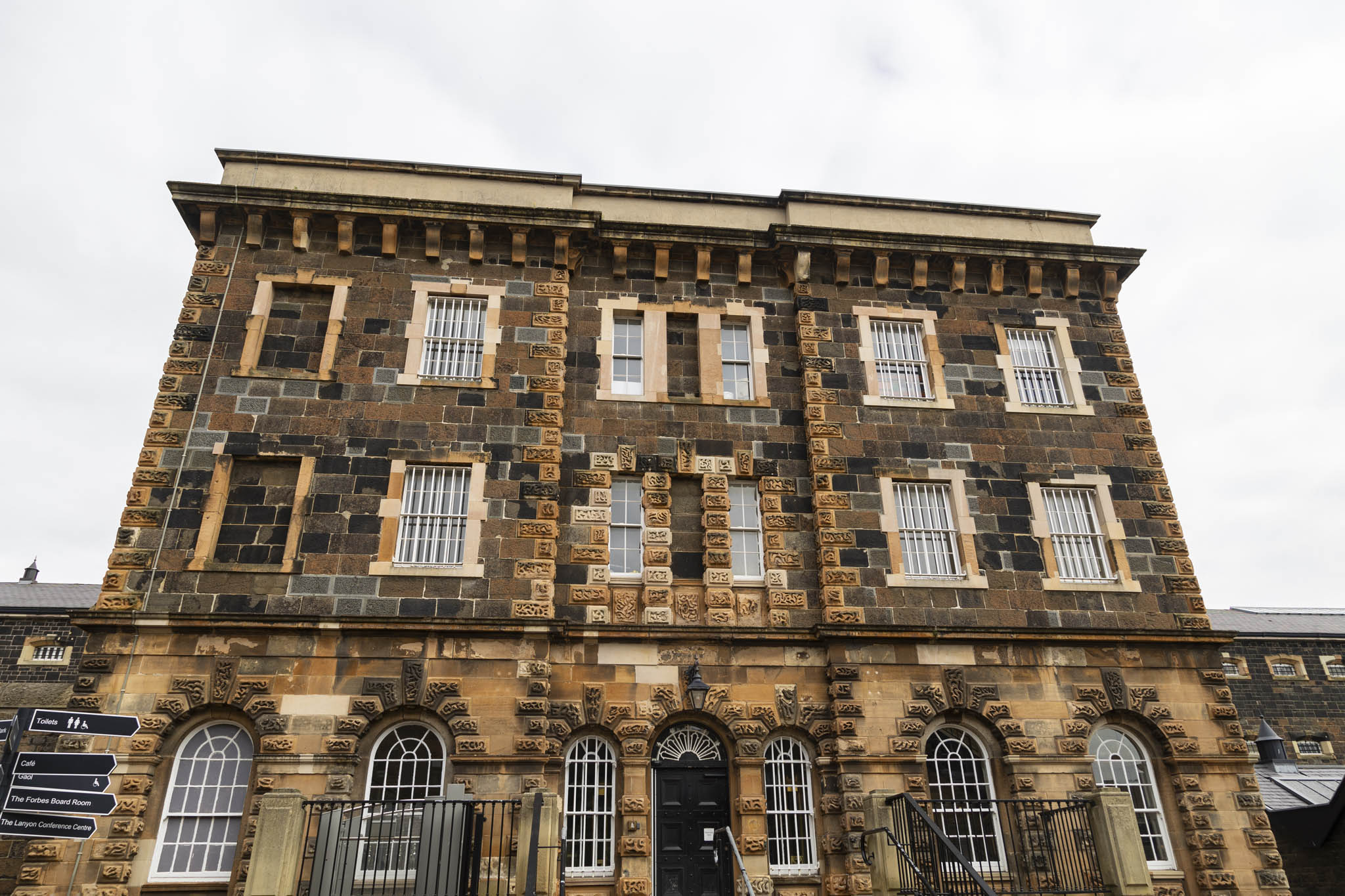

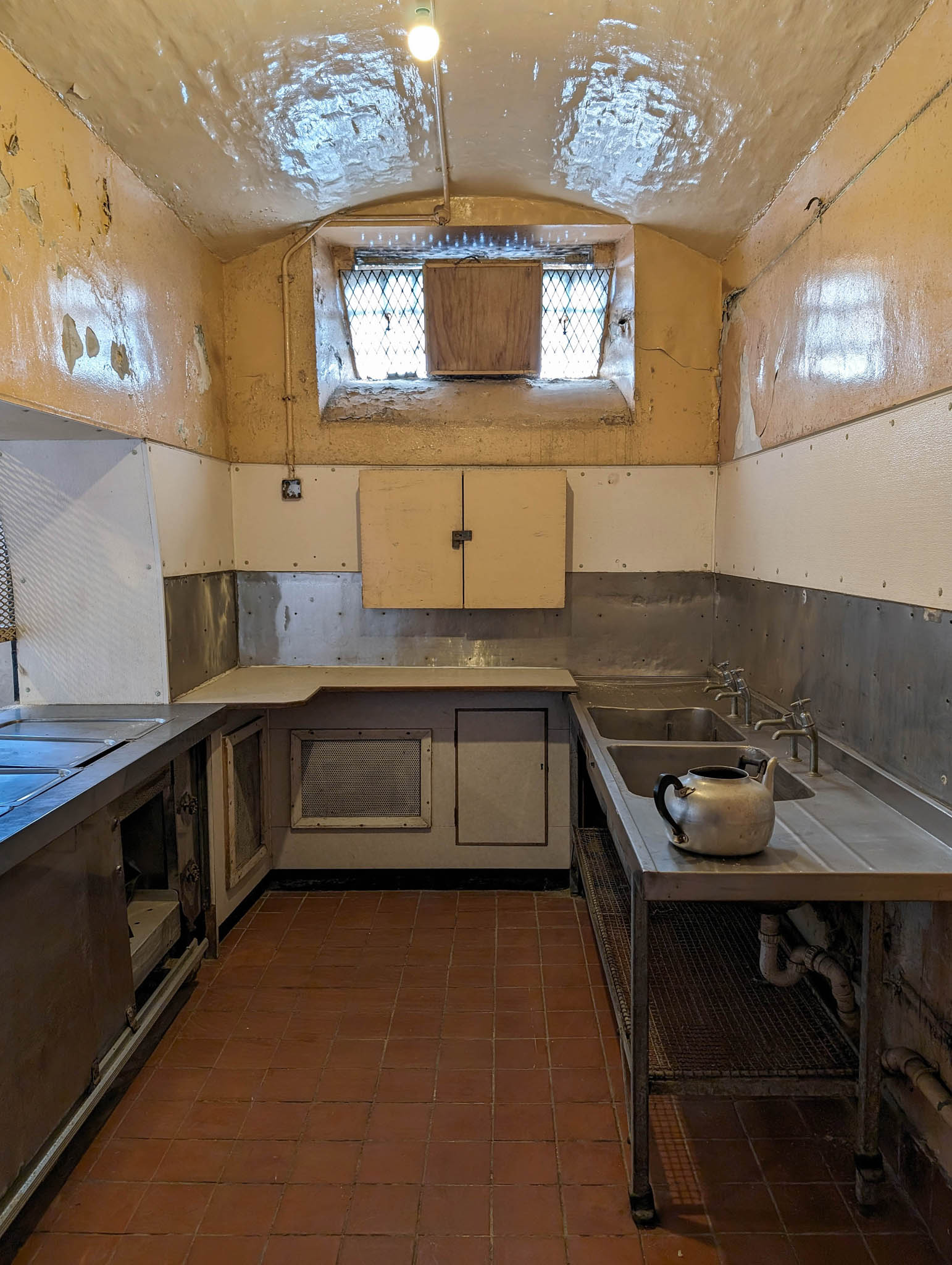
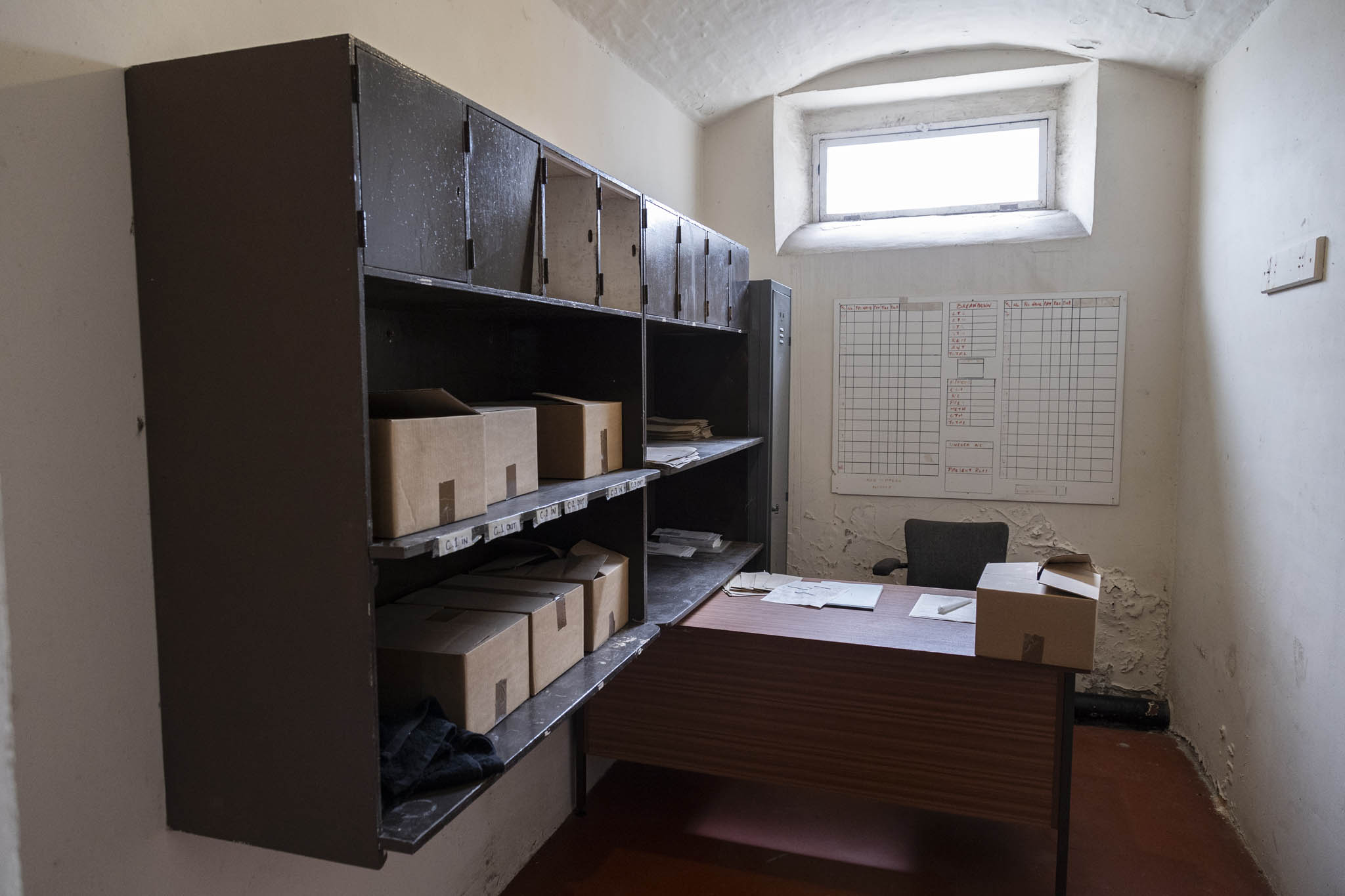
We then absolutely enjoyed a couple of hours within the walls of the prison. I won’t go into the history of Crumlin Road Gaol because there are better sources for that and if you’re interested in visiting then you’ll likely have some idea anyway. You will learn so much more inside. This was one of those places that has a lot of videos you can watch and these can be hit and miss sometimes, but at Crumlin Road they were utterly fascinating. Genuine accounts from prisoners from both loyalist and republican sides in the troubles including successful escapes, fictionalised accounts of older stories of inmates including young women and the poor put in there for the most minor of offences, the punishments doled out. Well worth checking as much out as you can.
One of the aspects of the visit that we appreciated the most was the one-way system in areas of the gaol with timed entries and exits. Effectively, to get into one wing, for example, you’d need to wait in an anteroom until a gate opened up, timed to allow others out at some other point. This stopped everyone walking through en masse and it stopped people heading back to parts they’d already seen, but the best part about it was the removal of just that tiny bit of freedom of movement. It was fascinating to see people tutting and getting a little frustrated that they couldn’t move on without realising that they were getting to experience the merest hint of what the prisoners had to live through.
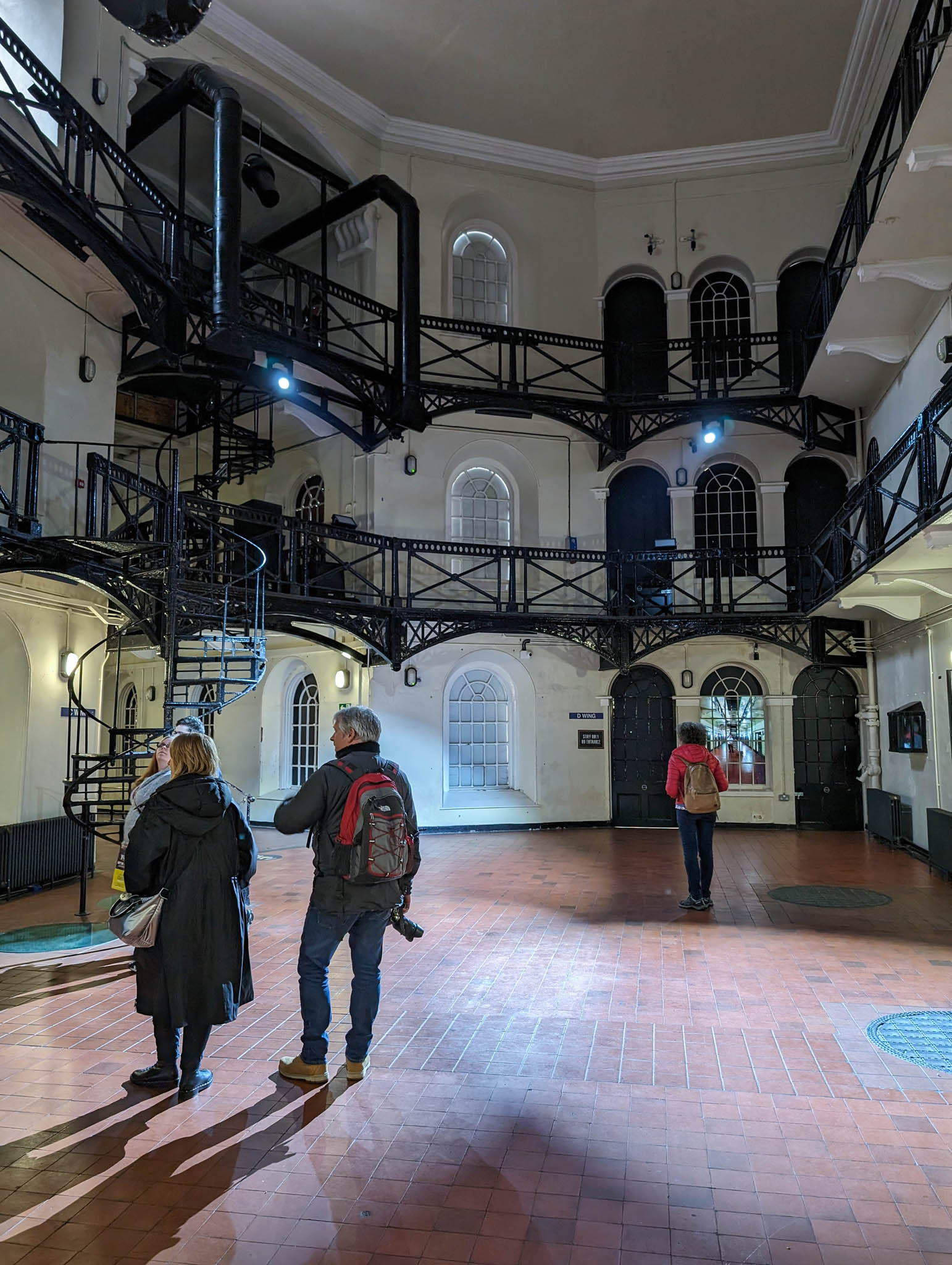
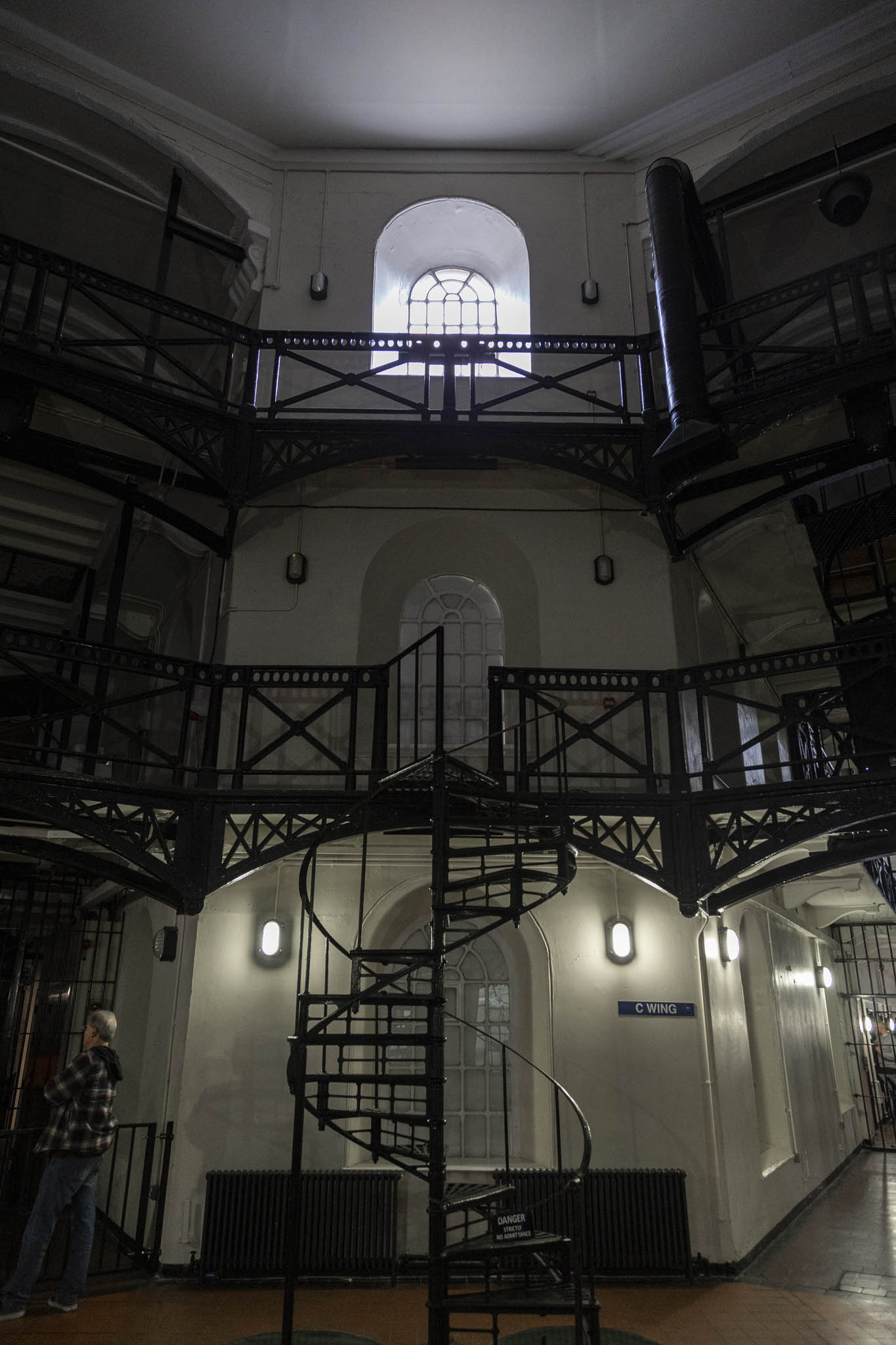
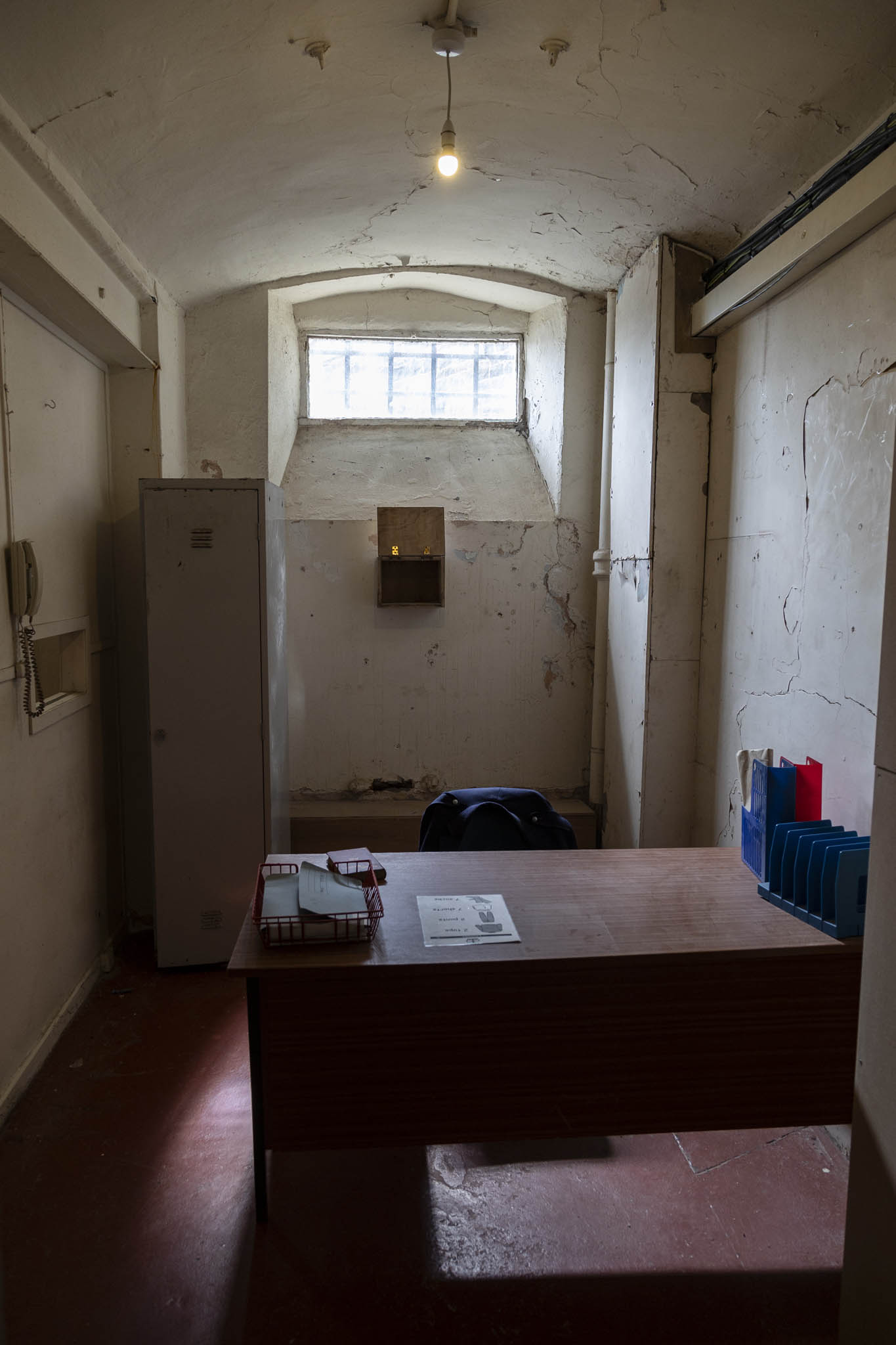
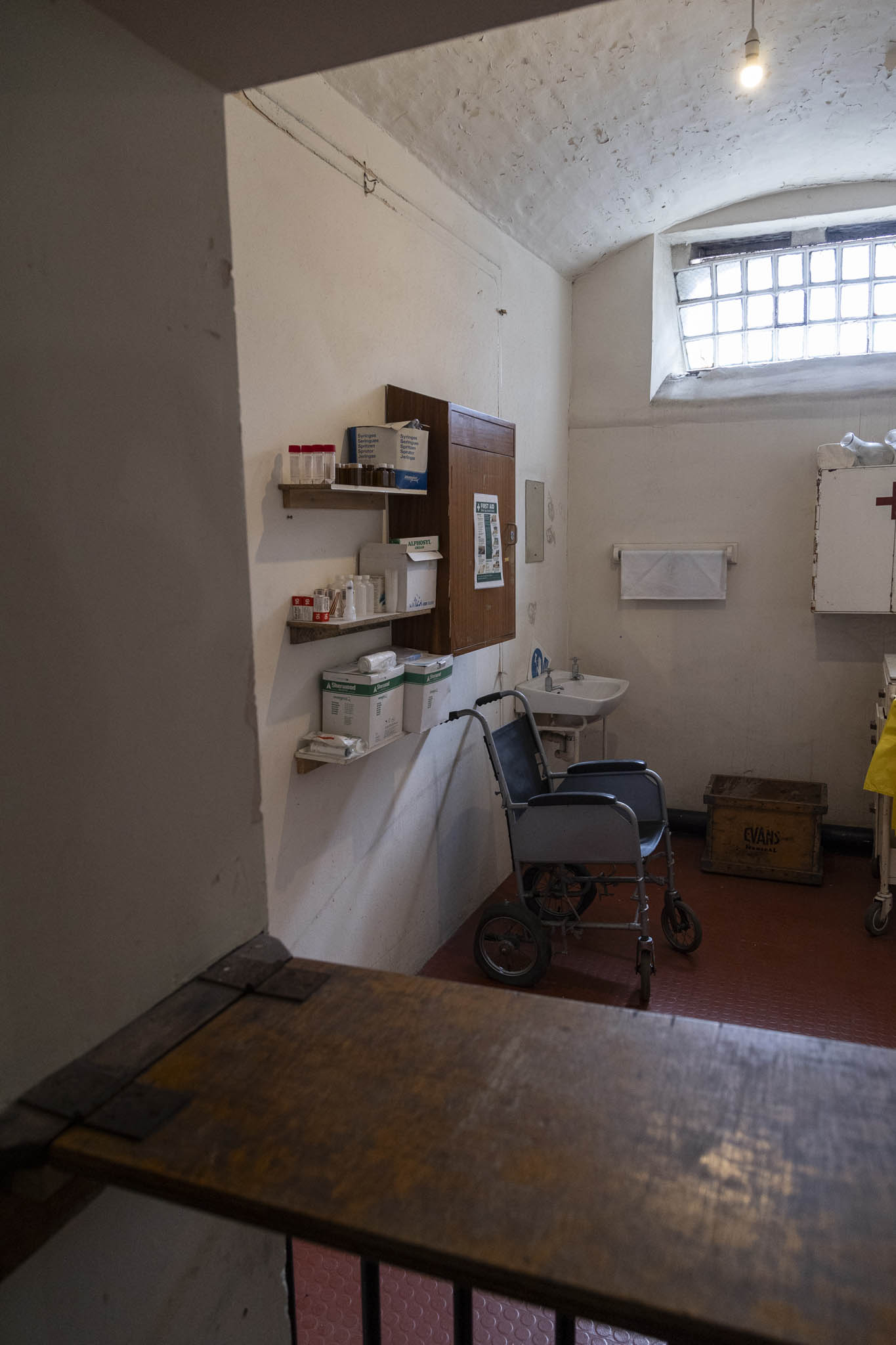



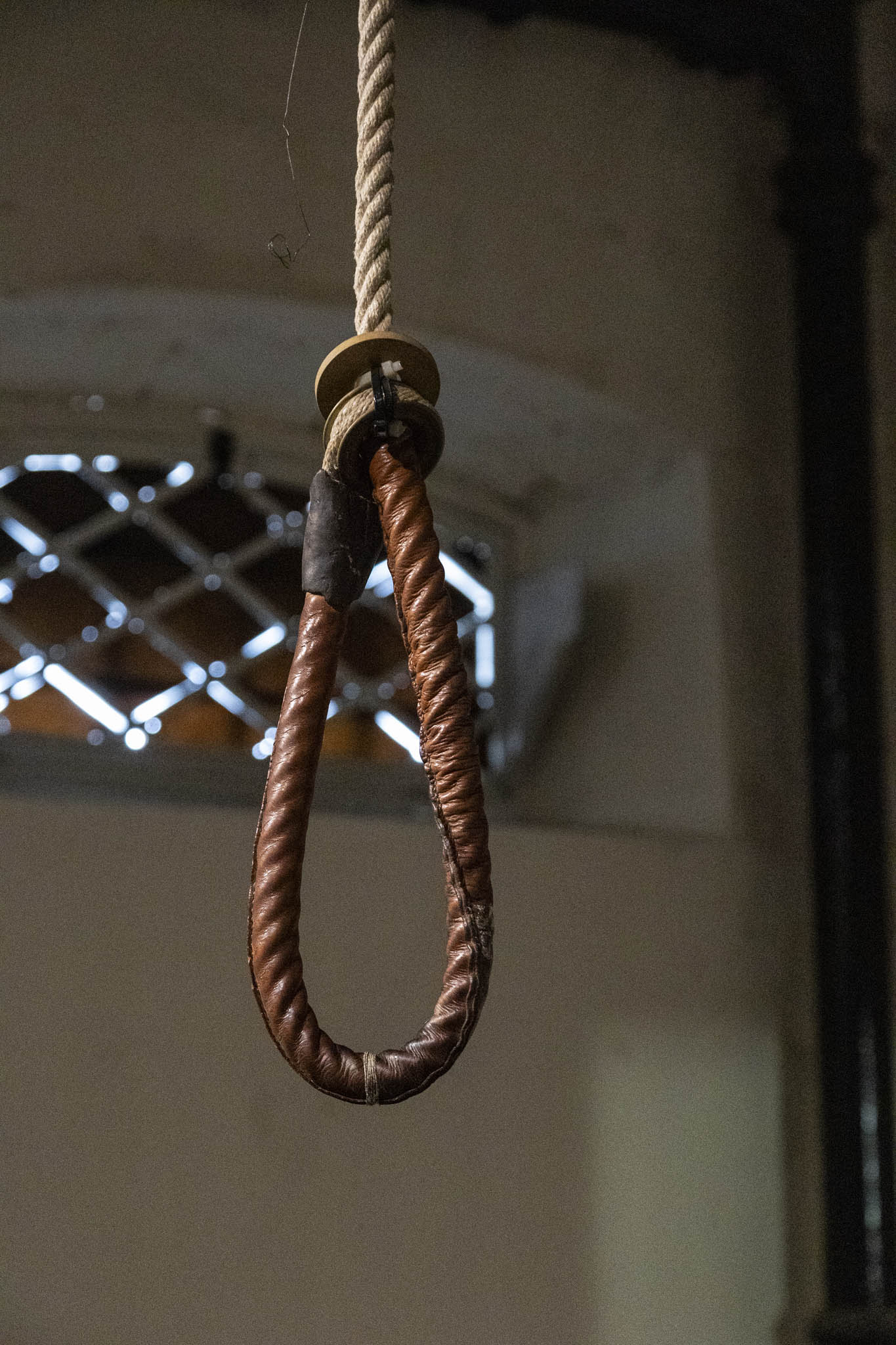
The last area we wandered through inside the gaol was the execution chamber, built in 1901. In total seventeen prisoners were hanged at Crumlin Road Gaol. This chamber housed chilling “entertainment” in the form of silhouettes of the condemned and guards with the rope hanging and sounds of the doors opening.

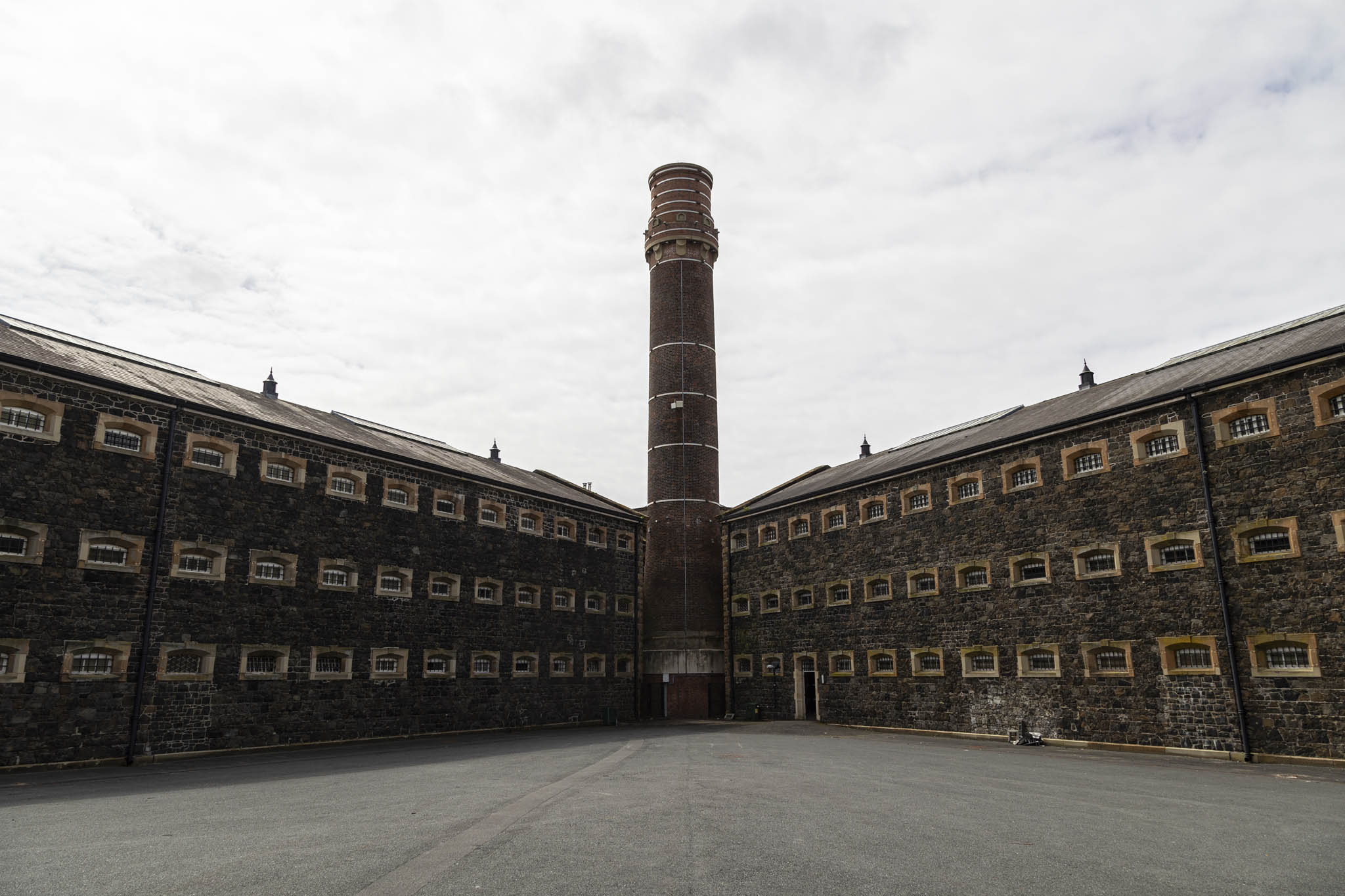
Out into the fresh air at the end of our visit we had a good chance to admire the architecture of the gaol and its distinctive star-shaped arrangement. In addition there were some classic vehicles from the times of the troubles: armoured cars, a truck, and even a Wessex Helicopter.
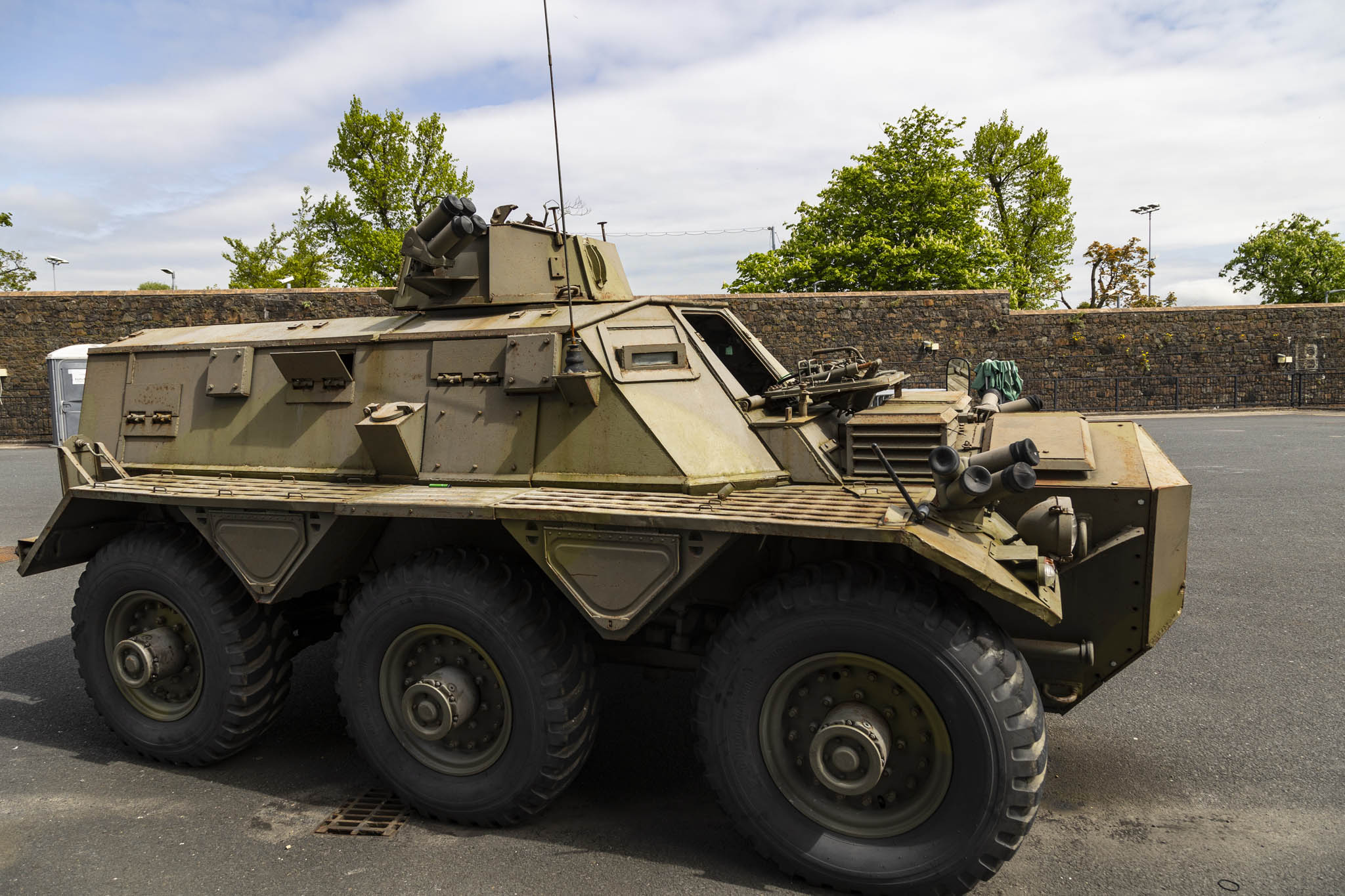
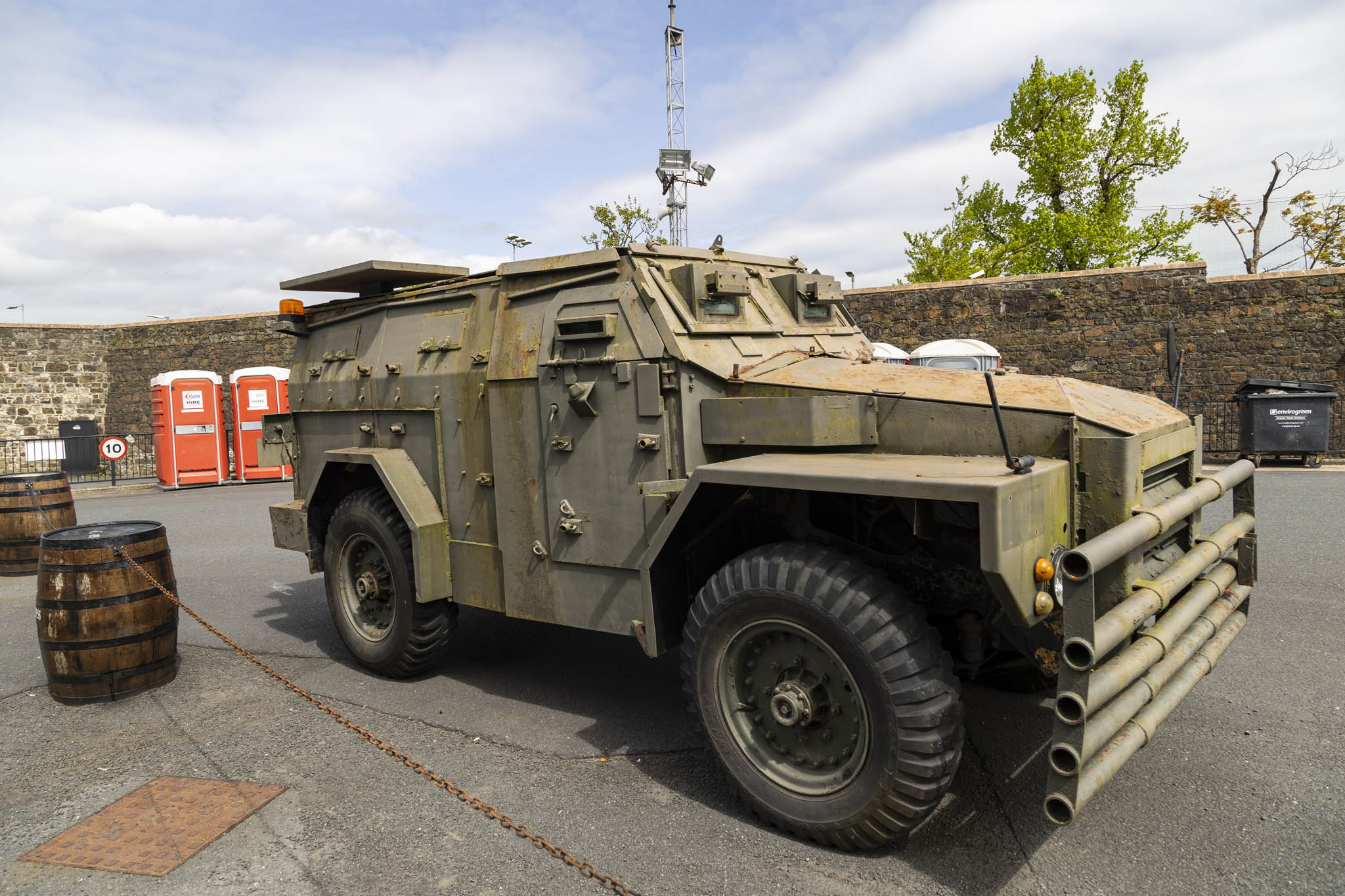


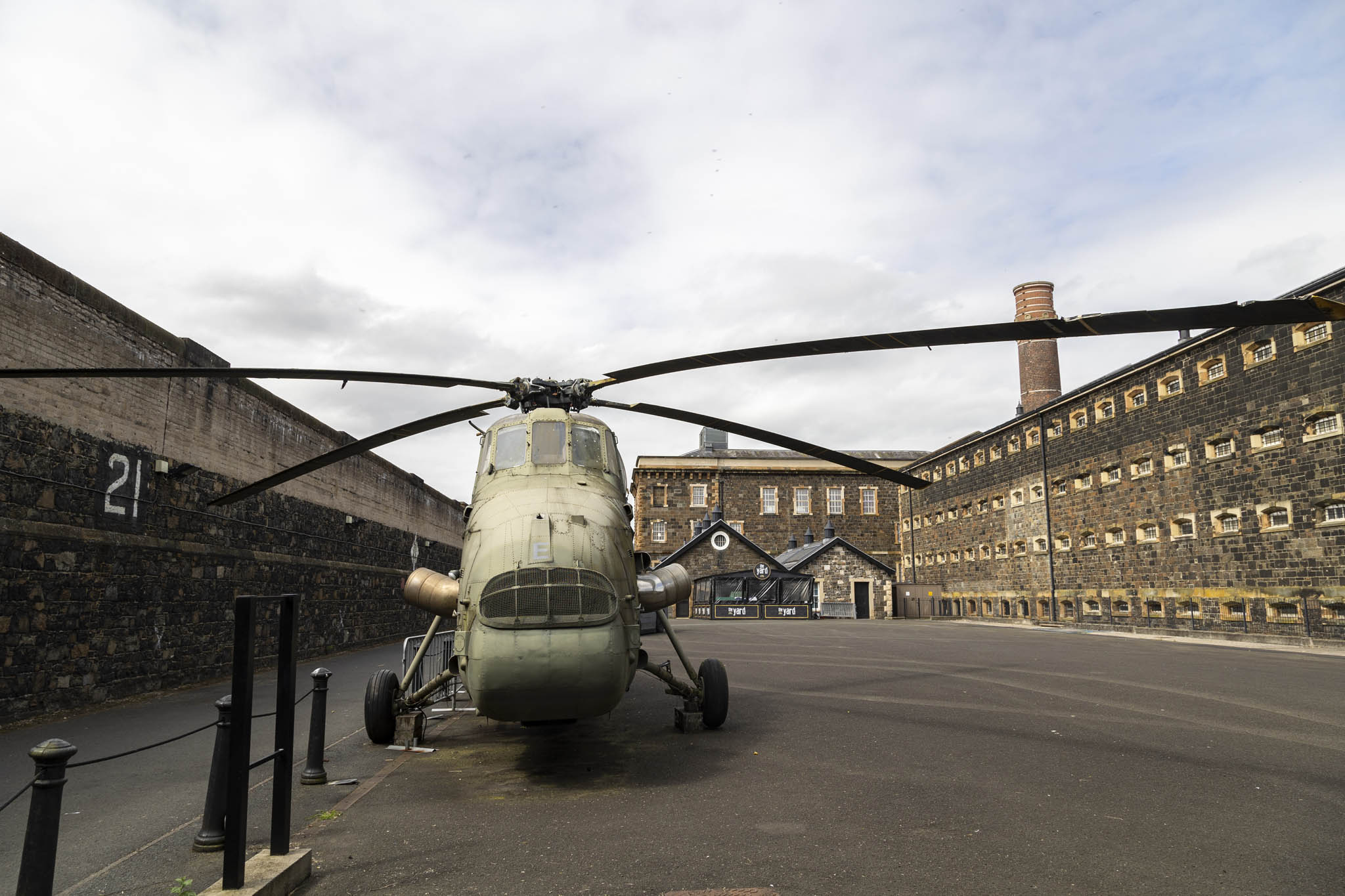
The very final part of the gaol experience was a quick look inside the Matron’s House. The matron was tasked with looking after the incarcerated women and children.
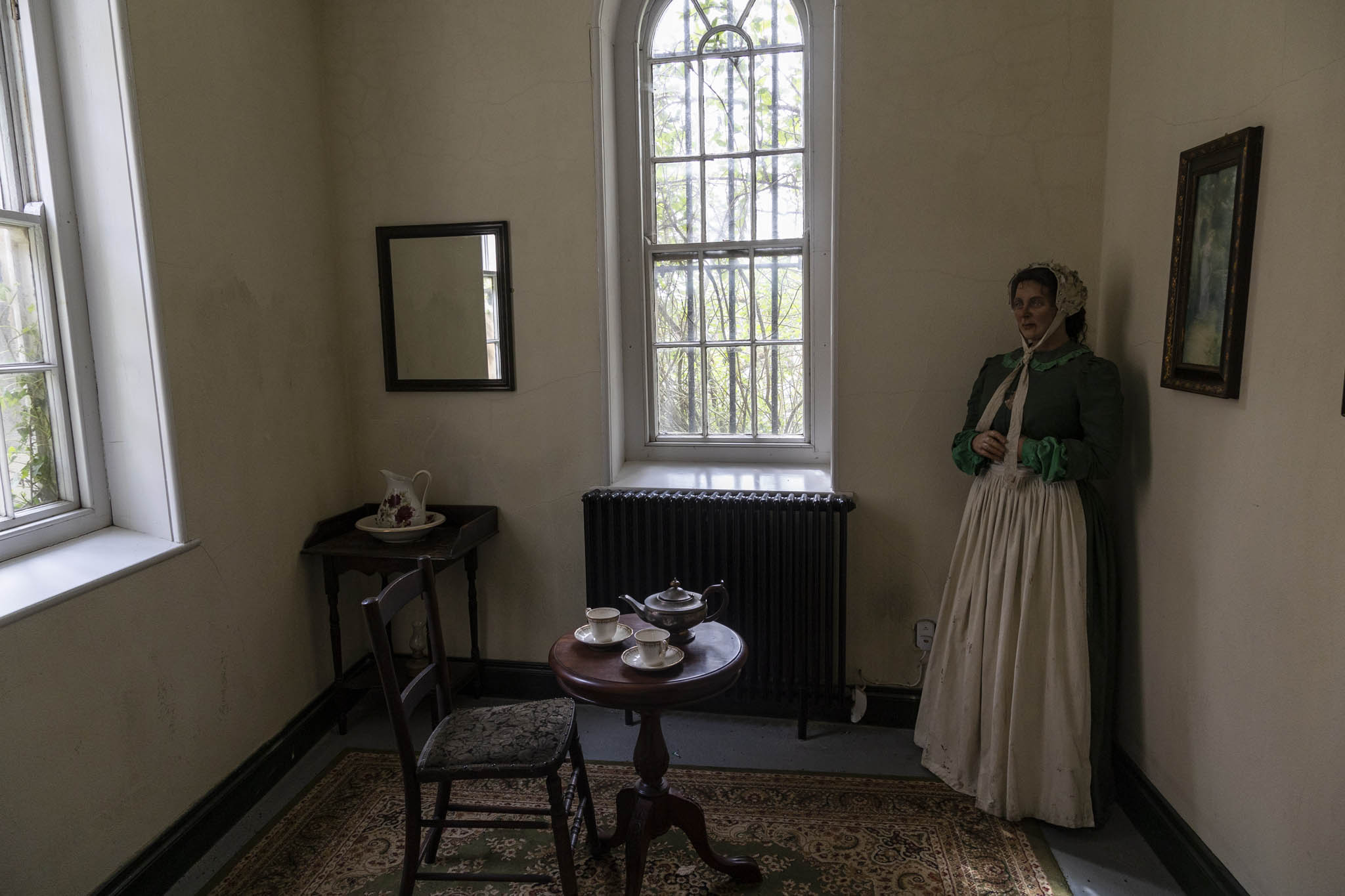

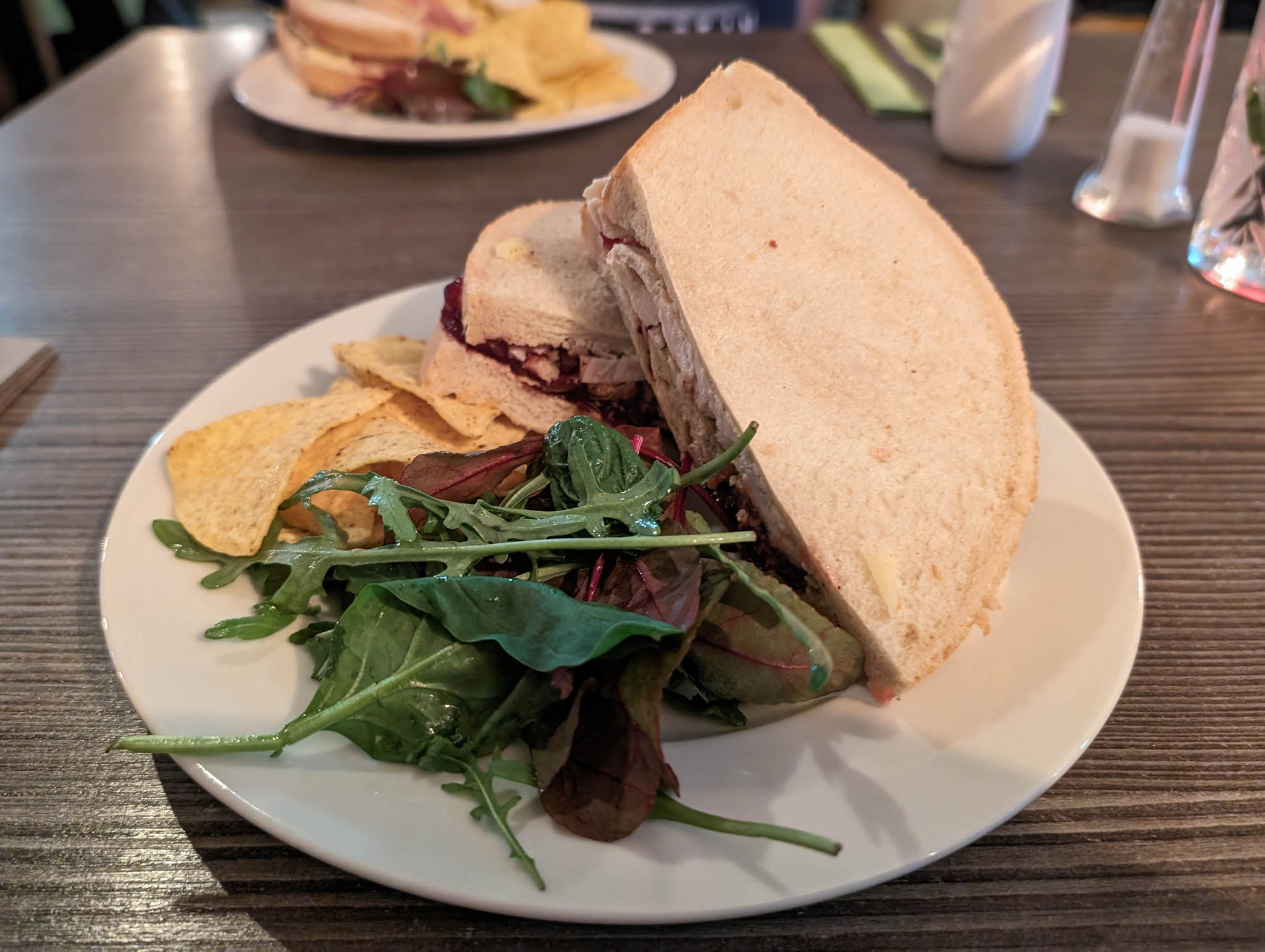
We’d had such a wonderful time in the gaol and had reached past lunchtime with the realisation that we had loads more walking planned during our time in Belfast so we did something unexpectedly sensible for us and grabbed a spot of lunch in the gaol’s café. We offset that sensibleness by ordering cocktails too.
Unfortunately, in addition to being very expensive the food was basic and dry and the drinks were frighteningly sweet. Luck of the draw, perhaps, or maybe just another nod to the likely average-at-best nourishment that prisoners would have received. Maybe. What are cocktails like in prison, anyway?

In the next post in this cruise travelogue series we’ll head off for a walk to see the Protestant and Catholic areas take on street art either side of the Belfast interface area.