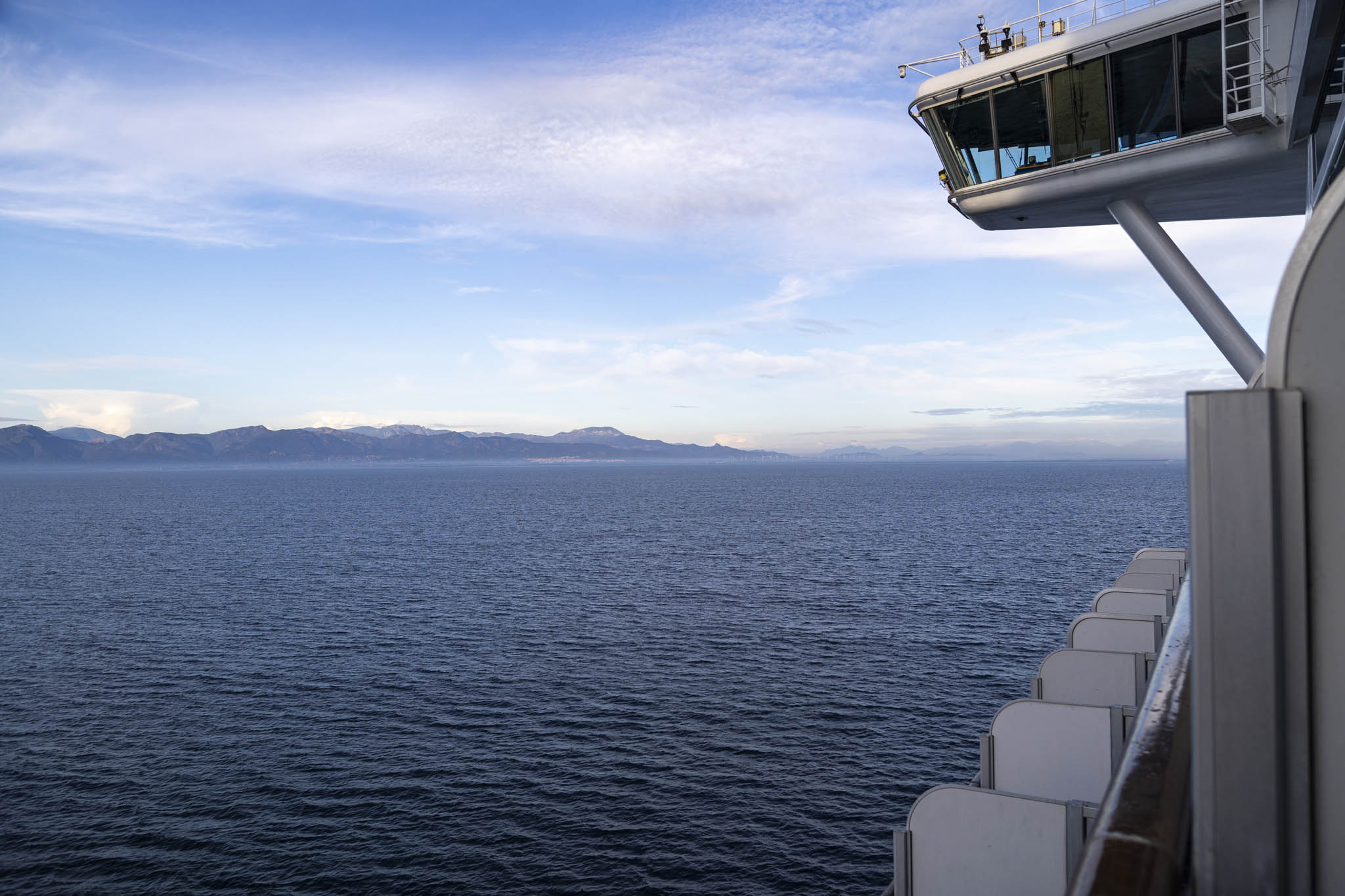
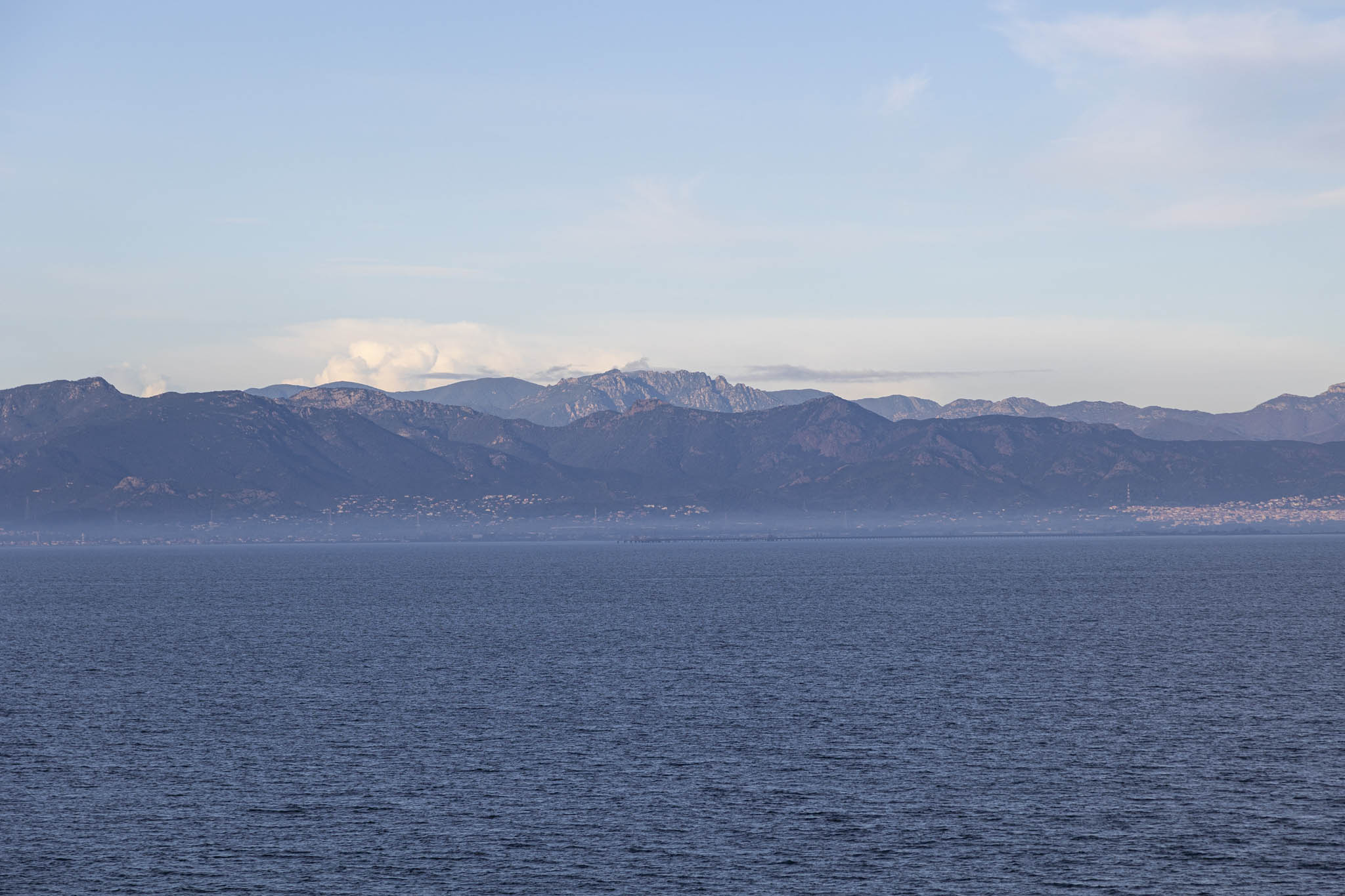
As the previous day had seen us getting up at stupid o’clock in the morning to catch a flight to Italy then survive a terrifying drive to the port at Civitavecchia for our boarding day on Caribbean Princess we’d ended up going to bed a little earlier than is normal for us on a cruise and this meant we got to see something we don’t normally see the following day as we woke early enough that our ship hadn’t arrived in its first port of call yet.
Italy’s island of Sardinia was somewhere new for us and Cagliari looked like a very interesting port city to explore but we’d seen a cruise excursion we liked the look of and we will often take tours on the first visit to a new place simply because we don’t know if we’re ever going to return by ship, and if we do then this gives us a good opportunity to get a feel for where the ships are in relation to all the things we might like to see.
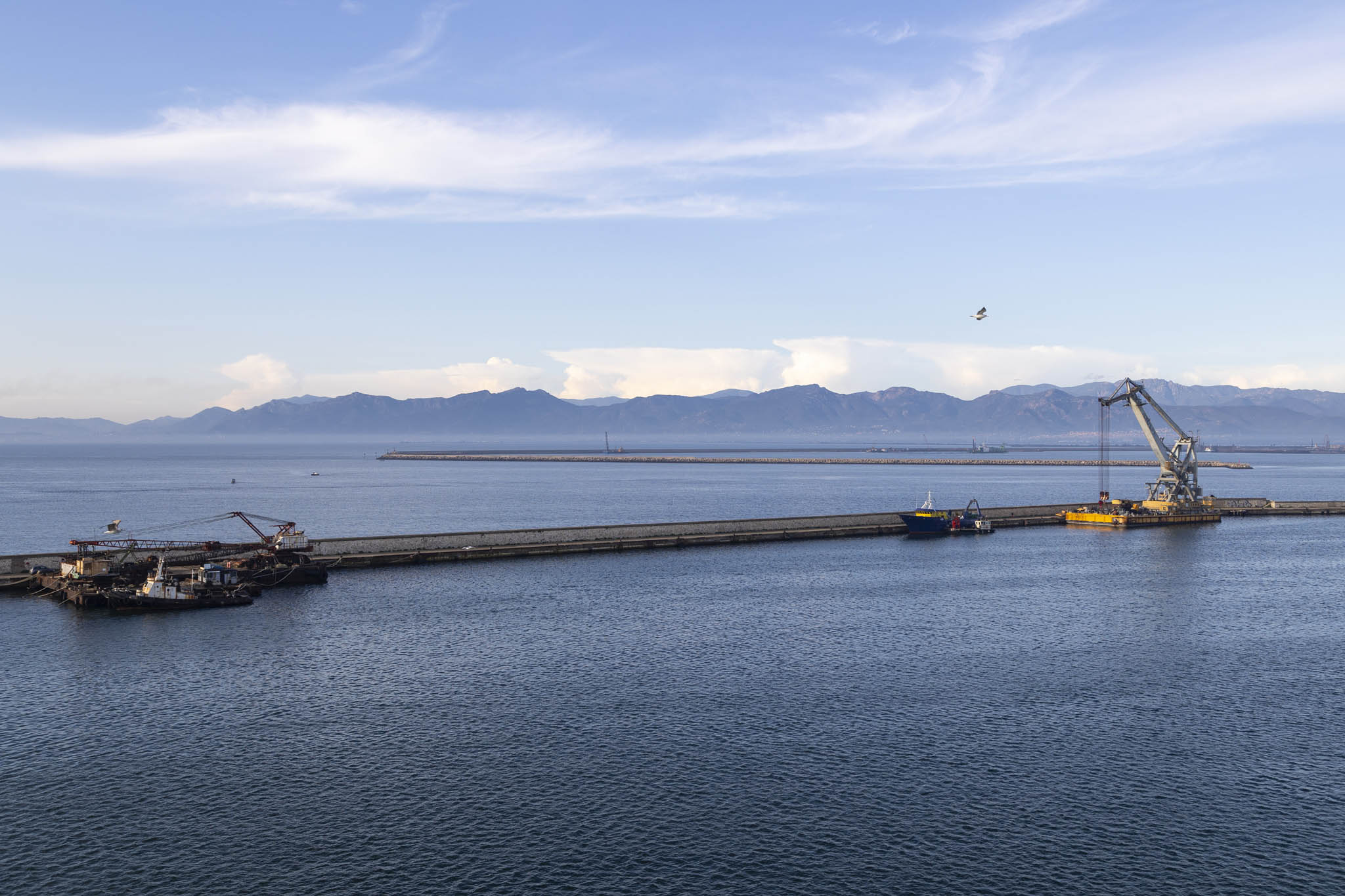
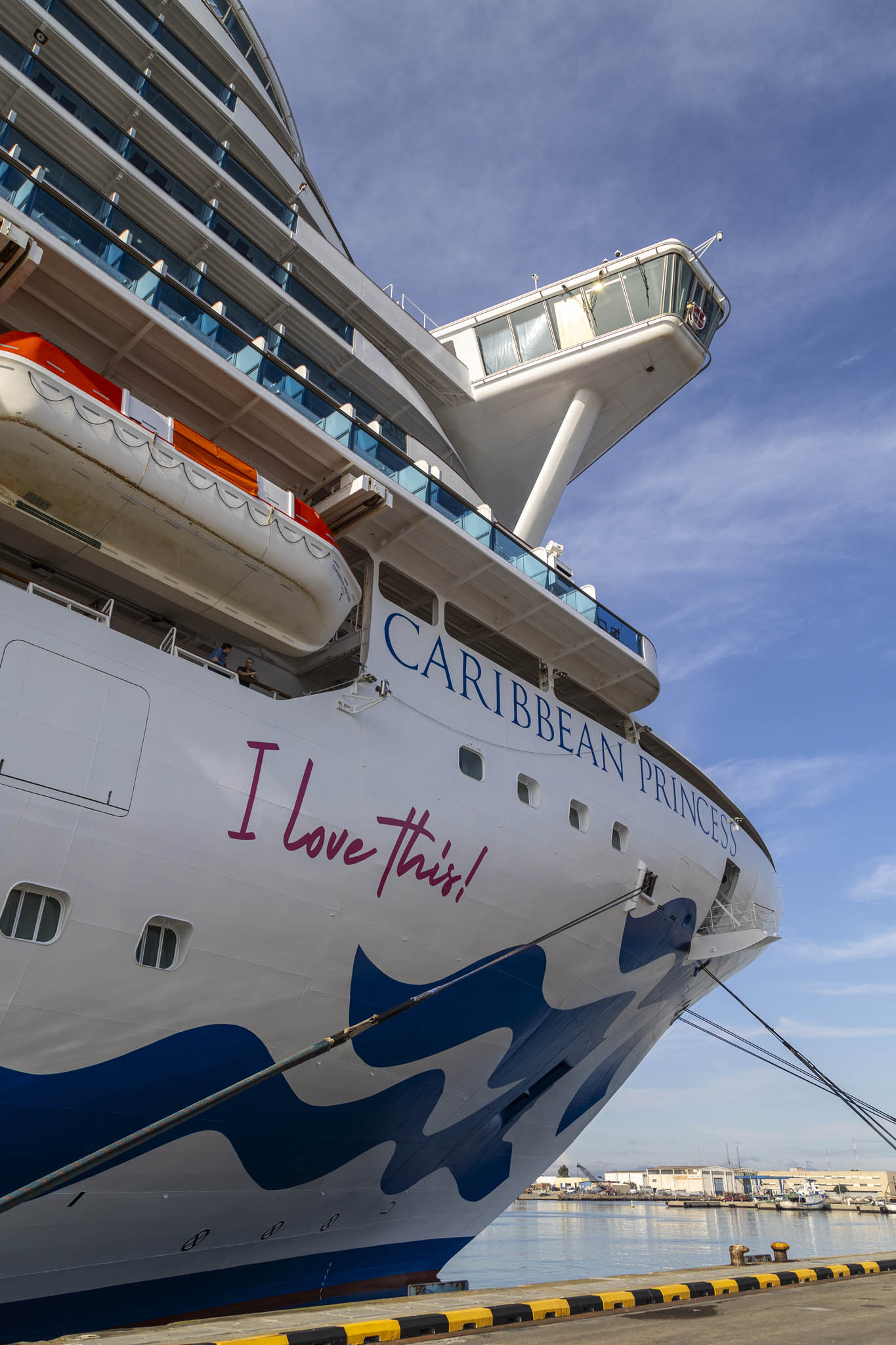
You don’t have to take a photo of your cruise ship in port but most people do.
The culture or civilisation that emerged on the island of Sardinia during the Bronze Age didn’t leave any written records of their existence but many thousands of the structures they built can be found. These structures are called nuraghe, truncated cones of boulders with one or more large inner, circular spaces and a narrow means of access. The culture that built these and the stone villages that grew up around these defensible fortress-like structures are known as the Nuragic people as a result.
Our tour took us north from Cagliari to Barumini and the UNESCO World Heritage Site of Su Nuraxi. The central nuraghe was built first, sometime in the middle of the second millenium B.C.E., while the village around it sprung up later in the Bronze Age and included features such as a sewerage system. The individual buildings were stone, generally circular, and topped with conical roofs of wood originally.
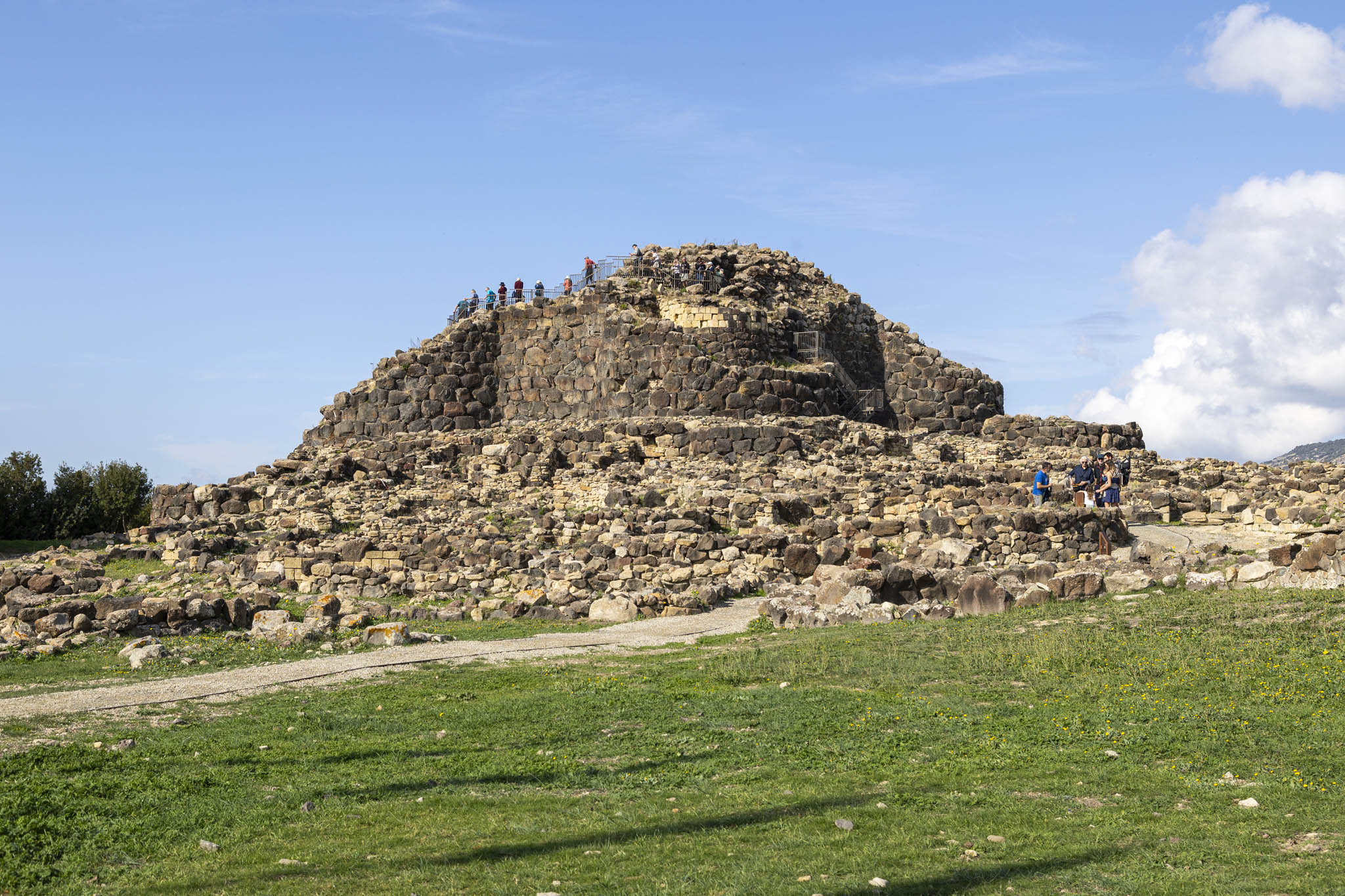
We had a bit of time to kill upon our arrival at Su Nuraxi as there were other tourists visiting it and guides on the site were restricting the number of people on and in the structure because of its size and the single way in or out. Some people listened to explanations of the various ruins of low buildings in the village around the nuraghe and some, like myself, wandered around to take photos.
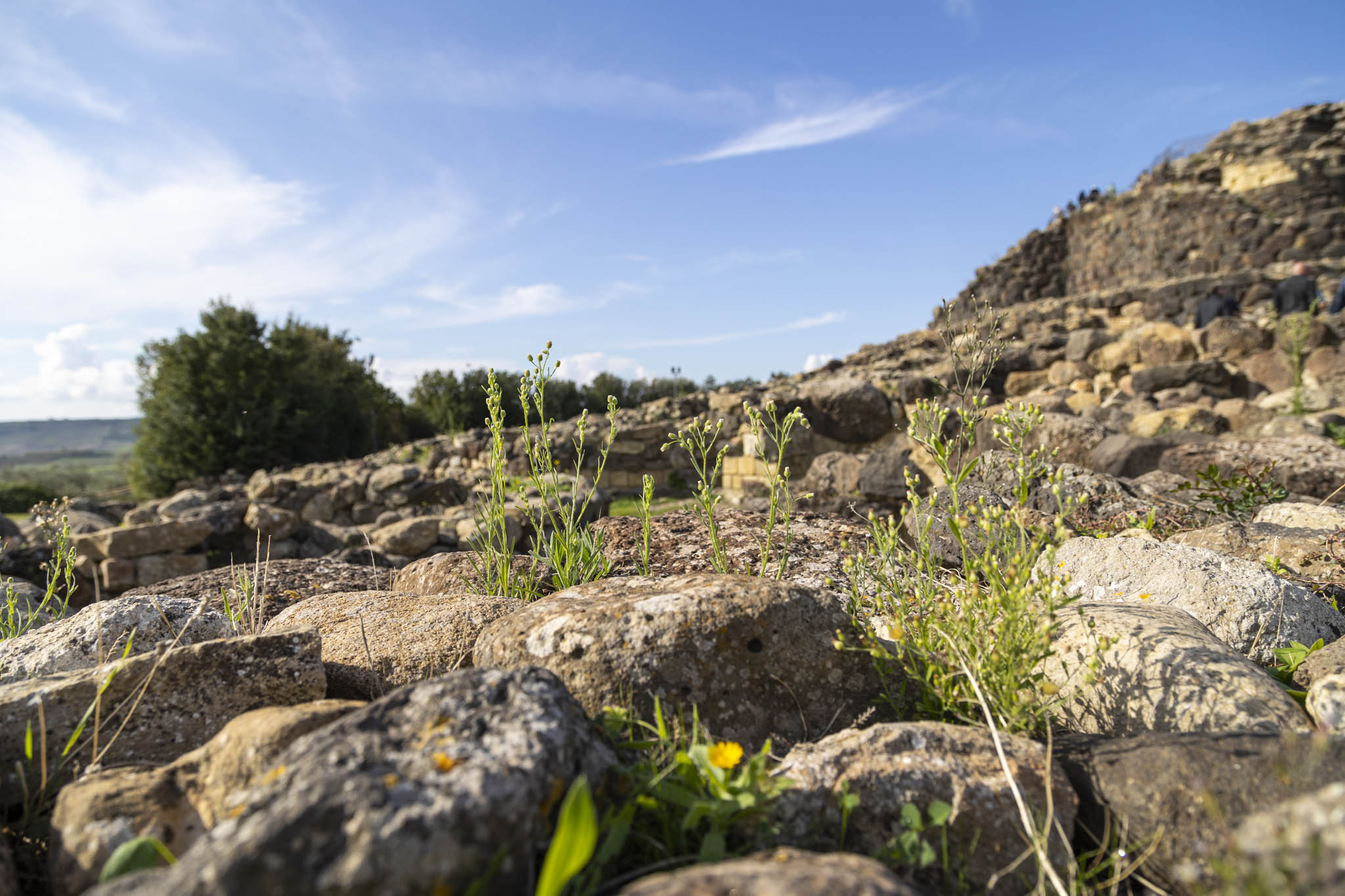
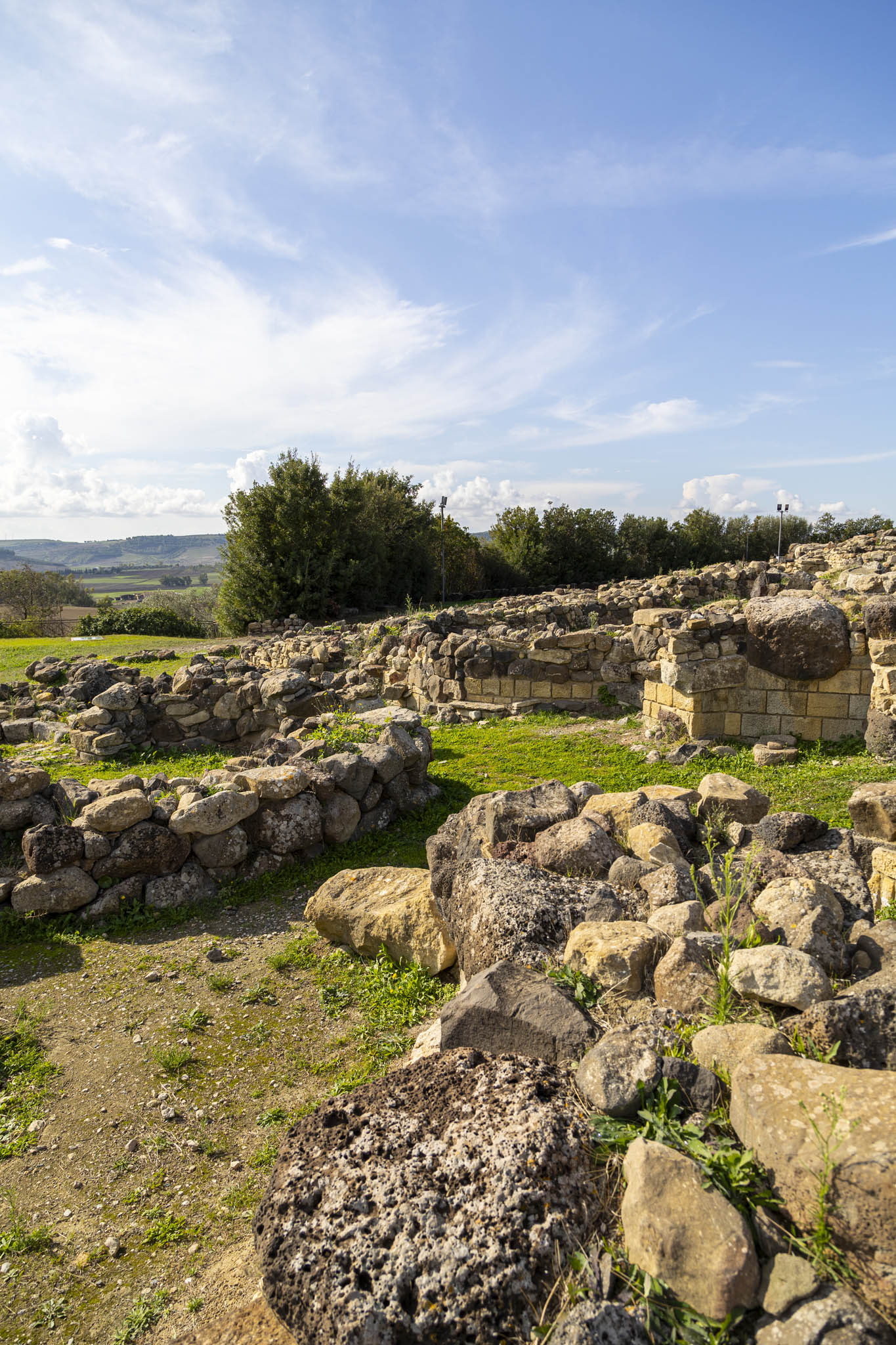
Eventually, a group ahead of us came back out and we were told we could proceed. To start with we ascended to the top of the nuraghe from the outside which afforded us some lovely views of the Sardinian landscape as well as a better overall picture of the circular forms of the walls of the ancient village that surrounded us.
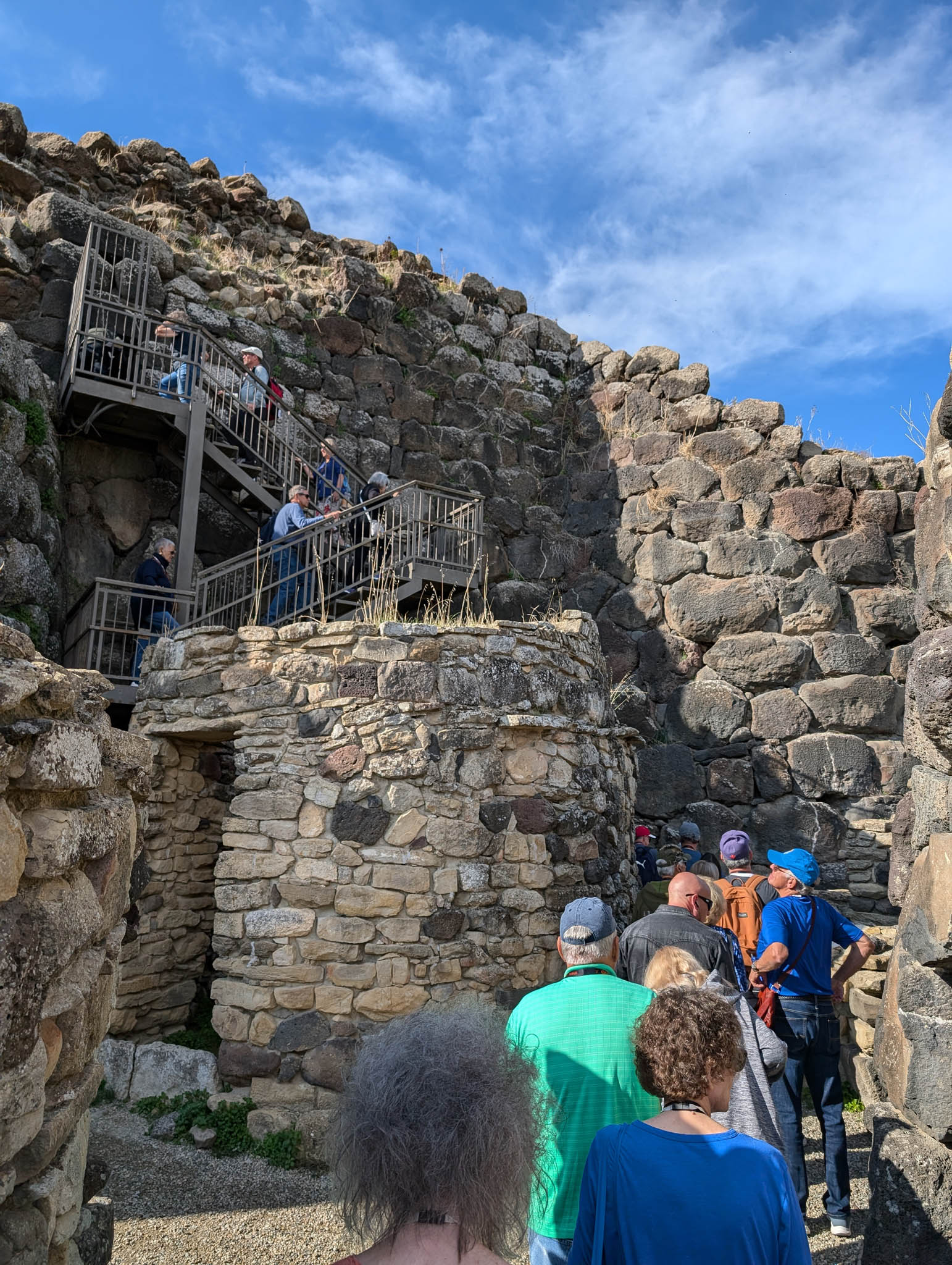
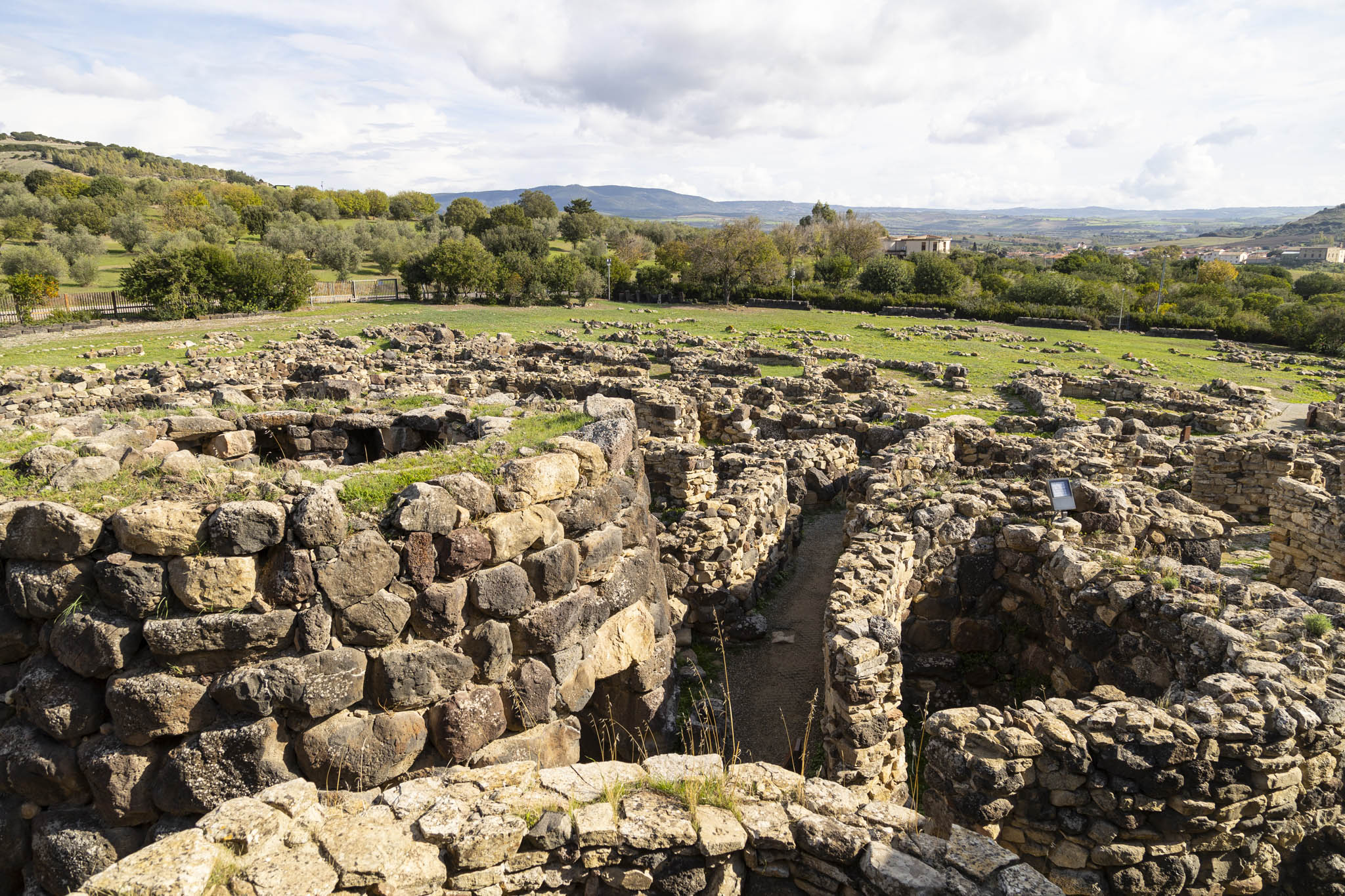
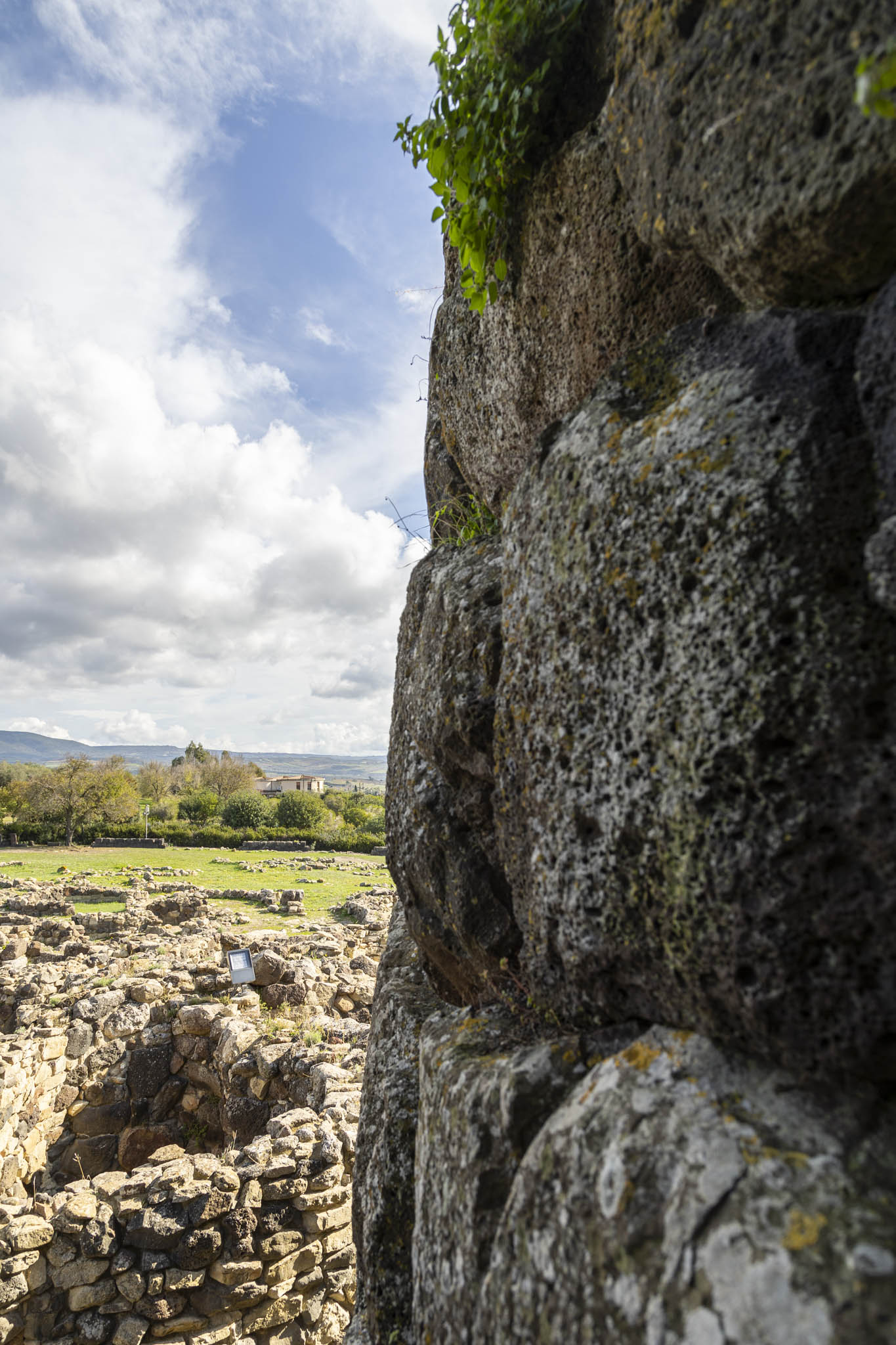
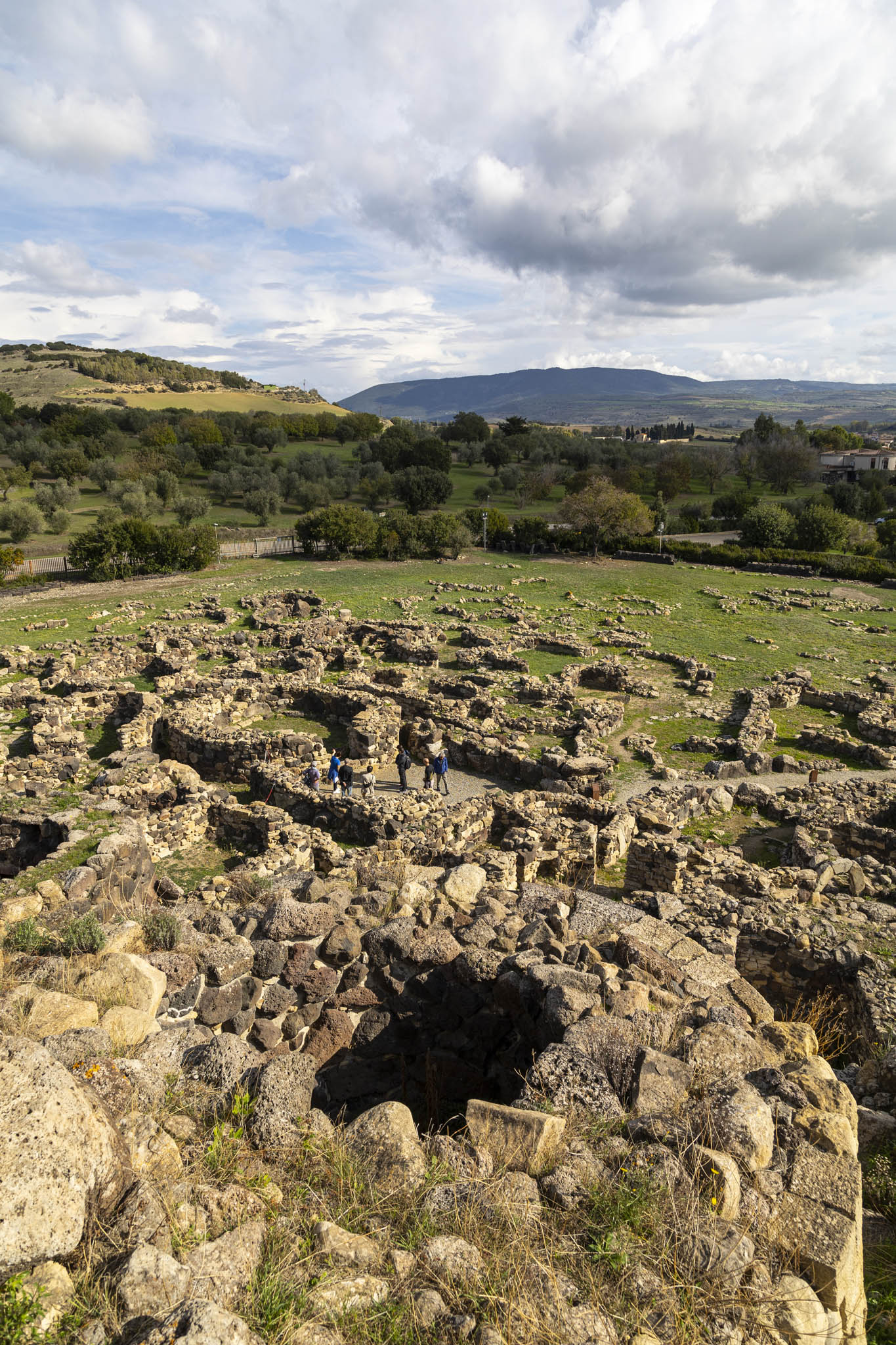
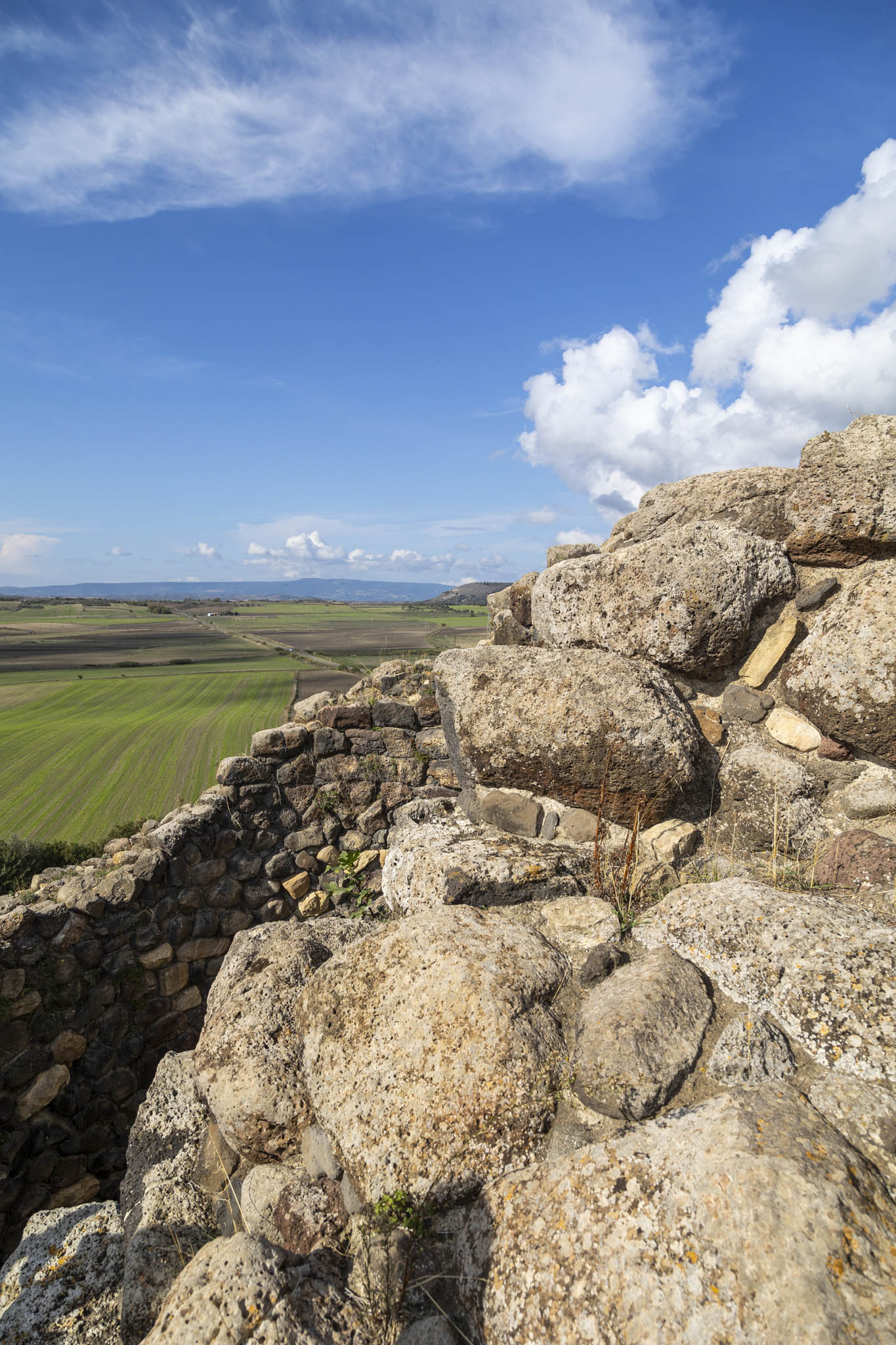
From the uppermost point on the outside we could look down into the main tower where another group of visitors were waiting for us to enter so that they could then leave.
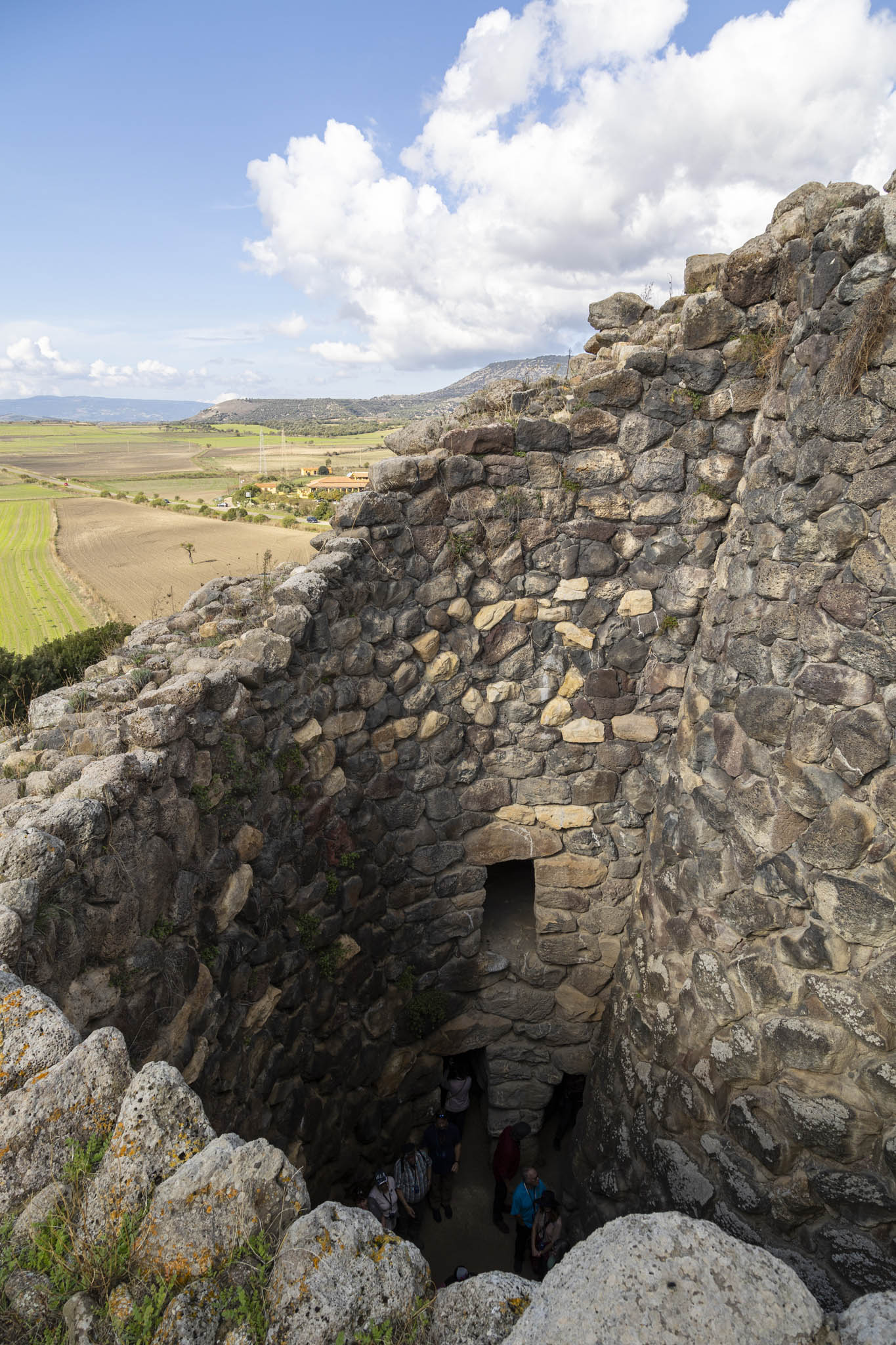
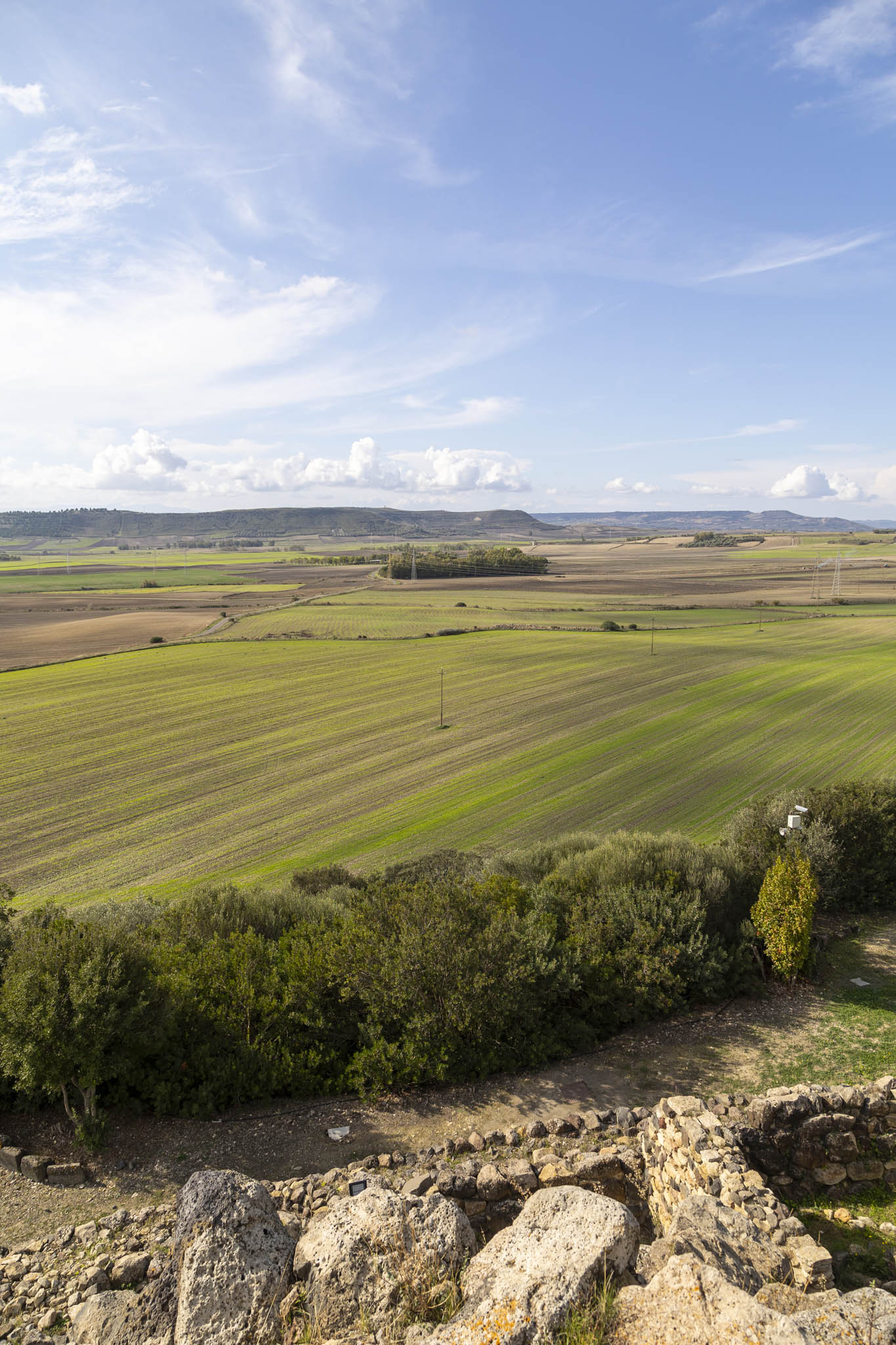
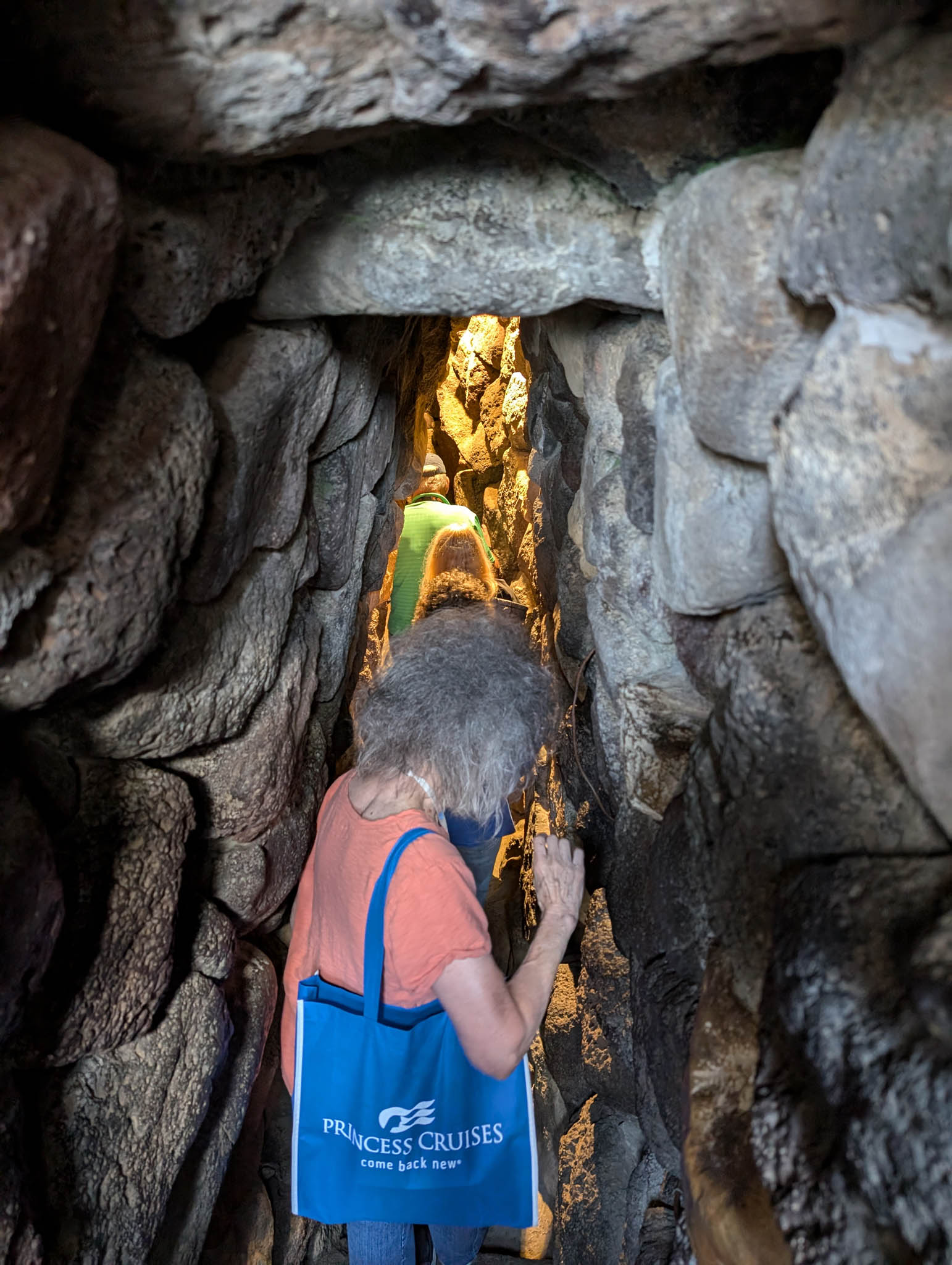
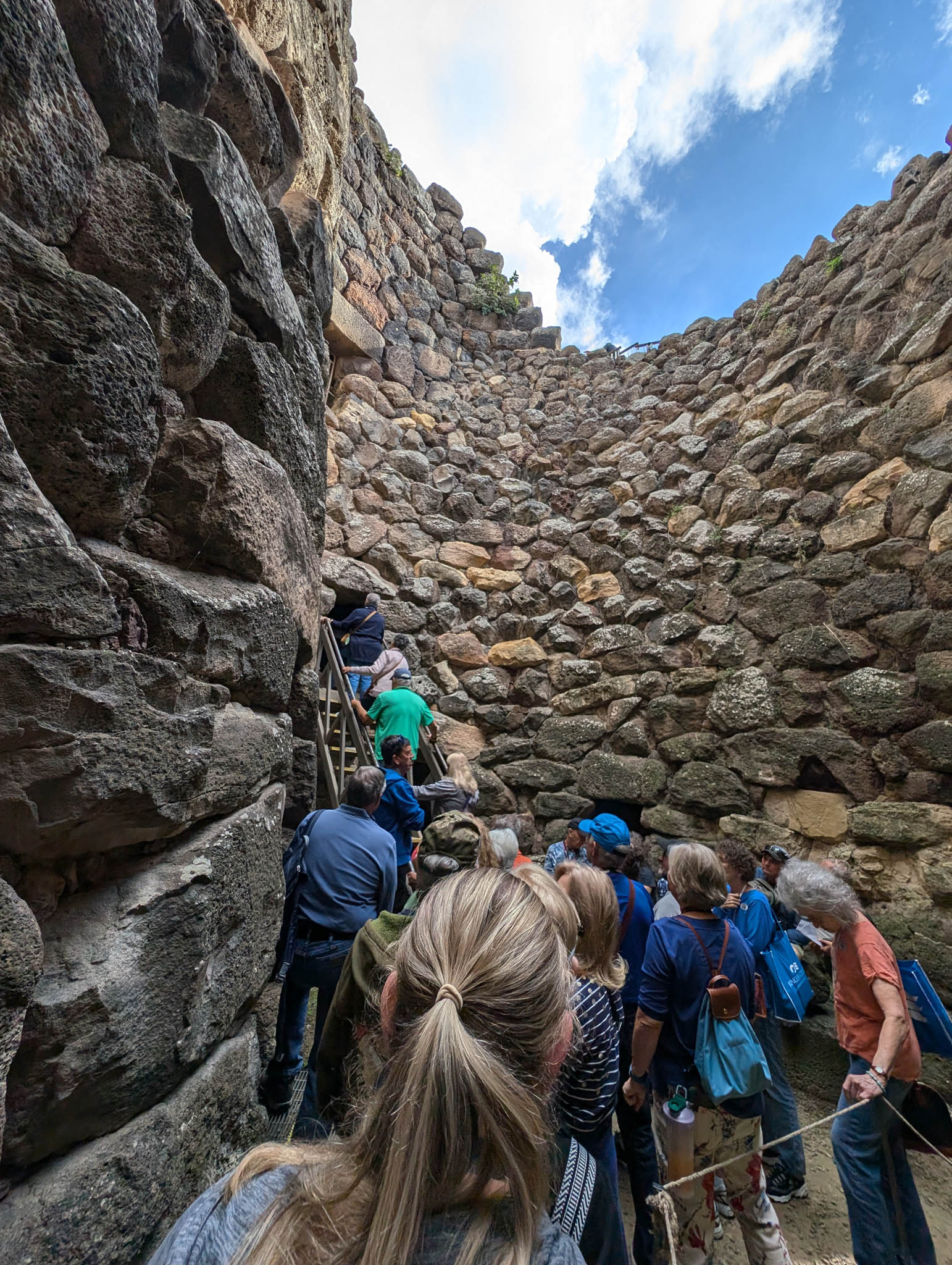
The visit to Su Nuraxi is not a tour for those with mobility issues, and you’ll need to be pretty flexible too. The descent into the tower was down a very narrow, sloping, twisting, and uneven corridor and steps. We frequently had to turn sideways on as shoulders would hit jagged rocks and there was one point that almost involved the sort of contortions usually associated with a game of Twister in order to duck under a low overhang above a right angle turn down a drop.
Once we’d all arrived at the bottom of the tower we had a chance to look around the dark chambers off it, although the darkness made photographing a rather pointless affair. Small rooms with stone walls. The group that had been waiting for us left and as we had some more information about the site shared with us by our guide it briefly started to rain. There were some quips about the tower filling up and us all floating to the surface instead of heading back the way we came.
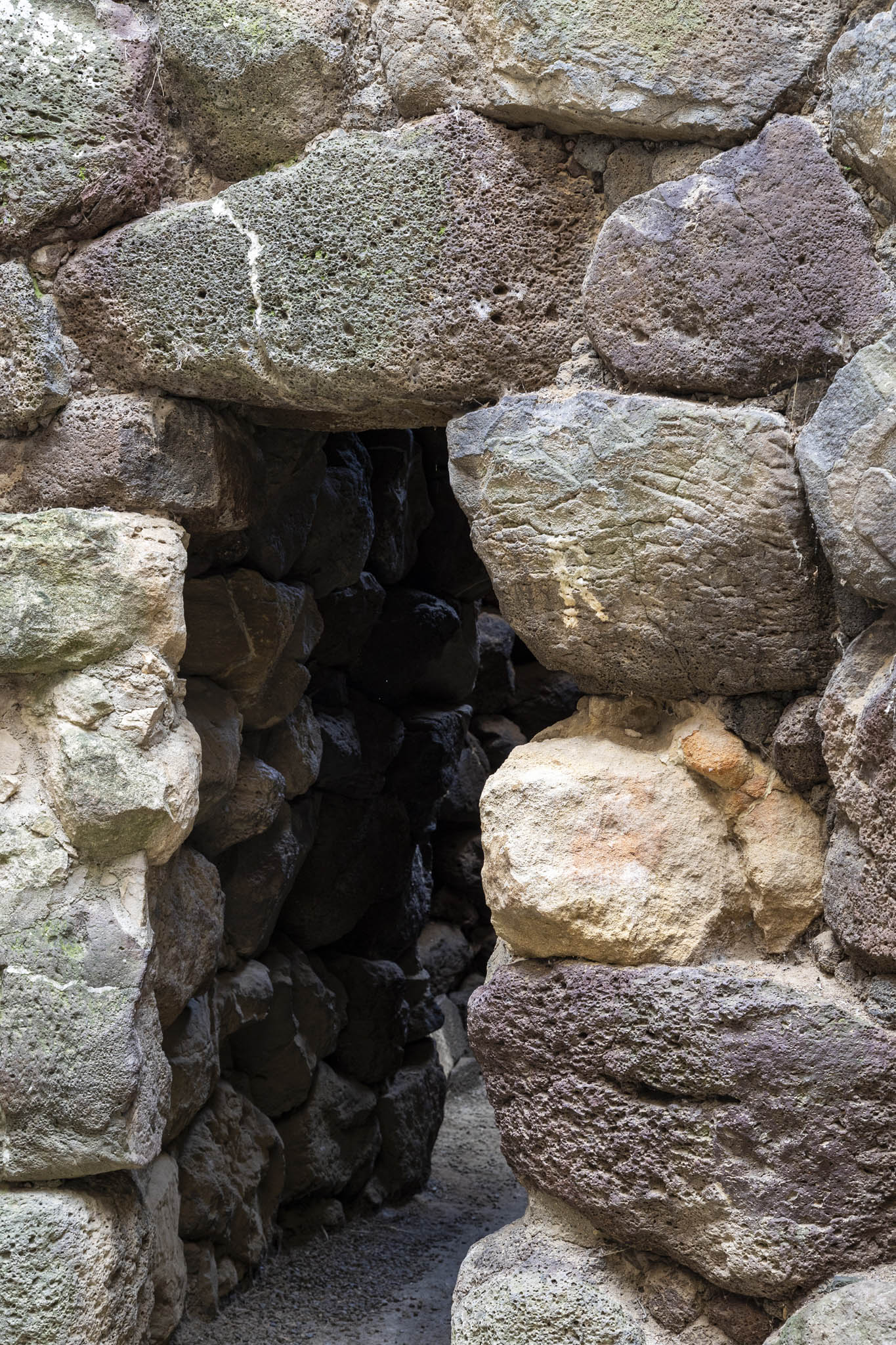
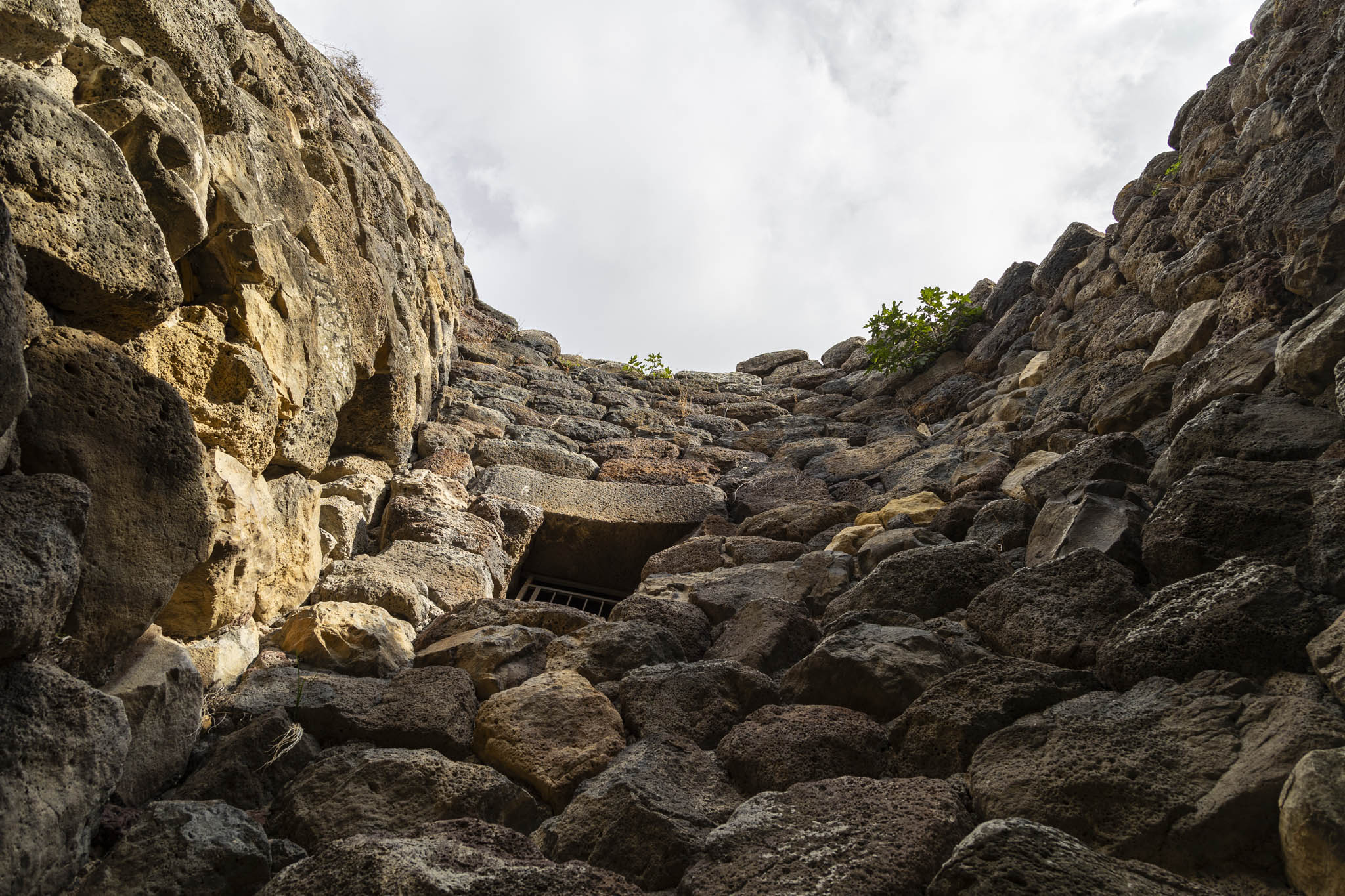
We actually had to hang around for a lot longer than we’d expected as the site guides then gave the okay for another group to enter so we had to wait until they’d all made the tricky descent to our position. There wasn’t a whole lot to see or do during this period as the internal parts of the nuraghe weren’t very expansive but if you’re going to get trapped somewhere for a while then you could do a lot worse than have that happen in a place several thousand years old.
We retraced our route and did all the bending, ducking, twisting, and shuffling again but in reverse.
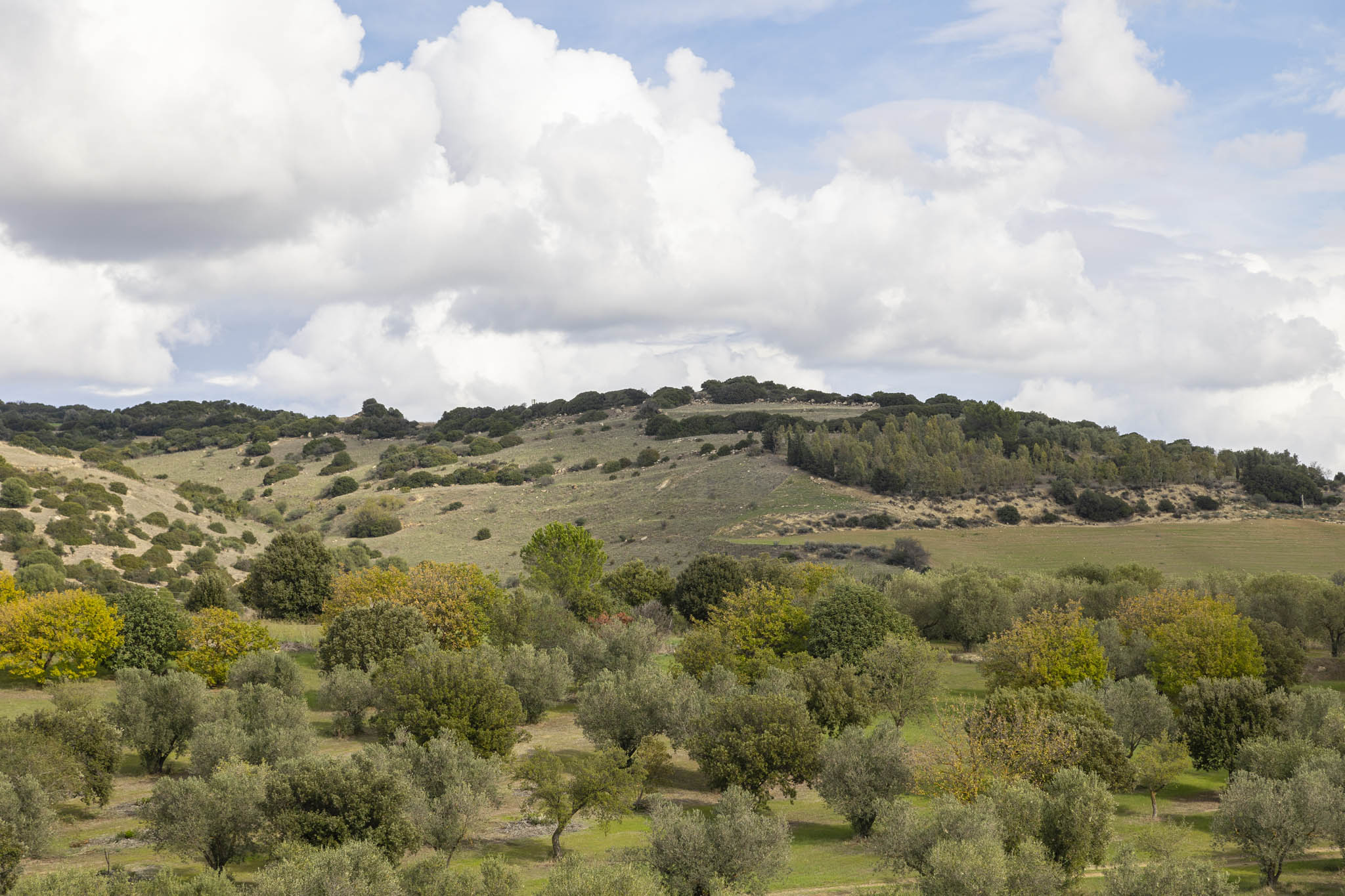
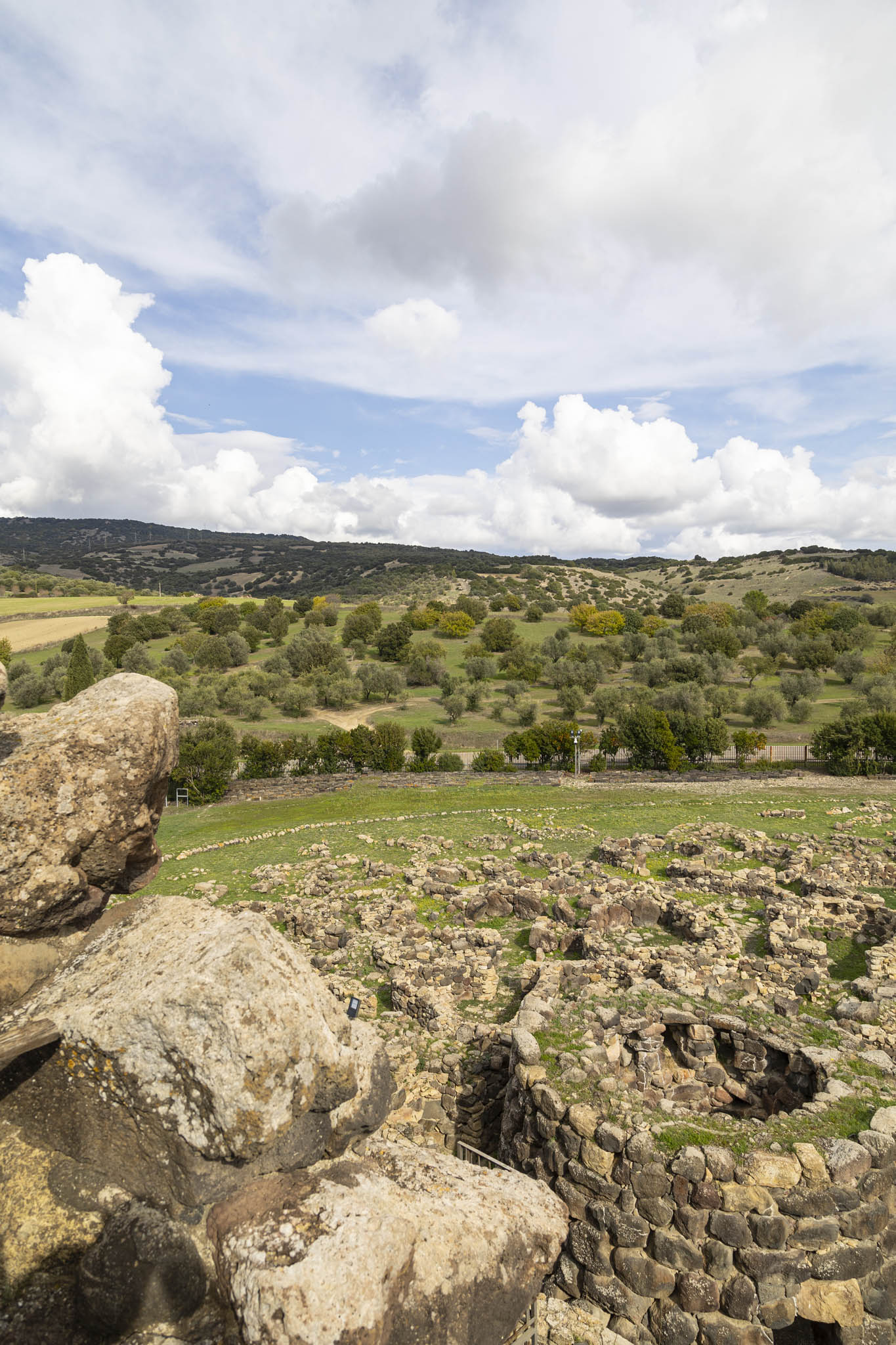
We had ten minutes or so to look at a few more of the village buildings while our guide made sure we’d all made it out of the nuraghe, and then it was time to leave.
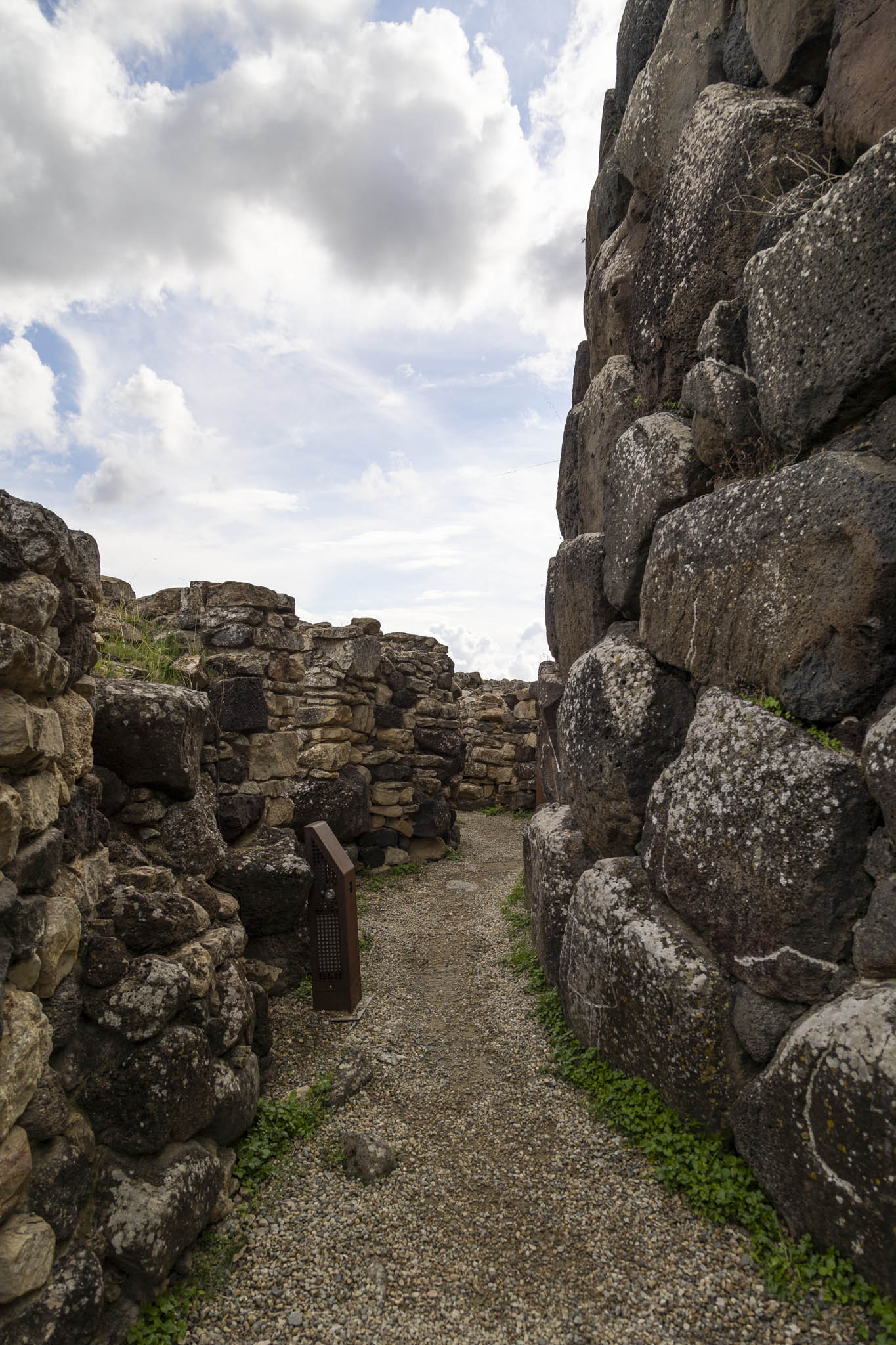
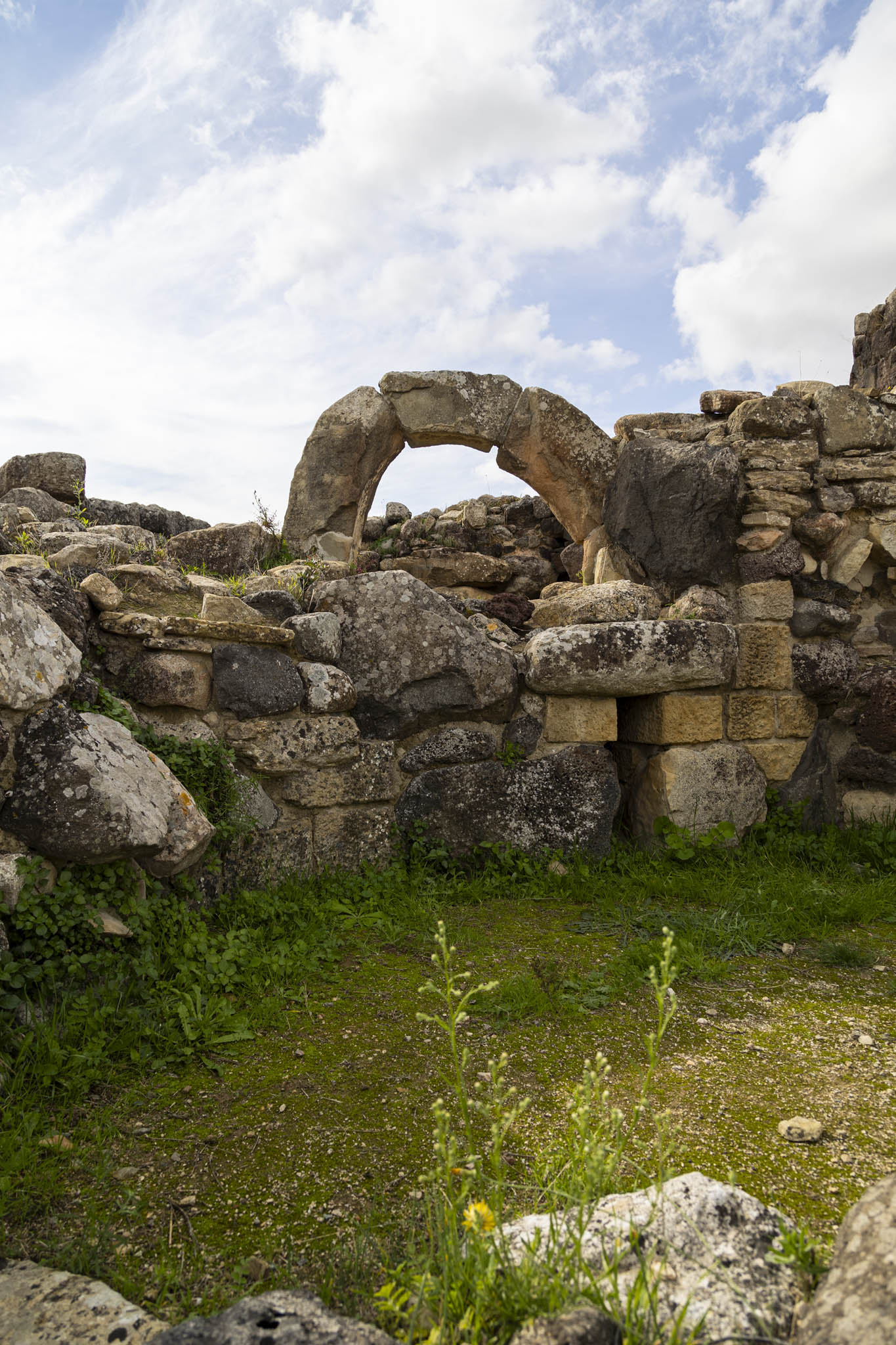
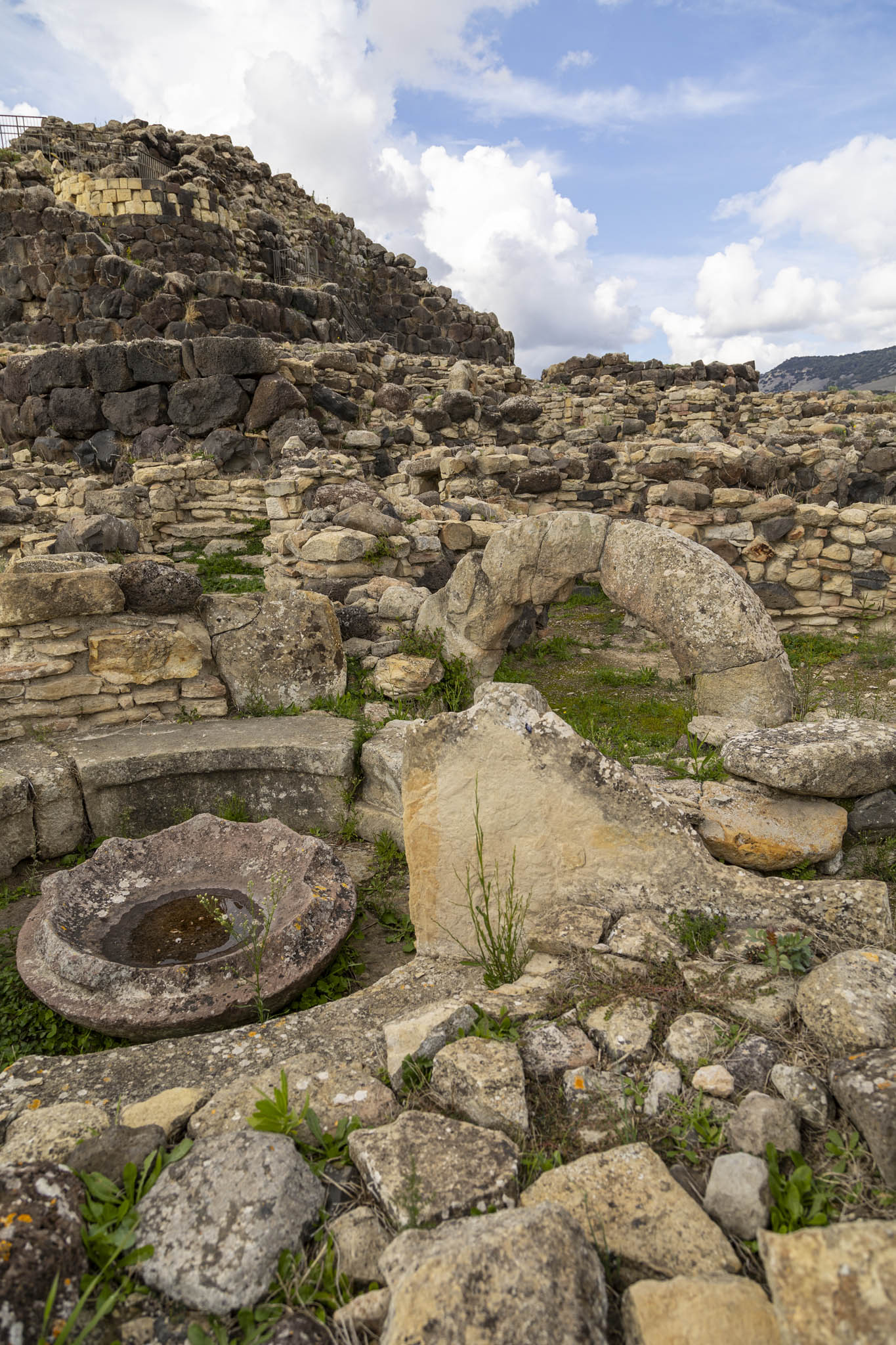
We love visiting historical and archaeological sites of ancient cultures, and we’re also happy when we head off on a tour that’s maybe less popular with other cruisers as there’s something to be said for being different, so in that respect this was a great excursion for us. There were a few periods when we were generally hanging around and waiting given the understandable restrictions around access, but if you’re prepared for that then it’s a trip worth doing.
In the next post in this Caribbean Princess Transatlantic Cruise series we’ll hit a photo stop on the way back for our sail away from Cagliari.