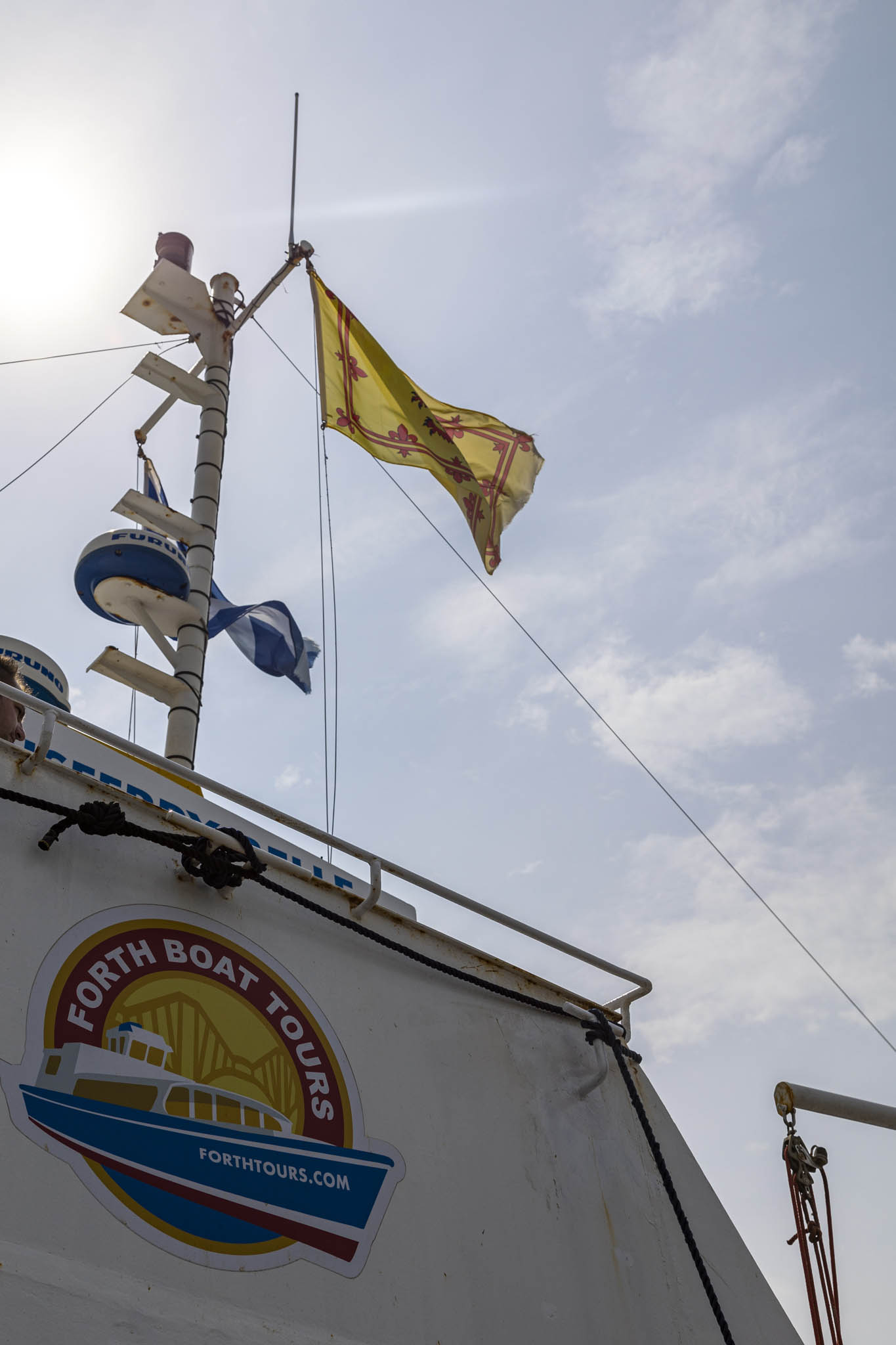
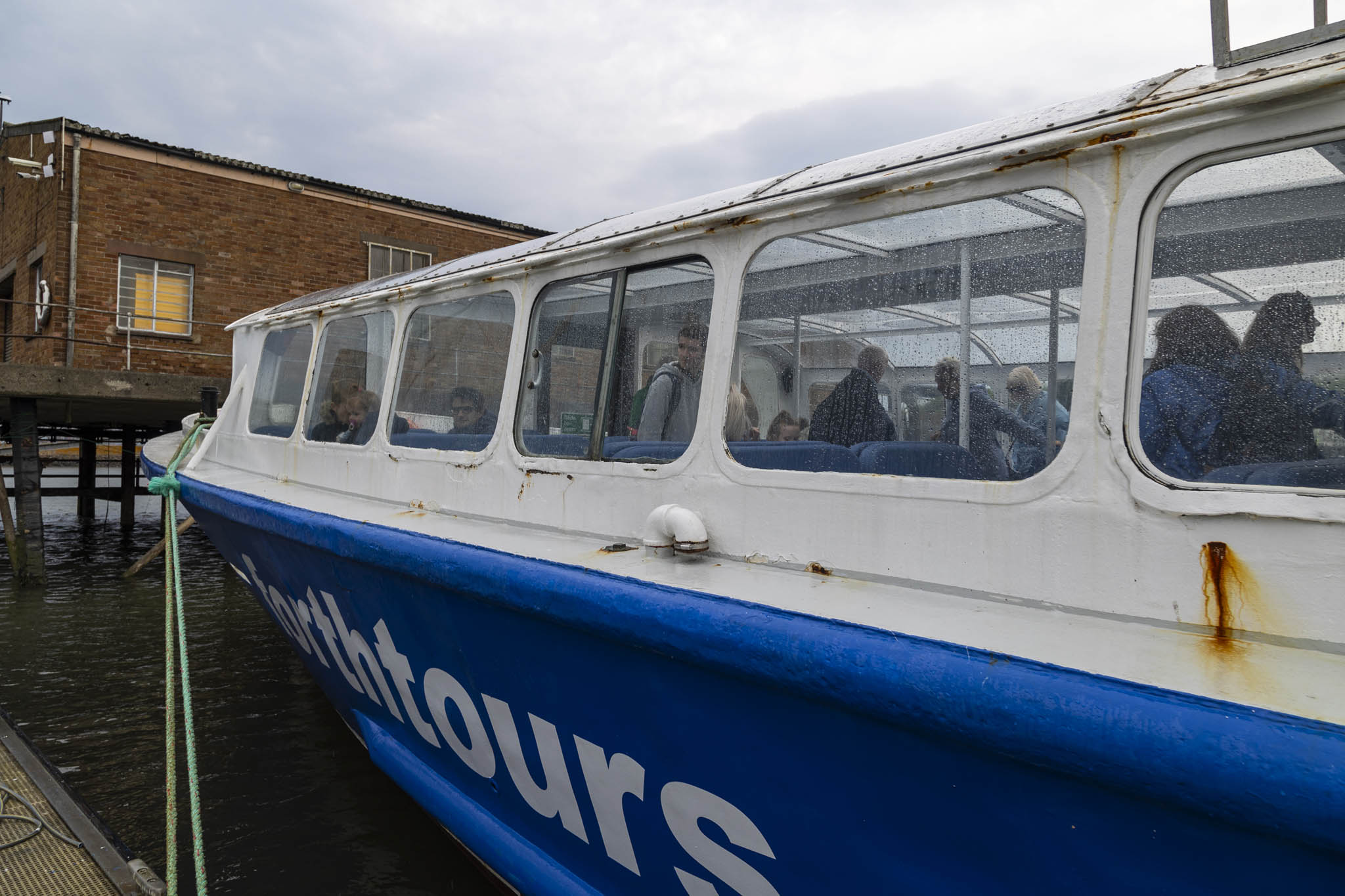
Following on from our walk through the pleasant little Scottish town of South Queensferry we hopped aboard the boat for the tour that we’d purchased while ashore. This was through Forth Boat Tours and even though you can tell quite clearly which tour it was from the title of this post I’m going to repeat it anyway: we would be taking a ride to Inchcolm Island and we’d bought a landing pass too so that we could explore ashore (as most people did). The tour was scheduled to be about three hours long with about half of that on the island itself and this would leave us plenty of time afterwards to walk back to where our cruise ship tender boats were operating to take us back to the ship. Plenty of time. Unless something unexpected happened. Here’s hoping nothing unexpected happened.
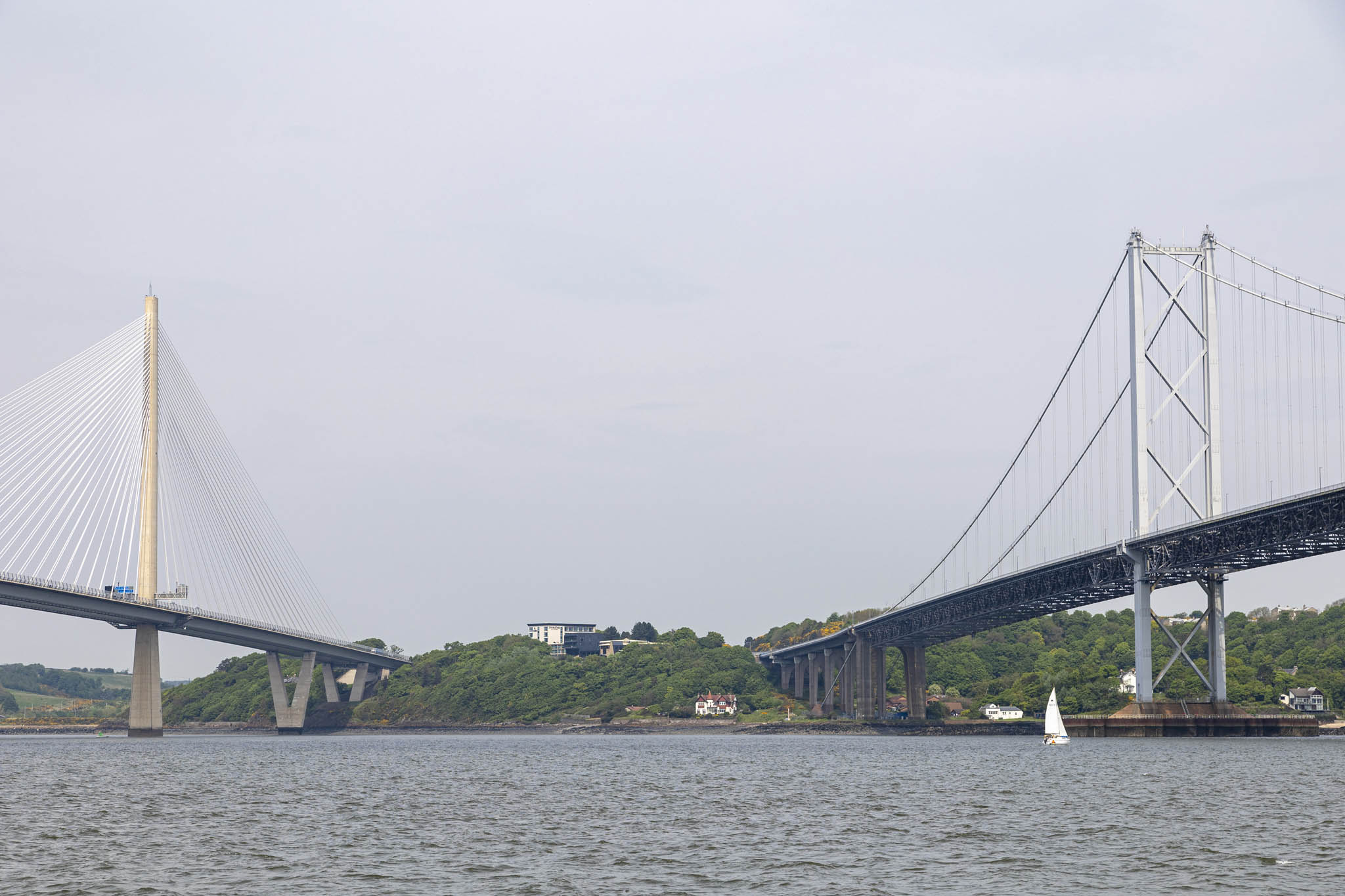
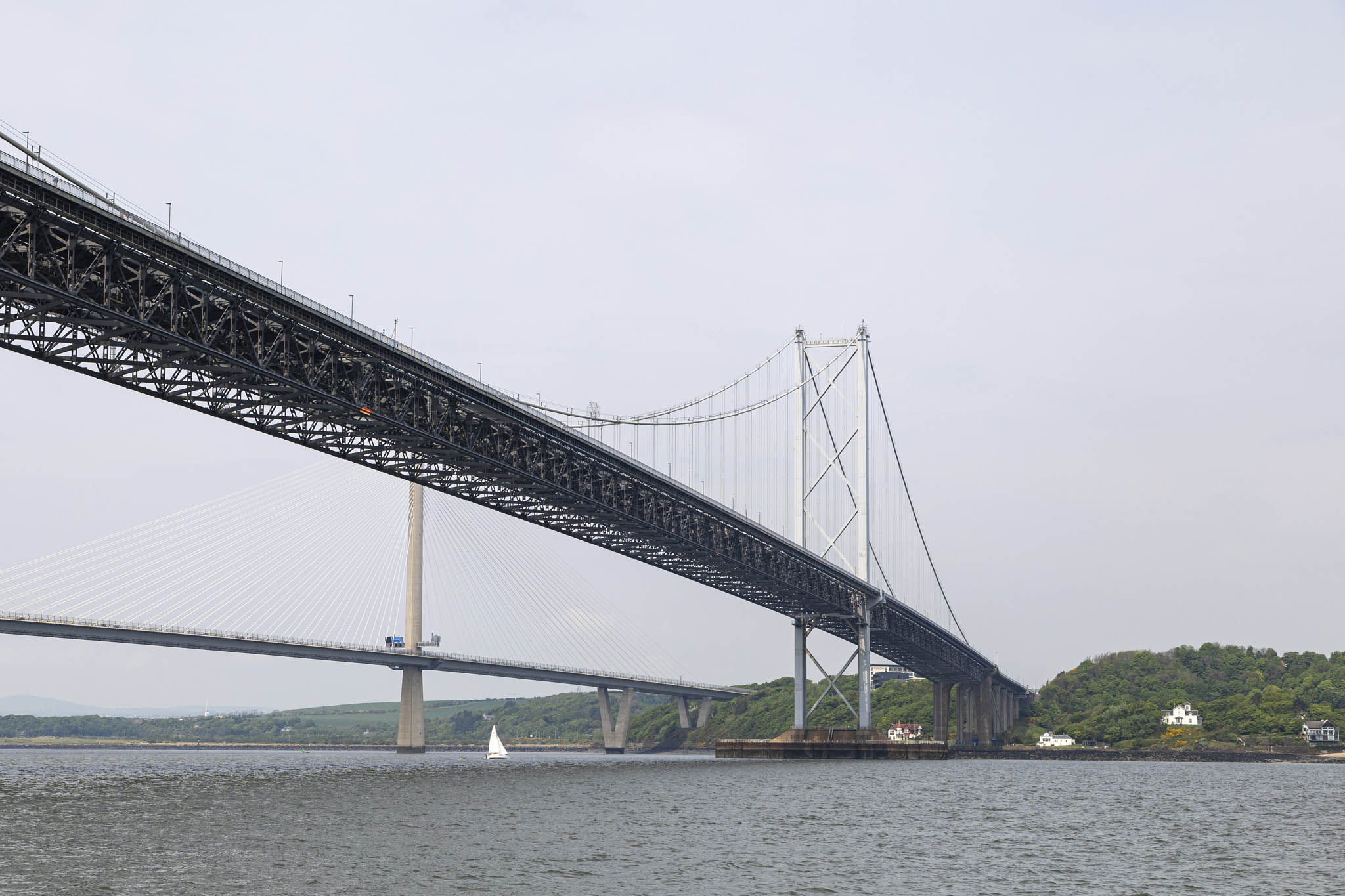
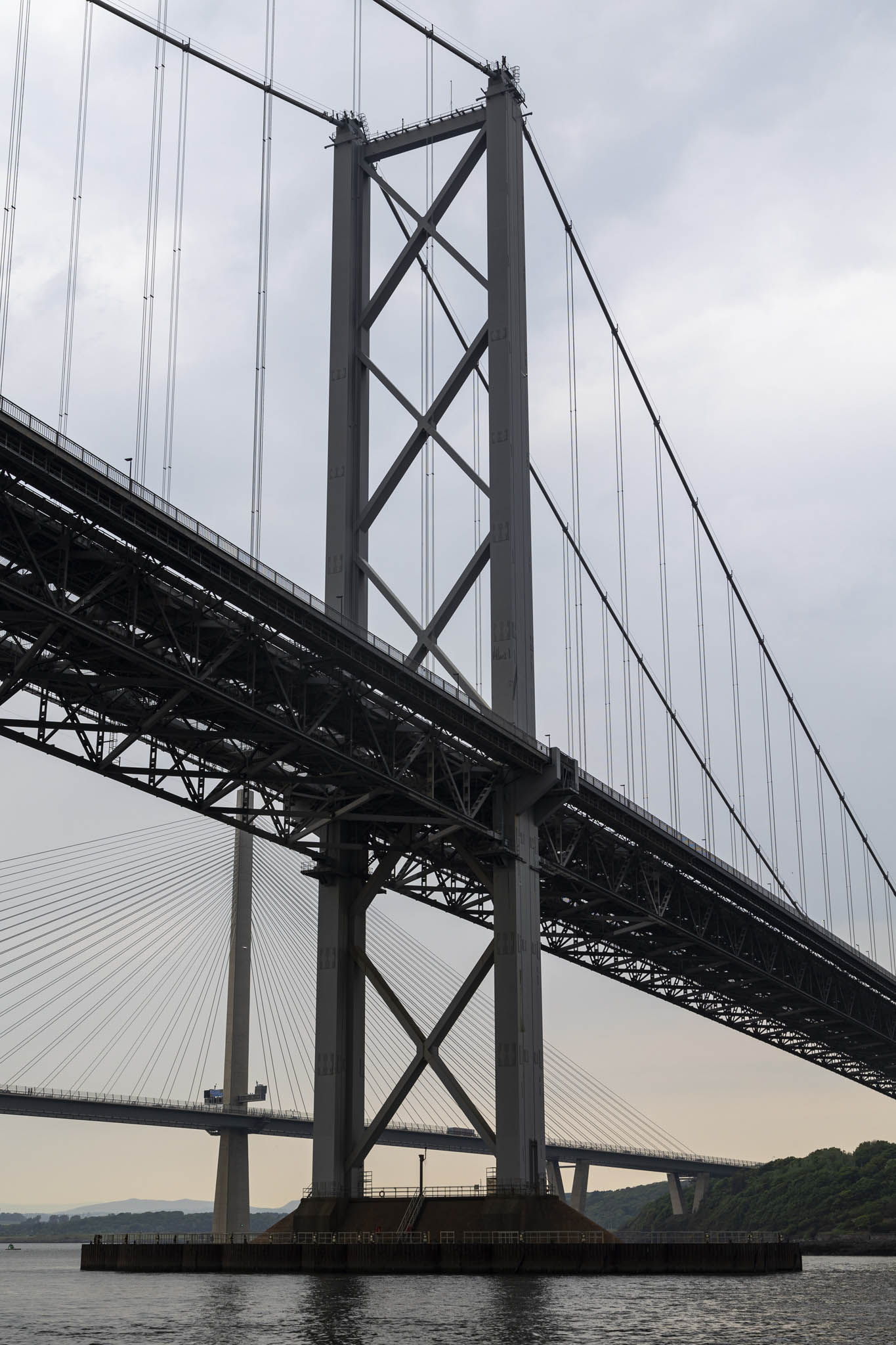
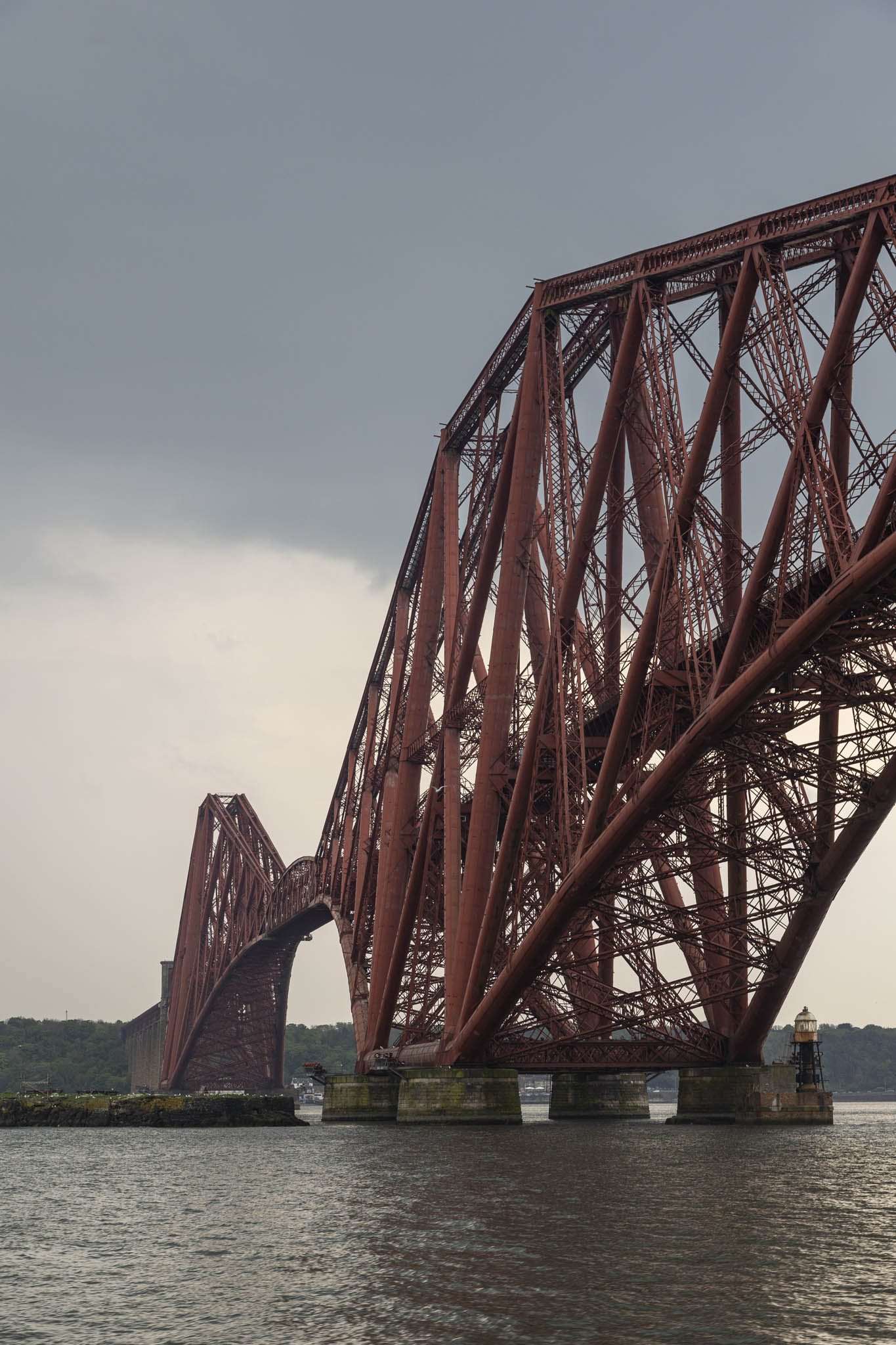
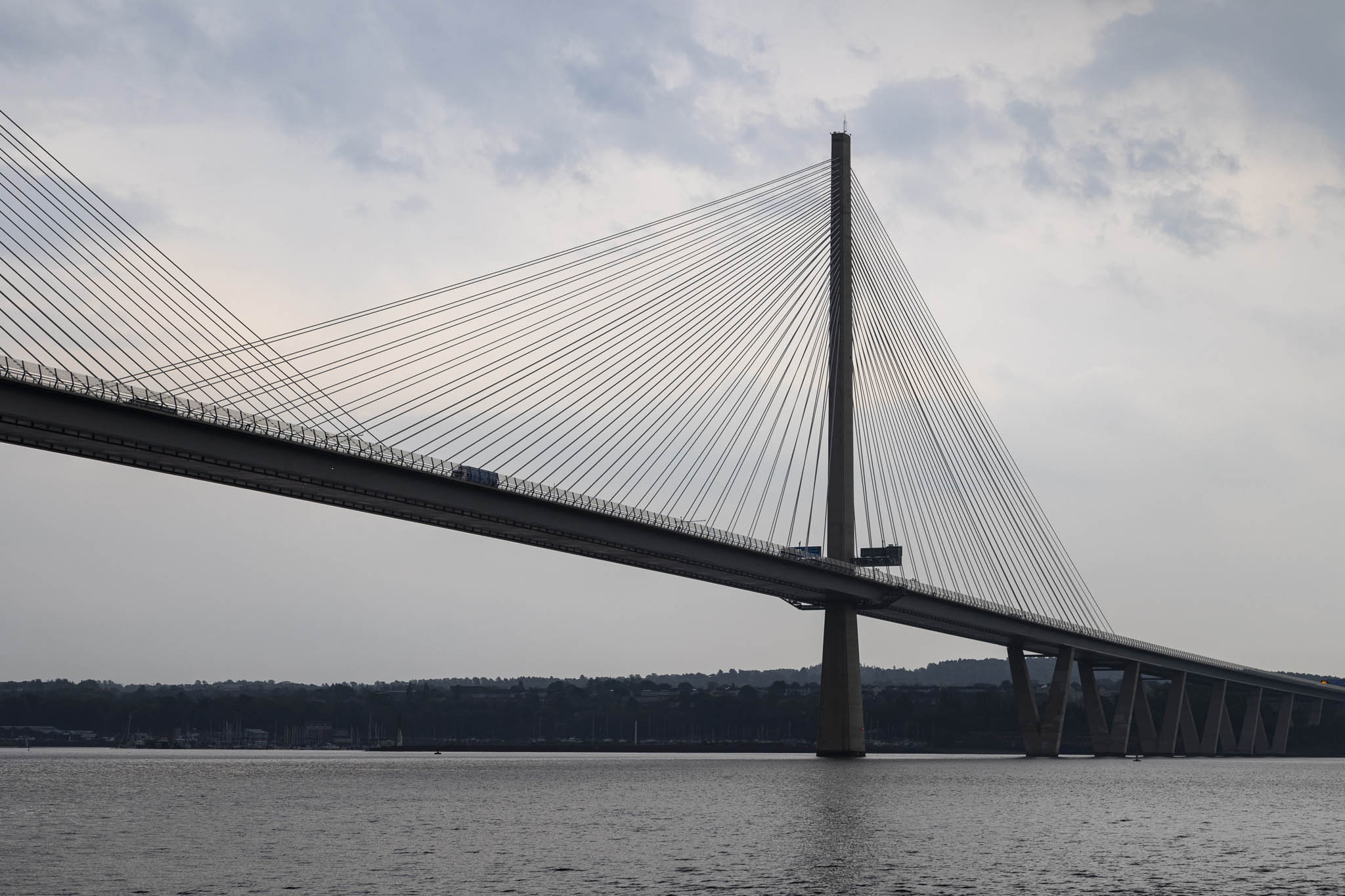
Our embarkation point was at the marina situated between the Forth Road Bridge and the Queensferry Crossing, and with us travelling eastwards out of the Firth of Forth this meant we’d sail under the Forth Road Bridge and the Forth Rail Bridge.
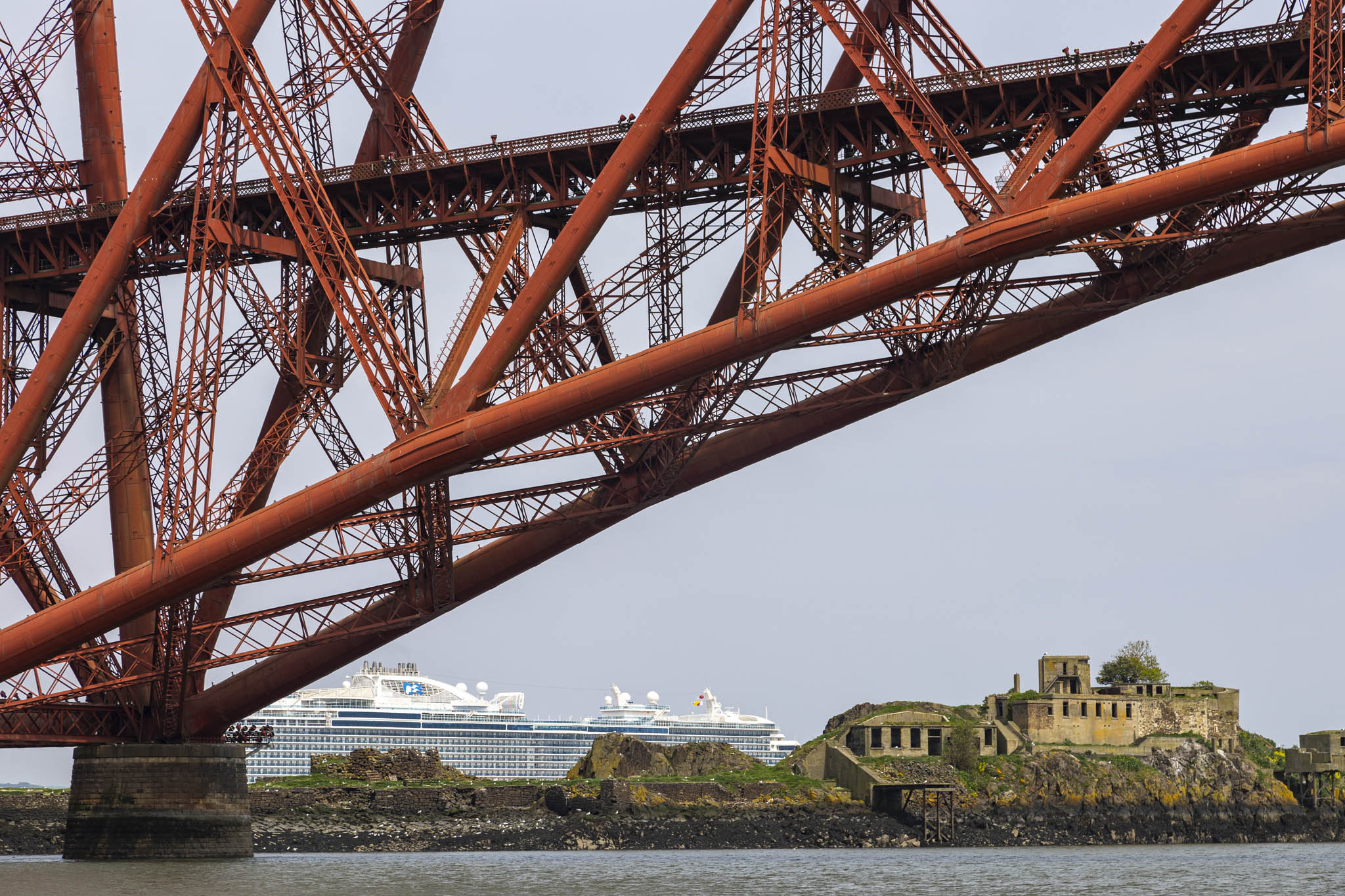
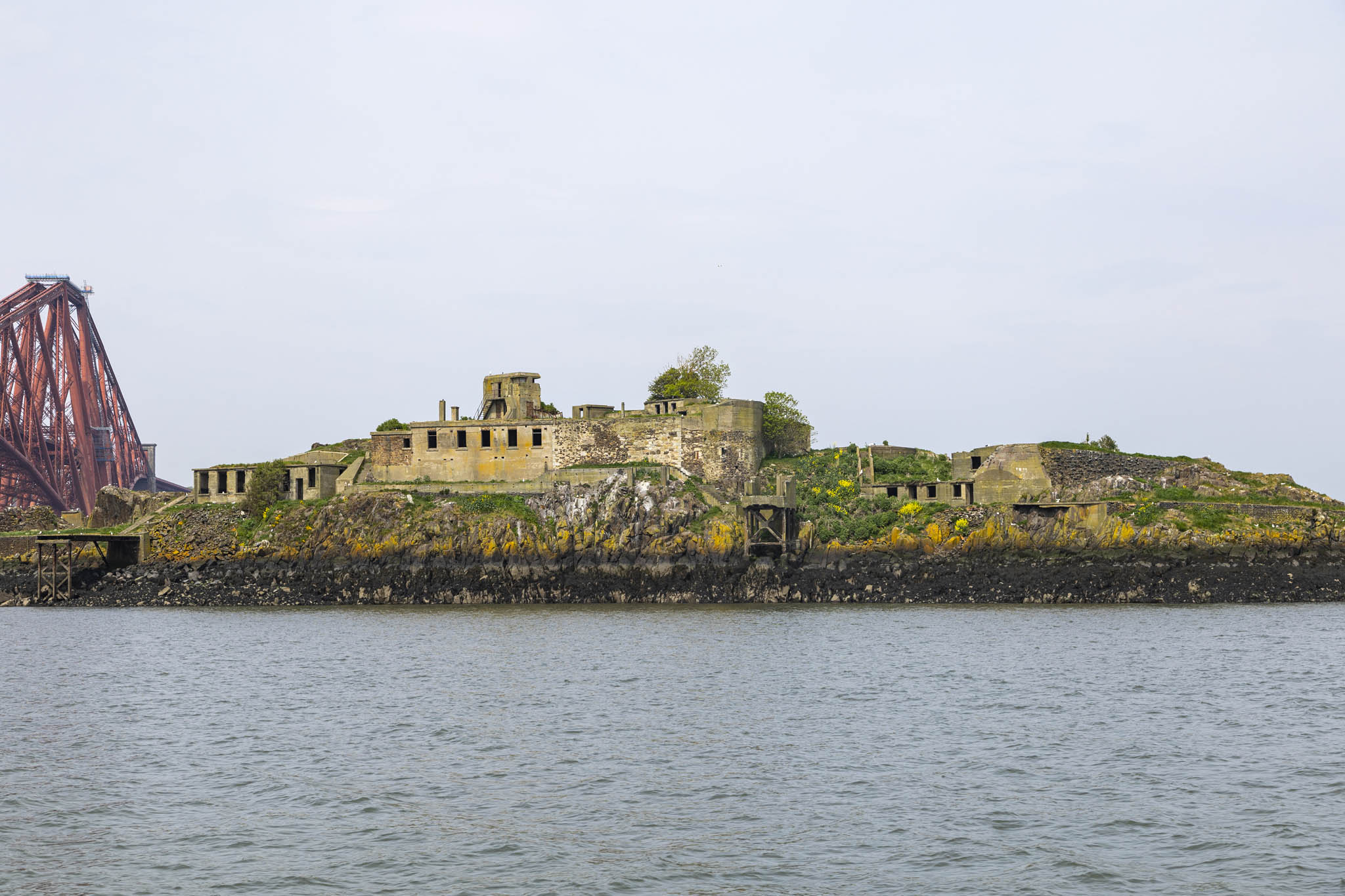
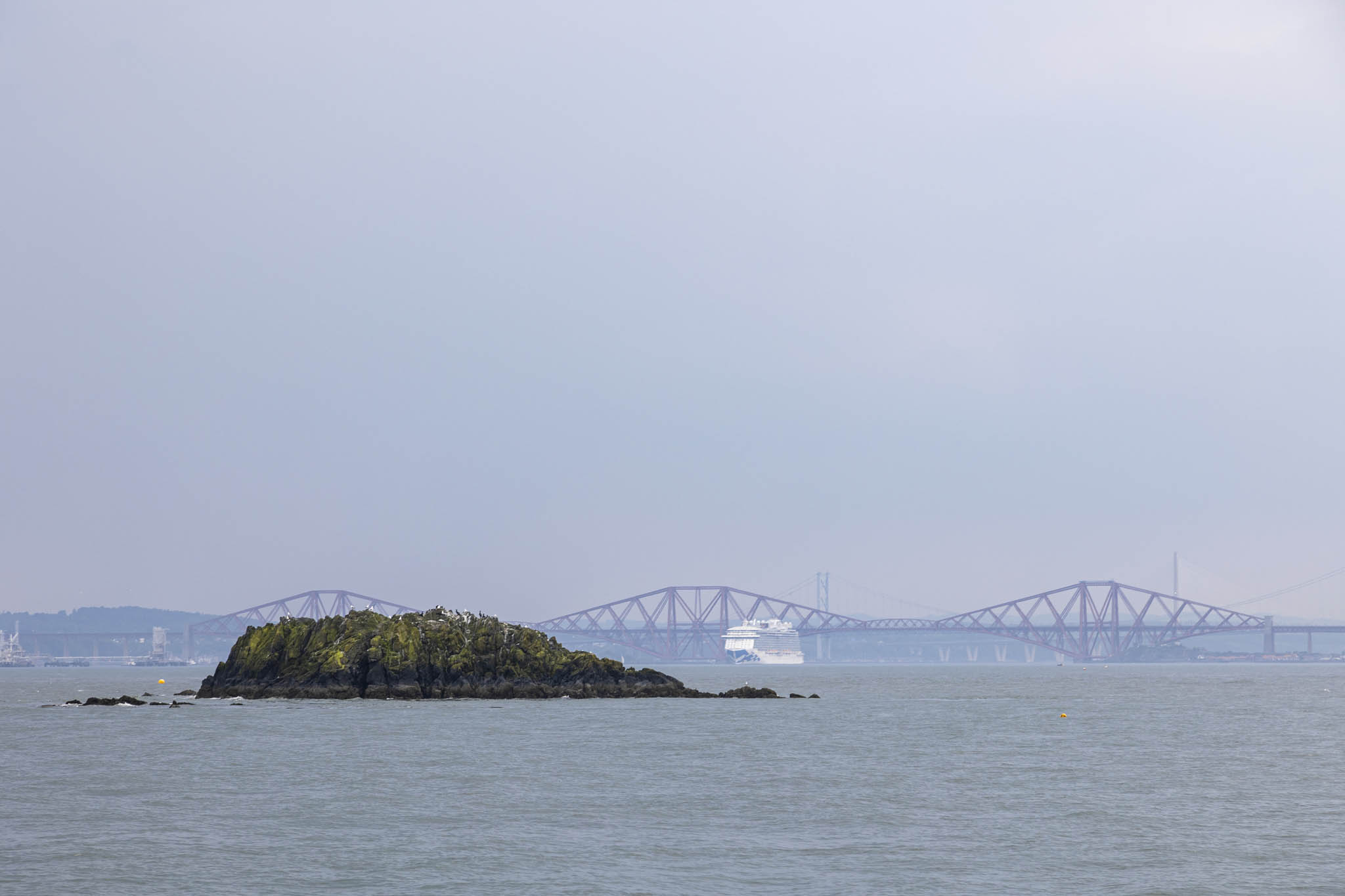
The first point of interest on this boat tour if you exclude passing under the bridges – although passing under bridges is always cool; ask any cruiser, or troll for that matter – was Inchgarvie, one of several small islands in this area of water. This particular island’s location made it a useful stopping point for boats between both sides of the water before the bridges were constructed and, like some of the other islands, it had housed fortifications at numerous points in its history due to the strategic defensive location.
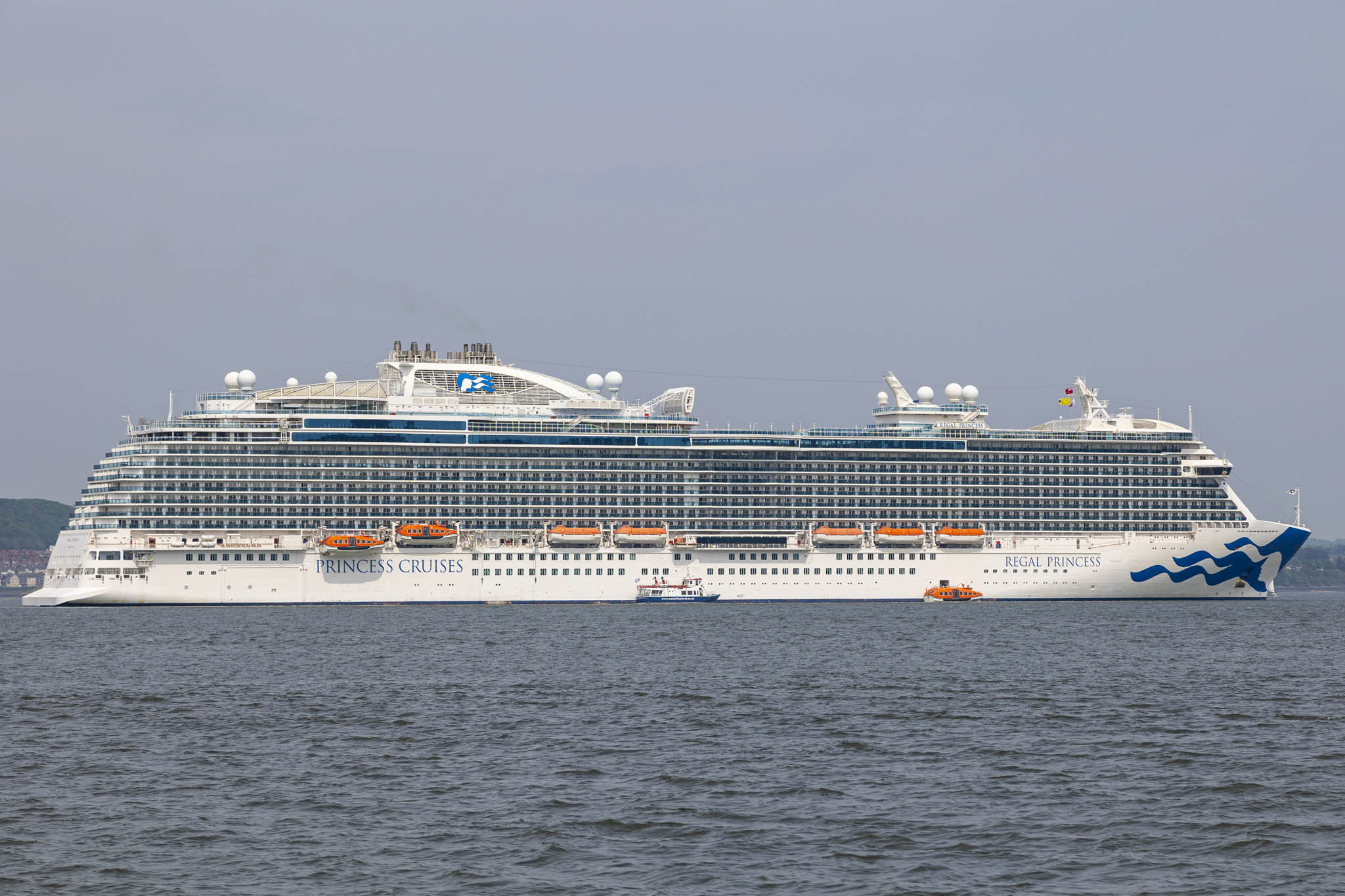
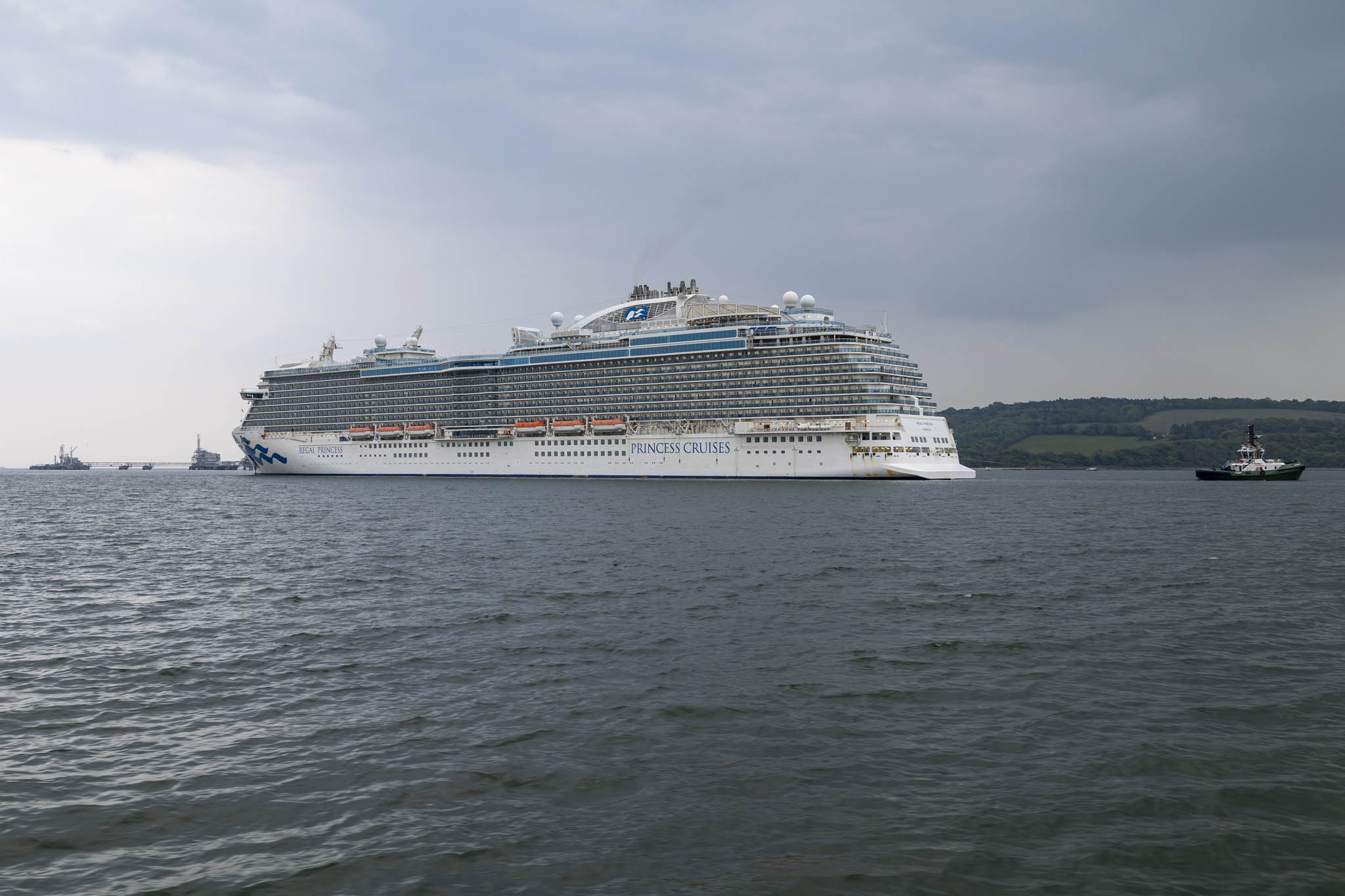
It wasn’t long before we passed Regal Princess at anchor. Look! I can see our cabin from here!
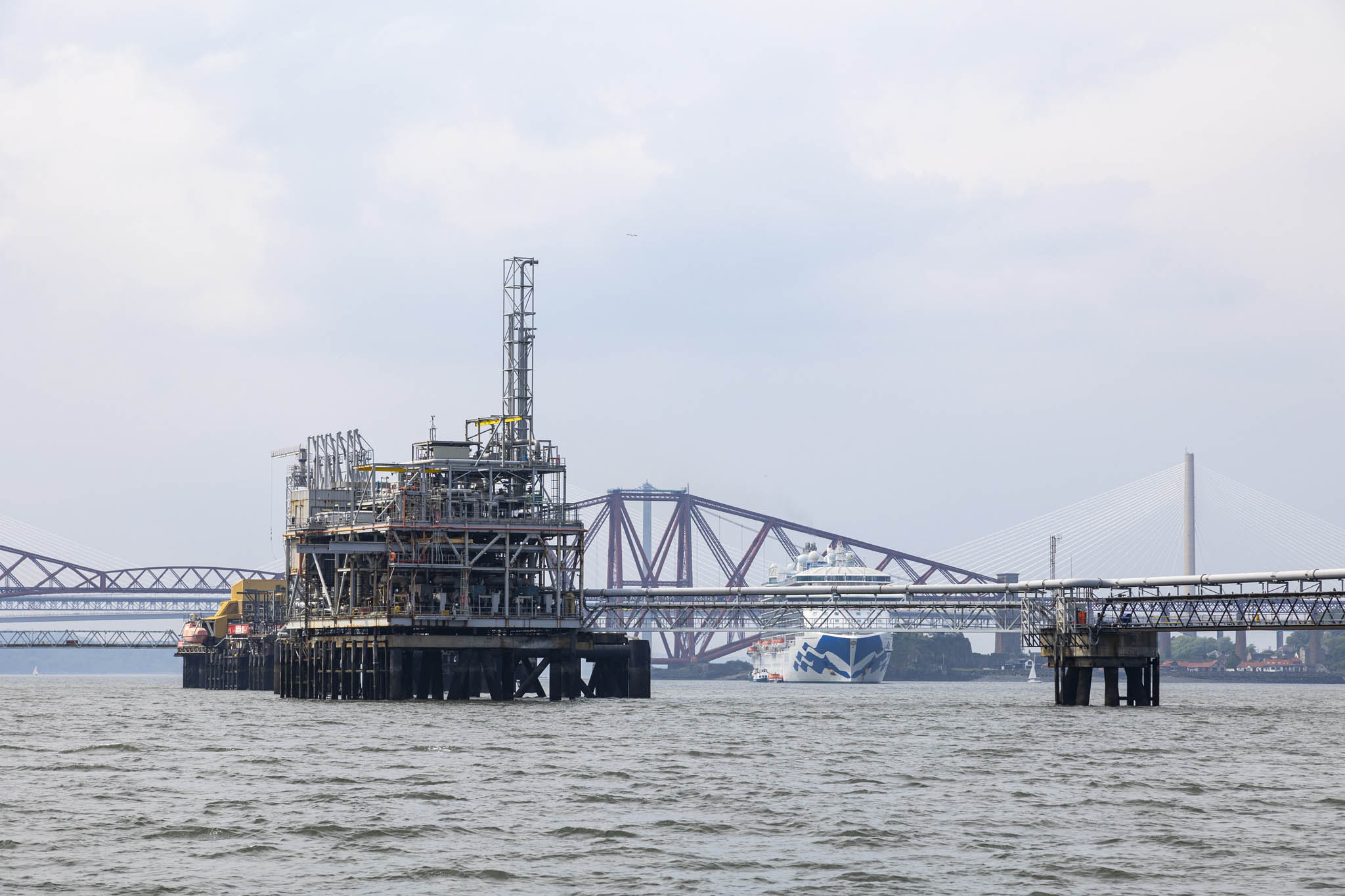
Hound Point is an oil export terminal. Oil, processed and stored on the southern shore, is pumped to the terminal to then be loaded onto carriers. I like the industrial beauty of these monsters even if, like sane people, I long for the move away from fossil fuels and preferably ahead of them simply being exhausted for short-term and selfishly short-sighted gains for the already super-rich.
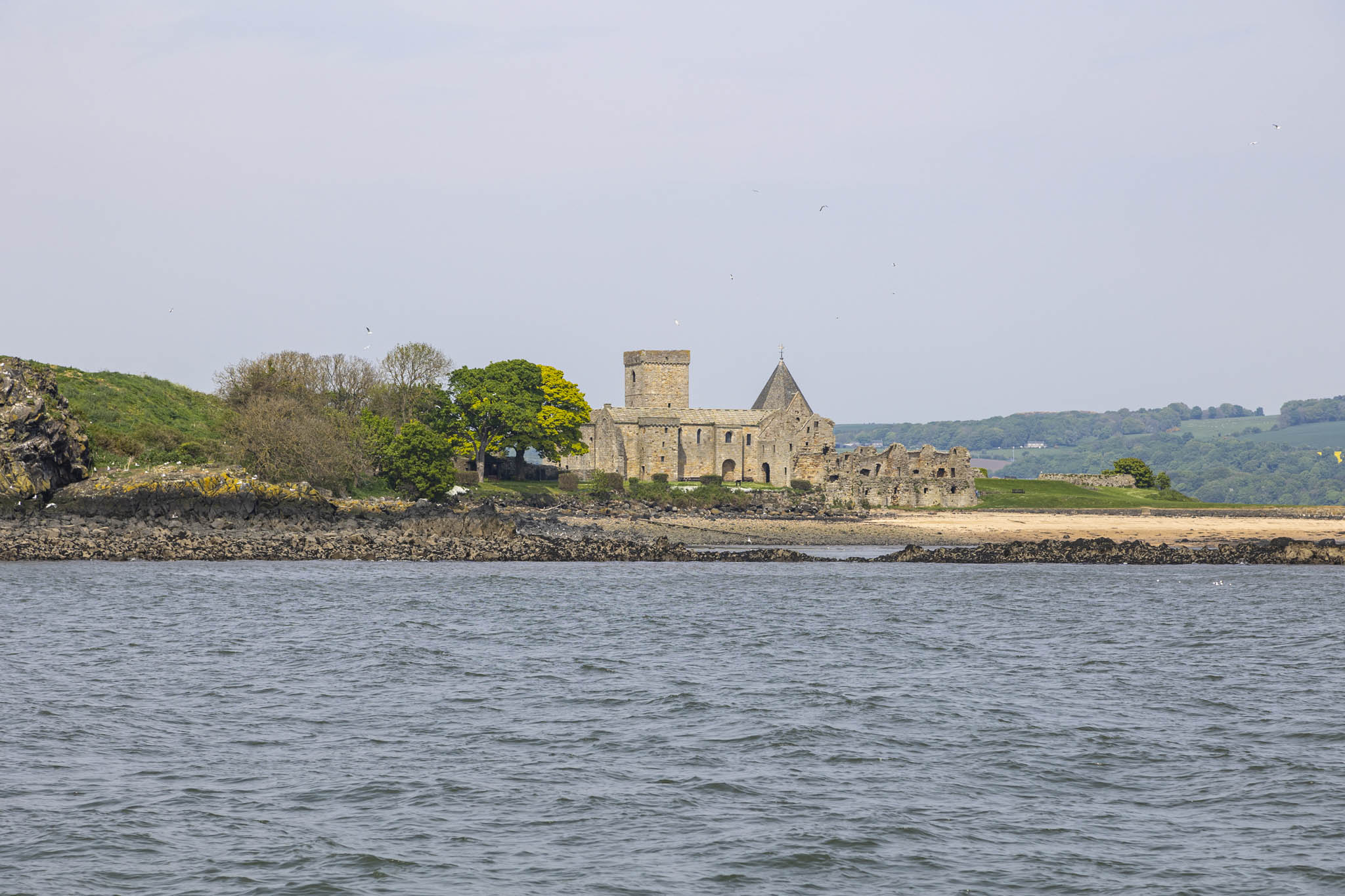
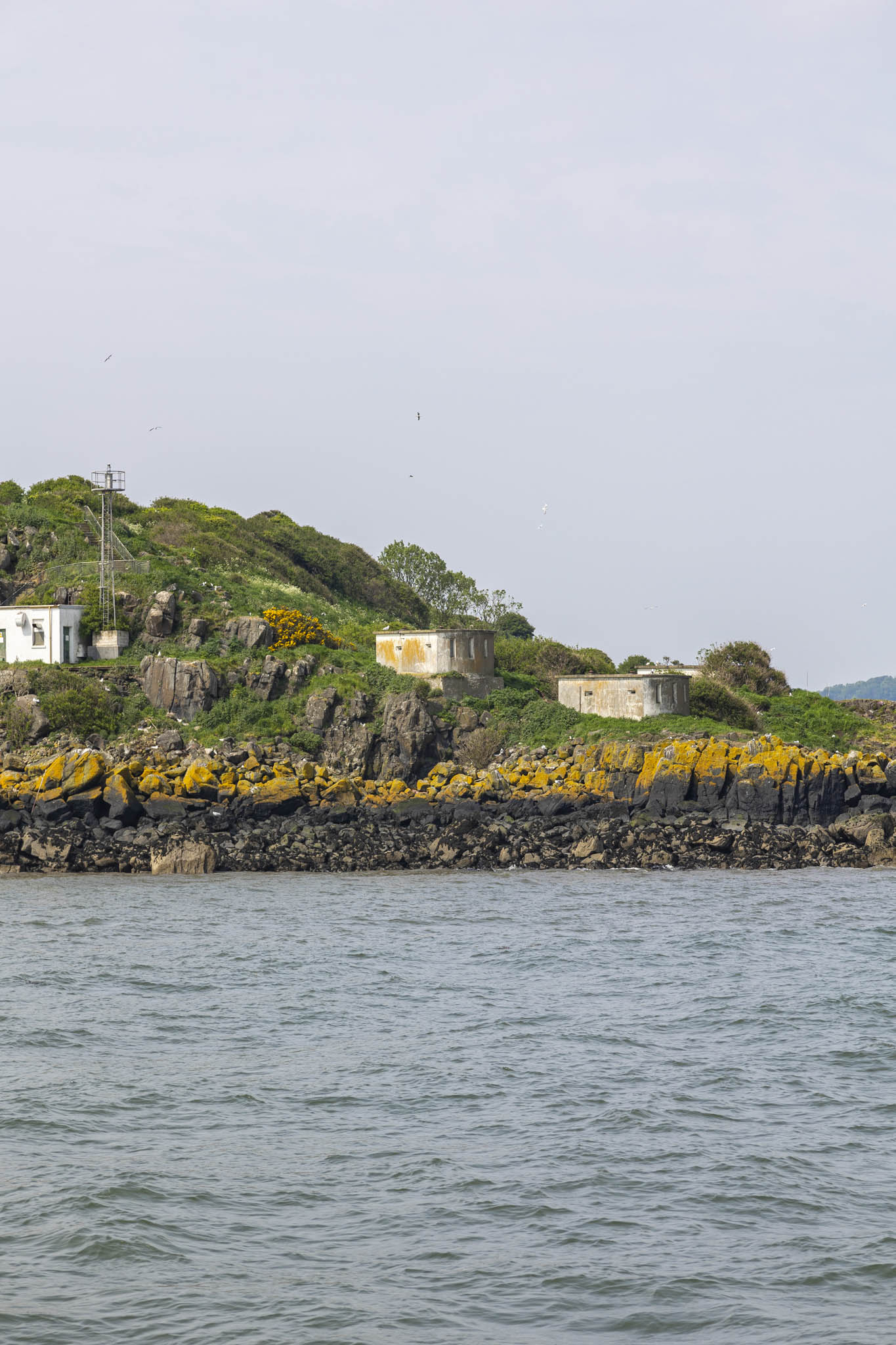
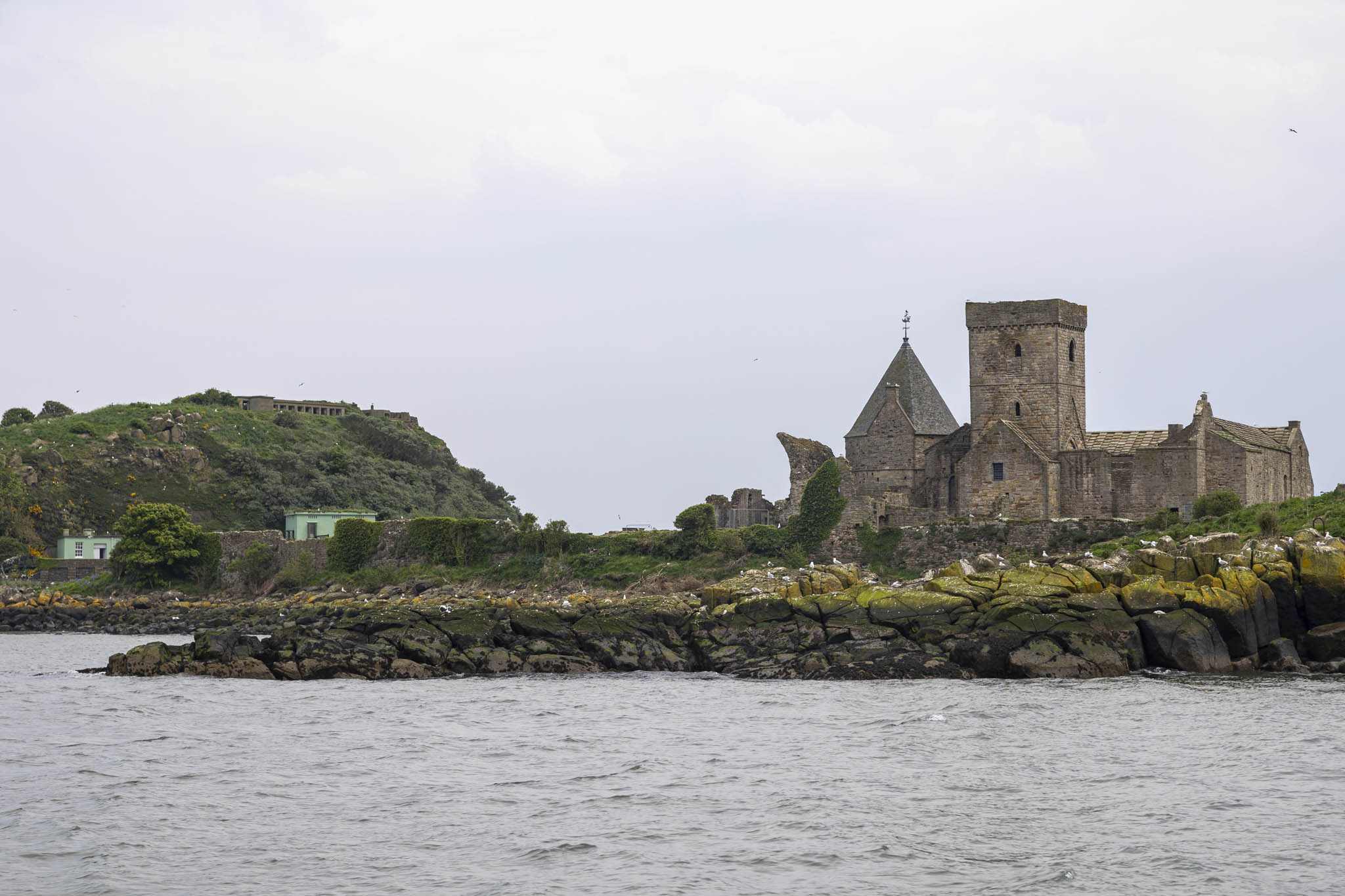
We now approached Inchcolm, and from the southern side there was a lovely view of the abbey that we’d be exploring in a little while.
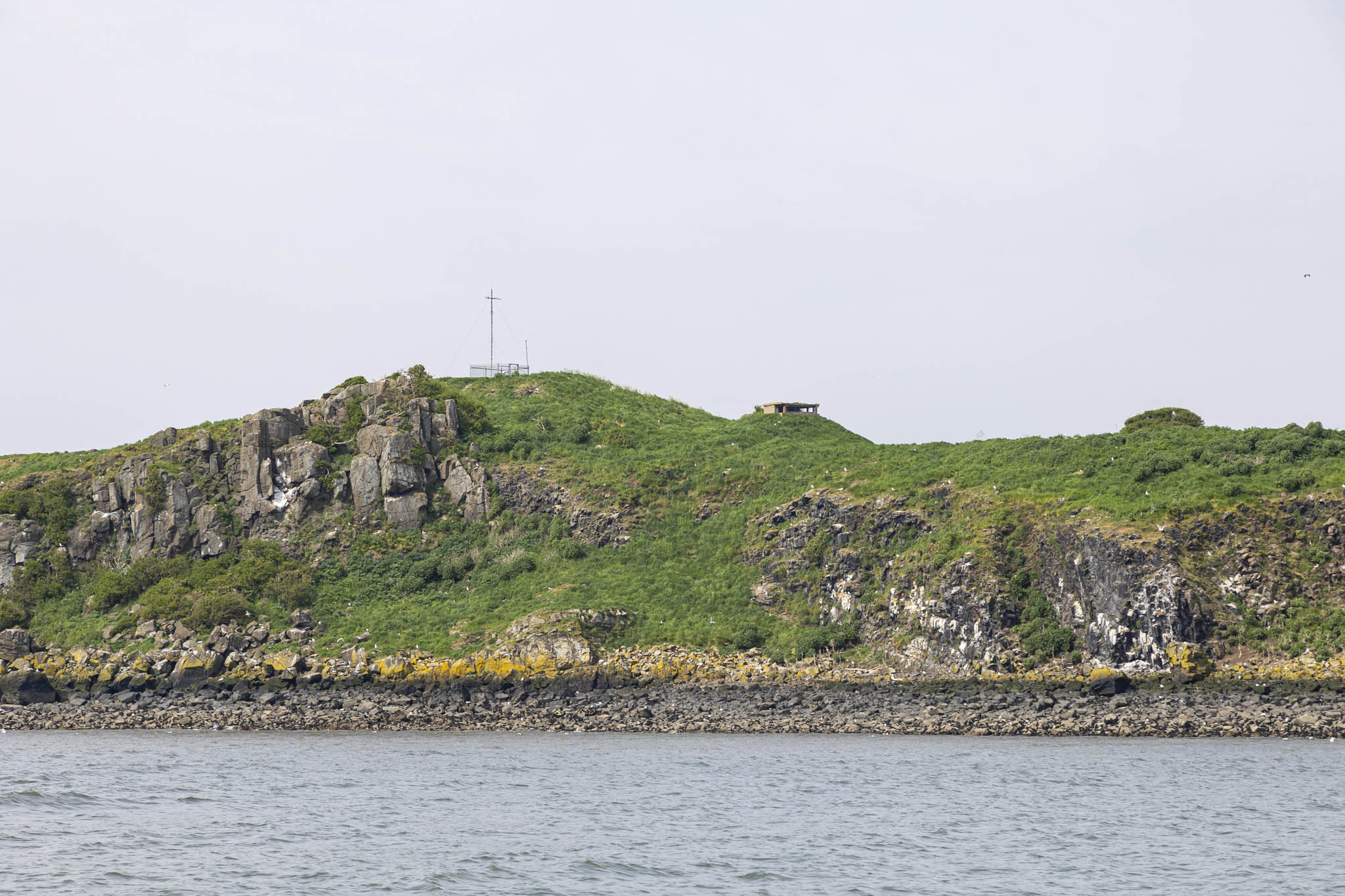
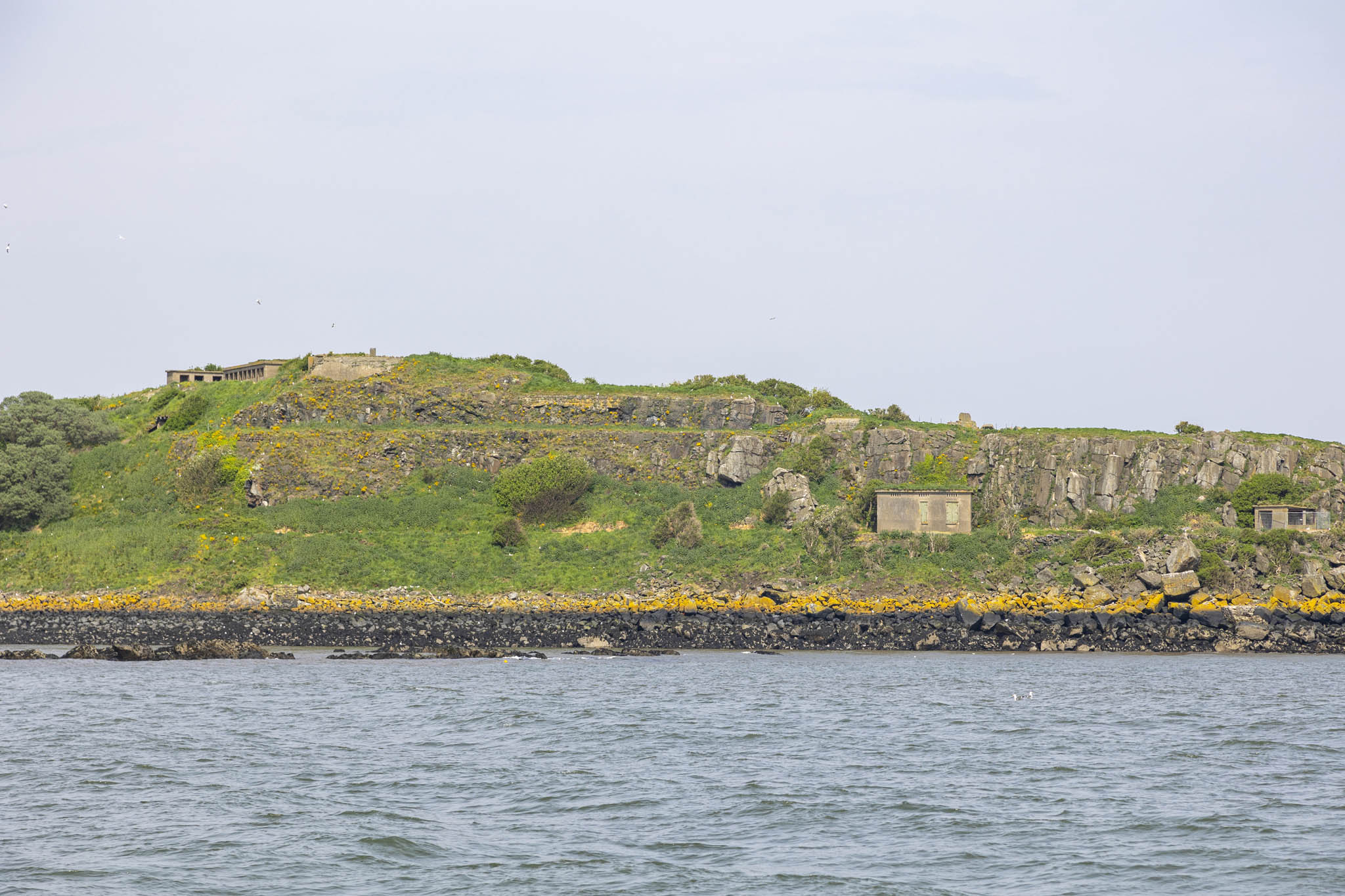
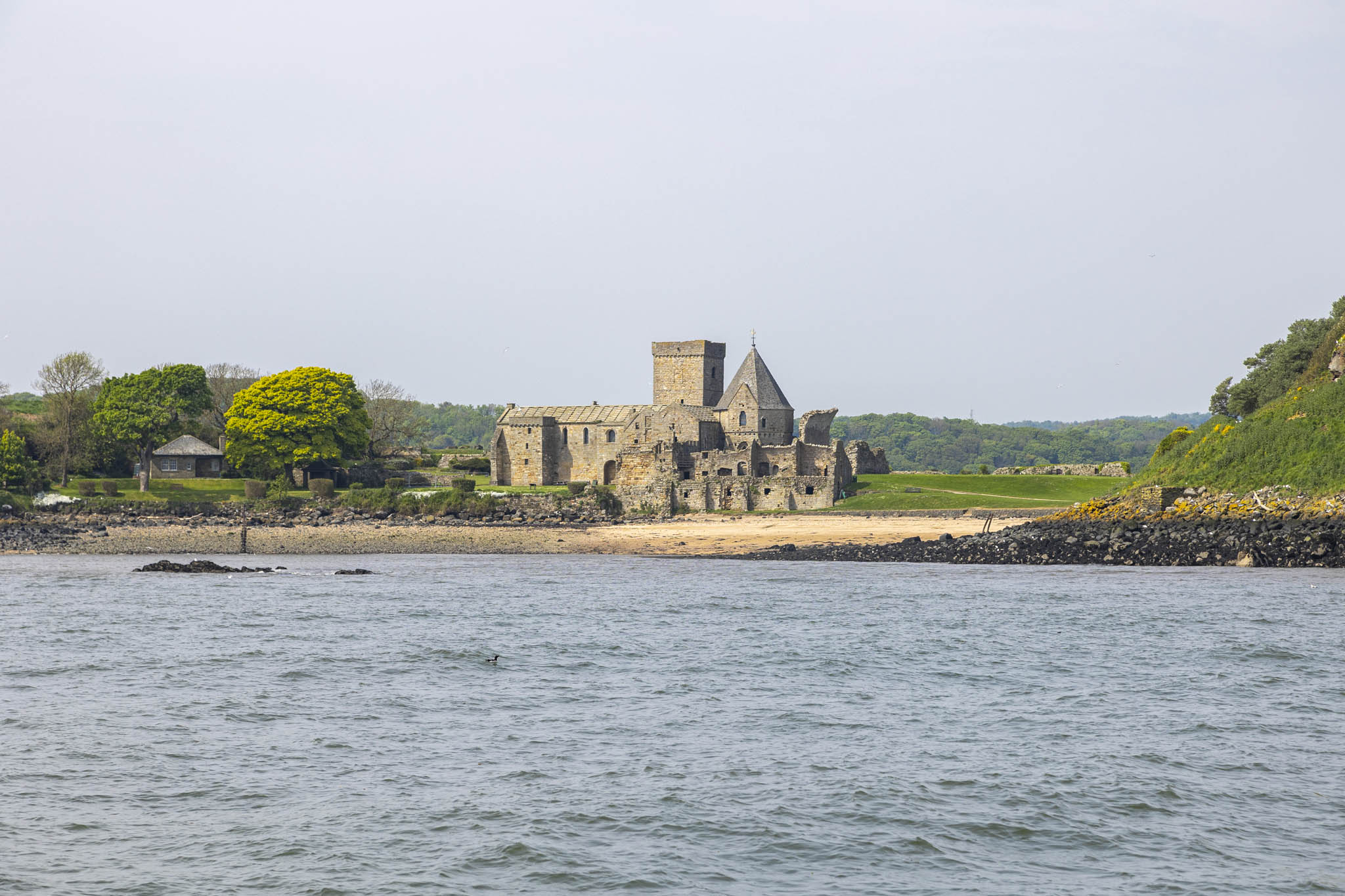
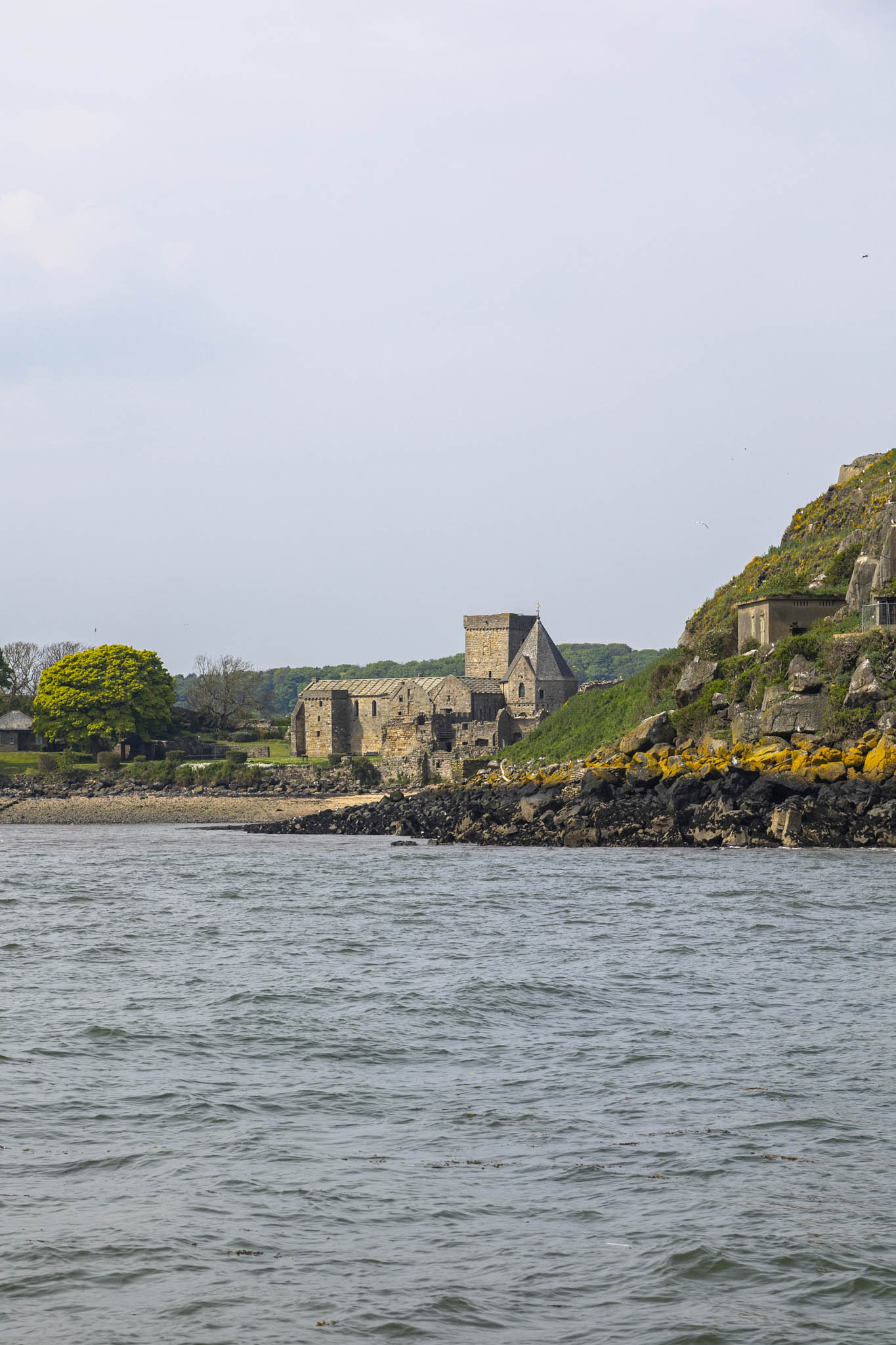
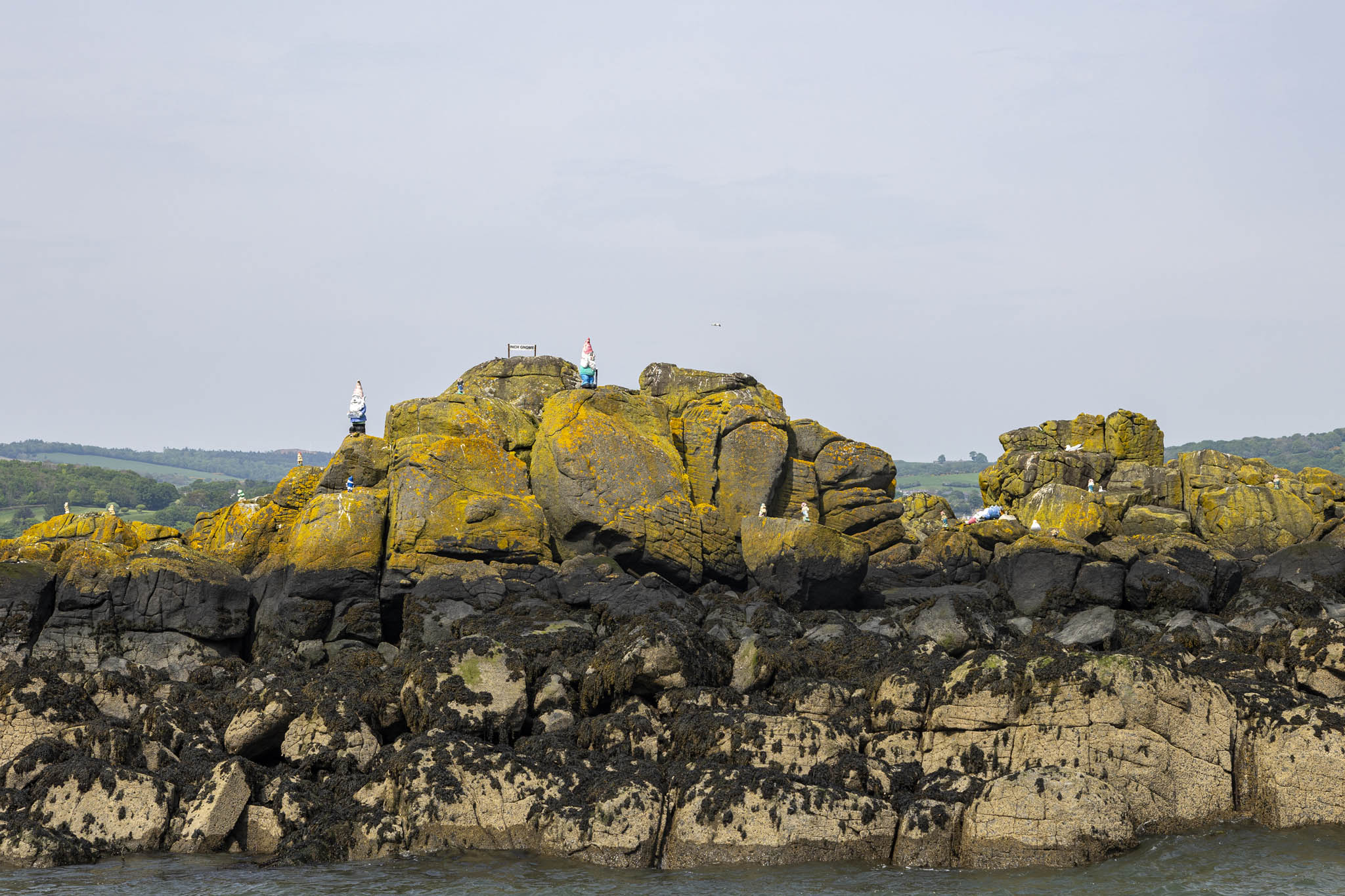
Our boat docked around the northern side of the island just beside the amusingly-named Inchgnome upon which numerous gnomes stood.
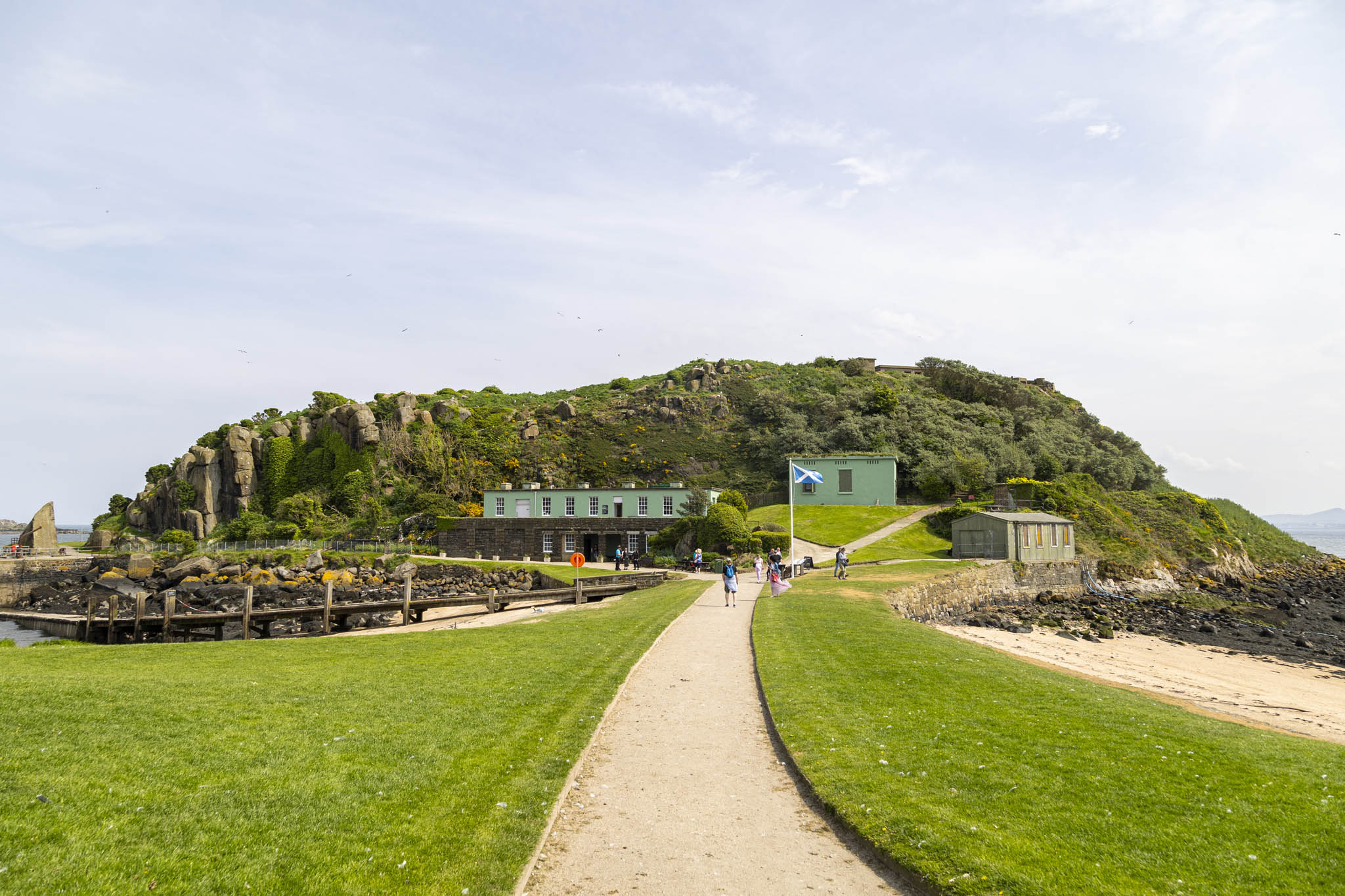
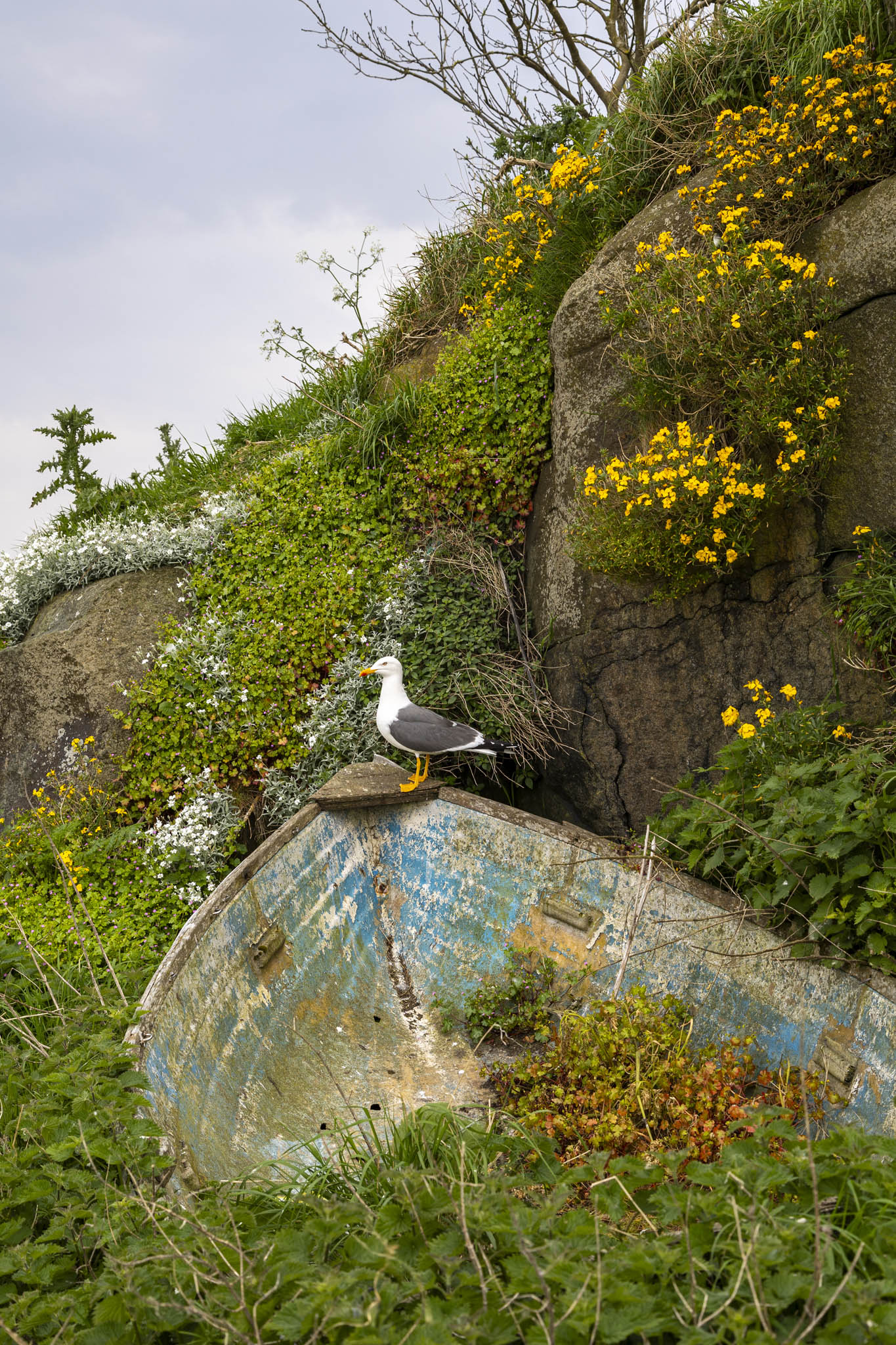
We were now free to explore the island for an hour and a half on our own. Our guides on the boat had given us some history of the place, indication of where we couldn’t go – there was a private property just beyond the abbey ruins – and warnings about the gulls. They were nesting during our arrival and would be numerous, noisy, and potentially aggressive. We were told to keep our distance and if the gulls didn’t want us near them then they’d make it clear and we should back away if we didn’t want to risk losing an eye.
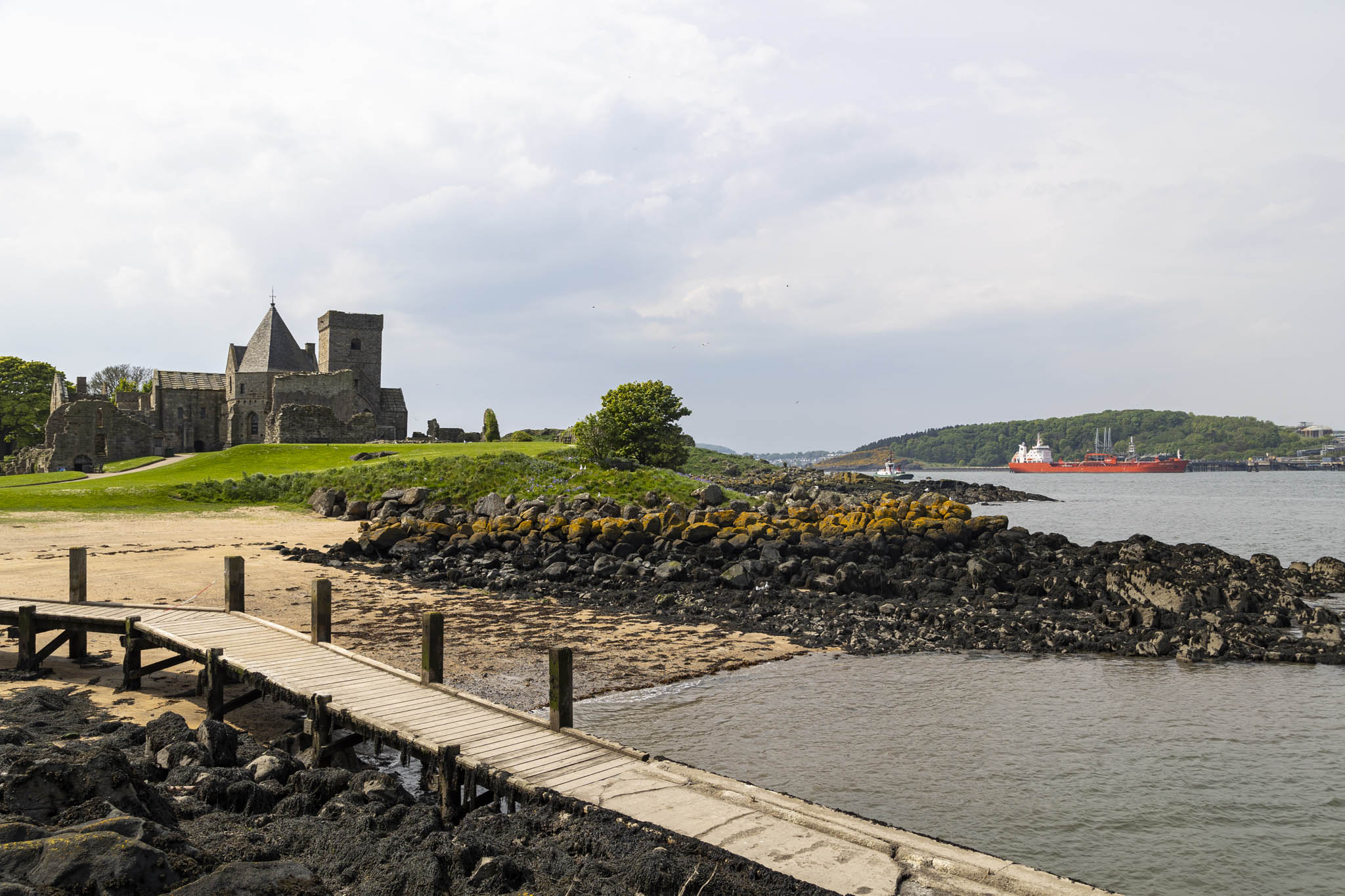
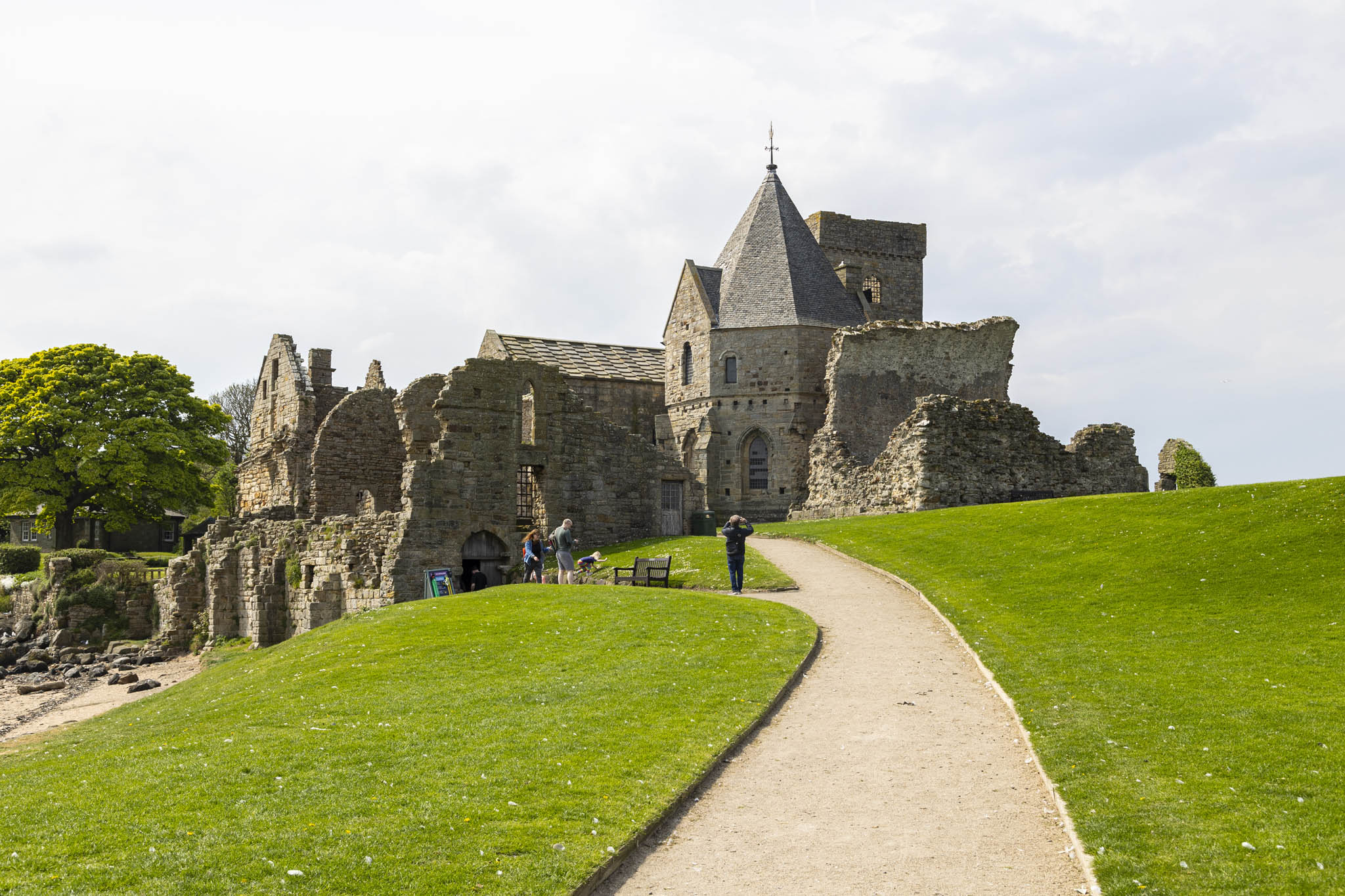
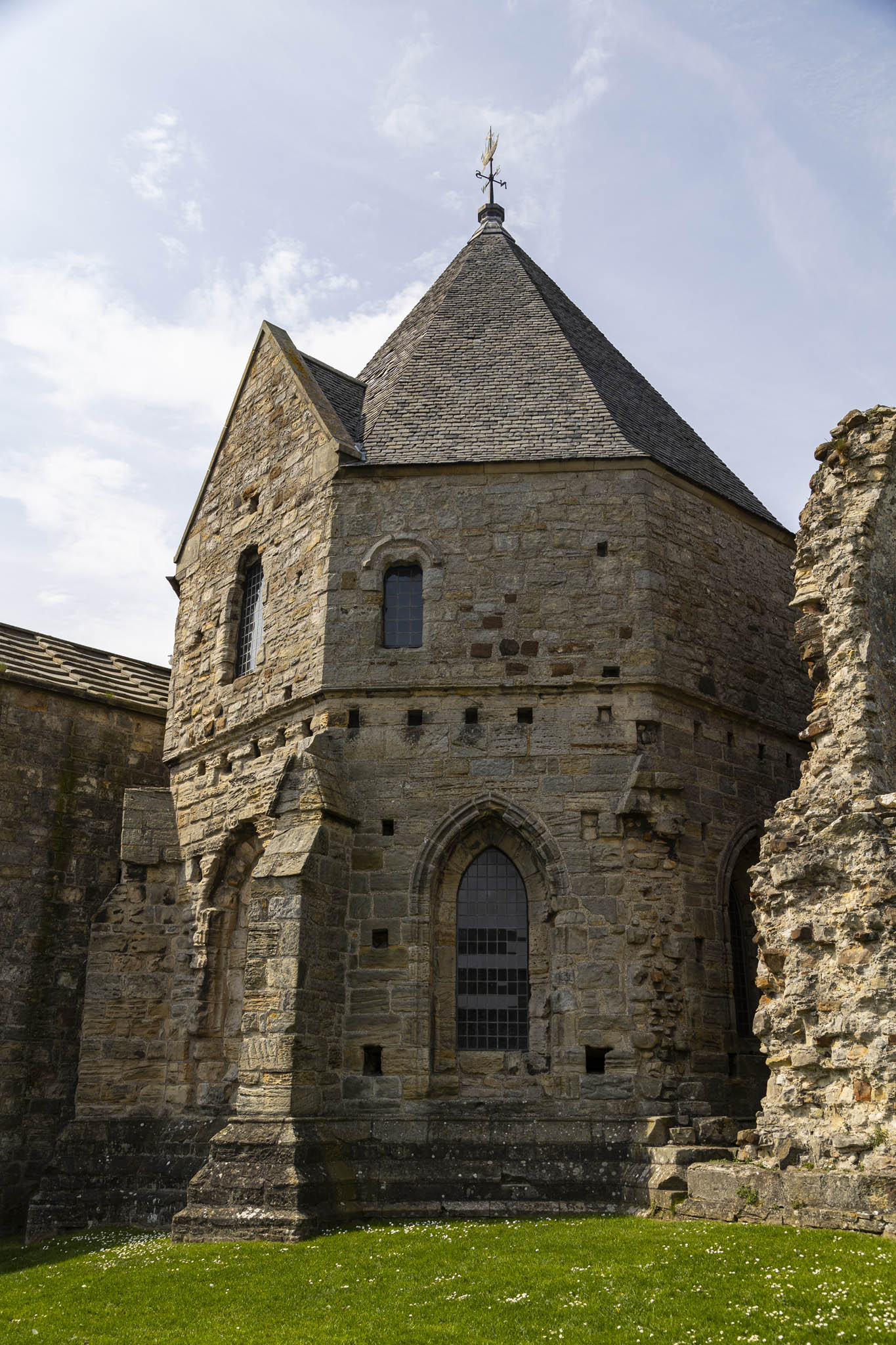
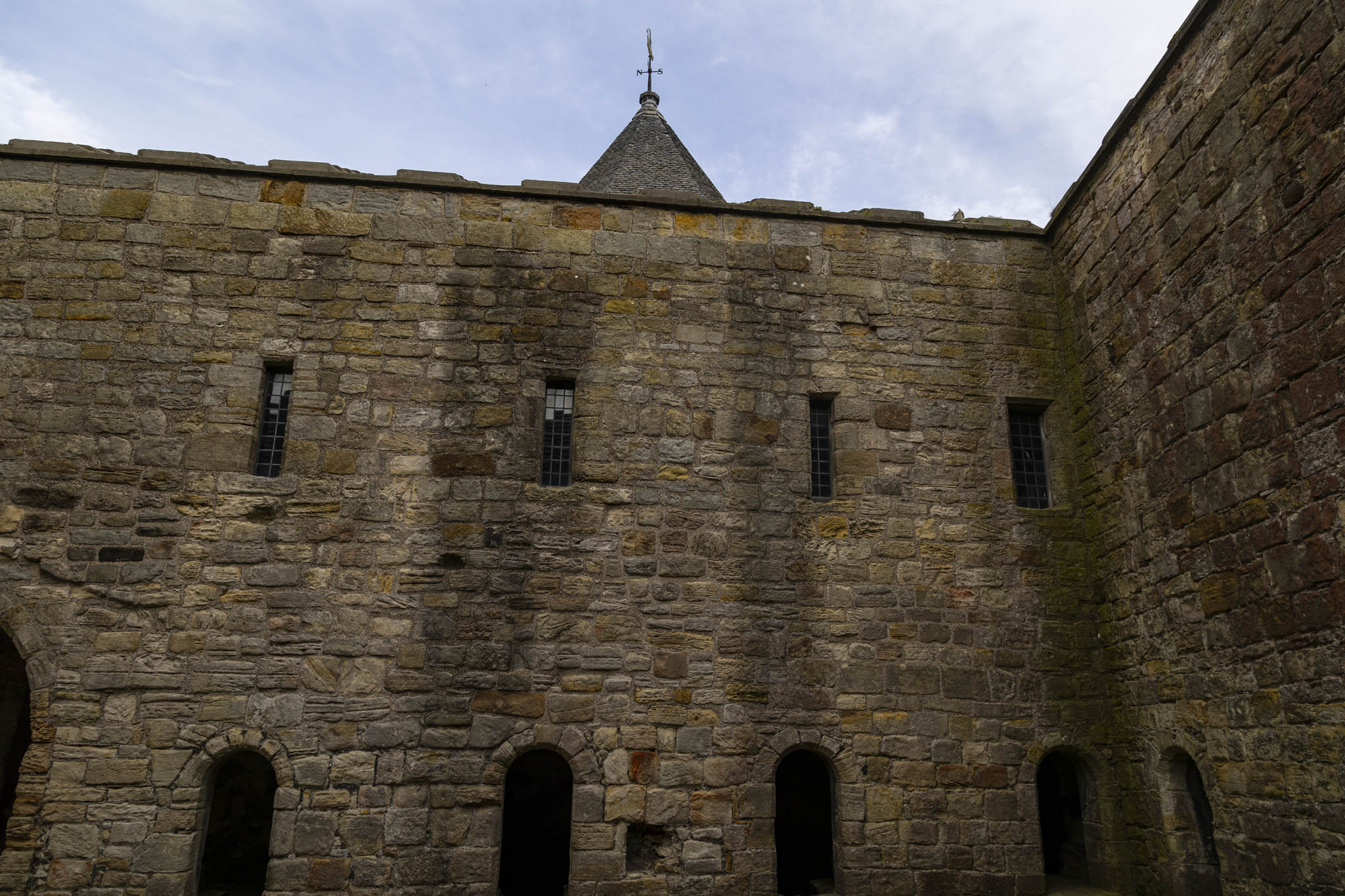
There are a few tales about when a religious building was first constructed with dates in the twelfth century mentioned, but it wasn’t until 1235 that Augustinian brothers and priests started using it as a proper abbey. Inchcolm Abbey was eventually abandoned in 1560 as a result of the Scottish Reformation and it had suffered numerous attacks in the intervening centuries. Nevertheless, it is the most complete example of monastic ruins in Scotland.
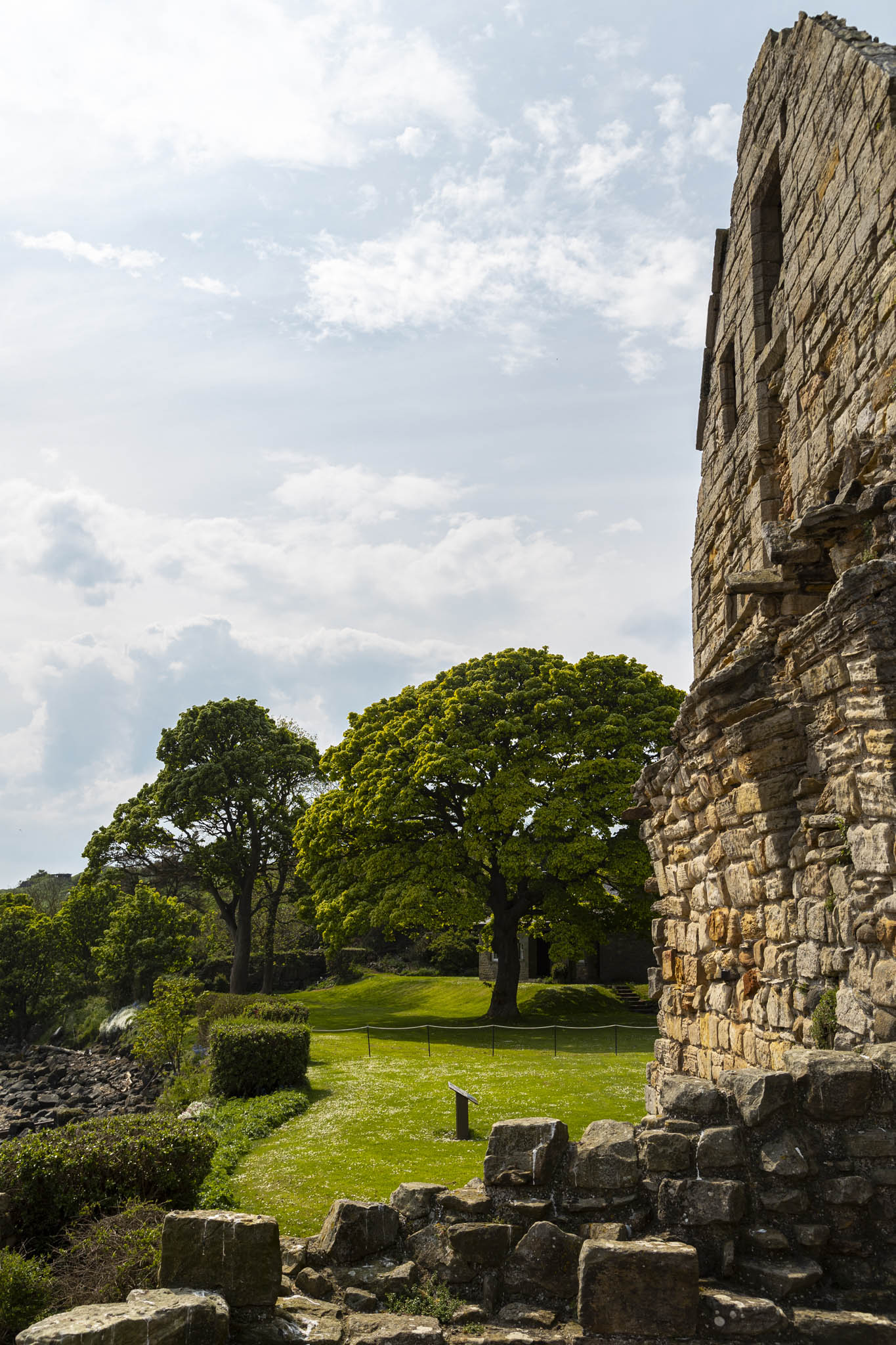
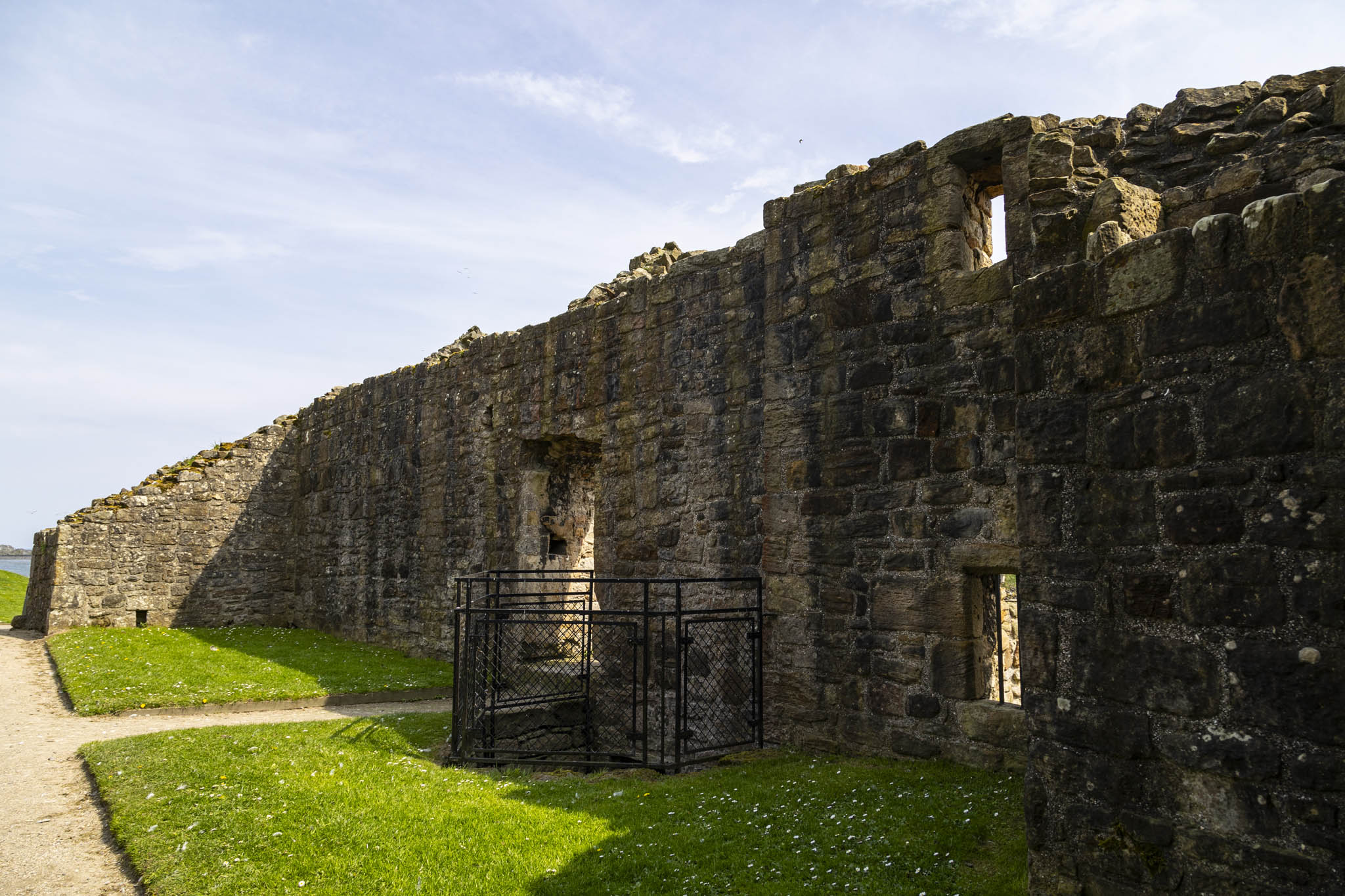
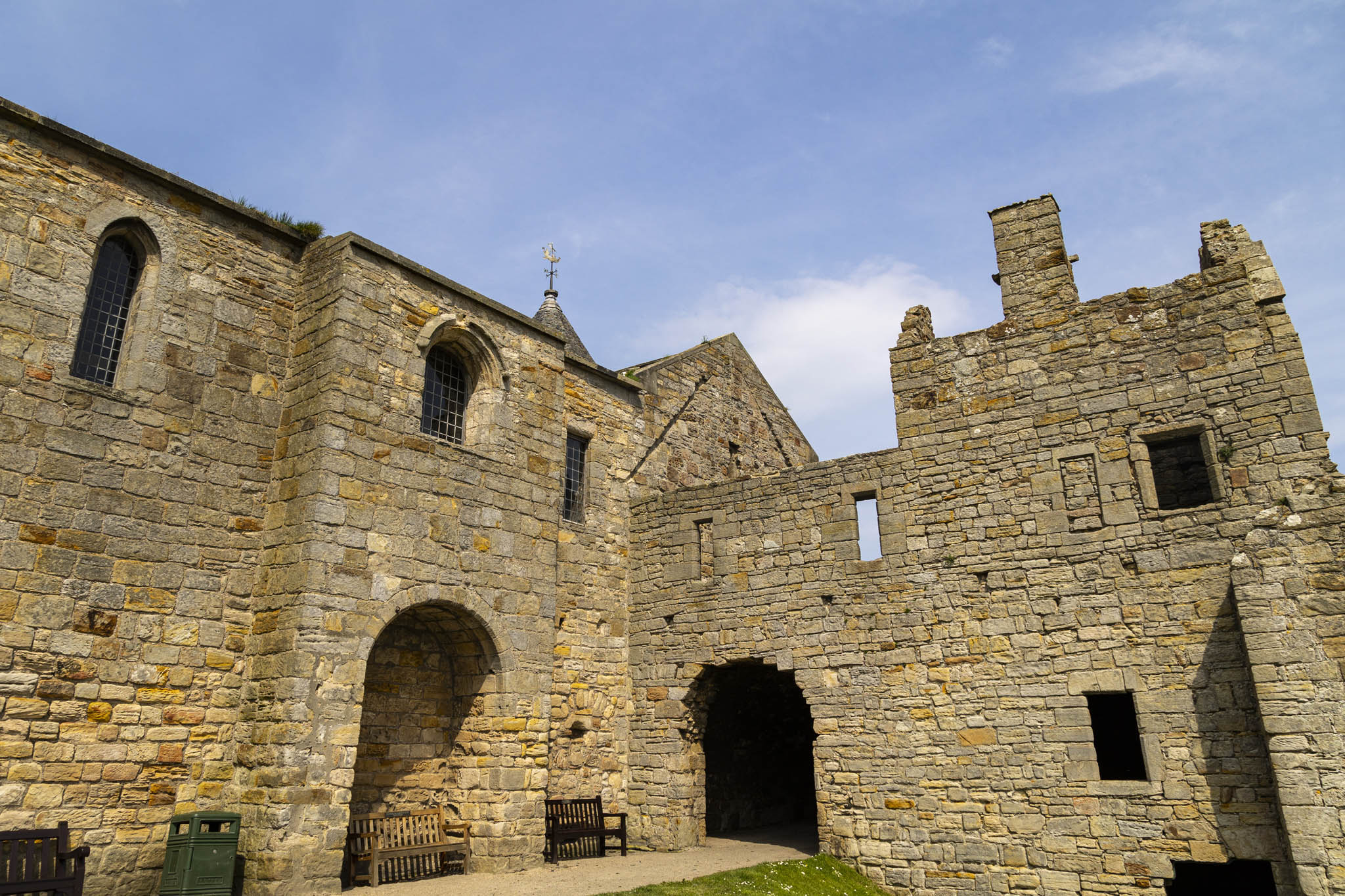
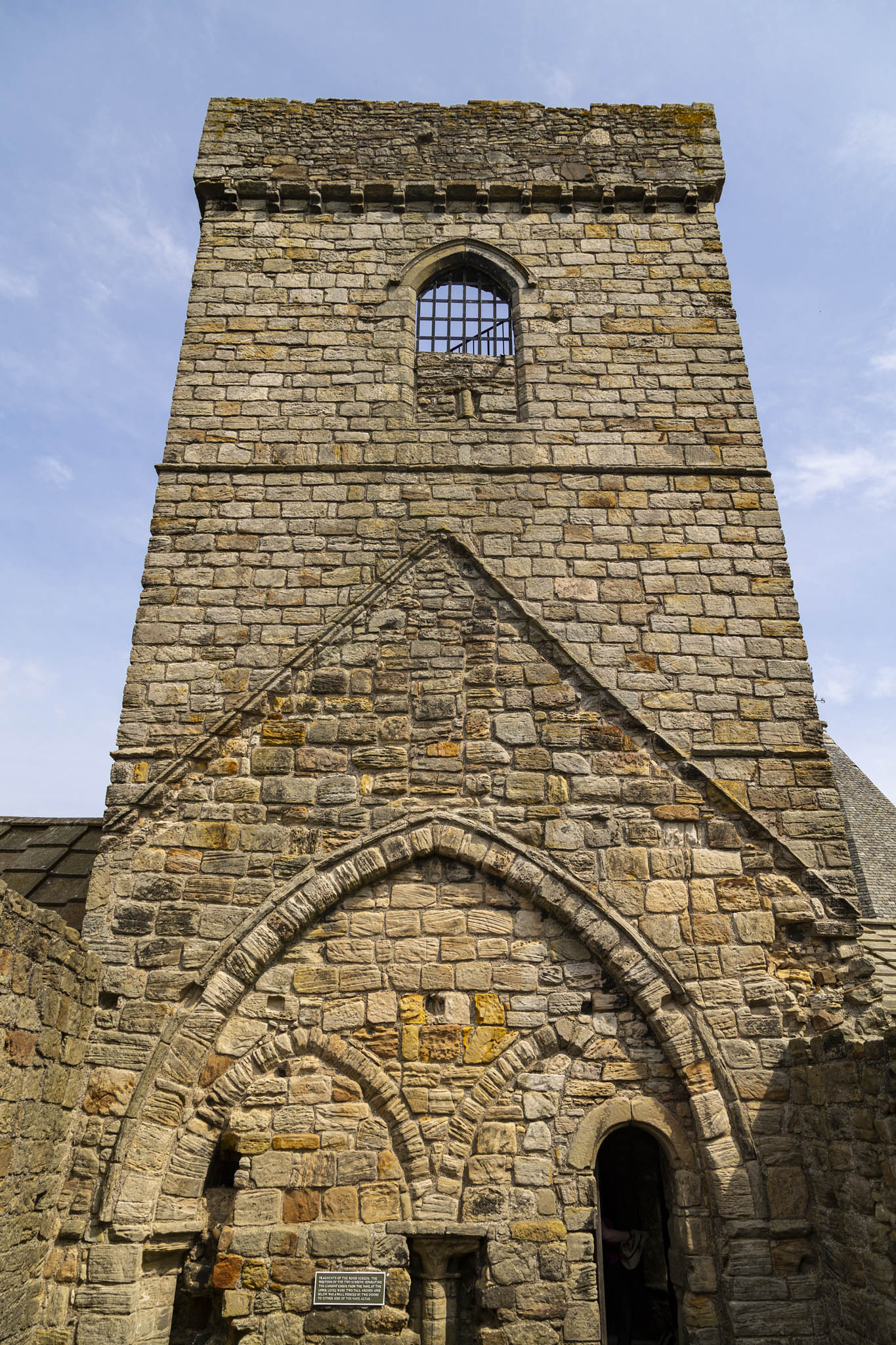
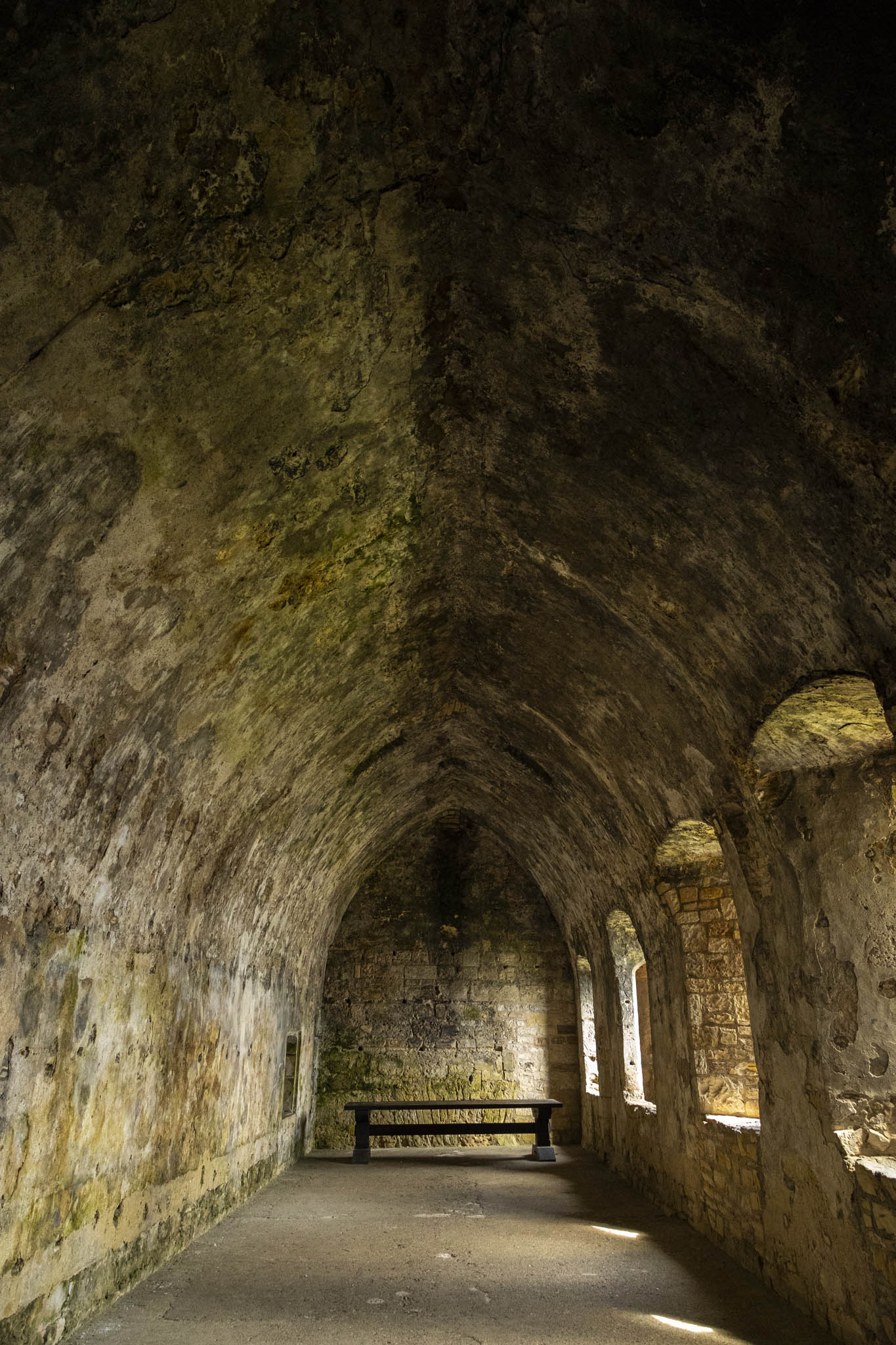
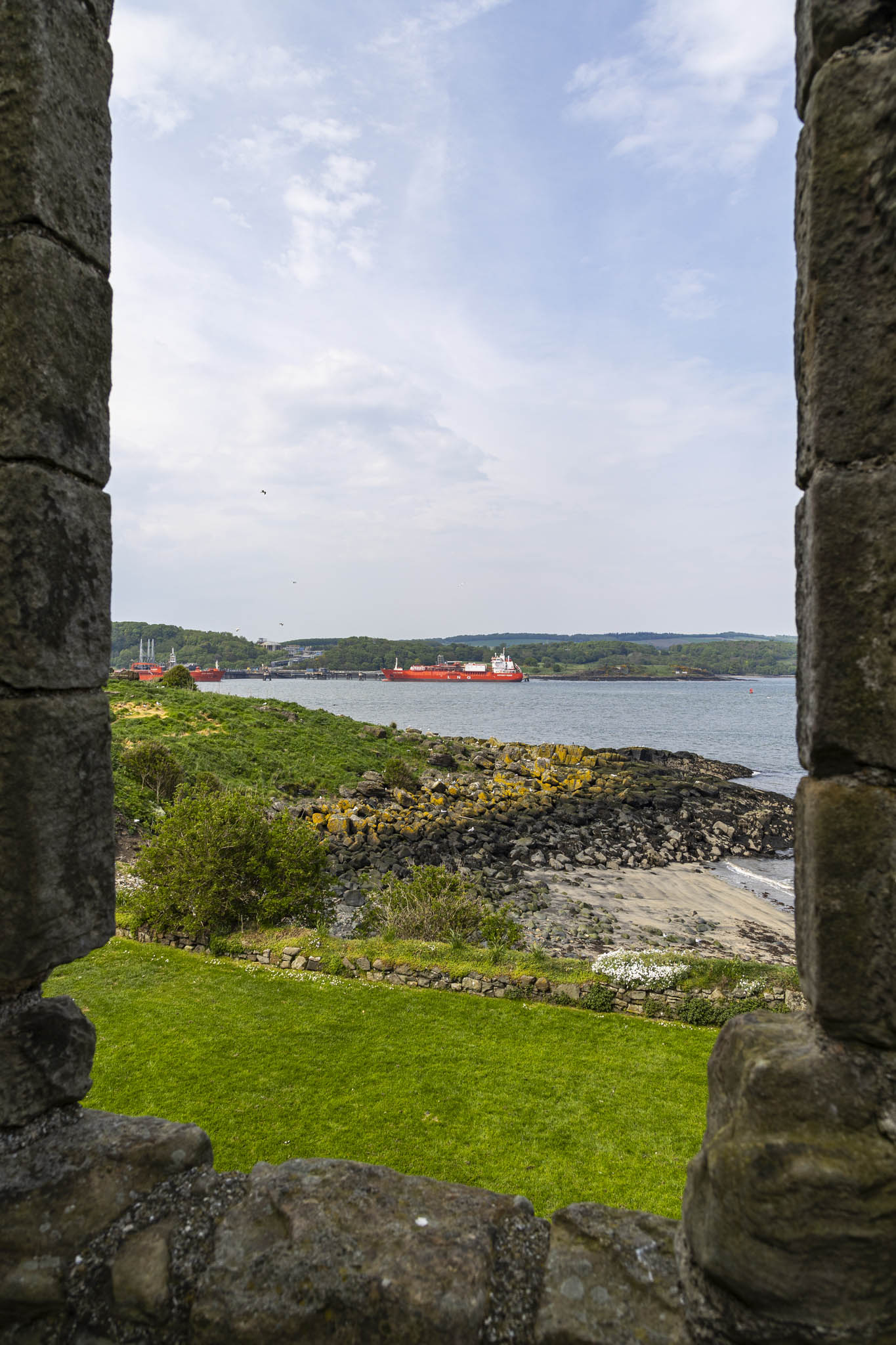
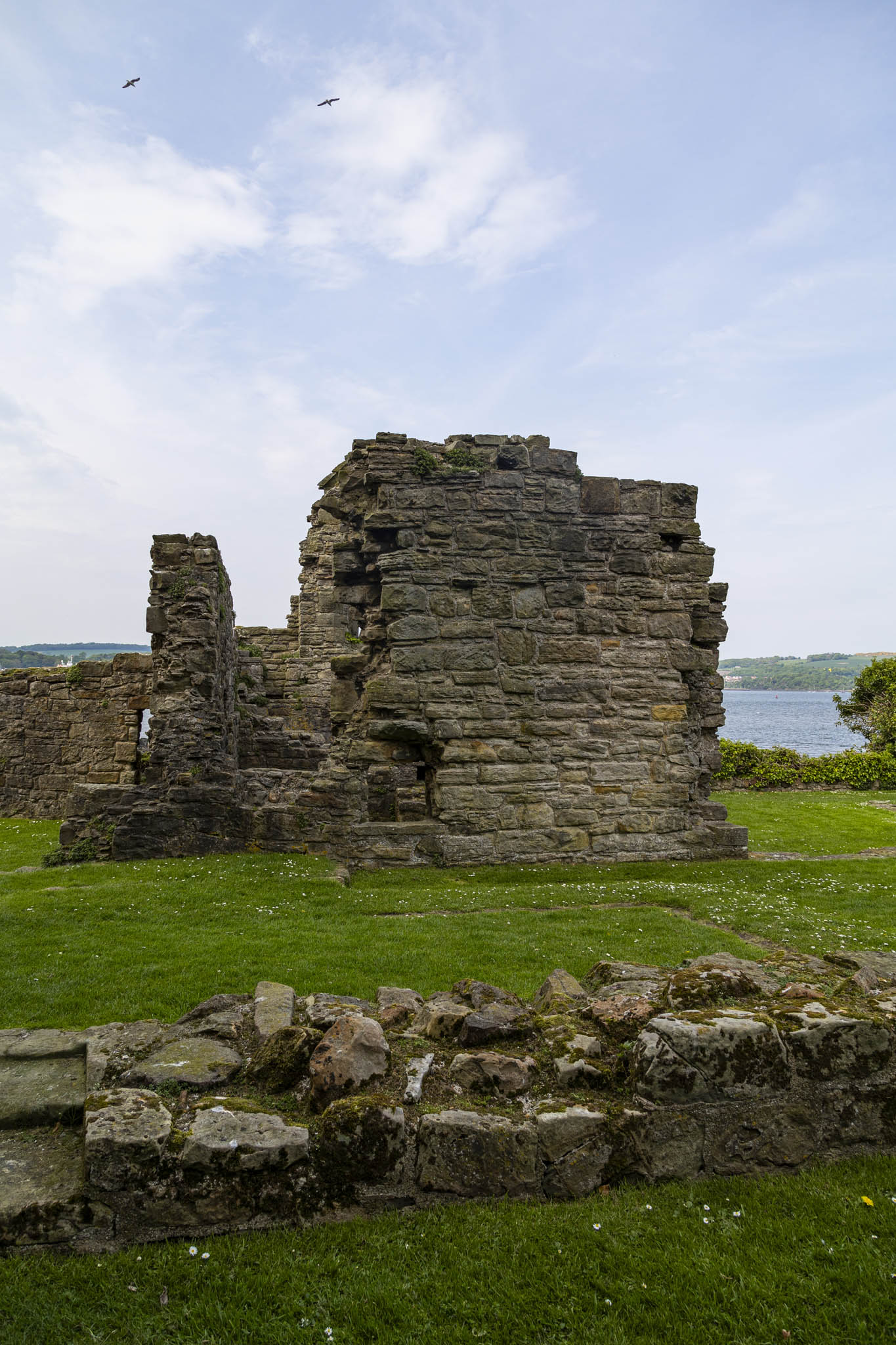
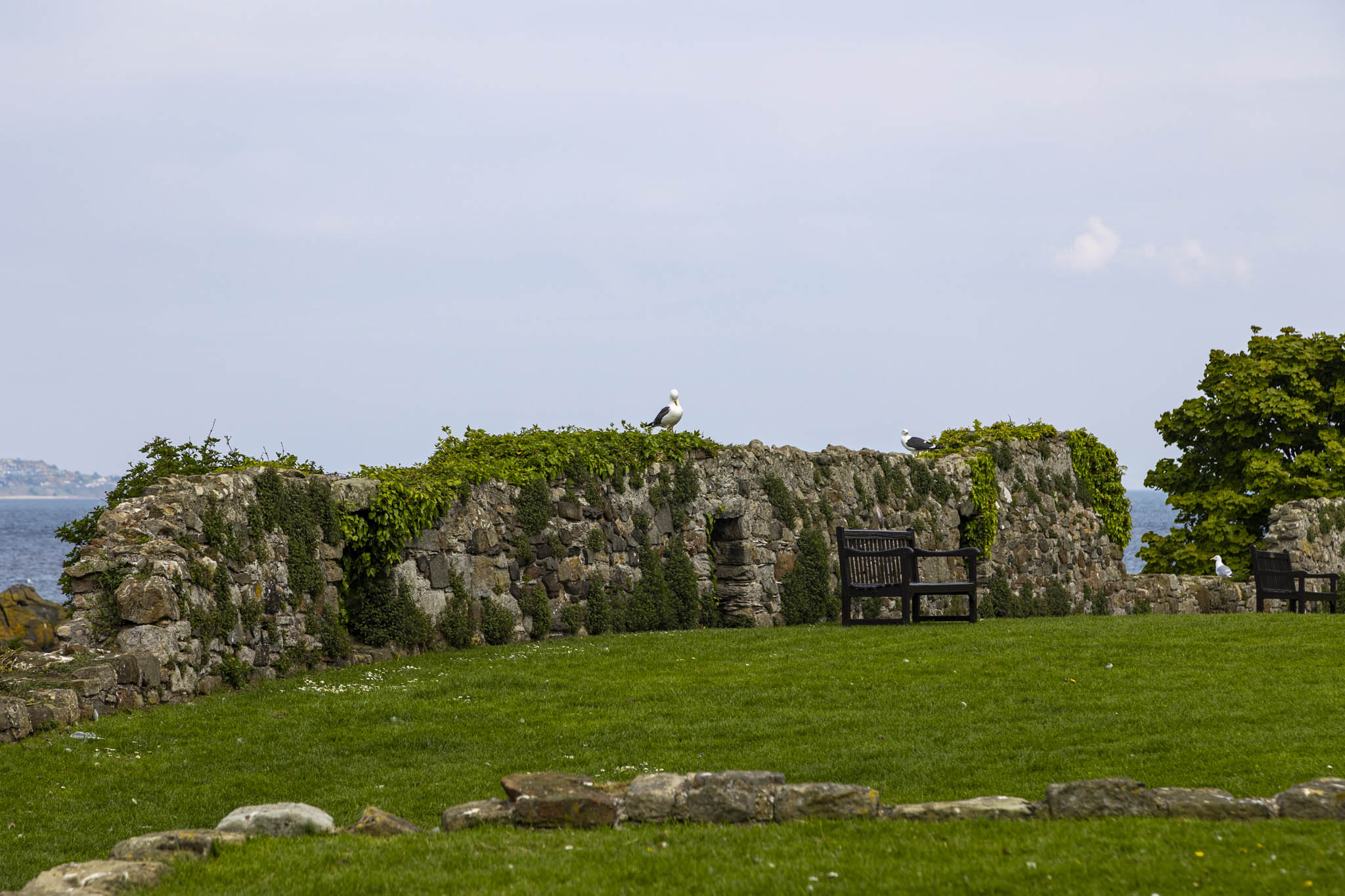
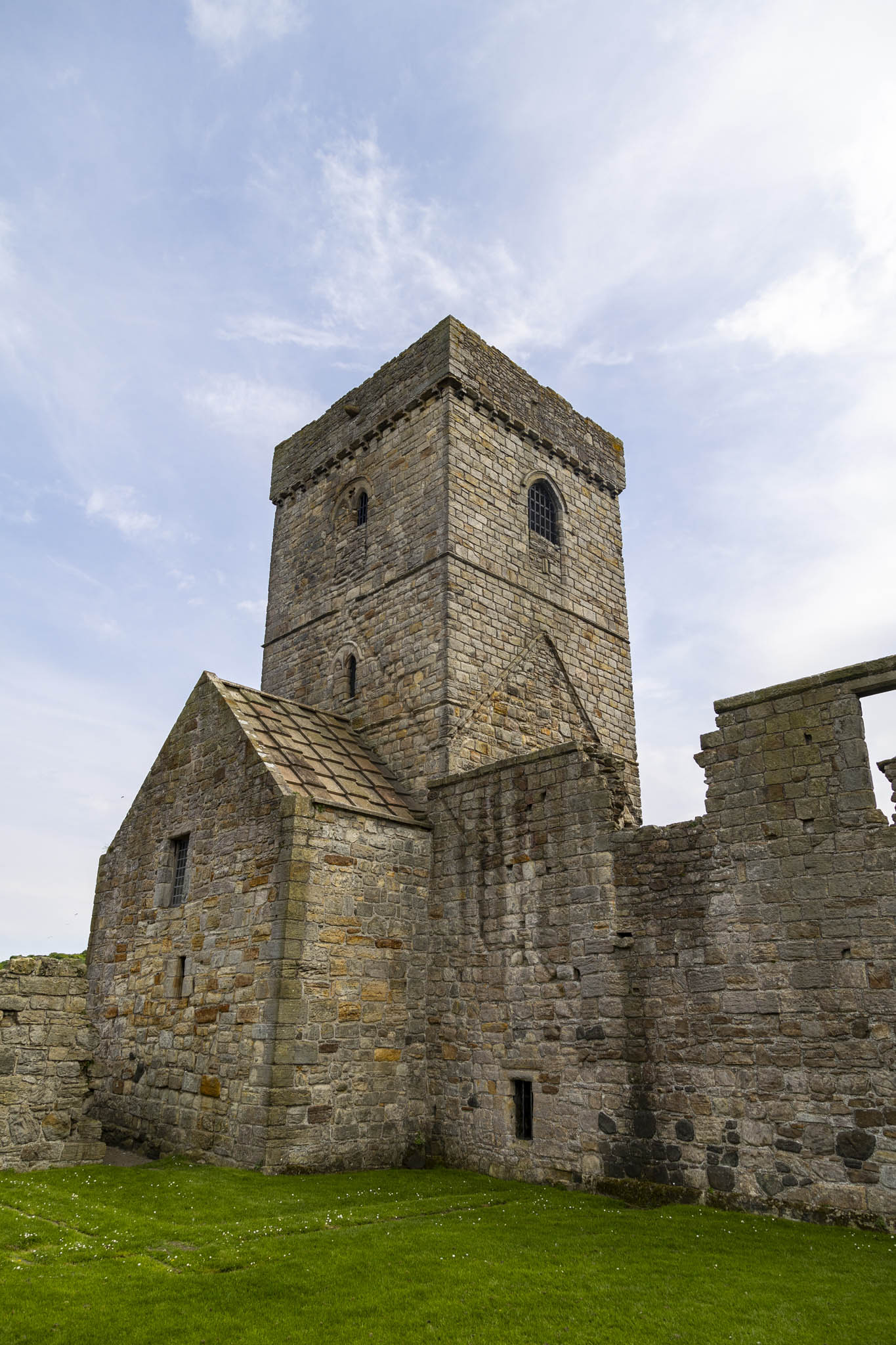
At the back of the abbey we started to head off up a grassy area and got just a little way up it when the gulls gave us cause to reconsider. A combination of not wanting to cause the birds stress and not wanting to be known as “those people with the bleeding heads” on the journey back sent us into the abbey ruins once more instead.
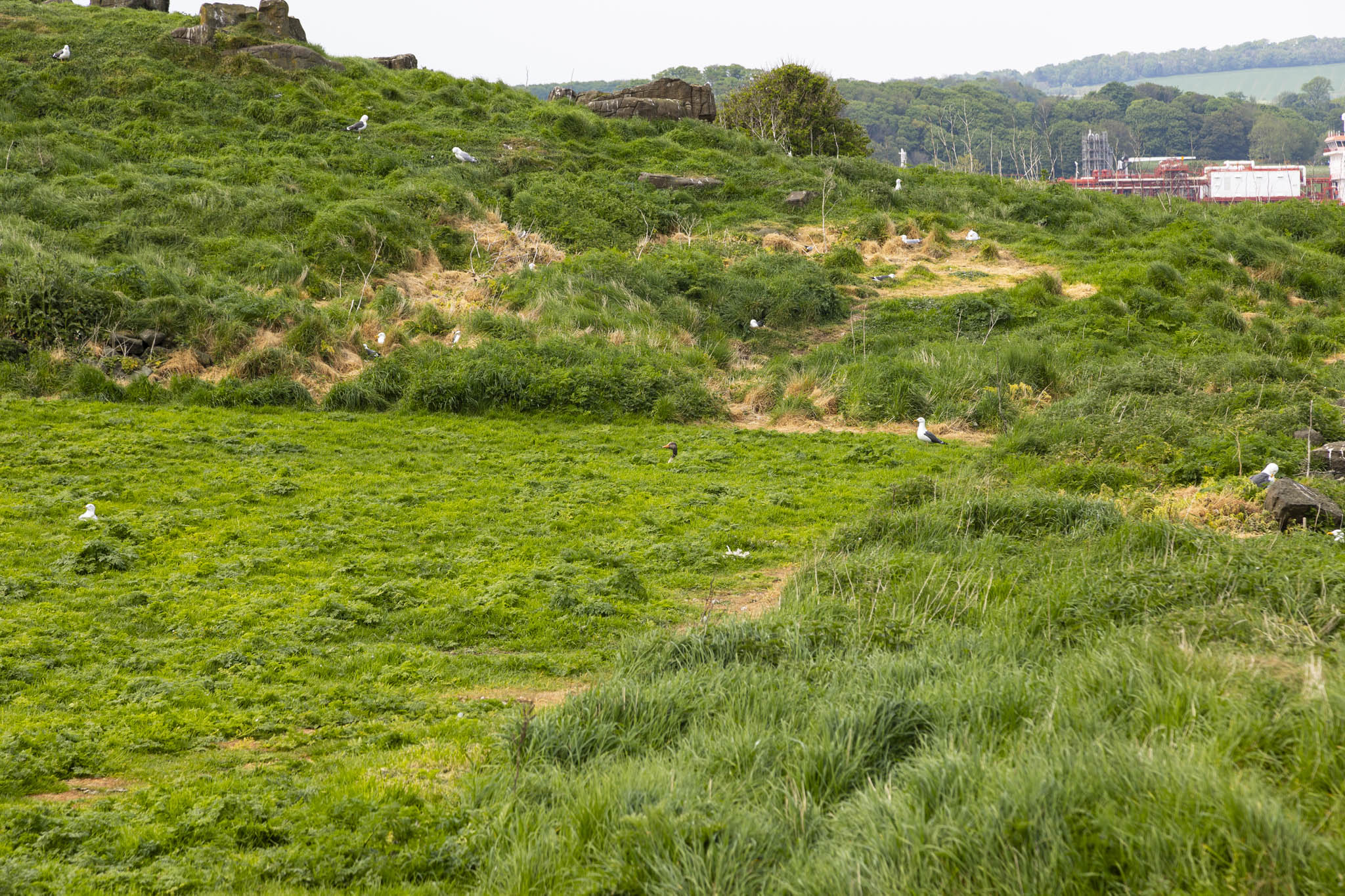
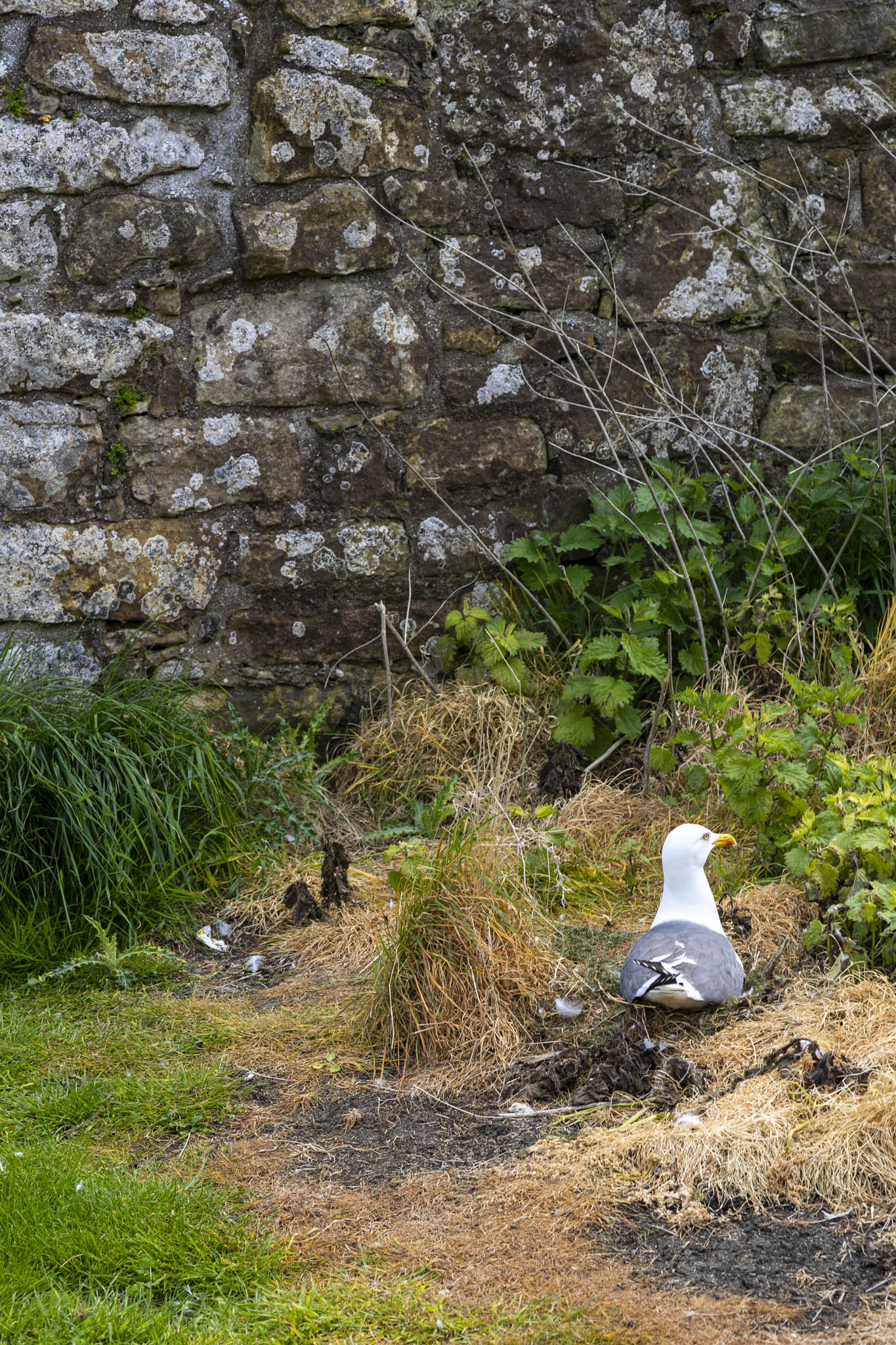
Inchcolm Abbey just had a great feeling about it. The sense of isolation helped, and maybe the winged threat all around added to the atmosphere, but the completeness of some of the areas such as the cloisters and refectory really made it easy to find yourself immersed in the place.
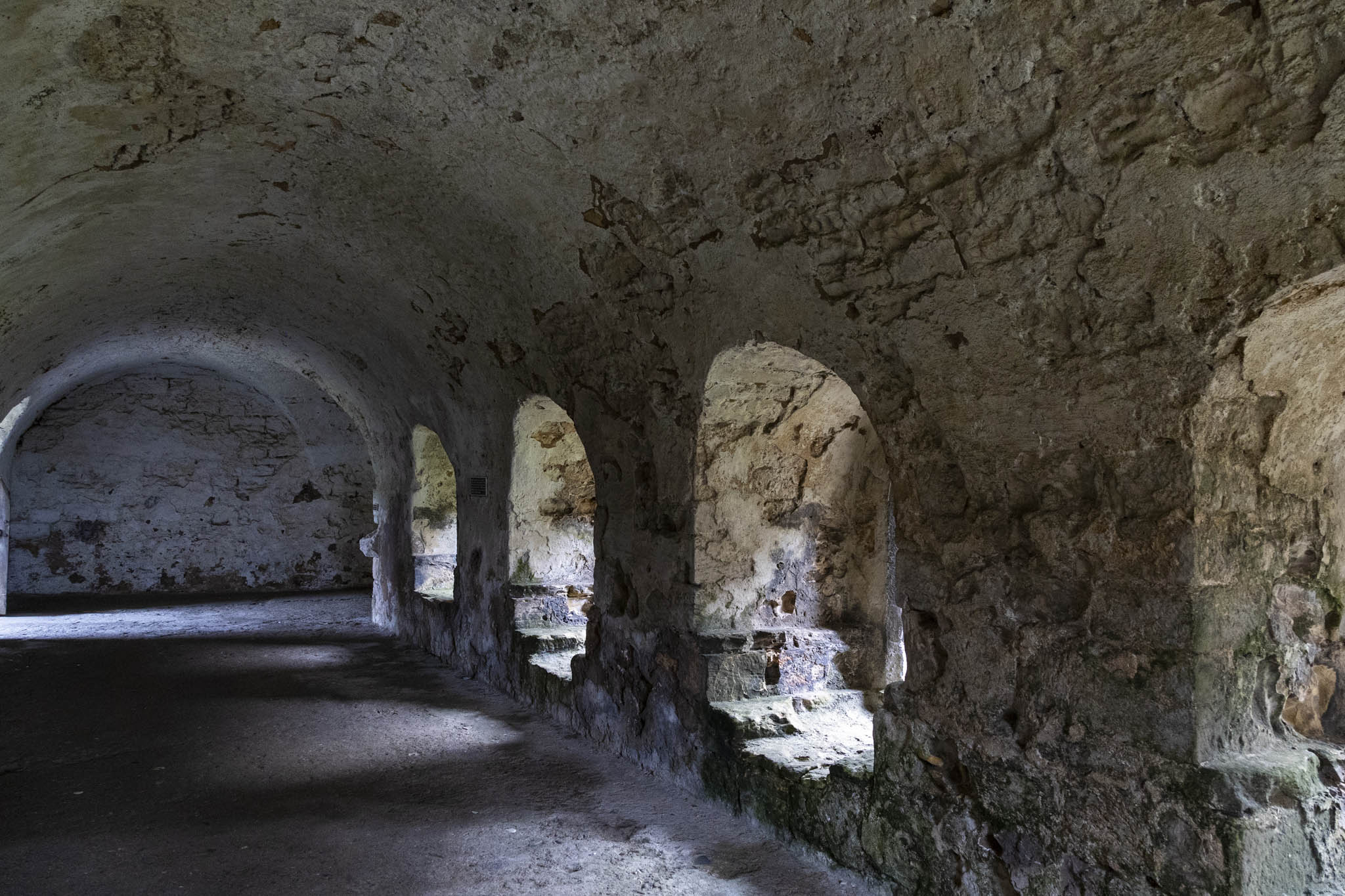
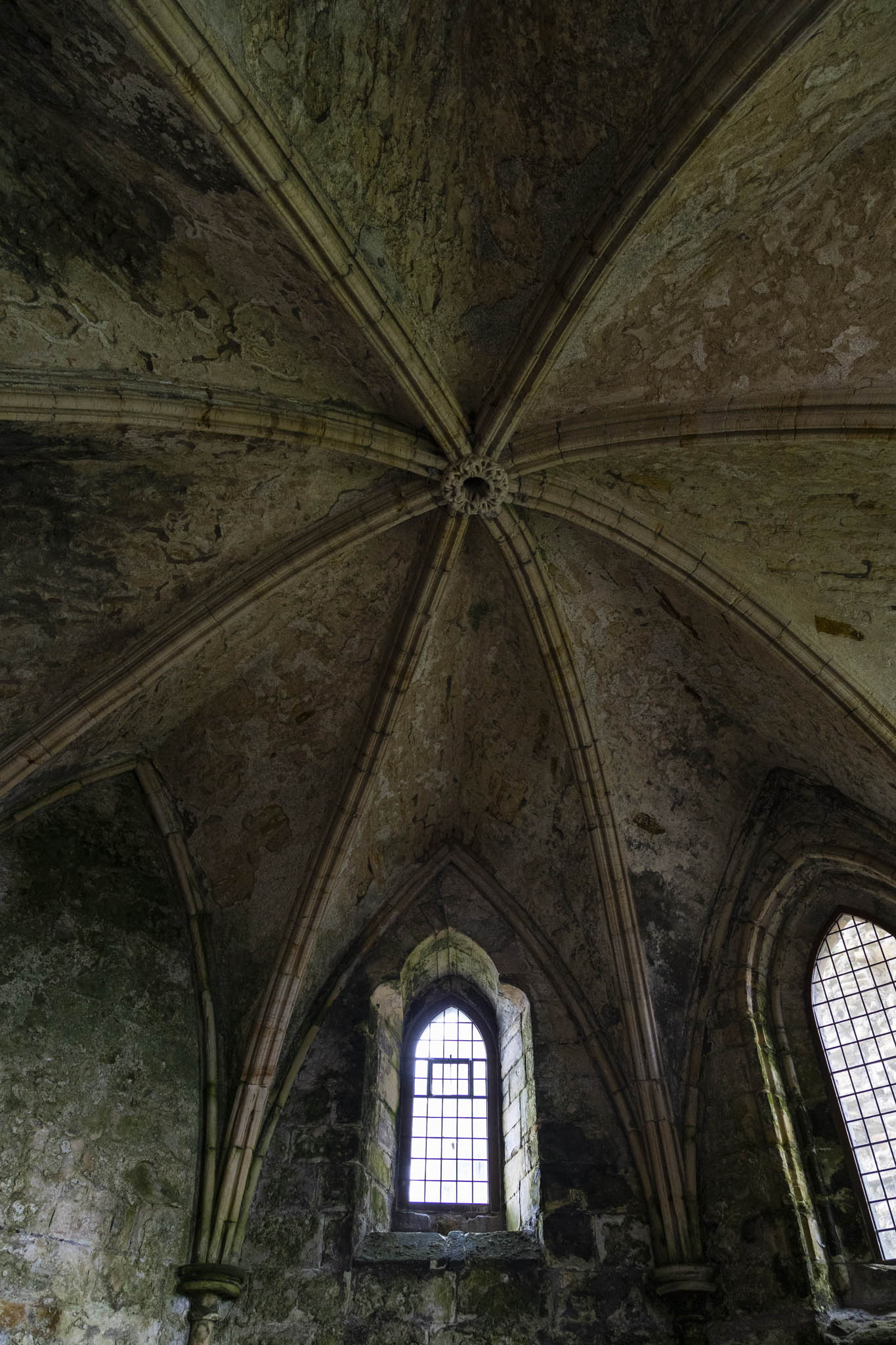
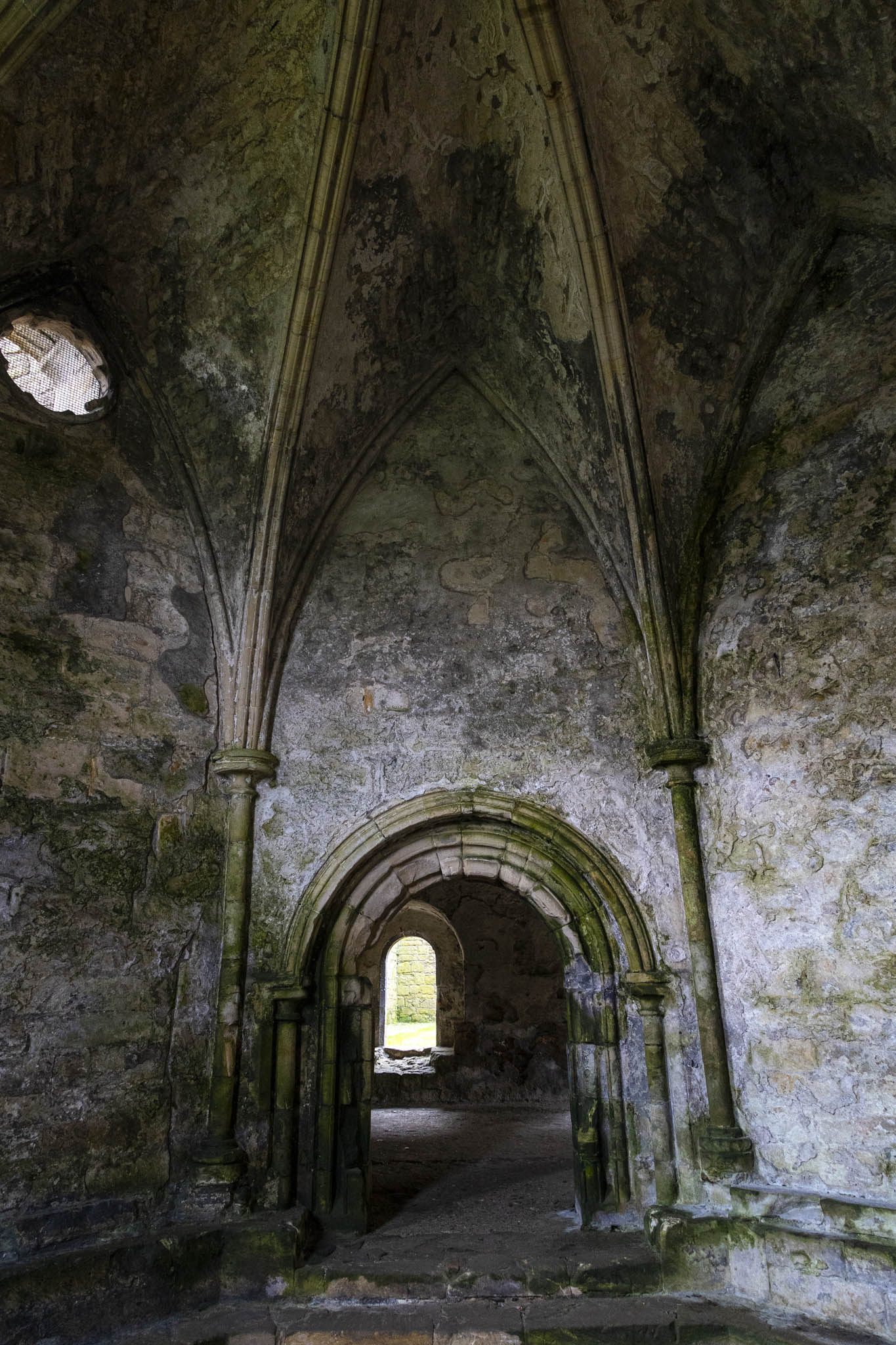
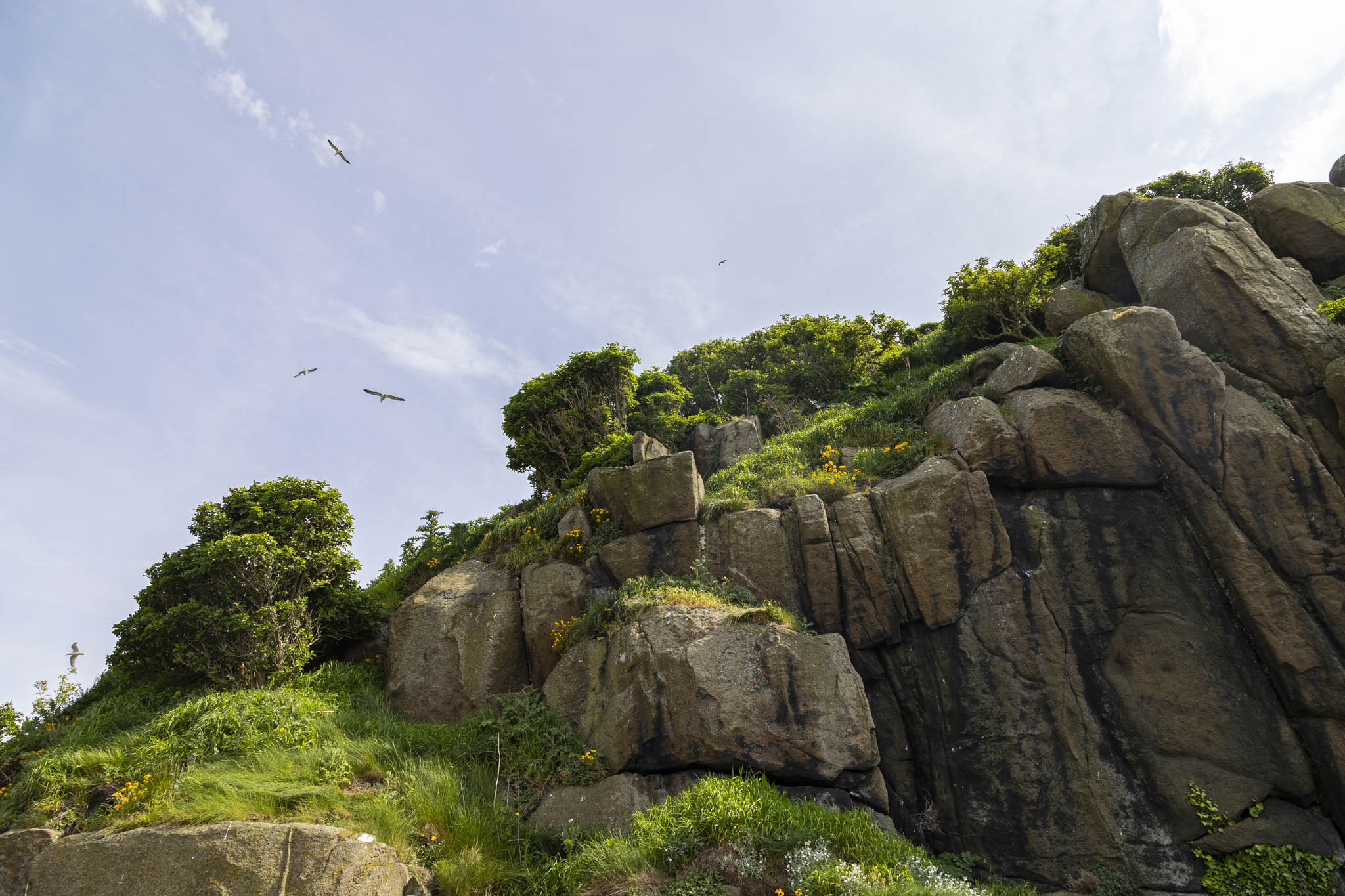
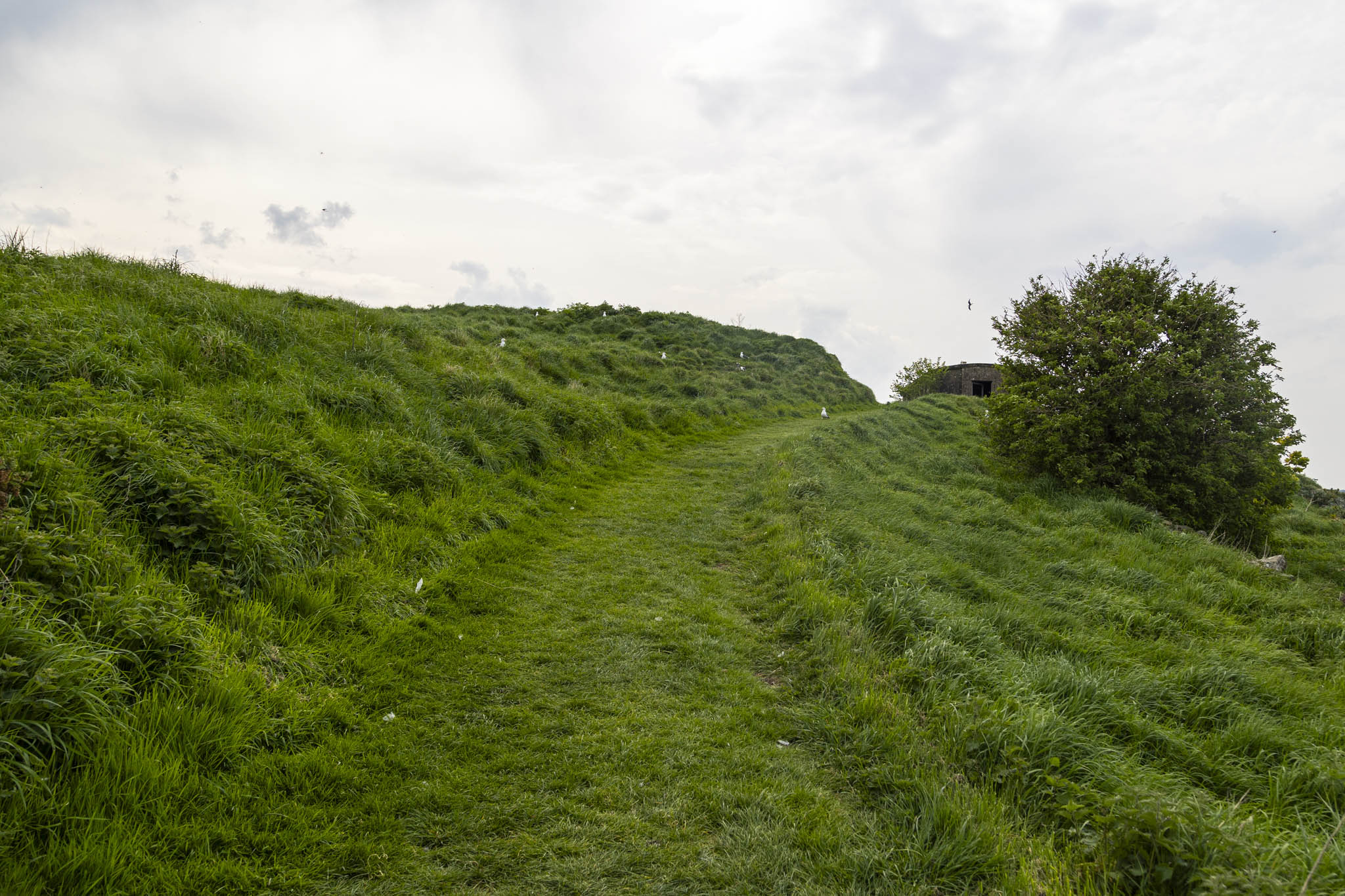
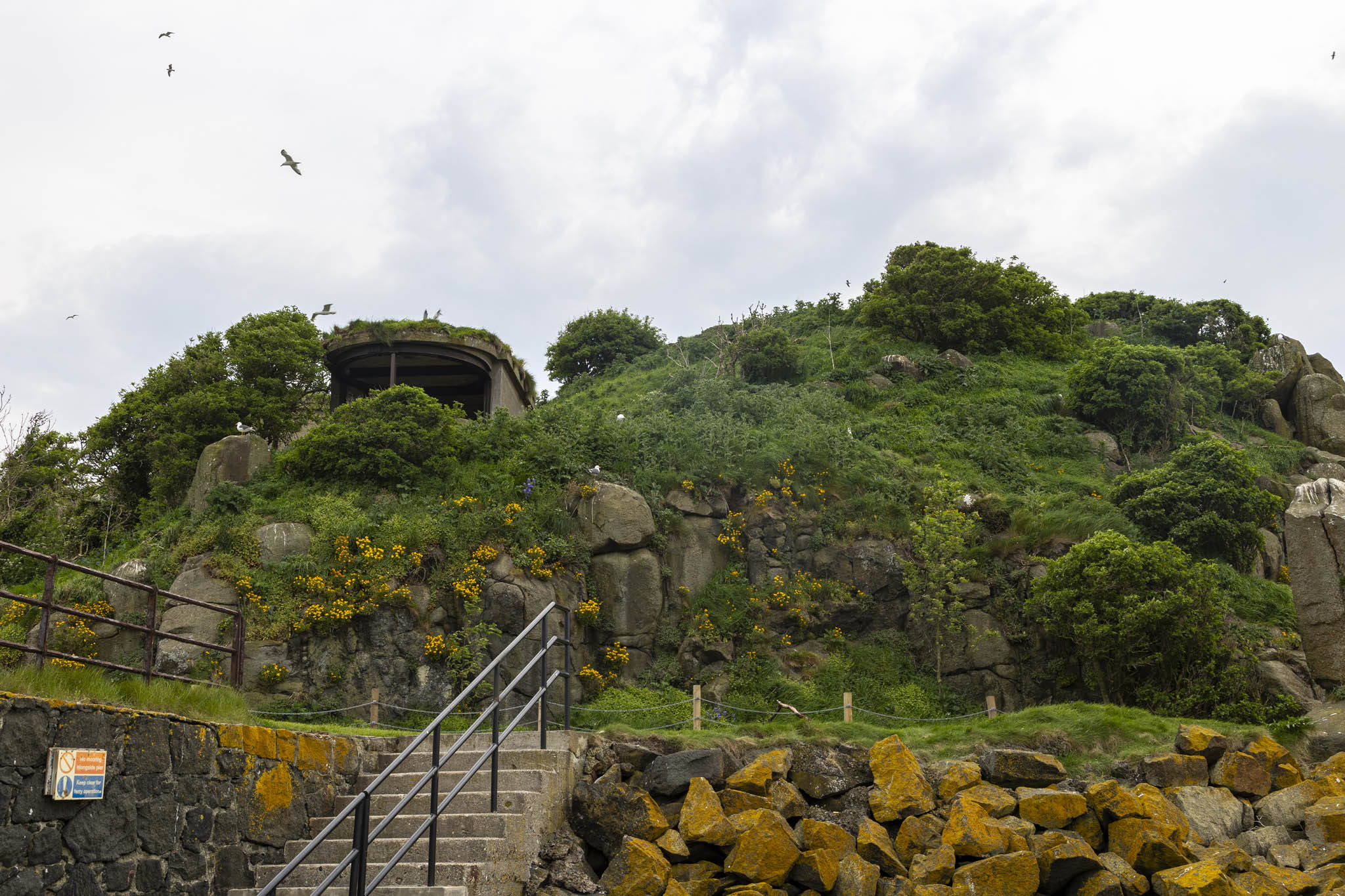
We headed back closer to the area where we’d been dropped off on Inchcolm Island. At certain times of the year puffins will nest around the island and had there been a chance of seeing them then I might have been able to persuade my wife to join me as I then headed up the hill for a look around. My wife has a thing for puffins, but because this wasn’t Puffin Time™ she was happy to hang around near the bottom while I clambered up for some views around and to check out some of the defensive structures placed on the island during both of the twentieth century’s world wars.
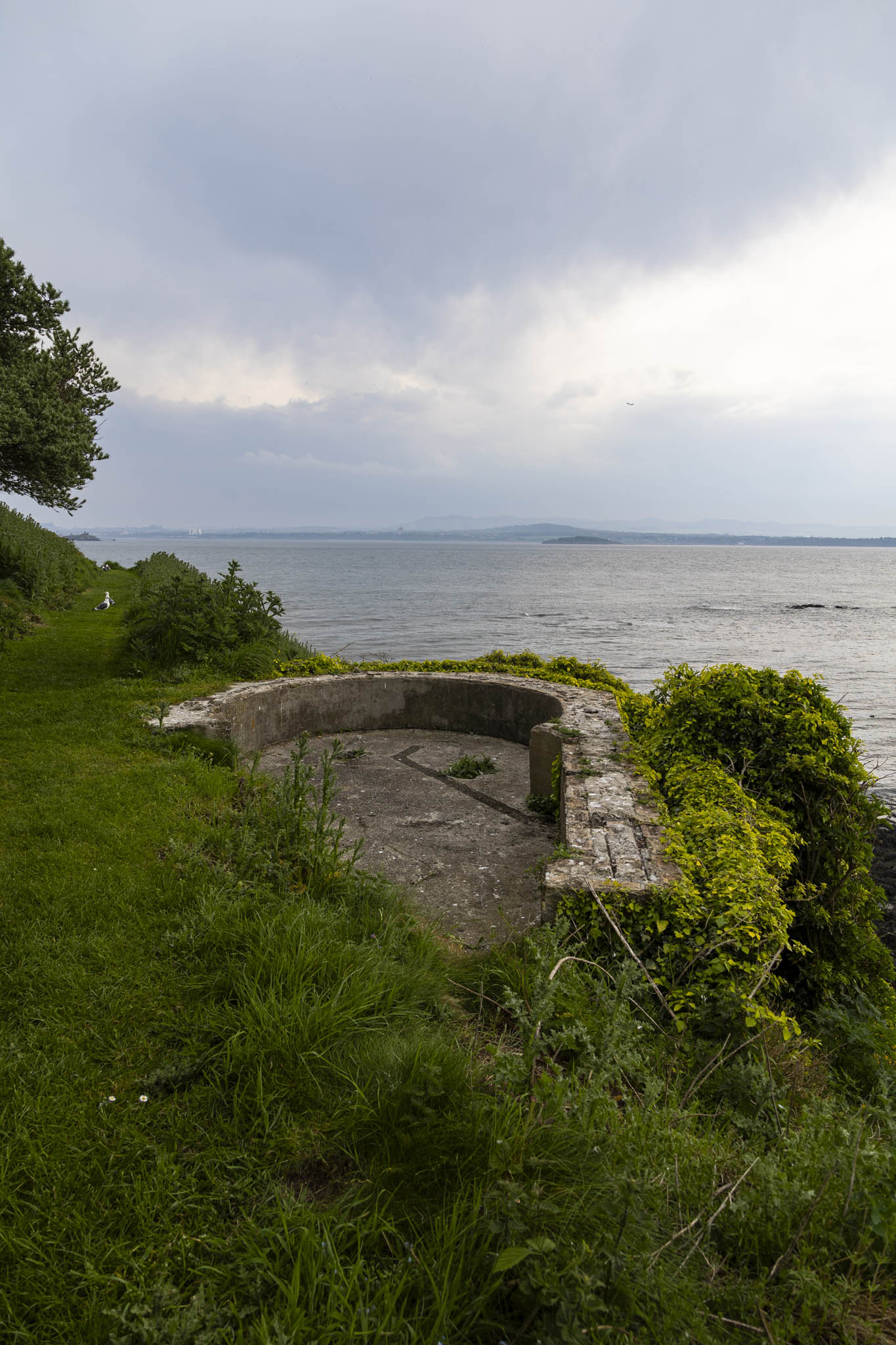
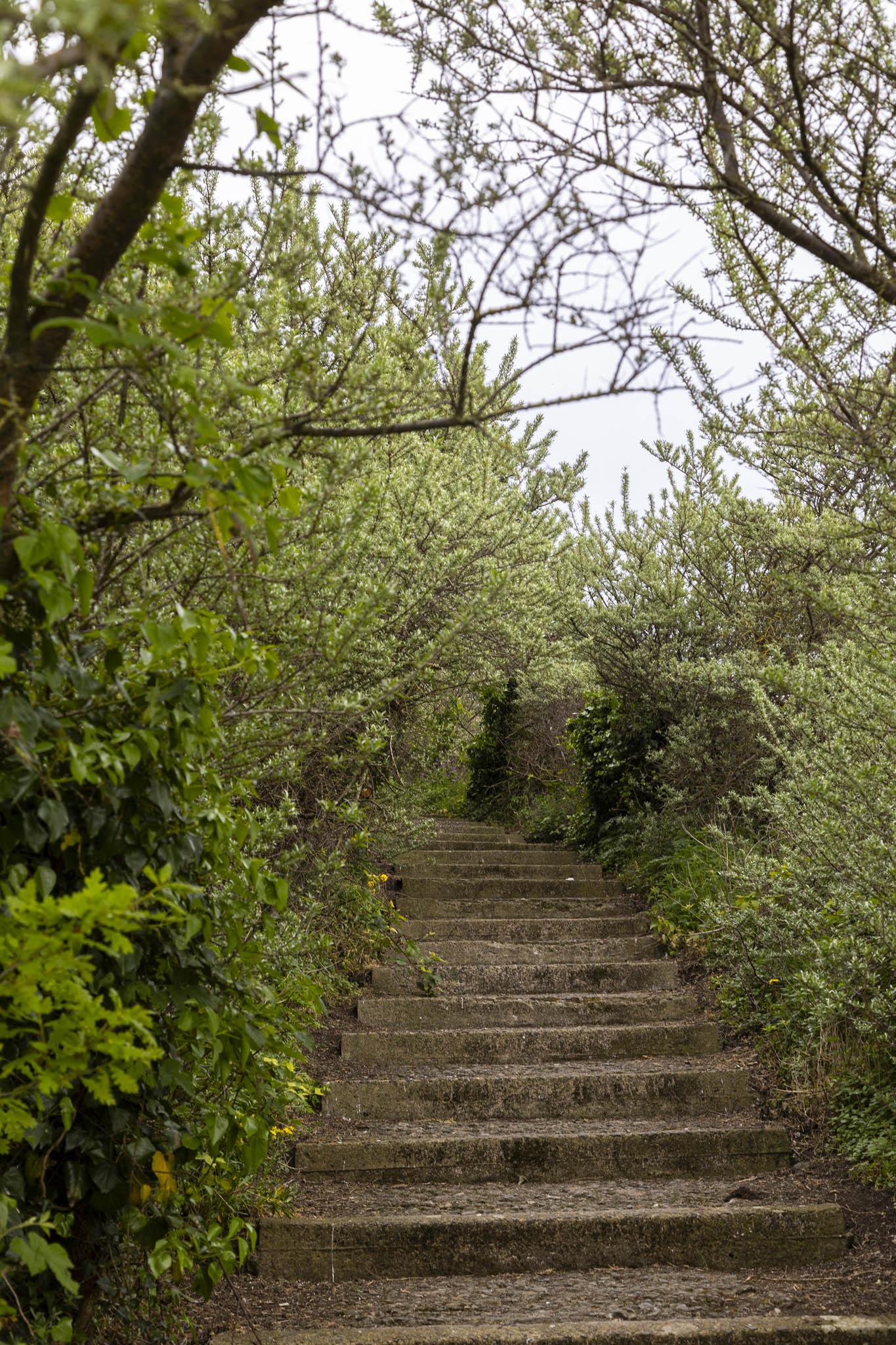
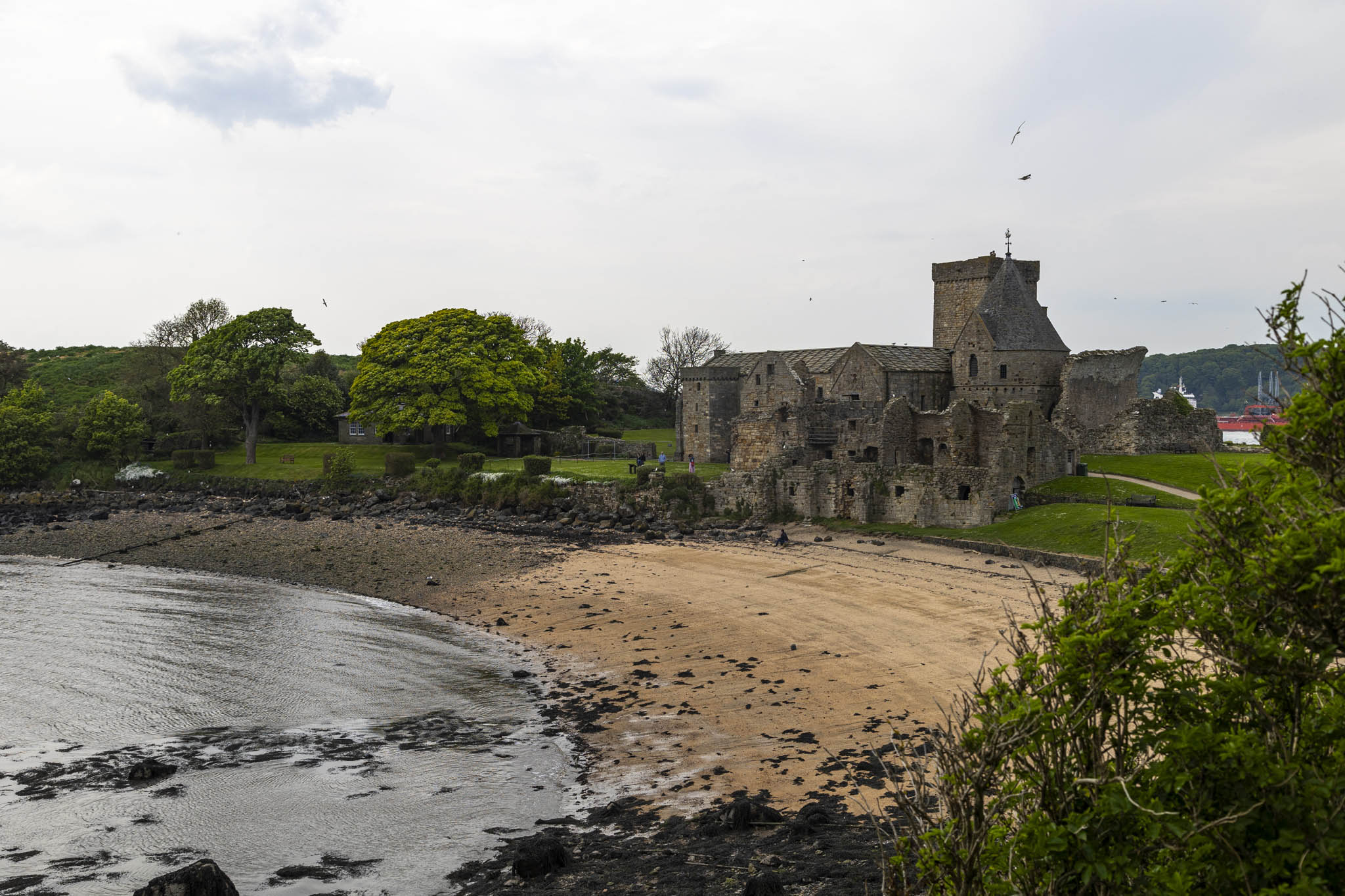
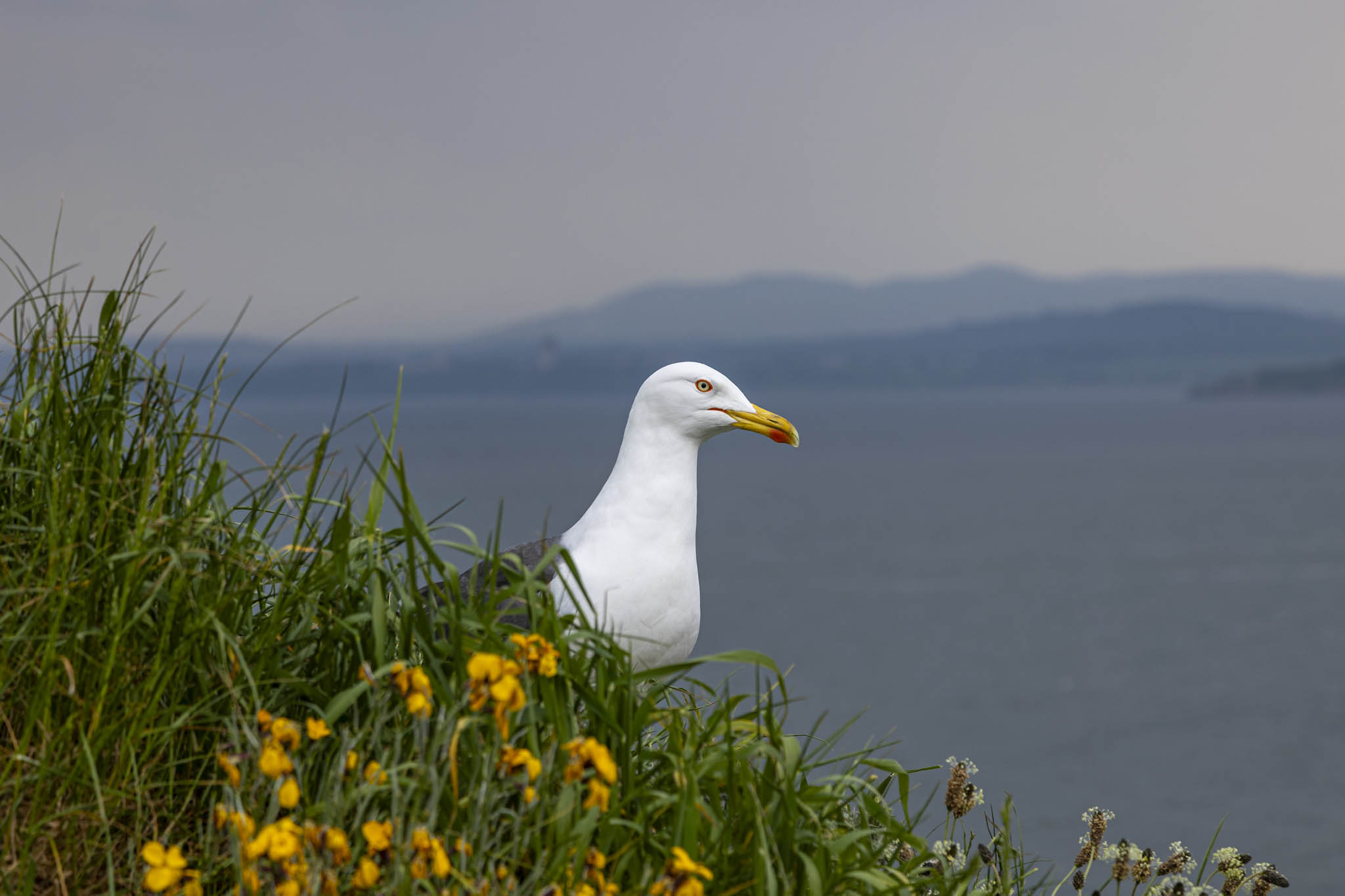
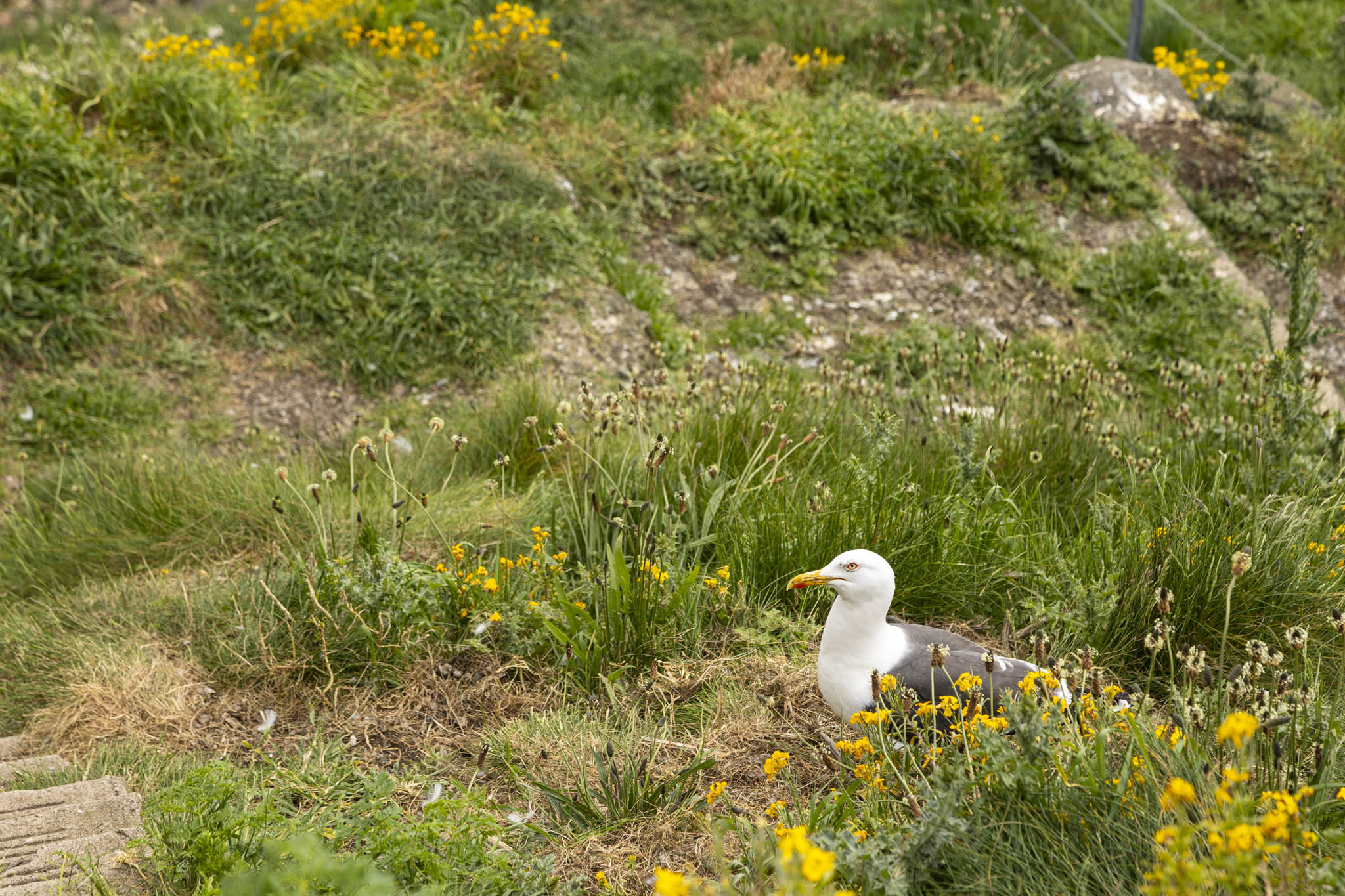
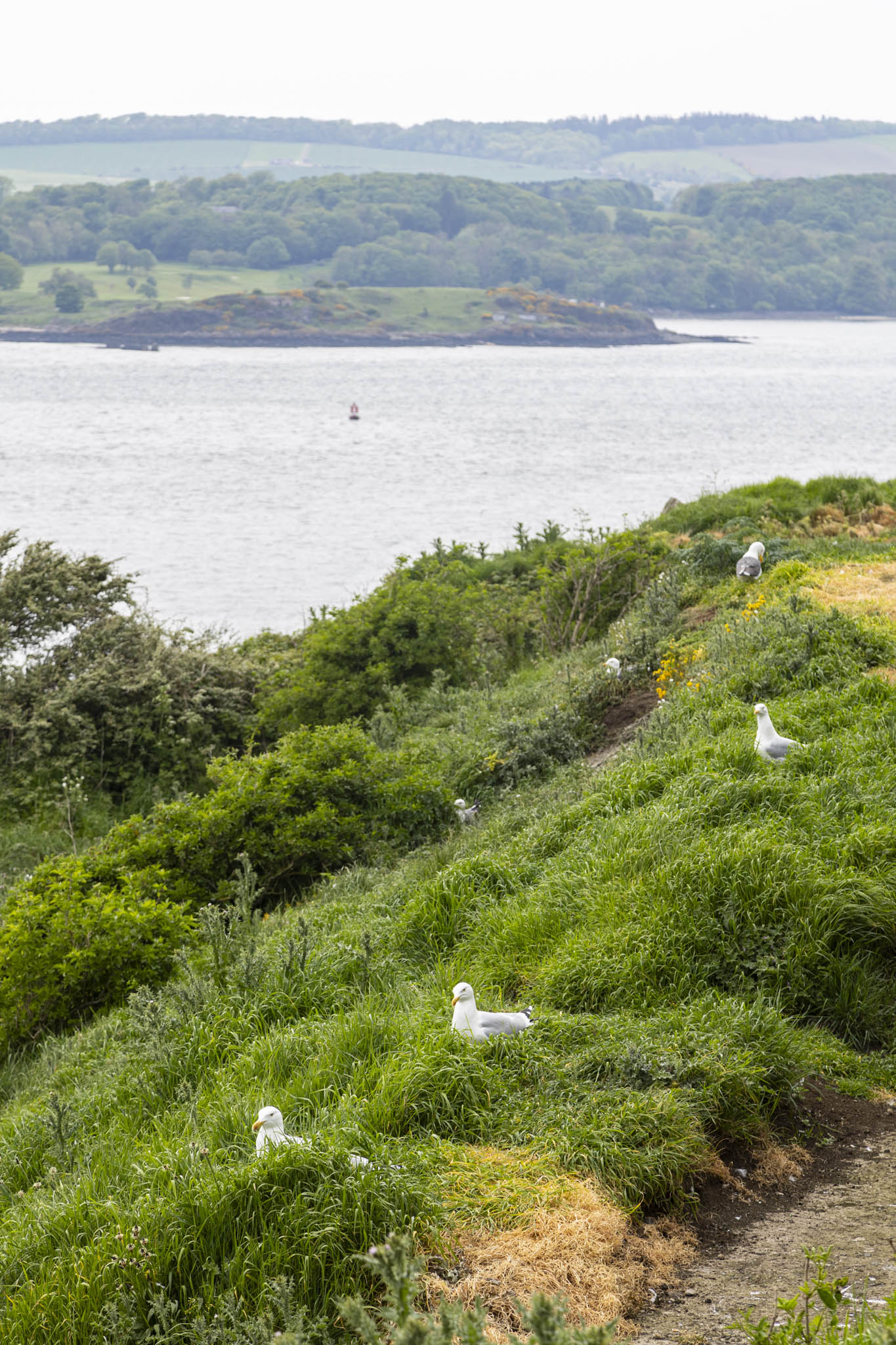
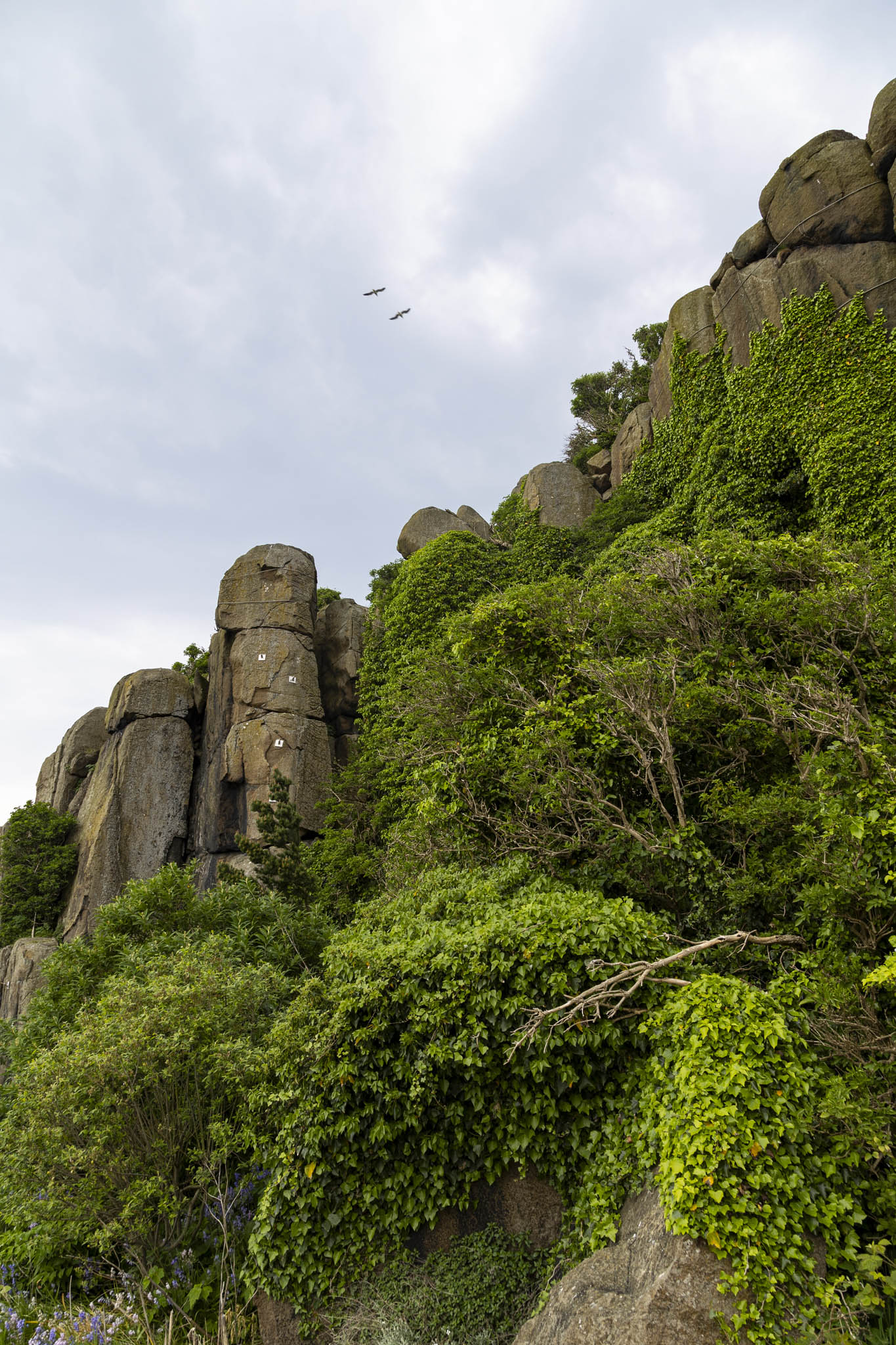
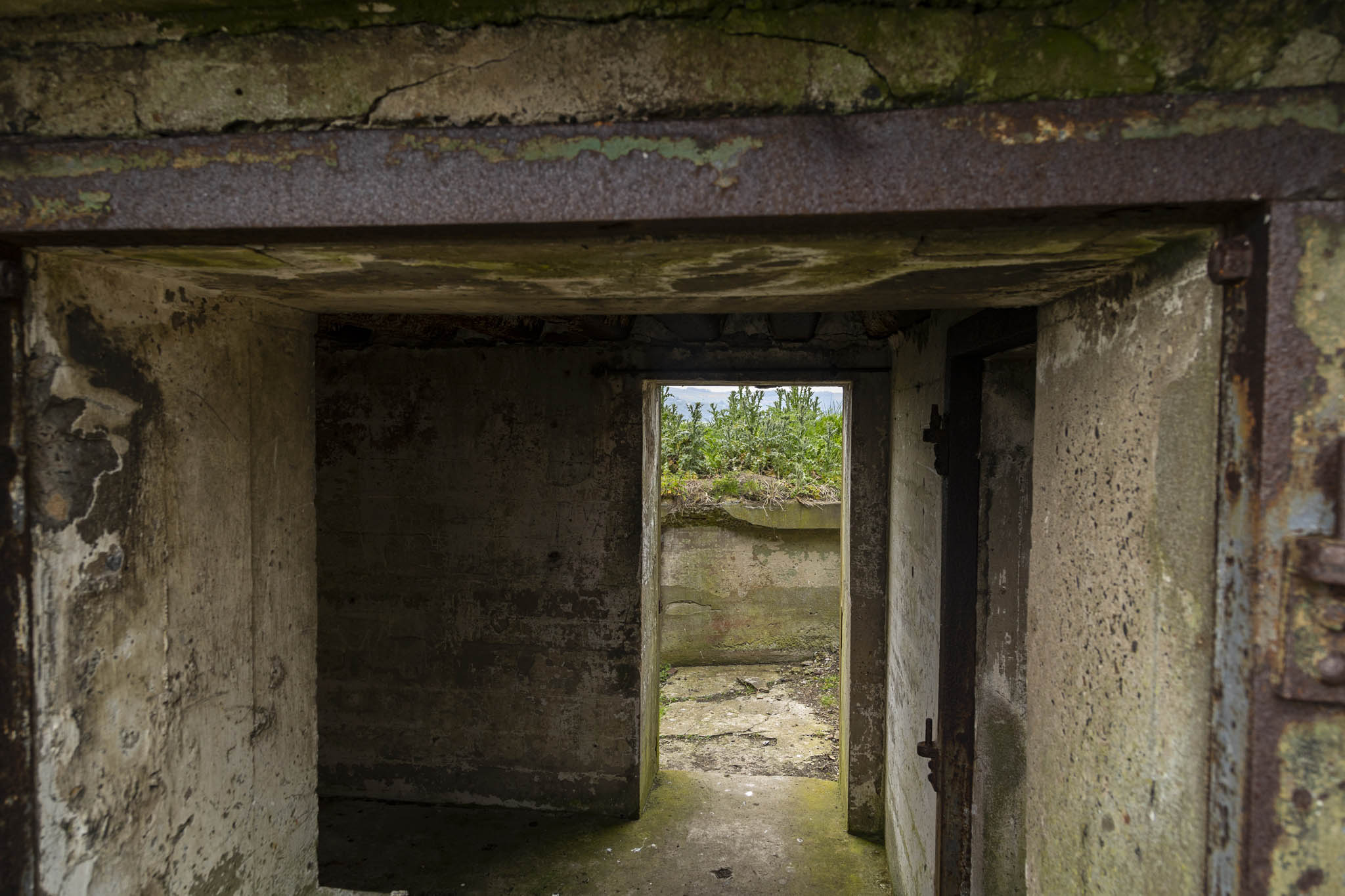
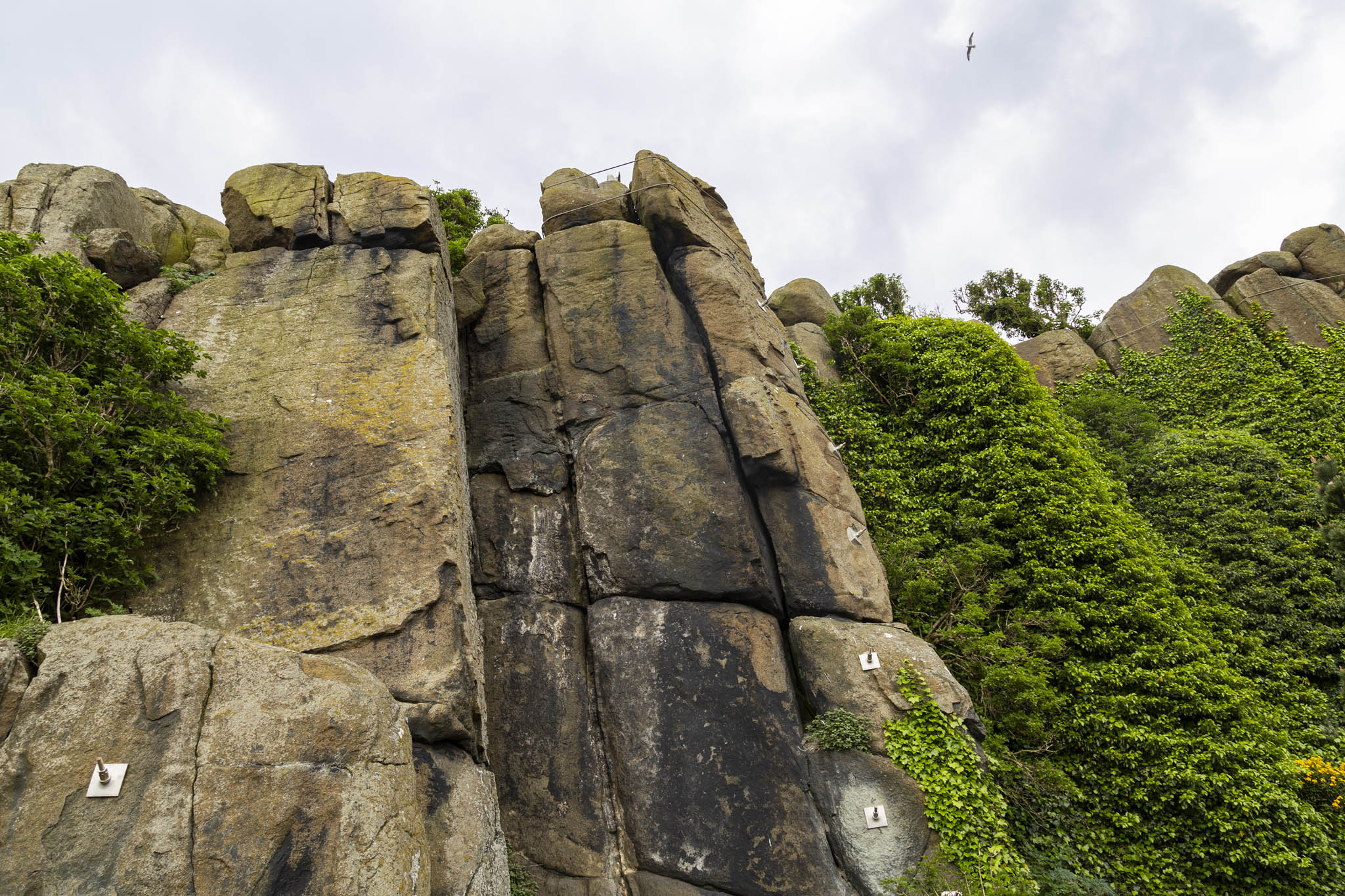
Something struck me while I was up the hill – figuratively, not literally, despite the gulls – and that was that I had a very clear view all around the island and along the Forth, and the boat was due back in the next five minutes or so. Only, there was no sign of the boat. I headed down to where everyone on our tour was gathering.
“No sign of the boat,” I told my wife, nervously. She did not look happy.
We weren’t the only people to notice no boat but we were the only people there with a time pressure on us as we were the only people who’d arrived in the area aboard Regal Princess. An announcement was made that confirmed, yes, the boat was late but that it was on its way. So we waited. And waited. And wandered around a little to see if there were any sightings of the boat. And waited.
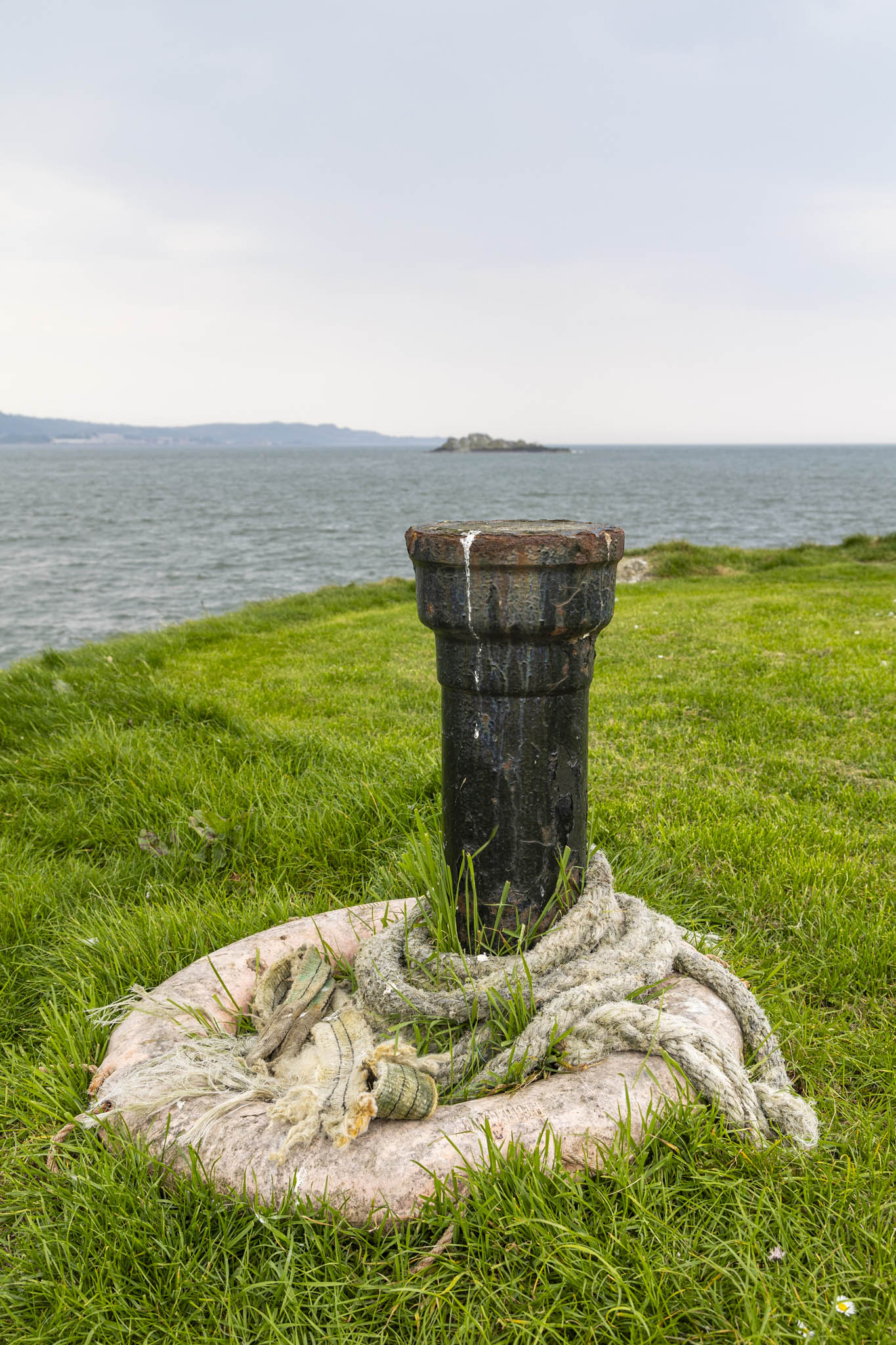
The boat arrived around half an hour late and I’d like to say that it motored its way back to the port to make up for it but it actually slowed several times to see if it could spot any seals on rocks in the area much to our continuing mild panic. However, I did have a nice chat with one of the guides and learnt that part of the problem had been that one of their boats had been damaged while assisting in tendering operations for our cruise ship. This at least gave me some hope that I might have a good case for blaming Princess if the ship was held up waiting for us to get back. Assuming it waited at all.
We sailed back under two of the three bridges, docked at the marina, and set off at a brisk pace back through Queensferry and to Hawes Pier to catch a tender boat back to the ship. Not only were we back in plenty of time before the last boat was due to leave, we had to wait quite a while as several busloads of cruise passengers arrived back just before us. We were rather relieved.
Minor trauma at the end aside, this was a fabulous way to spend a few hours at this cruise port, especially as it had been a Sunday so the main draw of Edinburgh wasn’t quite as appealing due to how many things of interest there might have been closed. The island and abbey were gorgeous and the mix of wildlife-spotting and immersion in history was perfect.
In the next post in this series it’s the penultimate day of this British Isles cruise and the last sea day on Regal Princess.