We’d been to Lisbon before and it had been good to return there on our 2024 Iberian peninsula cruise but we were more excited about the port following that as it would be a new one for us, and it would also happen to fall upon my birthday.
The new port was Leixões and it’s the port used by ships typically dispensing their passengers onto Portugal’s second largest city, Porto. A chance, then, to experience somewhere new to celebrate the milestone of surviving another orbit around the sun. And we would be doing that, just not actually in either the port or the nearby city.
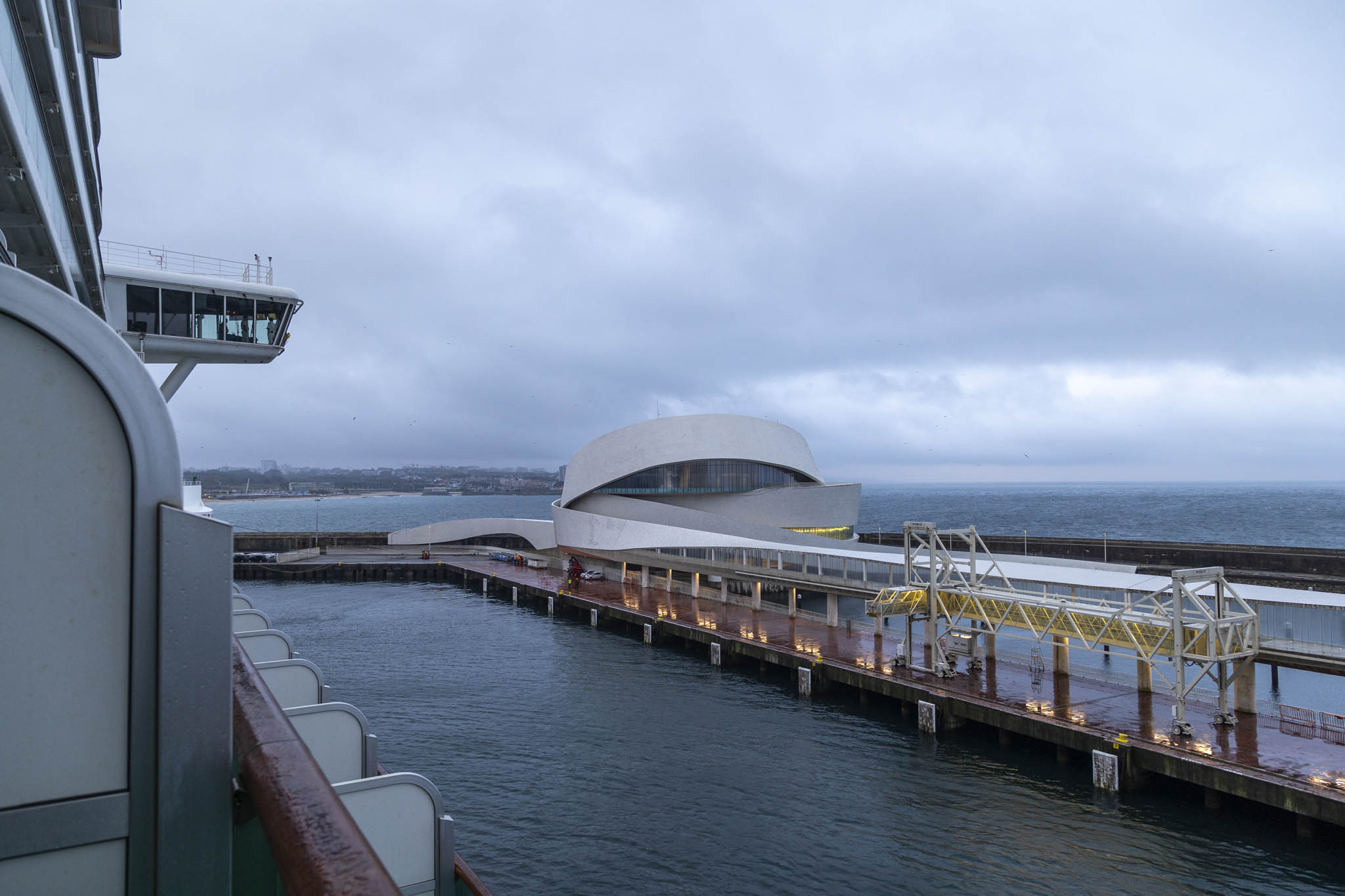
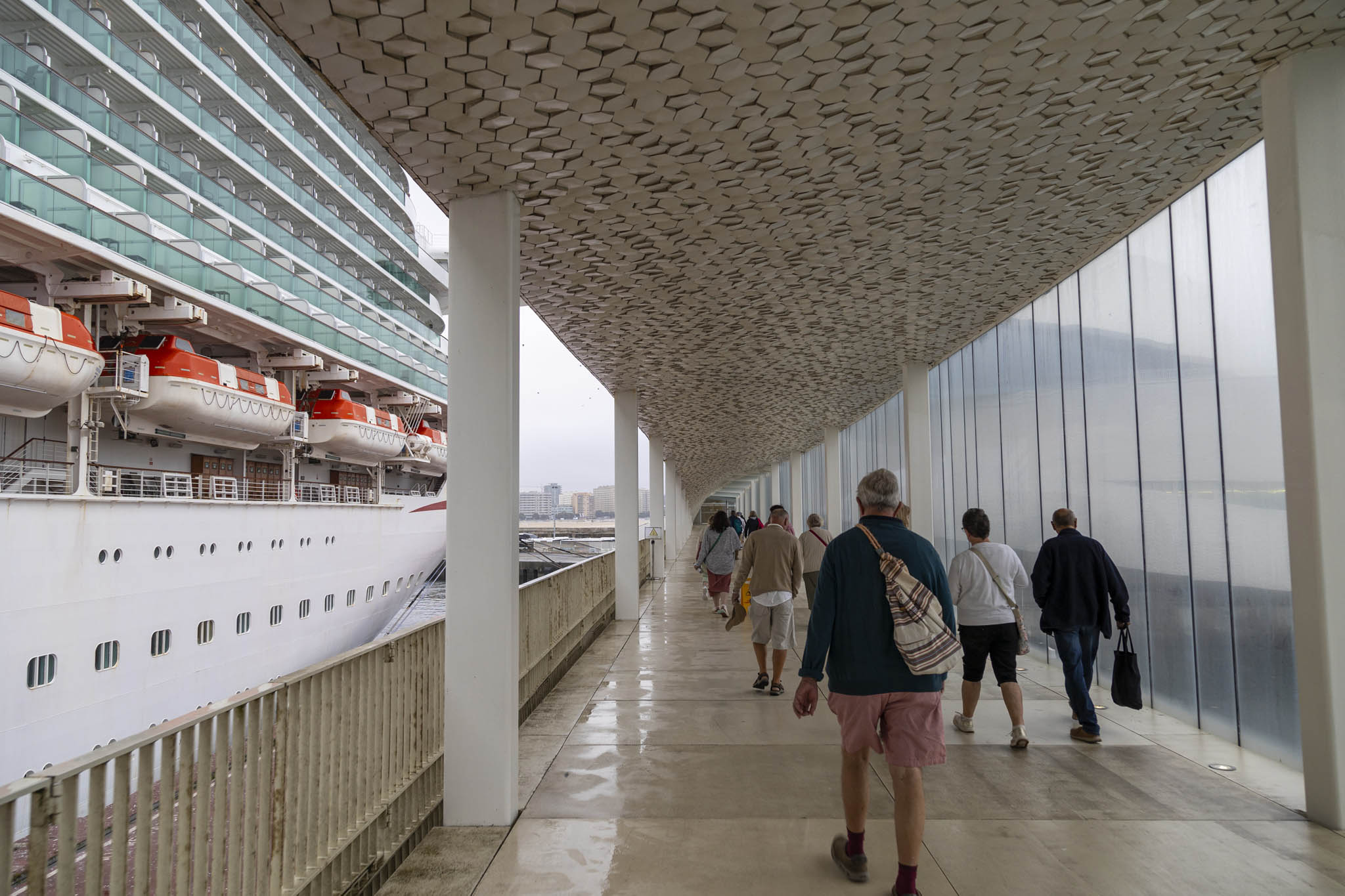
The morning after two hot and sunny days in Lisbon was a more overcast one with some light drizzle. That didn’t stop us from enjoying the view of the cruise port terminal in Leixões with the ribbon-like architecture looking particularly modern. It was only opened in 2015 and has won awards for its design.
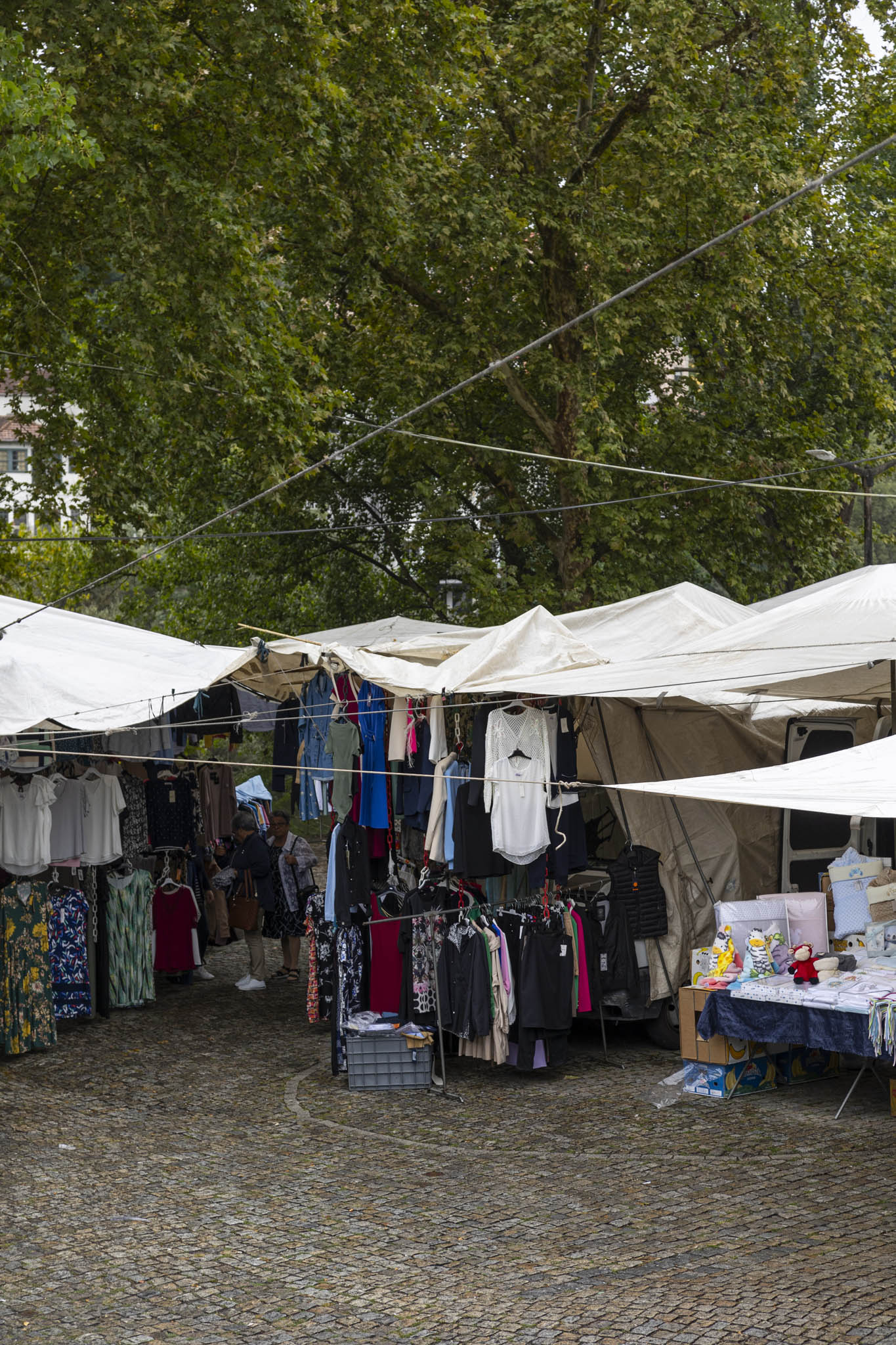
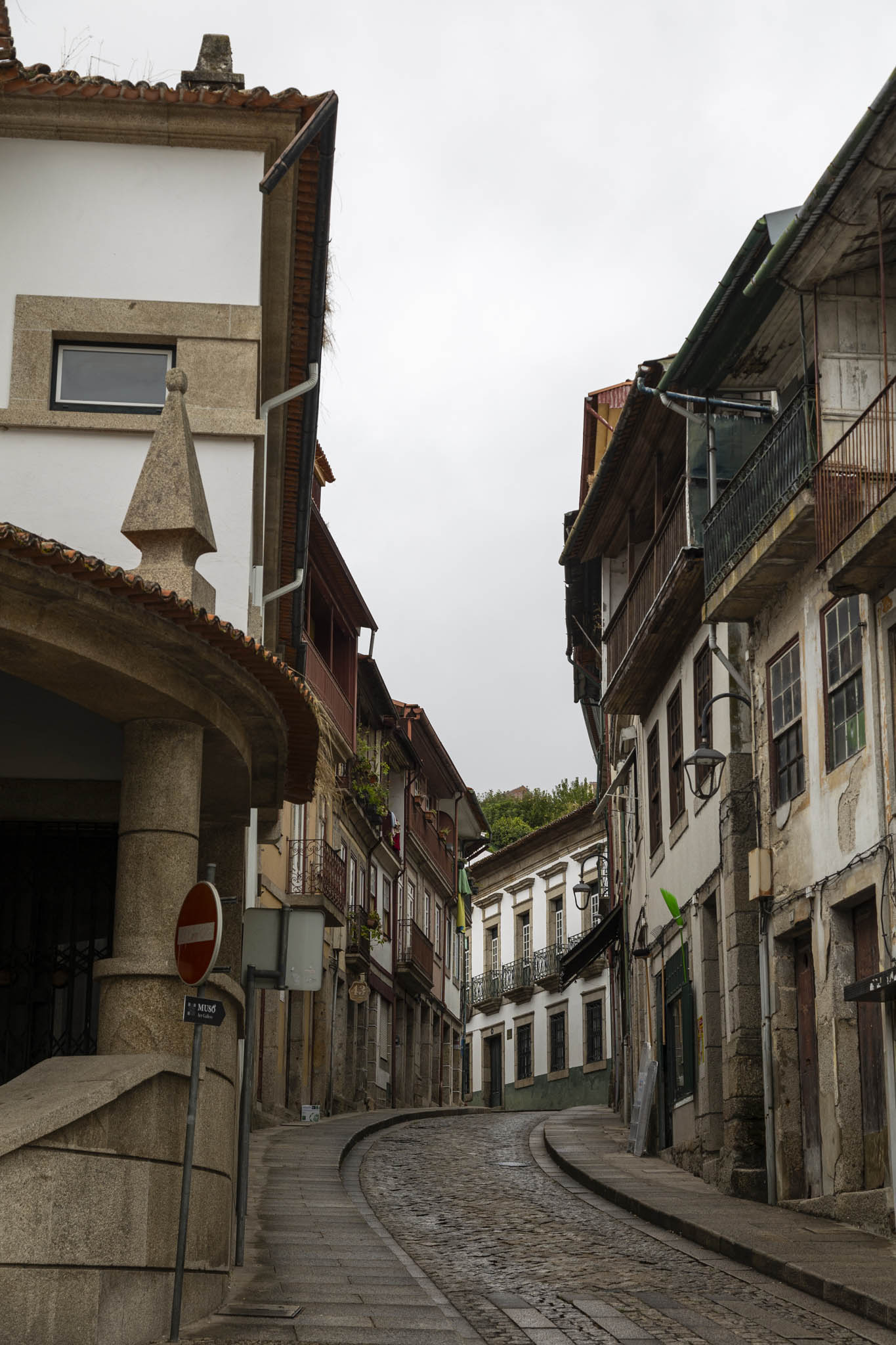
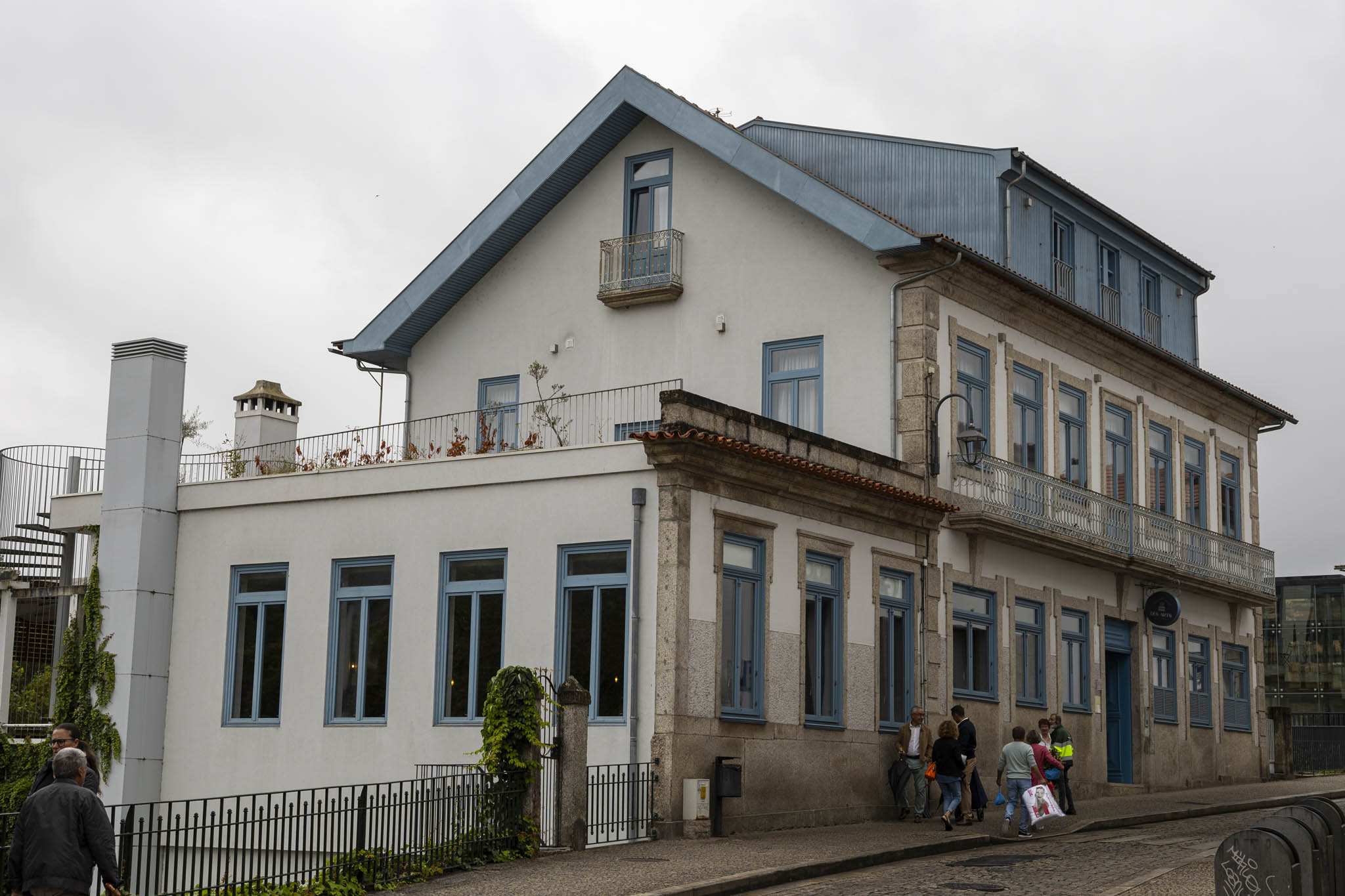
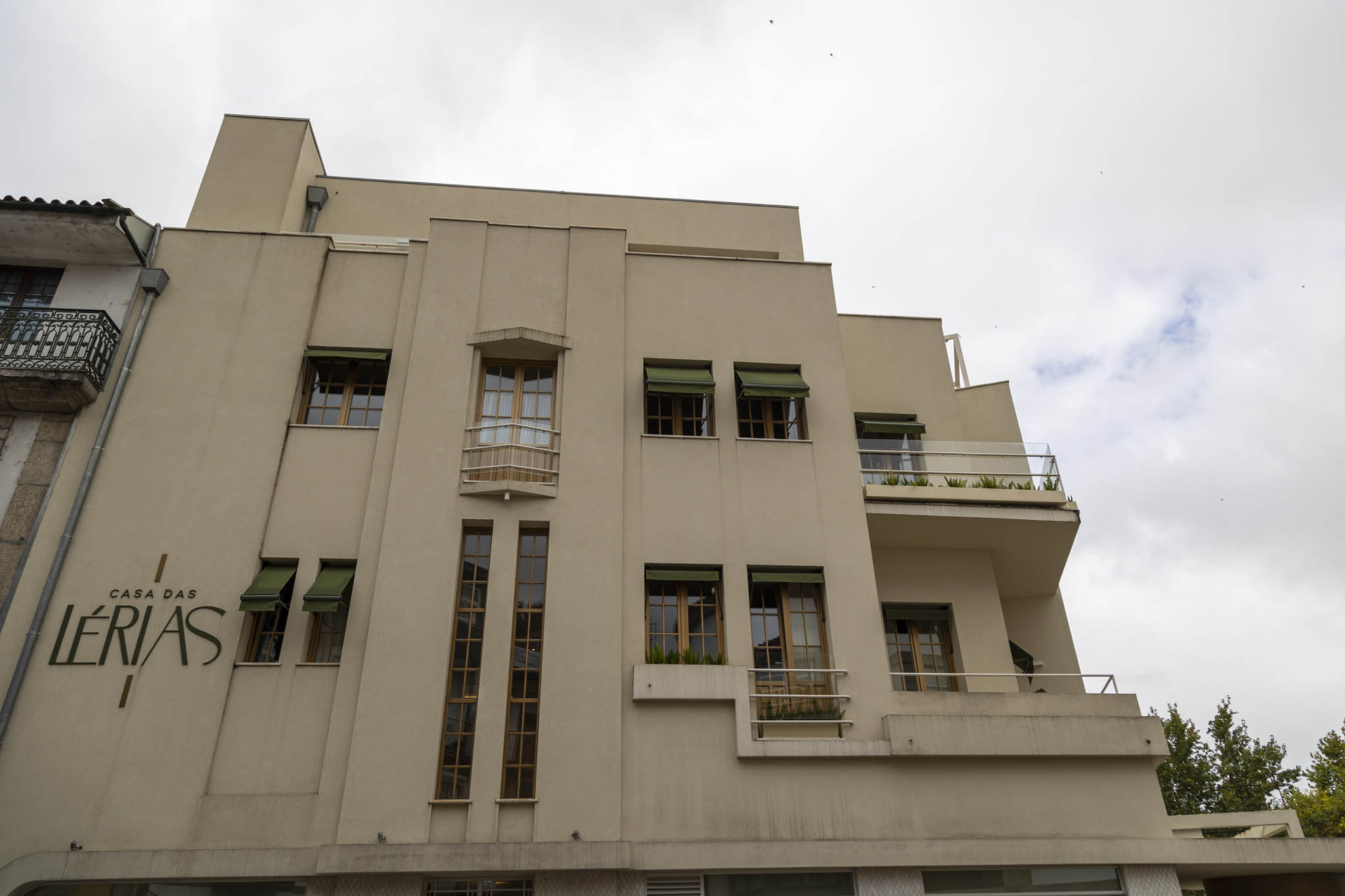
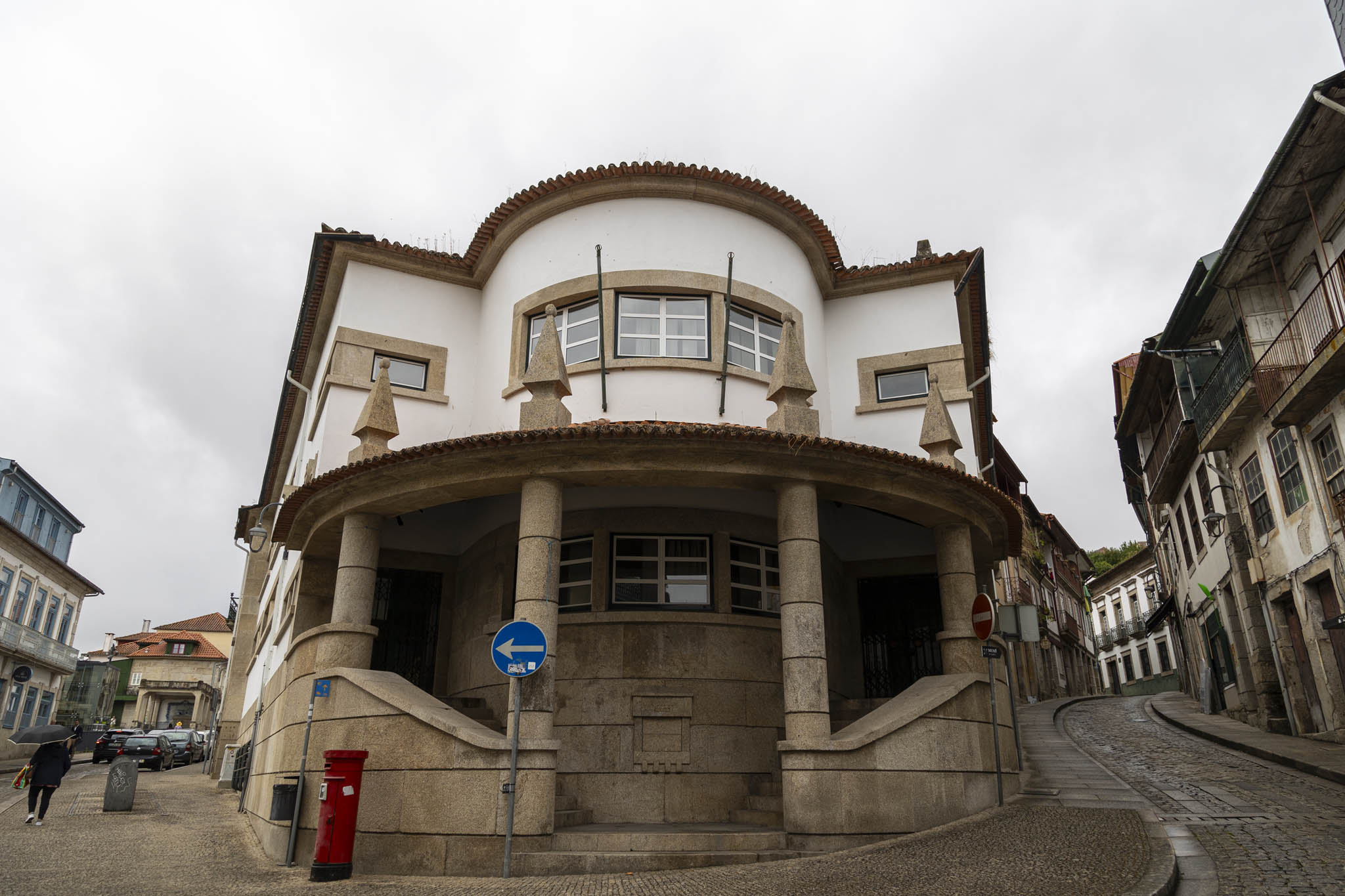
Our plans for the day would take us deep inland and the first stop of the excursion was to a city called Amarante. We knew nothing about it and the first impressions weren’t great with it mostly seeming to be a market specialising in clothing. The persistent drizzle didn’t help matters.
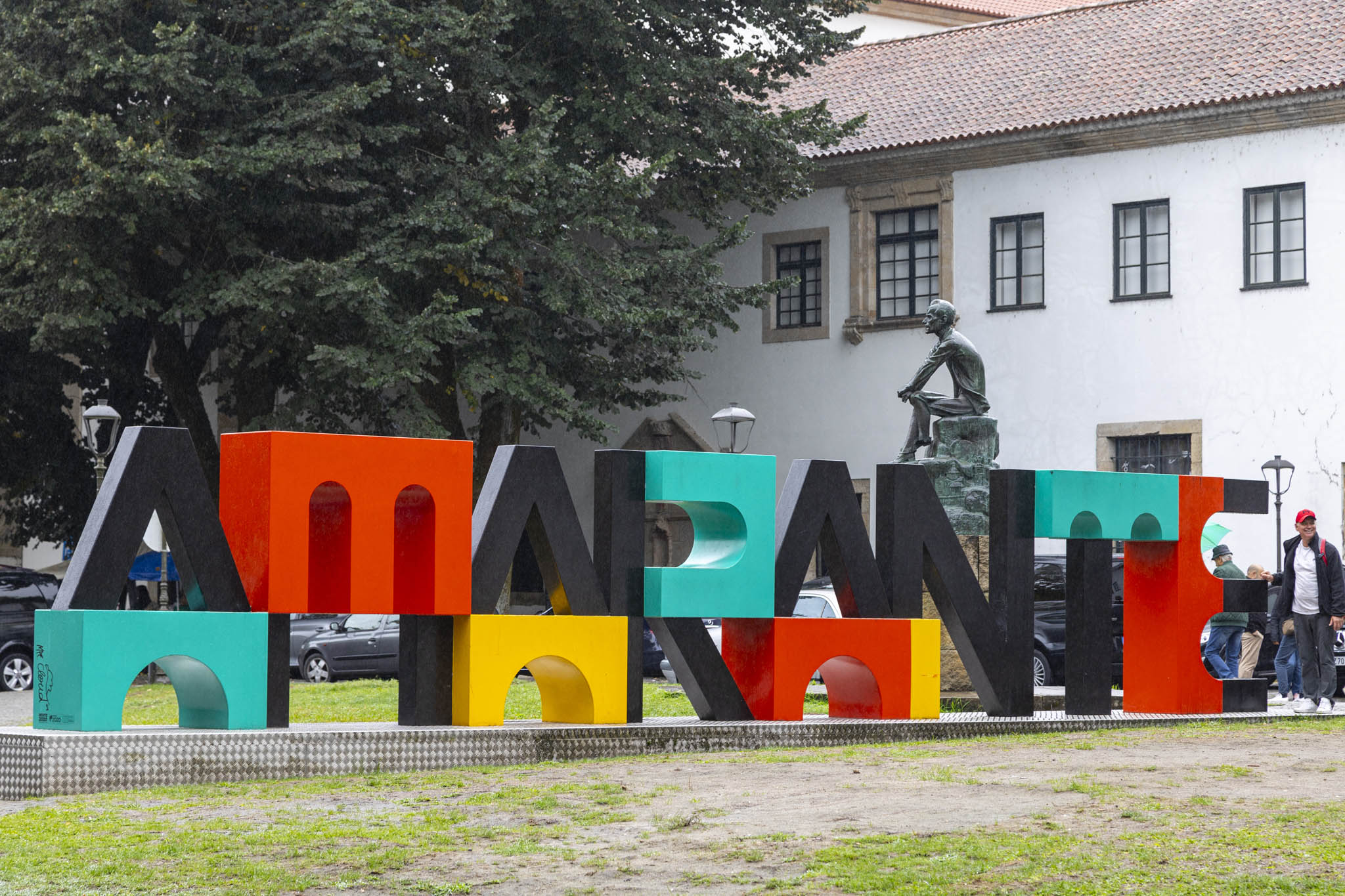
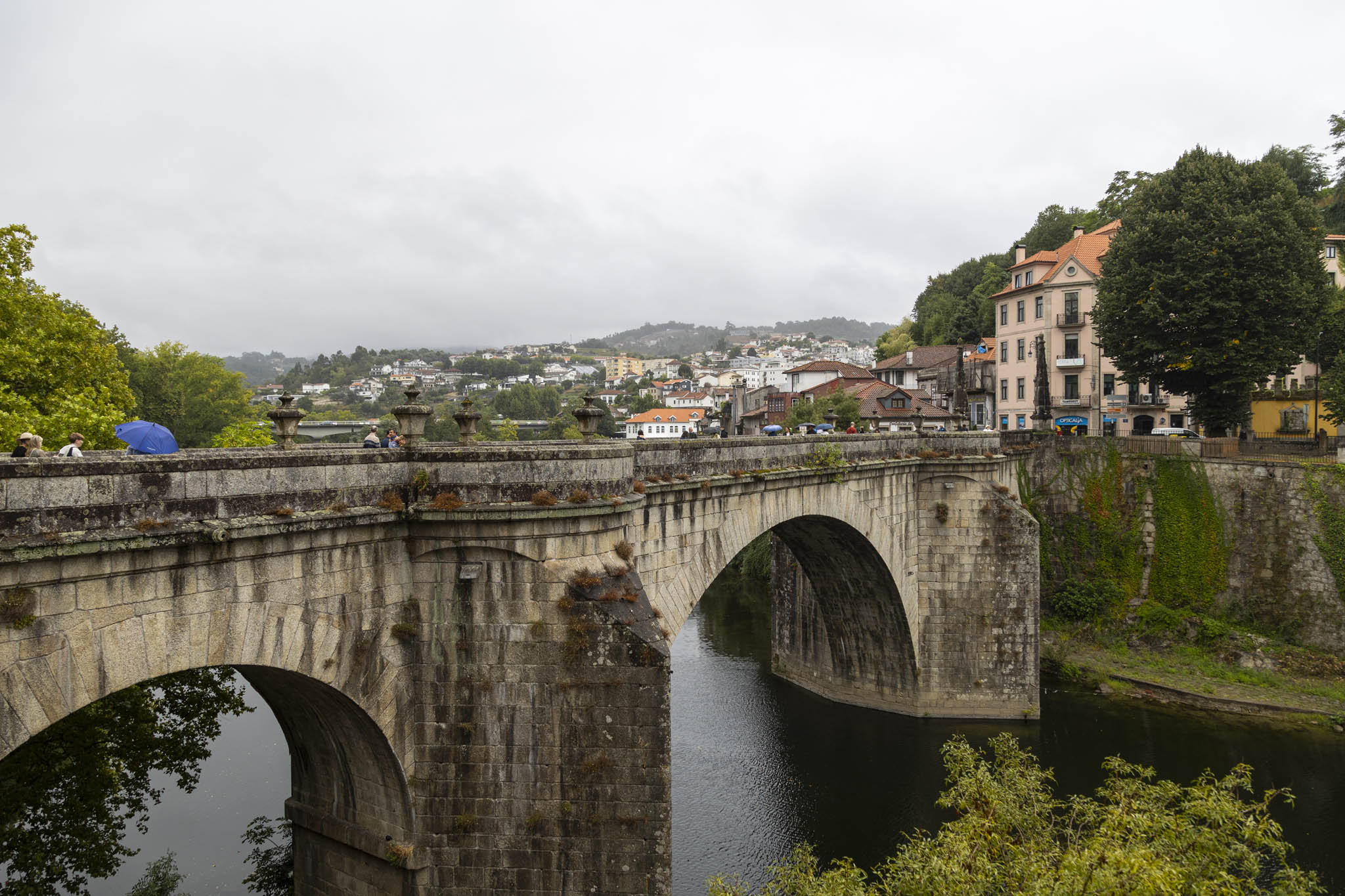
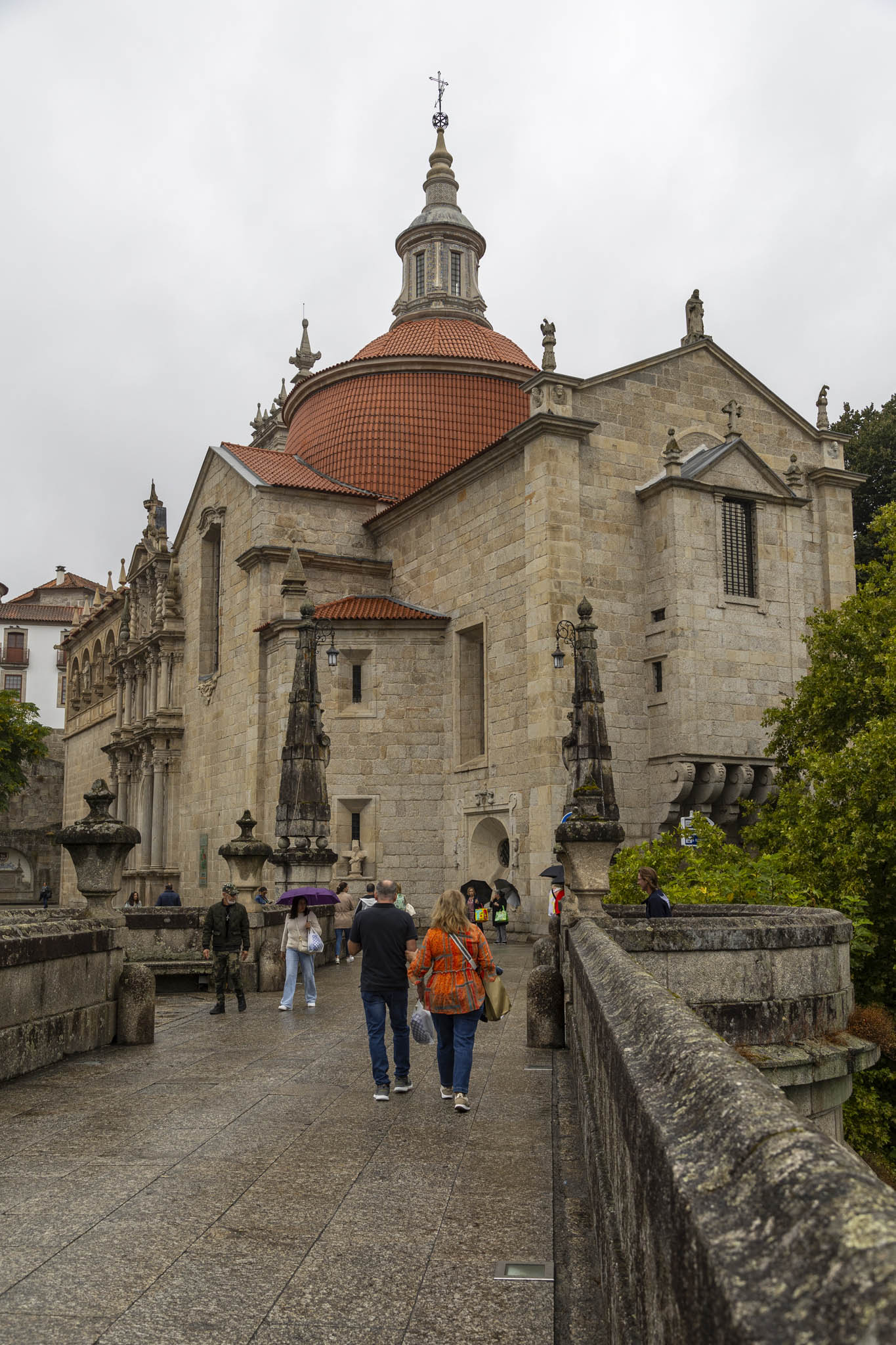
However, after a short walk from where the bus had dropped us we came upon the sight of the Tâmega river and the São Gonçalo bridge spanning it and we suddenly appreciated this stop a lot more. Not even the weather could affect the beauty of Amarante.
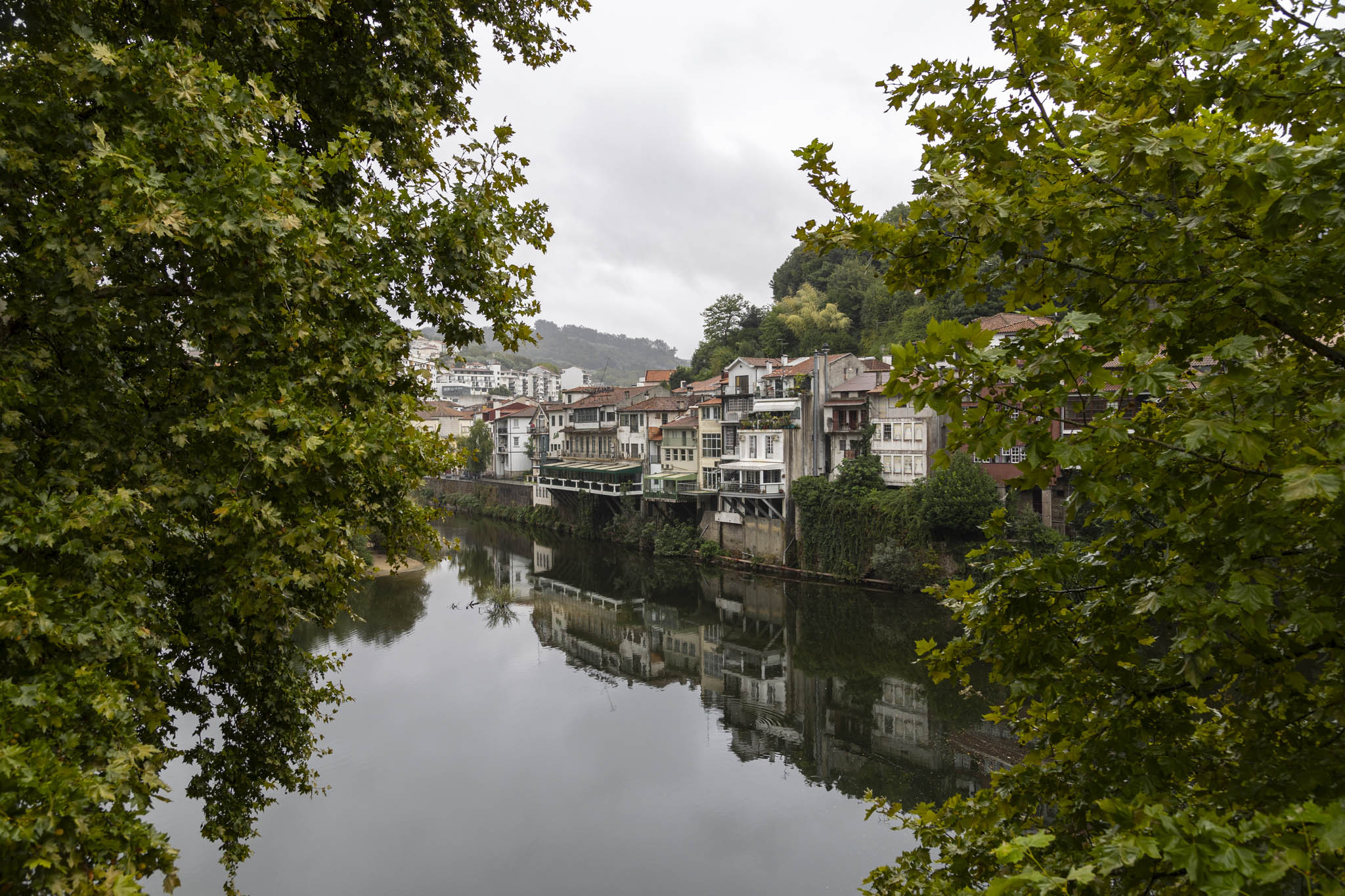
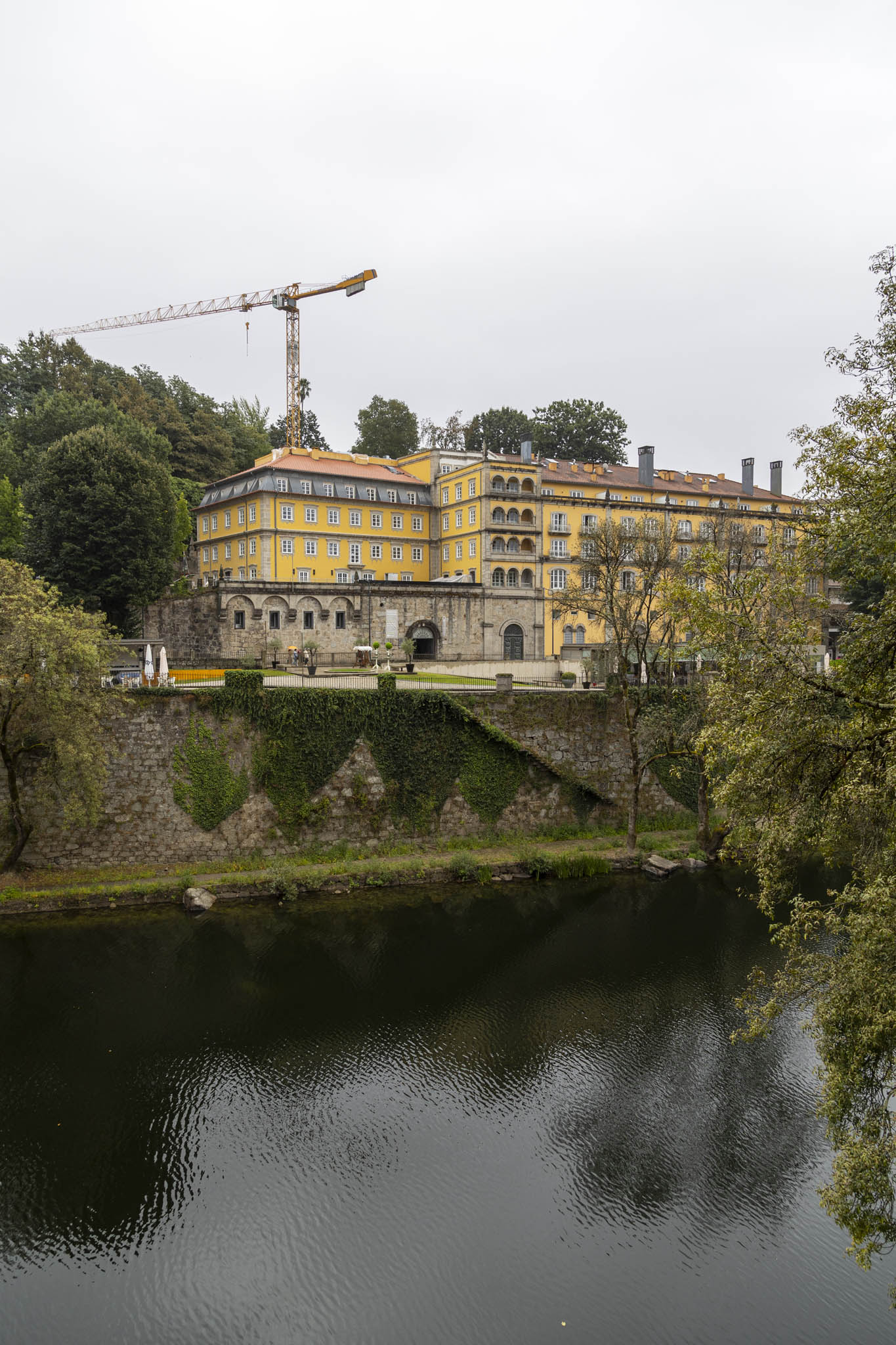
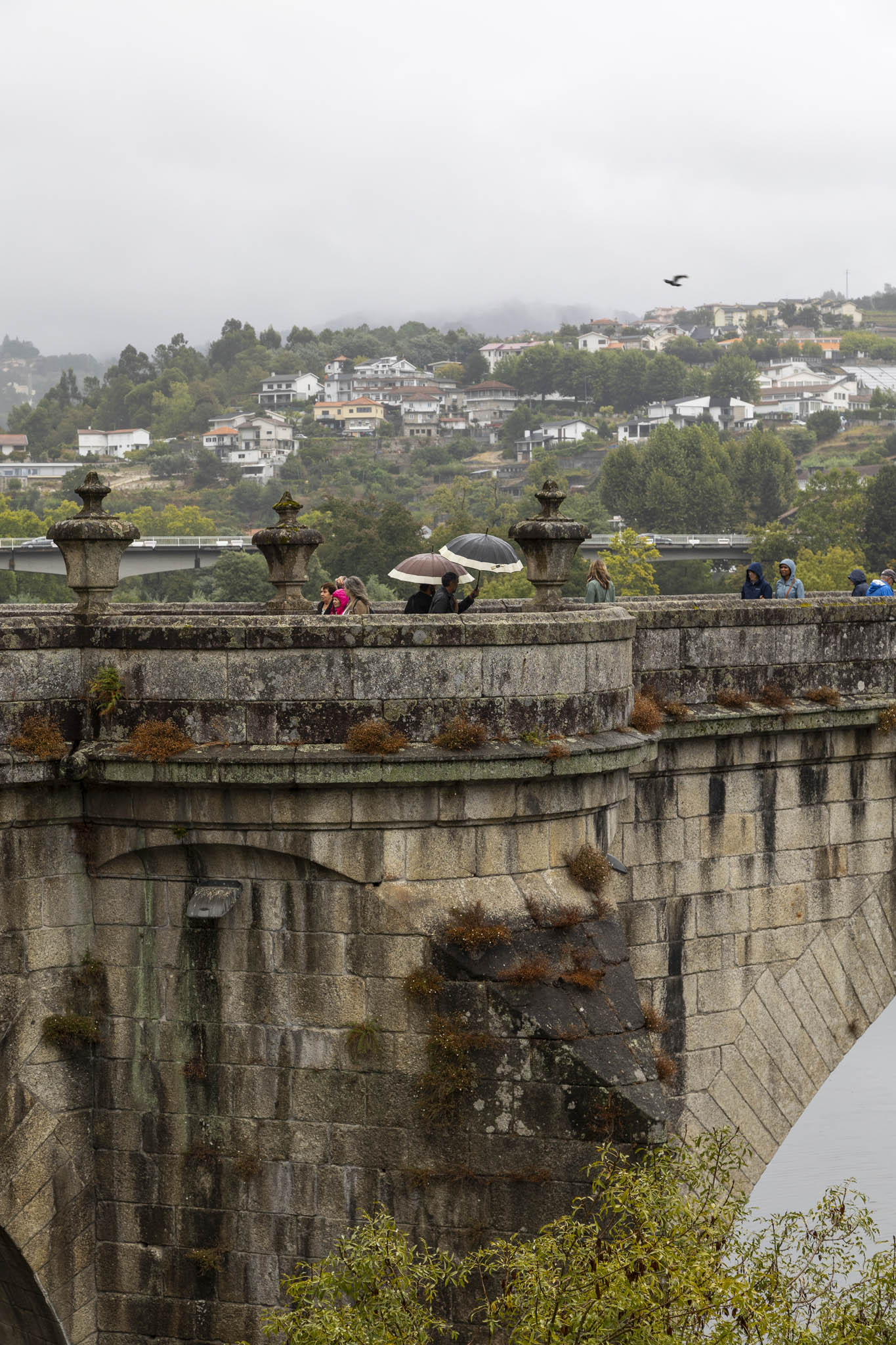
Amarante started to grow from little more than fractured settlements into a place of some importance during the medieval period, largely from its usefulness as a place to rest on pilgrimages. Religious orders had a lot of impact on the building of churches and even bridges to cross the river splitting the city that’s now there.
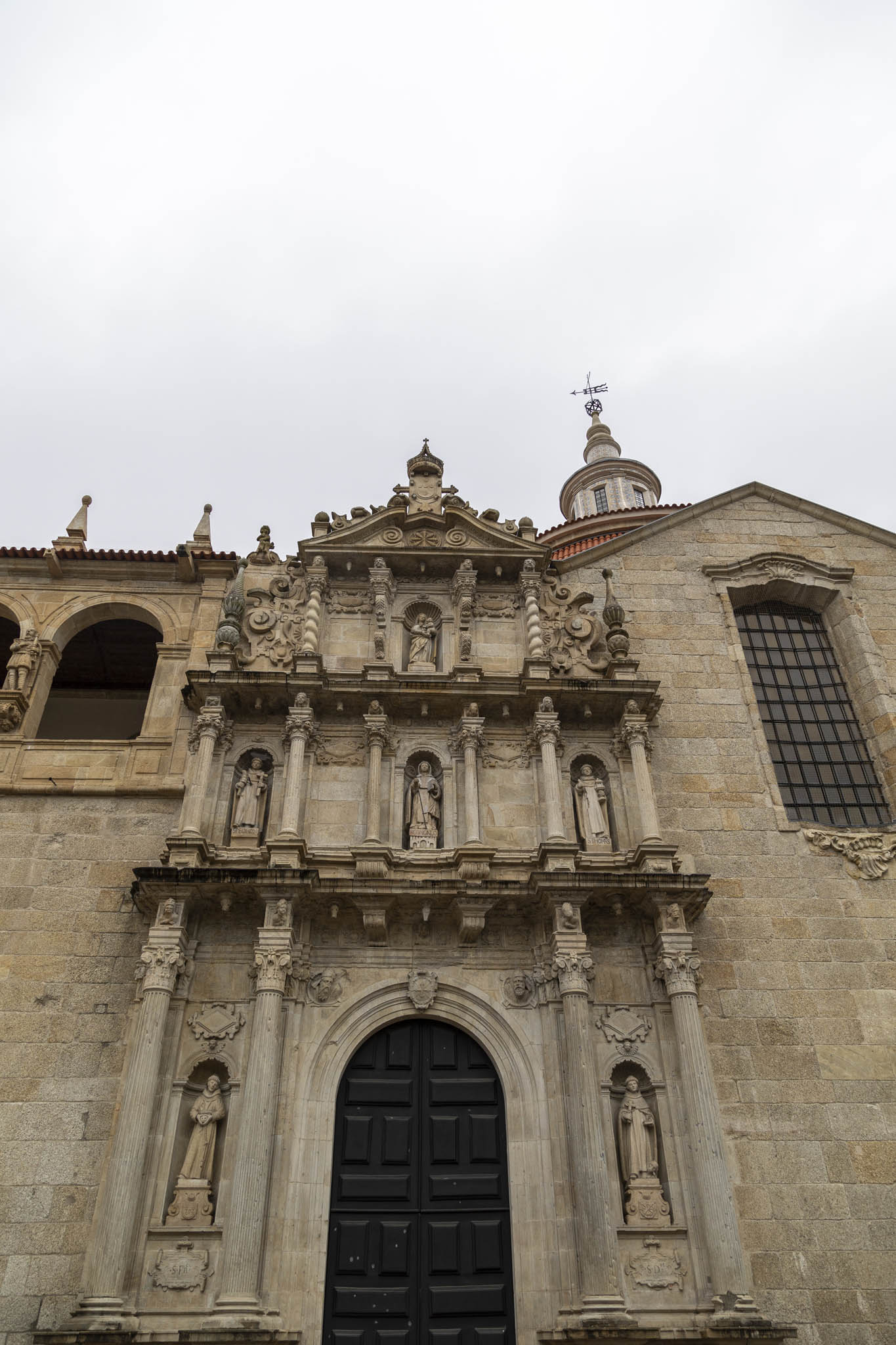
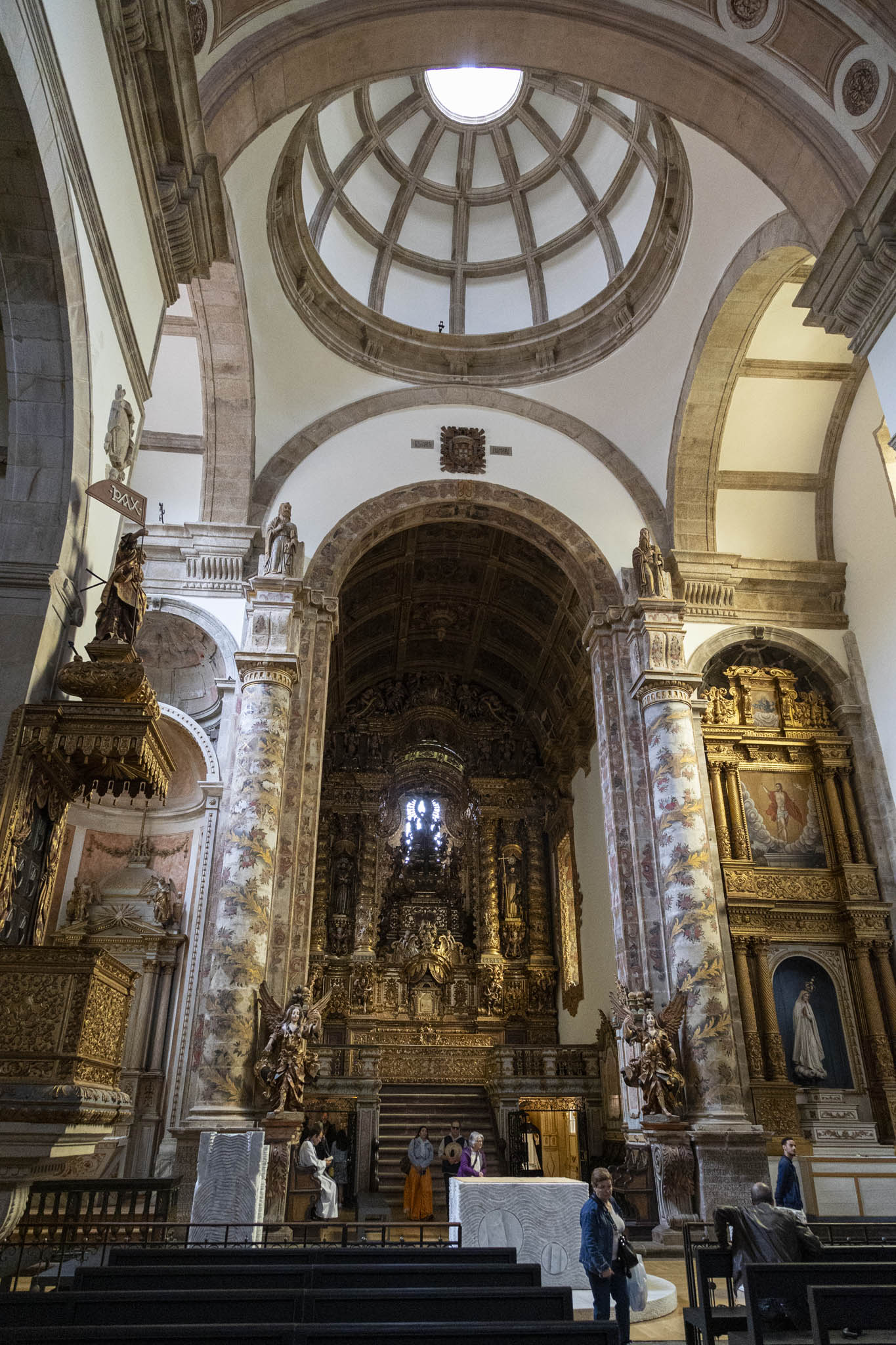
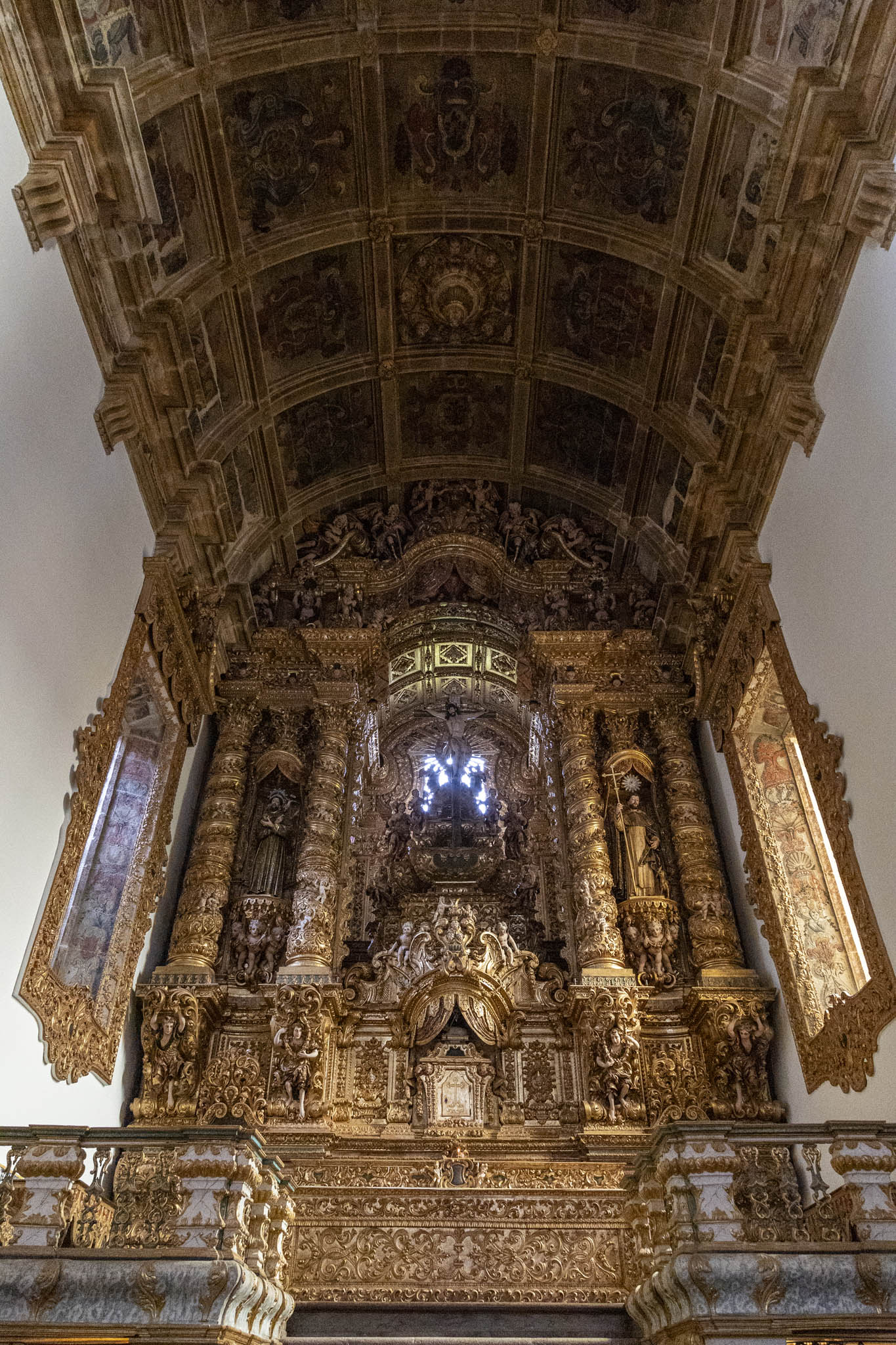
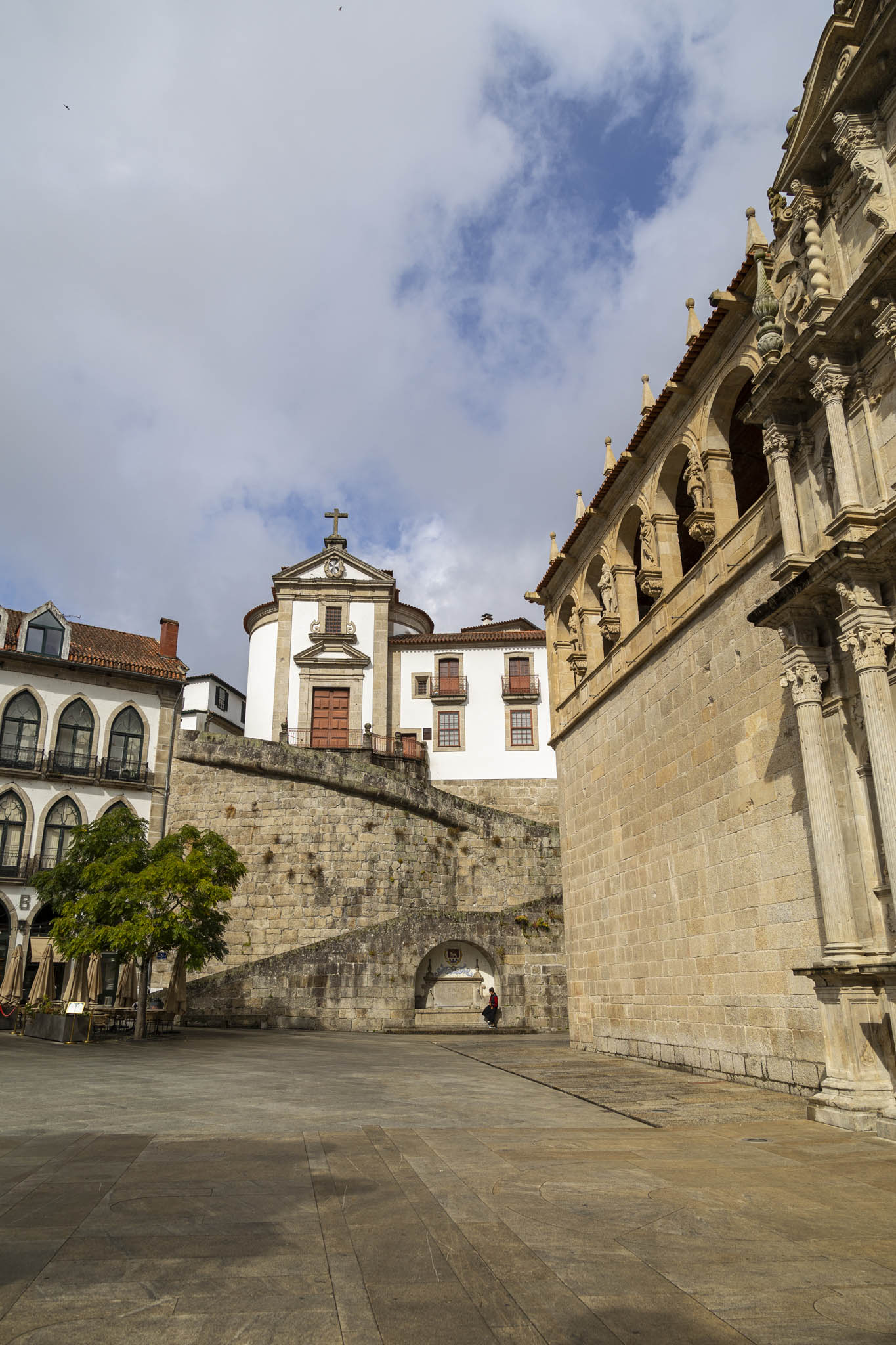
There were a couple of large churches around the small square that formed at the northern side of the bridge and after a short talk about them we were given a small amount of free time to explore – or get coffee, as our guide was keen to recommend, and I suspect a fair few fellow tourists did so – and we decided to have a quick nose inside the nearest building. Baroque and Romanesque architecture was prominent.
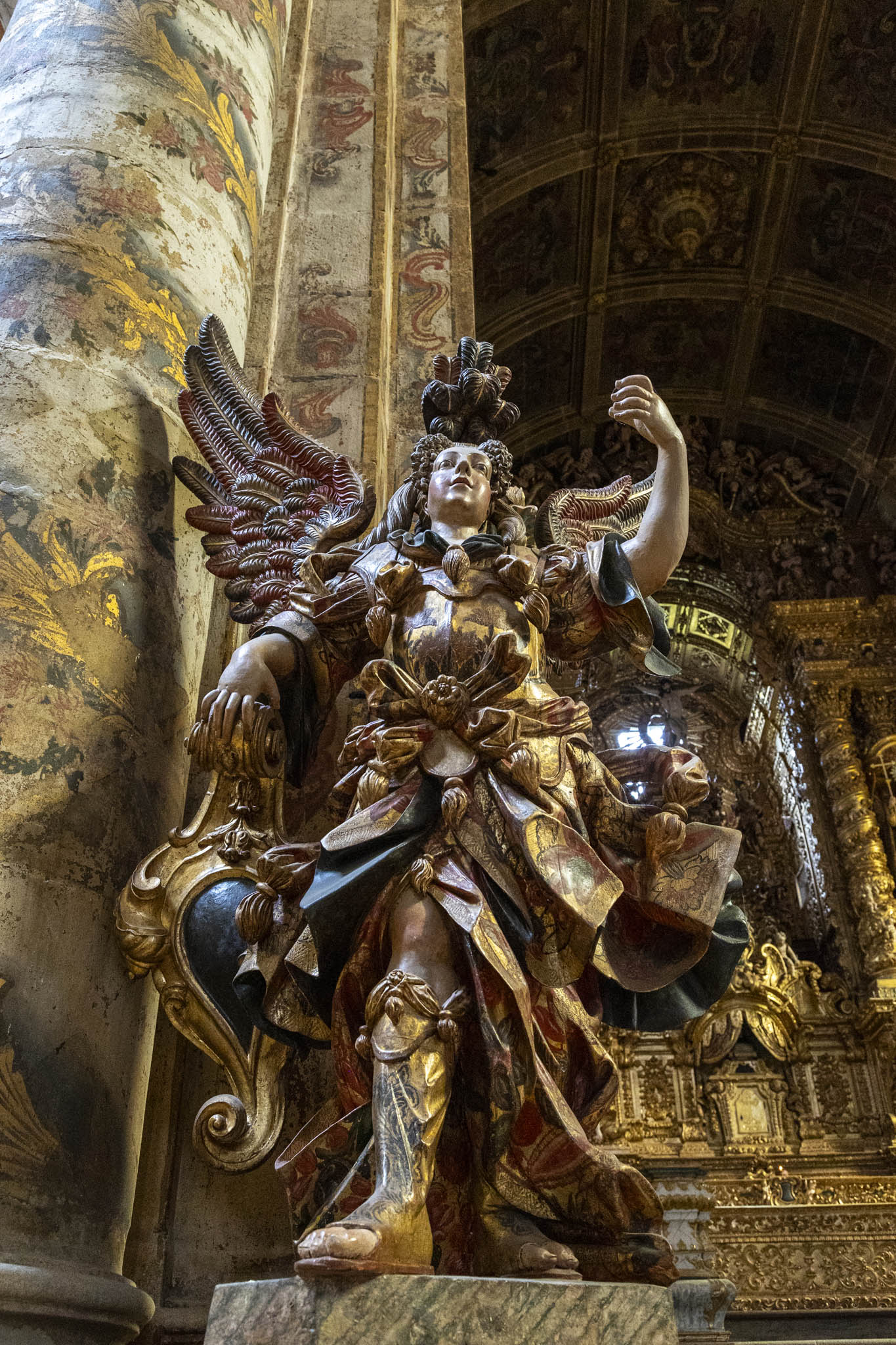
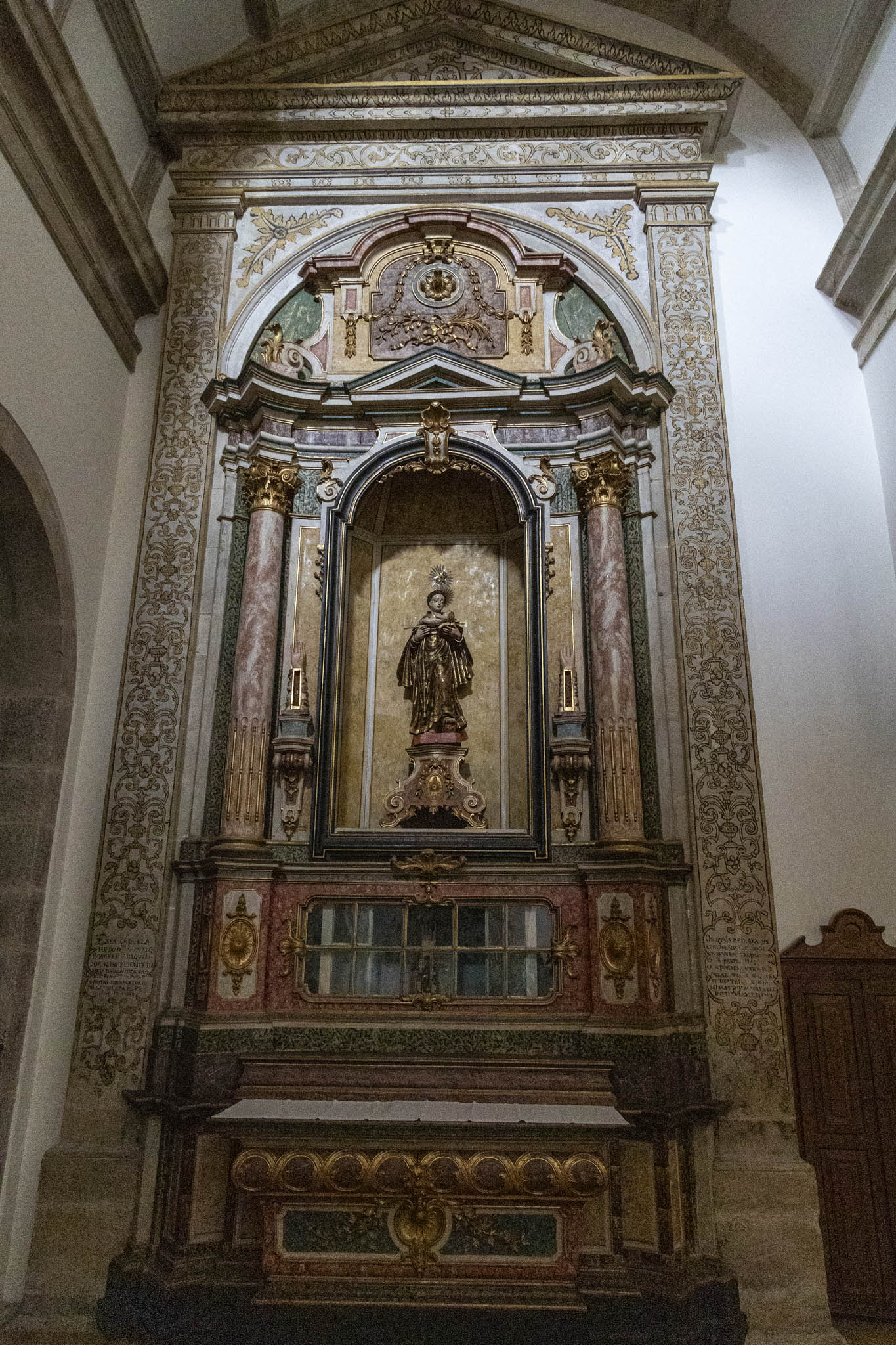
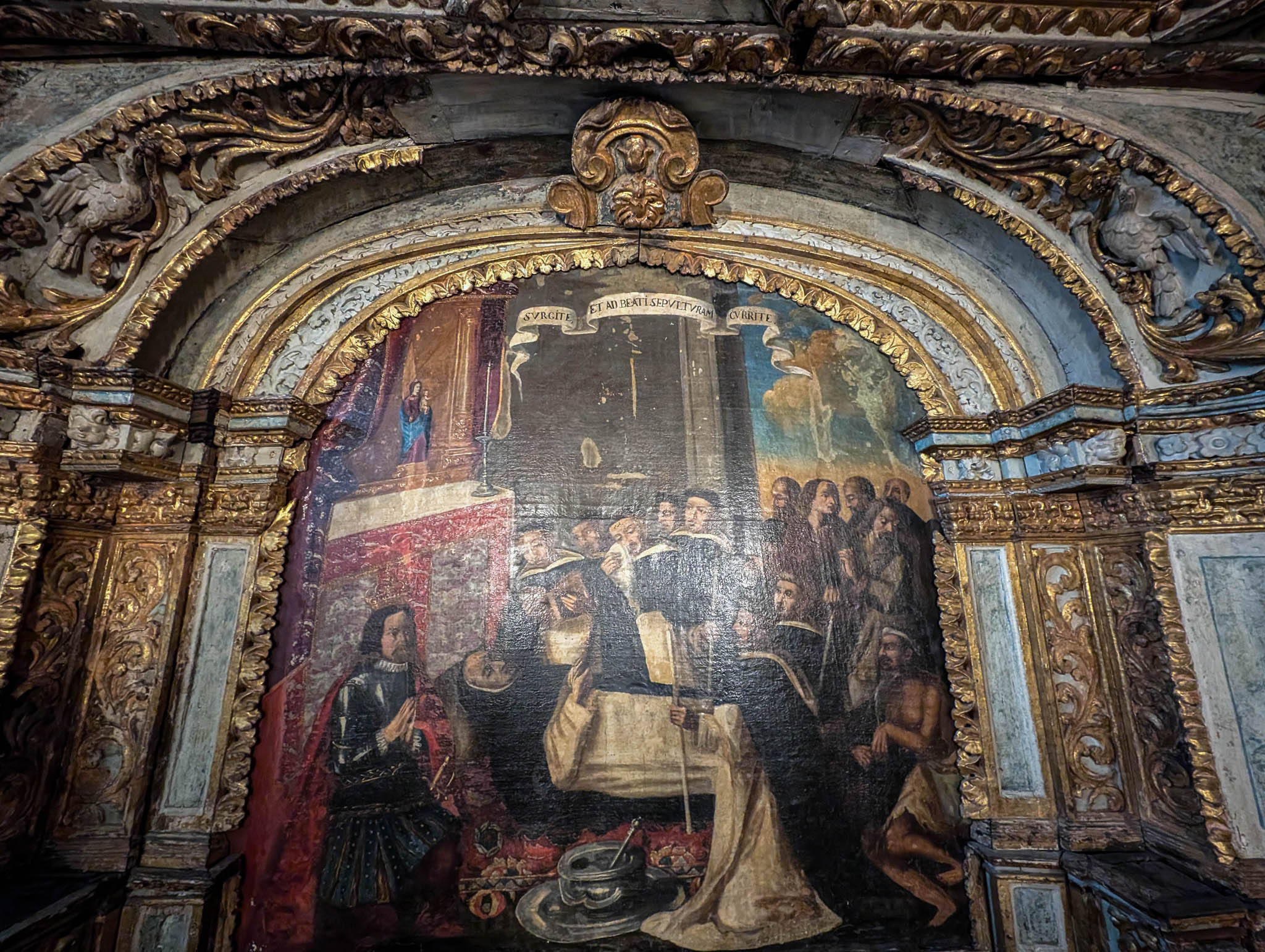
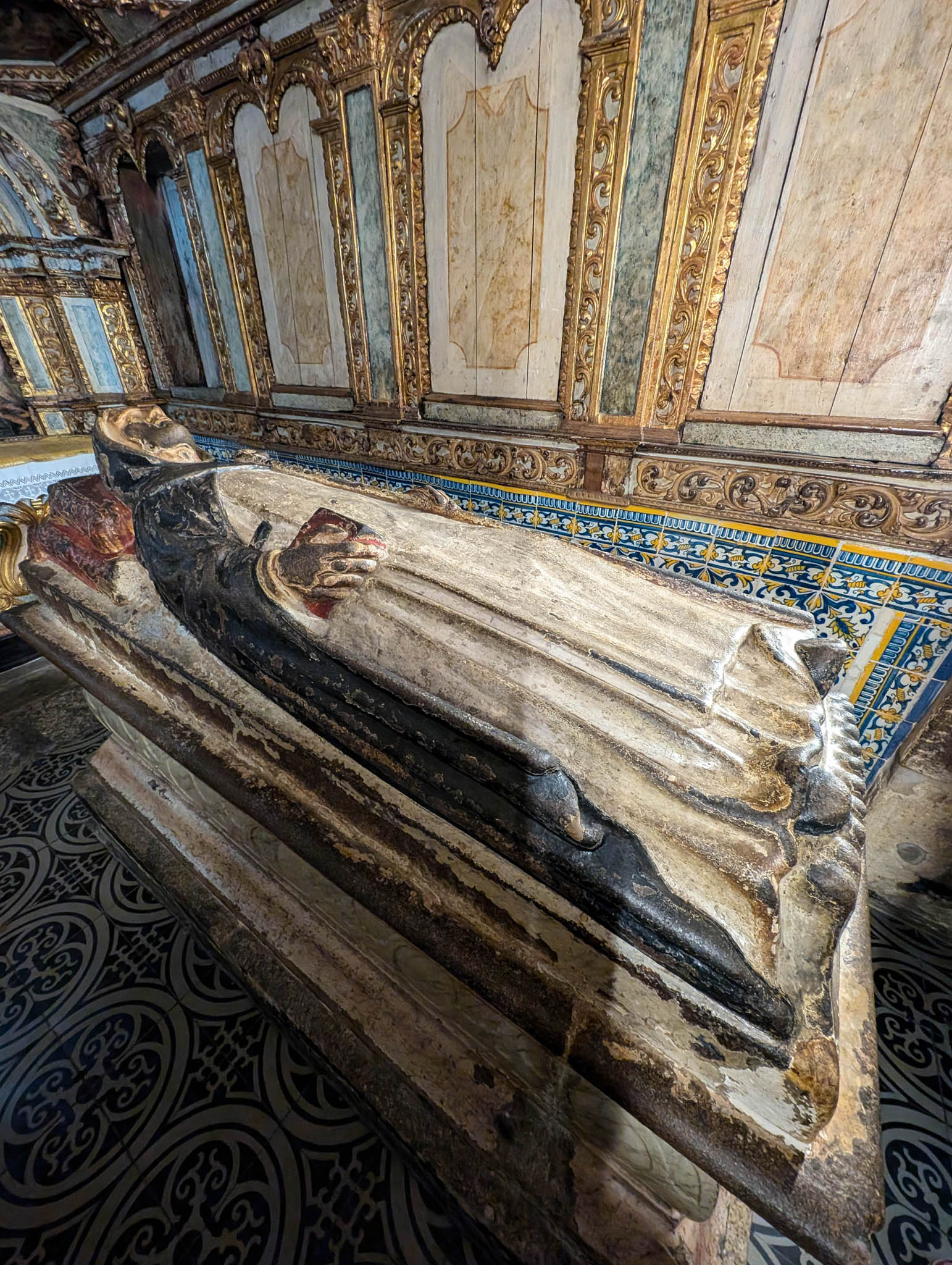
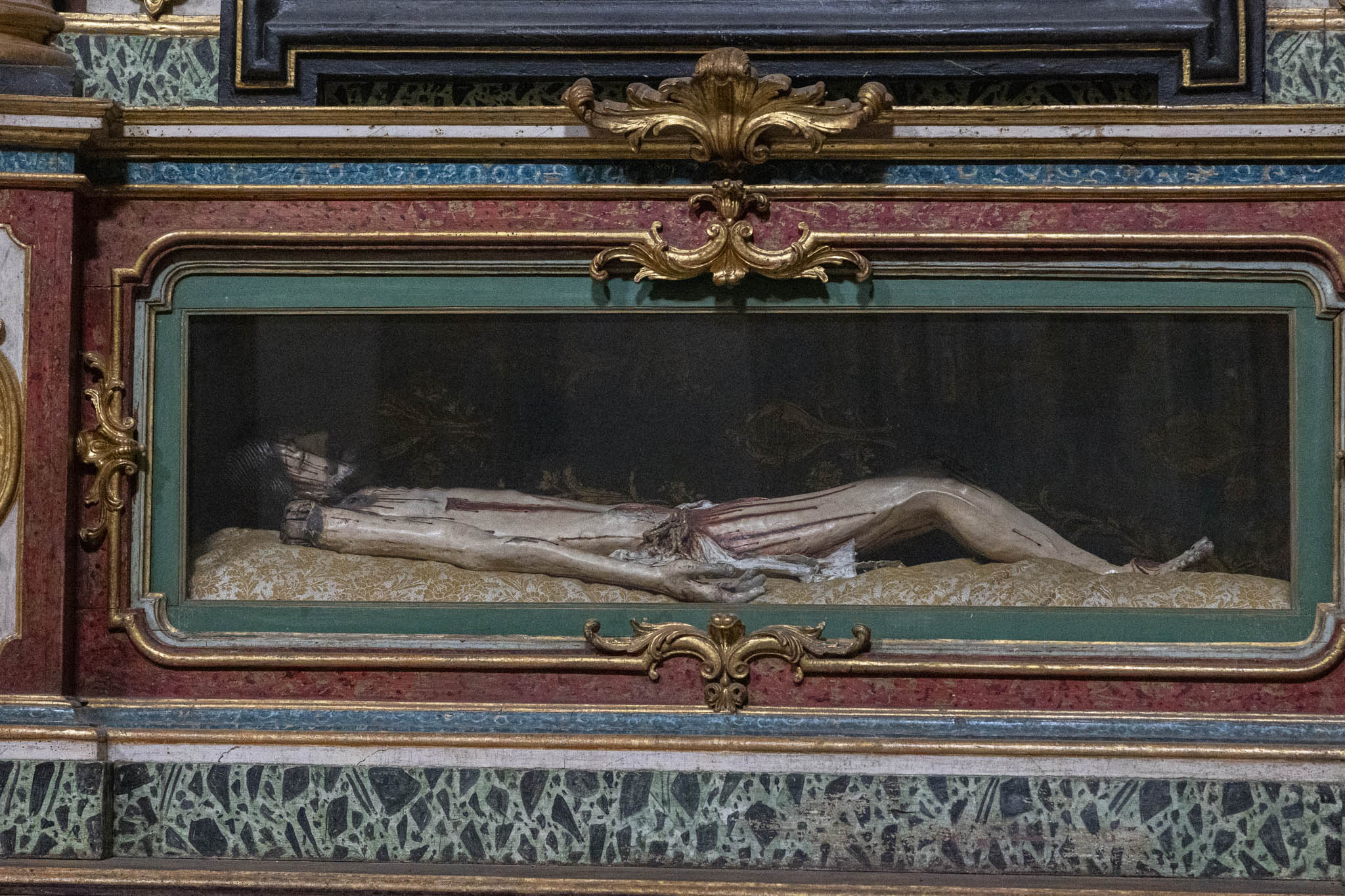
Heading back outside we decided to cross the bridge for some views from it and from the other side.
The impressive bridge we crossed dates from 1790. The previous bridge had collapsed in 1763 after the river flooded. Aesthetically pleasing with its high span and huge arched supports, the São Gonçalo bridge was also the site of an important battle during the early nineteenth century second invasion of Portugal by France. Almost half of the Napoleonic forces in Portugal were held on one side of the bridge for two weeks while Amarante’s defenders blockaded and mined the structure. Although the French forces eventually broke through – they set off their own explosion on the bridge to sever the Portuguese detonation cords – the delay gave British forces enough time to march on other strategically important locations in the peninsula with significant knock-on effects for the war.
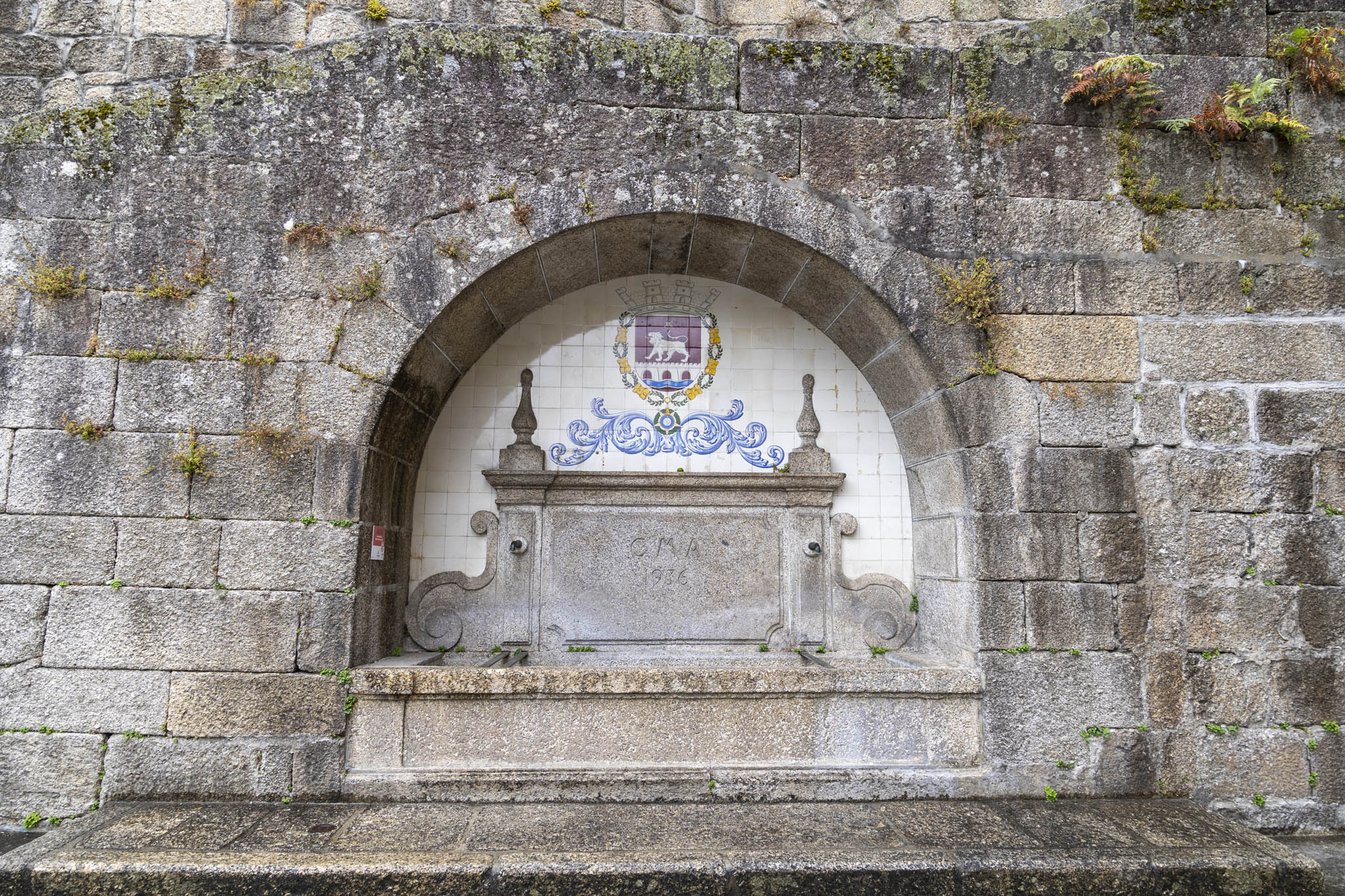
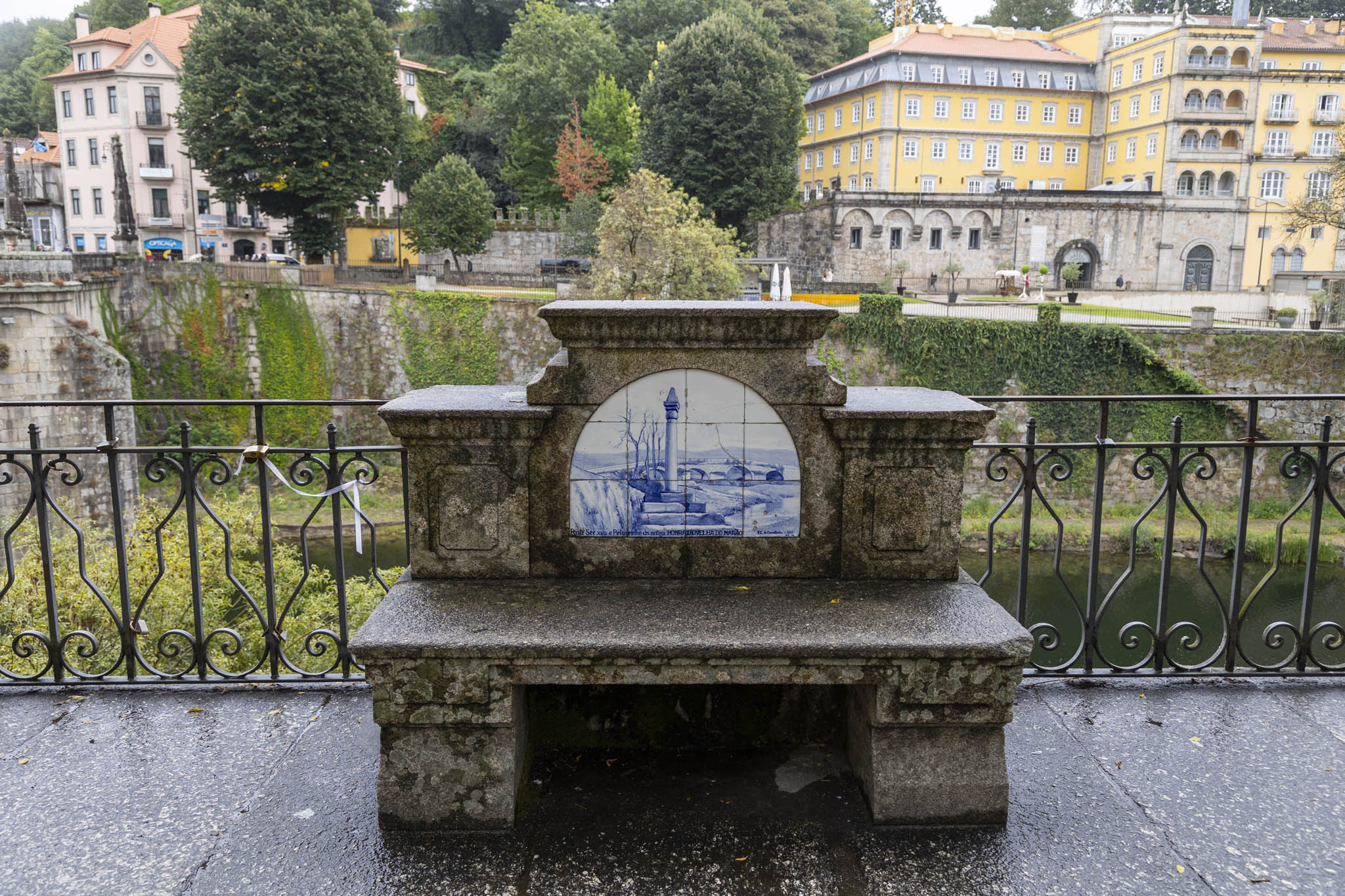
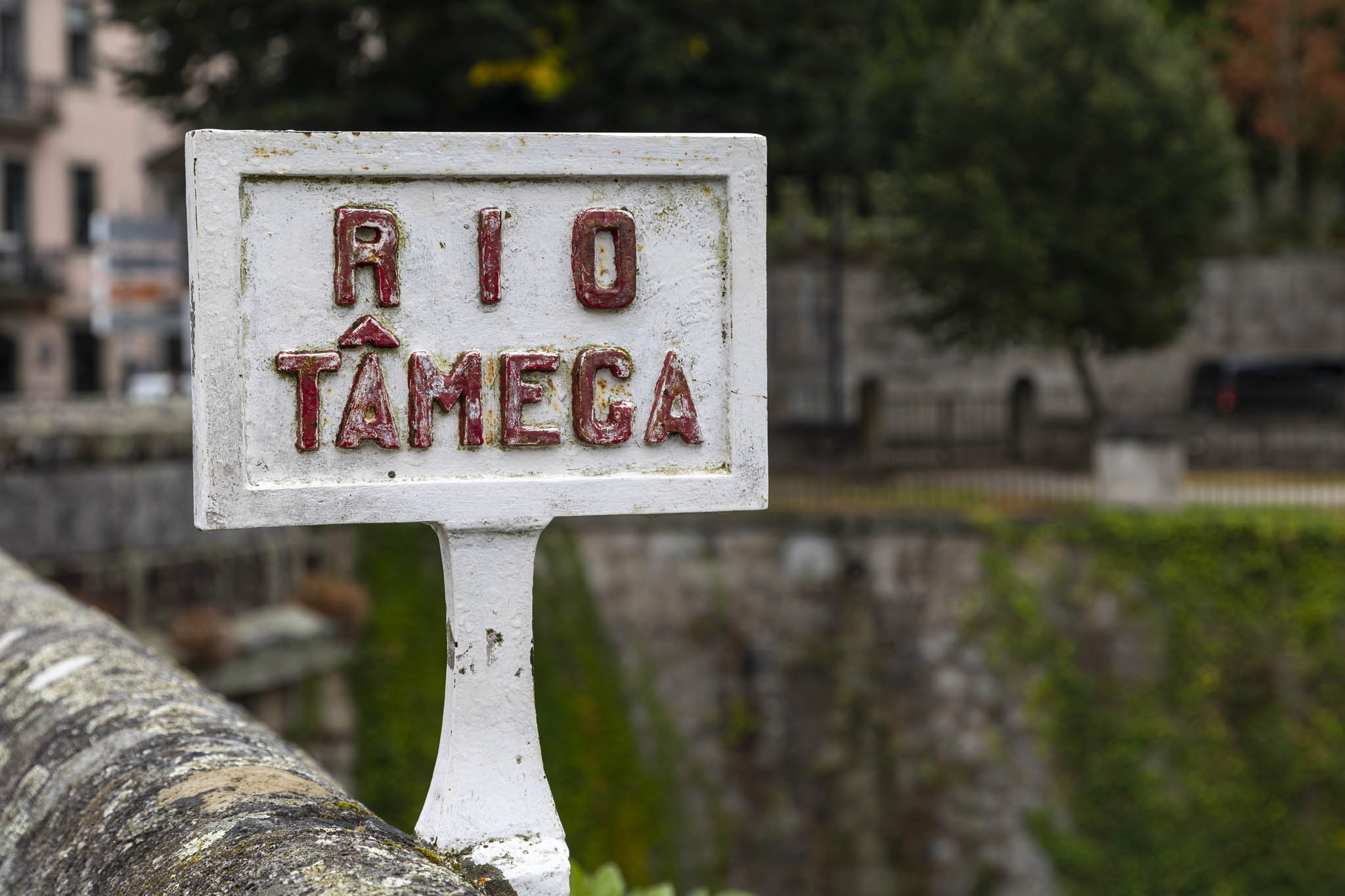
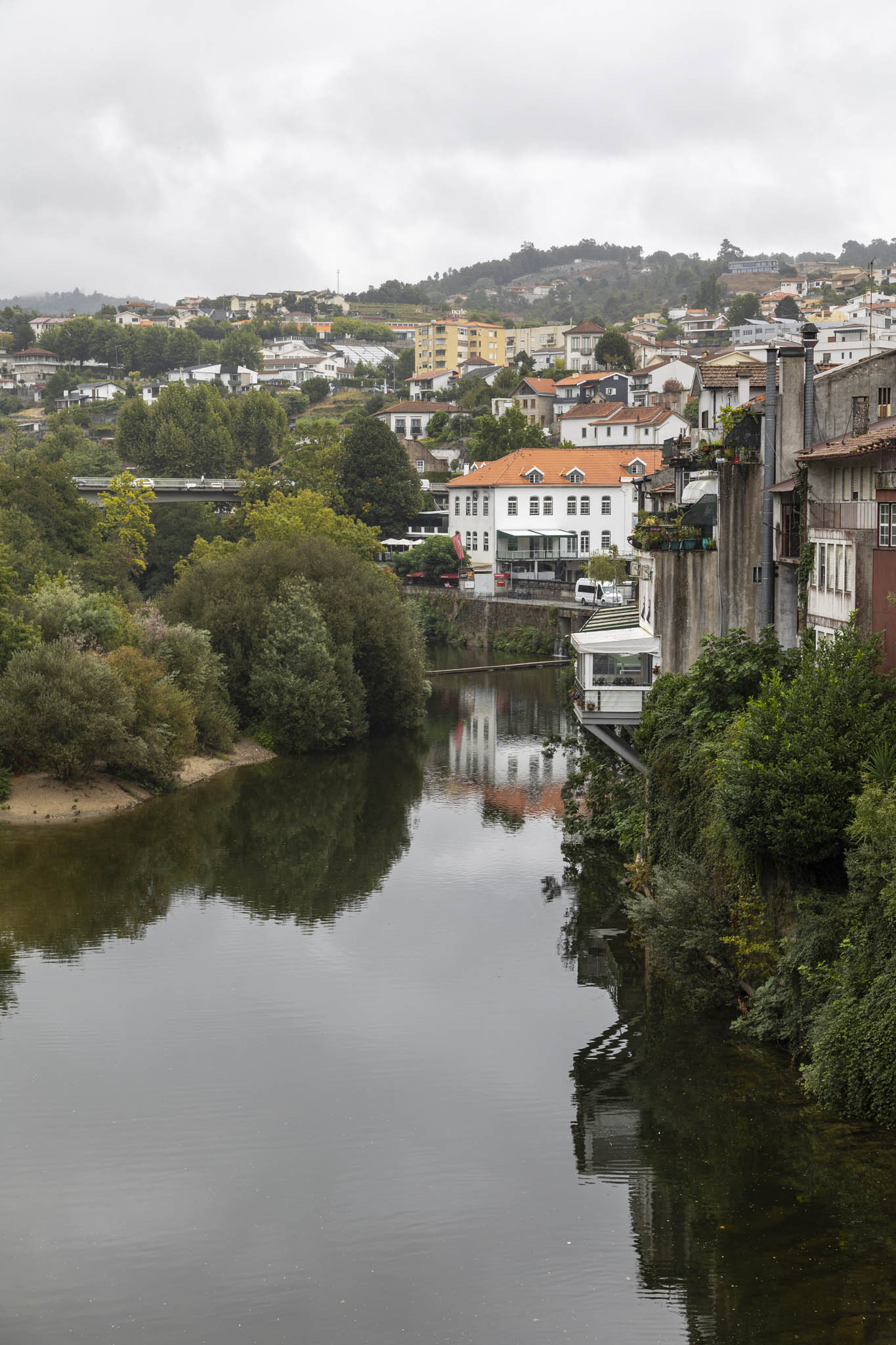
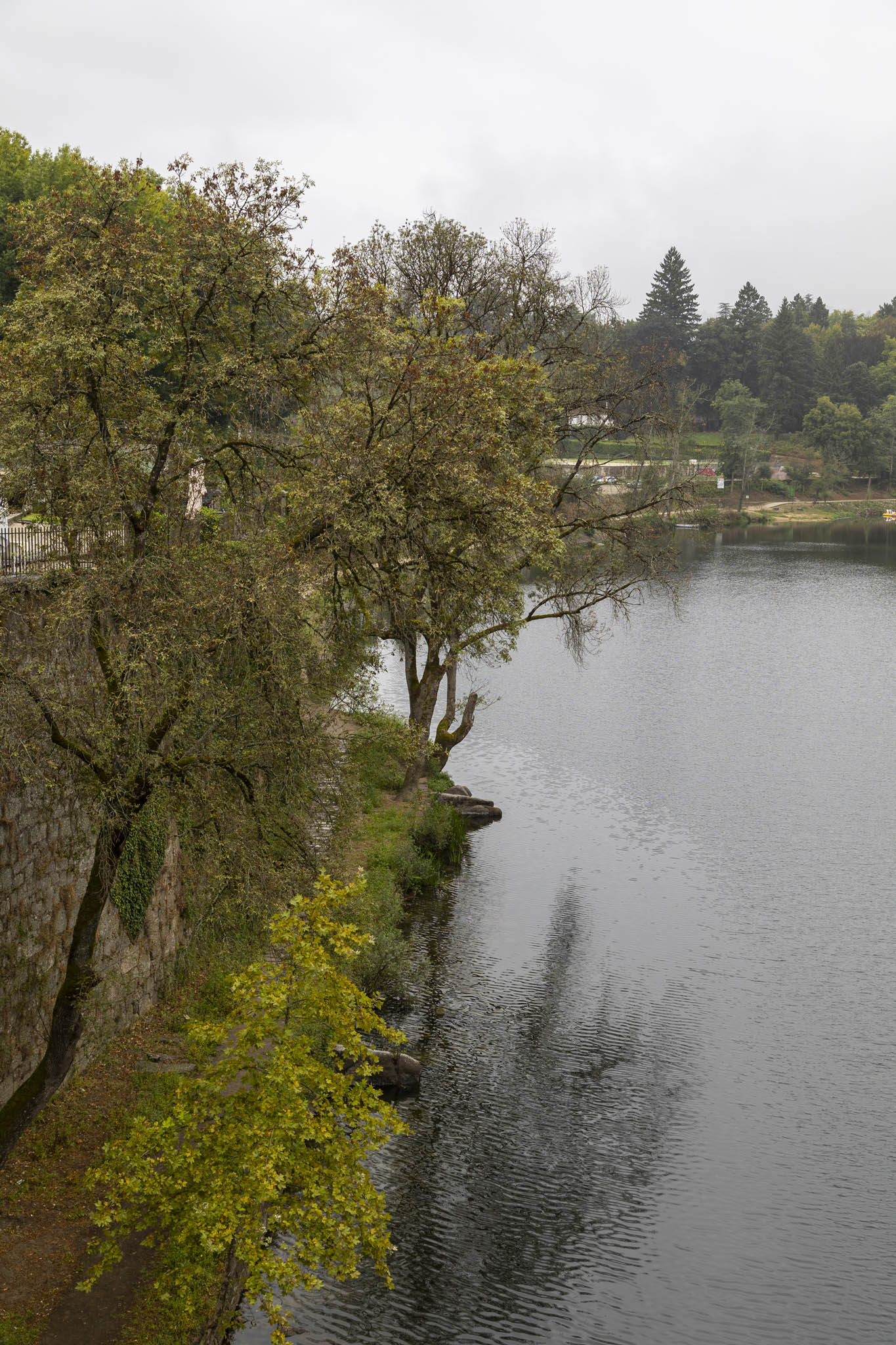
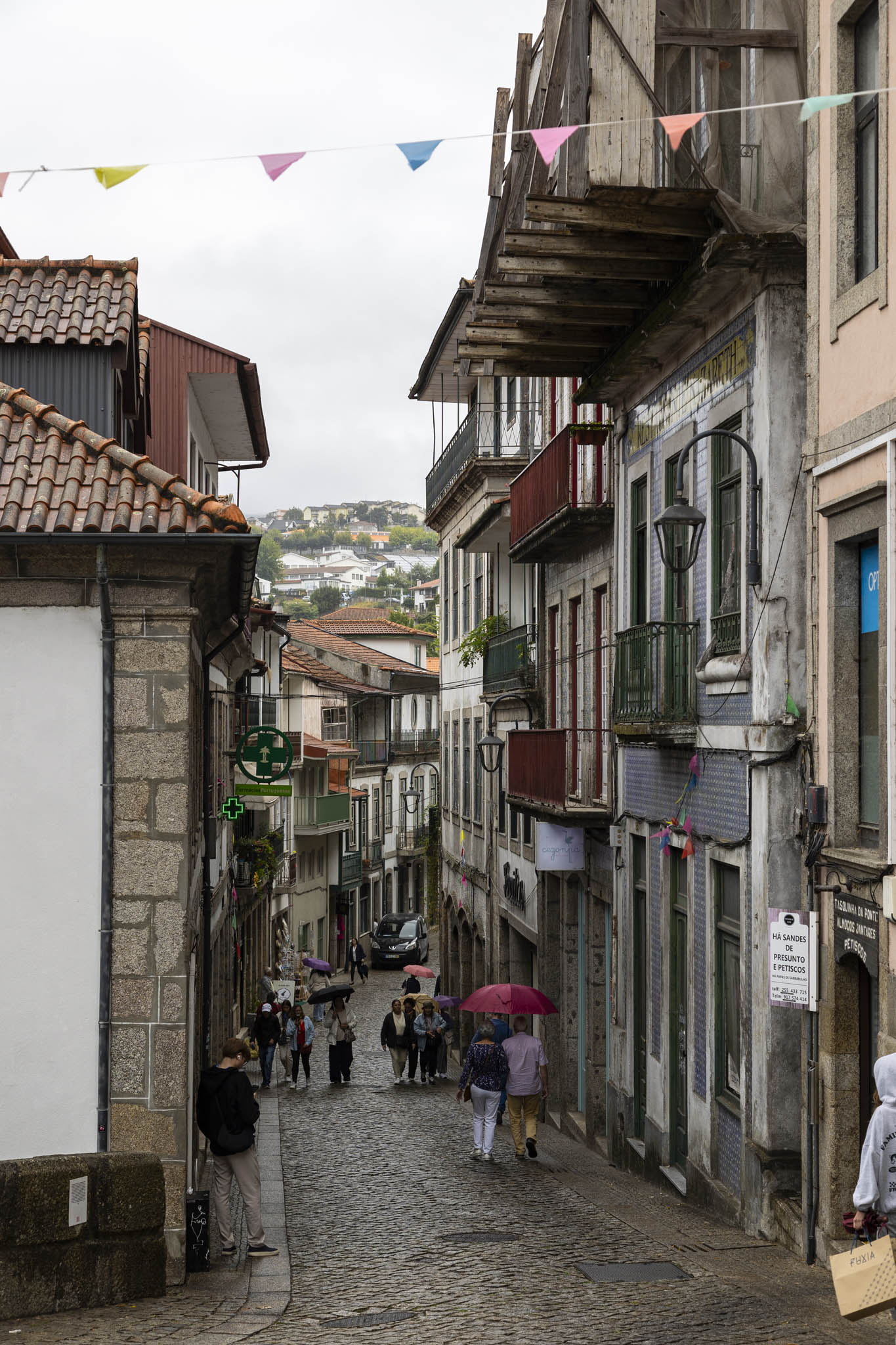
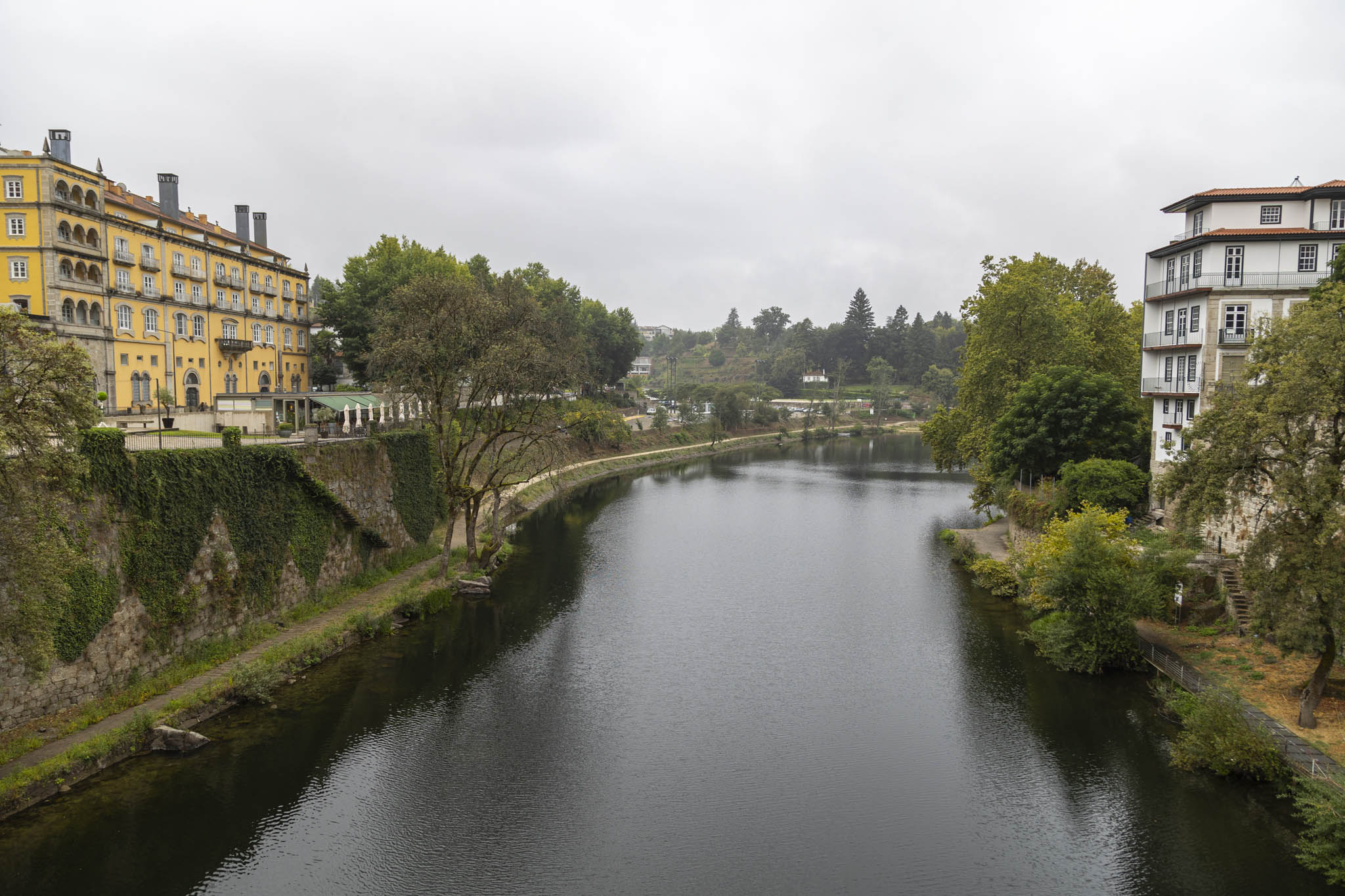
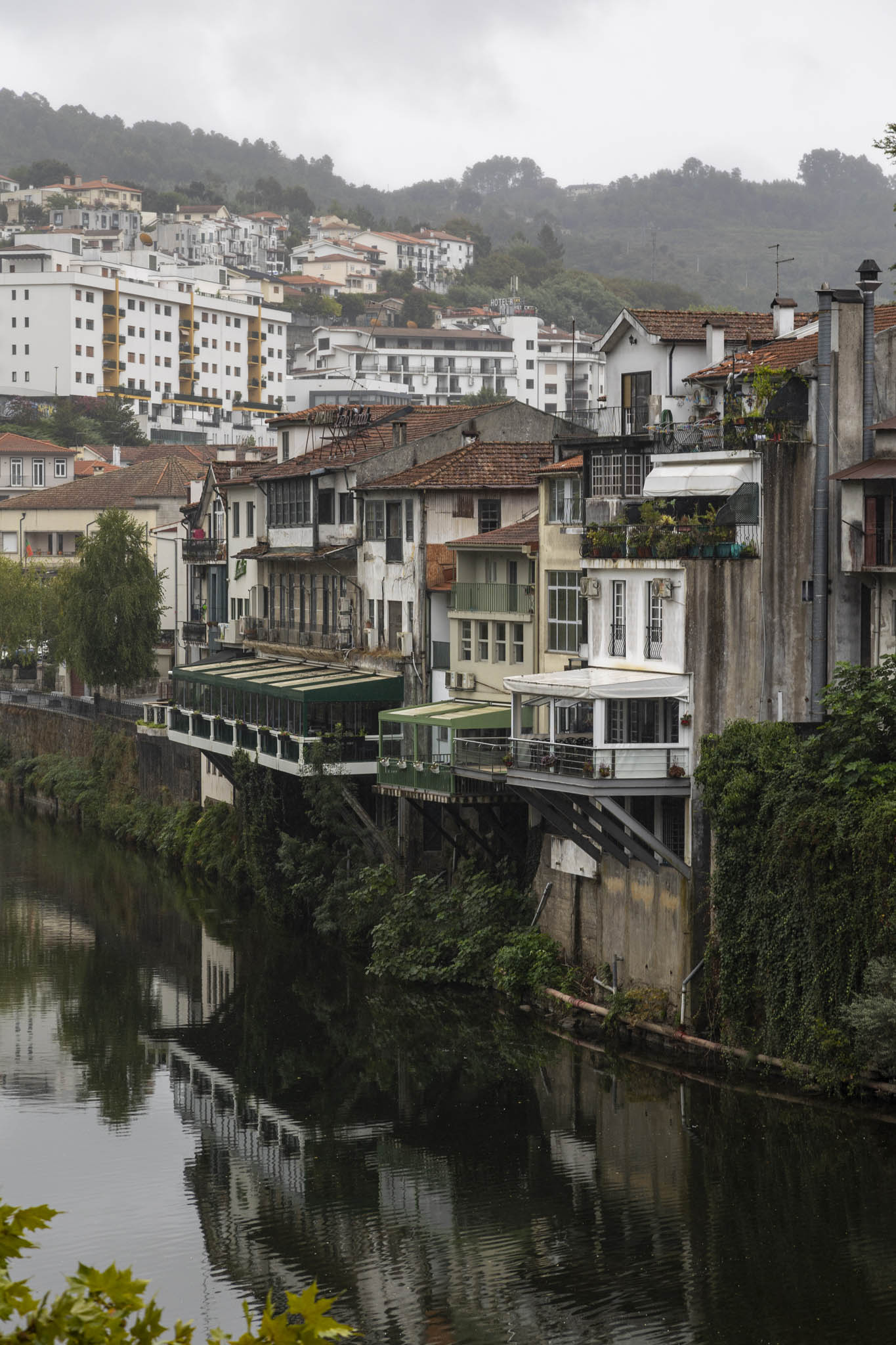
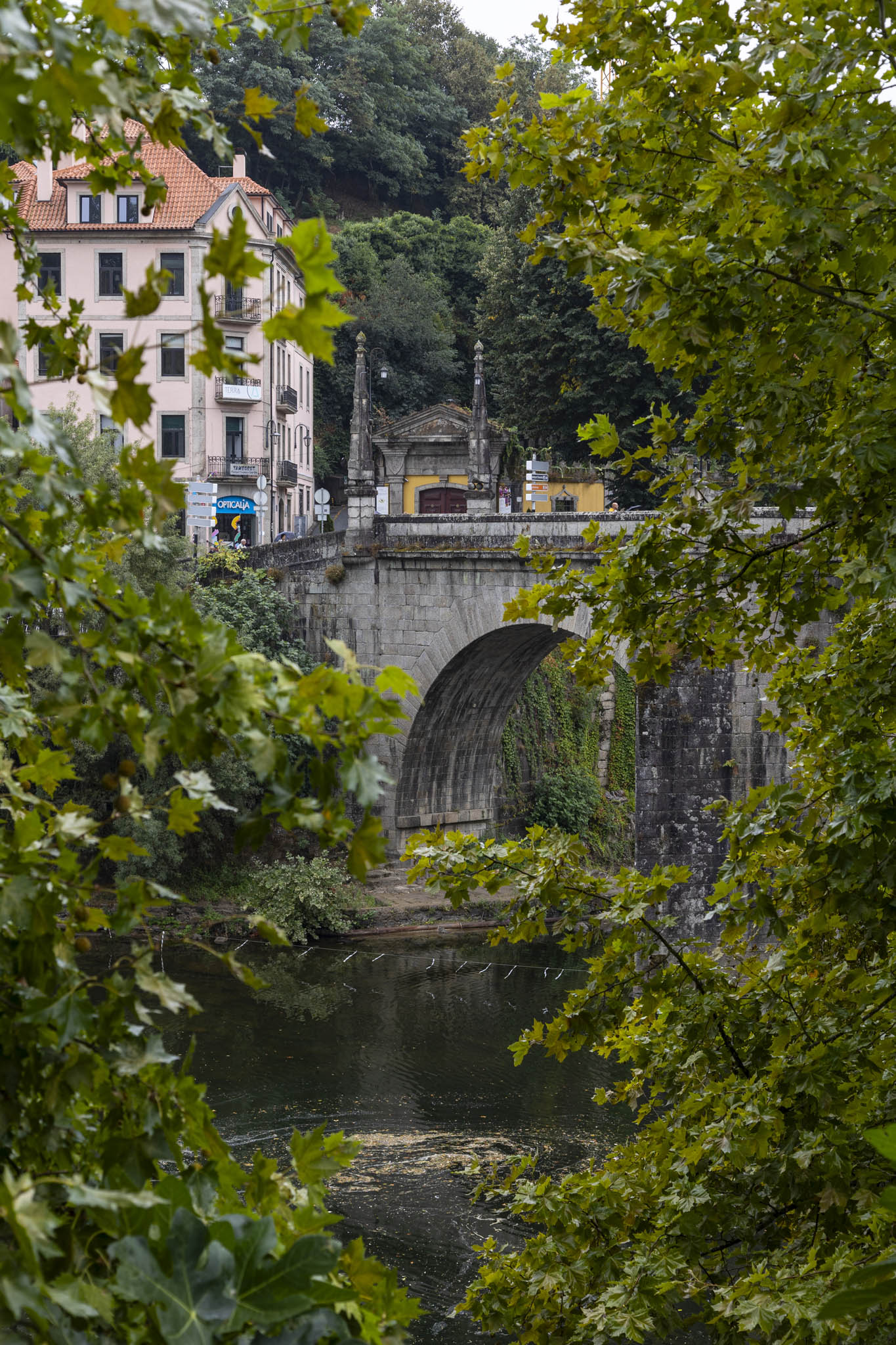
As I’ve said, we didn’t have a lot of time in Amarante but we saw enough to know that it was full of charm that would be even more appealing with good weather. Indeed, just as we finished our short exploration of the area around the bridge the sun even made an appearance.
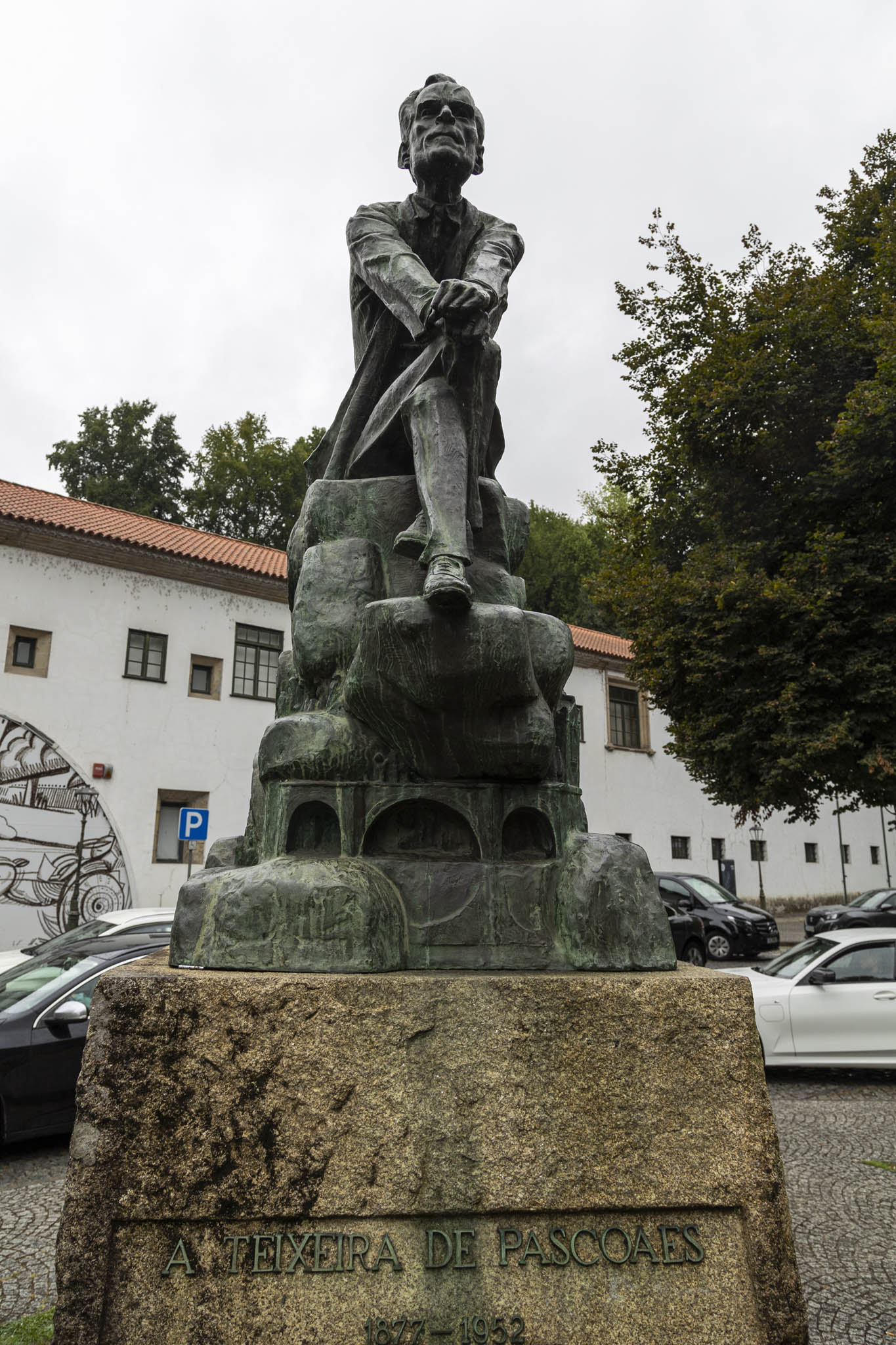
One thing we could have done before we left – but didn’t – was buy some doces falicos from some vendors along the route back to the bus. These are cakes that couples in and around Amarante exchange as tokens of love and affection, which sounds nice, but they’re also shaped like penises which, admittedly, some people might also think is nice, but I’m not one of them.
In the next post in this cruise series we’ll celebrate my birthday with some port in Portugal as we visit a vineyard in the Douro Valley.