We’ve got into the bad habit when we’re travelling of putting ourselves through torture whenever we see a hill. We know we don’t like climbing hills. We know my wife has dodgy limbs and joints that cause her discomfort when they’re stressed. But we also know that there’s often a reward at the top of the hill, and if it’s more than just a pretty view then we know we’re terrible at saying “Do you think you can make it?” and “Well, do you want to go up there or not?” and “We’re here and we don’t know if or when we’ll come back and we’re not getting any younger” to each other until we trudge off.
Vigo has a hill overlooking the city and on that hill stands the Fortress of El Castro so after a morning wander around some of the interesting architecture and art in Vigo we made the decision to see if we could get to it. Because we were in the middle of the city and surrounded by buildings we didn’t really have a firm idea for how high up the fortress would be but we’d not seen a mountain towering over the cruise port earlier in the day and guessed it likely wouldn’t involve too much uphill-walking since we’d already had to do a little by this point anyway.


Wrong.
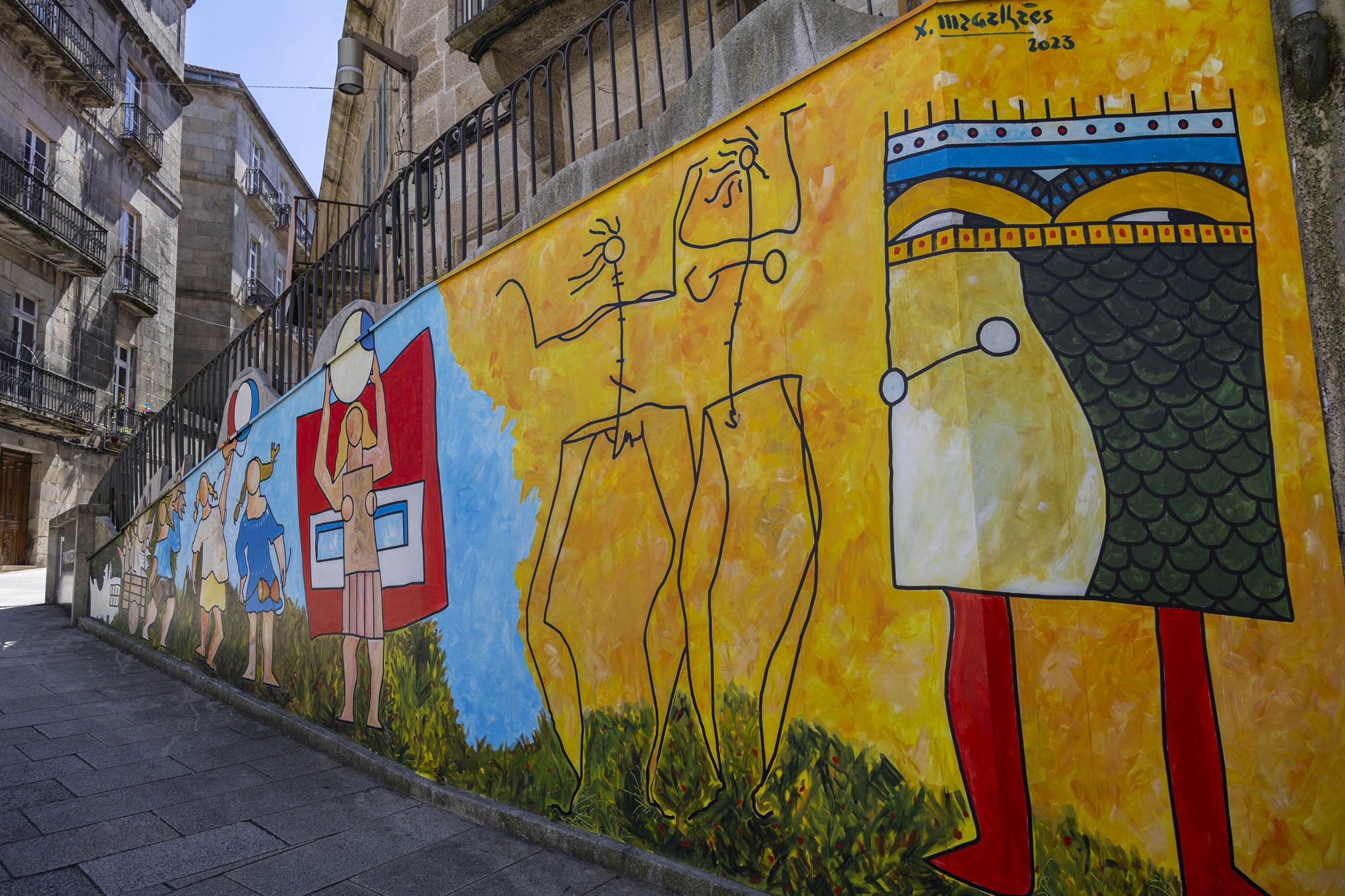
There was quite a bit more uphill-walking than we’d anticipated, which isn’t really surprising as we always underestimate this sort of thing, and because we weren’t approaching by the most direct route there was quite a big of zig-zagging up roads and paths through more tree-lined areas. We stopped often to take photographs and to rest, and we almost gave up the ascent when my wife’s knee suddenly started causing her a lot of pain. She’s a trooper, though, and after a decent break near an area of street art we were able to continue.


The fortress is really two fortresses and a city wall joined together to provide defences and it was built in the middle of the seventeenth century. Its actual usefulness was less than ideal as there were plenty of places that any invading force could land well out of the range of the guns and the subsequent history of El Castro is one of defeats, occupation, and ransacking.


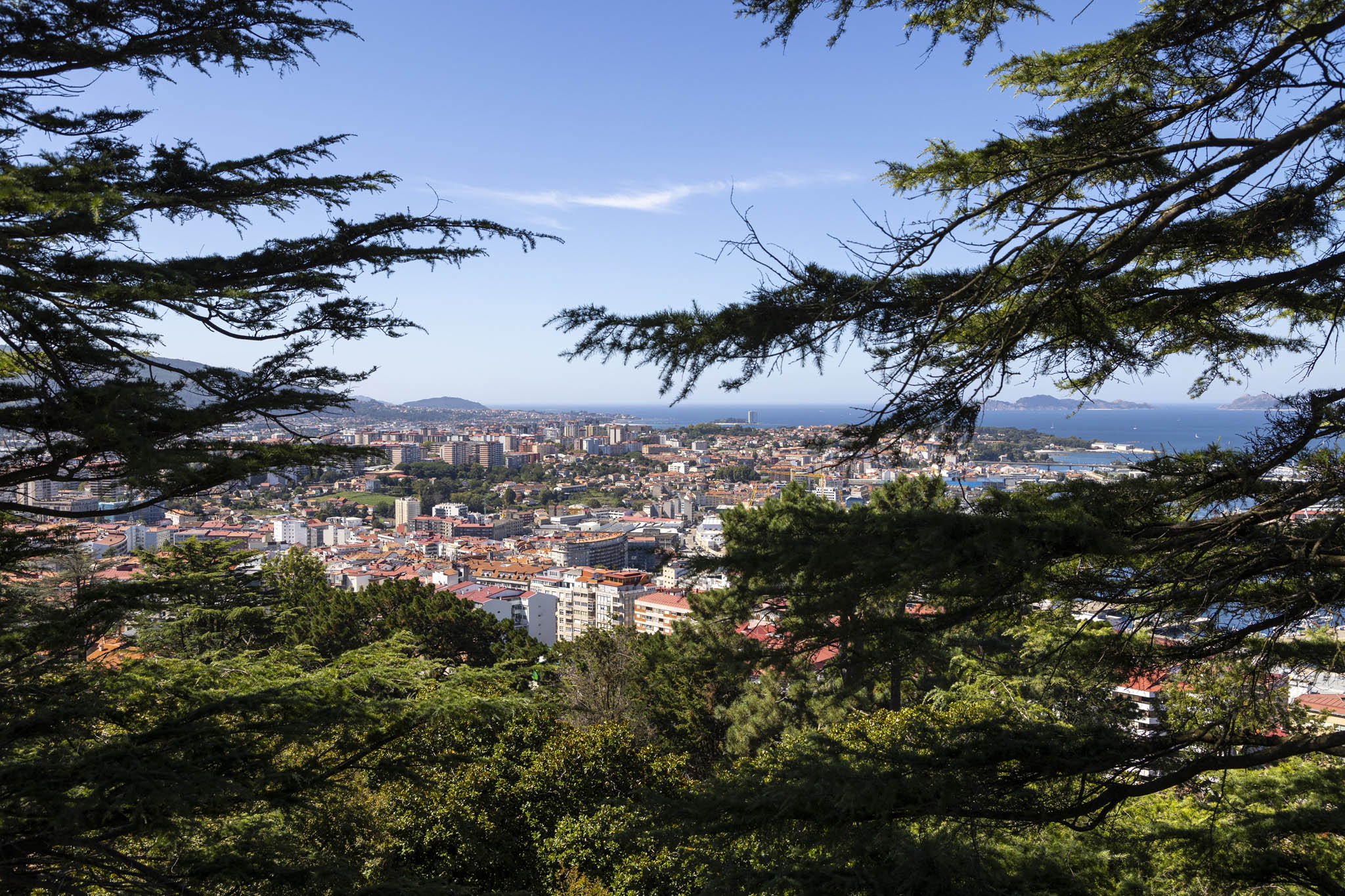
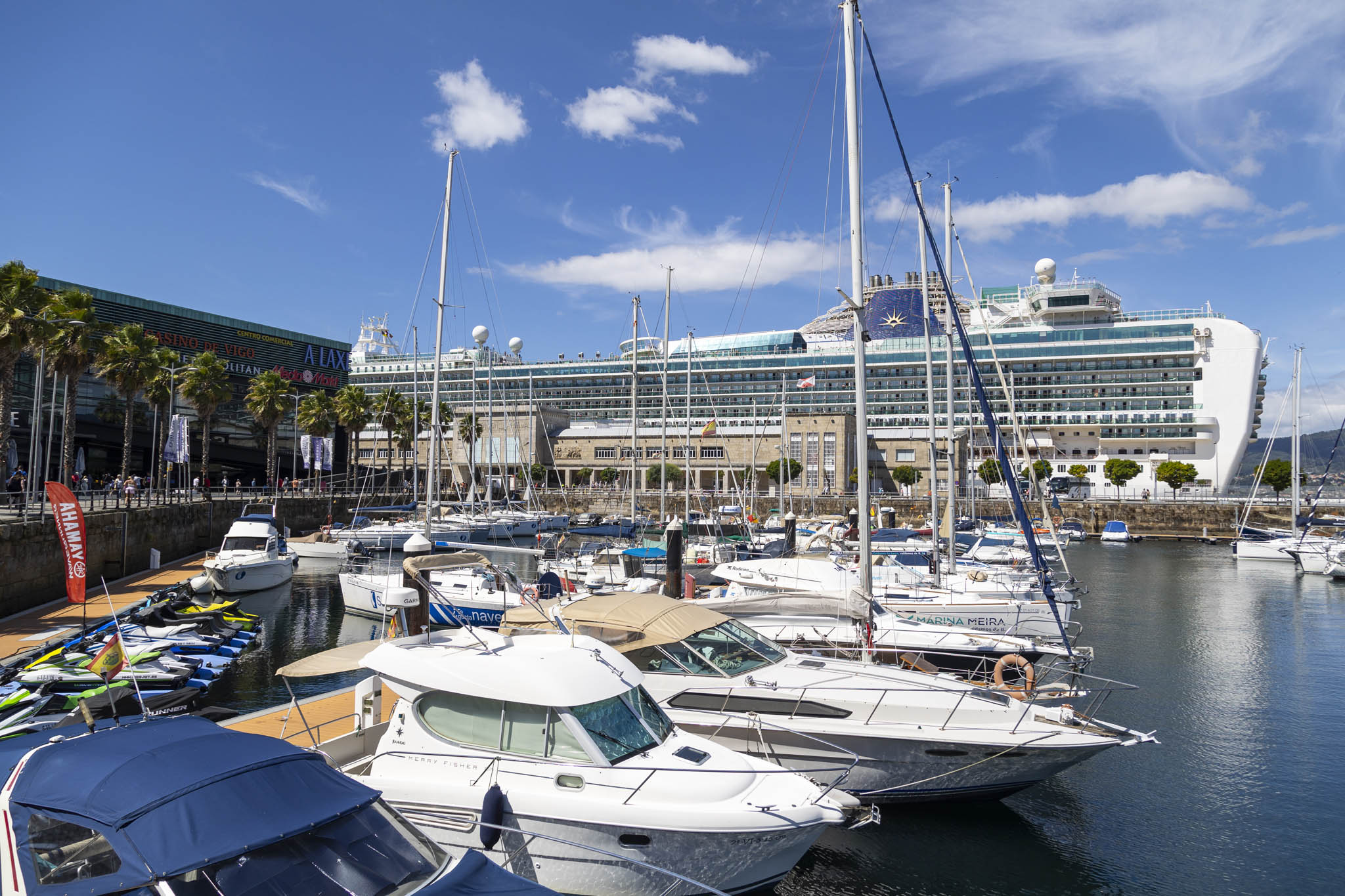
What most people come to El Castro for, though, are the views. There’s a very nice pond with fountain too, and the fortifications are very nice, but the views are the big draw as you can see out to sea, down to the port, and for cruise visitors, your own ship will be there and you’ll be obliged to take a photo of it. You can also get a feel of the height above sea level you’ll need to climb to get here, and if we’d had a firmer idea it was this far up we probably wouldn’t have risked injuring ourselves, so sometimes it’s good to not be informed.


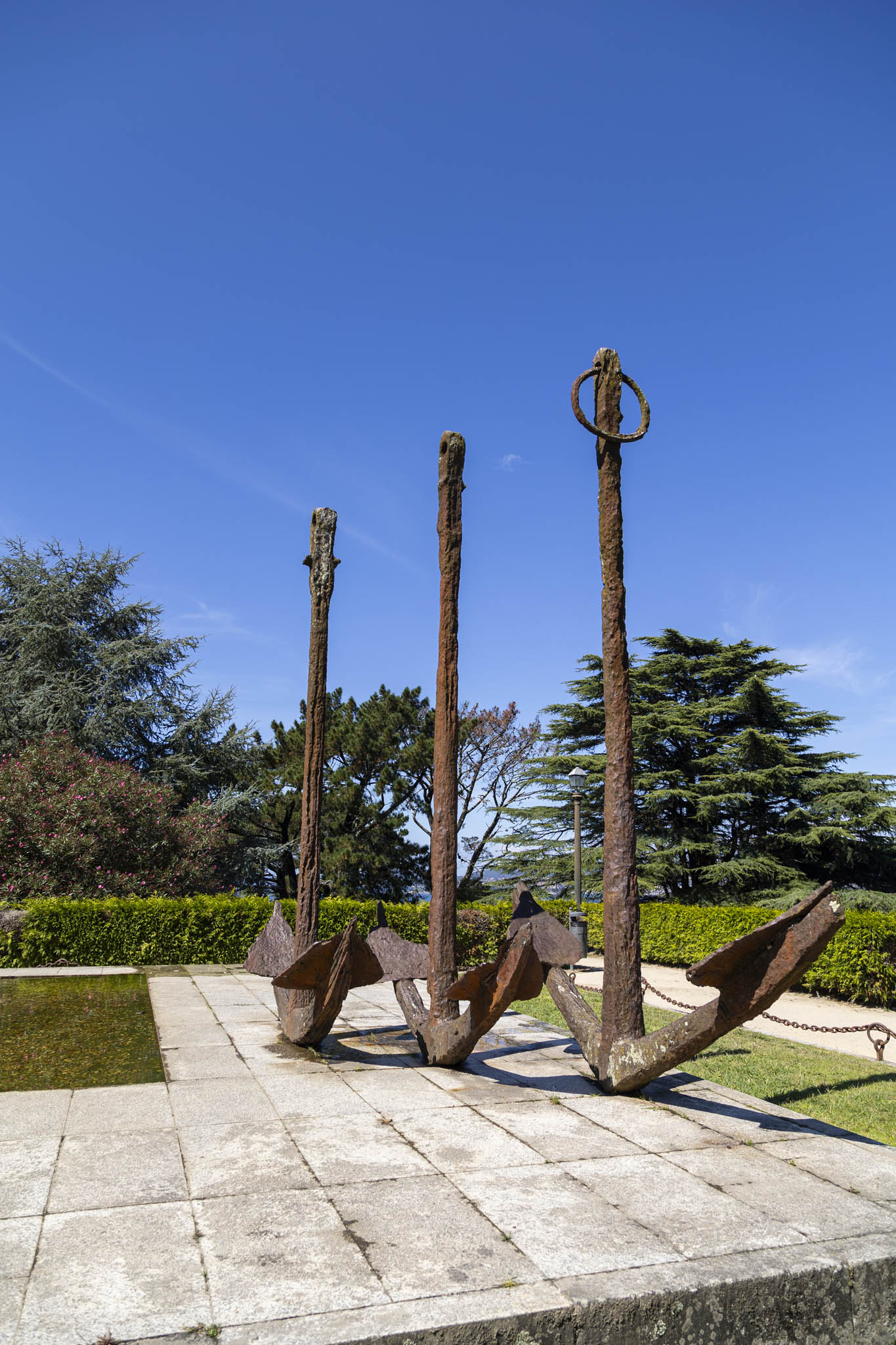
One of those battles that weren’t really affected by Vigo’s fortifications was the Battle of Vigo Bay (also known as the Battle of Rande) when a Dutch-Anglo fleet almost totally destroyed a Franco-Spanish fleet that had made it to Vigo with treasure from the New World. A lot of treasure was subsequently taken whilst rumours abounded that much was sunk and could still be in the muddy waters off the city. Regardless, a monument to the battle in the form of three of the anchors and some guns recovered from the sea bed was erected in 1967 and designed by local artist Desiderio Pernas.


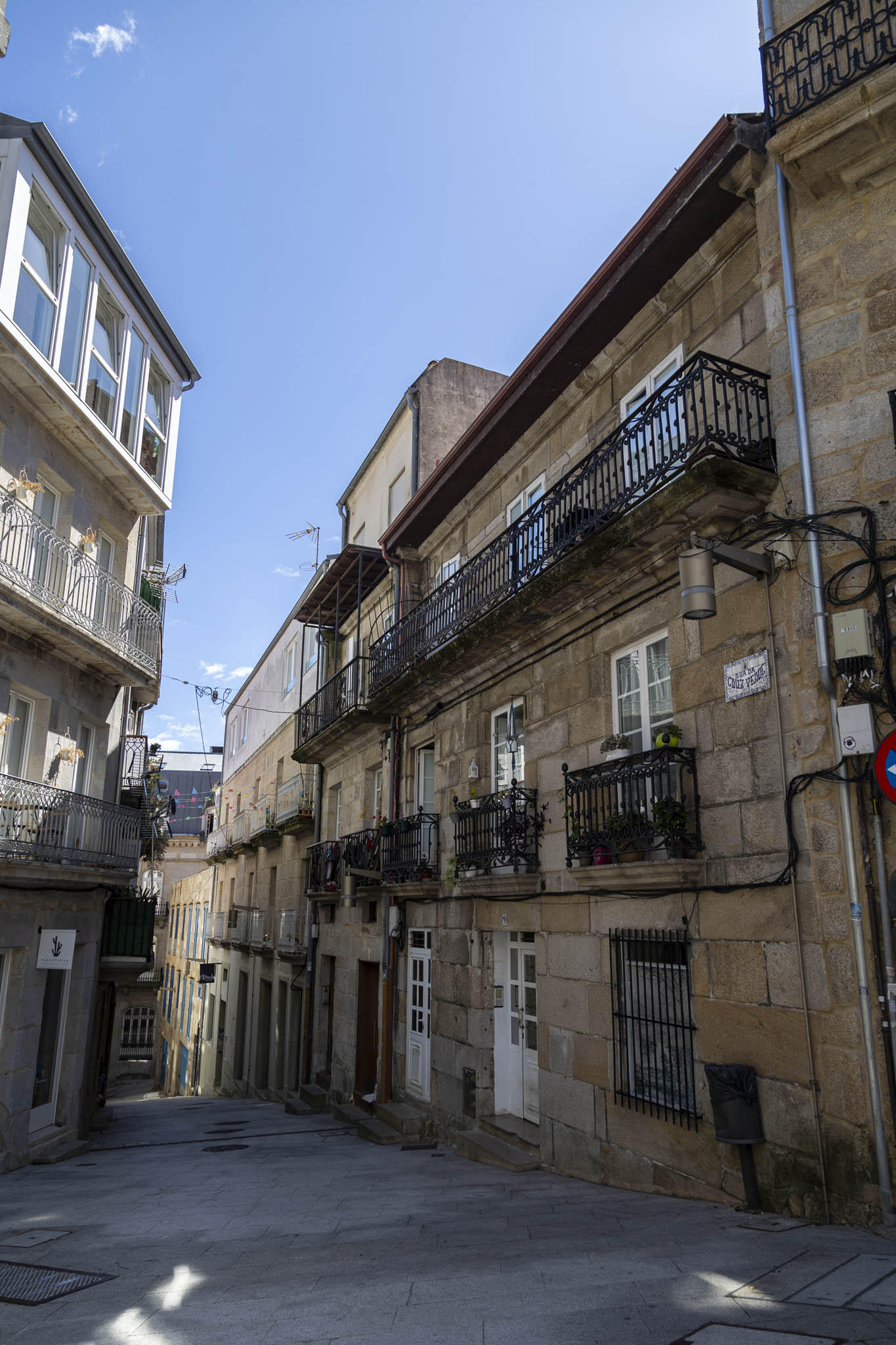
Getting down from the fortress was a lot easier than getting up to it and we were soon back in the main part of Vigo where we decided we needed to reward our exercise and appreciation of some cultural highlights of the city with a beer in the shade somewhere. It was just a lager, so not our preferred drink – we’re fond of trying locally-made craft beers if we can – but we were hot and a little tired so it hit the spot nicely. What was fun here was admiring the perseverance of the pigeons on adjoining tables trying to get at leftover crisps and not really caring if they knocked empty bottles over to do so.




As we approached the cruise terminal we passed by a large bronze sculpture in a very odd pose. This was El Nadador and its name means The Swimmer and not The Faceplant in case you were wondering. This sculpture is supposed to a swimmer in the act of diving into the water while there’s another one to find elsewhere in the city that depicts the swimmer in mid-stroke. The pair are by Francisco Leiro.



In the next post in this Iberian cruise travelogue series we’ll sail away from Vigo.